
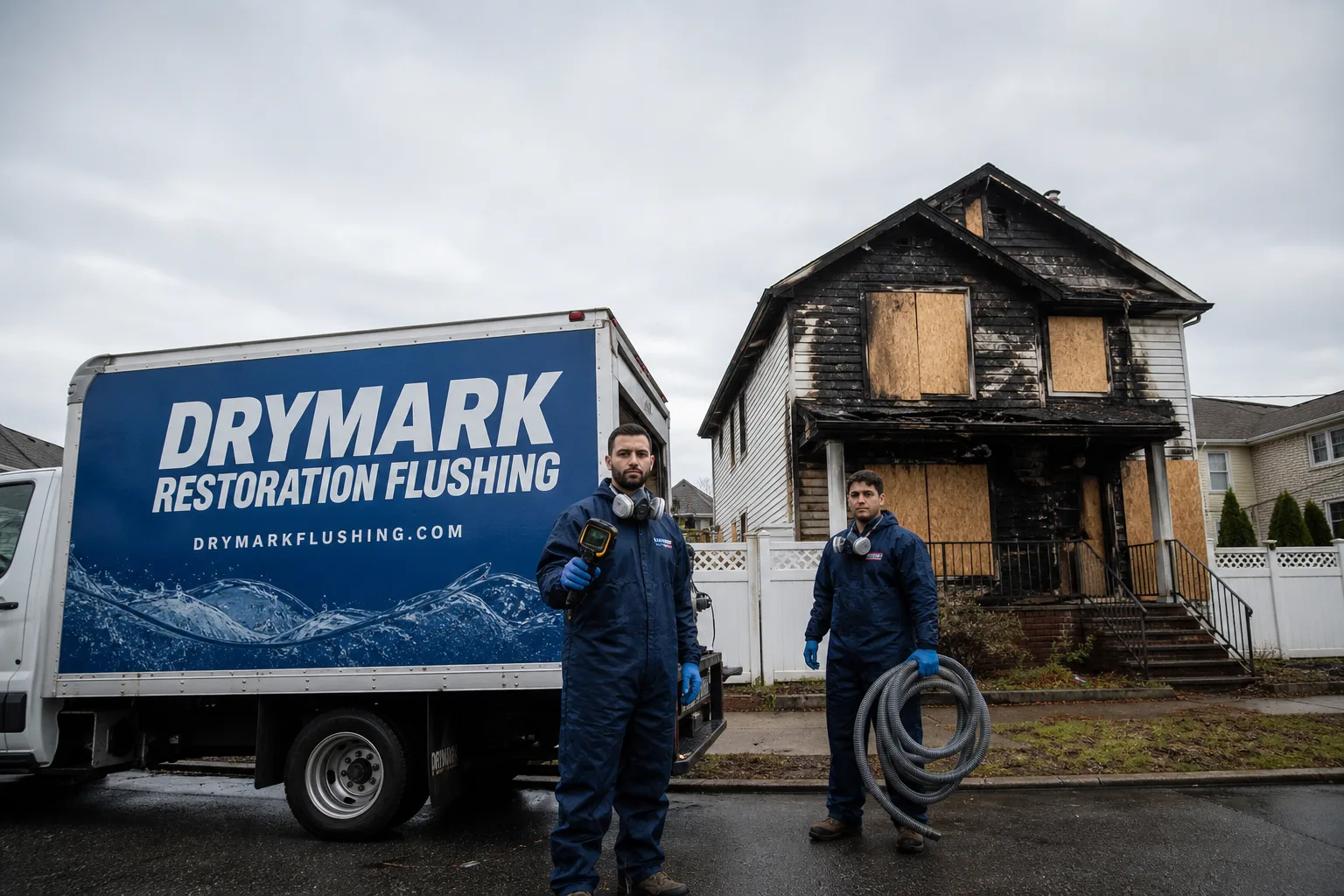
Free visual inspection and a written scope of work before any mitigation begins - photos, moisture readings, and drying logs go in your claim file
The scope we write is the scope we bill. Anything new gets shown to you, in writing, before we touch it.
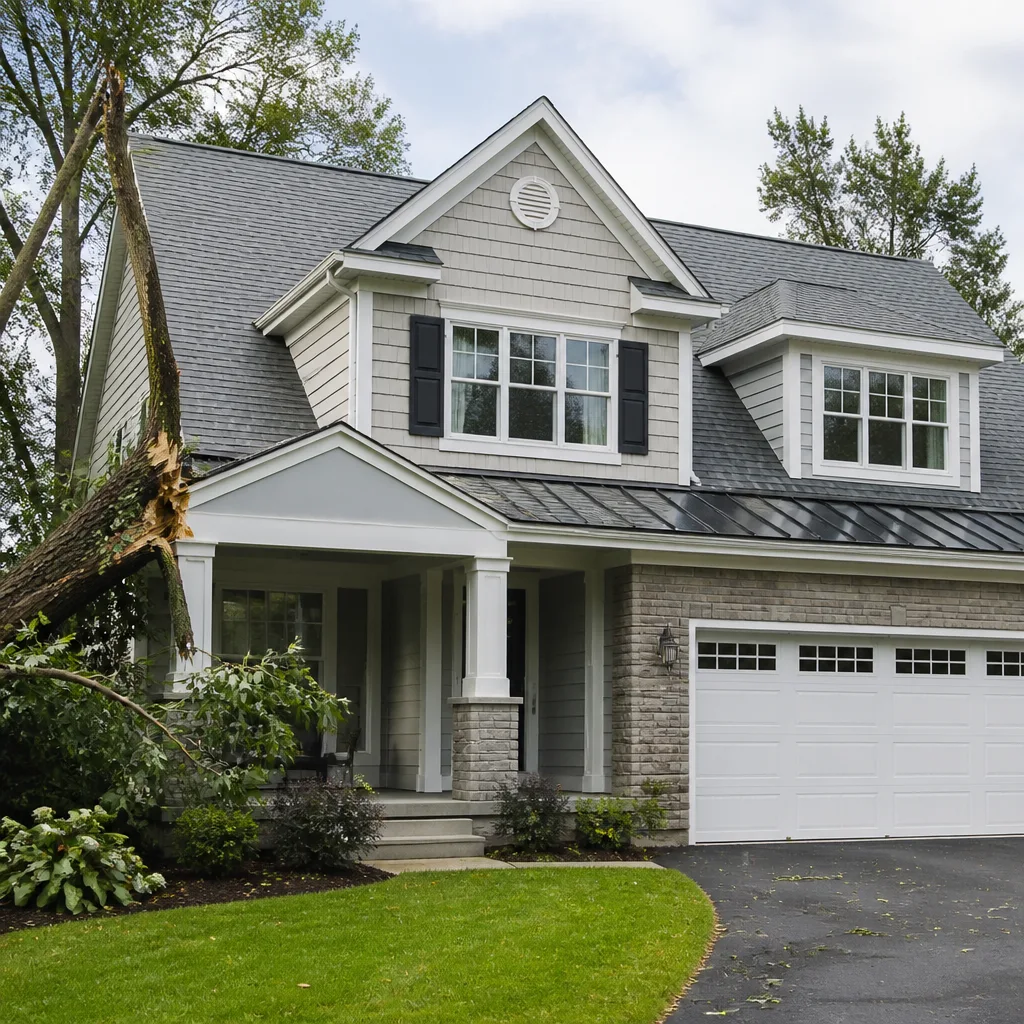
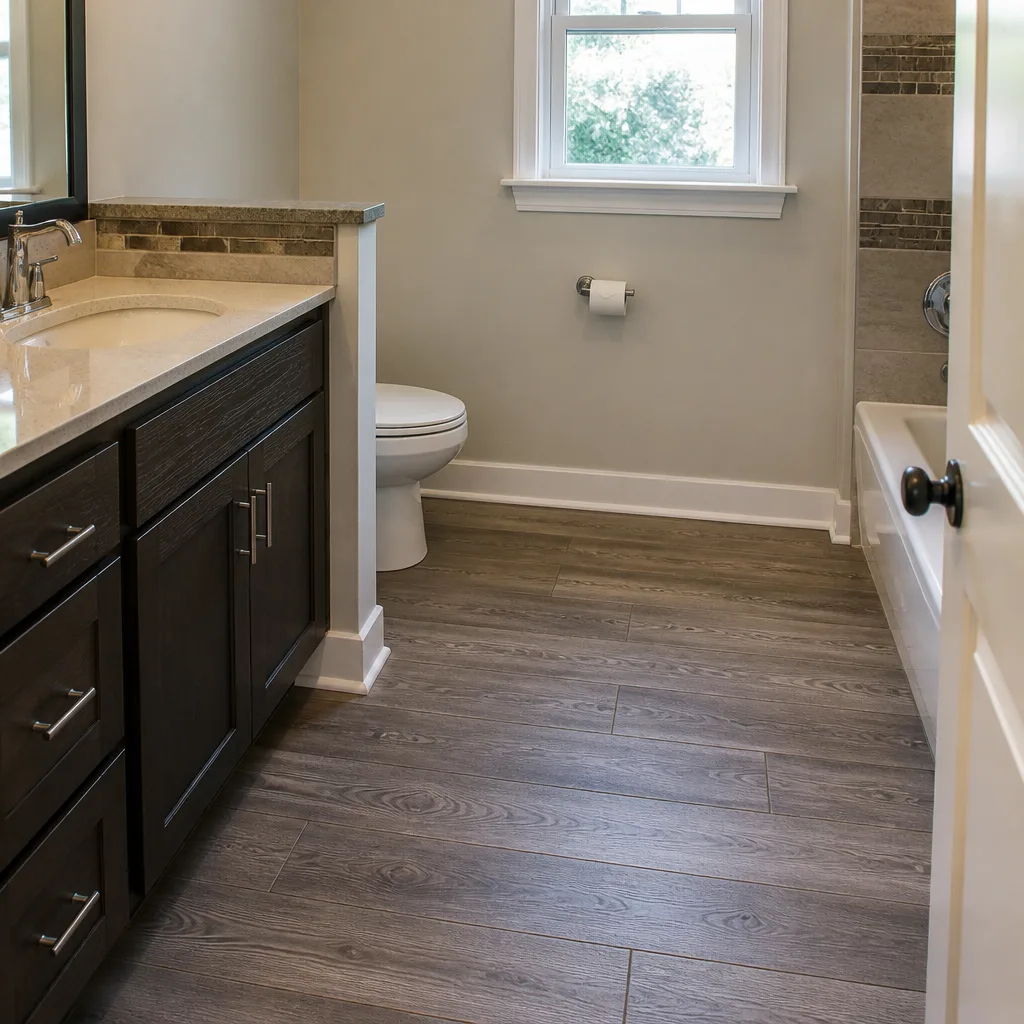
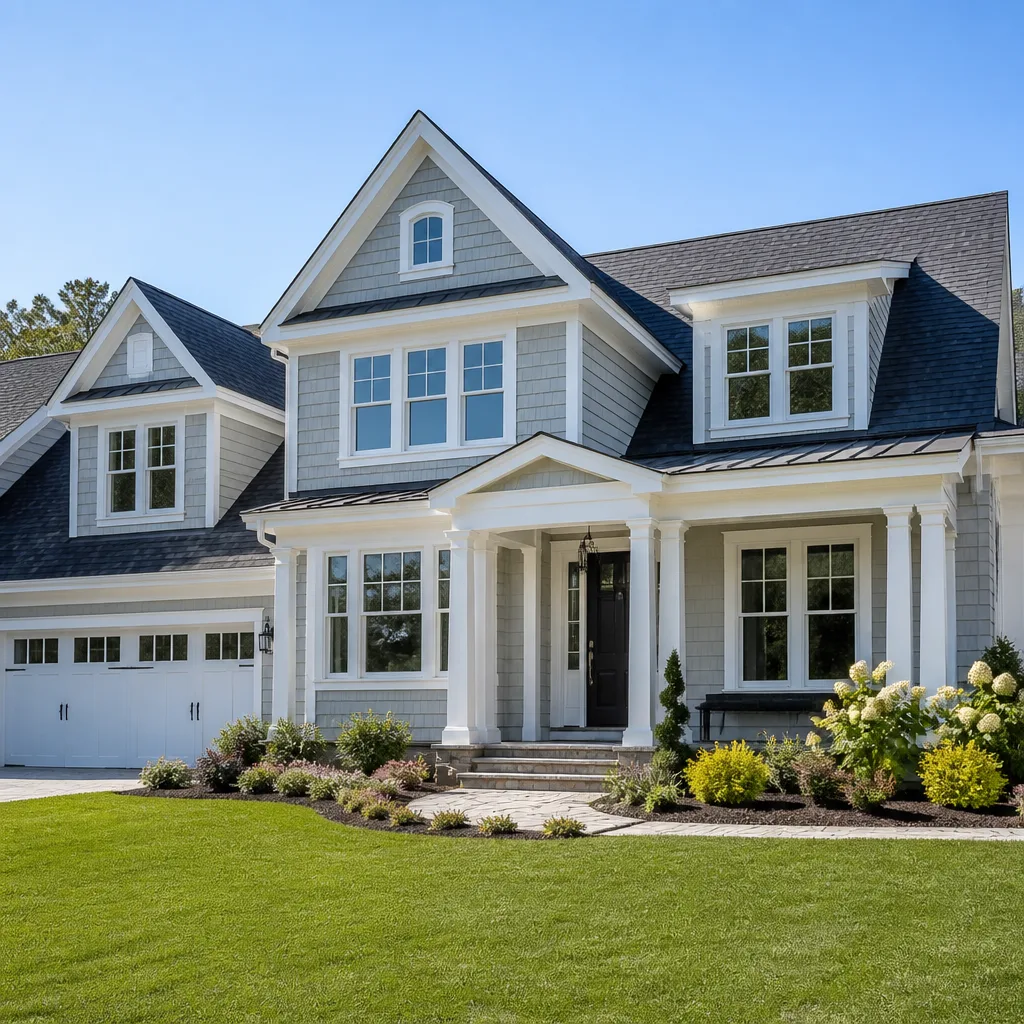
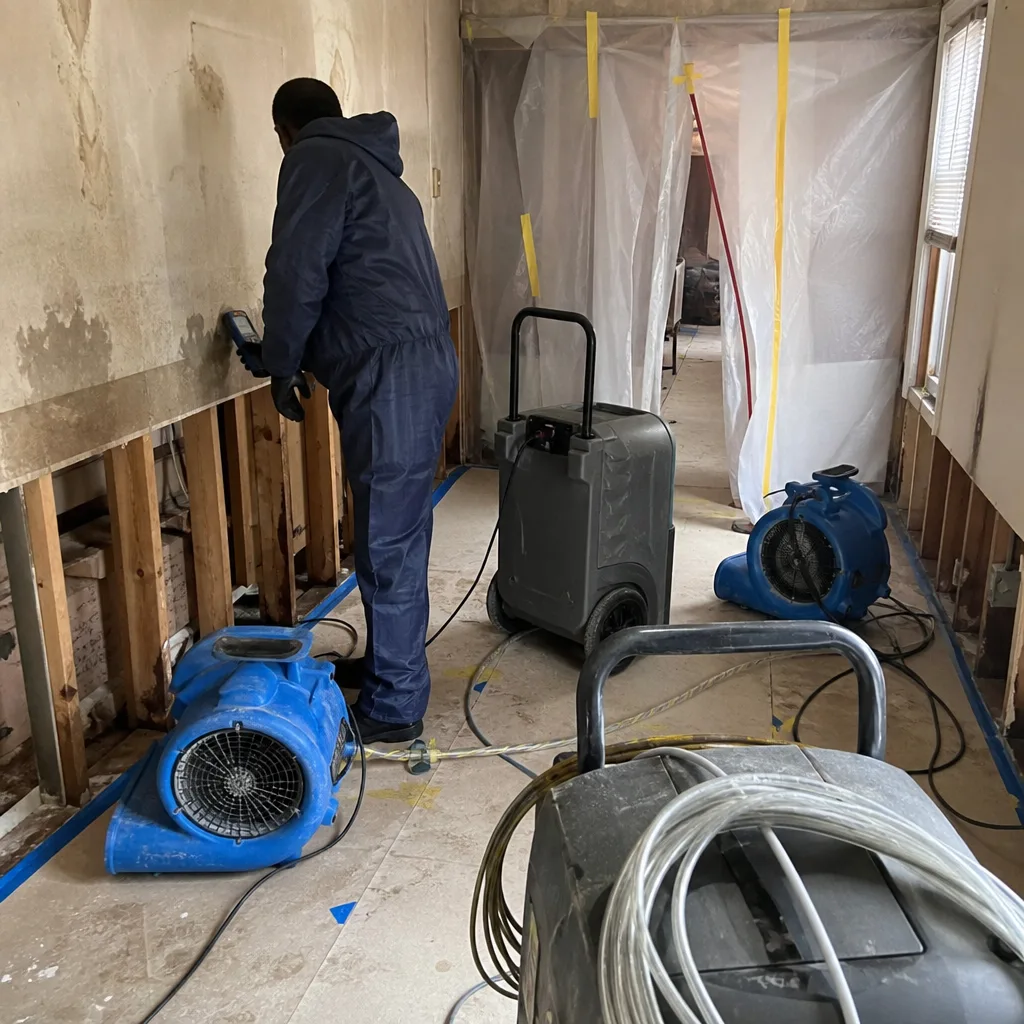 Before
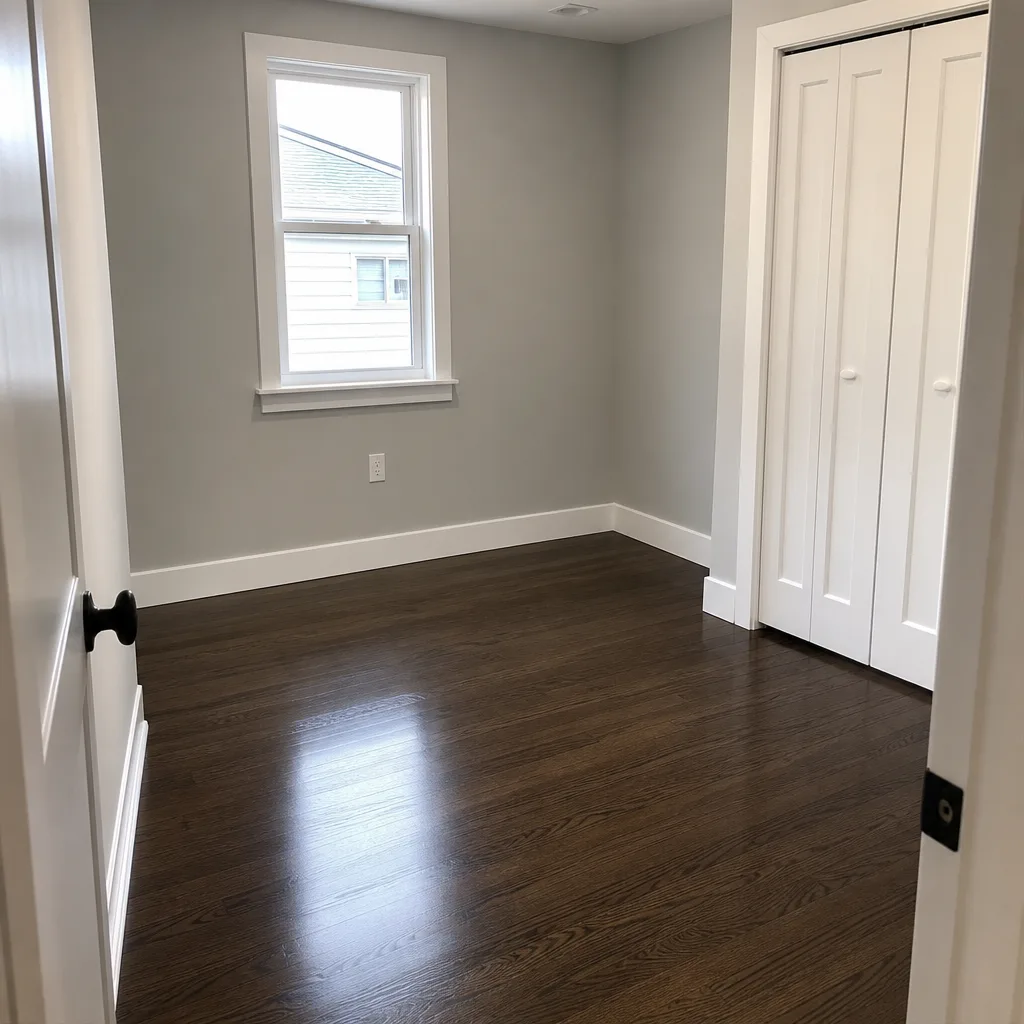 After
After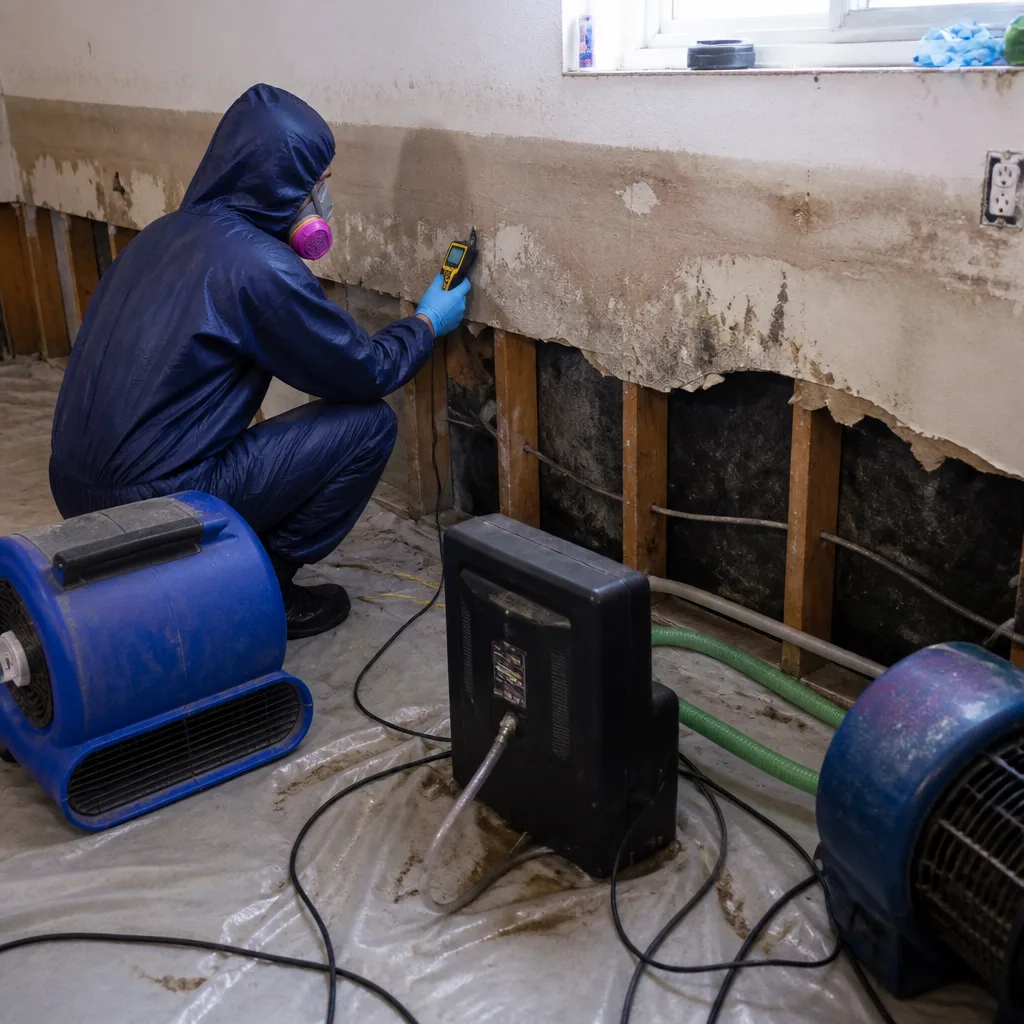 Before
 After
After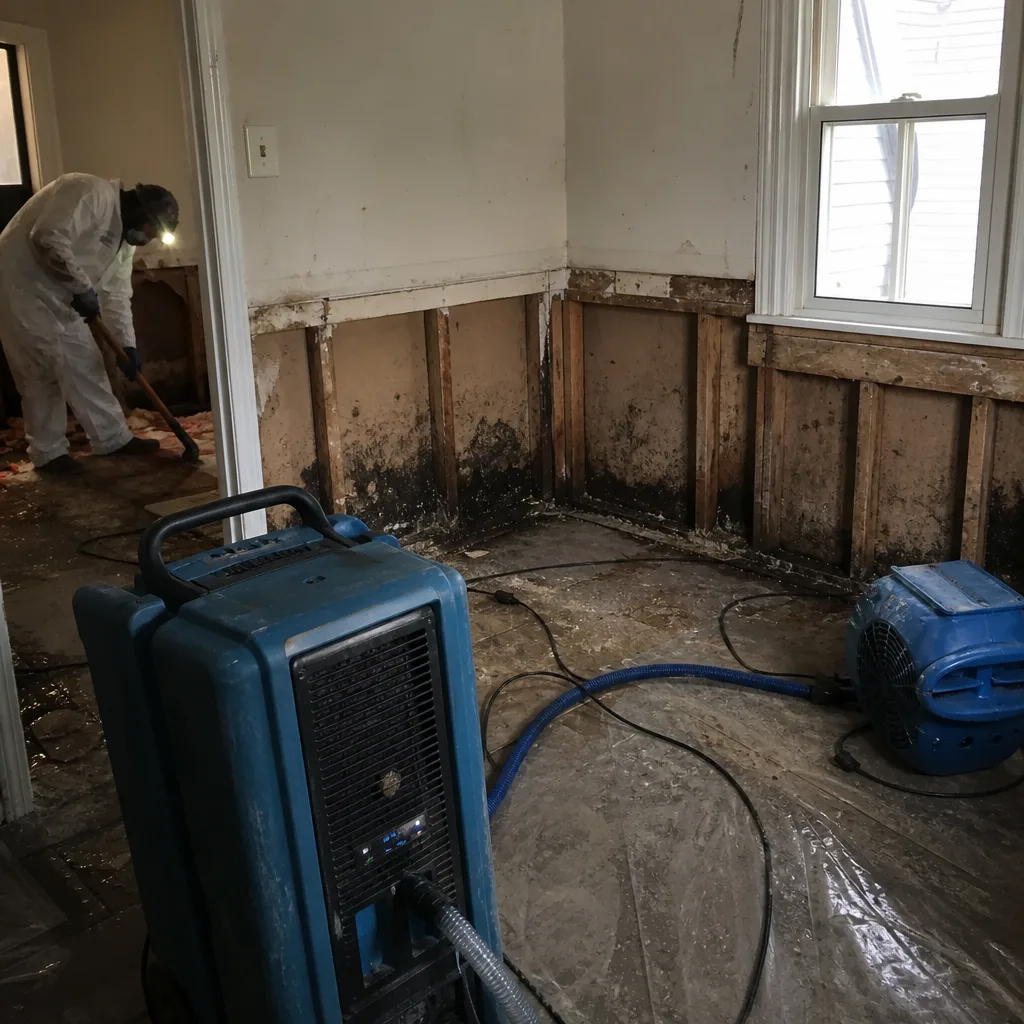 Before
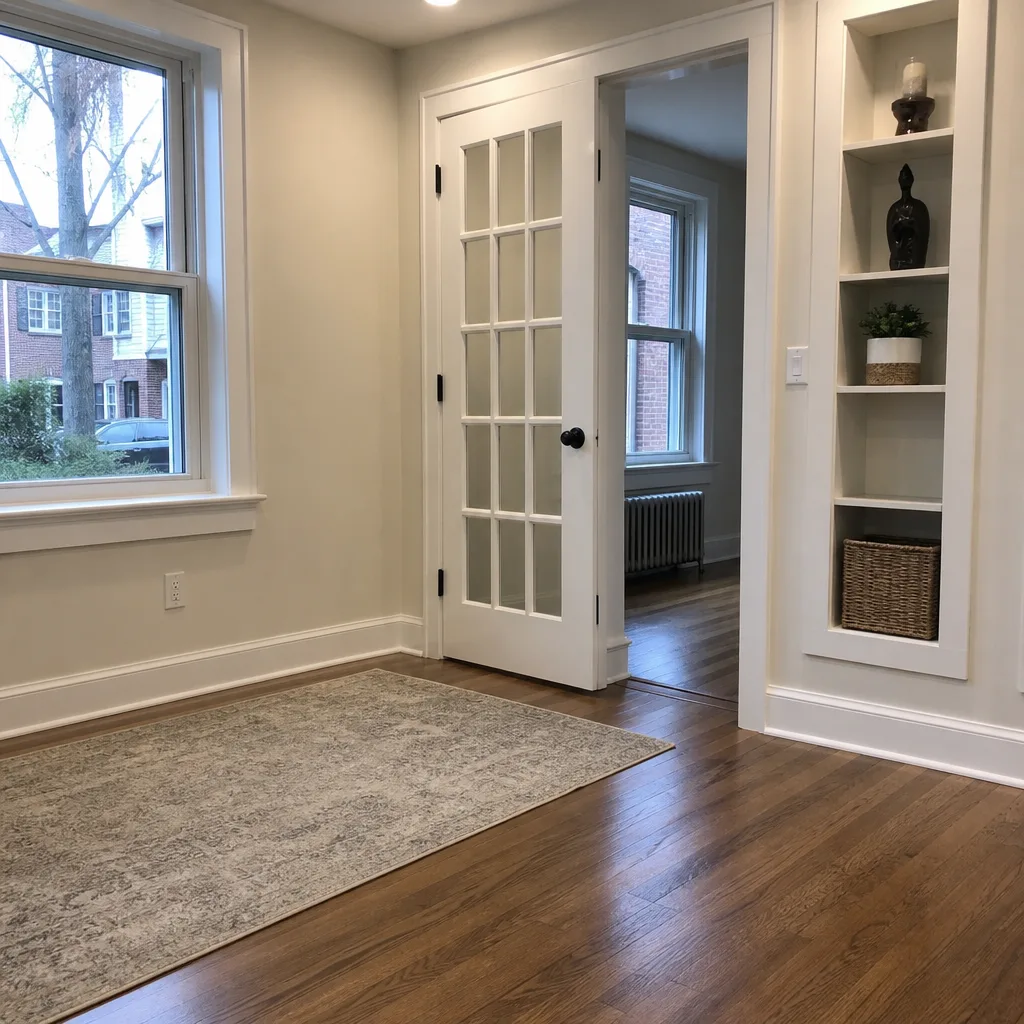 After
AfterFast, Reliable Fire & Smoke Damage Restoration Across Forest Hills
Fire and smoke damage restoration in Forest Hills, NY typically costs between $4,200 for limited kitchen smoke cleanup and $38,000+ for full structural fire repair with board-approved materials, with most residential jobs falling in the $8,500-$22,000 range. Our crews are dispatched from our New York City office and can be on-site in Forest Hills within 45-90 minutes for emergency board-up and stabilization. Call (516) 386-9007 now for a written estimate before any work begins.
Forest Hills isn’t a generic Queens neighborhood, and fire restoration here isn’t generic either. Between the landmark Tudor Revival homes of Forest Hills Gardens with their century-old slate roofs and stucco exteriors, and the dense pre-war co-op buildings along Queens Boulevard and Austin Street, every fire damage job carries a second layer of complexity: board approvals, proprietary lease clauses, and architectural covenants that can delay reconstruction for weeks if your contractor doesn’t build them into the timeline from day one. We’ve restored homes near Station Square, along Greenway South, and in the brick co-ops off Yellowstone Boulevard. We know which buildings need co-op board sign-off before demolition starts, and which need the Gardens Corporation to pre-approve every replacement slate.
Why DryMark Restoration Flushing Is Forest Hills’s Preferred Fire & Smoke Damage Restoration Company
Our reputation in Forest Hills was built on documentation that passes board review, not just adjuster review. In 12,000+ homes restored since 2011, every job started with a written price and ended with a photo record. That discipline matters twice as much in Forest Hills, where a missing slate-source certificate or an undocumented pre-loss photo can stall your repair for a month while the Gardens Corporation reconsiders.
Forest Hills customers specifically mention our response clarity in reviews: crews arrive, photograph everything, explain what the co-op or Gardens board will need, and deliver a written scope that same visit. No verbal estimates that shift later. No “we’ll figure out the slate once we’re in there.” Haven Standard, Clause 1: written price before work starts, every time, with no exceptions.
Dispatch to Forest Hills runs through our New York City office, with live phone coverage 24 hours a day, 7 days a week. No voicemail trees. When you call (516) 386-9007, a person answers, notes your building type and board requirements, and routes to a crew that already knows whether you’re in a Gardens covenant property or a pre-war co-op.
Local knowledge that saves weeks: we maintain pre-vetted supplier relationships for reclaimed slate and period-appropriate stucco formulations specifically for Forest Hills Gardens repairs. We know which co-op buildings on 108th Street and 72nd Avenue still have original cast-iron drain stacks that fail under fire heat stress. And we document moisture readings to IICRC standards so your drying logs support your claim, not complicate it.
Our Fire & Smoke Damage Restoration Services in Forest Hills
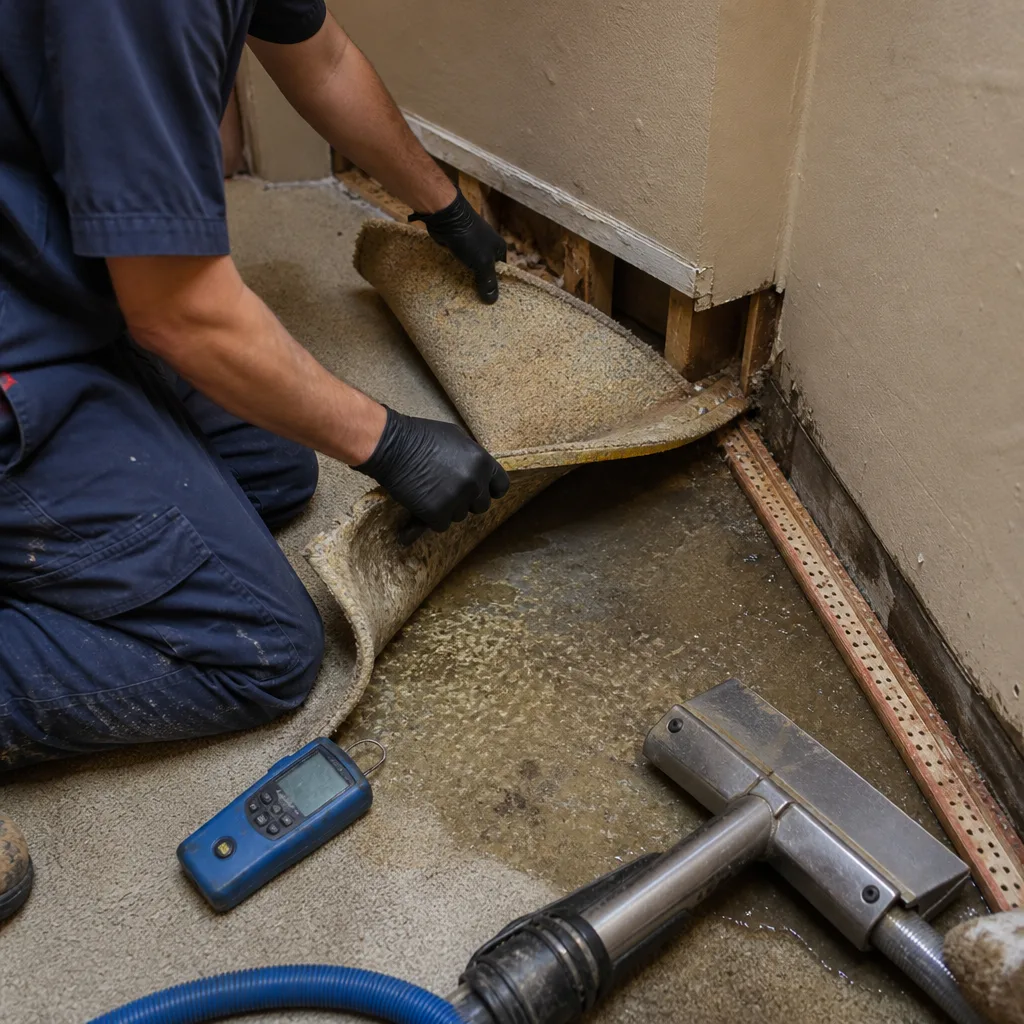
Fire Damage Cleanup
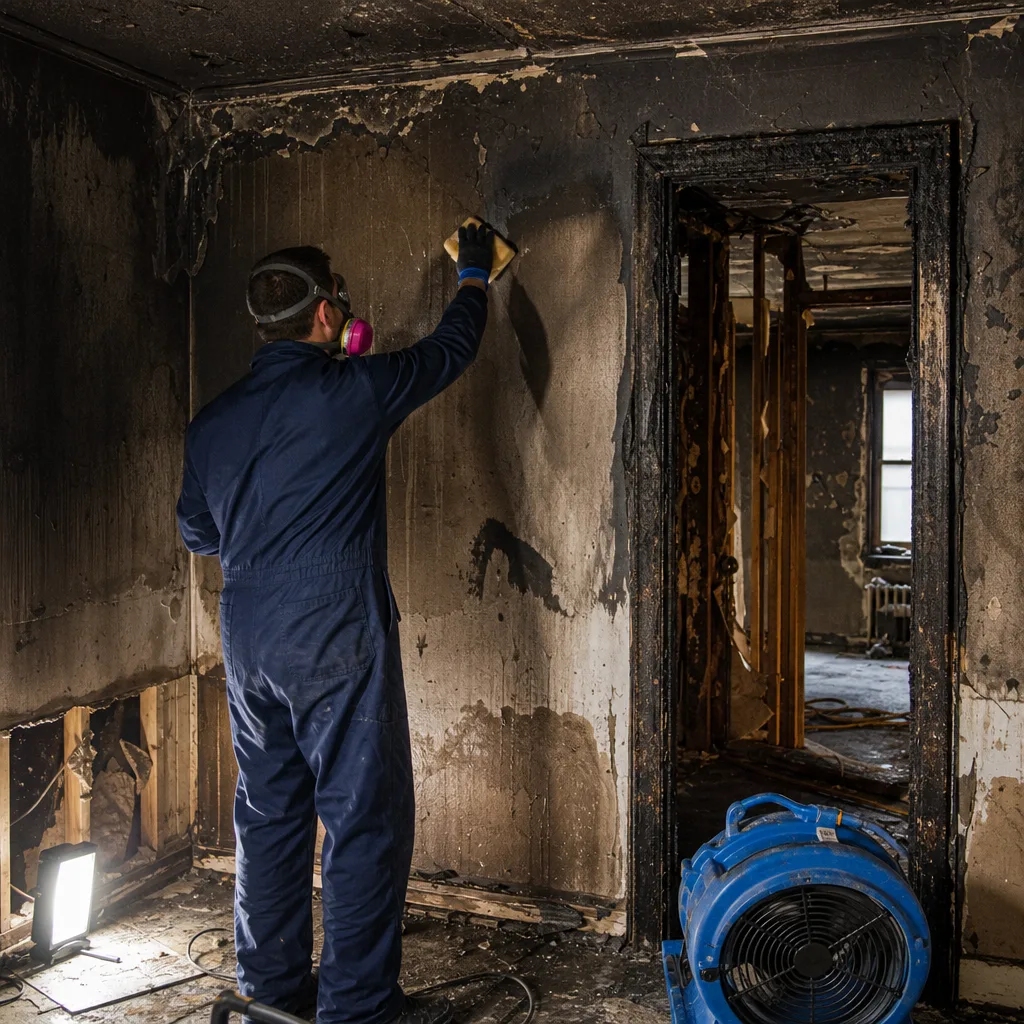
Fire damage cleanup in Forest Hills starts with understanding what burned and what it burned in. A kitchen fire in a 1920s co-op off Yellowstone Boulevard leaves different residue than a electrical fire in a Gardens Tudor on Greenway North. We classify all affected materials by smoke type - dry smoke, wet smoke, protein residue, or fuel oil soot - then specify demolition limits in writing before any wall opens. In Forest Hills Gardens, that written scope must also include replacement material sources that match covenant requirements, or the board rejects it.
Smoke & Soot Removal
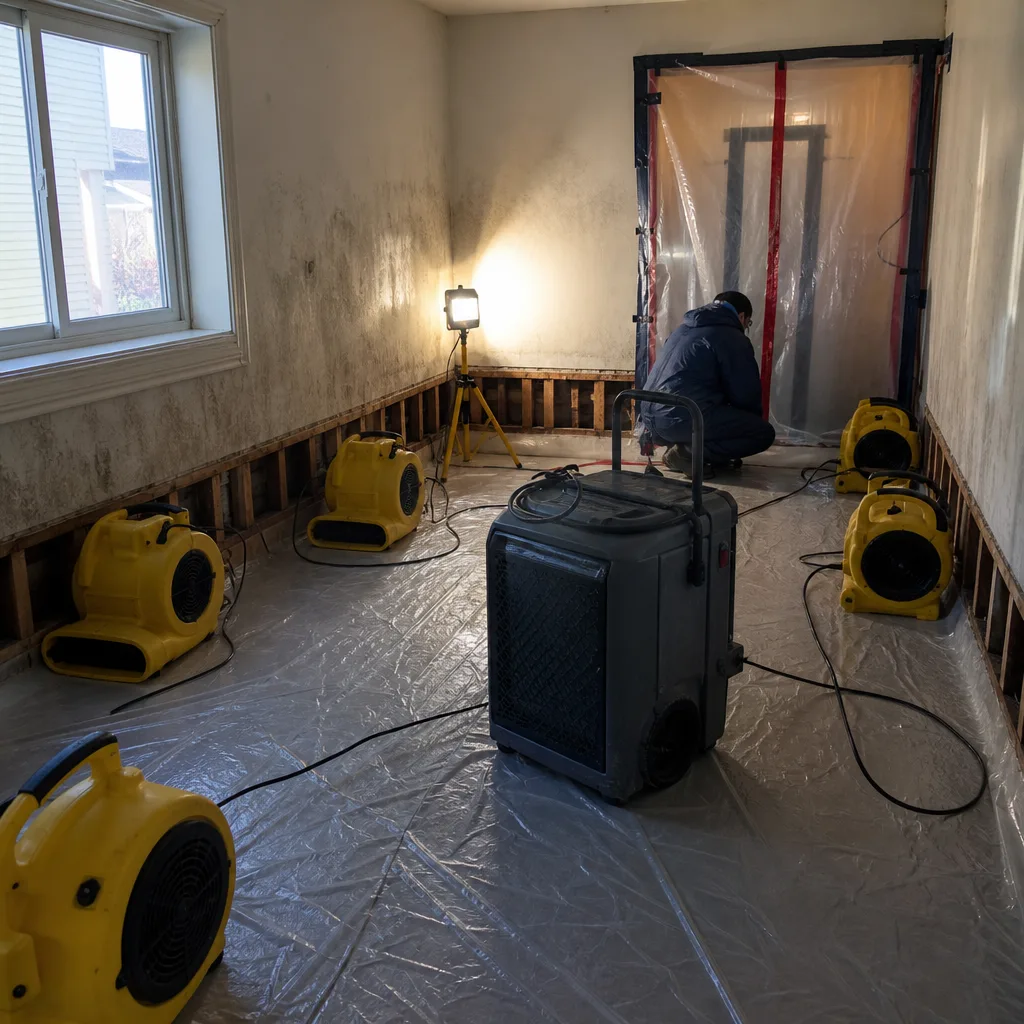
Smoke and soot removal is where Forest Hills’s building stock creates problems most contractors miss. The original lime-mortar joints in pre-war brick buildings along Austin Street and Queens Boulevard are porous. Smoke migrates through them horizontally into adjacent units, turning a single-apartment fire cleanup into a multi-unit pack-out with co-op board involvement. Our crews map migration paths with thermal imaging, establish containment per IICRC S500/S700 protocols, and document every affected room before the board or insurer asks. We use HEPA air scrubbers and sealed negative-air containment to stop migration at the source.
Odor Removal & Deodorization
Odor removal in Forest Hills requires matching the method to the building envelope. Plaster-and-lath walls in Gardens homes absorb smoke odor differently than drywall in post-war construction. We deploy thermal fogging, ozone treatment, or hydroxyl generators based on material porosity and occupancy status, with written protocols that note which method was used where, and why. For Gardens properties, we specify non-residue deodorization methods that won’t affect original wood trim or stucco finishes.
Contents Cleaning & Pack-Out
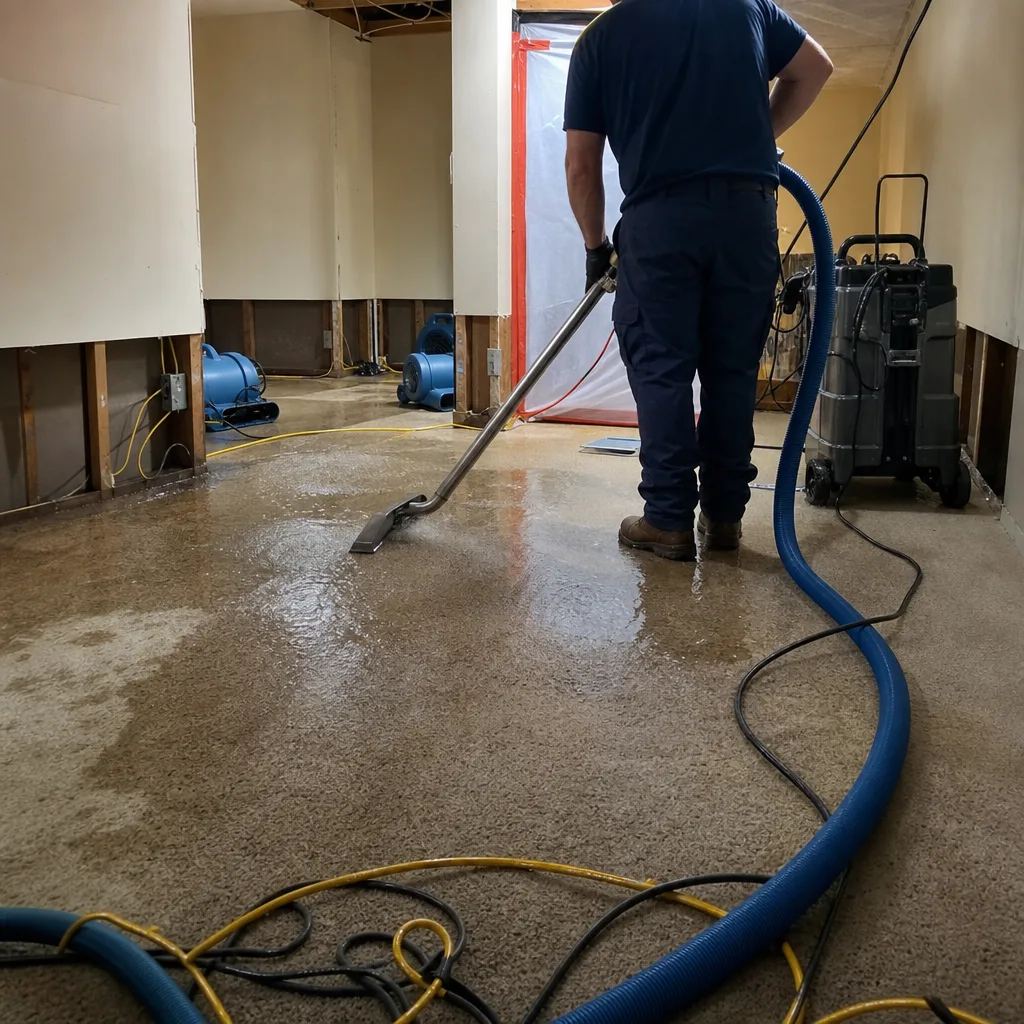
Contents pack-out in Forest Hills co-ops requires navigating building service elevator restrictions and proprietary lease clauses that limit contractor access hours. We inventory every item with photo documentation, clean textiles and hard goods off-site at our facility, and store them in climate-controlled vaults until your unit passes board re-inspection. For Gardens homes, we note architectural features like original casement windows and built-in cabinetry that require specialized cleaning rather than replacement.
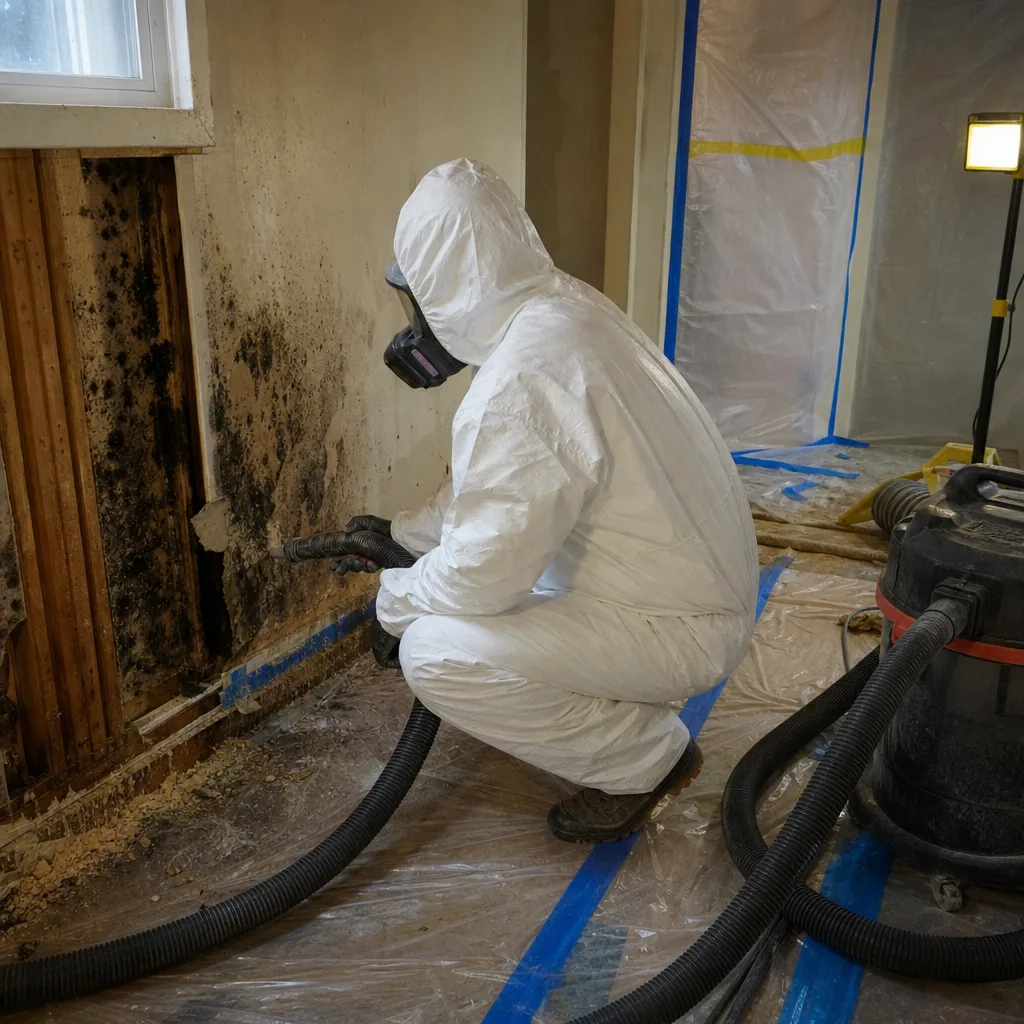
Emergency Board-Up & Tarping
Emergency board-up and tarping in Forest Hills Gardens fails board review when crews use standard blue poly tarps instead of board-approved breathable covers. We’ve seen this delay structural fire repair by days. Our emergency response carries both standard and covenant-compliant materials, and our written scope specifies which was used, with photos of installation. For pre-war co-ops, we coordinate with building management to secure common-area access and document any damage to shared systems like steam risers or cast-iron drains.
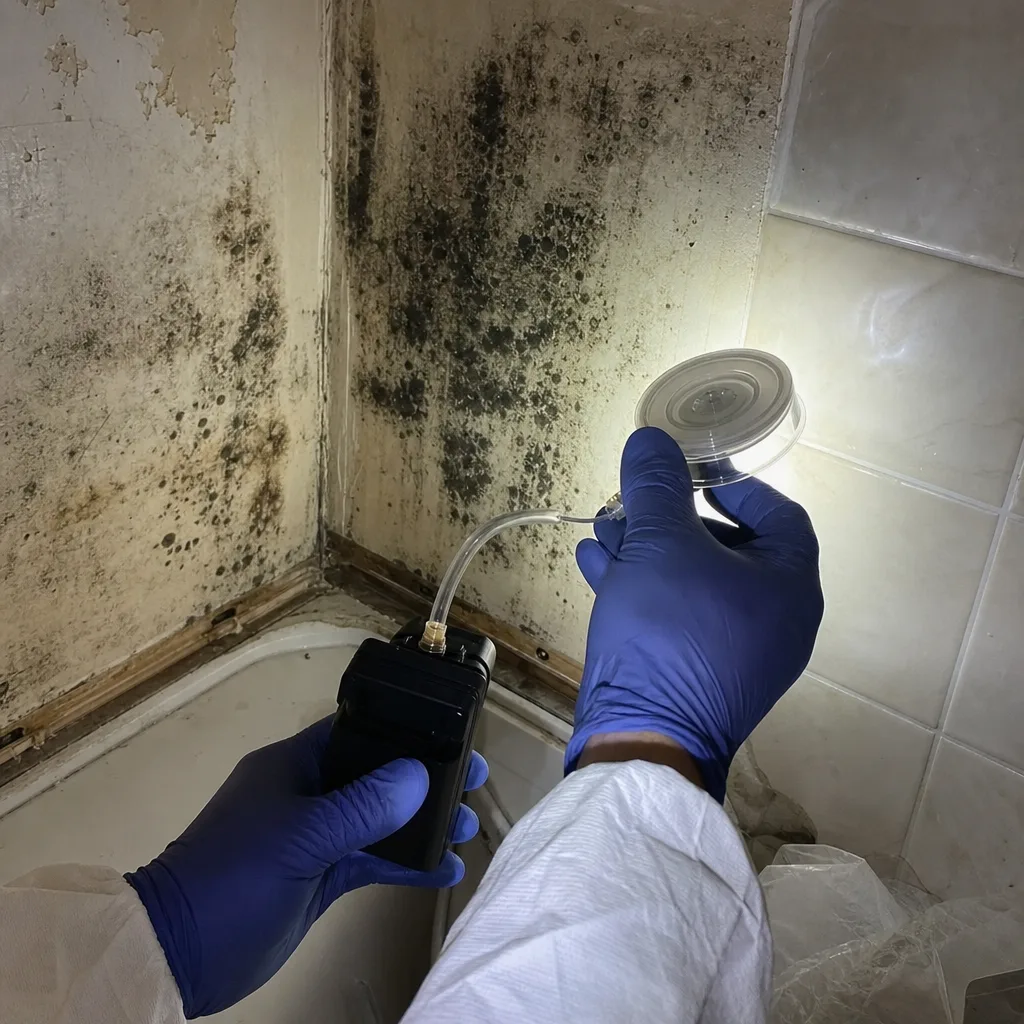
Structural Fire Repair
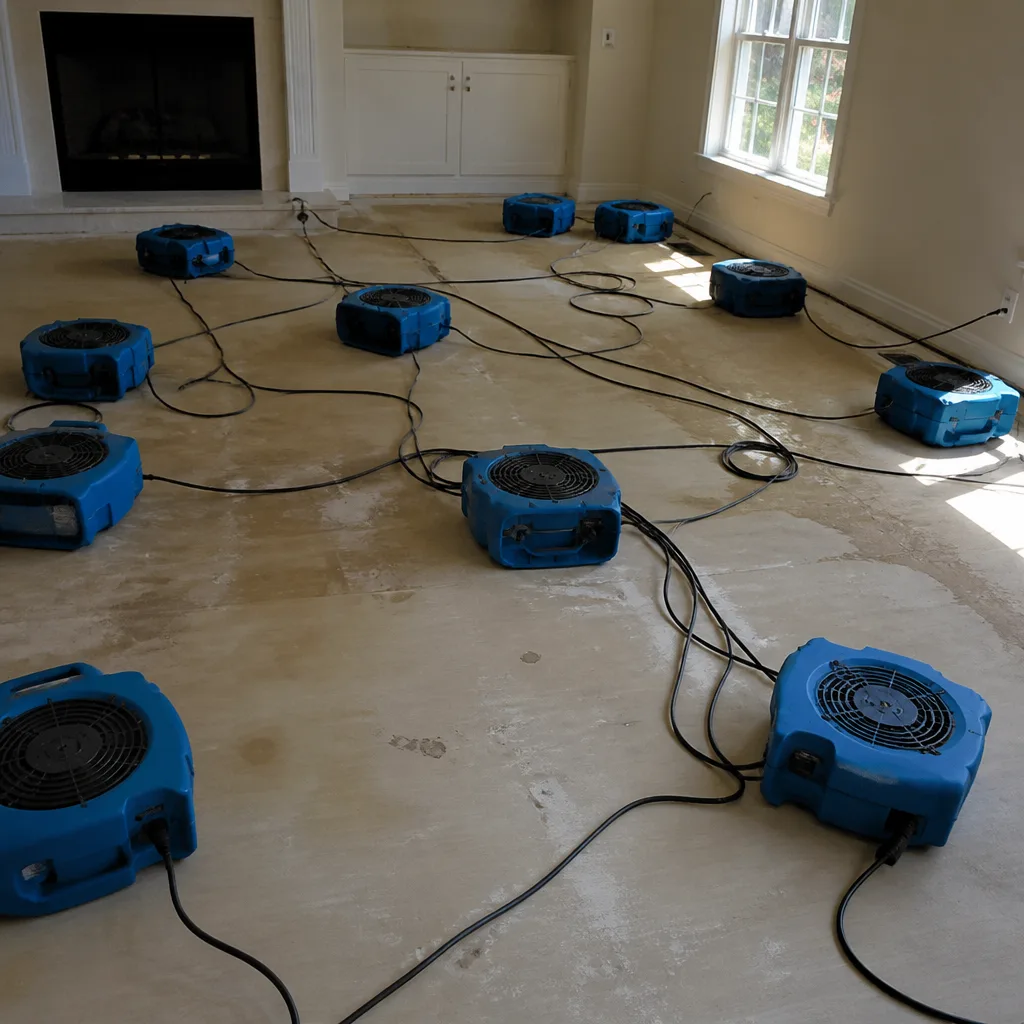
Structural fire repair in Forest Hills is where the documentation-first approach pays off most visibly. A kitchen fire in a 1924 Tudor Revival on Greenway South left soot packed into the original plaster-and-lath behind charred cabinet framing, and while our crew set up containment and air movers to stabilize the structure, we also pulled charred cedar shake from the gable and pre-ordered matching reclaimed slate so the Gardens Corporation would approve the scope of work before we closed the wall. The homeowner’s board required documented pre-loss condition photos of every slate course before we could begin structural fire repair - a step we now build into every Gardens estimate. Written price before work starts. Photo record on every visit. 365-Day Done Right Promise.
What happens when you call
- 1
A real person answersNo phone trees - you reach a local pro.
- 2
You get an upfront price rangeHonest numbers before anyone is dispatched.
- 3
A background-checked tech heads outLicensed & insured, dispatched right away.
- 4
You approve before work beginsNothing starts until you say go.
BeforeAfterTrusted Brands We Service in Forest Hills
Our equipment inventory includes professional-grade drying and air-quality systems from B-Air and Injectidry, deployed to Forest Hills jobs documented to IICRC, RIA, and IFA standards. B-Air HEPA air scrubbers run during smoke and soot removal in occupied co-op units where residents can’t relocate. Injectidry specialty drying systems address moisture trapped in plaster-and-lath wall cavities common in Gardens homes and pre-war co-ops alike. We don’t list equipment to impress; we name it because the drying logs produced by these systems become the documentation your adjuster needs to approve your claim without dispute.
Common Fire & Smoke Damage Restoration Problems We See in Forest Hills Homes
- Post-fire board-up fails Gardens Corporation review. Standard blue poly tarps and pressure-treated plywood don’t meet covenant requirements for breathable, period-appropriate materials. We carry board-approved alternatives and document their installation so structural fire repair isn’t delayed by a second submission.
- Smoke residue migrates through lime-mortar joints into adjacent co-op units. The original brick construction along Queens Boulevard and Austin Street allows horizontal smoke travel that turns single-unit fires into multi-unit pack-outs. We map migration with thermal imaging and establish containment before the insurer or neighboring board members demand it.
- Cast-iron drain stacks crack from fire heat stress, releasing Category 3 water. In 1920s-1940s co-op buildings near Station Square and along 108th Street, crews sometimes mistake this for clean suppression water. Wrong category means wrong mitigation and failed moisture readings in drying logs. We test and document water classification on every job.
- Original plaster-and-lath walls hide soot and moisture. Unlike drywall, plaster wicks smoke residue and suppression water invisibly. Our moisture meters read behind the surface, and our scopes specify whether plaster can be cleaned in place or requires controlled demolition with matching replacement.
Pricing for Fire & Smoke Damage Restoration in Forest Hills, NY
Emergency board-up and stabilization in Forest Hills typically runs $1,800-$4,500, depending on access complexity and whether covenant-compliant materials are required. Smoke and soot removal for a single room in a pre-war co-op averages $3,200-$6,800; whole-unit smoke remediation with contents pack-out ranges $8,500-$15,000. Structural fire repair with period-appropriate materials in Forest Hills Gardens starts around $18,000 and can exceed $38,000 for roof and framing replacement with reclaimed slate.
What moves the price: board approval timeline (Gardens Corporation review adds 10-20 days to material procurement), extent of smoke migration into adjacent units, whether cast-iron drain stacks require replacement, and the square footage of original plaster versus drywall. Every estimate includes a written price before work begins, Haven Standard, Clause 1. Free Second Opinion on any competitor’s written estimate. Call (516) 386-9007 for exact pricing on your specific situation.
We Also Serve Cities Near Forest Hills
Our Fire & Smoke Damage Restoration crews work throughout central and western Queens, including Forest Hills, Rego Park, Middle Village, Elmhurst, and Jackson Heights. Each neighborhood has distinct building stock and board requirements; our estimates reflect those differences in scope and timeline, not generic templates.
Serving Forest Hills, NY - Our Local Coverage Area
We’re based in the Forest Hills area and know this community well. Use the map below to see our service coverage - if you’re nearby, we can almost certainly help.
FAQs - Fire & Smoke Damage Restoration in Forest Hills
Yes, for any exterior repair or material replacement in Forest Hills Gardens, the Corporation’s Architectural Review Committee must approve your scope of work before structural repair begins. We build this approval step into every Gardens estimate, including pre-loss documentation and pre-vetted material sources, so your timeline isn’t delayed by a rejected submission. Call (516) 386-9007 and we’ll confirm whether your property falls under covenant jurisdiction.
Smoke damage in Forest Hills pre-war co-ops migrates through original lime-mortar joints and plaster-and-lath walls into adjacent units, where newer buildings with sealed drywall cavities contain it to the fire origin. We map migration paths with thermal imaging and establish negative-air containment before cleaning begins, because co-op boards will require documentation of every affected unit. Our drying logs note which walls are plaster versus drywall, since each requires different moisture targets under IICRC standards.
The water becomes Category 3 - grossly contaminated - requiring different mitigation protocols, equipment, and documentation than clean suppression water. In Forest Hills’s 1920s-1940s co-op buildings, we test water classification on-site before assuming it’s clean, because cast-iron stacks stressed by fire heat crack and release sewage. Wrong classification means failed moisture readings, rejected drying logs, and potential health hazards. We document the test and adjust the scope in writing before proceeding.
Yes, but only with pre-vetted reclaimed or handmade slate from suppliers the Gardens Corporation recognizes. Asphalt shingles are prohibited by covenant, and standard slate orders often fail color and texture matching. We source matching slate before writing the estimate, document pre-loss condition of every course, and include supplier certification in the board submission. This step is unique to Forest Hills Gardens and has no equivalent in neighboring Queens neighborhoods.
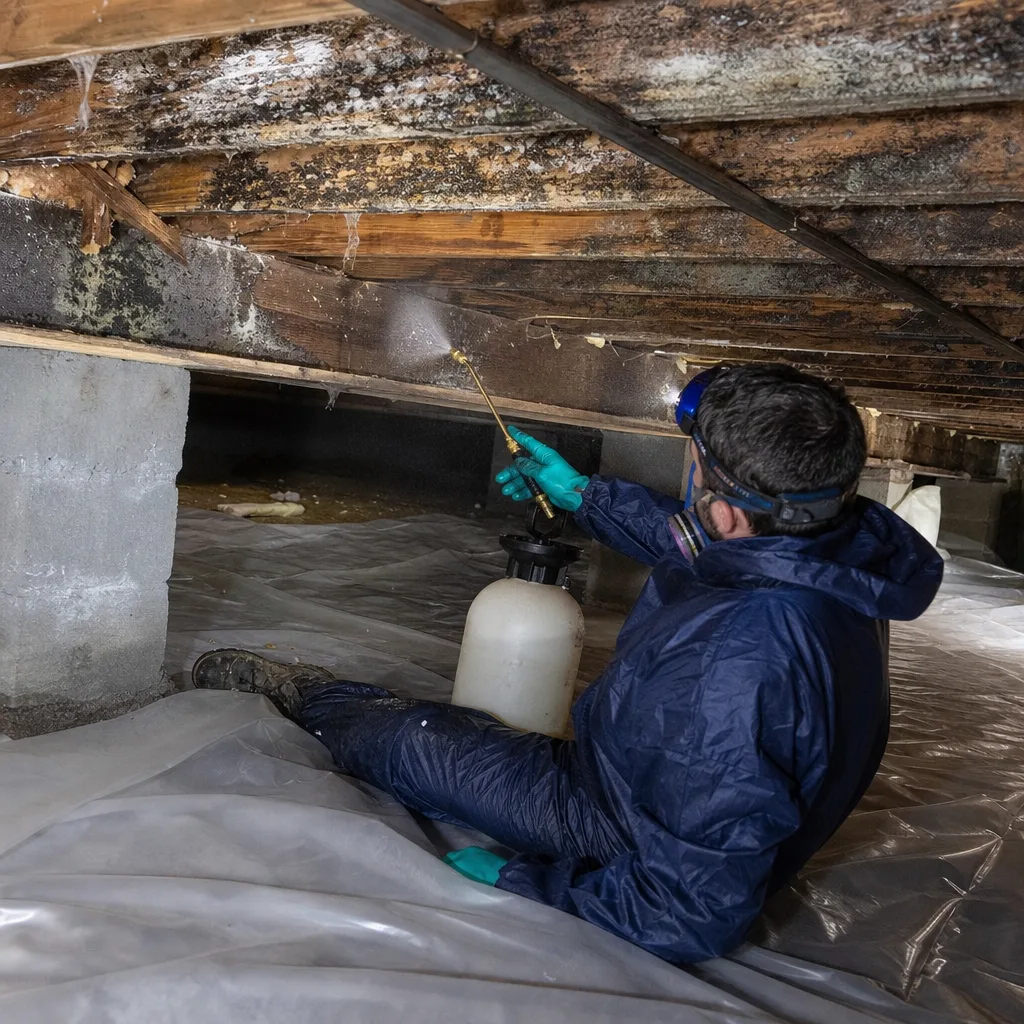
Mold can establish within 48-72 hours of water introduction, and fire suppression often saturates hidden cavities in plaster-and-lath walls where it isn’t visible. In Forest Hills’s humid summer climate and with the moisture-retentive building materials common here, we don’t wait for visible growth. Our crews begin psychrometric monitoring - measuring temperature, relative humidity, and vapor pressure differential - immediately after stabilization, with daily drying logs that prove conditions stayed below mold thresholds. If your co-op board or insurer questions later, the documentation answers before they ask. Call (516) 386-9007 for emergency response.
Written by Alicia Brennan, Owner at Back to Dry Restoration, serving Forest Hills since 2011 under The Haven Standard.