
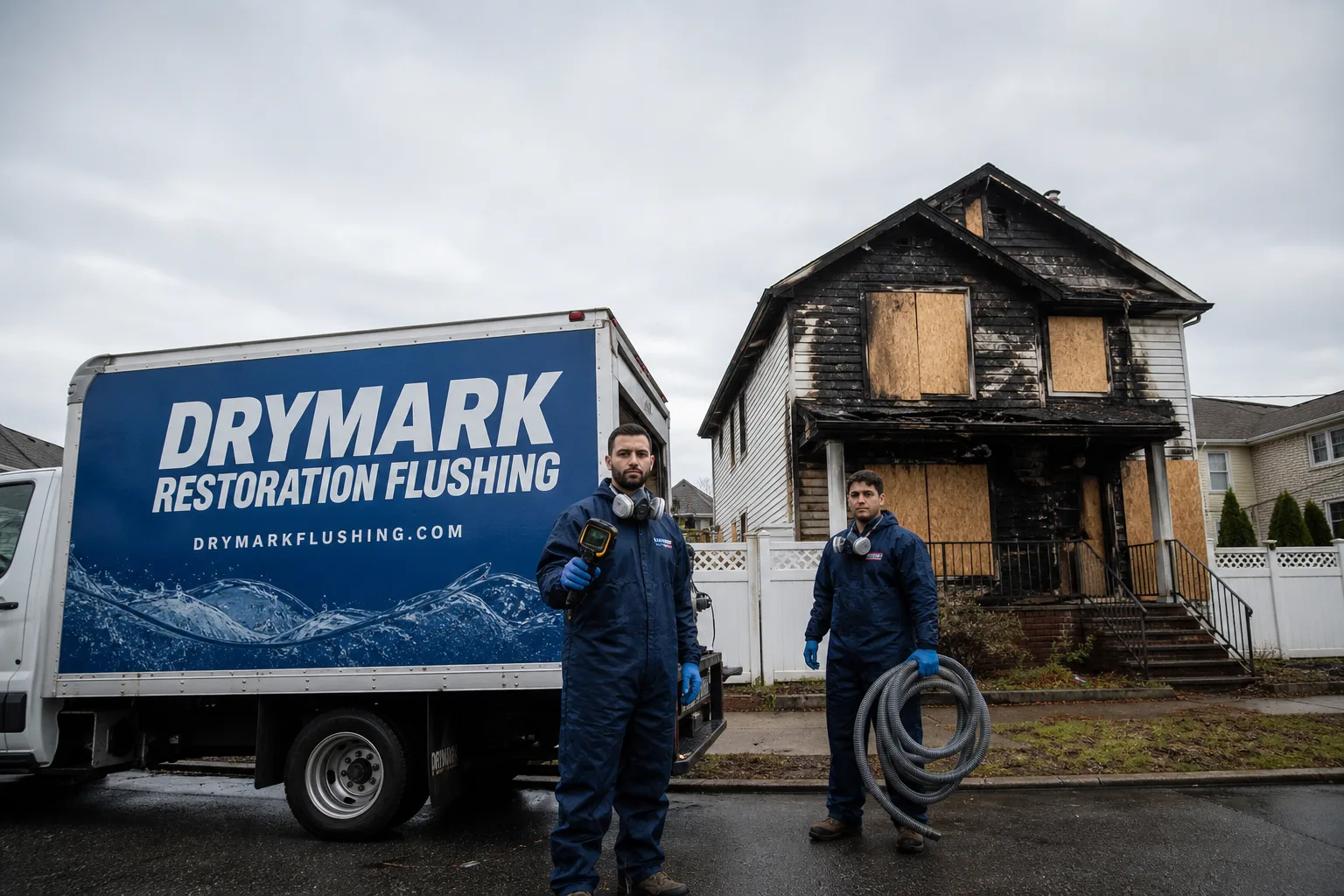
Free visual inspection and a written scope of work before any mitigation begins - photos, moisture readings, and drying logs go in your claim file
The scope we write is the scope we bill. Anything new gets shown to you, in writing, before we touch it.
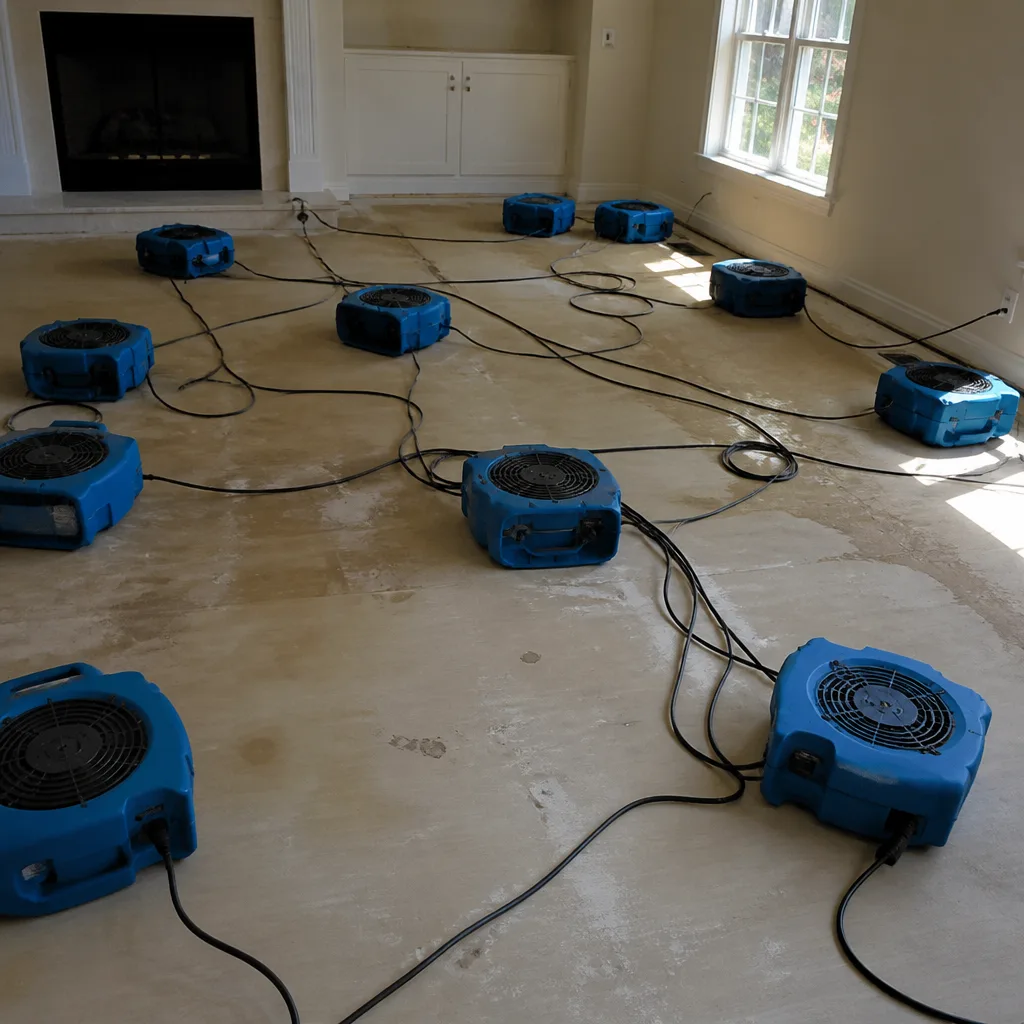
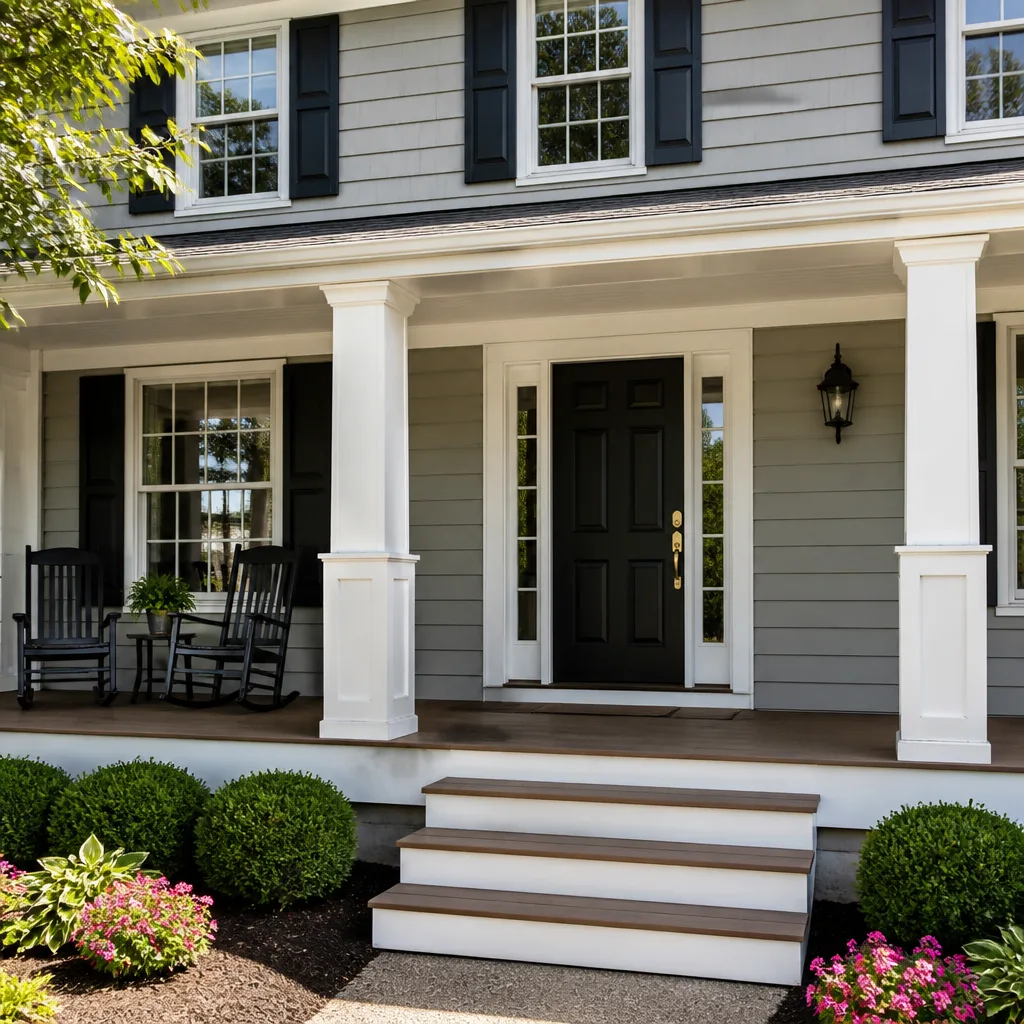
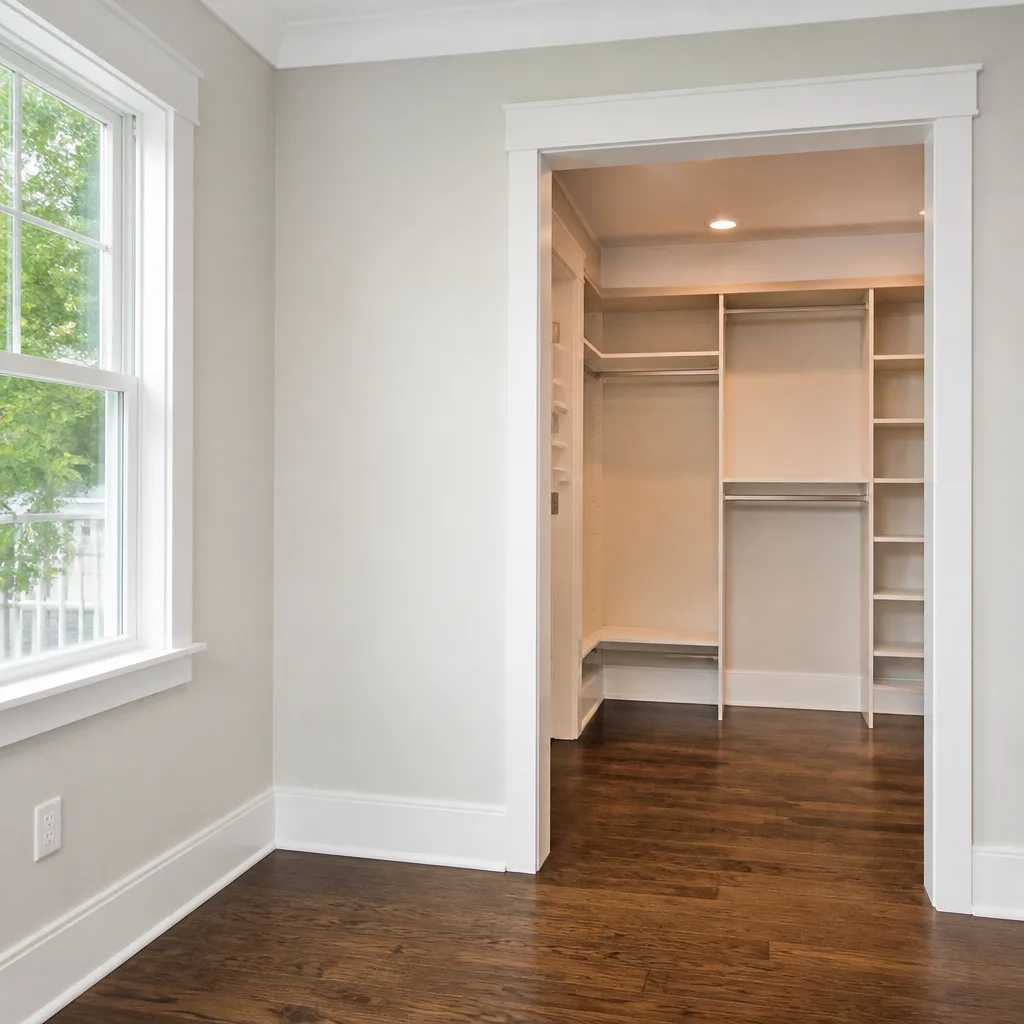
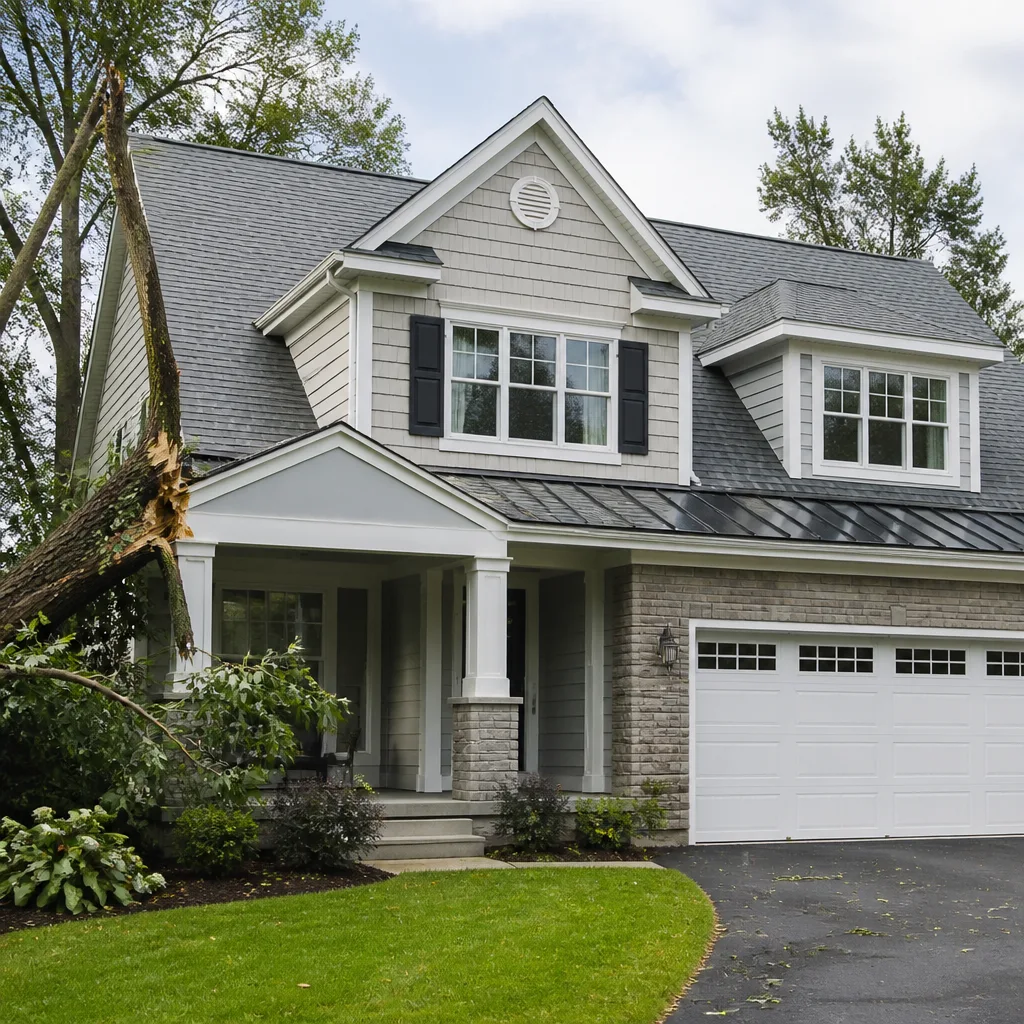
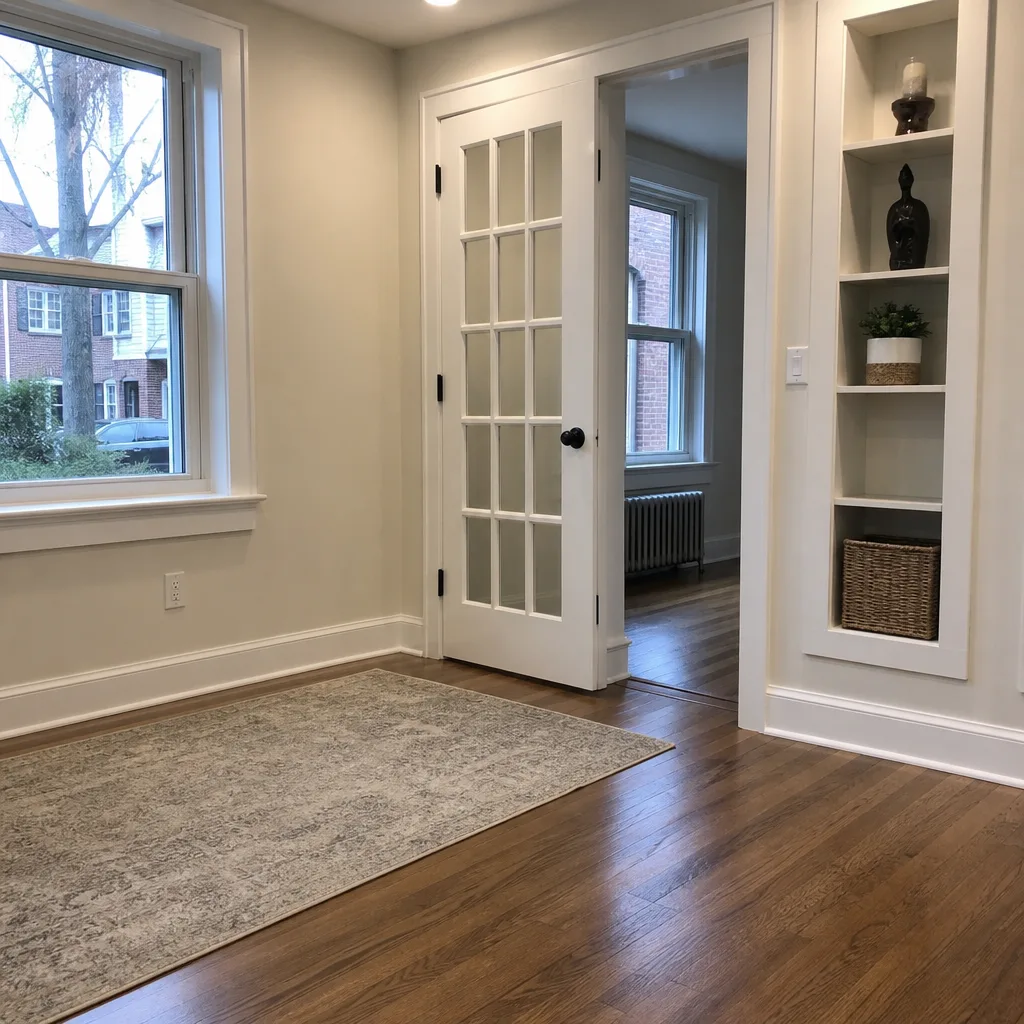
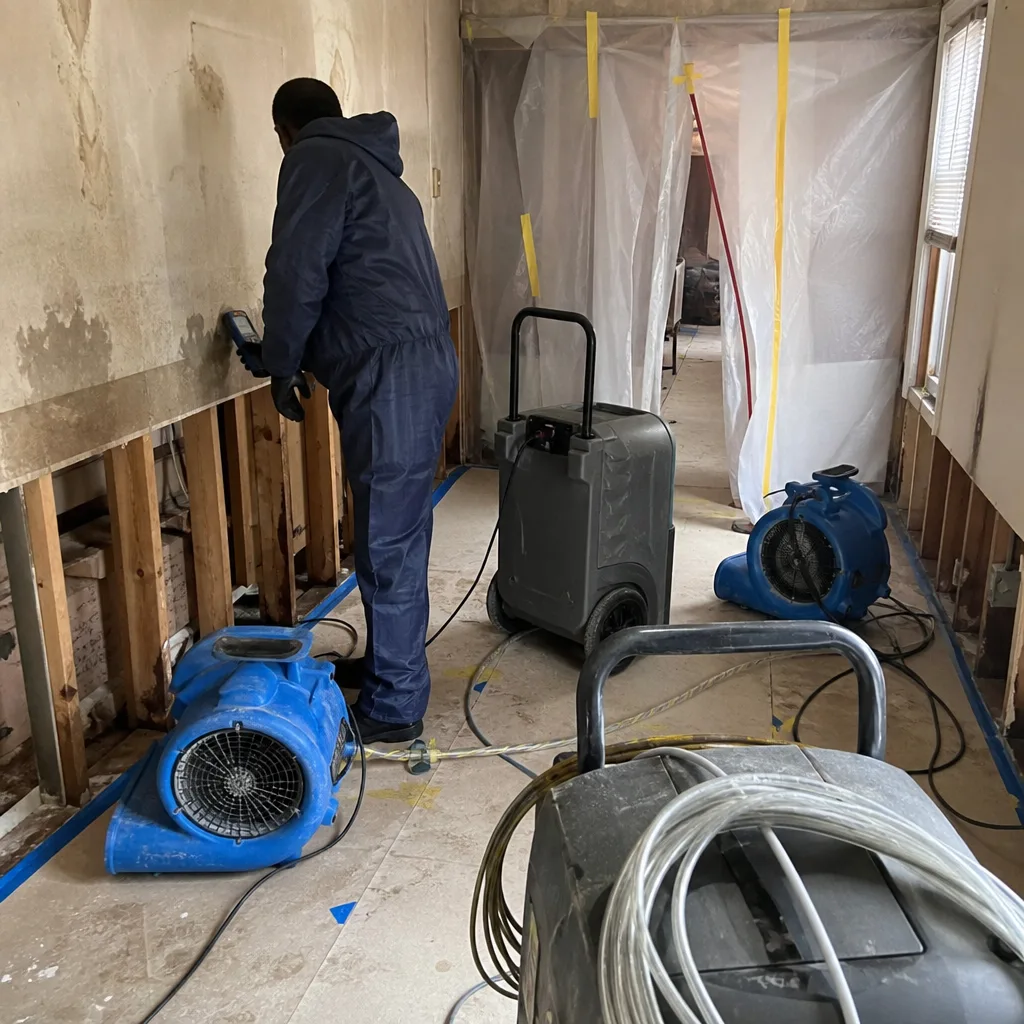 Before
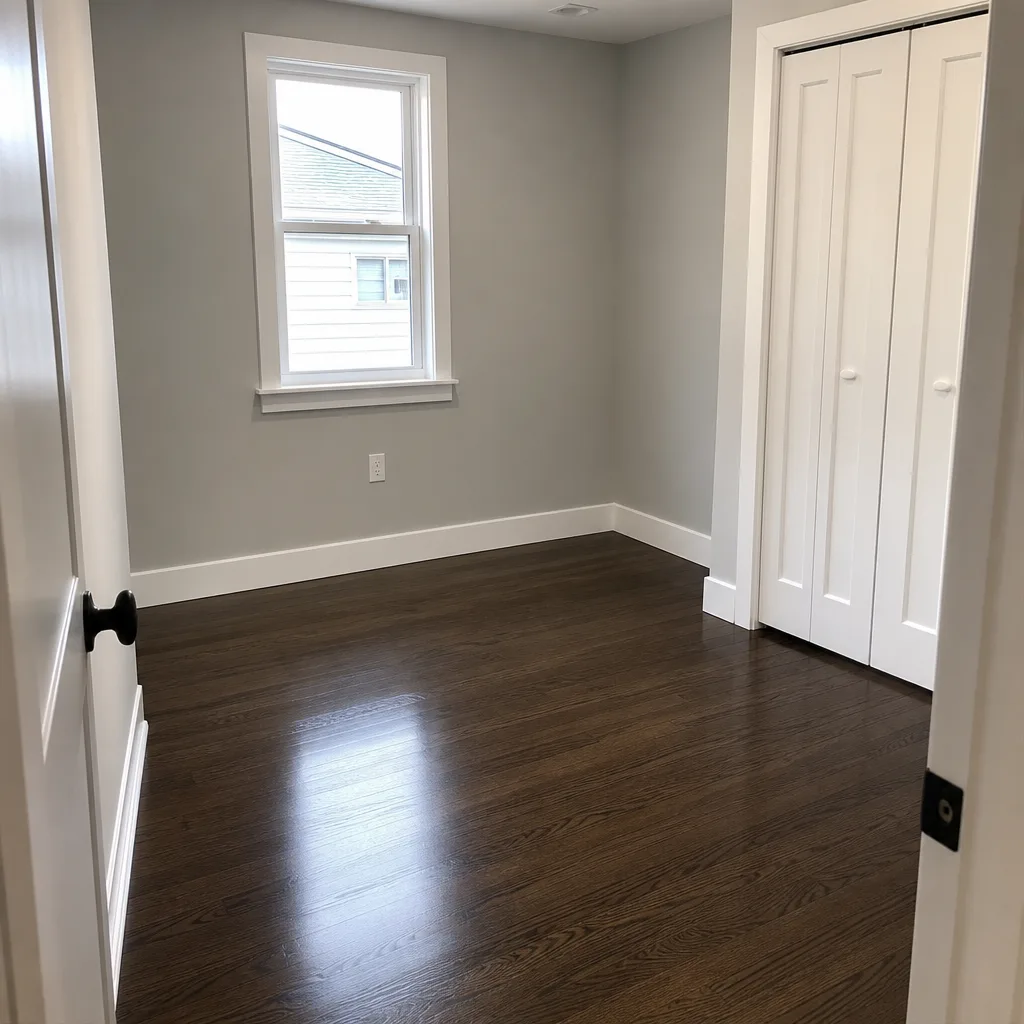 After
After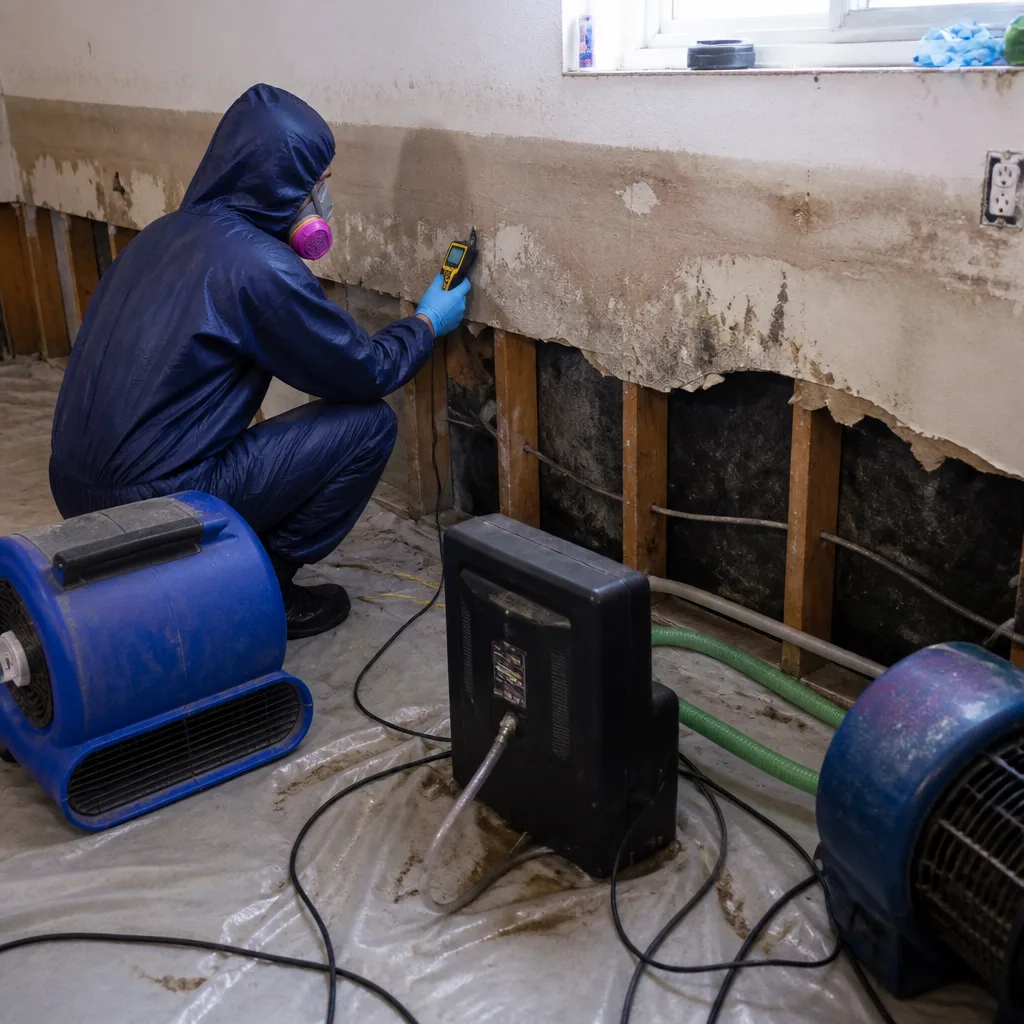 Before
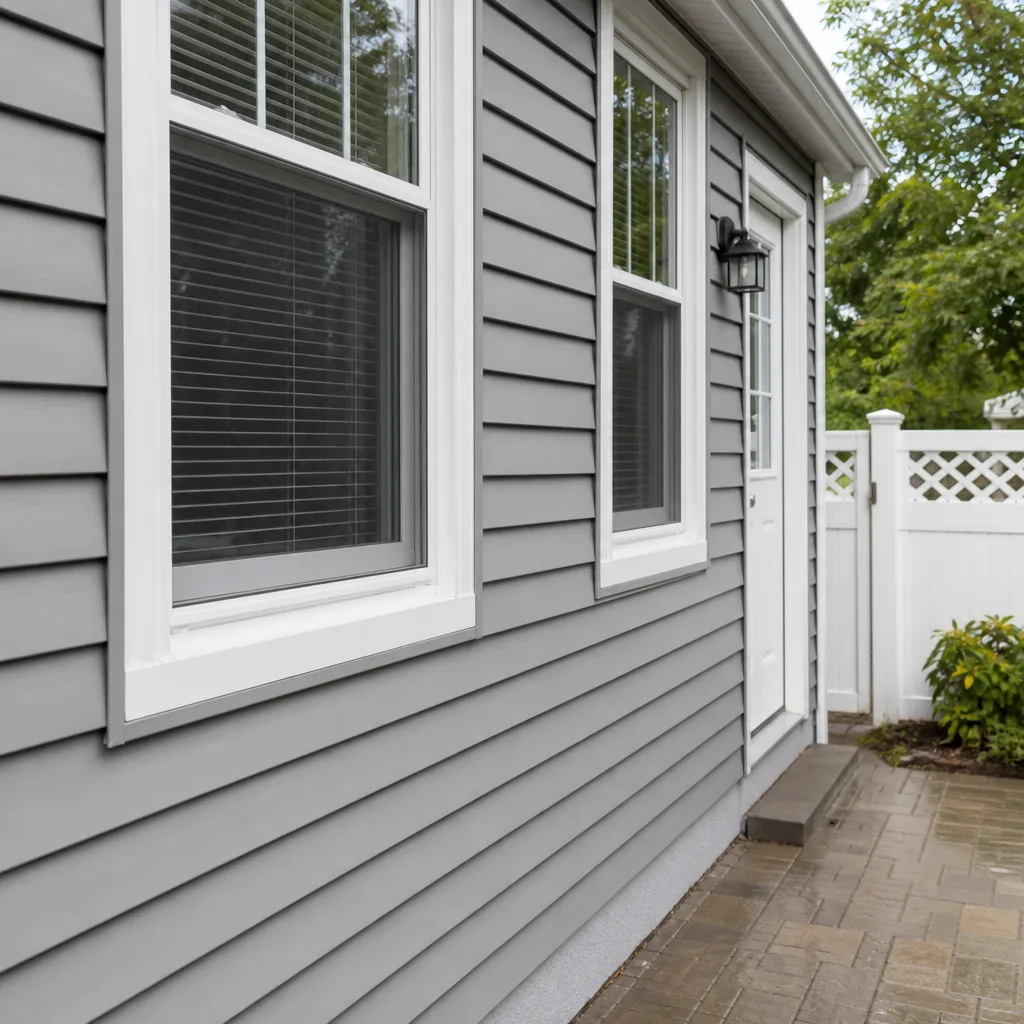 After
After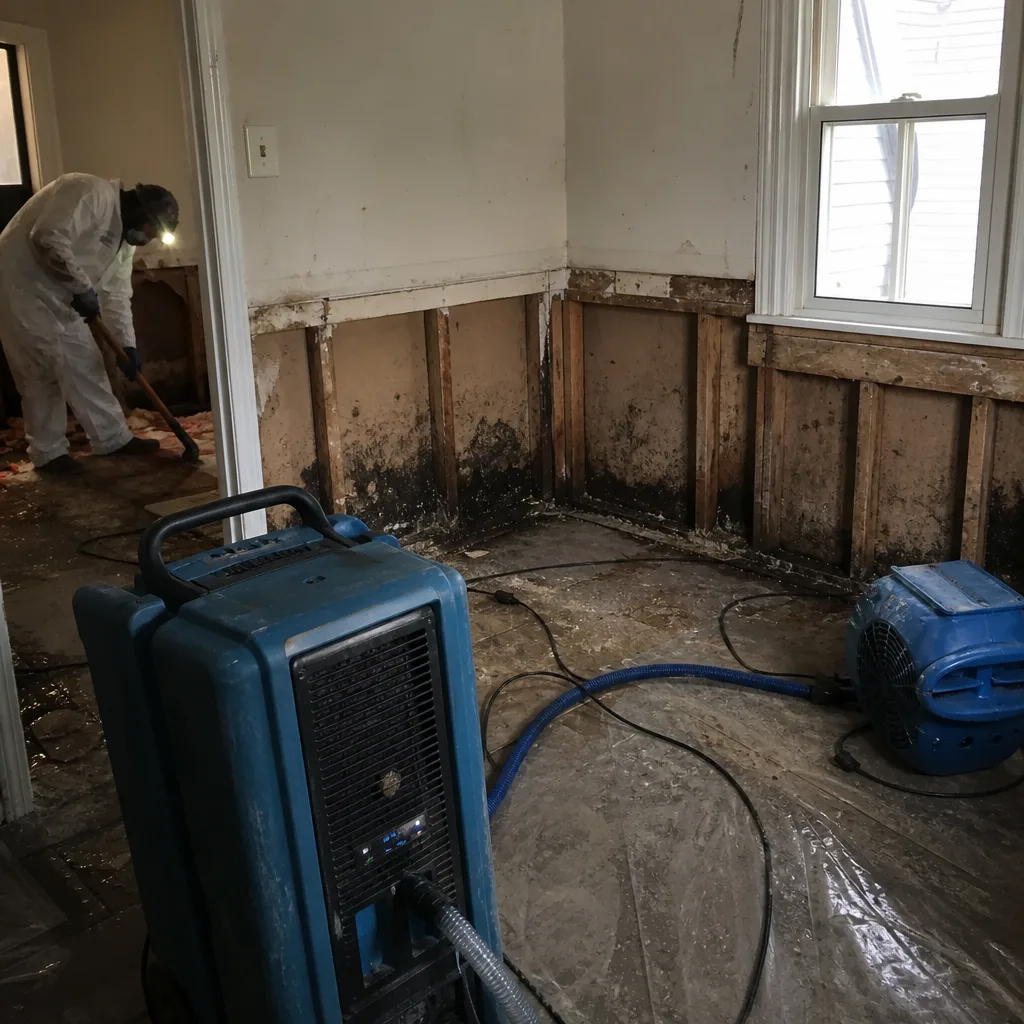 Before
 After
AfterFast, Reliable Mold Remediation Across Pelham Bay
Mold remediation in Pelham Bay typically costs $1,800-$4,500 for a standard residential job, with emergency containment and air-quality control available the same day you call. If you’re seeing black spots spreading across plaster, smelling mustiness in your crawl space, or dealing with the aftermath of storm surge off Eastchester Bay, we can have a crew to your door fast. Call (516) 386-9007 - a live person answers, 24 hours a day, 7 days a week, and we’ll deliver a written price before any work begins, guaranteed under The Haven Standard, Clause 1.
We’re familiar with Pelham Bay’s specific challenges: the 1920s-1950s brick row homes with original plaster-and-lath walls, the bottom-up flooding through foundation weep holes during nor’easters, and the saltwater corrosion that our Water Damage Restoration in Pelham Bay addresses where freshwater-trained crews miss. Our dispatch and scheduling are coordinated from our New York City office, but crews serve Pelham Bay locally and understand the difference between a pipe burst on Buhre Avenue and surge damage off the Bruckner Boulevard shoreline.
Why DryMark Restoration Flushing Is Pelham Bay’s Preferred Mold Remediation Company
Pelham Bay homeowners know us for documentation that holds up with adjusters. We’ve restored more than 12,000 homes since 2011, every one with a written price before work started and a photo record on every visit. In Pelham Bay specifically, our reputation was built on jobs where competitors tried to dry saturated plaster in place after saltwater intrusion - we removed it, documented why, and got the claim paid.
Our response time to Pelham Bay is typically under 90 minutes for emergency calls. We know the local streets: the row homes off Shore Road near the park, the attached brick properties along Crosby Avenue, the semi-detached homes near the Pelham Bay Park subway station. That familiarity matters when we’re mapping moisture migration through structures that predate modern building codes.
Reviews from Pelham Bay customers consistently mention two things: our written scope before work starts, and our daily moisture logs that their adjusters accepted without dispute. One homeowner on Jarvis Avenue noted that our photo documentation of salt efflorescence on her foundation wall proved to her insurance carrier that the damage originated from storm surge, not a maintenance issue - a distinction that saved her coverage.
We’re independently owned and operated under The Haven Standard, not a franchise. Alicia Brennan founded Back to Dry in 2011 after working as a claims adjuster and seeing how many restoration invoices got denied for lack of documentation. That origin shapes how we work in Pelham Bay today.
Our Mold Remediation Services in Pelham Bay
Mold Inspection & Testing
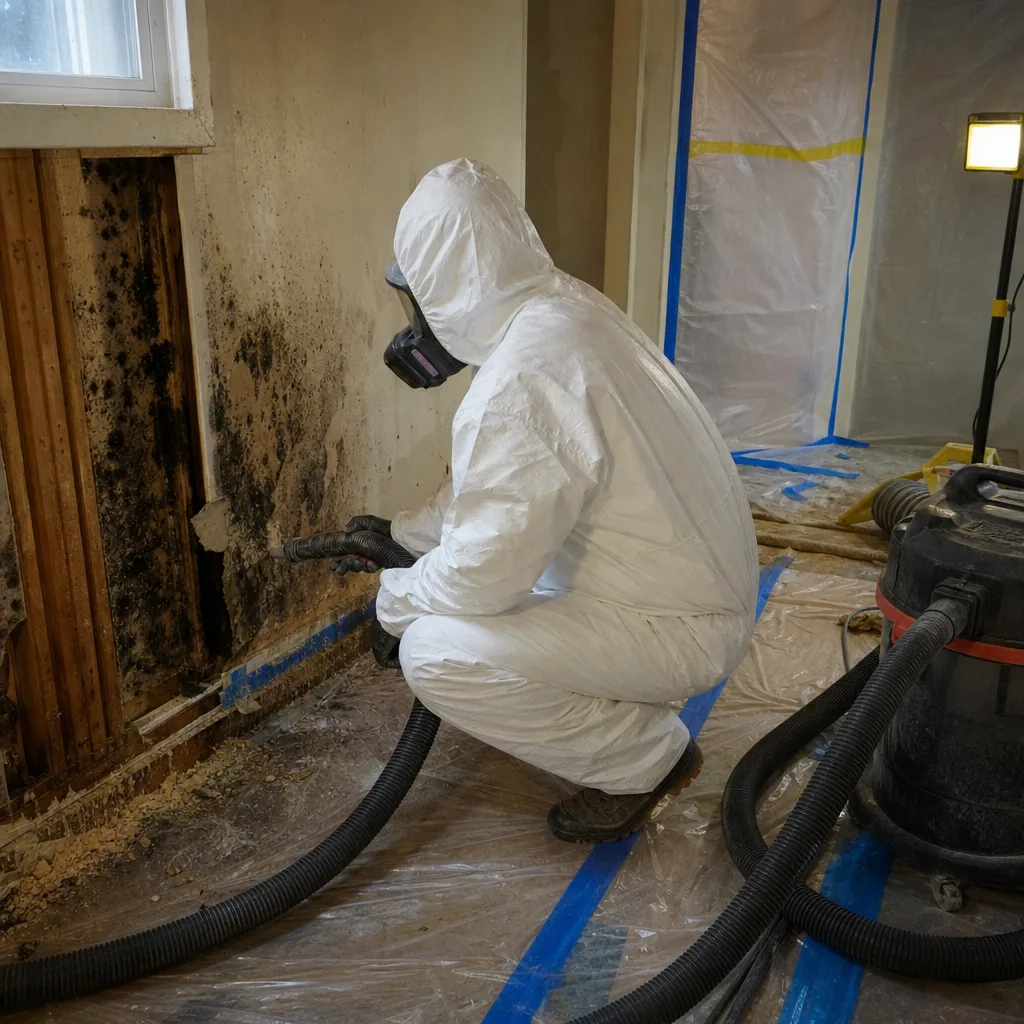
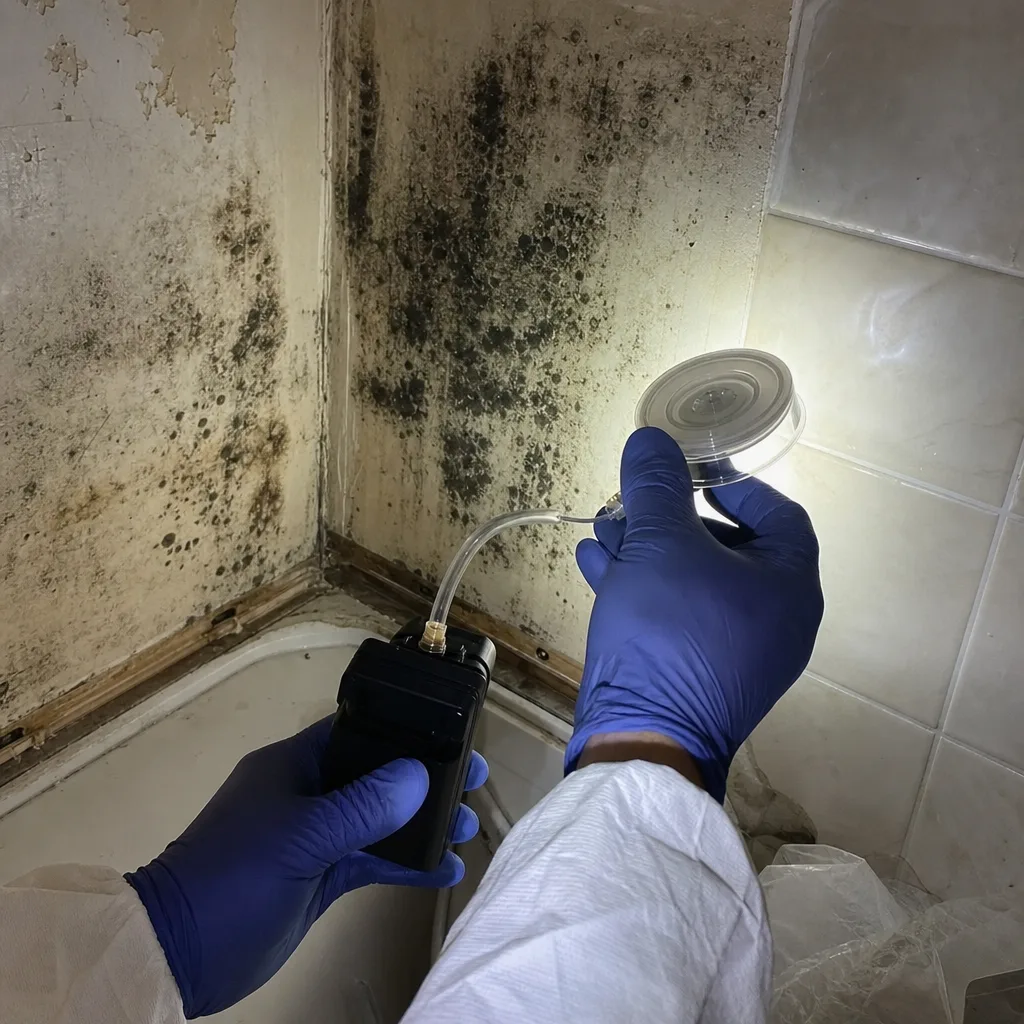
A proper mold inspection in Pelham Bay starts with understanding how water entered. In shoreline blocks near Hunter Island lagoon, we inspect crawl spaces and foundation weep holes first - because that’s where surge enters, not through your front door. We document moisture readings with thermal imaging, collect air and surface samples for third-party lab analysis, and deliver a written scope with photos before any remediation begins. Typical Pelham Bay inspection: $350-$650.
Black Mold Remediation
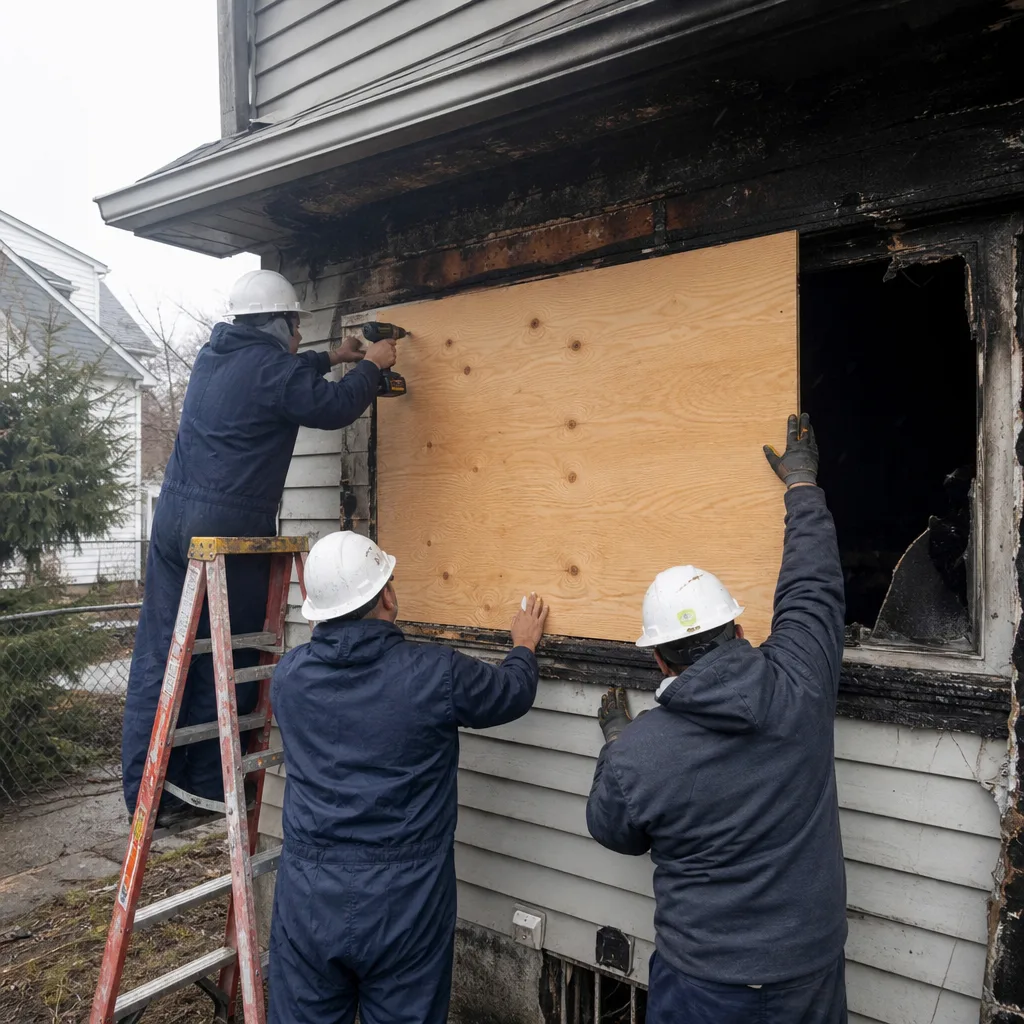
Black mold in Pelham Bay row homes often follows Category 3 saltwater flooding that was under-remediated the first time. Salt crystals left in plaster and lath continue drawing moisture, creating the humid microclimate that Stachybotrys needs. Our black mold remediation includes full containment with HEPA-negative air pressure, removal of non-salvageable materials per IICRC S520 standards, antimicrobial treatment of exposed framing, and air scrubbing until post-remediation testing confirms clearance. In Pelham Bay’s older housing stock, this frequently means removing original plaster-and-lath rather than attempting in-place drying. Typical range: $2,200-$5,800 depending on affected square footage and containment complexity.
Crawl Space Treatment
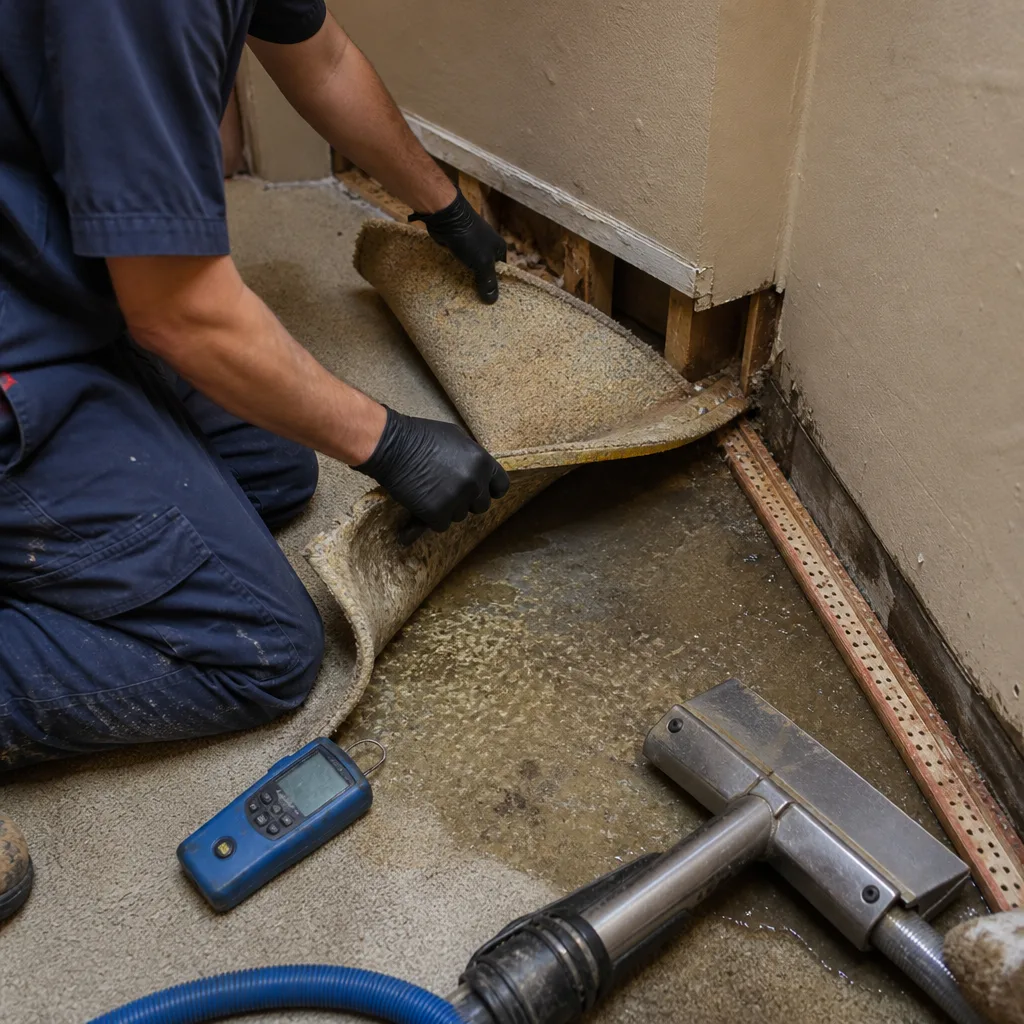
Pelham Bay’s bottom-up flooding pattern makes crawl spaces ground zero for mold problems. Surge enters through weep holes, saturates subflooring, and leaves salt corrosion on joists and fasteners that standard drying ignores. Our crawl space treatment includes vapor barrier installation, dehumidification with Dri-Eaz and Phoenix equipment, antimicrobial application to framing, and replacement of corroded fasteners with marine-grade hardware where structural integrity is compromised. We document every step with photos and moisture readings. Typical Pelham Bay crawl space remediation: $1,800-$3,900.
Moisture & Humidity Control
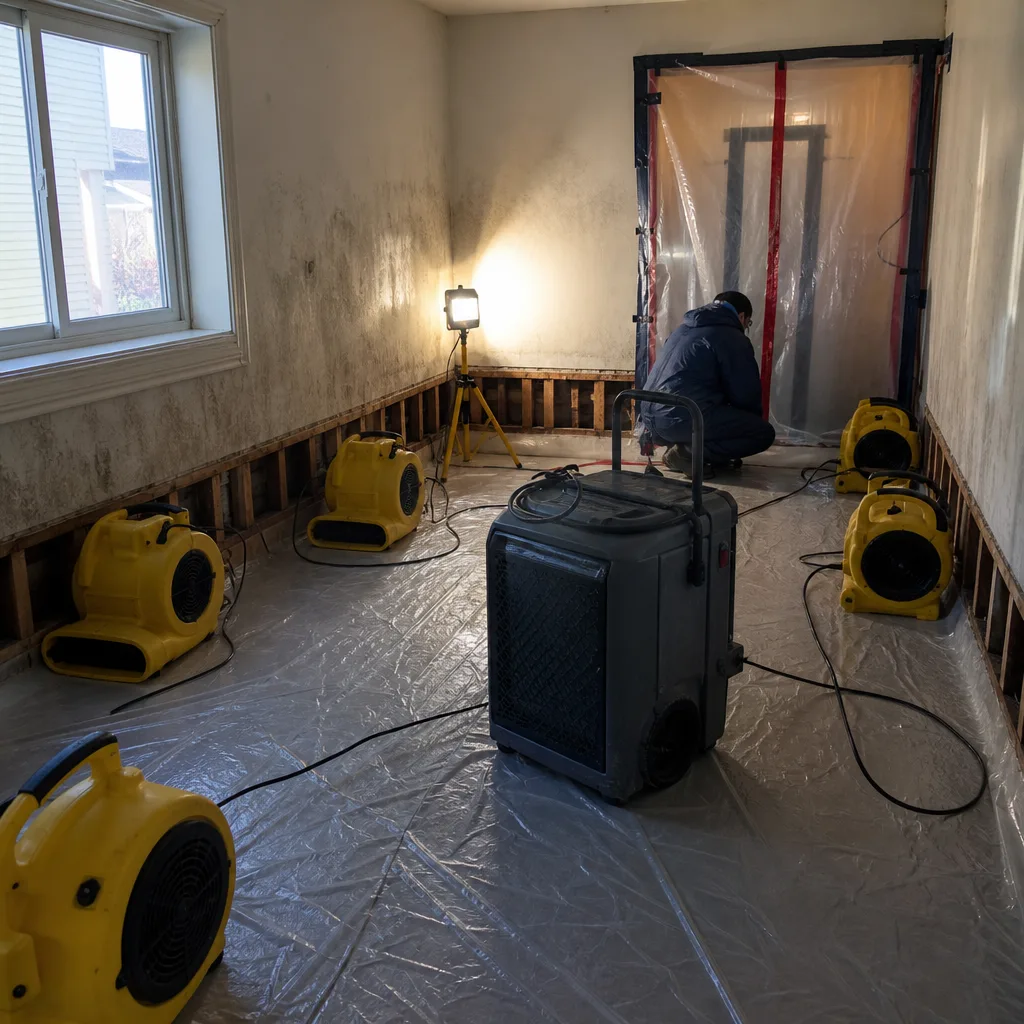
Controlling humidity in a 1920s Pelham Bay brick row home requires more than a retail dehumidifier from the hardware store. The thermal mass of unreinforced masonry foundations, the moisture-retentive properties of plaster-and-lath, and the salt-laden air from Eastchester Bay create conditions that persist long after surface water is gone. We install professional-grade drying systems - Injectidry mat systems for hardwood floors, B-Air and XPOWER air movers for cavity drying, and Phoenix dehumidifiers sized to the cubic footage and vapor pressure differential of your specific structure. Daily psychrometric readings go straight to your drying log. System installation and monitoring: $95-$175 per day during active drying.
Air Quality Restoration
After mold removal in Pelham Bay homes, we don’t declare the job done until air sampling confirms it. We run HEPA air scrubbers through the containment period, then collect post-remediation samples for independent lab analysis. Your documentation package includes the lab report, our photo record, and the drying log - the evidence stack that turns a restoration invoice into a payable claim. Air quality restoration as standalone service: $800-$1,400; included in full remediation packages.
What happens when you call
- 1
A real person answersNo phone trees - you reach a local pro.
- 2
You get an upfront price rangeHonest numbers before anyone is dispatched.
- 3
A background-checked tech heads outLicensed & insured, dispatched right away.
- 4
You approve before work beginsNothing starts until you say go.
BeforeAfterCommon Mold Remediation Problems We See in Pelham Bay Homes
- Freshwater-trained crews treating saltwater surge as Category 1. Water from Eastchester Bay carries salt, sediment, and potential sewage contamination - it’s Category 3, period. Drying plaster-and-lath in place after saltwater saturation guarantees mold regrowth behind the wall.
- Missing bottom-up entry points. Contractors chase the door threshold while ignoring weep holes and crawl spaces. Six months later, the homeowner calls us for black mold behind the baseboards and corroded subflooring that should have been addressed immediately.
- Standard drying timelines applied to 1920s construction. Modern drywall might dry in 72 hours. Plaster-and-lath over unreinforced masonry can hold elevated moisture for two weeks or more. Rushing the timeline produces incomplete drying logs and callbacks.
- Undocumented salt efflorescence. The white crystalline deposits on foundation walls after surge flooding aren’t just cosmetic - they’re evidence of ongoing moisture wicking. Without photo documentation and removal of the salt source, adjusters deny subsequent mold claims as “maintenance issues.”
Pricing for Mold Remediation in Pelham Bay, NY
Here’s what mold remediation costs in Pelham Bay’s market, based on jobs we’ve completed in the neighborhood:
| Service | Typical Range in Pelham Bay |
|---|---|
| Mold inspection & testing | $350 - $650 |
| Contained mold removal (single room, plaster/lath) | $1,800 - $3,200 |
| Black mold remediation (multi-room, Category 3 origin) | $2,200 - $5,800 |
| Crawl space treatment with vapor barrier | $1,800 - $3,900 |
| Air quality restoration / post-remediation clearance | $800 - $1,400 |
| Professional drying equipment (per day, monitored) | $95 - $175 |
What moves the price: affected square footage, whether materials can be dried in place or must be removed (Category 3 saltwater almost always requires removal in Pelham Bay’s older homes), containment complexity in occupied row homes with shared walls, and whether post-remediation testing is included. Every job gets a written price before work starts - Haven Standard, Clause 1 - with no additions once our crew is inside. Bring us a competitor’s written estimate and we’ll review it free as part of our Free Second Opinion program. Call (516) 386-9007 for your exact quote.
We Also Serve Cities Near Pelham Bay
Our crews work throughout the northeast Bronx and northern Queens, including Pelham Bay and neighboring Mold Remediation service areas in Flushing, College Point, Whitestone, and Jackson Heights. The same documentation standards, written pricing, and 365-Day Done Right Promise apply in every neighborhood we serve.
Serving Pelham Bay, NY - Our Local Coverage Area
We’re based in the Pelham Bay area and know this community well. Use the map below to see our service coverage - if you’re nearby, we can almost certainly help.
FAQs - Mold Remediation in Pelham Bay
Saltwater from Eastchester Bay leaves behind hygroscopic salt crystals that continue pulling moisture from humid air long after the visible water is gone. In Pelham Bay’s 1920s-1950s row homes, that moisture wicks up plaster-and-lath walls and into framing cavities, creating ideal mold growth conditions within 48-72 hours. Call (516) 386-9007 for immediate containment if you’ve had surge flooding - speed matters, but so does proper Category 3 protocol.
Yes. Saltwater is Category 3 contamination - the same classification as sewage - and requires removal of saturated porous materials rather than in-place drying. Salt also corrodes metal fasteners and leaves efflorescence on masonry that freshwater procedures don’t address. Our Mold Remediation team documents the water source with photos to establish the correct category for your adjuster.
Blocks nearest the Pelham Bay Park shoreline and Hunter Island lagoon sit low enough that storm surge pressure forces water through foundation weep holes and crawl space vents before surface water ever reaches the door threshold. This bottom-up pattern is invisible to contractors who don’t know Pelham Bay’s tidal mechanics, which is why we always inspect crawl spaces and foundation perimeters first. If your home is in a shoreline-adjacent block, mention it when you call - we’ll bring marine-grade remediation equipment.
Typically 10-14 days for plaster-and-lath over unreinforced masonry, compared to 3-5 days for modern drywall construction. The thermal mass of old brick and the density of plaster hold moisture longer, and salt contamination extends timelines further. We log daily moisture readings and don’t remove equipment until psychrometric data confirms the structure is dry - not when the surface feels dry. Rushing this step is the leading cause of post-mitigation mold regrowth in Pelham Bay.
Yes, with proper containment. Shared walls in attached row homes require sealed negative-air containment to prevent cross-contamination, and HEPA air scrubbers run continuously during work. Occupants typically relocate from the immediate work area but can remain in the home if unaffected rooms are properly isolated. We discuss this during your written scope review - Haven Standard, Clause 1 - so you know the plan before anyone starts work. Call (516) 386-9007 to schedule your assessment.
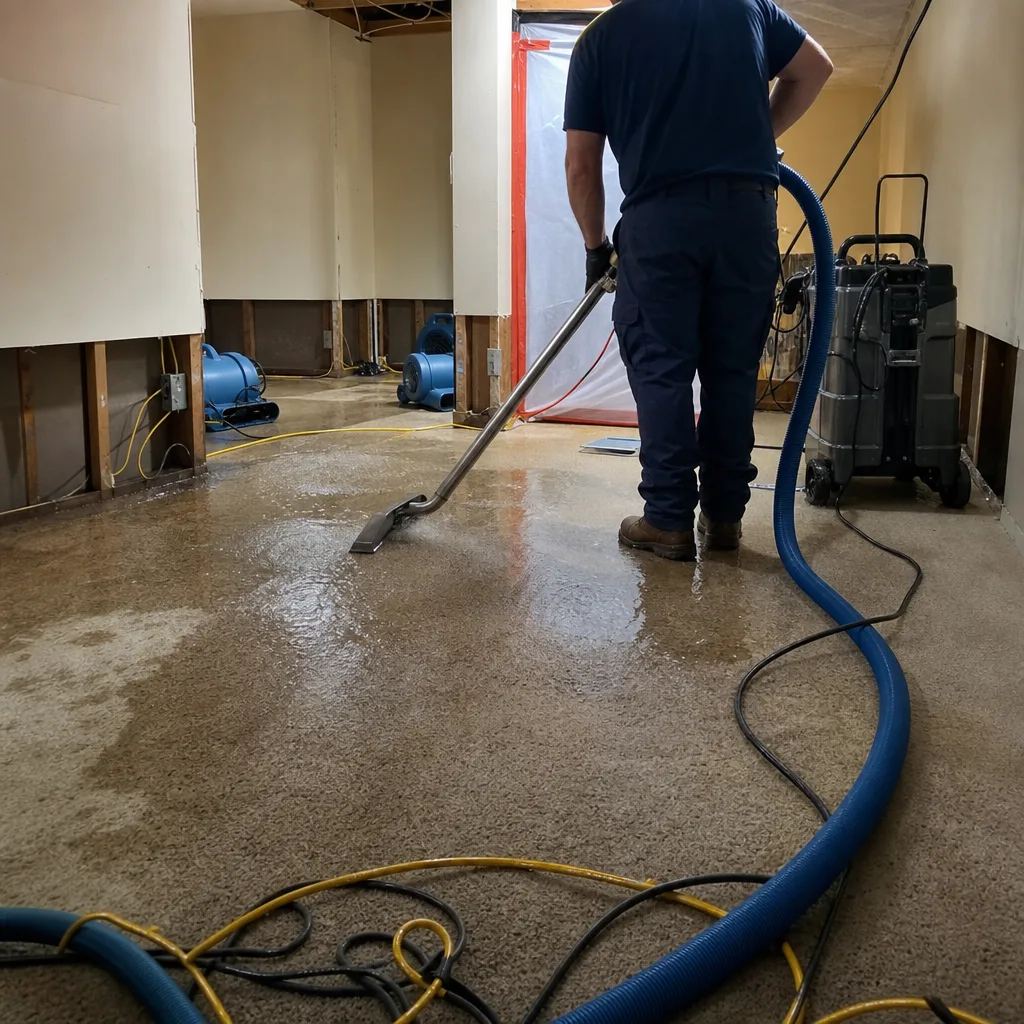
After a nor’easter pushed surge into the low blocks off Bruckner Boulevard near the Pelham Bay Park shoreline, our crew pulled wet carpet and cut out saturated plaster-and-lath that moisture mapping showed was still climbing the walls. We ran water extraction, set containment with HEPA air scrubbers and Dri-Eaz dehumidification, sprayed antimicrobial treatment on the exposed brick and framing, treated the crawl space for salt corrosion, and logged moisture readings to a drying log until the structure read dry. Because the water was Category 3 saltwater, we removed the wicking drywall rather than trying to dry it - the category decides what can stay.
Written by Alicia Brennan, Owner at Back to Dry Restoration, serving Pelham Bay since 2011.