
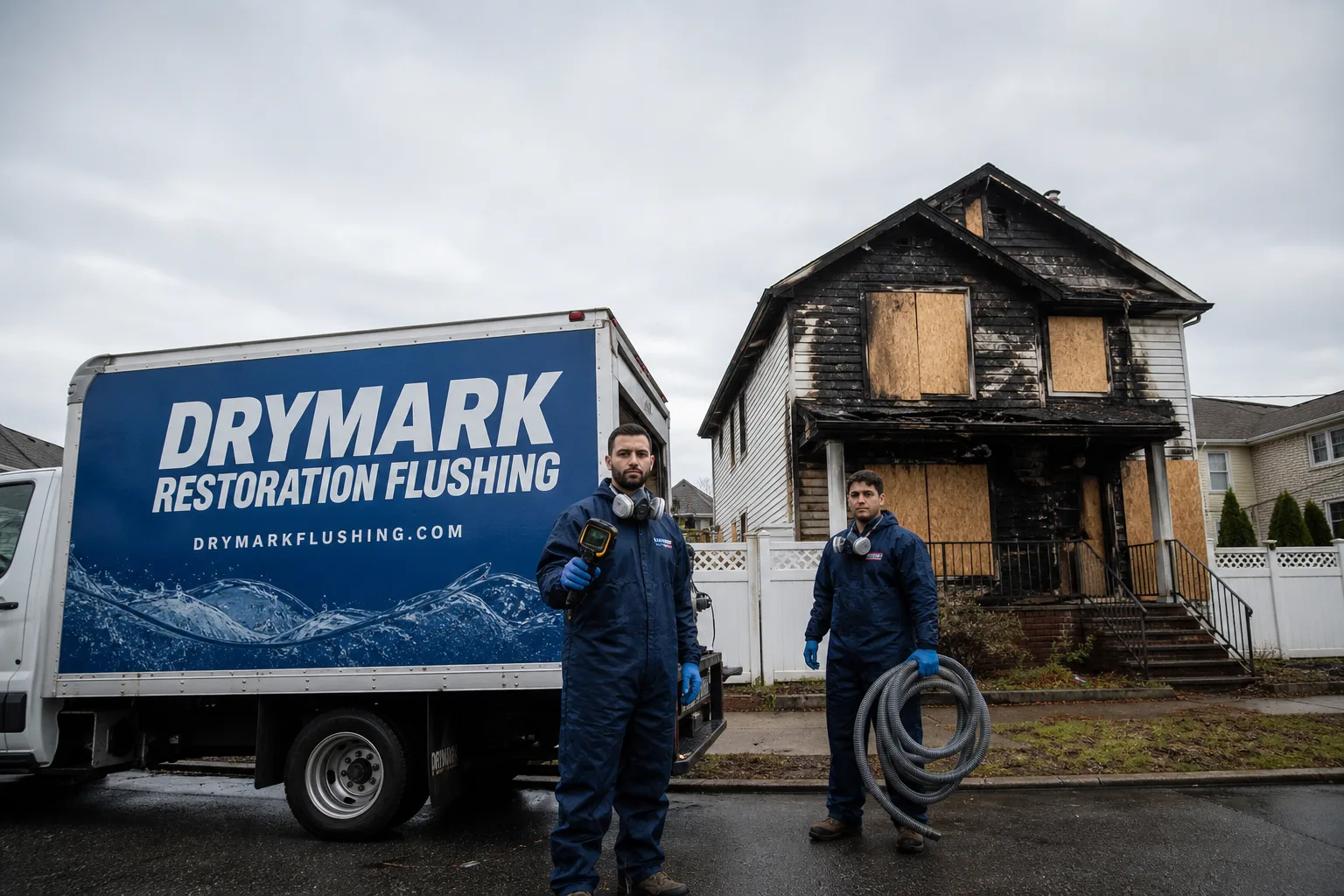
Free visual inspection and a written scope of work before any mitigation begins - photos, moisture readings, and drying logs go in your claim file
The scope we write is the scope we bill. Anything new gets shown to you, in writing, before we touch it.
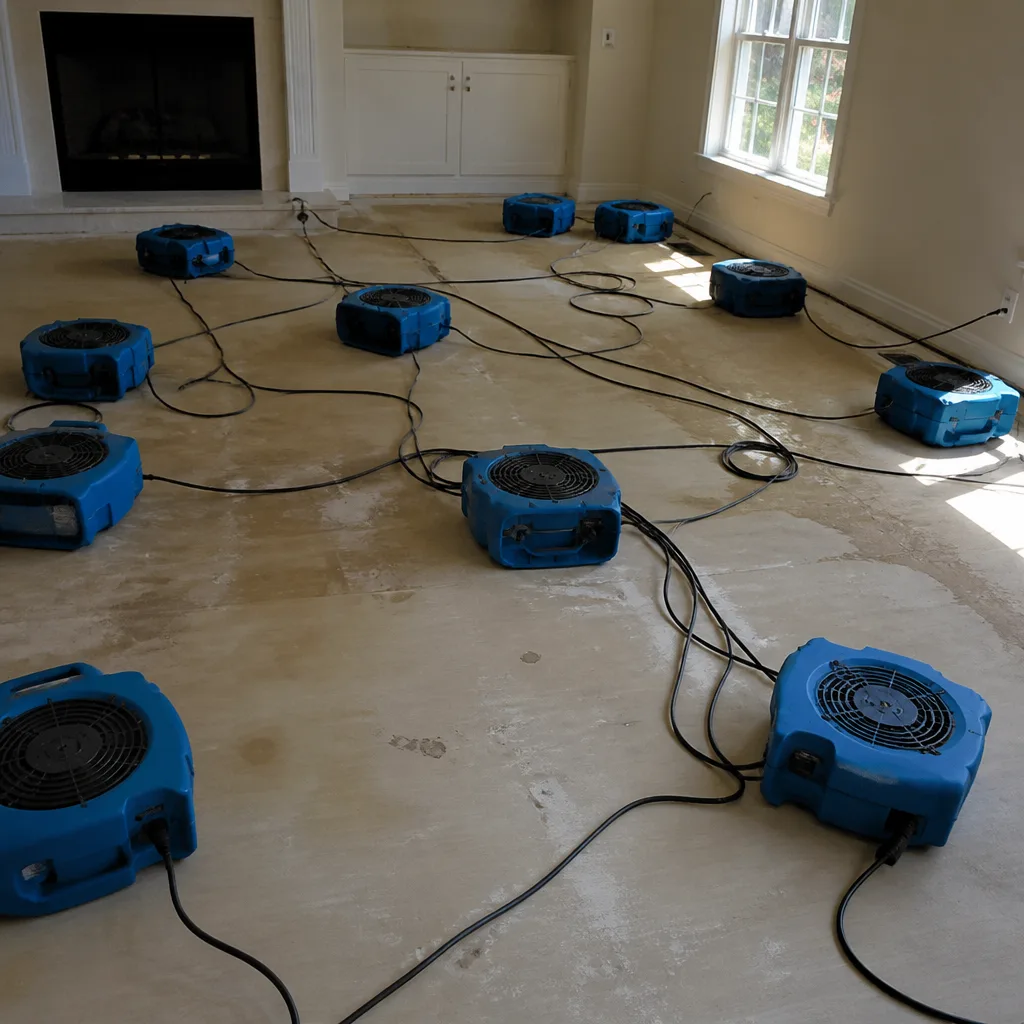
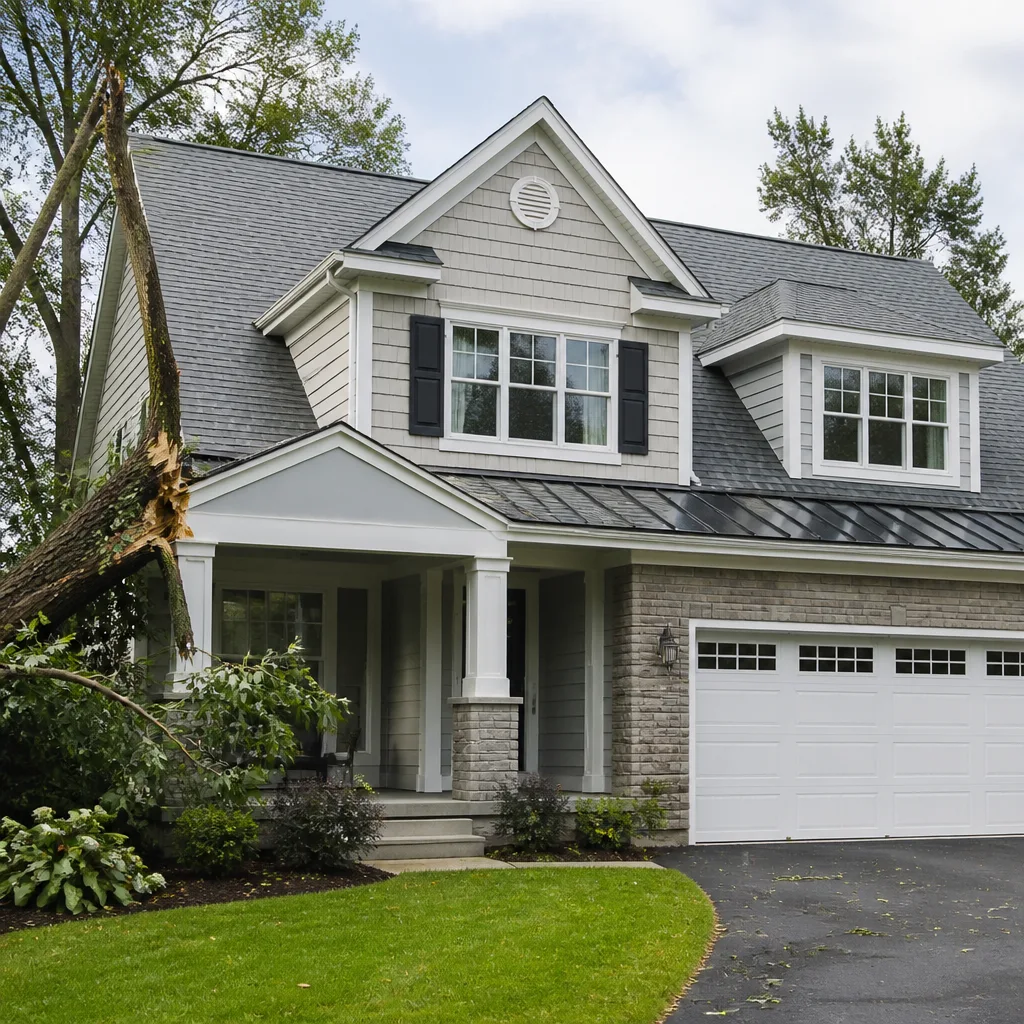
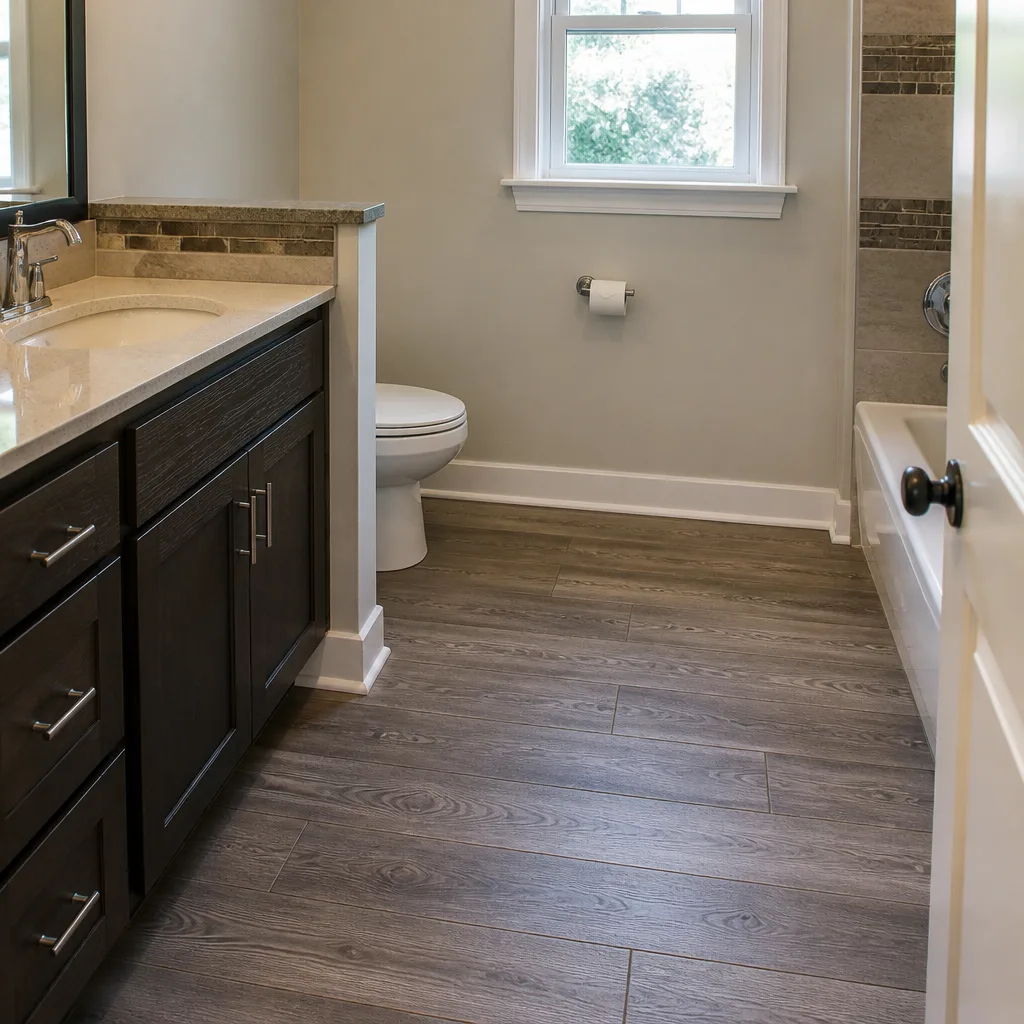
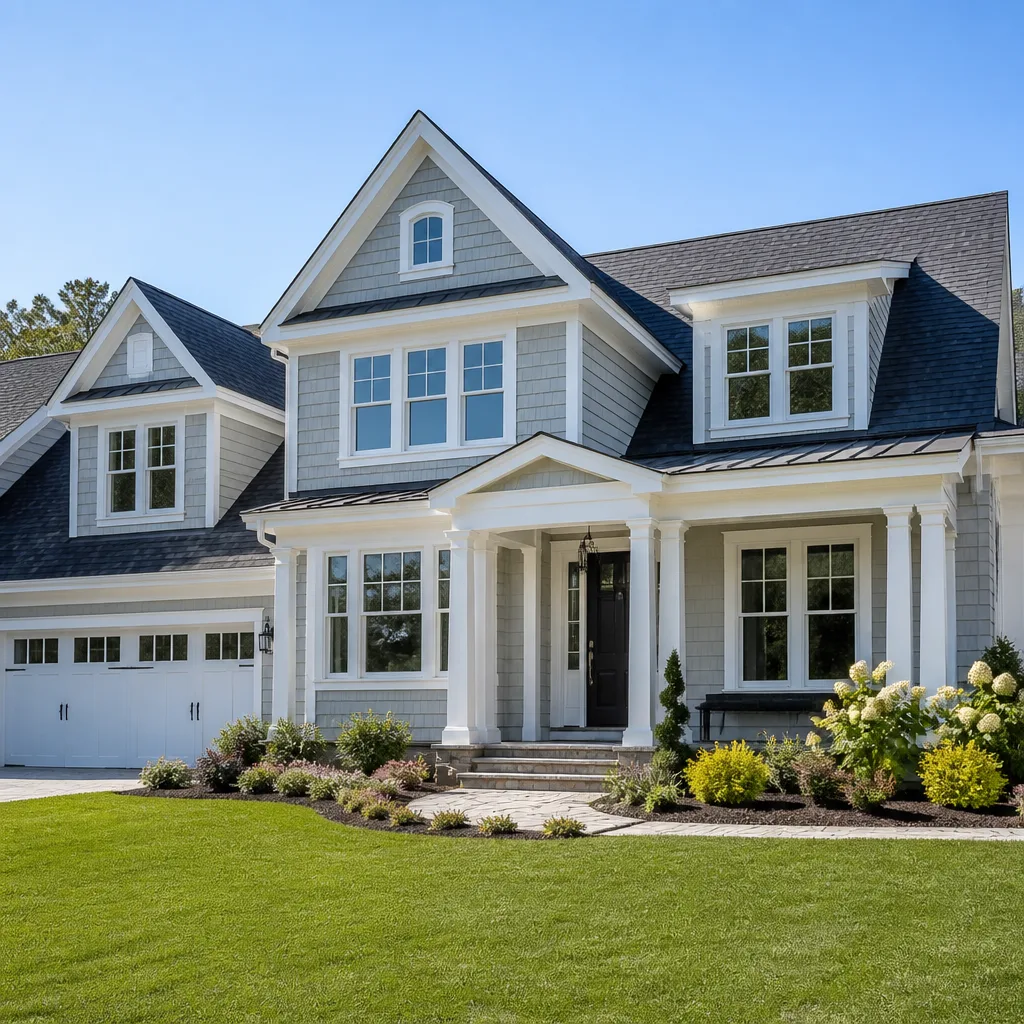
 Before
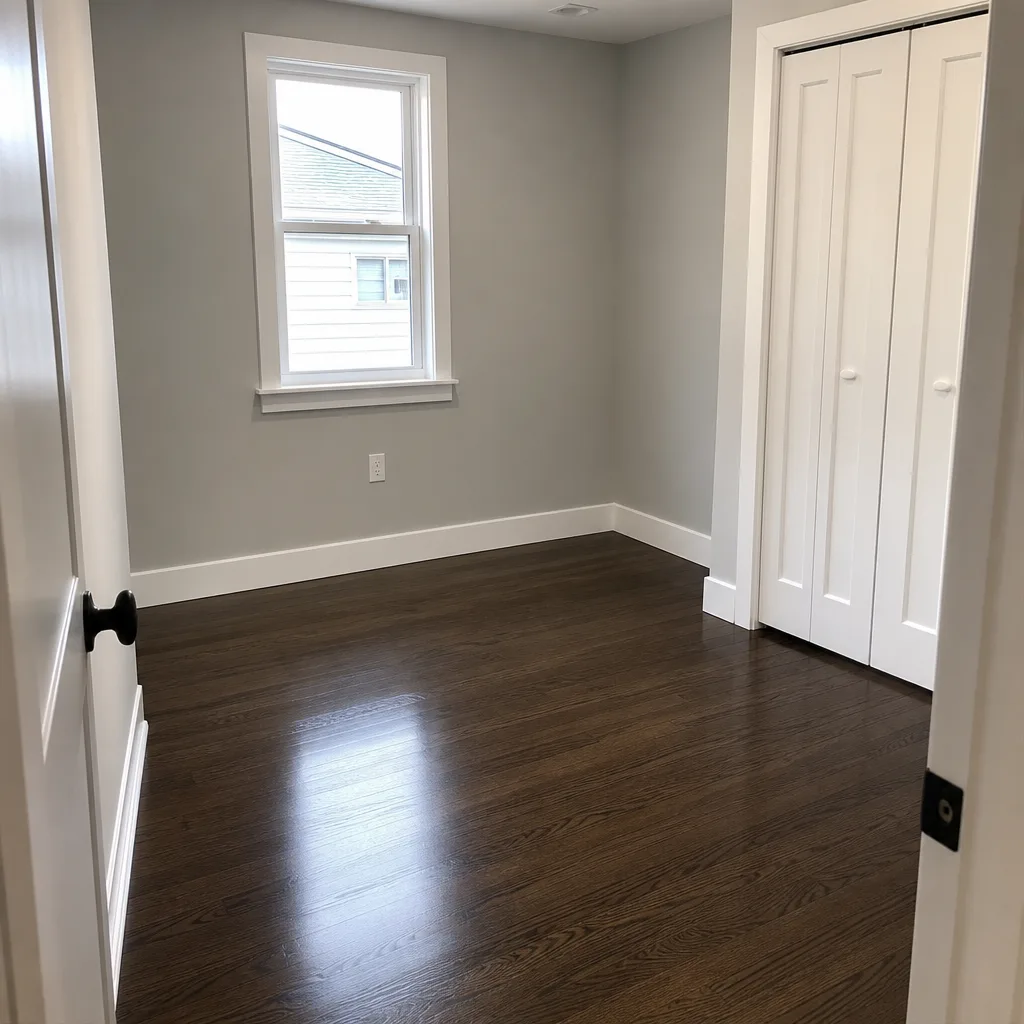 After
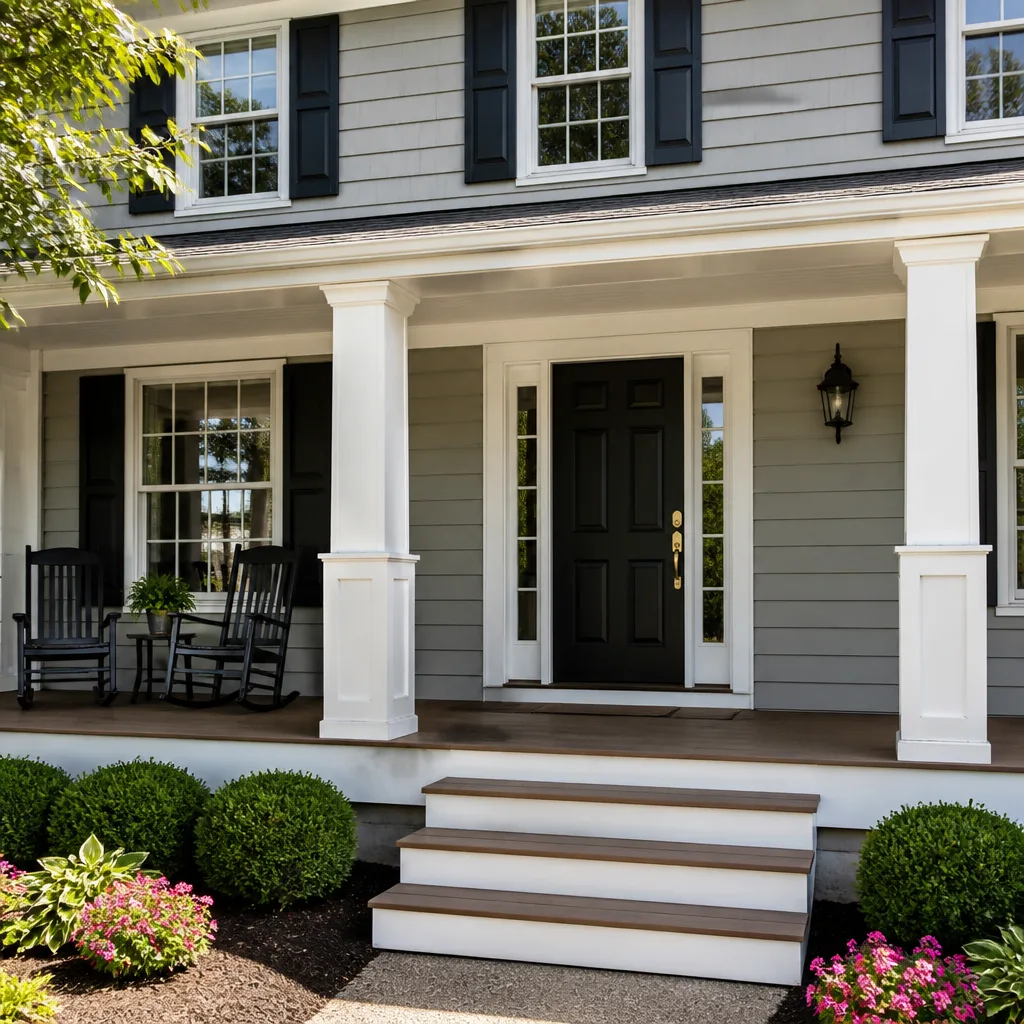
After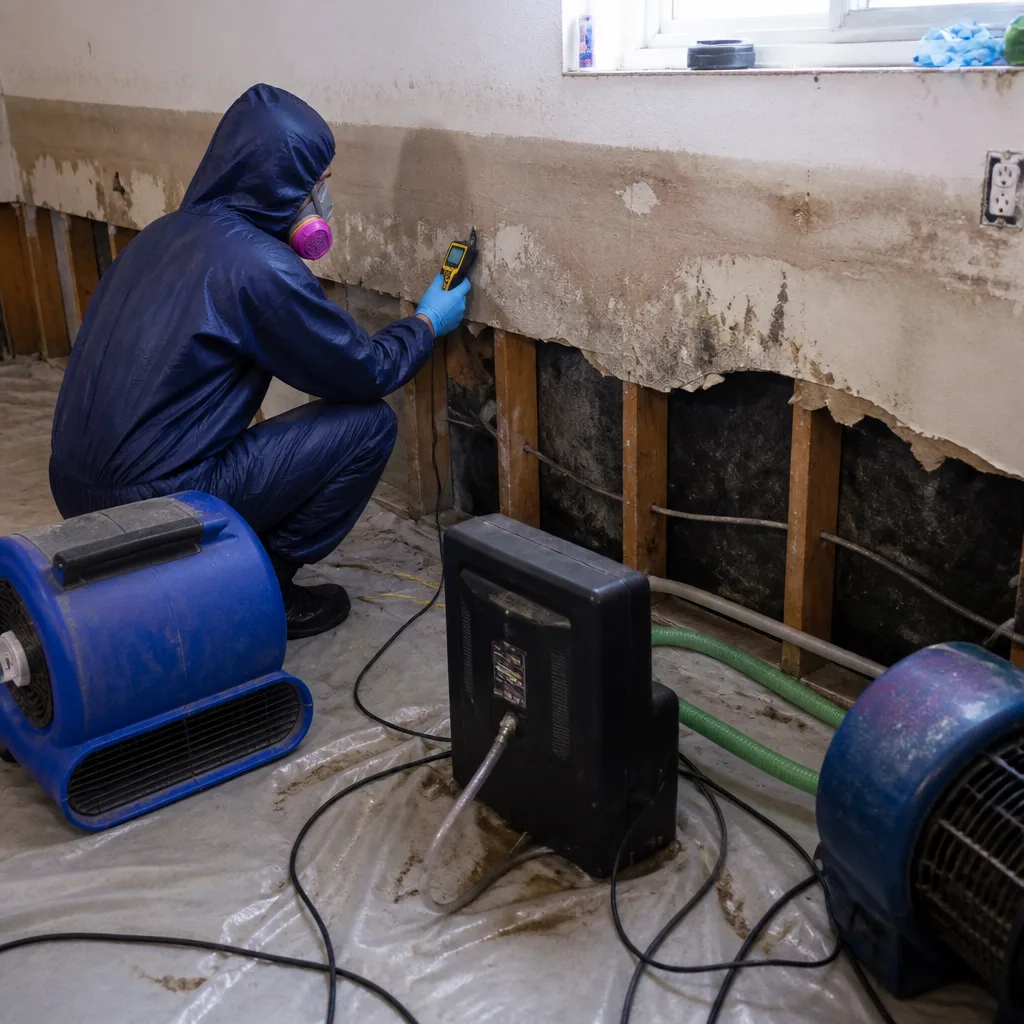 Before
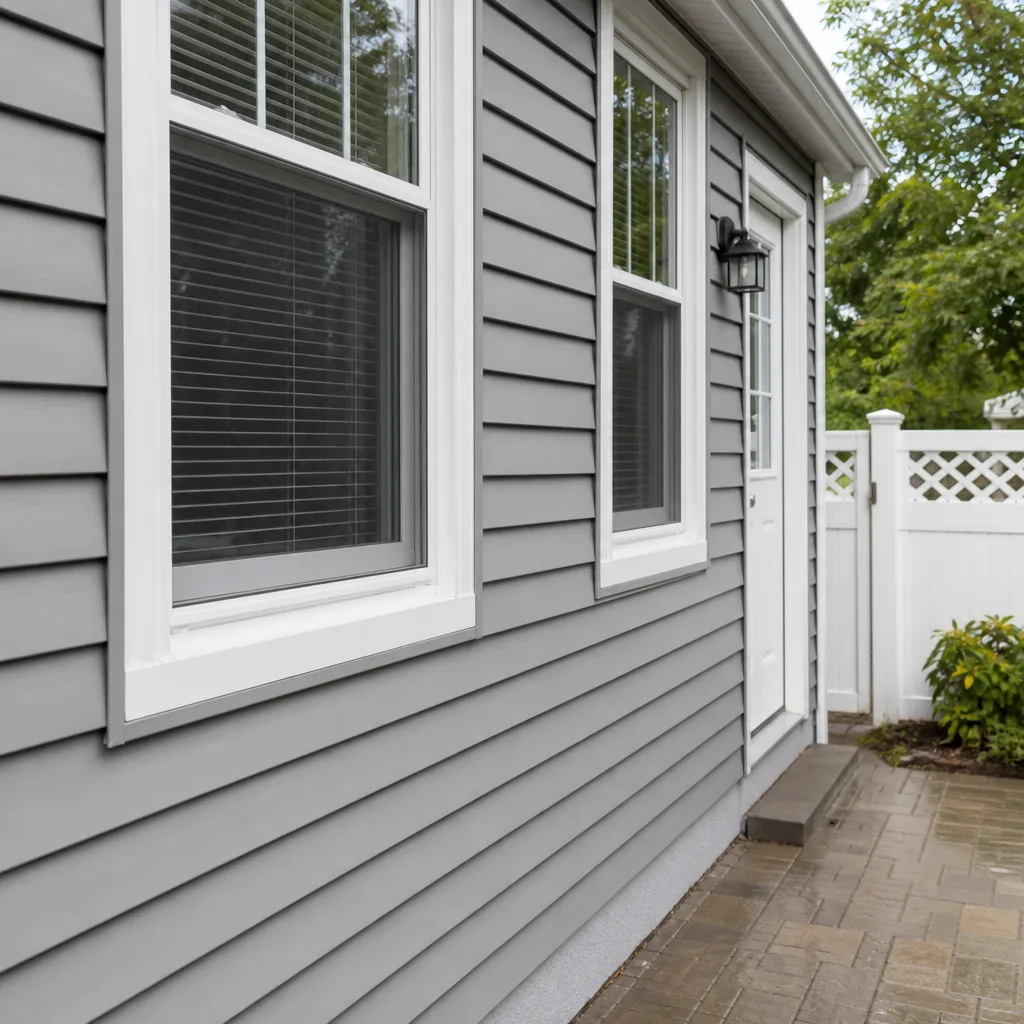 After
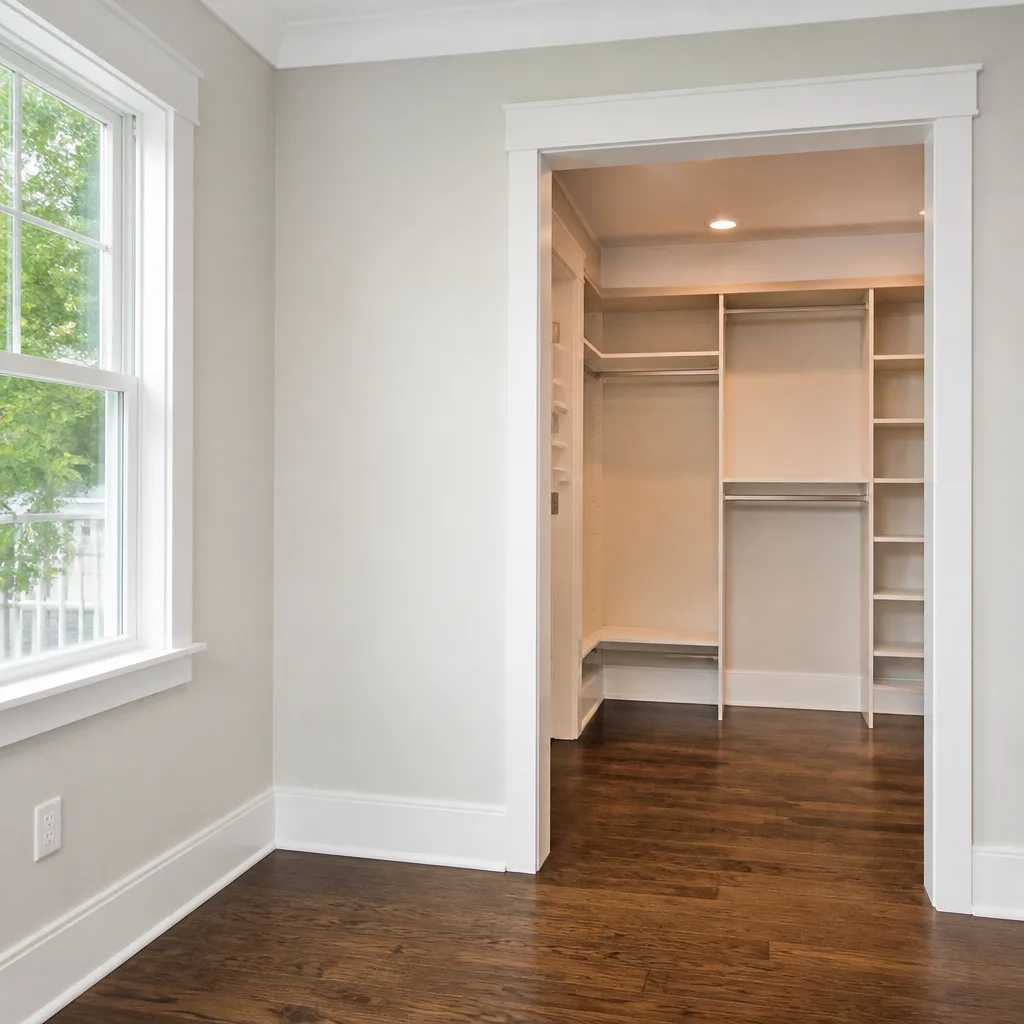
After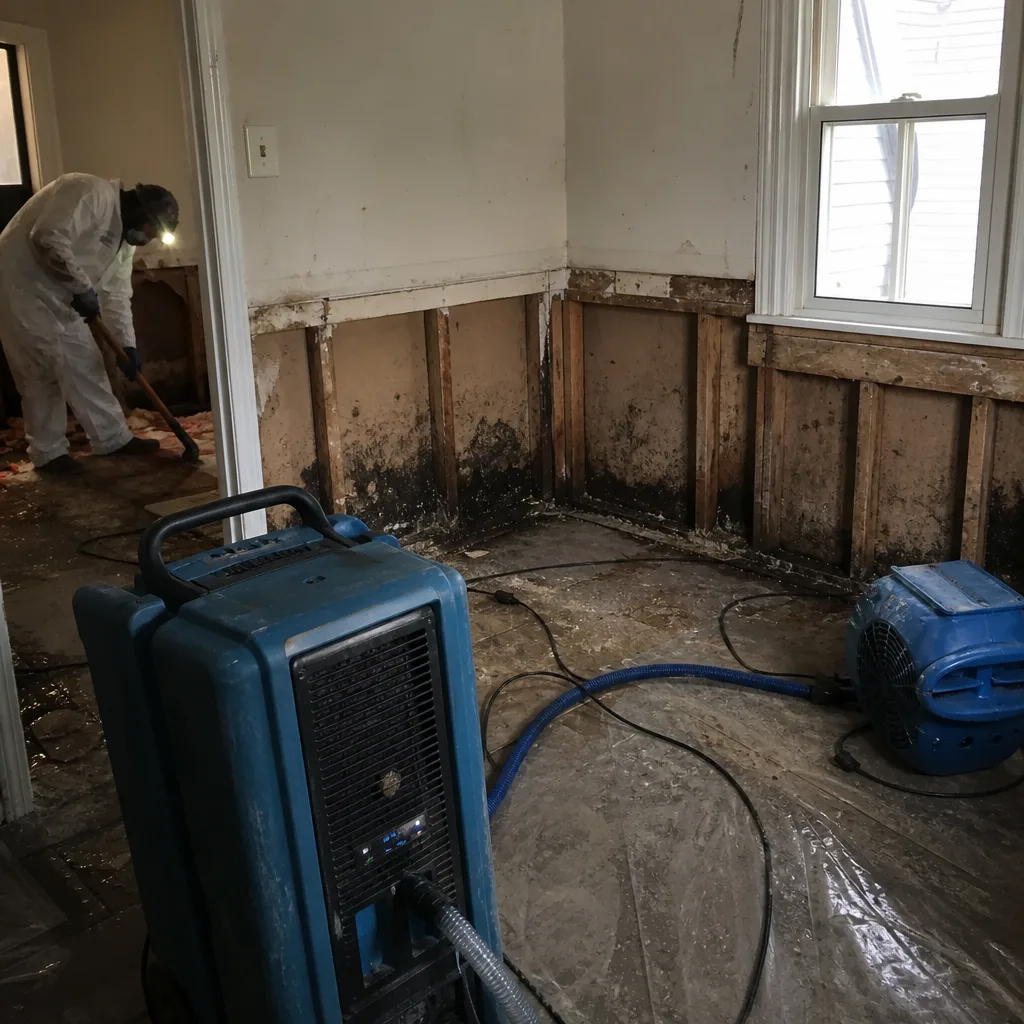 Before
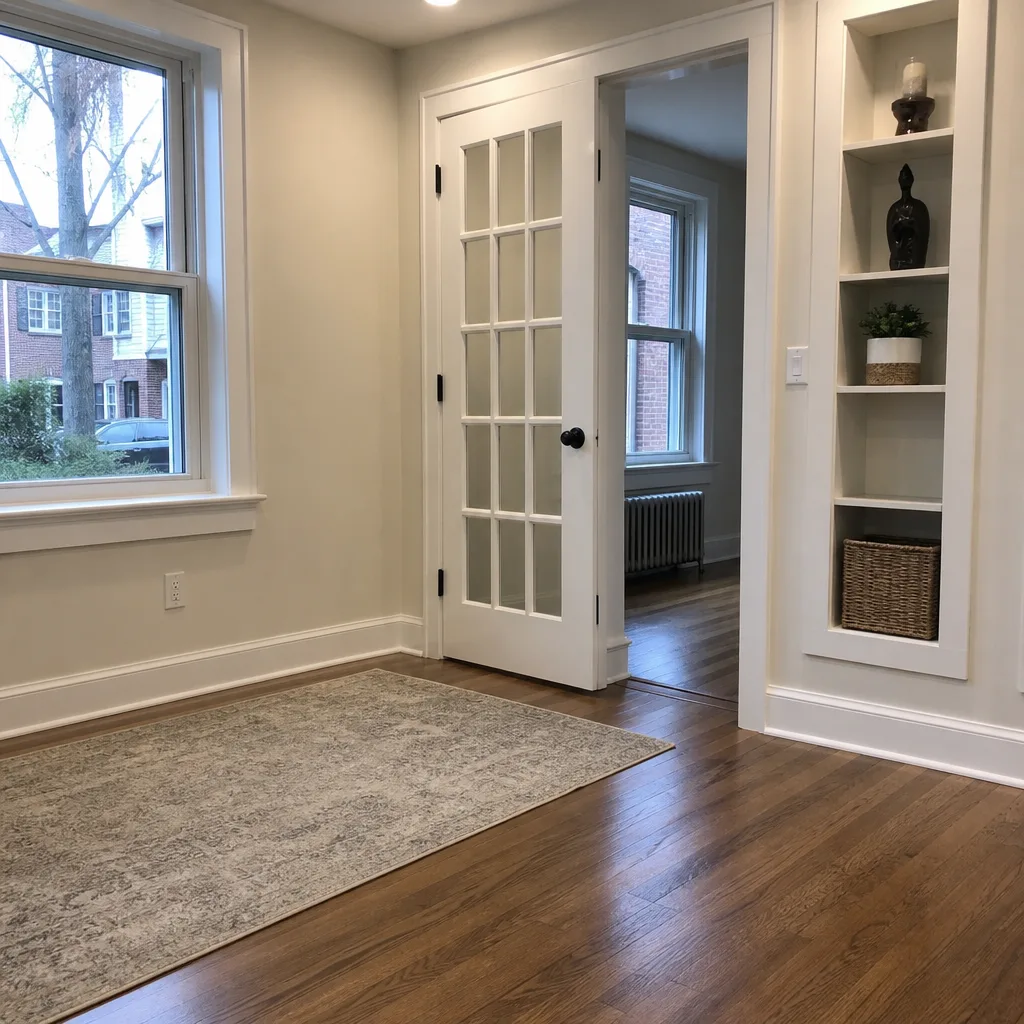 After
AfterTrusted Storm & Disaster Restoration for Flushing Homeowners
Our Storm & Disaster Restoration cost guide shows Flushing residential damage typically runs $2,800-$8,500, with emergency board-up and roof tarping starting at $450-$1,200. DryMark Restoration Flushing, led by Alicia Brennan, has restored homes across Queens since 2011 with a written price before any work starts, every time. Call (516) 386-9007 for 24/7 live dispatch - no voicemail, no callbacks next business day while rain is still getting in.
Flushing’s dense housing stock, from pre-war brick row houses to newer condo developments near Kissena Corridor Park, faces distinct storm risks. Nor’easters push wind-driven rain through aging mortar joints. Summer thunderstorms overwhelm flat roofs on commercial corridors like Main Street. The Long Island Expressway corridor sees flash flooding that fills basements in minutes. We’ve documented every pattern in 12,000+ Storm & Disaster Restoration - Flushing jobs, and we know what Flushing’s building department and insurance adjusters expect to see in a file.
Our crews arrive with the same documentation rigor Back to Dry Restoration built its reputation on: a written scope and price before anyone touches your property, photo records on every visit, and daily moisture logs that turn restoration invoices into payable claims. That’s Haven Standard, Clause 1. No exceptions.
What Our Storm & Disaster Restoration Service Includes
Storm Damage Cleanup
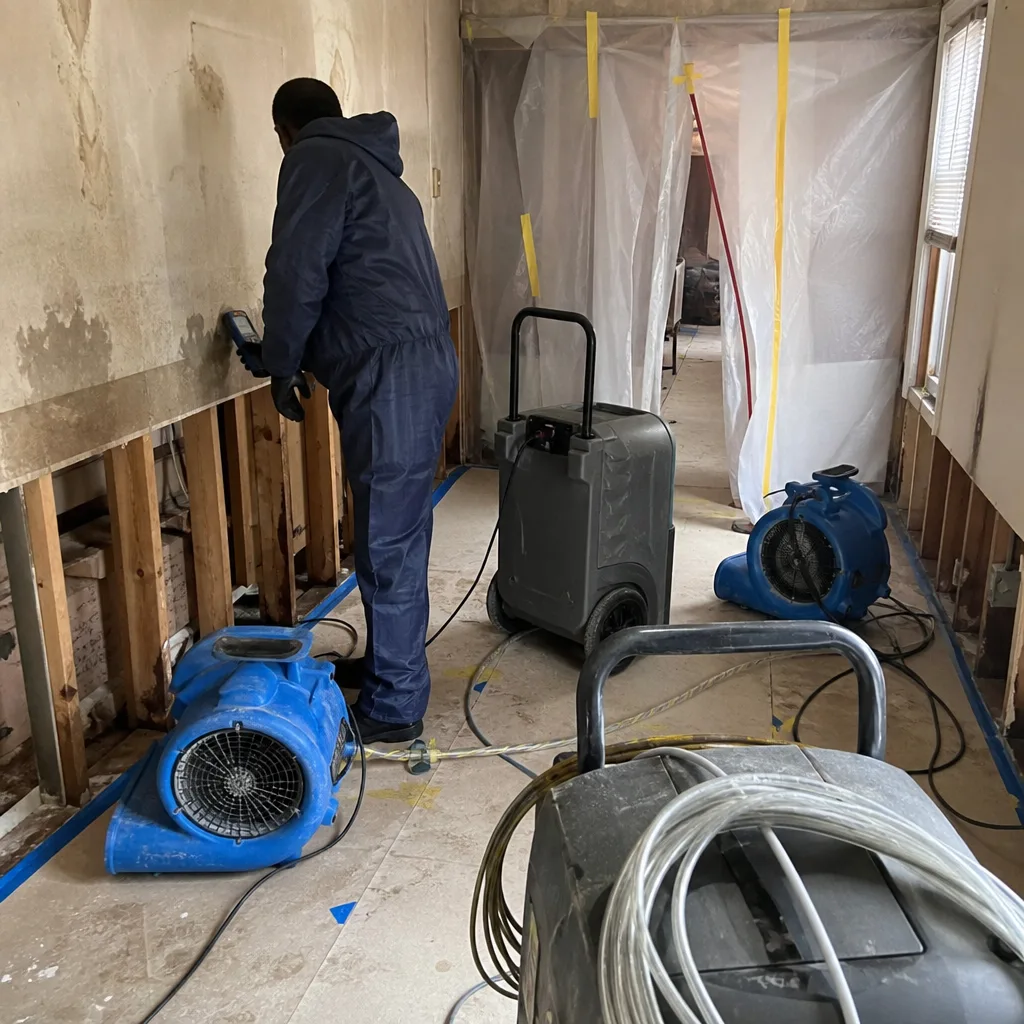
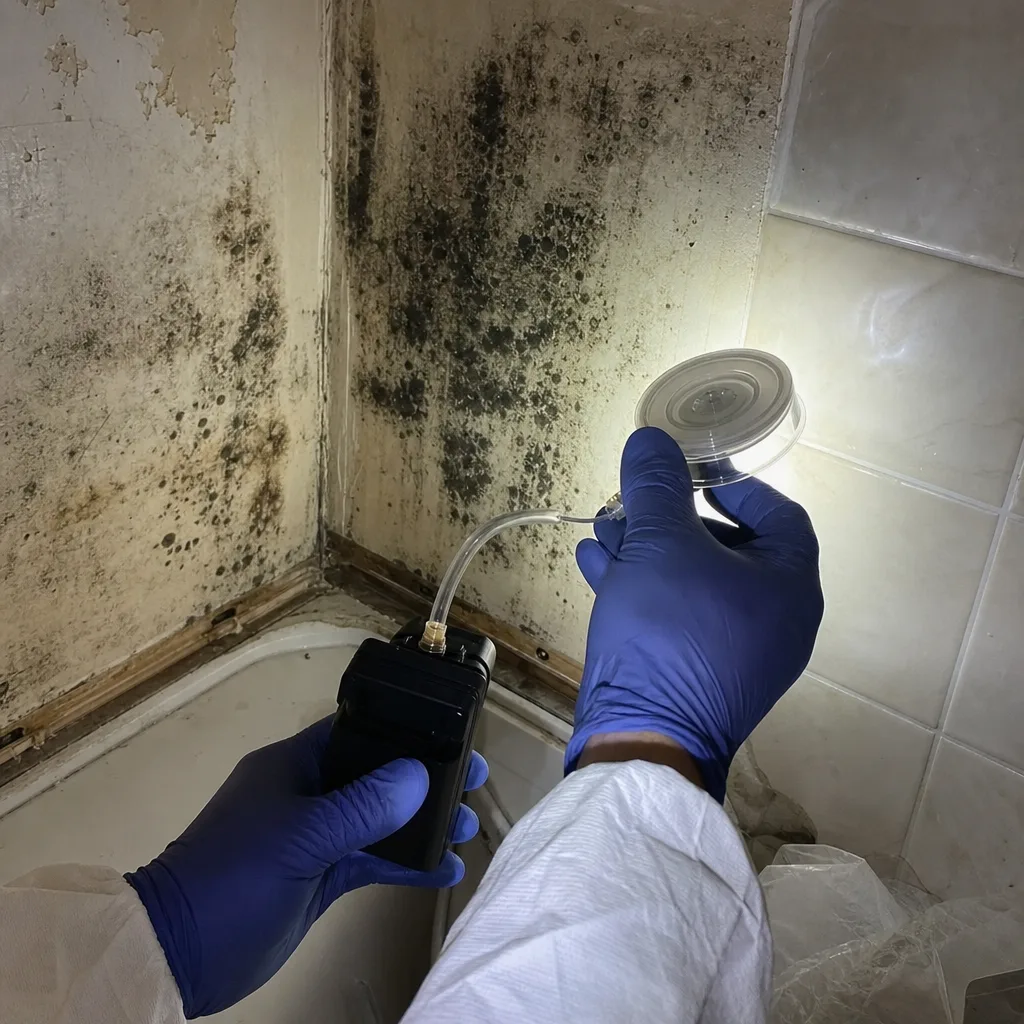
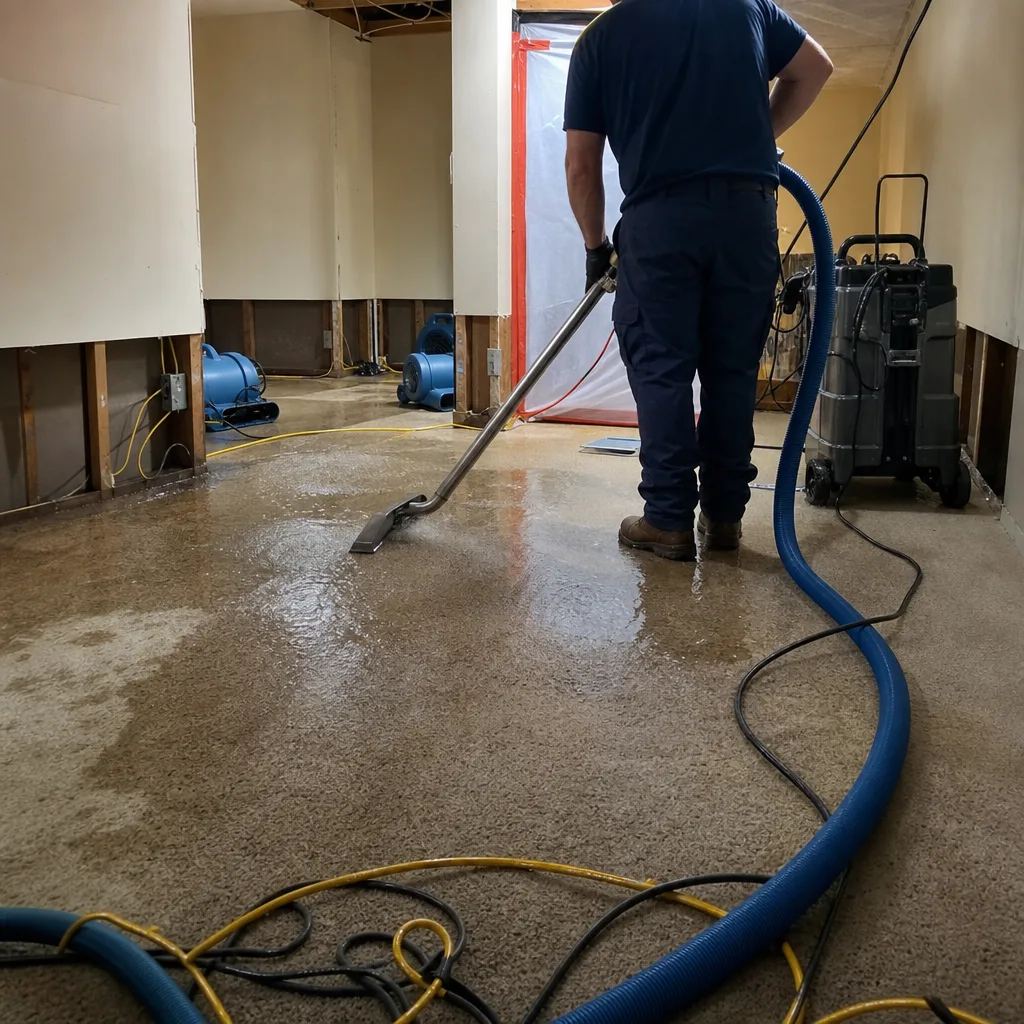
Storm damage cleanup addresses the full aftermath of severe weather: water intrusion, structural compromise, contaminated materials, and debris. In Flushing, we see this most after nor’easters and tropical remnants push Atlantic moisture inland, saturating walls in homes near Flushing Bay and the Storm & Disaster Restoration - Whitestone Expressway corridor. Our crews remove compromised drywall, extract standing water, and establish containment to prevent secondary damage. Every step is photographed, every moisture reading logged, and every material classification noted by trade name - Category 1 clean water versus Category 3 black water changes both protocol and documentation requirements.
Flood Damage Restoration
Flood damage restoration returns a structure to pre-loss condition after rising water, whether from storm surge, overwhelmed sewers, or flash runoff. Flushing’s low-lying areas near the Flushing River and Willets Point Boulevard catchment flood faster than the elevation maps suggest - we’ve measured 14-inch water lines in basements on 149th Street after a single July thunderstorm, and we handle similar Storm & Disaster Restoration in College Point flooding events. We deploy submersible pumps, truck-mounted extractors, and refrigerant dehumidifiers from Phoenix and Dri-Eaz, then monitor vapor pressure differential (the force that drives moisture from wet materials into dry air) until readings confirm structural dryness per IICRC S500 standards.
Emergency Board-Up
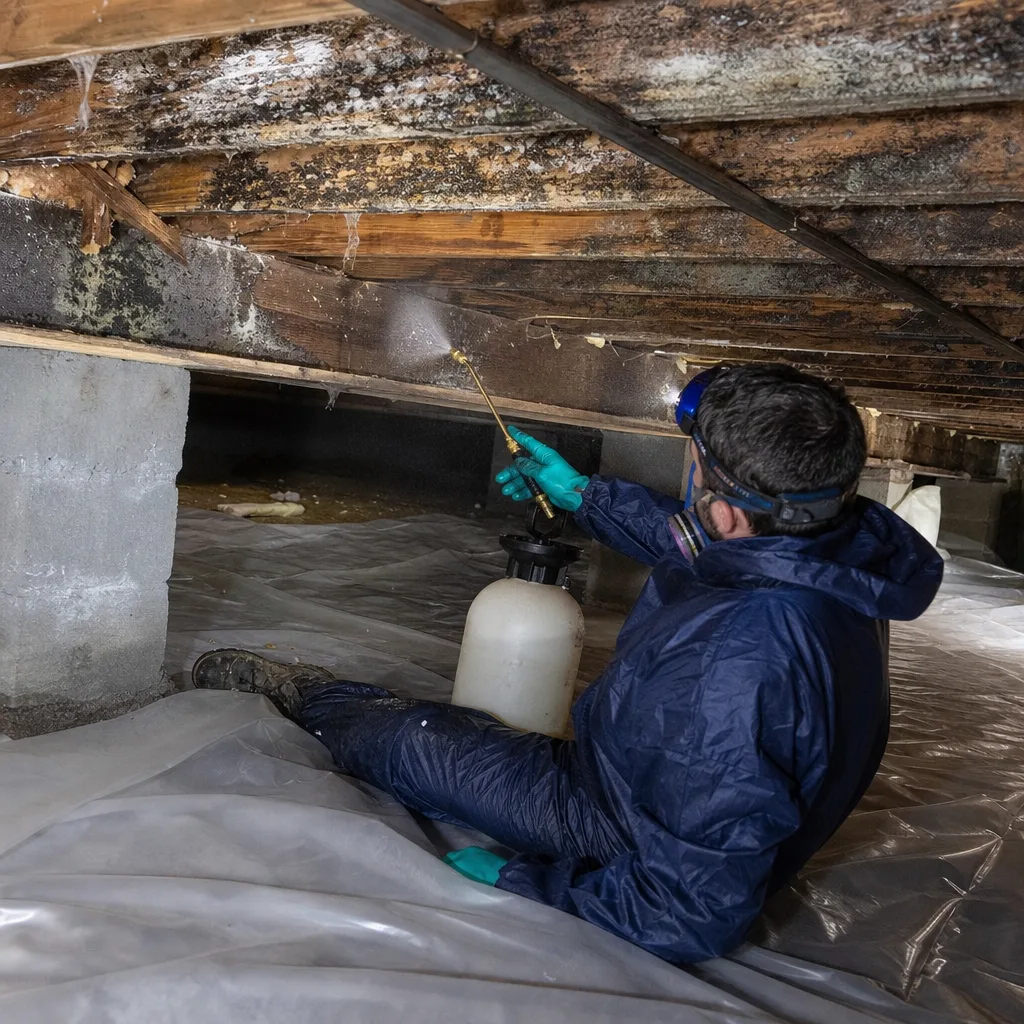
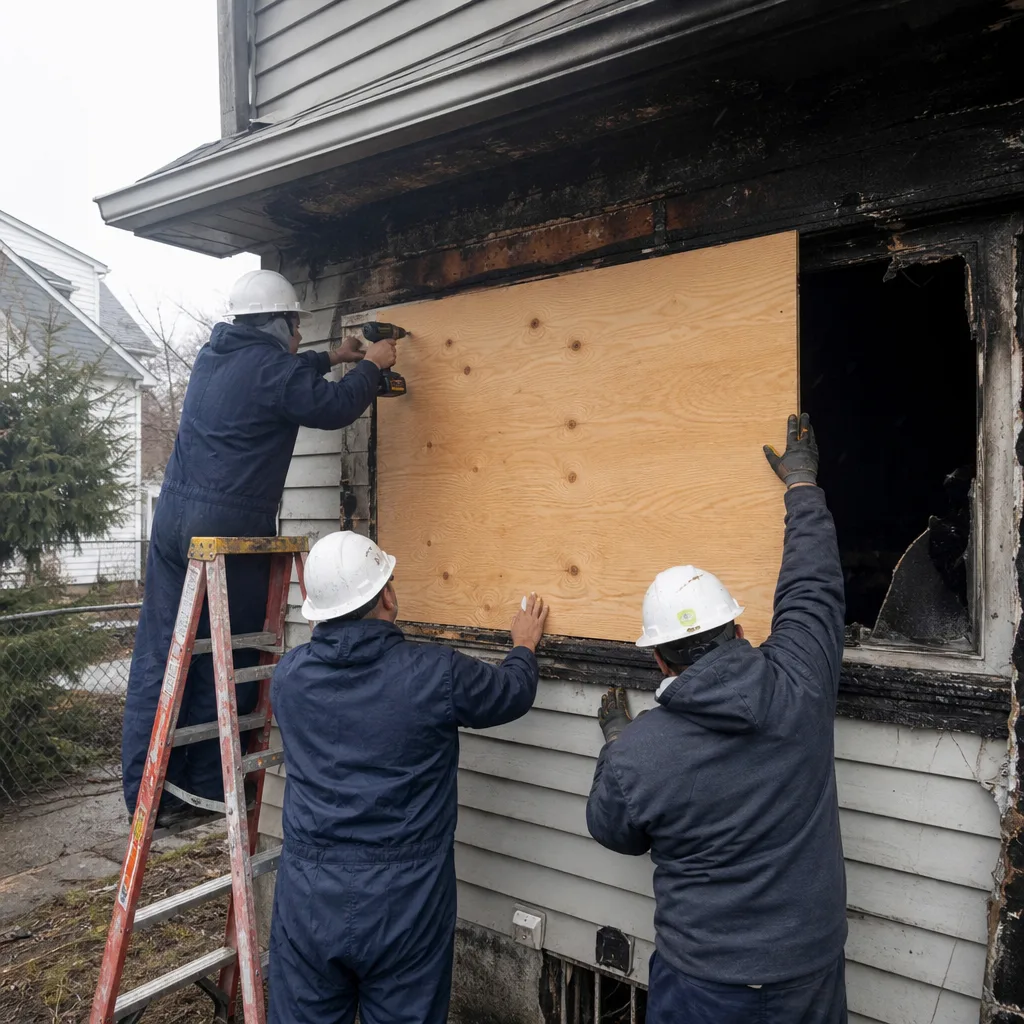
Emergency board-up secures compromised openings - windows, doors, roof gaps - to prevent further water intrusion, vandalism, and liability exposure. In Flushing’s packed residential blocks, a missing window on a semi-attached home puts two families at risk. We measure openings on arrival, cut plywood to spec on our truck, and install with structural fasteners rated for wind loads. The board-up is photographed for your adjuster, tagged with installation time and materials, and removed only when permanent repairs are scheduled. This is not temporary patching; it’s documented property protection.
Roof Tarping
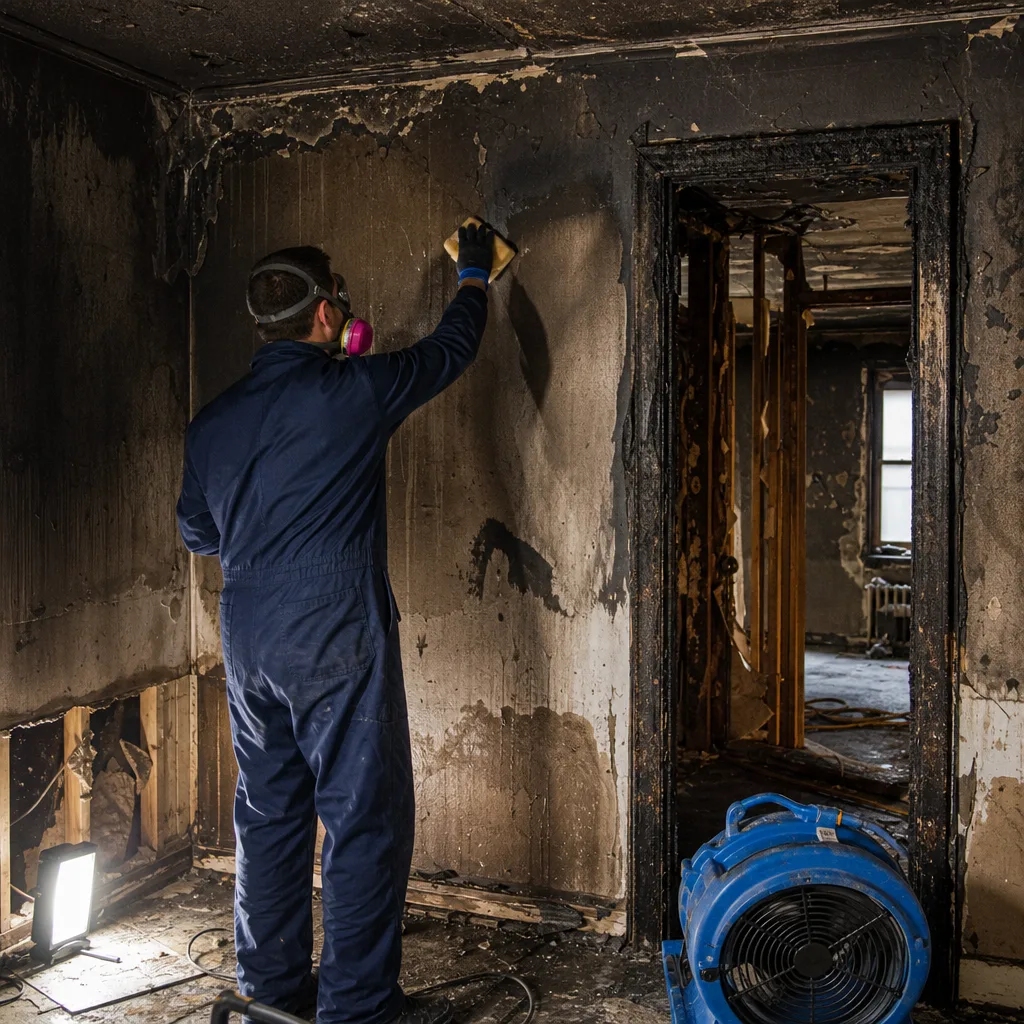
Roof tarping provides temporary weatherproofing after shingle loss, tree impact, or structural damage until permanent repairs can be scoped and scheduled. Flushing’s older housing stock, particularly the slate and asphalt shingle roofs in Broadway-Flushing Historic District, suffers lifted shingles in sustained 40+ mph winds. We use 6-mil polyethylene tarps with batten strips secured to undamaged rafters, not fascia boards that can’t bear load. Every tarp installation includes edge sealing, drainage channeling, and photo documentation of the underlying damage for your insurance file.
Debris Removal
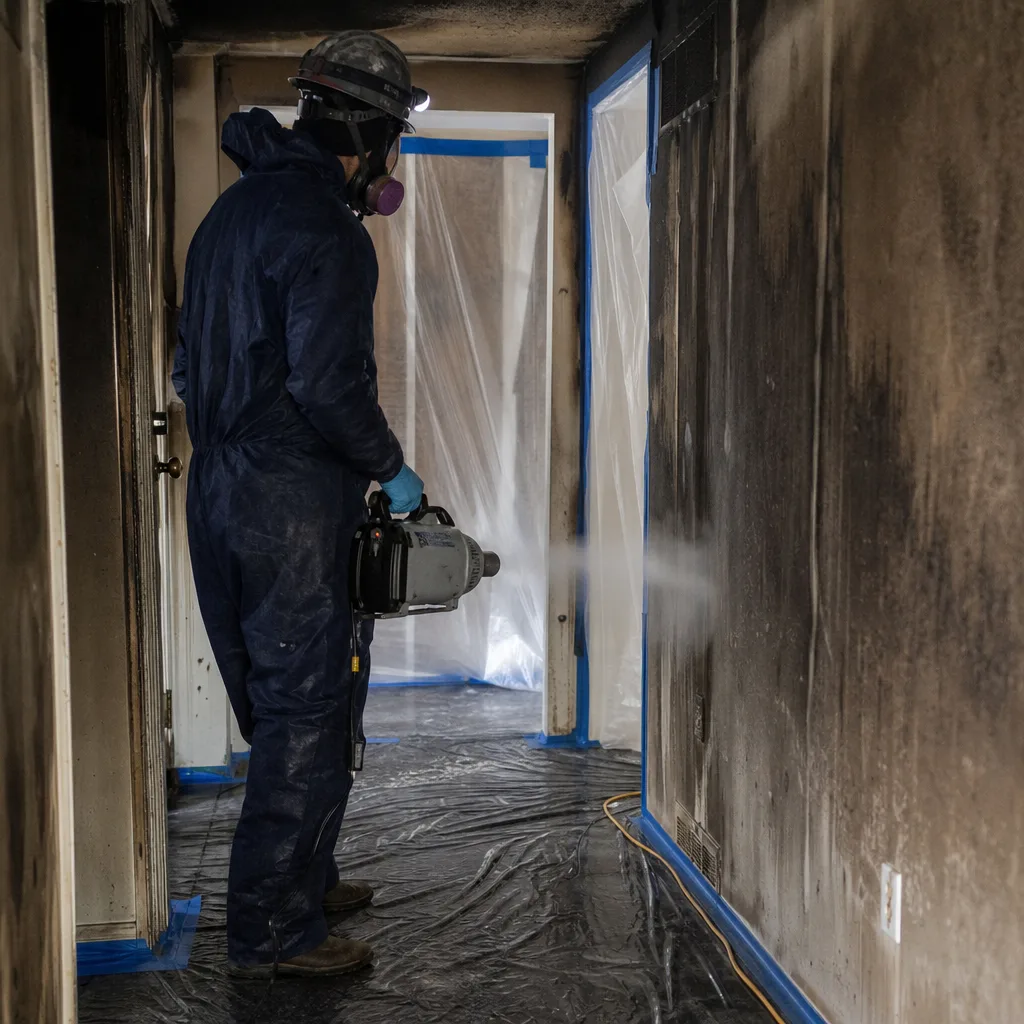
Debris removal clears storm-damaged materials - tree limbs, shattered glass, saturated insulation, compromised drywall - safely and in compliance with NYC Department of Sanitation regulations. In Flushing, where many homes have limited driveway access and alternate-side parking complicates dumpster placement, we coordinate permits and scheduling to avoid fines. We sort materials by disposal classification: vegetative debris, construction debris, and hazardous materials each require separate handling. Your photo record shows what was removed, when, and by what regulatory method.
Wind Damage Repair
Wind damage repair addresses structural and envelope damage from sustained high winds or gust events, including siding loss, soffit damage, and compromised chimney flashing. Flushing’s exposure to Atlantic storm tracks means homes near the waterfront and elevated corridors like Parsons Boulevard see higher wind loads than inland Queens. We assess structural integrity before beginning repairs, document hidden damage like lifted shingles or compromised waterproofing membranes, and provide a written repair scope with line-item pricing. No work begins until you’ve approved the price in writing - Haven Standard, Clause 1.
What happens when you call
- 1
A real person answersNo phone trees - you reach a local pro.
- 2
You get an upfront price rangeHonest numbers before anyone is dispatched.
- 3
A background-checked tech heads outLicensed & insured, dispatched right away.
- 4
You approve before work beginsNothing starts until you say go.
Brands We Service for Storm & Disaster Restoration
We’ve deployed XPOWER air movers and axial fans in hundreds of Flushing basements, particularly in the garden-apartment conversions near Roosevelt Avenue where airflow is constrained by below-grade windows. XPOWER’s variable-speed controls let us dial in precise cubic feet per minute for each room size, and we document the CFM setting on every drying log. For injectidry systems, we use their hardwood floor drying panels on Flushing’s original oak and maple floors - the kind found in 1920s Tudors near Bowne Park - forcing dry air through the subfloor cavity without surface demolition when conditions allow.
B-Air dehumidifiers handle the heavy extraction phase in flood jobs, particularly in commercial basements along Northern Boulevard where square footage and ceiling height demand industrial capacity. Whether your property has equipment from these manufacturers or any other make, we assess compatibility with our drying systems and document performance data to IICRC standards. The brand on the label matters less than the psychrometric data - temperature, relative humidity, and specific humidity - that tells us when your structure is actually dry, not just surface-dry.
BeforeAfterSigns You Need Storm & Disaster Restoration Right Now
- Visible water staining or active dripping from ceilings or walls. Brownish discoloration that expands after rain indicates compromised roofing or flashing, and the water you see represents a fraction of what’s trapped in the assembly. In Flushing’s plaster-and-lath construction, water wicks horizontally faster than it drains, meaning the damage zone is always larger than the stain suggests. Delay turns a $2,800 ceiling repair into an $8,500 mold remediation.
- Missing or lifted shingles, or granule accumulation in gutters. Asphalt shingles lose protective granules as they age, but storm loss is concentrated and patterned - we look for bare patches in straight lines where wind lifted and folded the tab. In Flushing, where many roofs are 20+ years old, a single nor’easter can expose enough substrate to guarantee leaks in the next rain event.
- Standing water in basement or crawl space, or a sump pump that runs continuously. Hydrostatic pressure against foundation walls increases after sustained rain, and Flushing’s clay-heavy soils drain slowly. A sump pump that can’t keep up indicates either pump failure or groundwater influx exceeding design capacity. Either way, water against foundation walls compromises structural integrity and creates vapor drive that wicks into framing.
- Windows or doors that won’t close properly after a storm. Frame racking from wind pressure or foundation shift from saturated soils changes the geometry of openings. This is structural movement, not just swollen wood, and it indicates forces that may have compromised connections you can’t see. We document frame squareness with laser levels and recommend structural assessment when deviation exceeds 1/4 inch.
- Musty odor appearing within 24-48 hours of water intrusion. Mold colonization begins when moisture content in organic materials exceeds 16% and relative humidity stays above 60%. In Flushing’s summer conditions, that threshold is crossed fast. The smell is microbial volatile organic compounds - the metabolic byproduct of active fungal growth - and it means remediation is already necessary, not preventive.
Our Storm & Disaster Restoration Process - Step by Step
- 1
Emergency contact and dispatch. When you call (516) 386-9007, a live person answers - no voicemail tree, no “leave a message and we’ll call back tomorrow.” We gather address, damage description, and insurance carrier, then dispatch the nearest crew with equipment pre-loaded. Typical response in Flushing is 60-90 minutes during daylight hours, slightly longer overnight depending on Storm & Disaster Restoration in Whitestone and Storm & Disaster Restoration in College Point call volume.
- 2
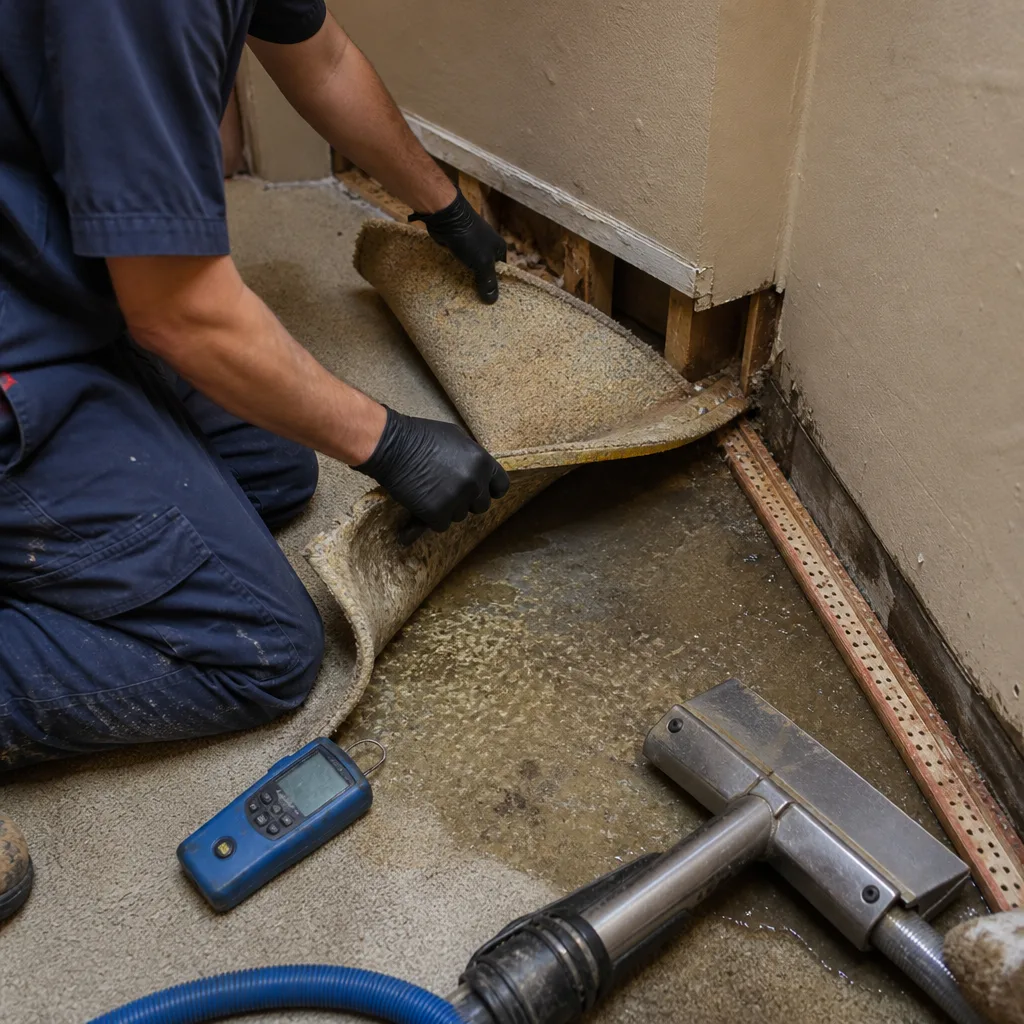
On-site damage assessment and documentation. Our technician walks the property with you, identifies safety hazards including compromised electrical service and structural instability, and begins photo documentation. We take moisture readings with calibrated pin and non-invasive meters, record affected square footage by room, and classify water contamination level. You receive a written assessment before we proceed - not an estimate, a documented finding with measurements.
- 3
Written scope and price presentation. Haven Standard, Clause 1: we deliver a written price before any work begins. The scope lists each task, material, and equipment type with line-item costs. No aggregate “restoration services” lump sum. You approve in writing, or we revise. This document is what your adjuster needs to approve payment without dispute, and it’s what protects you from scope creep once the crew is inside your home.
- 4
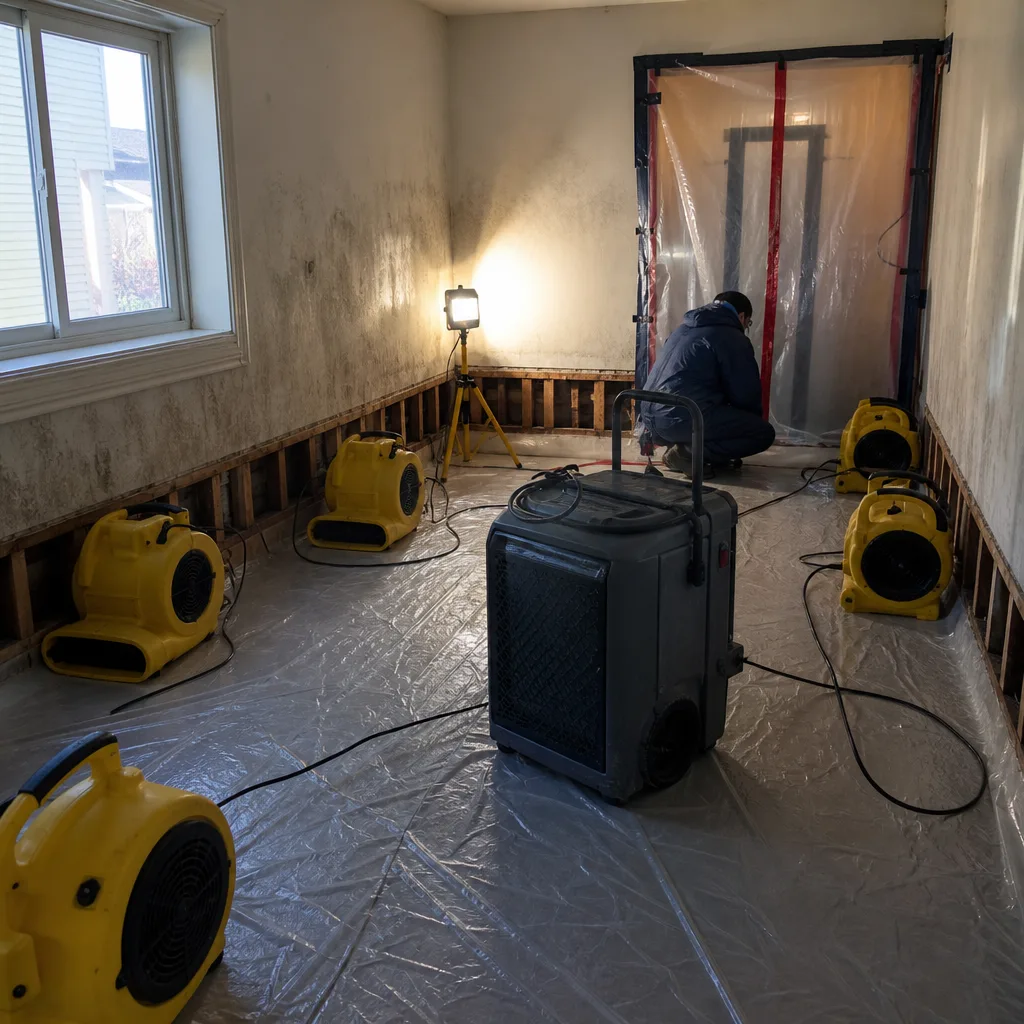
Emergency mitigation and stabilization. We execute approved emergency work: water extraction, board-up, roof tarping, debris removal, and initial drying equipment placement. Psychrometric data - temperature, relative humidity, specific humidity, and vapor pressure - is recorded at setup and monitored daily. Equipment from Dri-Eaz, Phoenix, and B-Air runs until readings confirm structural dryness, not an arbitrary number of days.
- 5
Restoration, reconstruction, and final documentation. Once dry, we repair or replace damaged materials per the approved scope, with photo documentation at rough-in and completion. Final moisture readings confirm the structure meets IICRC S500 standards. You receive the complete photo record, drying logs, material invoices, and the signed 365-Day Done Right Promise under The Haven Standard. If anything’s not right, we make it right - in writing, not verbally.
How Much Does Storm & Disaster Restoration Cost in Flushing?
A typical emergency board-up or roof tarping in Flushing runs $450-$1,200 depending on access height, opening count, and whether structural support is needed for safe installation. Storm damage cleanup with water extraction and initial drying starts around $2,800 for a contained single-room event and ranges to $6,500 for whole-basement flooding with Category 2 or 3 water. Full flood damage restoration with reconstruction - drywall, flooring, trim replacement - typically falls between $5,500 and $8,500 for Flushing’s average 1,200-square-foot affected area.
Several factors move these ranges. Water contamination level is primary: Category 1 clean water requires less protective equipment and disposal cost than Category 3 sewage-contaminated floodwater, which demands full PPE, antimicrobial treatment, and regulated waste handling. Structural access matters too - a roof tarp on a three-story Flushing semi-attached with no rear yard access requires boom equipment versus a single-story detached with ladder access. Material age and type affect reconstruction: matching 1920s plaster crown molding costs more than standard drywall replacement. And the speed of your call matters for mitigation cost, not restoration cost - faster water extraction means less material saturation, which means less demolition and replacement.
To avoid overpaying, get any competitor’s estimate in writing and bring it to us for a Free Second Opinion - no charge, no obligation. We itemize against their scope and flag common padding: equipment rental days beyond actual drying time, demolition of materials that could be restored with proper drying, and “containment” charges for mold that hasn’t been tested or confirmed. Our written price is the price. Haven Standard, Clause 1 means no additions once work starts.
Your free estimate includes the full damage assessment, moisture readings with equipment calibration dates, a line-item written scope, and our direct insurance billing authorization if you choose to use it. Call (516) 386-9007 to schedule.
Storm & Disaster Restoration Near Flushing - Our Service Area
We maintain crews and equipment staged for response across northern and central Queens. From Flushing, typical drive time to Storm & Disaster Restoration in College Point is 15 minutes, to Storm & Disaster Restoration in Whitestone 20 minutes, and to Bayside or Fresh Meadows under 25 minutes. We also serve Jackson Heights, Elmhurst, Rego Park, Forest Hills, Woodside, Middle Village, and Throgs Neck with the same response commitment and documentation standards. Whether you’re in a pre-war co-op near the 7 train or a detached home near Kissena Park, the written price before work starts and the 365-Day Done Right Promise apply.
Serving Flushing, NY - Our Local Coverage Area
We’re based in the Flushing area and know this community well. Use the map below to see our service coverage - if you’re nearby, we can almost certainly help.
Frequently Asked Questions - Storm & Disaster Restoration in Flushing
Storm and disaster restoration is the professional process of returning a storm-damaged property to pre-loss condition, including emergency mitigation, structural drying, debris removal, and reconstruction. It differs from simple cleanup in that it follows documented protocols - IICRC, RIA, and IFA standards - with measurable outcomes that insurance carriers recognize and pay. At DryMark Restoration Flushing, every restoration includes a written scope, photo documentation, and daily moisture logs that turn the work into a payable claim.
Most emergency mitigation - board-up, tarping, water extraction, initial drying - completes within 1-3 days. Full structural drying typically requires 3-5 days for standard residential construction, with dense materials like plaster or hardwood extending to 7-10 days. Reconstruction timelines depend on material availability and scope complexity; a standard drywall and flooring replacement in Flushing runs 5-10 business days after drying confirmation. We provide a written timeline with the price, and we don’t start reconstruction until moisture readings confirm the structure is dry - starting early traps moisture and voids our 365-Day Done Right Promise.
Emergency board-up and roof tarping typically run $450-$1,200, storm damage cleanup with extraction and drying starts at $2,800, and full restoration with reconstruction ranges $5,500-$8,500 for average residential scope. Final cost depends on water contamination level, affected square footage, structural access difficulty, and material type. We deliver a written price before any work starts - Haven Standard, Clause 1 - and offer a Free Second Opinion on any competitor’s written estimate. Call (516) 386-9007 for your specific scope.
We deploy XPOWER, B-Air, and Injectidry equipment on jobs across Flushing, and our technicians are trained on their specific operation and maintenance protocols. XPOWER axial fans for constrained spaces, B-Air dehumidifiers for high-capacity extraction, and Injectidry panel systems for hardwood floor drying are standard in our fleet. We document equipment serial numbers, run hours, and performance data on every drying log - the documentation that turns equipment usage into a line item your adjuster pays without question.
Yes. A live person answers every call to (516) 386-9007, 24 hours a day, 7 days a week - no voicemail, no next-business-day callback while water is still moving. Our emergency lines ring to dispatchers who can authorize crew deployment, coordinate with your insurance carrier’s after-hours hotline, and walk you through immediate steps to minimize damage while the crew is en route. This is standard for all home and property emergency services, not an upgraded tier.
Every job carries the 365-Day Done Right Promise under The Haven Standard: if it’s not done right, we make it right. This is a signed guarantee, not a marketing line, and it’s stamped on every job file. The warranty covers workmanship and materials for one year from completion, with no deductible or service fee for callback visits. We can offer this because our documentation - photo records, drying logs, moisture readings - proves what was done and when, eliminating the dispute cycle that erodes other companies’ warranty programs.
Ensure safe access to the damaged area by clearing pathways of debris and standing water if you can do so without risk - don’t enter spaces with compromised electrical service or structural instability. Gather your insurance policy number and adjuster contact if available, and note the time you first observed damage; this timestamp matters for claim documentation. Don’t discard damaged materials before photo documentation - your adjuster needs to see what was affected. When you call (516) 386-9007, we’ll guide you through site-specific preparation based on your damage description.
Schedule Your Storm & Disaster Restoration Service in Flushing Today
Call (516) 386-9007 now for live dispatch, or schedule your free assessment at your convenience. You’ll receive a written price before any work starts - Haven Standard, Clause 1 - with a documented photo record on every visit and the 365-Day Done Right Promise backing every job. No obligation, no scope creep, no voicemail. Just the documentation-first restoration that Flushing homeowners have trusted since 2011.
Written by Alicia Brennan, Owner at Back to Dry Restoration, serving Flushing since 2011.