
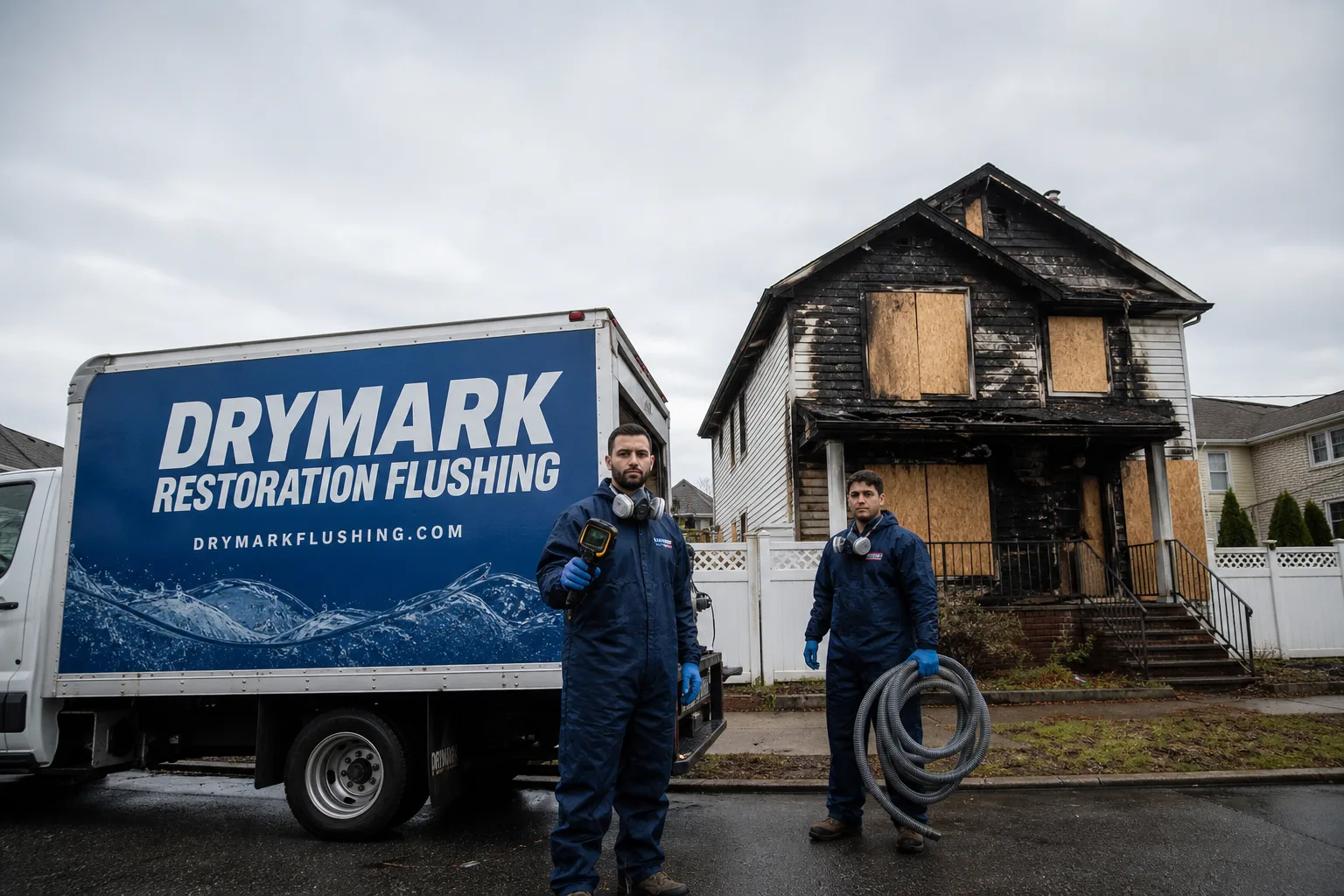
Free visual inspection and a written scope of work before any mitigation begins - photos, moisture readings, and drying logs go in your claim file
The scope we write is the scope we bill. Anything new gets shown to you, in writing, before we touch it.
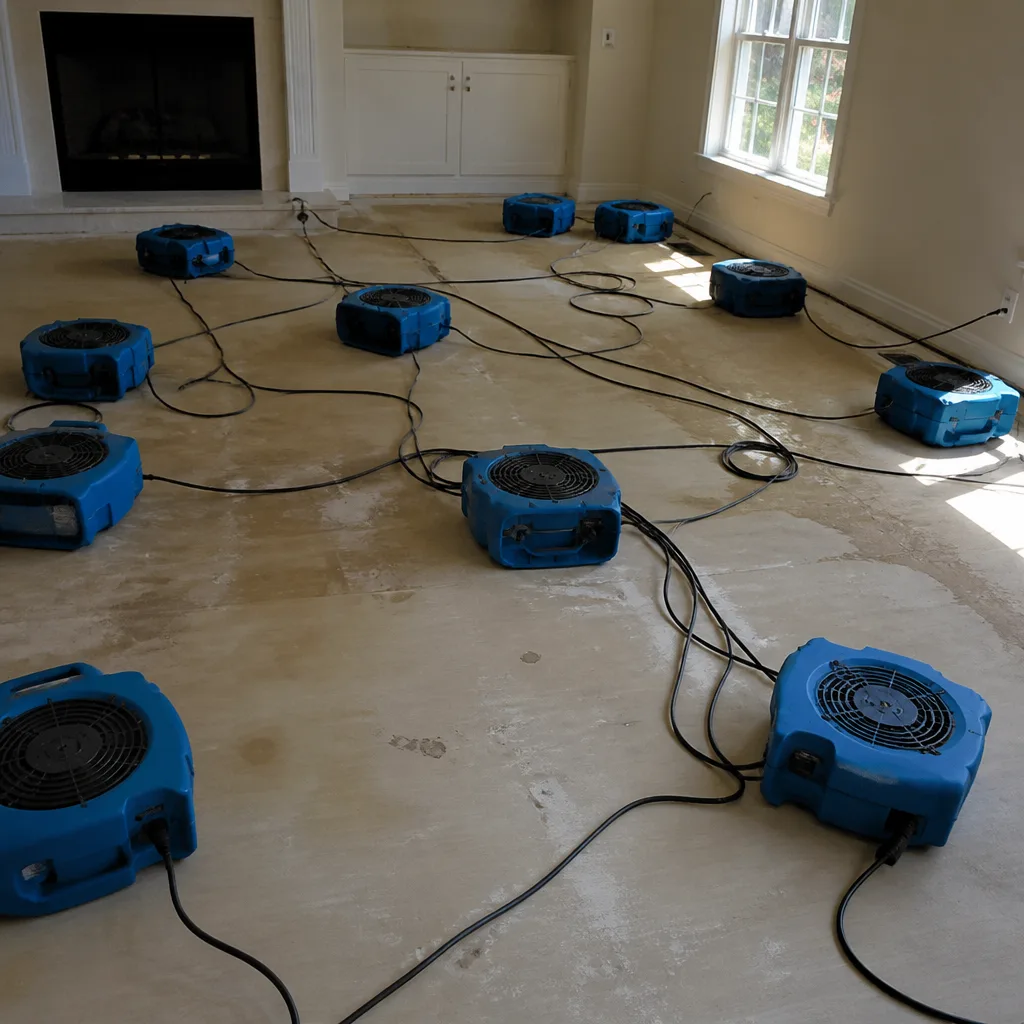
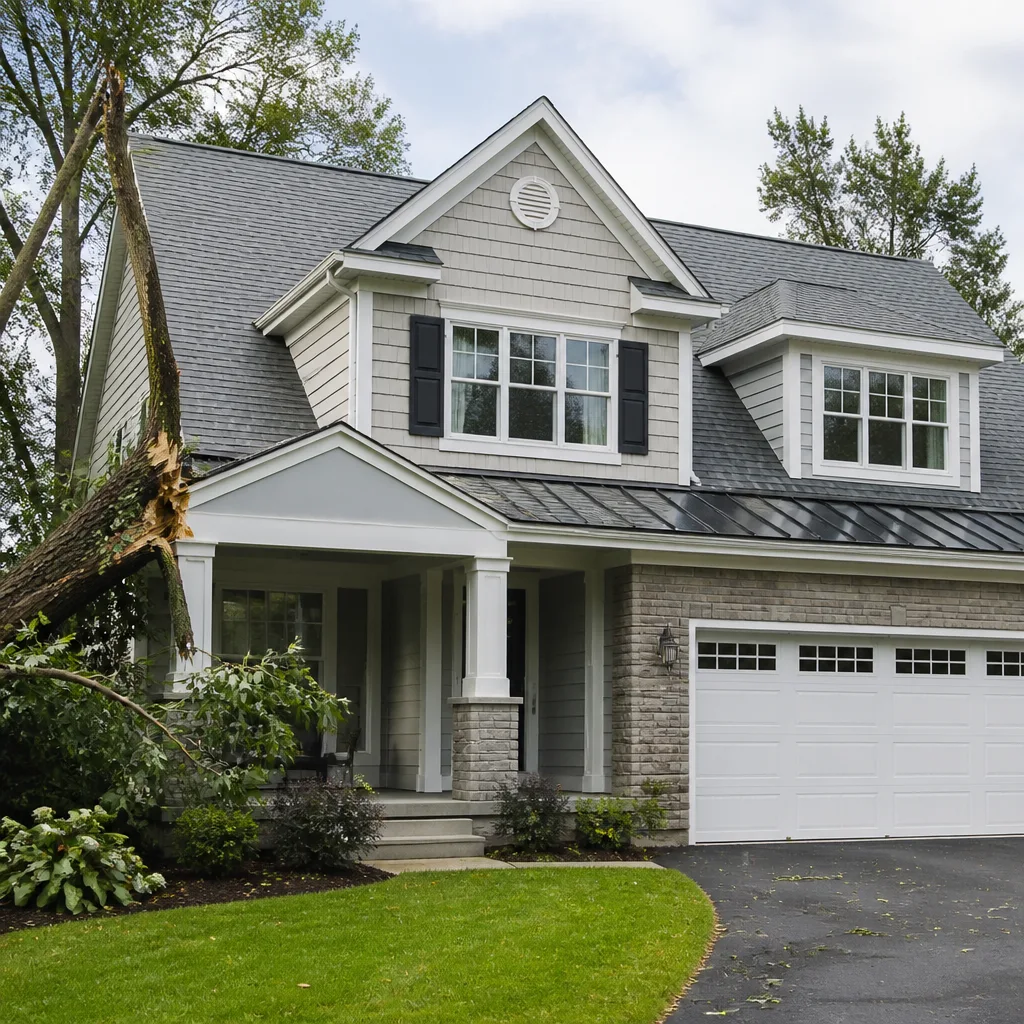
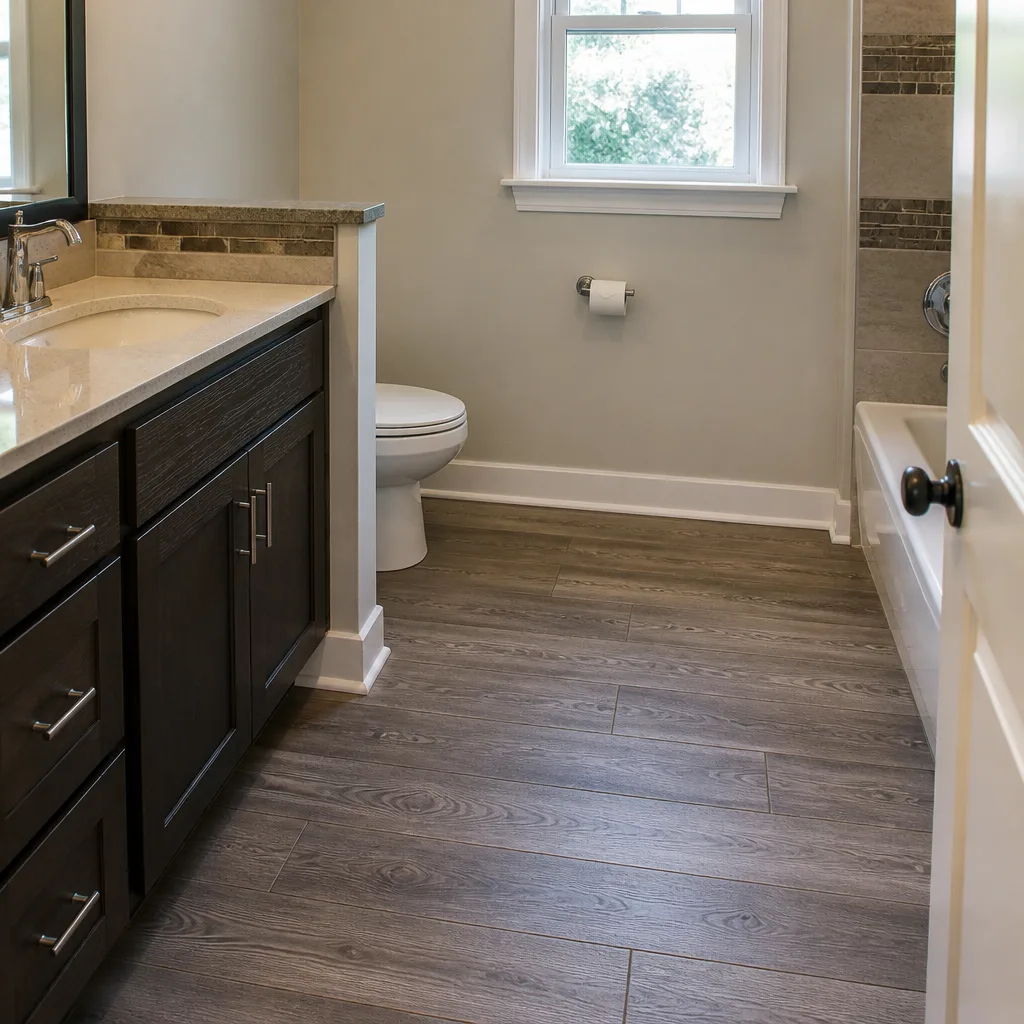
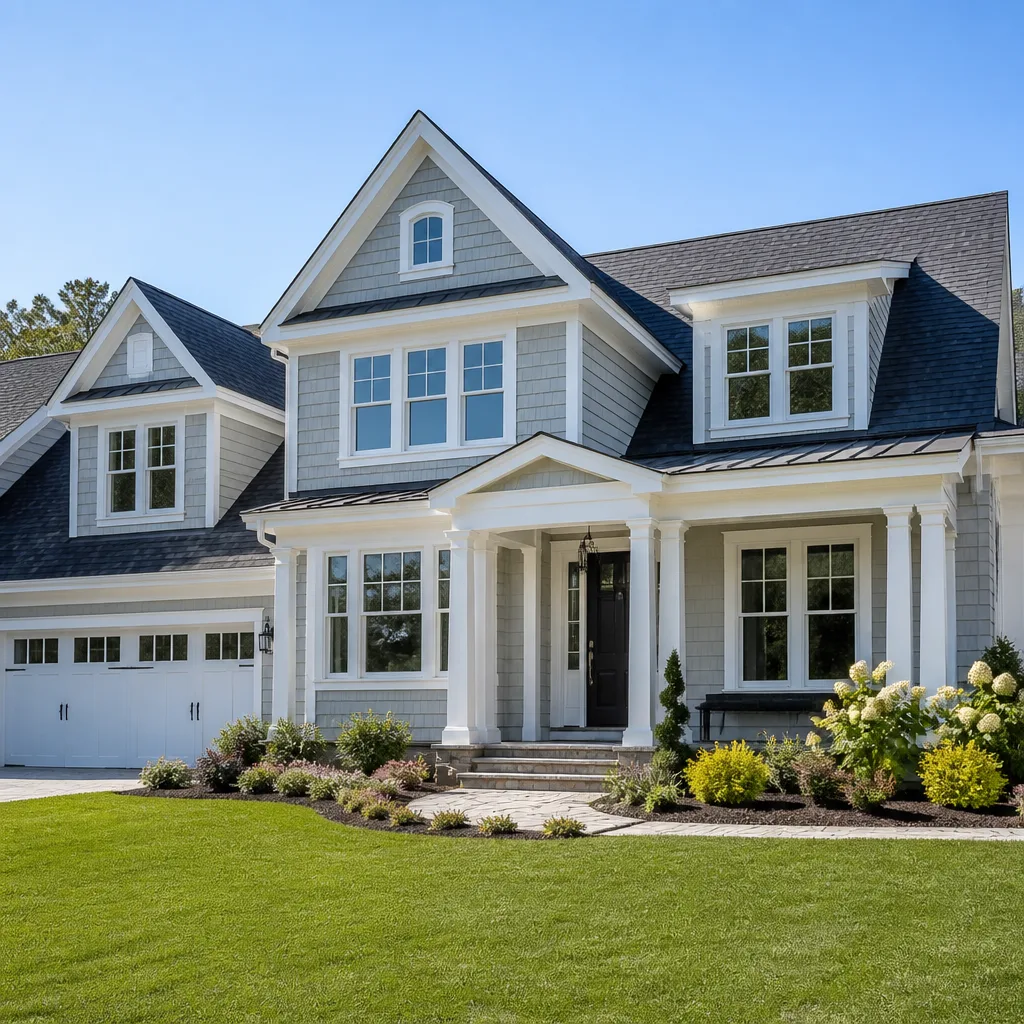
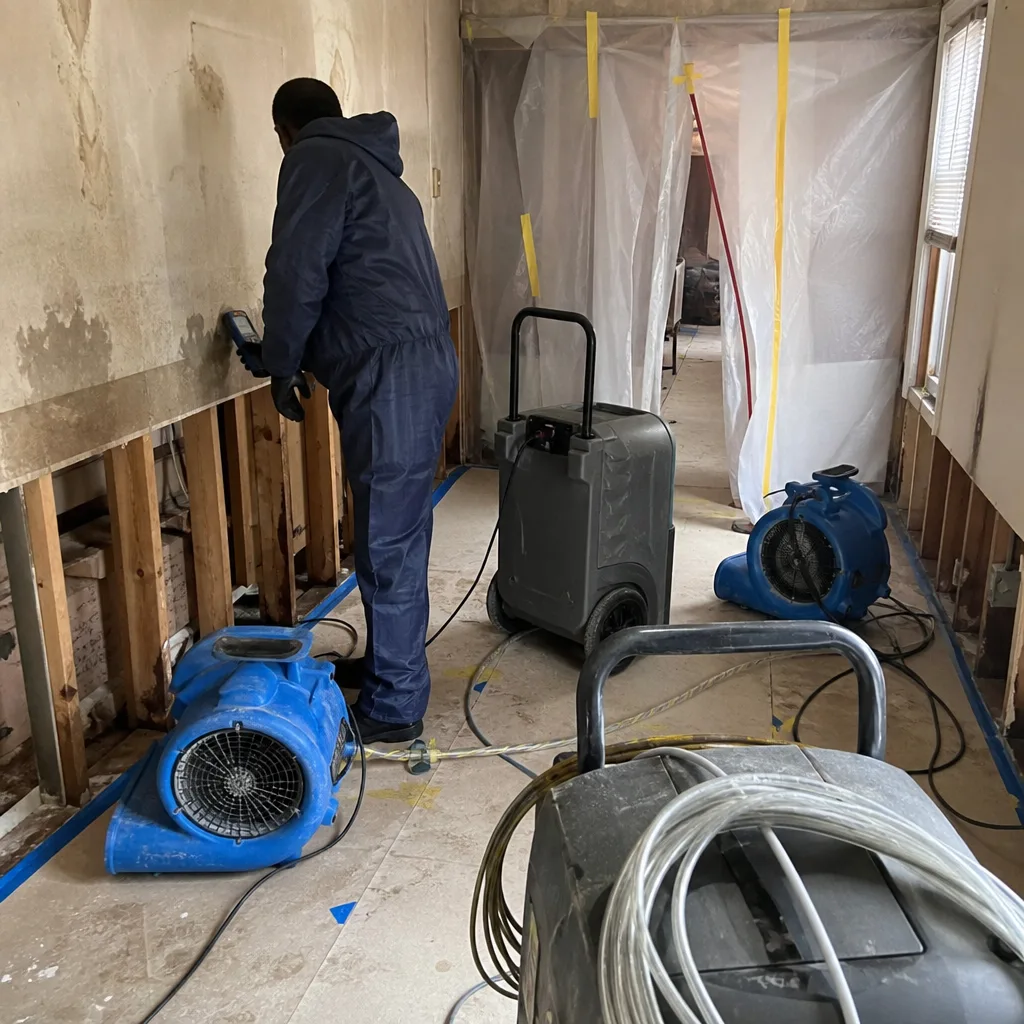 Before
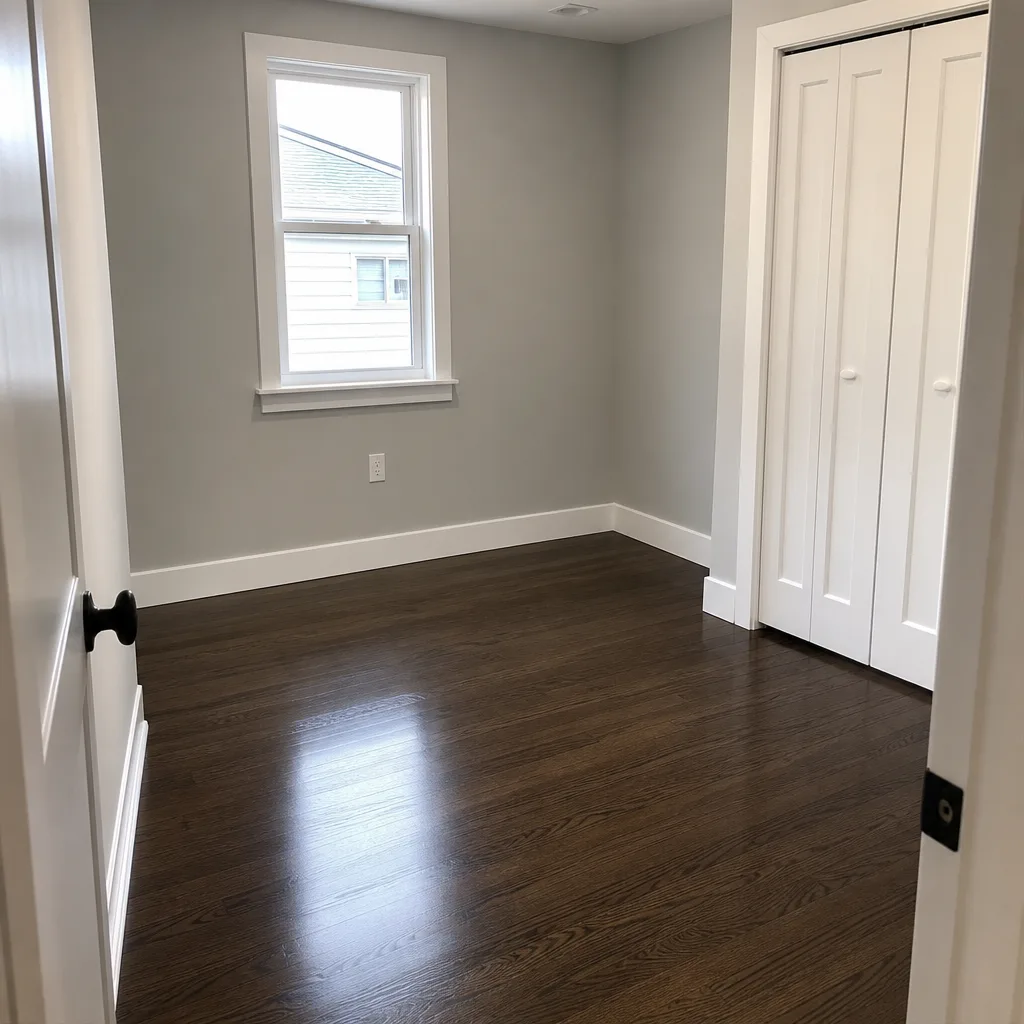 After
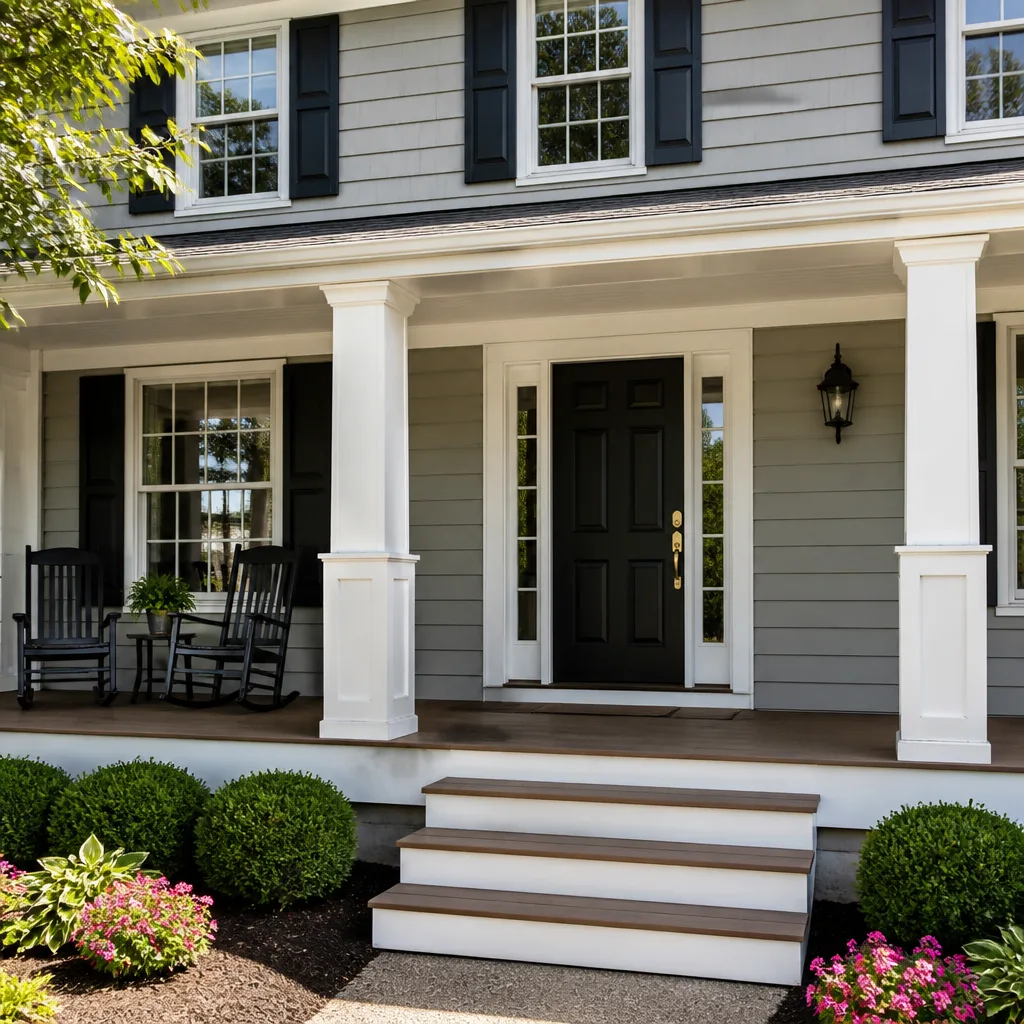
After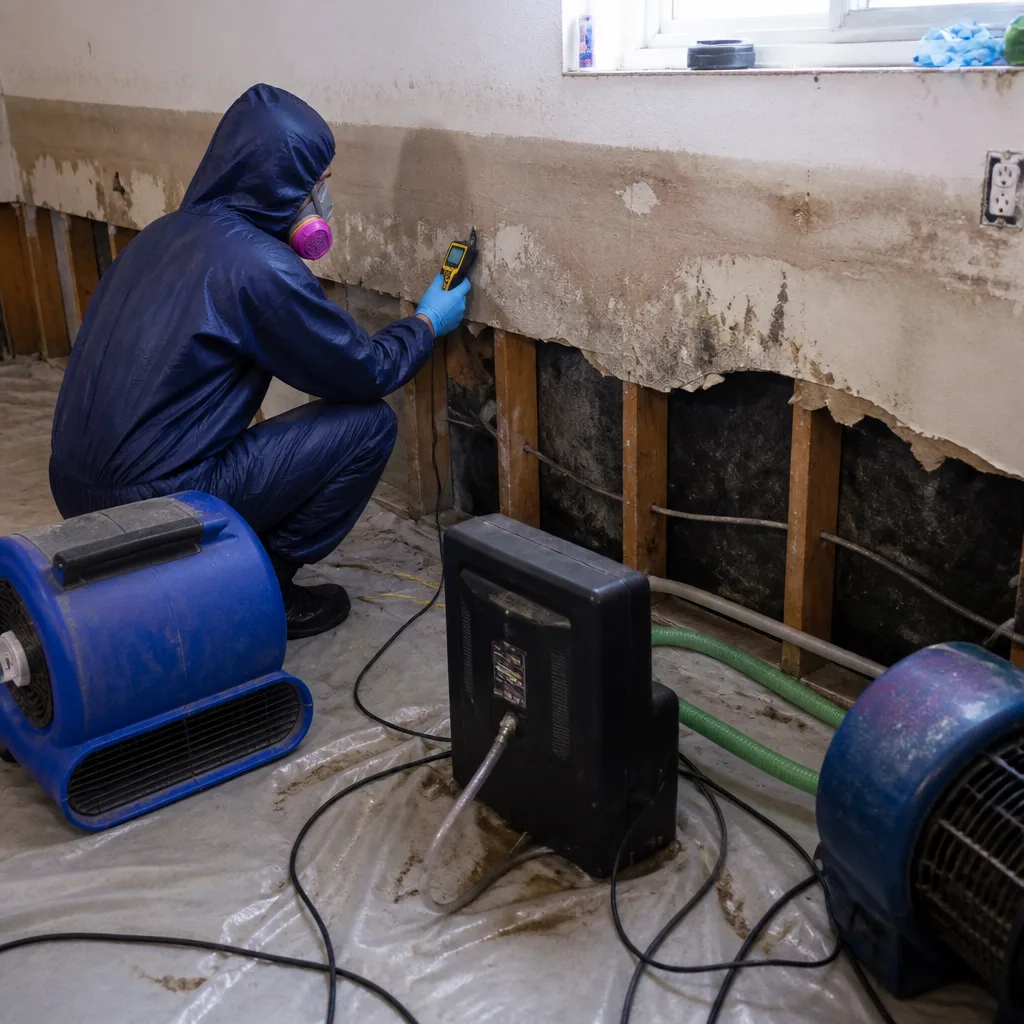 Before
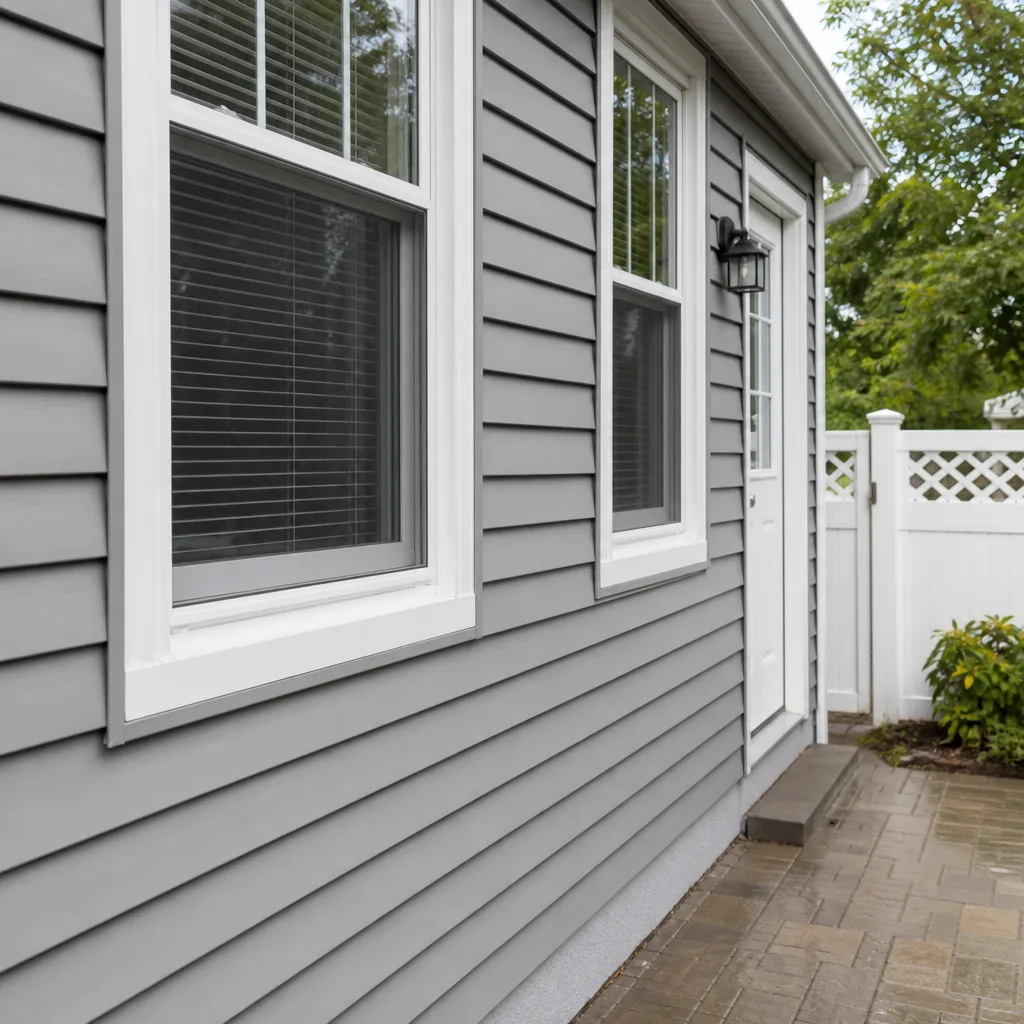 After
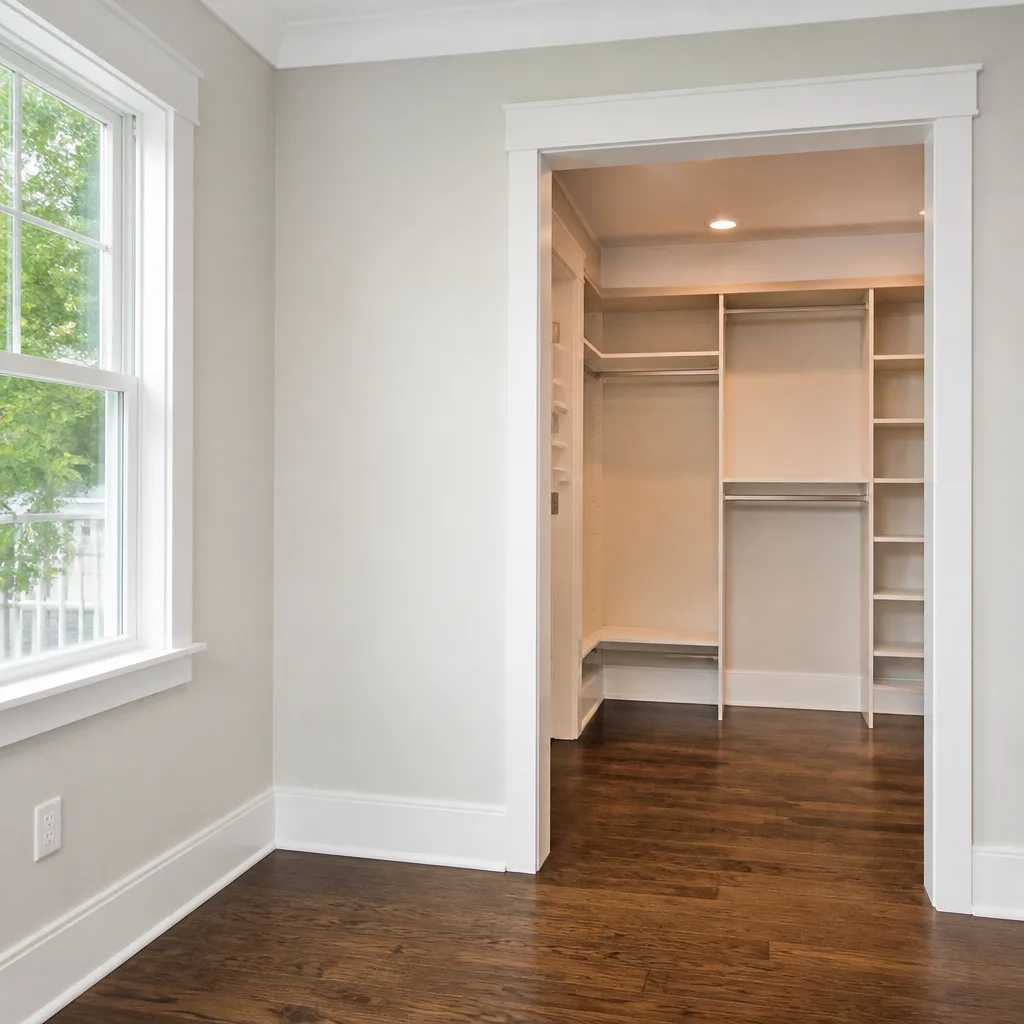
After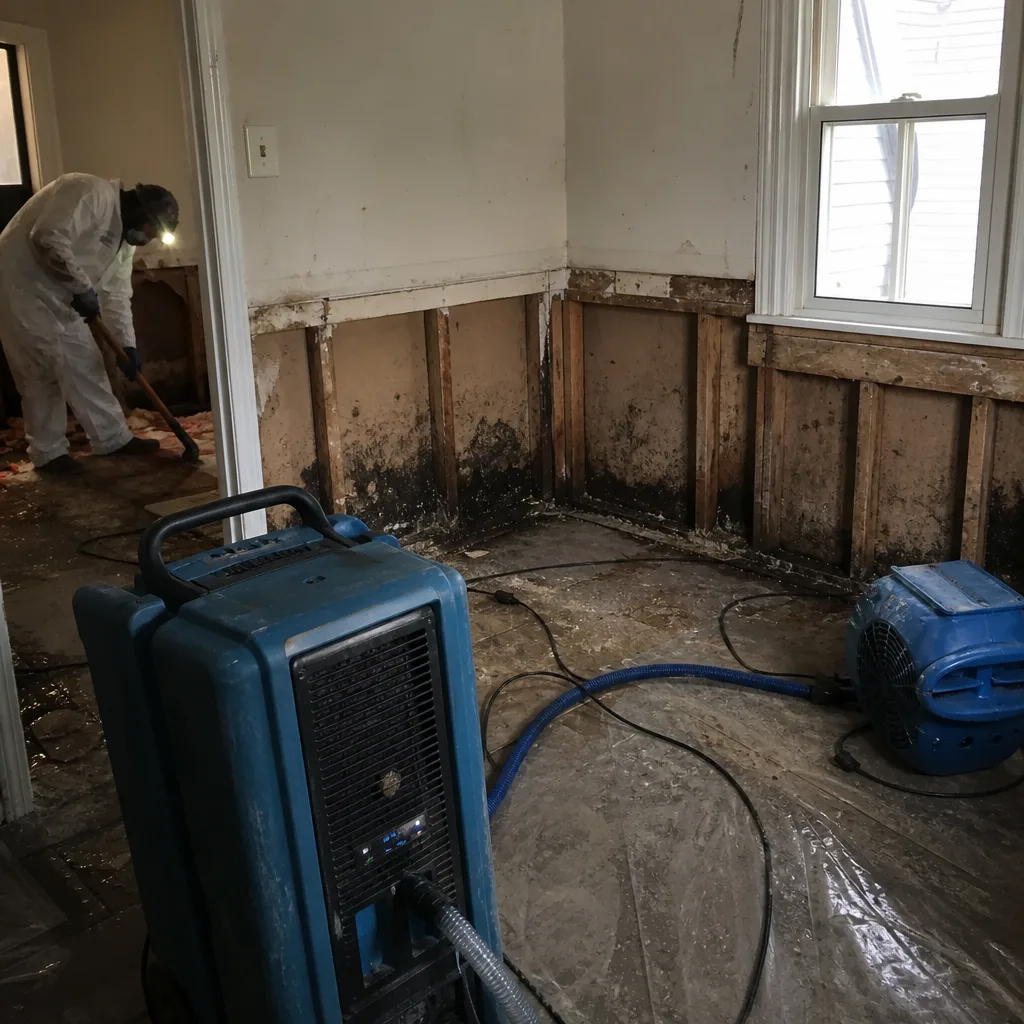 Before
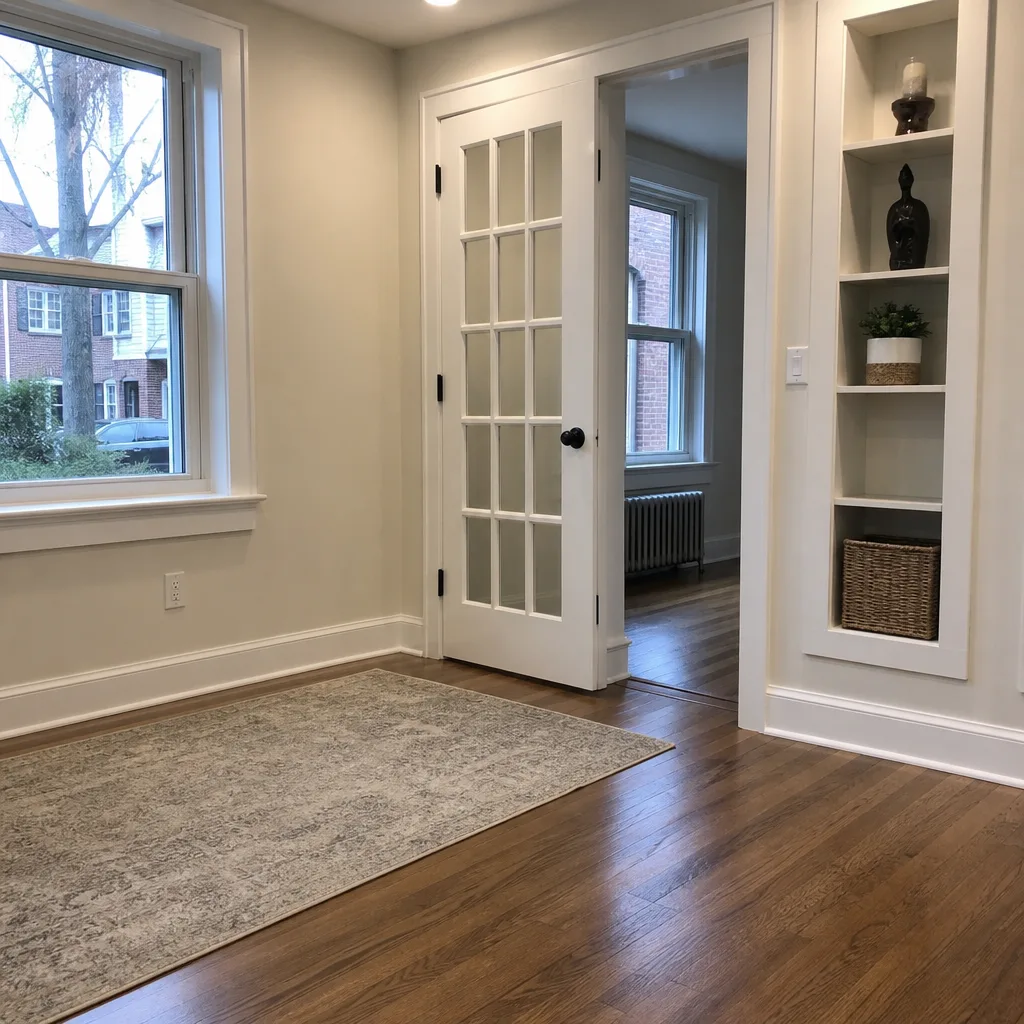 After
AfterFast, Reliable Water Damage Restoration Across College Point
Water damage restoration in College Point typically runs $2,800-$7,500 for a standard residential dry-out, with Category 3 flood jobs starting around $4,200 due to the peninsula’s unique contamination profile. Our crews are dispatched from our New York City office and can be on-site anywhere in College Point within 45-60 minutes of your call. We know the 1940s-1970s housing stock along streets like College Point Boulevard and 14th Avenue, the finished basements that sit below FEMA base flood elevation, and the way nor’easters push saltwater and combined-sewer overflow simultaneously from Flushing Bay and the East River. That local knowledge changes how we scope every job. Call (516) 386-9007 and a live person will answer, 24 hours a day, 7 days a week. No voicemail trees while water is still moving.
Why DryMark Restoration Flushing Is College Point’s Preferred Water Damage Restoration Company
We’ve restored water-damaged homes in College Point since 2011, and our reputation here is built on documentation that survives adjuster review. Our Water Damage Restoration team has handled over 12,000 residential jobs, every one with a written price before work started and a photo record on every visit.
College Point homeowners find us through referrals from neighbors who’ve been through the same flooding cycle, and they read our three-star reviews carefully - the ones that mention how we document moisture readings, not how friendly we seemed. Our response time to College Point averages under an hour because we understand that on this peninsula, water doesn’t recede on its own; tidal backflow from Flushing Bay can keep basements filling even after the rain stops.
We know the local building department’s requirements for Category 3 disposal permits. We know which blocks near the water treatment plant see repeated combined-sewer overflow during moderate storms. And we know the hidden history of this neighborhood: the Sandy-era remediation that was never completed, the drywall installed over damp framing in 2012-2013 that we’re still uncovering on new calls a decade later.
Our Water Damage Restoration Services in College Point
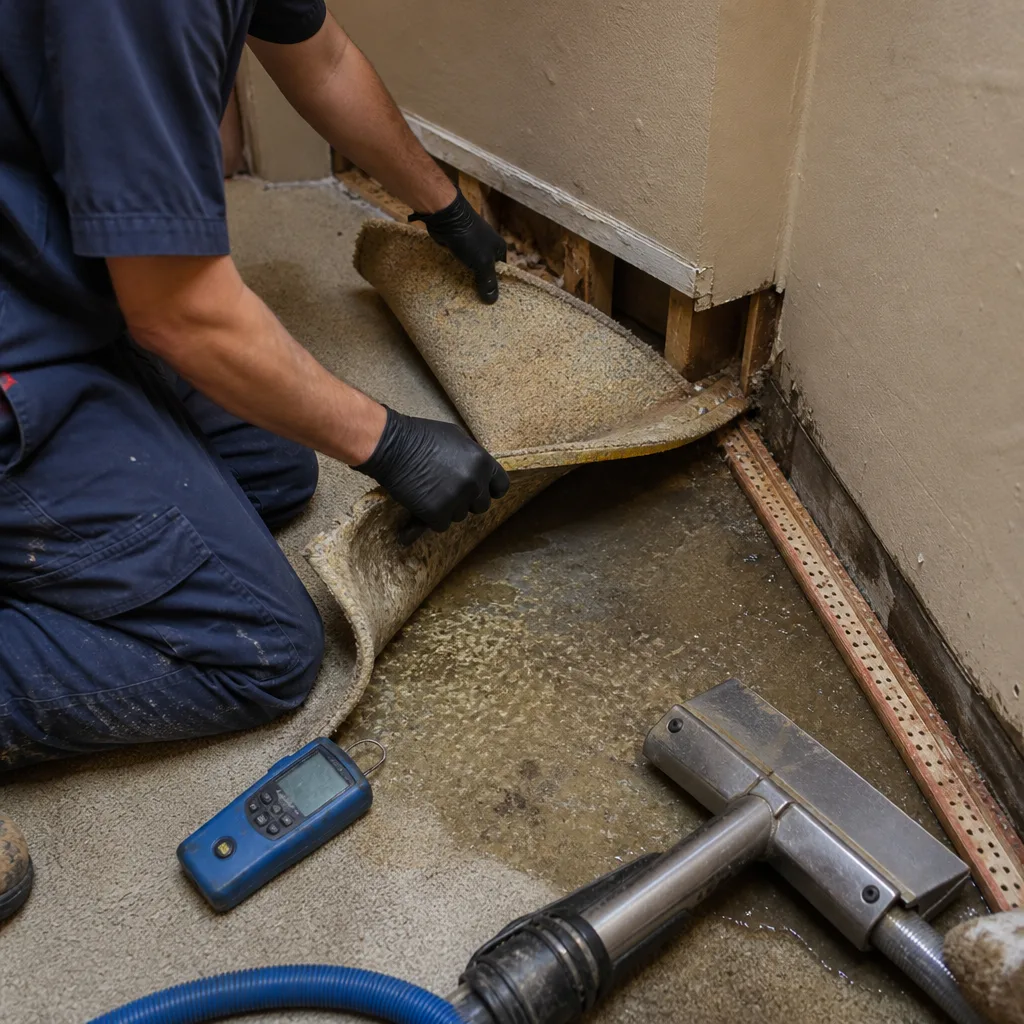
Emergency Water Extraction
When a nor’easter pushes Flushing Bay into your basement at 2 a.m., extraction speed matters, but so does classification accuracy. We test water on arrival - not guess - because College Point’s peninsula geography means your “basement backup” is often Category 3 saltwater and sewage mix. Our truck-mounted extraction systems remove standing water fast, but we won’t skip the antimicrobial step that Category 3 protocol demands. Every gallon extracted is logged for your adjuster.
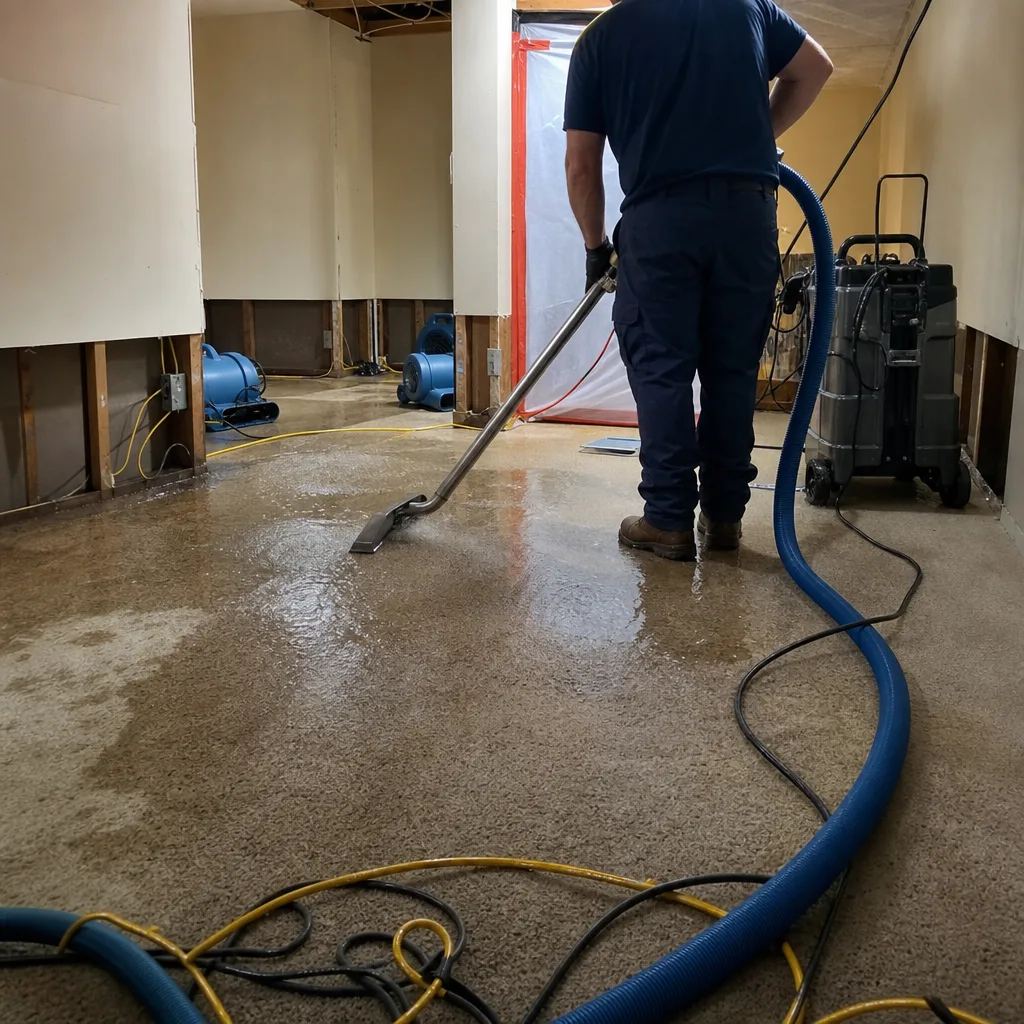
Structural Drying & Dehumidification
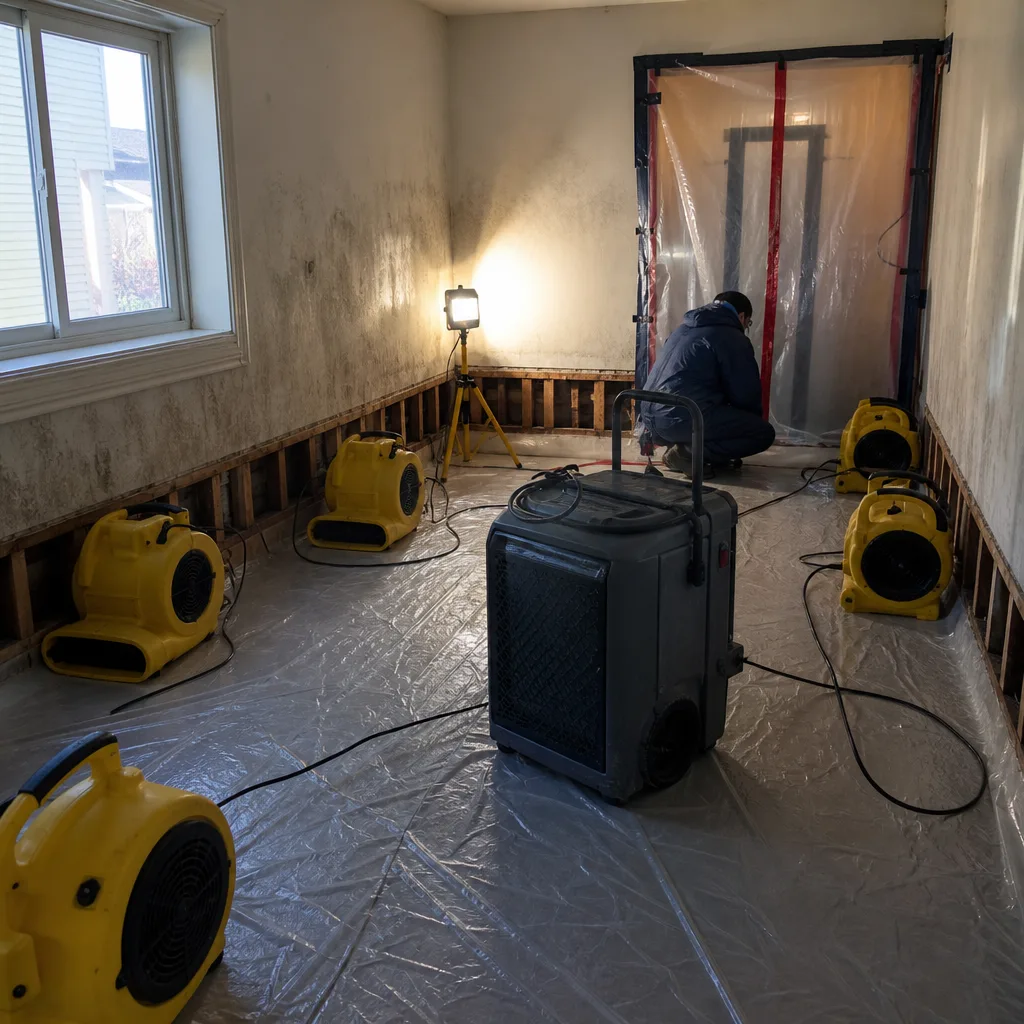
College Point’s older homes need more than surface drying. The detached and semi-detached stock built between the 1940s and 1970s has original plaster walls and subflooring that trap moisture behind what looks dry to the touch. We deploy Injectidry systems for wall-cavity drying and document psychrometric data - temperature, relative humidity, vapor pressure differential - in daily drying logs that show your adjuster exactly when materials reached dry standard. Tertiary drying, the final phase most competitors skip, gets special attention here because plaster doesn’t forgive shortcuts.
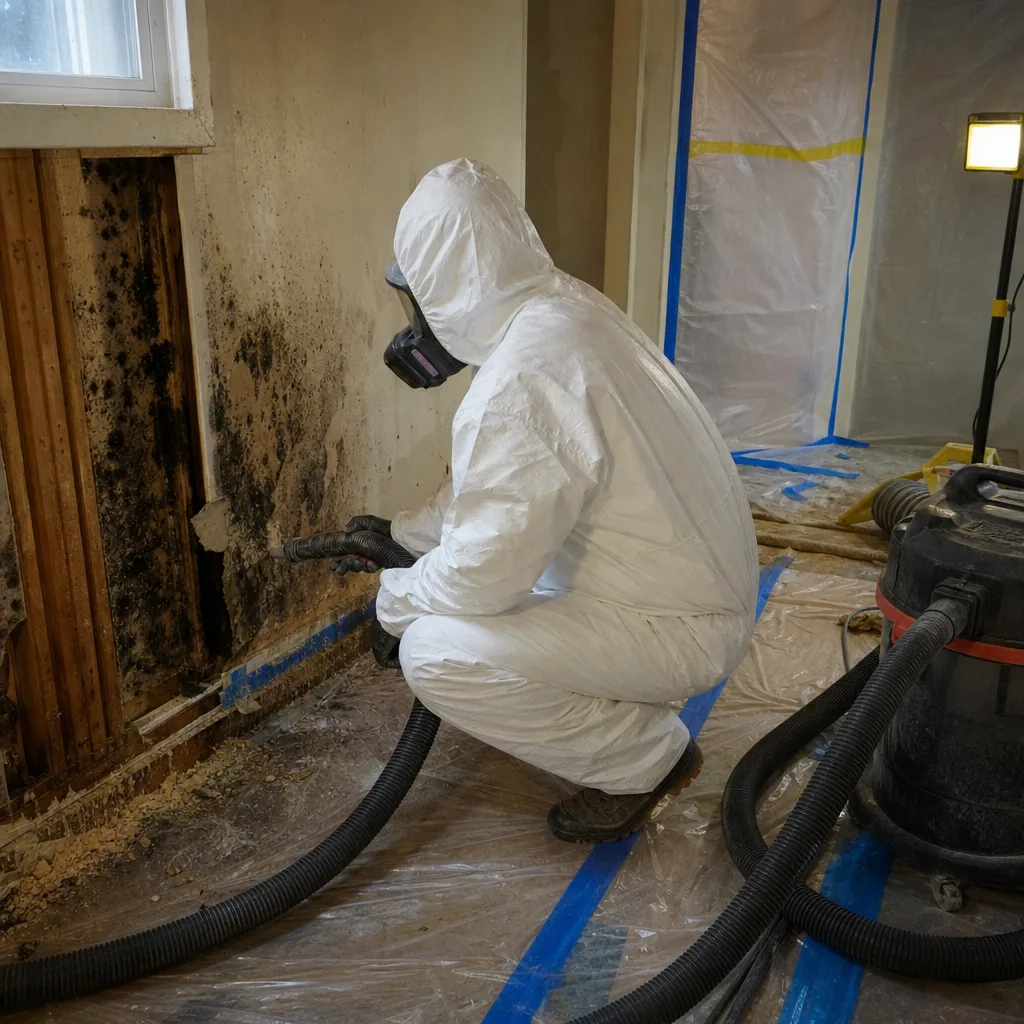
Flood Cleanup
Flood cleanup in College Point is different. The three-sided peninsula exposure means storm surge and combined-sewer overflow can hit from multiple compass points at once, so most flood water here is Category 2-3, not the clean-water basement backup typical of inland Queens. That escalates every job into full containment, antimicrobial treatment, and strict disposal before structural drying can even begin. We coordinate disposal permits with local authorities and document every removed material with photo evidence. Your written scope includes line-item disposal costs - no surprises, no scope creep once our crew is inside.
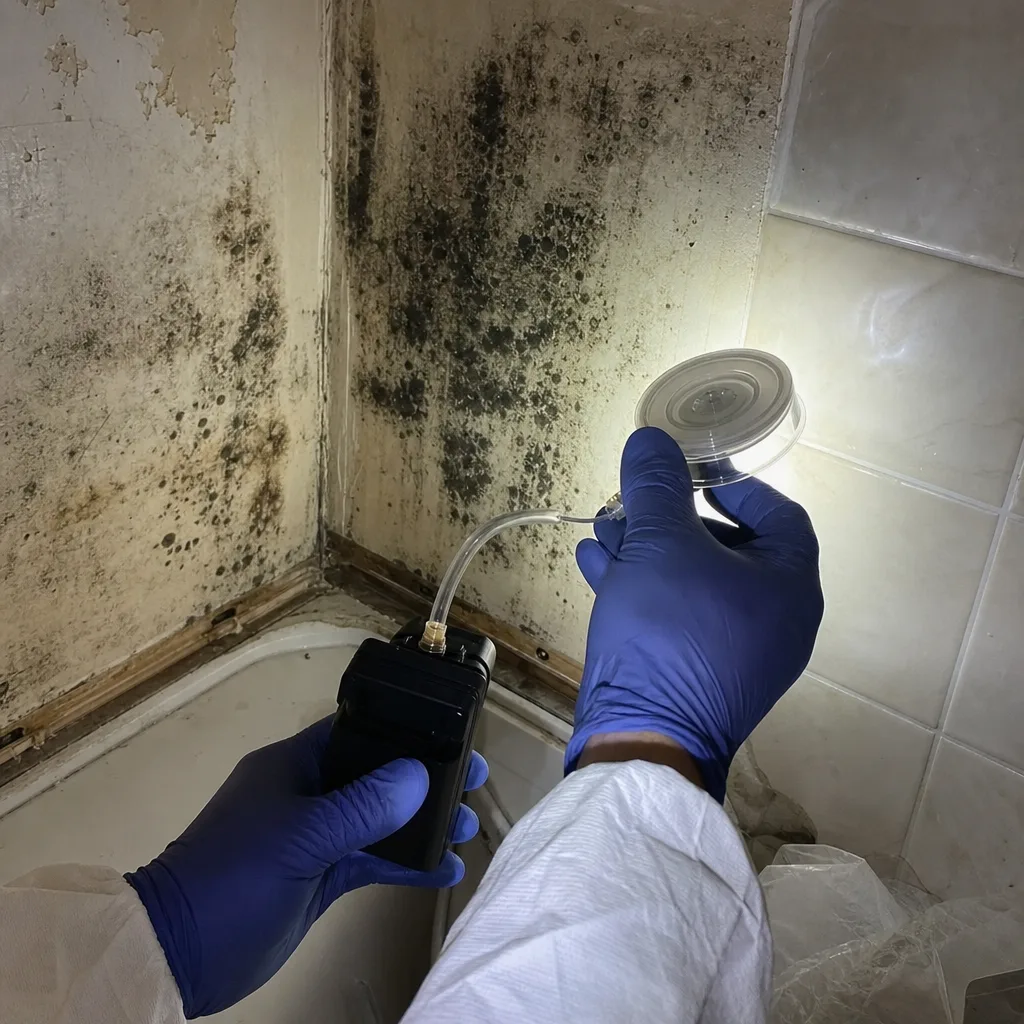
Burst Pipe Restoration
Burst pipes in College Point’s older homes often reveal secondary damage: compromised sill plates and rim joists from years of repeated intrusion, especially in finished basements below FEMA base flood elevation. We don’t just replace pipe and patch drywall. Our scope includes moisture mapping of adjacent framing, inspection of rim joists with borescope cameras, and written documentation of any structural compromise we find. If the job grows, you’ll know before we cut anything - Haven Standard, Clause 1: written price before work begins.
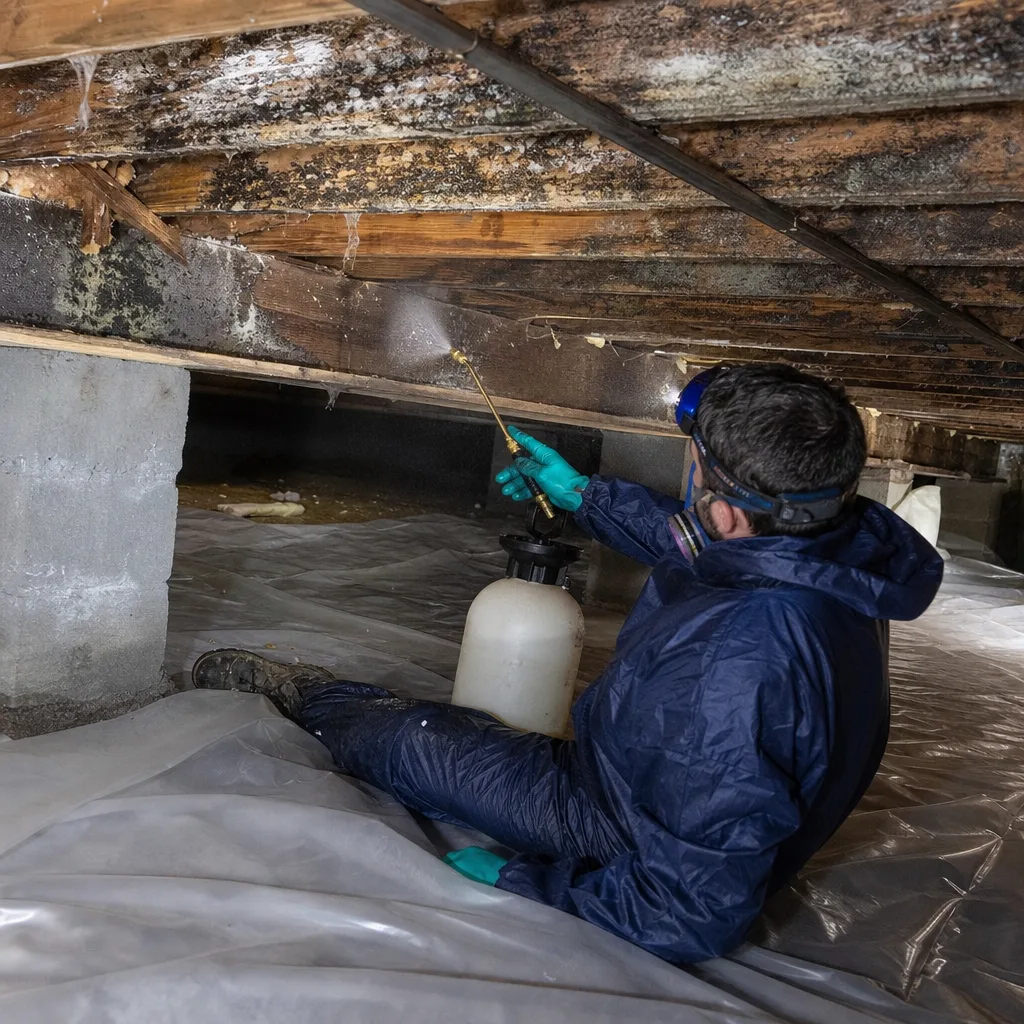
Basement Water Removal
Basement water removal in College Point requires understanding Zone AE flood dynamics. These below-elevation finished spaces fill fast and drain slow. We use submersible pumps, truck-mounted extraction, and then - critically - we verify dry standard with pinless moisture meters at 16-inch intervals across the entire slab perimeter. Many competitors dry the center and call it done. We find the perimeter moisture that breeds mold in 24-48 hours.
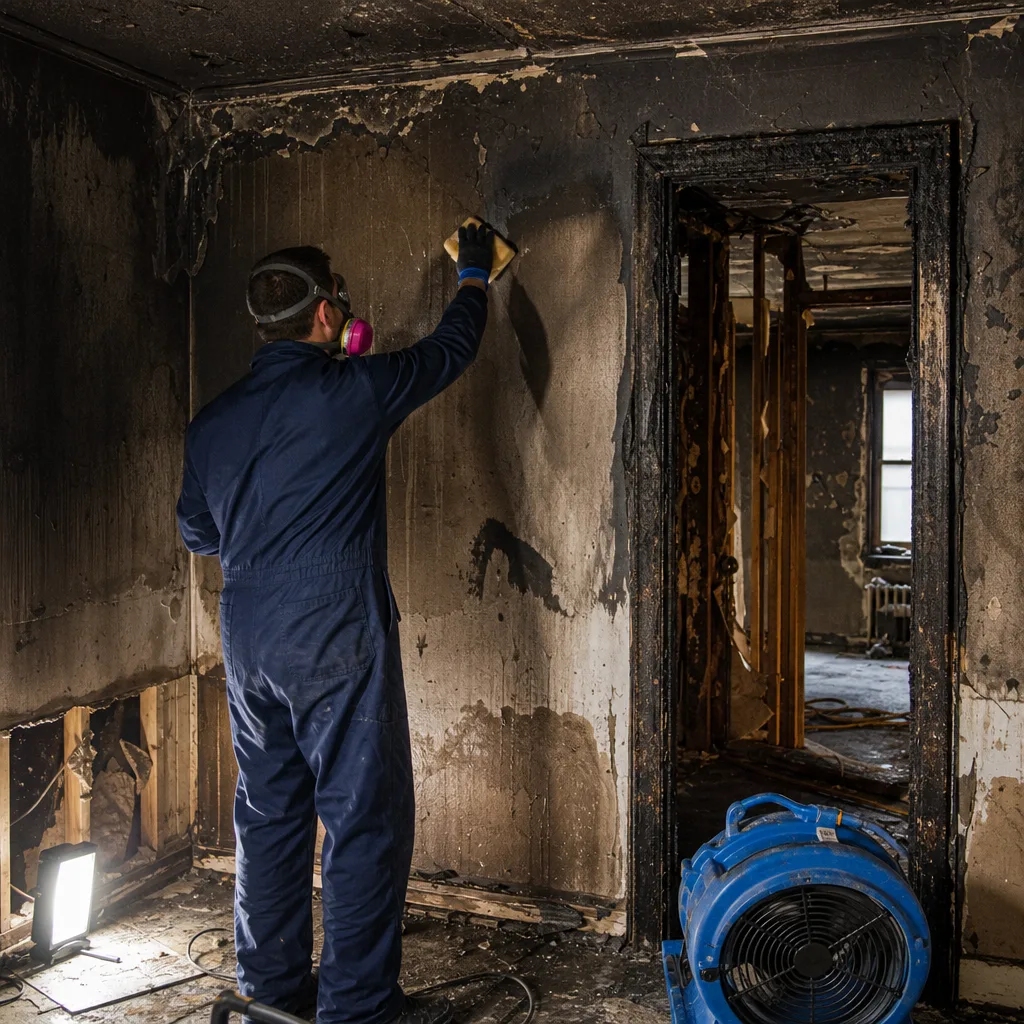
Ceiling & Roof Leak Water Damage
Roof leaks in College Point’s storm-exposed peninsula often follow wind-driven rain paths that skip the obvious spots. We trace water migration with thermal imaging, document the path with photos, and scope repair of both the roof entry point and all affected interior materials. Your written price covers both - no separate roofing contractor surprise.
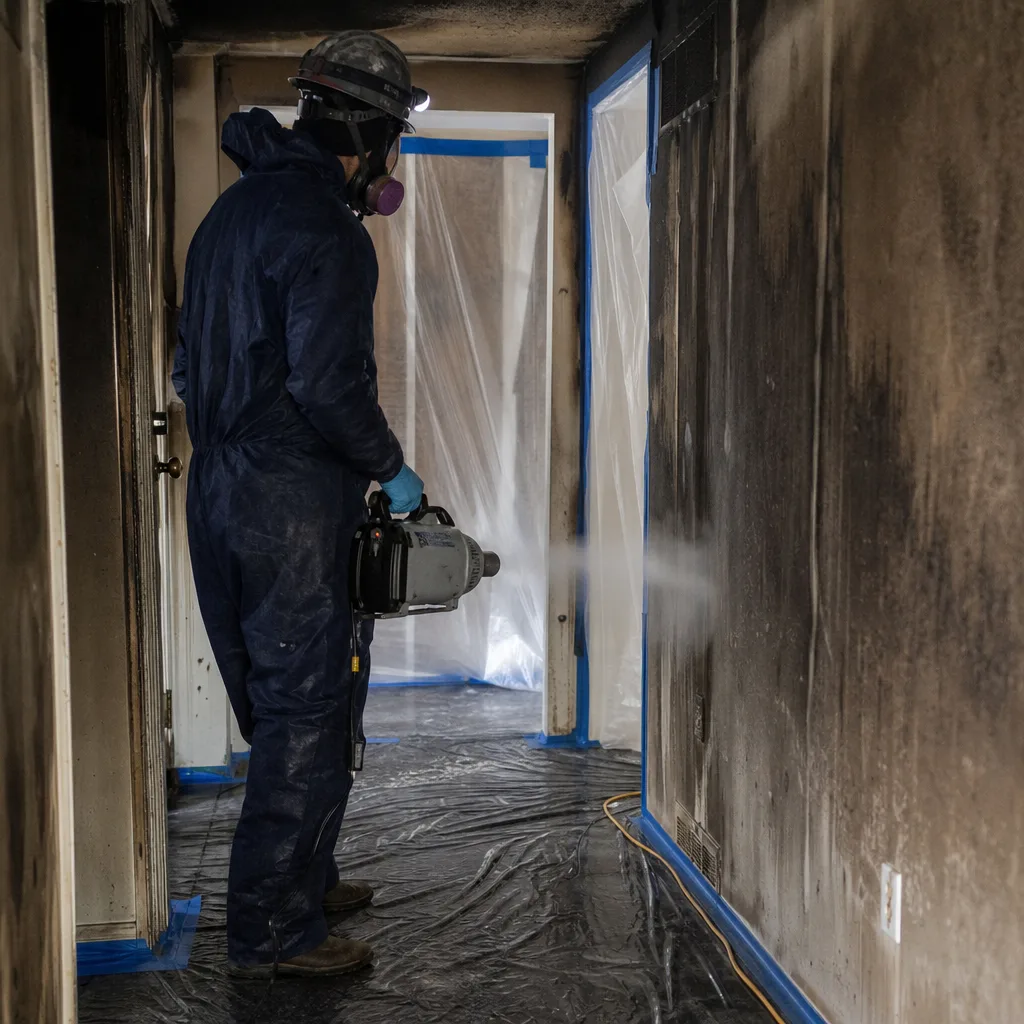
What happens when you call
- 1
A real person answersNo phone trees - you reach a local pro.
- 2
You get an upfront price rangeHonest numbers before anyone is dispatched.
- 3
A background-checked tech heads outLicensed & insured, dispatched right away.
- 4
You approve before work beginsNothing starts until you say go.
BeforeAfterTrusted Brands We Service in College Point
Our drying and dehumidification equipment comes from manufacturers whose names appear in adjuster-approved documentation: Dri-Eaz, Phoenix, and B-Air dehumidifiers; Injectidry systems for cavity drying; and XPOWER air movers for controlled evaporation. We stock common replacement components locally so drying schedules don’t stall waiting for parts. Every piece of equipment is logged to your job file with serial number and calibration date, documented to IICRC, RIA, and IFA standards. When your adjuster asks for equipment proof, we send the documentation before they finish the sentence.
Common Water Damage Restoration Problems We See in College Point Homes
- Category 3 misclassification. Treating peninsula flood water as Category 1 or 2 when simultaneous saltwater and combined-sewer overflow actually makes it Category 3 - skipping containment and antimicrobial treatment leaves contaminated material in place, and adjusters deny the subsequent mold claim.
- Surface-only drying. Drying only the visible surface while moisture readings miss saturated plaster and older subflooring in 1940s-1970s homes, allowing mold to grow within 24-48 hours. We see this on second opinions regularly.
- Hidden Sandy-era damage. Reinstalling drywall over damp framing without verifying moisture mapping, repeating the hidden Sandy-era remediation failures that turn a single-event job into a full gut-and-rebuild. On a nor’easter call off College Point Boulevard, our tech found a finished basement flooded with Category 3 water from tidal Flushing Bay - saltwater mixed with sewer overflow. We set containment, ran antimicrobial treatment, then used moisture mapping and drying logs to track the plaster walls and original 1950s subfloor. The scope of work also uncovered incomplete Sandy-era remediation from 2012-2013: mold colonies behind drywall that had been installed over still-damp framing, which forced a full gut-and-rebuild.
- Tidal backflow recurrence. Even moderate nor’easters produce street and basement flooding in College Point; the peninsula’s low topography means water can keep entering after the rain stops, through storm-drain backflow and bay surge. Extraction without monitoring the source is temporary relief, not restoration.
Pricing for Water Damage Restoration in College Point, NY
Here are the ranges we see on actual College Point jobs, with written prices delivered before any work starts - Haven Standard, Clause 1:
| Service | Typical Range in College Point |
|---|---|
| Emergency water extraction (Category 1) | $1,800 - $3,200 |
| Structural drying & dehumidification | $2,400 - $5,500 |
| Flood cleanup (Category 2-3, with containment) | $4,200 - $8,900 |
| Burst pipe restoration (with moisture mapping) | $2,800 - $6,400 |
| Basement water removal (below-elevation) | $3,100 - $7,200 |
| Ceiling/roof leak damage repair | $2,200 - $5,800 |
Category 3 jobs in College Point run higher than inland Queens because of containment, antimicrobial treatment, and strict disposal requirements. Jobs with hidden Sandy-era damage add reconstruction scope once we verify with borescope and moisture mapping. Every estimate is free, every price is written before work begins, and we offer a Free Second Opinion on any competitor’s written estimate. Call (516) 386-9007 for your exact quote.
We Also Serve Cities Near College Point
Our Water Damage Restoration in College Point crews also respond to water damage calls in Flushing, Whitestone, Jackson Heights, and Bayside. Each area has distinct flooding patterns - Flushing’s urban density, Whitestone’s waterfront exposure, Jackson Heights’ older multi-family stock, Bayside’s varied topography - and we scope accordingly. Dispatch and scheduling are coordinated from our New York City office.
Serving College Point, NY - Our Local Coverage Area
We’re based in the College Point area and know this community well. Use the map below to see our service coverage - if you’re nearby, we can almost certainly help.
FAQs - Water Damage Restoration in College Point
Because College Point sits on a three-sided peninsula, storm surge from Flushing Bay and the East River often combines with combined-sewer overflow during the same event, creating saltwater-and-sewage contamination that meets EPA Category 3 standards regardless of how “clean” the water looks. Category 3 protocol requires full containment, antimicrobial treatment, and strict disposal before any structural drying begins. Call (516) 386-9007 and we’ll test on arrival to confirm classification - estimates are free.
Mold colonization begins in 24-48 hours on cellulose materials like the original plaster and subflooring found in College Point’s 1940s-1970s housing stock. Plaster’s porosity and the frequent presence of compromised sill plates from repeated flooding accelerate this timeline. Our daily moisture logs track when materials fall below 16% moisture content, the threshold where mold growth stalls. Call (516) 386-9007 for emergency drying - we answer live 24/7.
First, avoid contact with the water - Category 3 contamination is likely. Second, call (516) 386-9007 immediately; our live dispatch answers 24/7 and crews average 45-60 minutes to College Point. Third, do not start DIY extraction or remove materials yourself - documentation of the original condition supports your insurance claim, and improper disturbance of Category 3 water can spread contamination. We’ll deliver a written price before any work starts.
Yes - we routinely discover incomplete Sandy-era remediation hidden behind drywall that was installed over still-damp framing in 2012-2013. We use borescope cameras and pinless moisture meters to inspect wall cavities without destructive removal, documenting findings with photos for your adjuster. If hidden mold or saturated framing is found, we revise the written scope before any reconstruction begins. Call (516) 386-9007 for moisture mapping - estimates are free.
Most of College Point falls within FEMA Zone AE, meaning base flood elevation requirements apply to any reconstruction work. Below-elevation finished basements require more extensive material removal, longer drying timelines, and often elevation-compliance documentation for permit approval. Our scopes include these requirements from the start, with permit coordination included. Your written price reflects the full scope - no additions once work begins. Call (516) 386-9007 for a Zone AE-compliant estimate.
Written by Alicia Brennan, Owner at Back to Dry Restoration, serving College Point since 2011.