
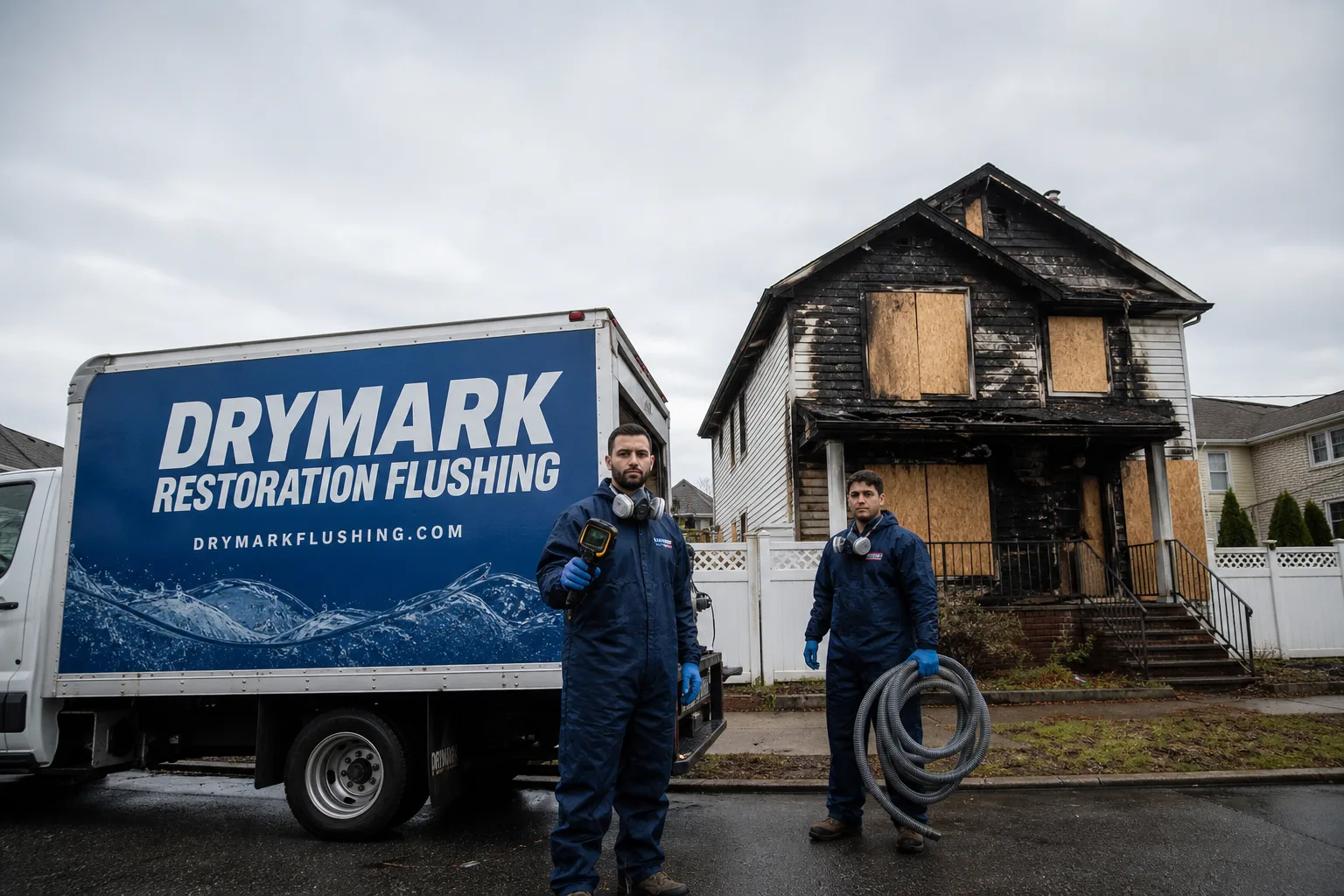
Free visual inspection and a written scope of work before any mitigation begins - photos, moisture readings, and drying logs go in your claim file
The scope we write is the scope we bill. Anything new gets shown to you, in writing, before we touch it.
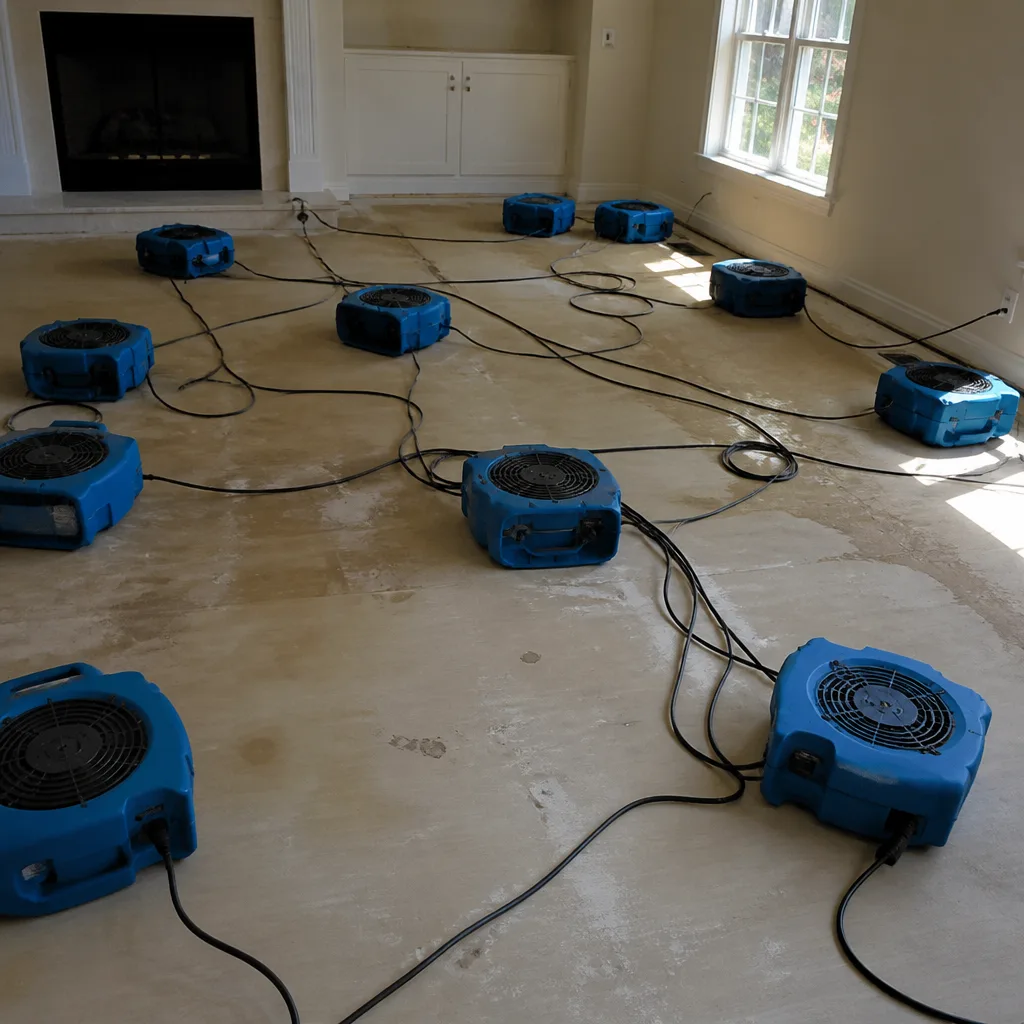
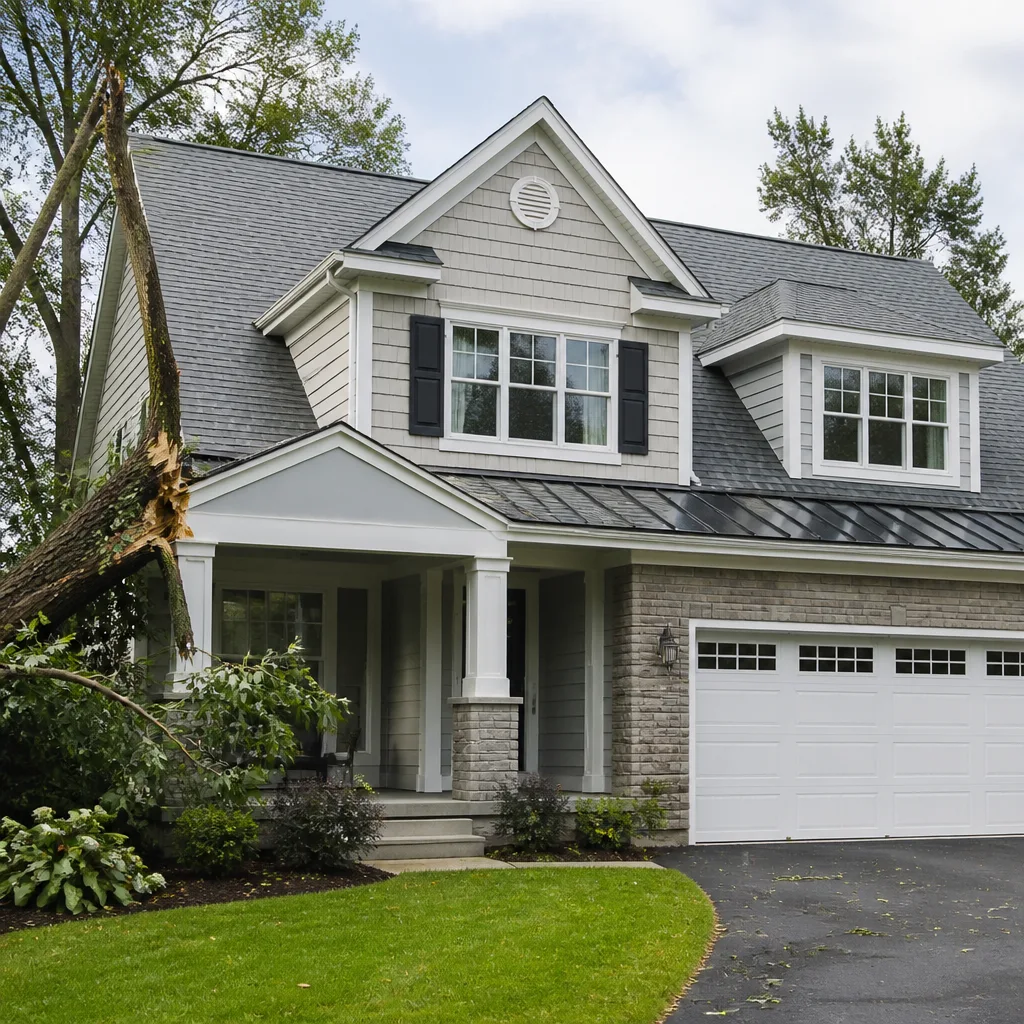
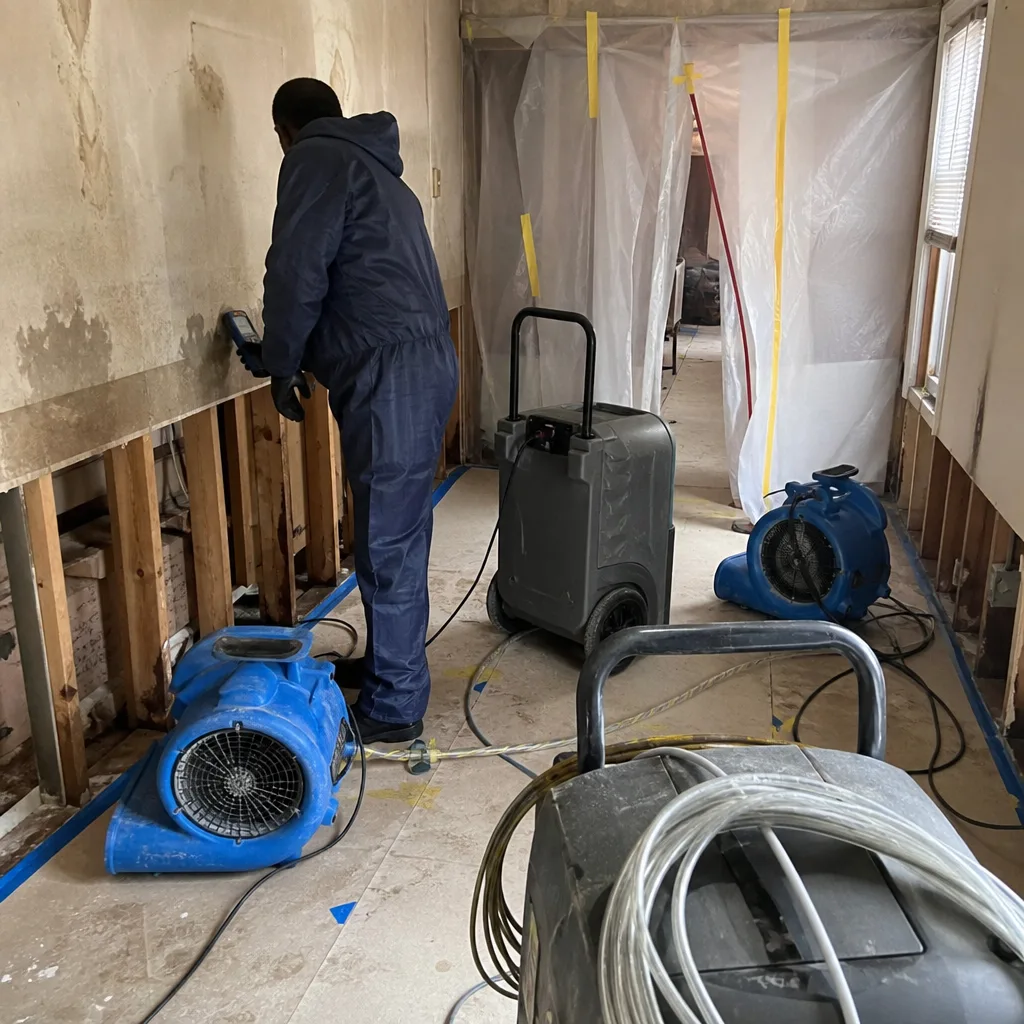 Before
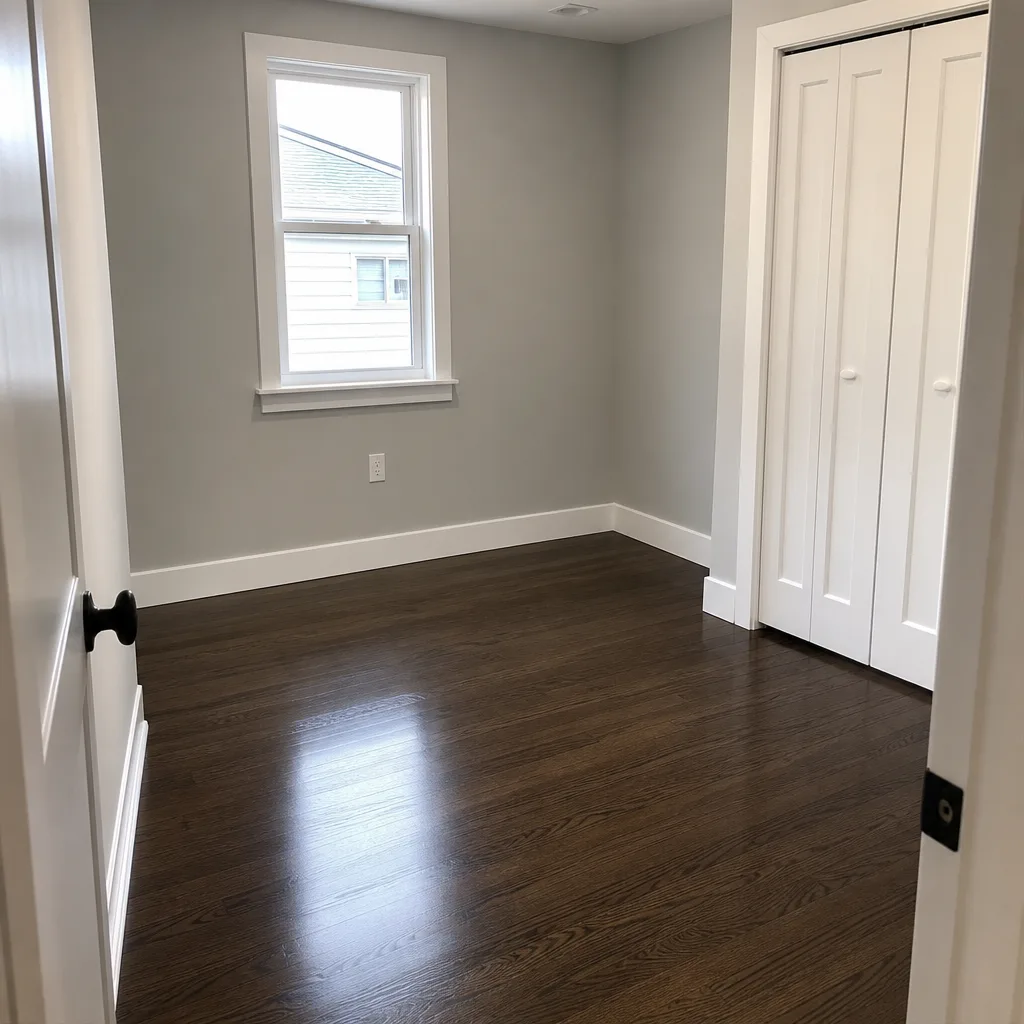 After
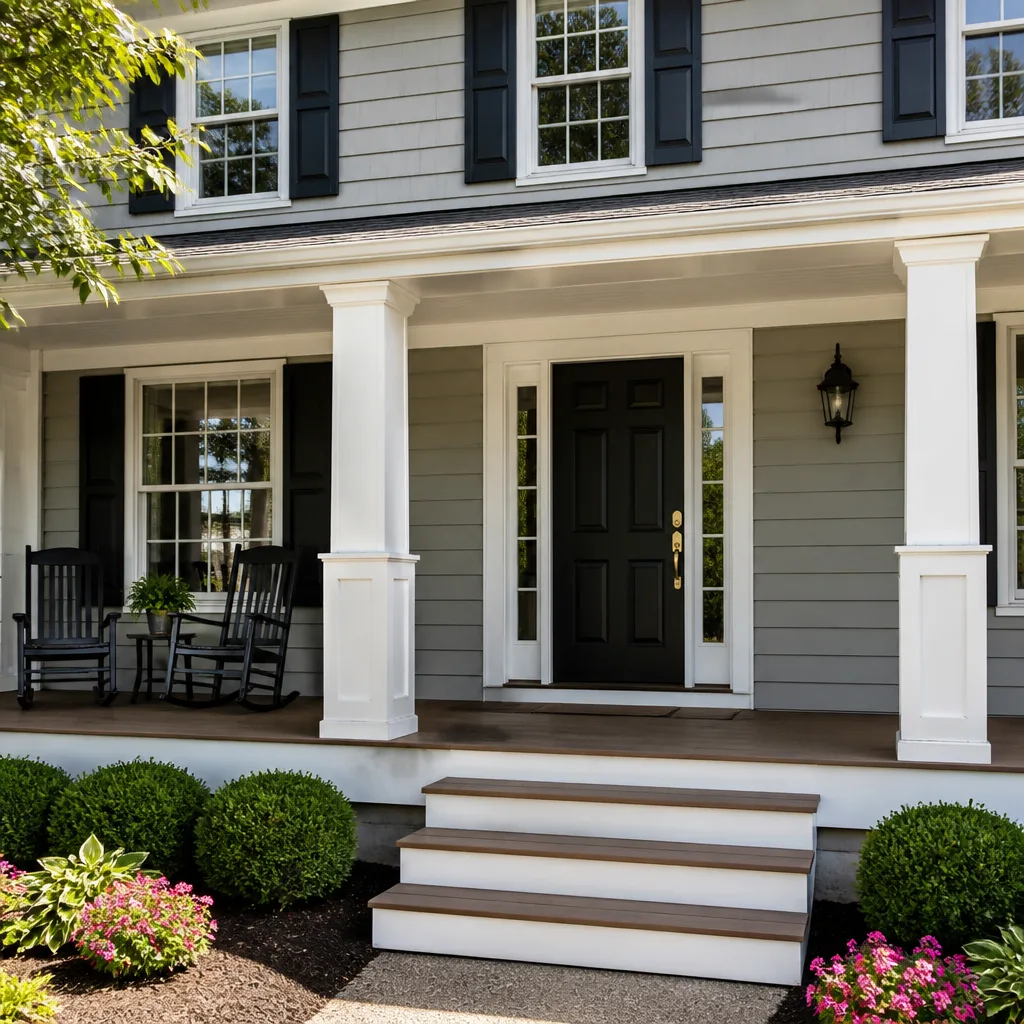
After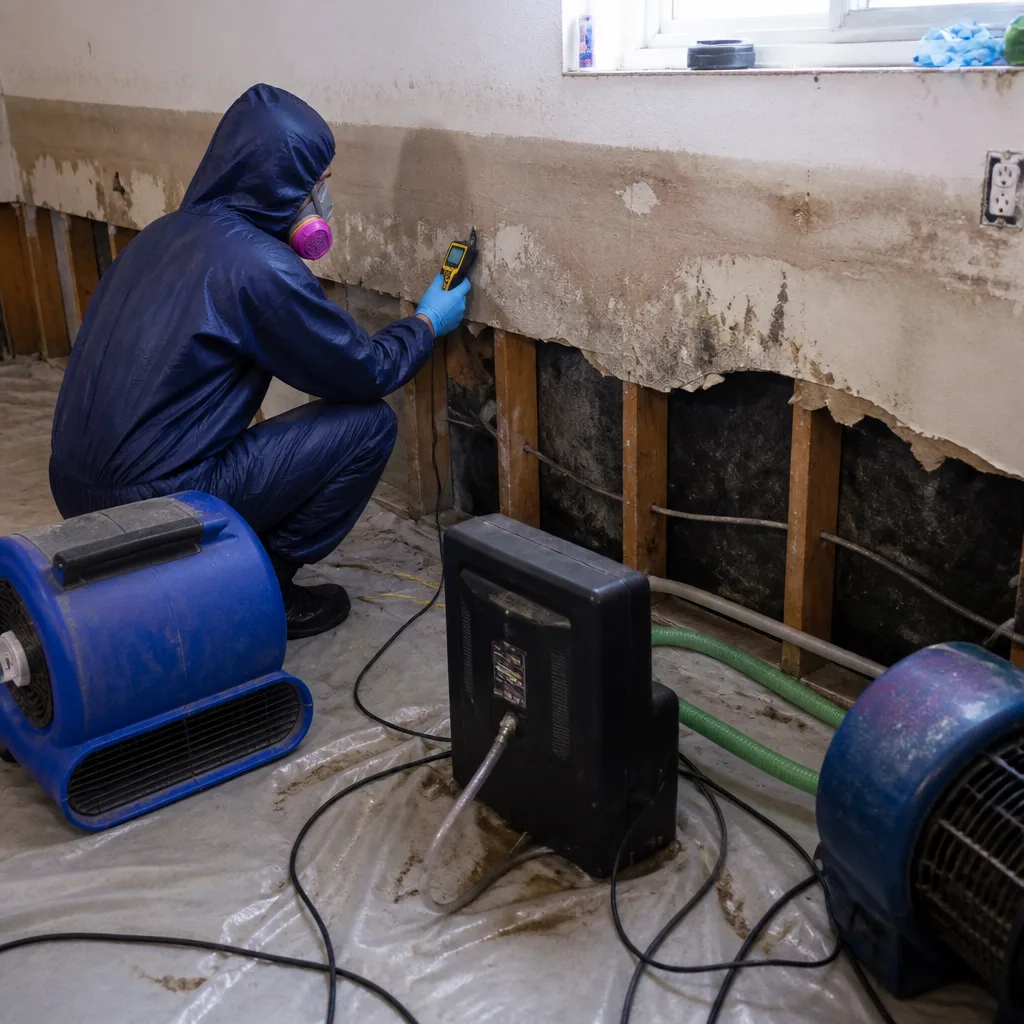 Before
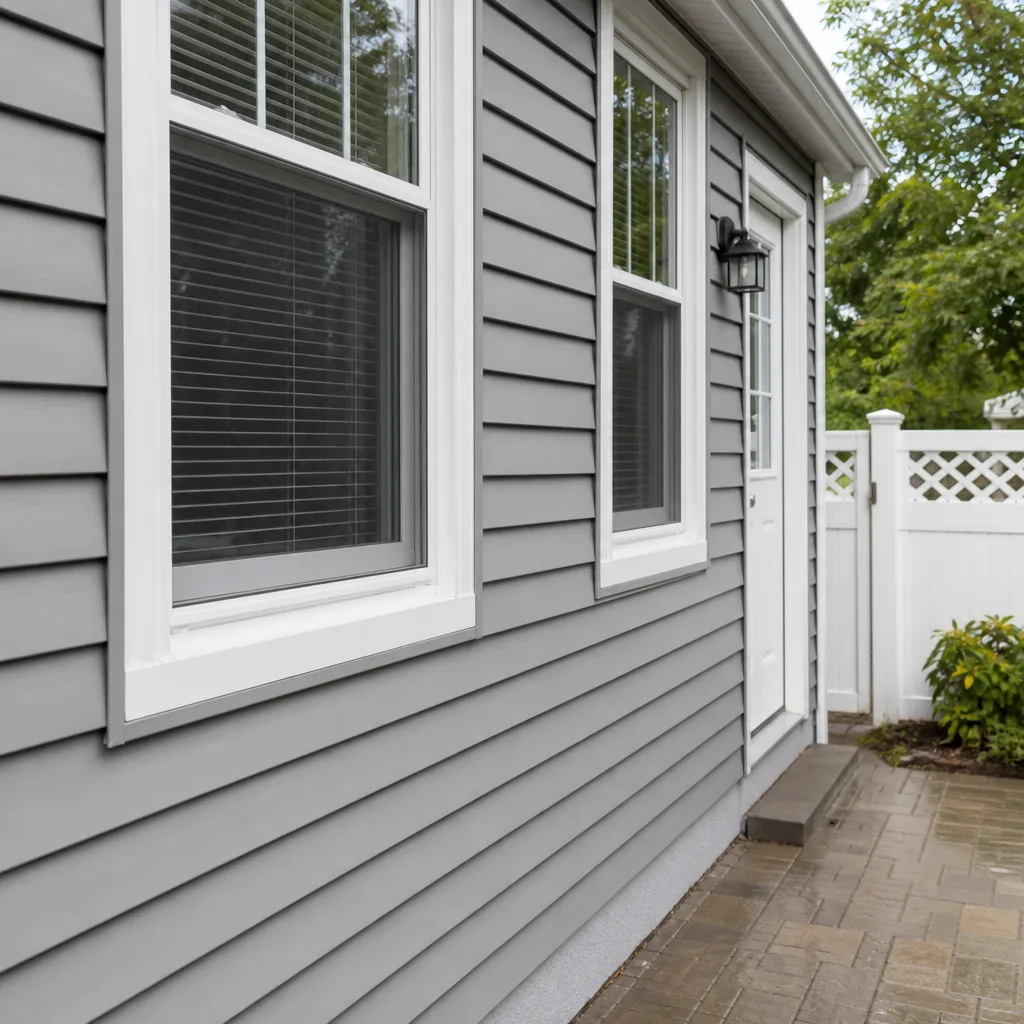 After
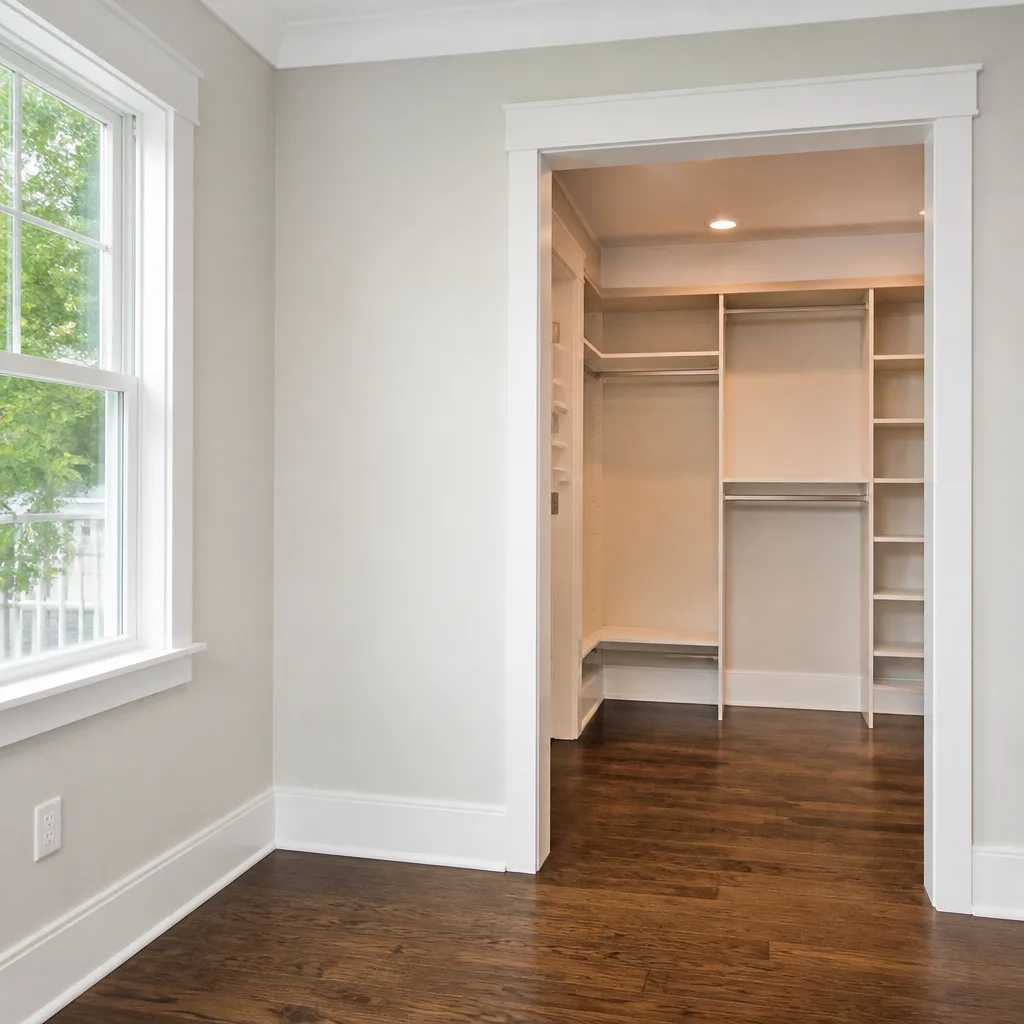
After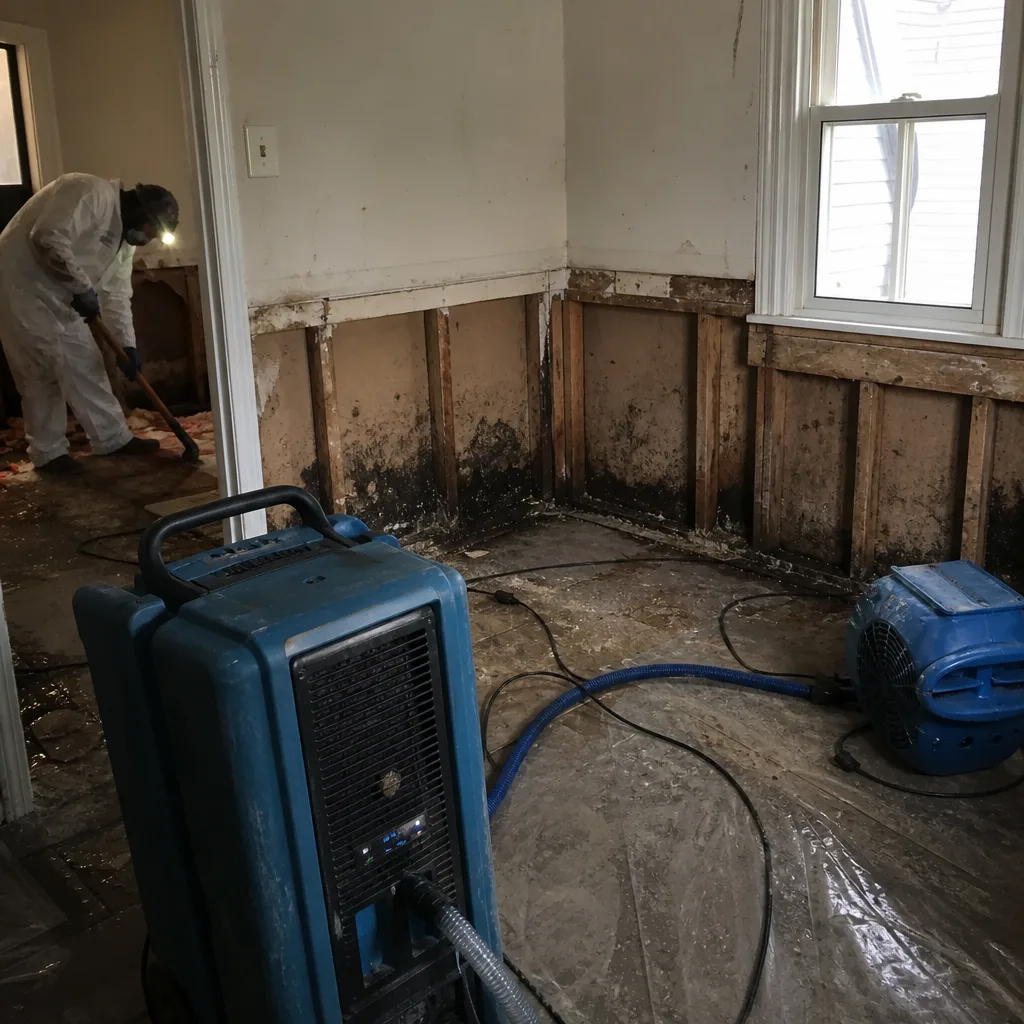 Before
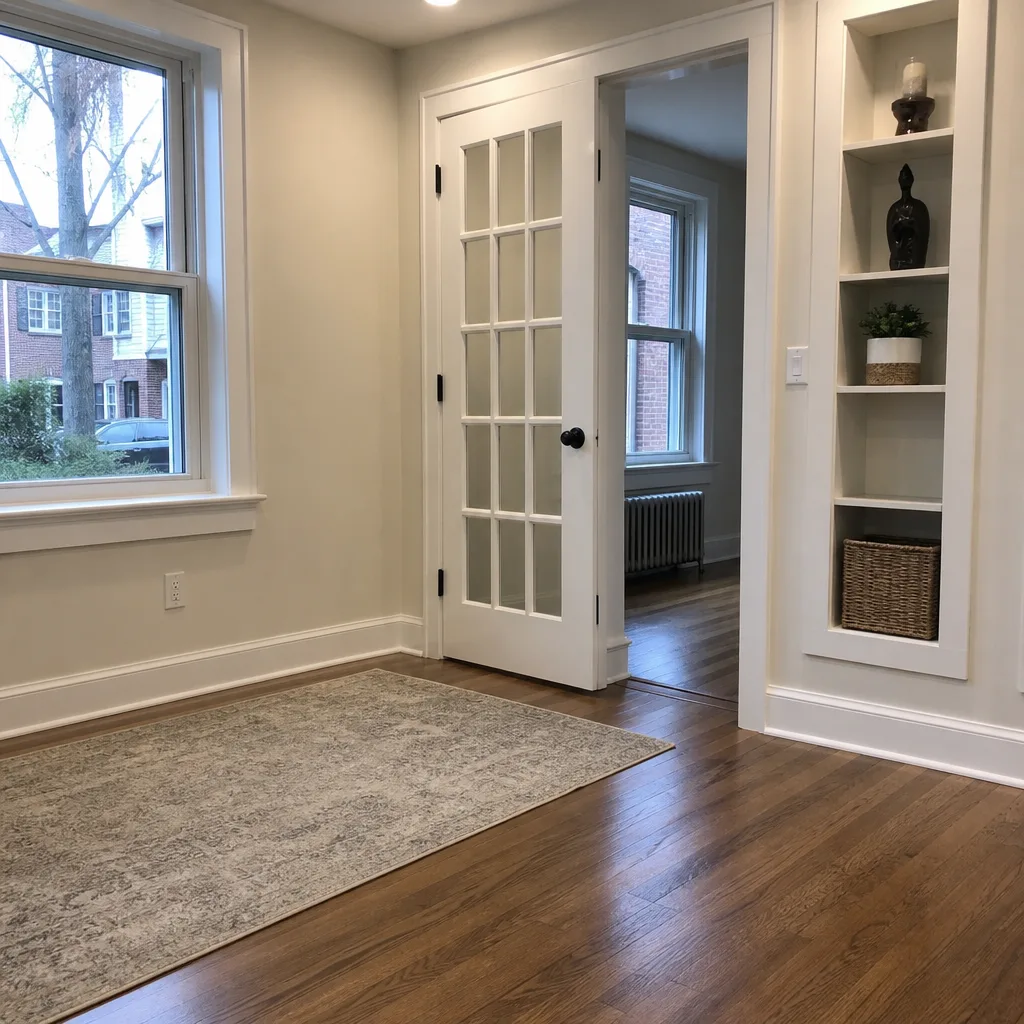 After
AfterFast, Reliable Mold Remediation Across Forest Hills
Mold remediation in Forest Hills typically costs between $1,200 and $4,500 depending on the affected square footage, material type, and whether the property sits inside Forest Hills Gardens or a pre-war co-op building. Most mold inspection appointments in Forest Hills are scheduled within 24 hours, with containment and removal beginning as soon as the written scope is approved. Call (516) 386-9007 for a free estimate with a written price before any work starts - Haven Standard, Clause 1.
We serve Forest Hills from our New York City office, with crews who know the difference between a Gardens Corporation covenant job and a standard co-op remediation. That local knowledge matters. A crew that treats a Tudor Revival on Greenway Terrace like a vinyl-sided ranch in Nassau County will write a scope that gets rejected before the first air mover switches on.
Why DryMark Restoration Flushing Is Forest Hills’s Preferred Mold Remediation Company
Back to Dry Restoration, led by Alicia Brennan, has handled mold remediation in Forest Hills since we began documenting every job with photo records and written prices in 2011. We’ve restored more than 12,000 homes, and a significant share of those have been in Queens - including the pre-war co-ops along Queens Boulevard and the landmark Tudors inside Forest Hills Gardens.
Our response time to Forest Hills averages under 90 minutes for emergency calls, including our Water Damage Restoration in Forest Hills. We know the local conditions: the aging combined sewers that back up into finished basements after intense rainfall, the freeze-thaw cycles that open lime-mortar joints in brick construction every spring, and the wind-driven rain that finds failed casement seals on 1920s homes. That knowledge changes what we look for during inspection and what equipment we bring.
Forest Hills customers review us specifically on our documentation - the daily moisture logs, the photo records on every visit, and the written scopes that co-op boards and insurance adjusters actually accept. Our Mold Remediation team is background-checked, uniformed, and licensed, with license numbers provided on request.
Our Mold Remediation Services in Forest Hills
Mold Inspection & Testing
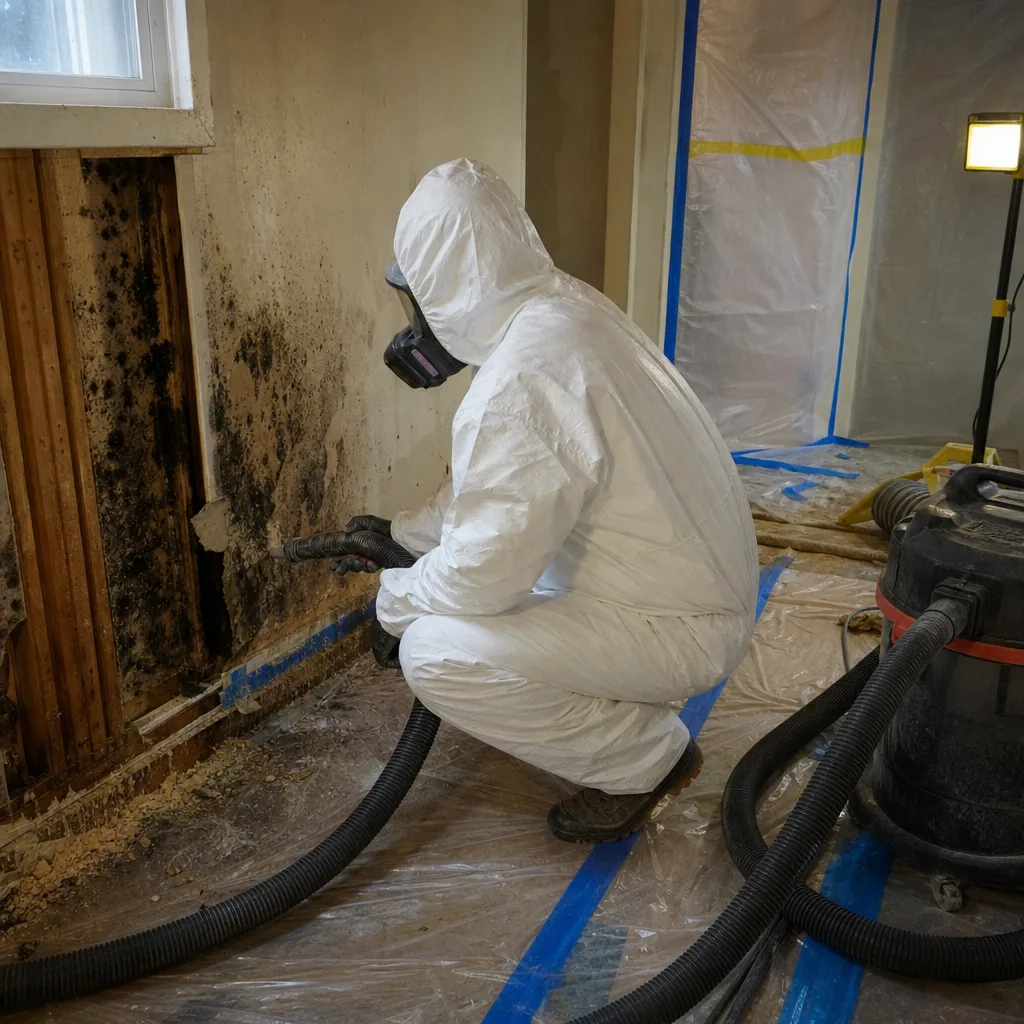
Every remediation in Forest Hills starts with inspection and testing, but the approach differs sharply by building type. Inside Forest Hills Gardens, we inspect for moisture intrusion at original casement windows and slate roof valleys, then sample plaster-and-lath wall assemblies that wick water invisibly. In pre-war co-ops along Austin Street or 108th Street, we test around aged cast-iron drain stacks and steam-heat pipe connections, the two most common hidden moisture sources we find. Air and surface samples go to a third-party lab; results typically return in 48 hours with species identification and concentration levels.
Mold Removal
Removal in Forest Hills requires containment protocols scaled to the building. A detached Tudor on Ascan Avenue needs HEPA-contained negative air pressure to protect original millwork and plaster. A co-op on Yellowstone Boulevard needs coordination with building management on shared HVAC isolation and hallway protection. We remove affected drywall, plaster, insulation, and substrate to the depth the moisture map dictates, never less. Every removal phase is photo-documented for the record that goes to your adjuster and, where required, your board.
Black Mold Remediation
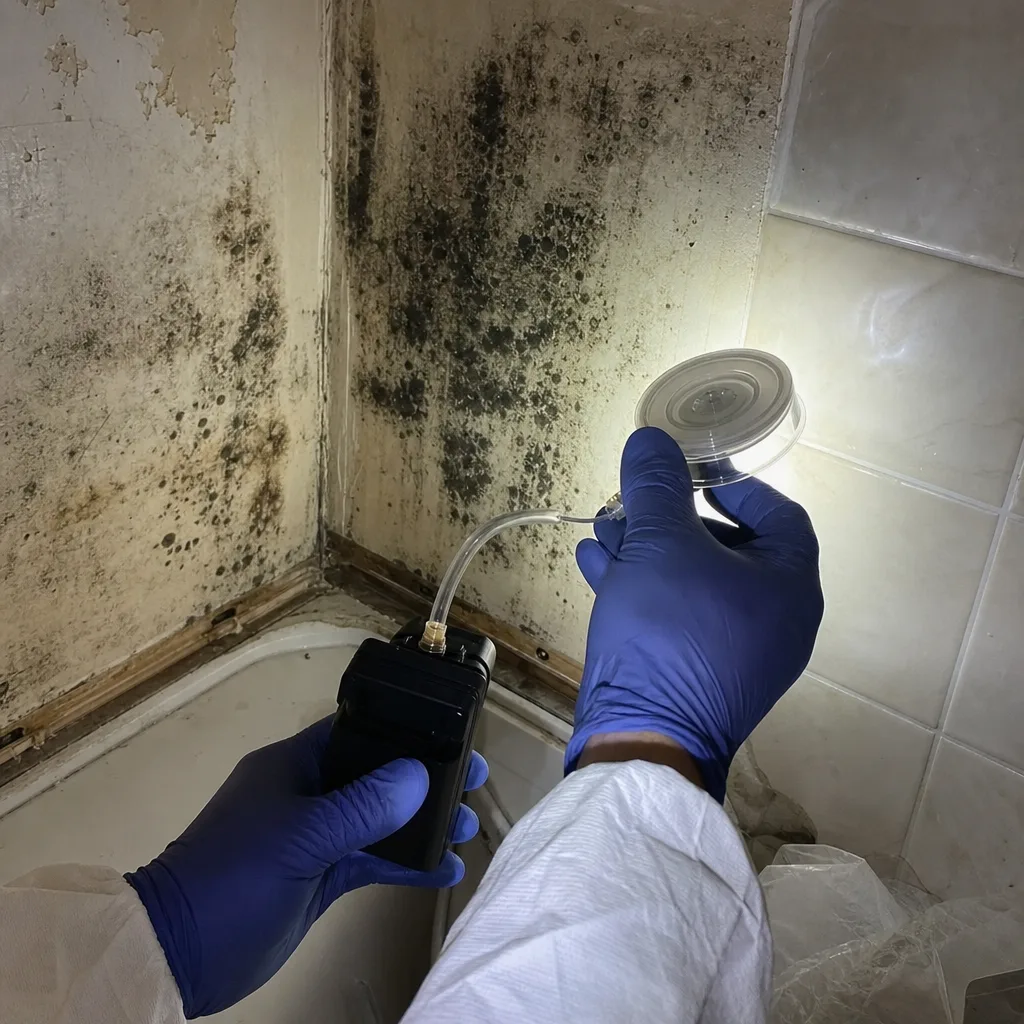
Stachybotrys and other toxigenic species in Forest Hills almost always trace to chronic, not acute, moisture - the slow leak from a failed drain stack in a 1930s semi-detached, or the condensation inside a poorly ventilated crawl space under a converted basement. We locate the moisture source with thermal imaging and moisture meters, then remediate with contained removal and professional-grade HEPA filtration. In Forest Hills Gardens, black mold on original plaster requires special handling: the plaster itself may be salvageable with targeted drying and antimicrobial treatment, preserving a material the Gardens Corporation covenants protect.
Air Quality Restoration
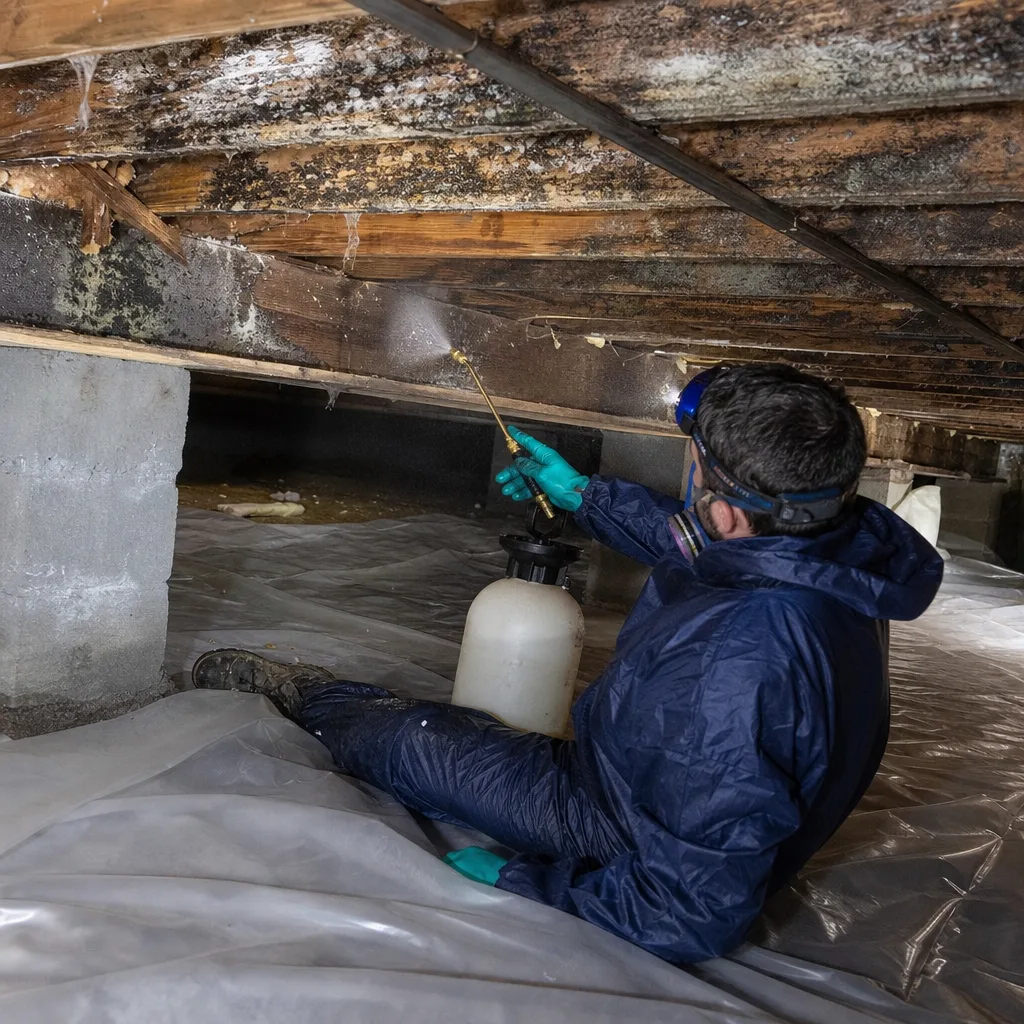
Post-remediation air quality in Forest Hills co-ops is not optional - it’s how you prove to a board that the unit is habitable again. We deploy HEPA air scrubbers and measure particulate counts, VOC levels, and spore concentrations against IICRC and IFA standards. Documentation includes before-and-after readings, equipment run-time logs, and a clearance certificate. For Mold Remediation in Forest Hills properties with shared ventilation, we also verify that adjacent units show no cross-contamination.
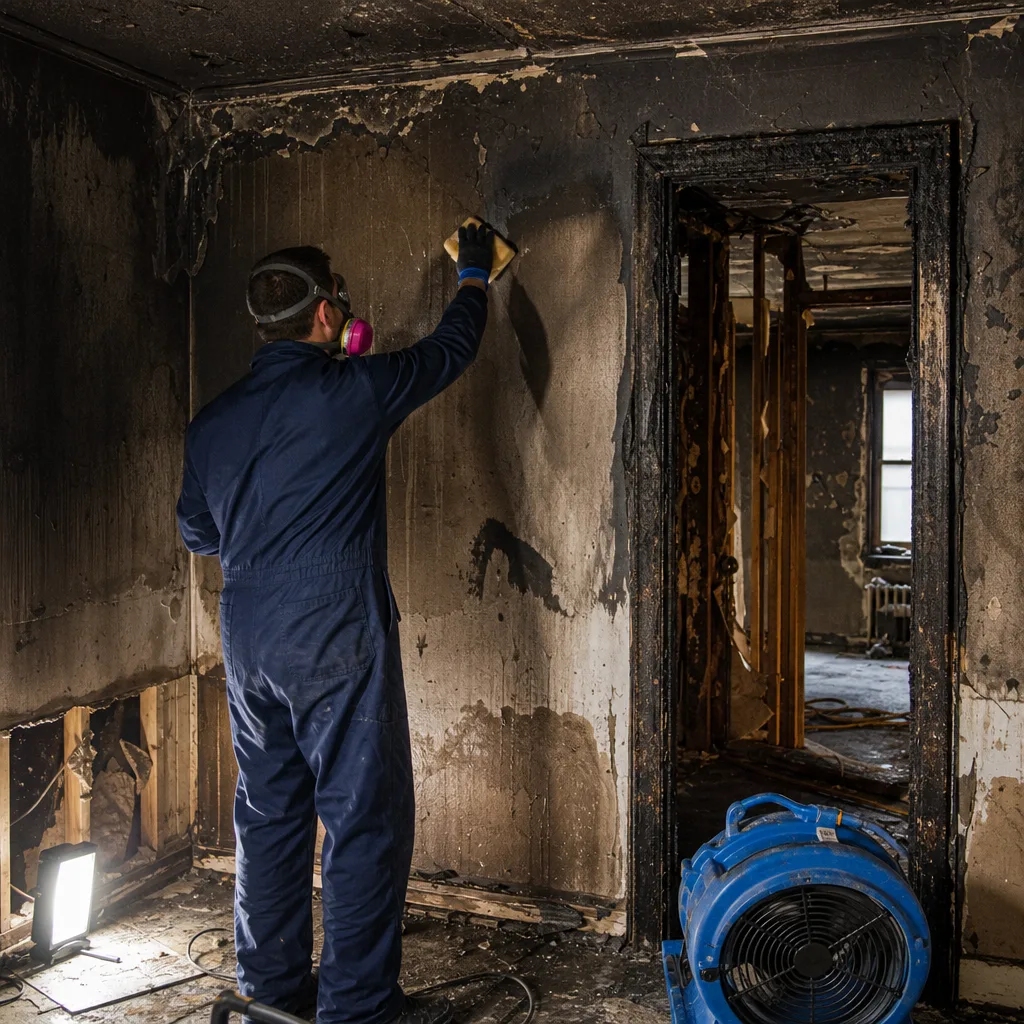
Moisture & Humidity Control
Forest Hills’s combination of aged infrastructure and dense housing stock makes humidity control a long-term problem, not a one-time fix. We install permanent dehumidification in basements that flood during sewer backups, improve ventilation in crawl spaces with vapor barriers, and seal chronic intrusion points at window perimeters and mortar joints. Every humidity control plan includes a written maintenance schedule and the equipment specs - B-Air and XPOWER units documented to RIA standards - so the solution is transferable to the next owner or the co-op board’s files.
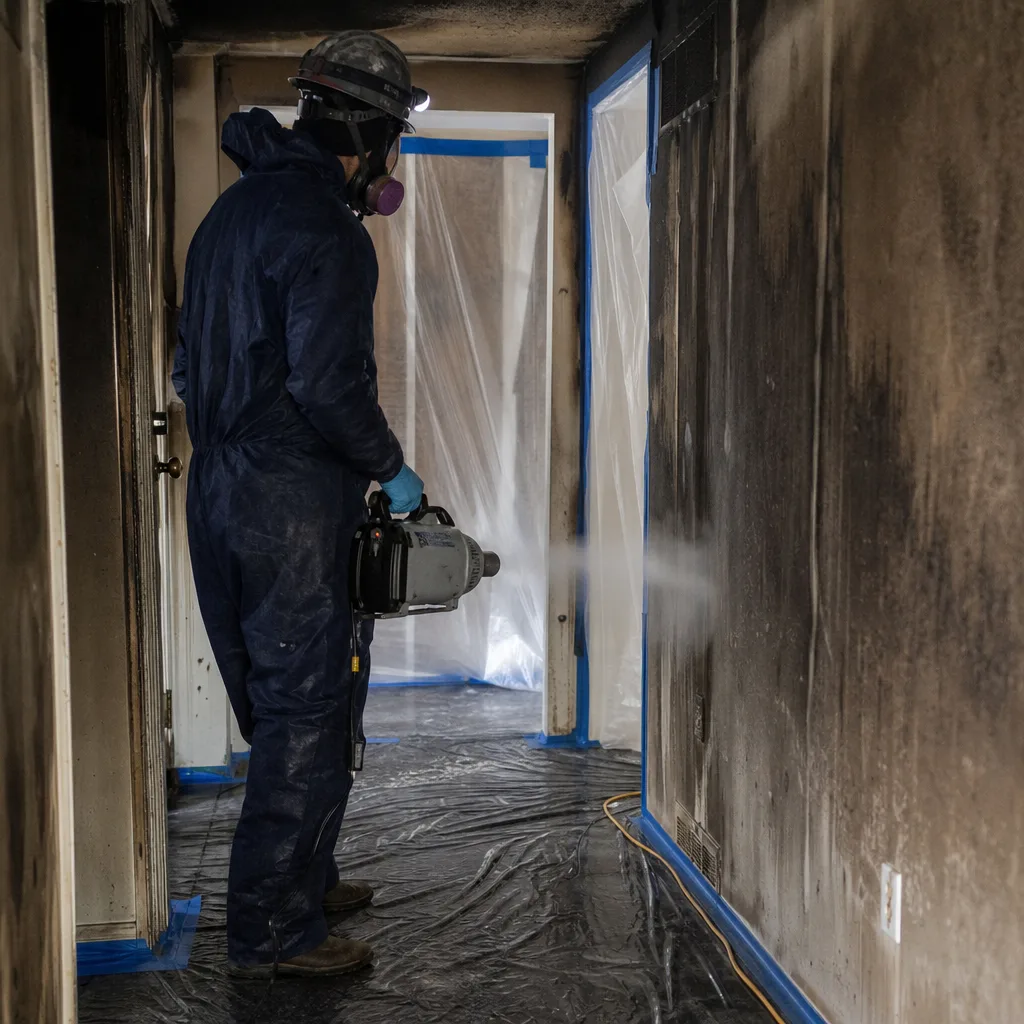
What happens when you call
- 1
A real person answersNo phone trees - you reach a local pro.
- 2
You get an upfront price rangeHonest numbers before anyone is dispatched.
- 3
A background-checked tech heads outLicensed & insured, dispatched right away.
- 4
You approve before work beginsNothing starts until you say go.
BeforeAfterTrusted Brands We Service in Forest Hills
We document all equipment deployed to IICRC, RIA, and IFA standards, using professional-grade drying systems from B-Air, Injectidry, and other manufacturers whose output we can log in daily psychrometric data. For Forest Hills customers, that documentation means your insurance claim processes without dispute over whether proper drying occurred. We stock HEPA filtration, containment, and dehumidification components locally for fast deployment, and we maintain pre-vetted sources for period-appropriate materials - matching slate, stucco formulations, and casement windows - required by the Forest Hills Gardens Corporation on covenant properties.
Common Mold Remediation Problems We See in Forest Hills Homes
- Wind-driven rain through failed casement windows. The original wood casements on 1920s Tudors in Forest Hills Gardens seal poorly after decades of paint buildup and frame shrinkage. A nor’easter pushes water directly into the plaster-and-lath wall cavity, where it wicks horizontally and vertically without visible staining for weeks. By the time mold appears on the interior surface, the moisture front has spread across multiple studs.
- Aged cast-iron drain stack failures in pre-war co-ops. Buildings along Queens Boulevard and Continental Avenue still run original cast-iron waste lines with bell-and-spigot joints that corrode from the inside. A slow joint leak inside a wall cavity feeds mold growth for months before any tenant reports a smell. We find these with borescope inspection and moisture mapping, not guesswork.
- Combined sewer backup into finished basements. Forest Hills’s interior Queens location doesn’t spare it from the aging infrastructure problem: intense rainfall overwhelms combined sewers, sending category 3 water into basement living spaces. The remediation requires not just mold removal but full sanitation, plus humidity control to prevent secondary growth after the visible water is gone.
- Freeze-thaw damage to lime-mortar joints creating chronic intrusion. Every spring, we see the same pattern: water entered through opened mortar joints during winter, sat in brick cavities, and triggered mold on interior plaster as temperatures rose. The fix requires both remediation and masonry repair, coordinated under one written scope.
Pricing for Mold Remediation in Forest Hills, NY
| Service | Typical Range in Forest Hills |
|---|---|
| Mold inspection & testing | $350 - $650 |
| Contained mold removal (small area, under 10 sq ft) | $1,200 - $2,100 |
| Moderate remediation (10-100 sq ft, standard materials) | $2,100 - $3,800 |
| Extensive remediation (100+ sq ft, plaster-and-lath, board coordination) | $3,800 - $6,500+ |
| Air quality restoration & clearance testing | $450 - $850 |
| Moisture & humidity control system installation | $1,800 - $4,200 |
Three factors push Forest Hills remediation toward the higher end of these ranges: Gardens Corporation or co-op board approval processes that extend the timeline; the need to source period-appropriate materials for covenant properties; and plaster-and-lath construction that requires slower, more controlled drying than standard drywall. We deliver a written price before work begins on every job - Haven Standard, Clause 1 - with no scope-creep additions once the crew is inside. Bring a competitor’s written estimate and we’ll review it at no charge.
We Also Serve Cities Near Forest Hills
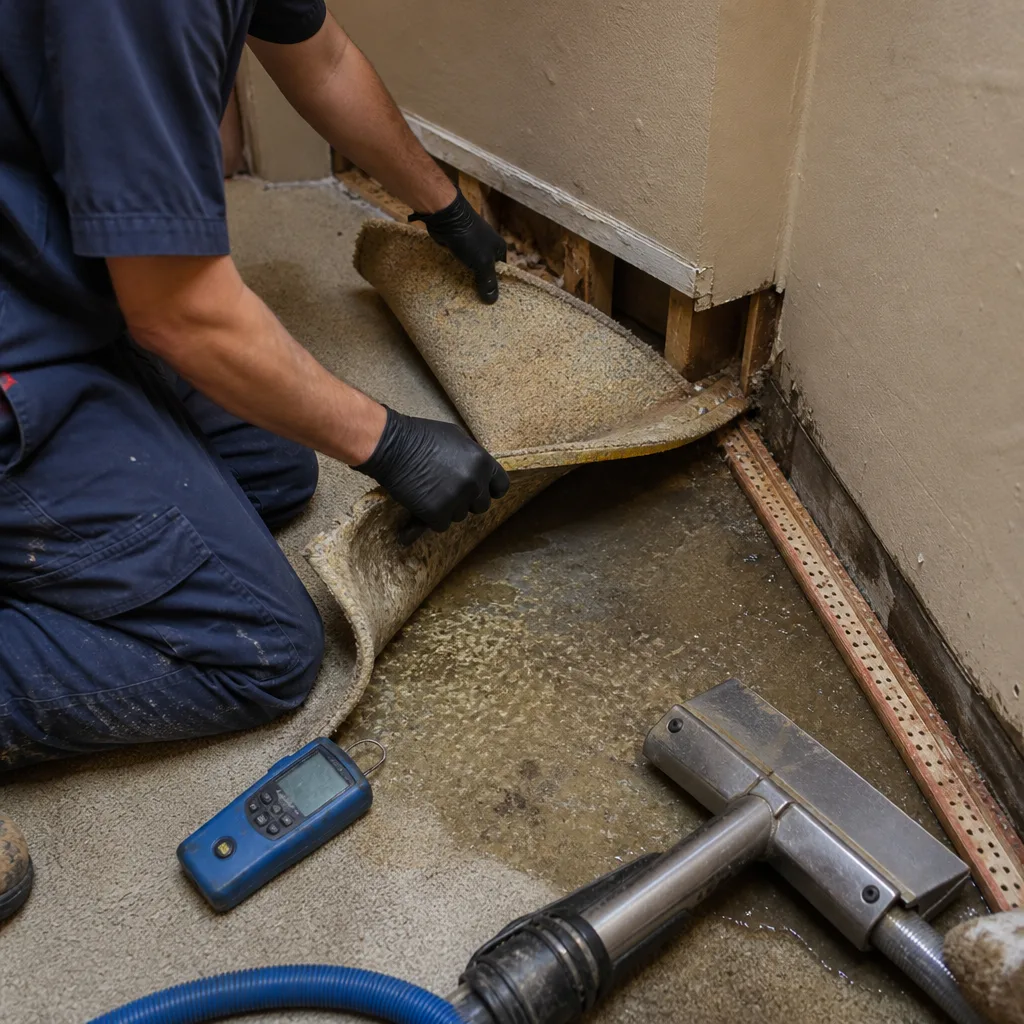
Our crews work throughout central Queens, including Forest Hills and the surrounding communities of Rego Park, Middle Village, Elmhurst, and Jackson Heights. Each shares some of Forest Hills’s challenges - pre-war housing stock, combined sewer infrastructure, dense co-op concentrations - but none duplicate Forest Hills’s dual layer of Gardens Corporation covenants and co-op board oversight. That specificity is why we maintain separate protocols for Forest Hills jobs.
Serving Forest Hills, NY - Our Local Coverage Area
We’re based in the Forest Hills area and know this community well. Use the map below to see our service coverage - if you’re nearby, we can almost certainly help.
FAQs - Mold Remediation in Forest Hills
Yes, we coordinate directly with the Forest Hills Gardens Corporation to ensure all drying, removal, and reconstruction uses period-appropriate materials and methods. Our written scope specifies matching slate, stucco formulations, and plaster-and-lath repair sourced from pre-vetted suppliers, and we submit for board approval before final repairs begin. Call (516) 386-9007 to schedule an inspection with covenant-compliant documentation included.
A failed door perimeter allows wind-driven rain to penetrate the wall assembly, especially in the Tudor Revival homes of Forest Hills Gardens where original construction predates modern weatherstripping. Water enters at the threshold and jamb, then wicks into plaster-and-lath walls where it remains hidden until mold forms. We inspect door perimeters with moisture meters as standard practice on every Forest Hills exterior wall assessment.
We use controlled, low-temperature drying with Injectidry cavity drying systems and targeted air movement, never aggressive heat that would accelerate plaster delamination from the lath. Psychrometric data - temperature, relative humidity, and vapor pressure differential - is logged daily to document that drying proceeds within safe parameters for the material. The drying log becomes part of the photo record delivered to you and your adjuster.
Most Forest Hills co-op boards require a written scope of work, proof of insurance naming the building, and sometimes a proprietary lease damage clause review before work begins in common wall or ceiling cavities. We prepare this documentation as part of our standard intake, not as an add-on. The written price is delivered before any of this is submitted, so you know the full cost before the board process starts.
Category 2 - gray water - is most common, from wind-driven rain through failed casements or roof leaks that pick up dust and organic material from aging building surfaces. Category 3 - black water - occurs during combined sewer backups, which are increasingly frequent in Forest Hills during intense rainfall events. The category determines both the remediation protocol and the documentation required for insurance; we classify and photo-document the source on every job.
Written by Alicia Brennan, Owner at Back to Dry Restoration, serving Forest Hills since 2011.