
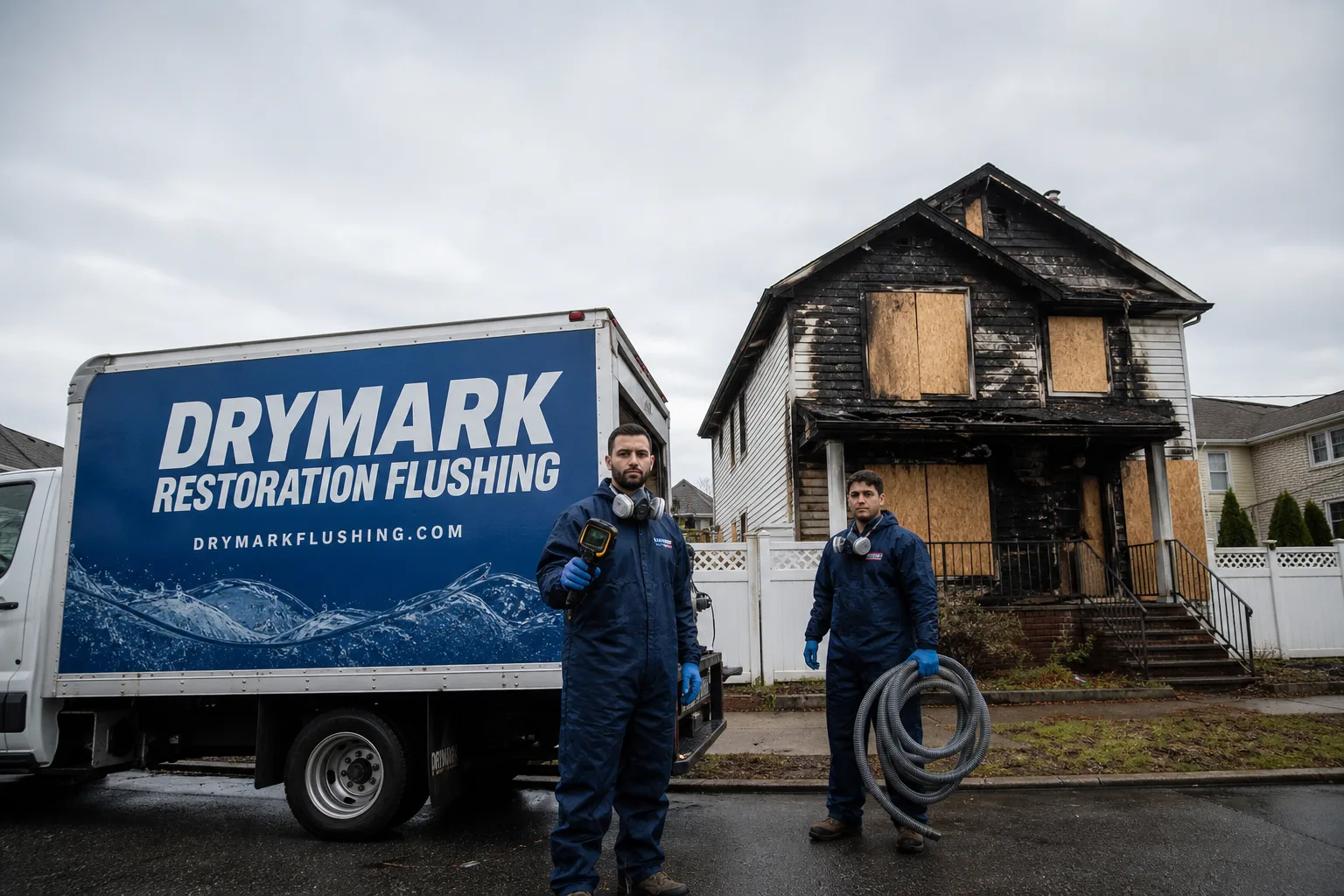
Free visual inspection and a written scope of work before any mitigation begins - photos, moisture readings, and drying logs go in your claim file
The scope we write is the scope we bill. Anything new gets shown to you, in writing, before we touch it.
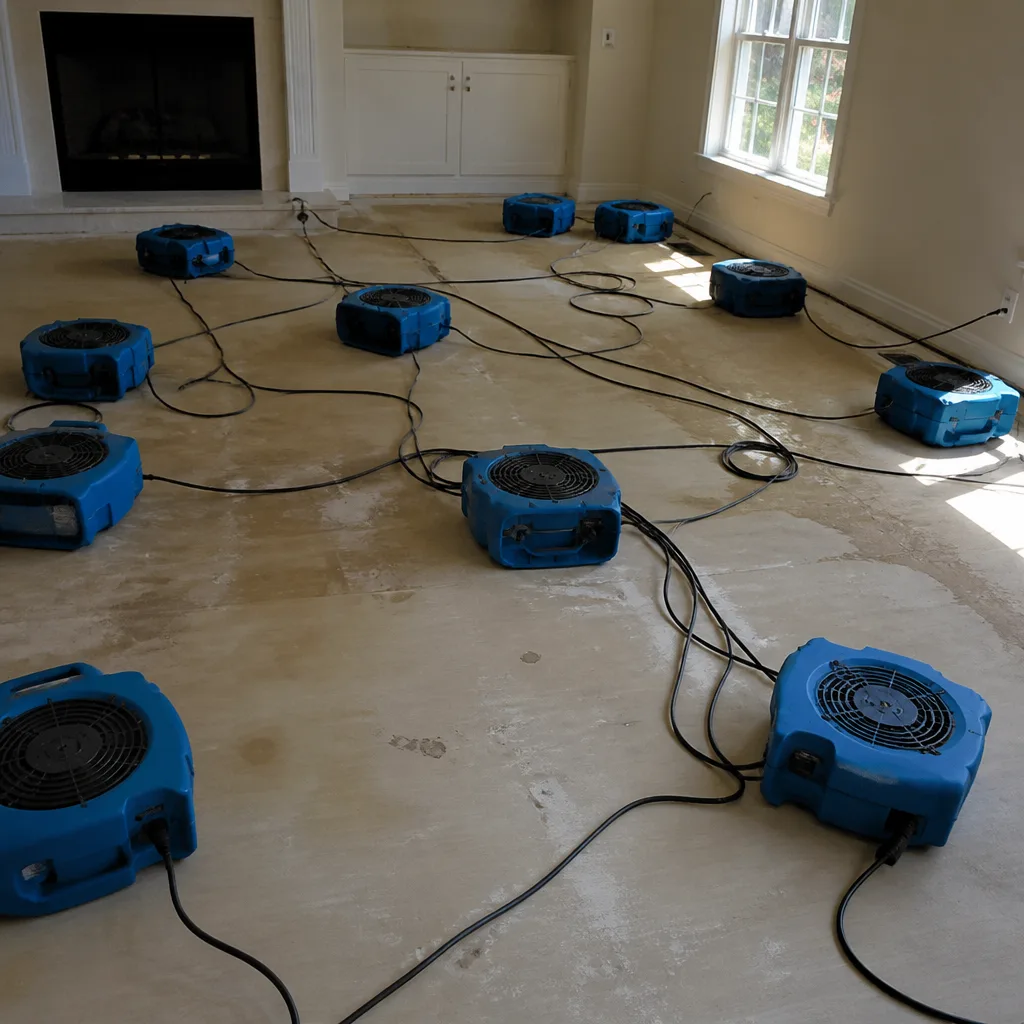
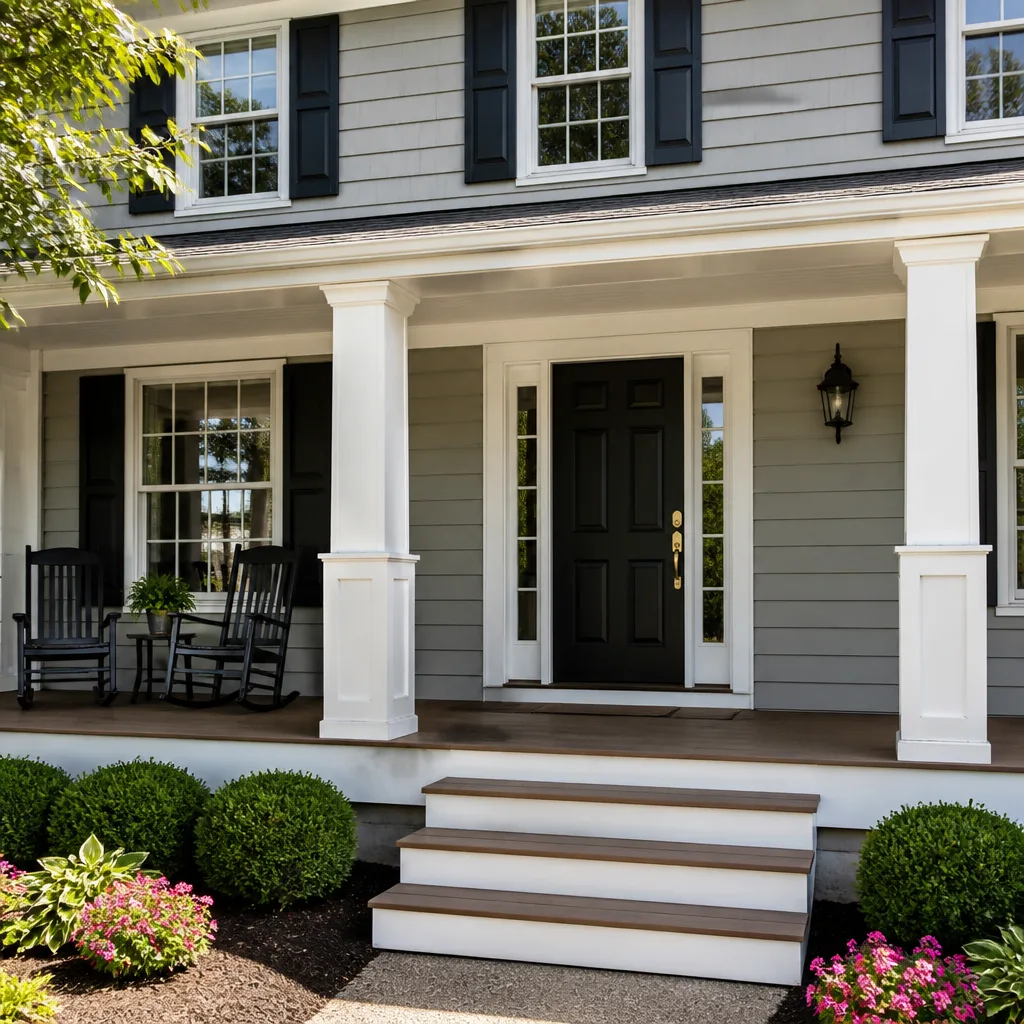
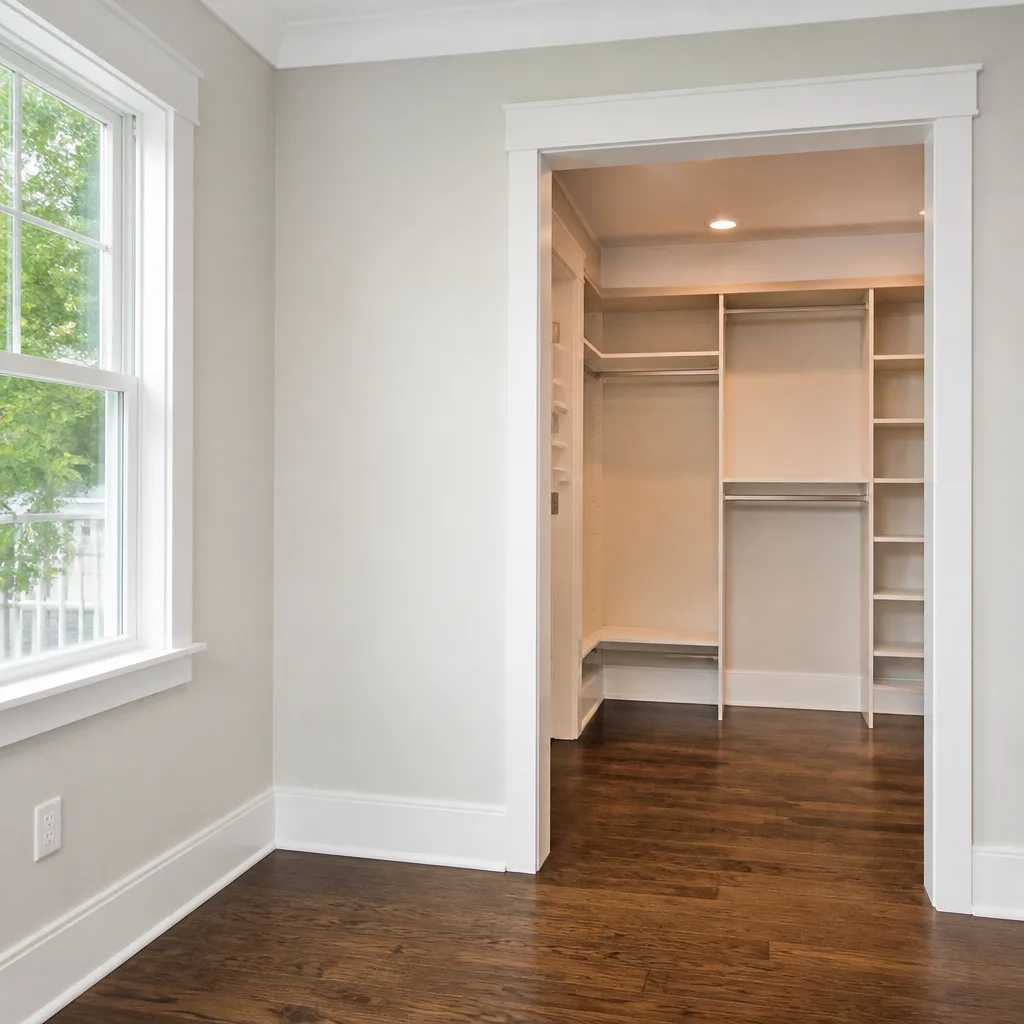
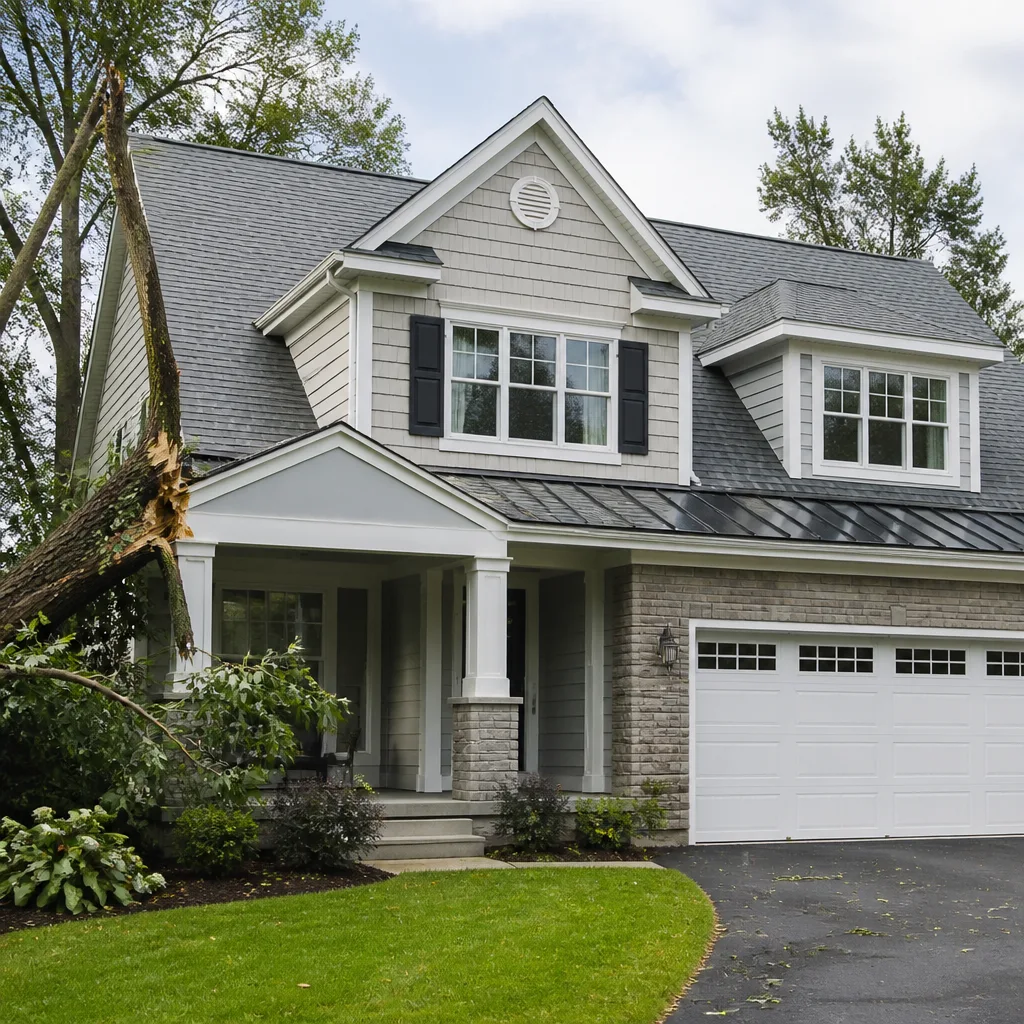
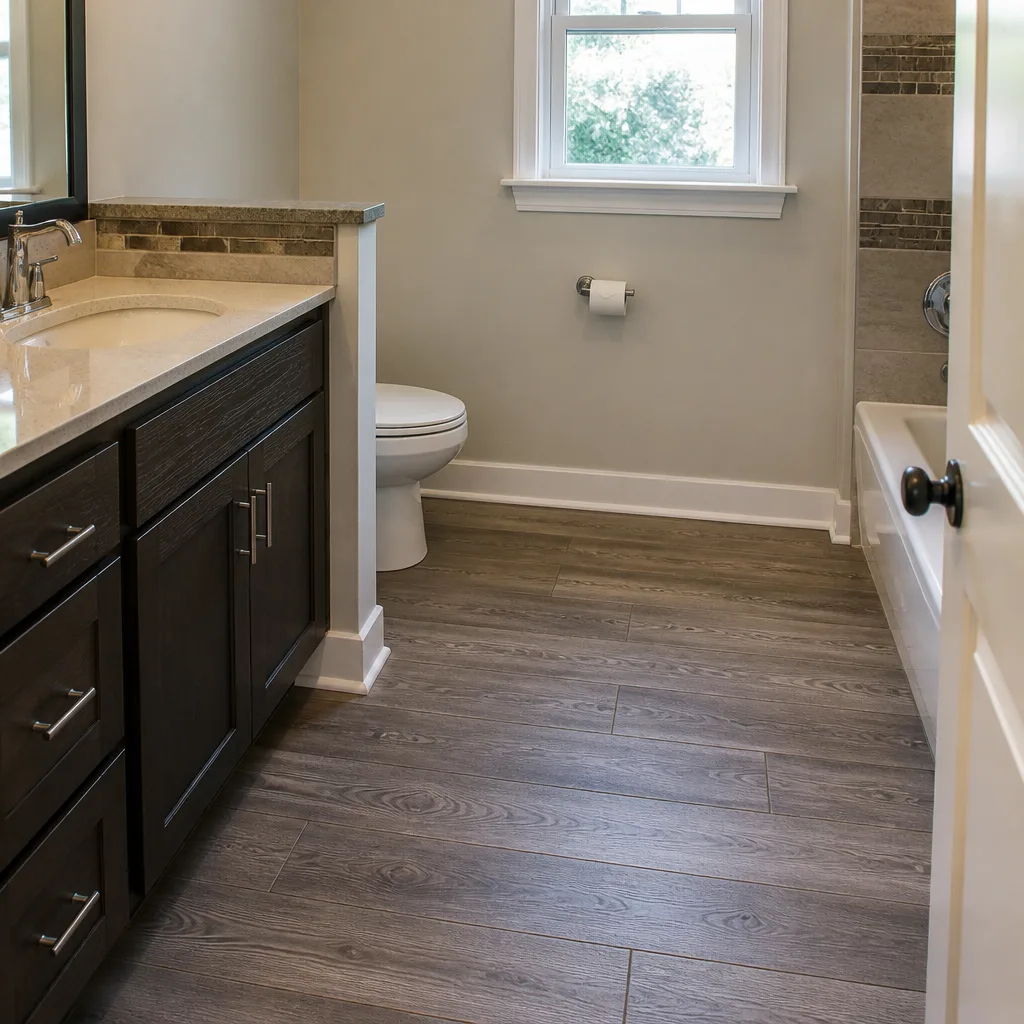
 Before
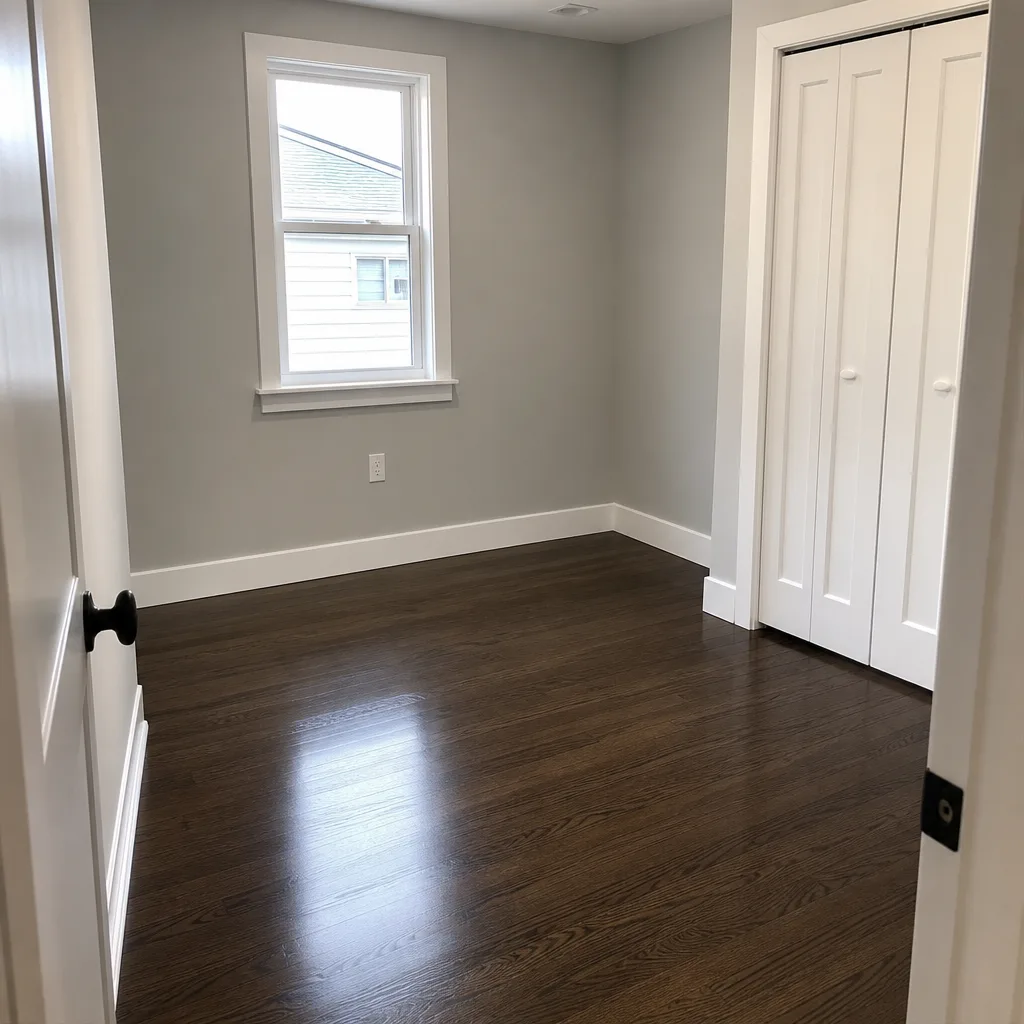 After
After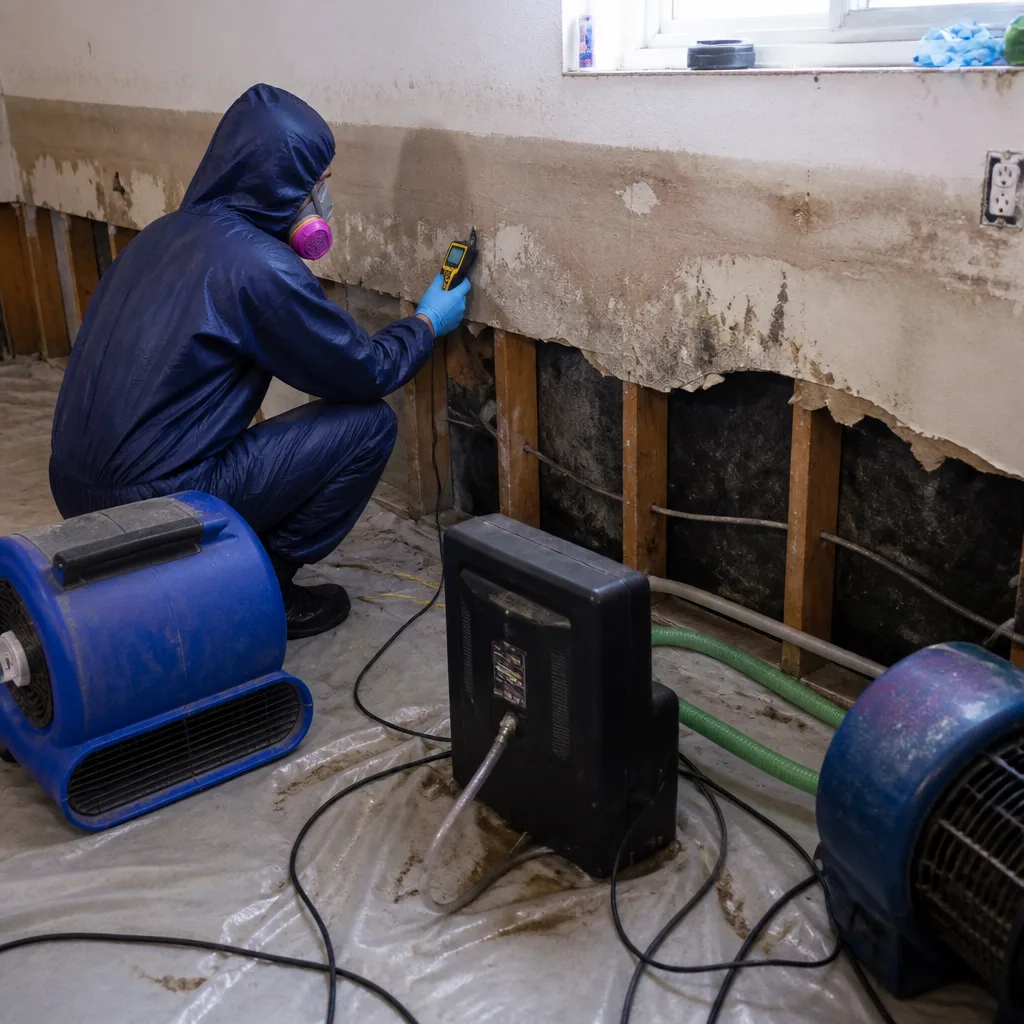 Before
 After
After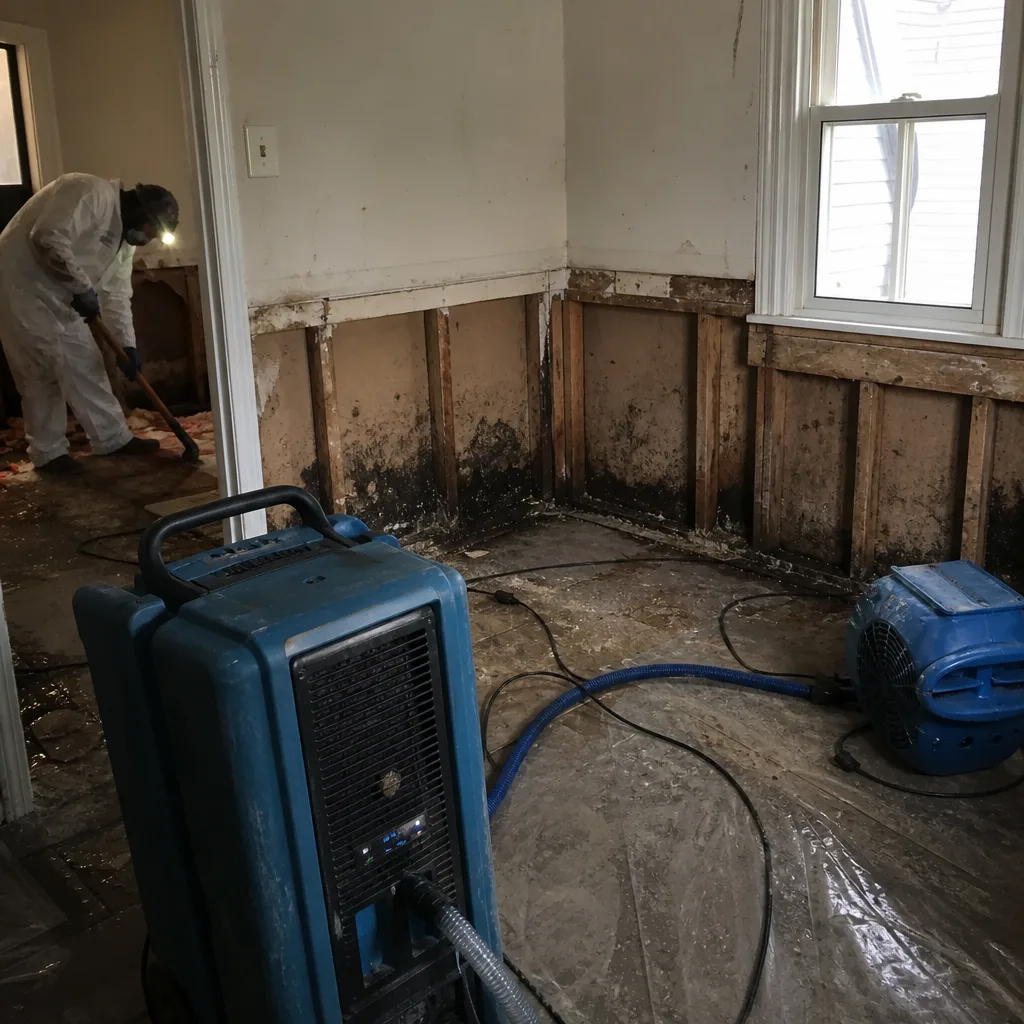 Before
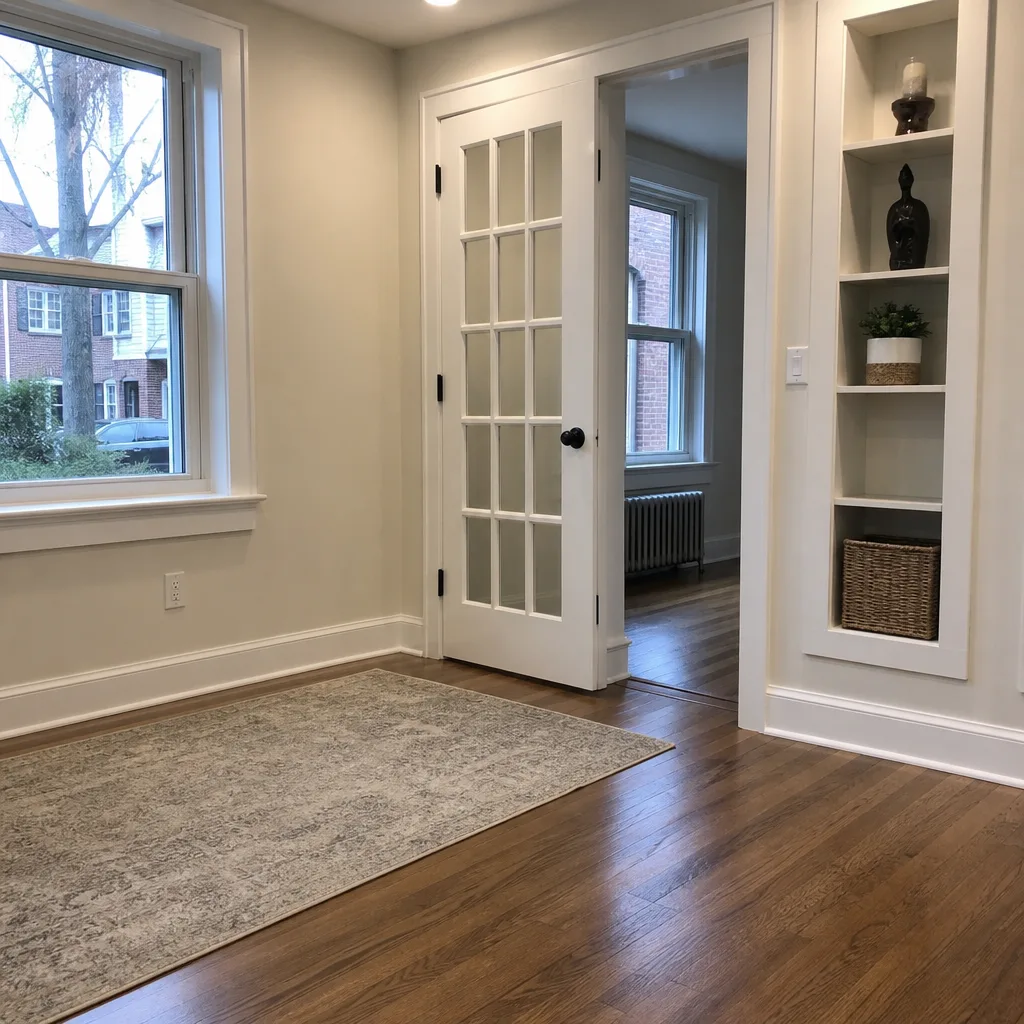 After
AfterFast, Reliable Water Damage Restoration Across Forest Hills
Water damage in Forest Hills moves fast through original plaster-and-lath walls and aged cast-iron drain stacks, but so do we. Our crews are dispatched from our New York City office and typically reach Forest Hills homes within 45 minutes of a call, equipped with Dri-Eaz and Phoenix drying systems and the documentation protocols that keep claims moving. Whether you’re in a pre-war co-op off Queens Boulevard or a Tudor Revival home inside Forest Hills Gardens, we understand the local building stock and the governance layers that govern how restoration work gets approved. Call (516) 386-9007 - a live person answers, 24 hours a day, 7 days a week, no voicemail trees while water is still spreading.
Why DryMark Restoration Flushing Is Forest Hills’s Preferred Water Damage Restoration Company
We’ve restored water-damaged homes in Forest Hills since 2011, and the pattern is consistent: the neighborhood’s dual housing environments create restoration challenges that generic contractors underestimate. Our Water Damage Restoration team has documented over 12,000 jobs nationwide under The Haven Standard, and Forest Hills accounts for a significant share of our Queens volume.
Forest Hills customers rate our documentation-first approach highly because it solves the problem that costs homeowners their claims. We deliver a written price before any work starts, Haven Standard, Clause 1, and we provide a free second opinion on any competitor’s written estimate. Our technicians are background-checked, uniformed, and licensed, with license numbers documented on every job file.
Response time to Forest Hills averages under 45 minutes from call to crew arrival for emergency water extraction. We know the local terrain: the low-lying blocks near Yellowstone Boulevard that flood first during sewer backups, the co-op buildings on Austin Street with proprietary-lease damage clauses, and the Gardens Corporation covenants that govern every material choice inside Forest Hills Gardens.
Our Water Damage Restoration Services in Forest Hills
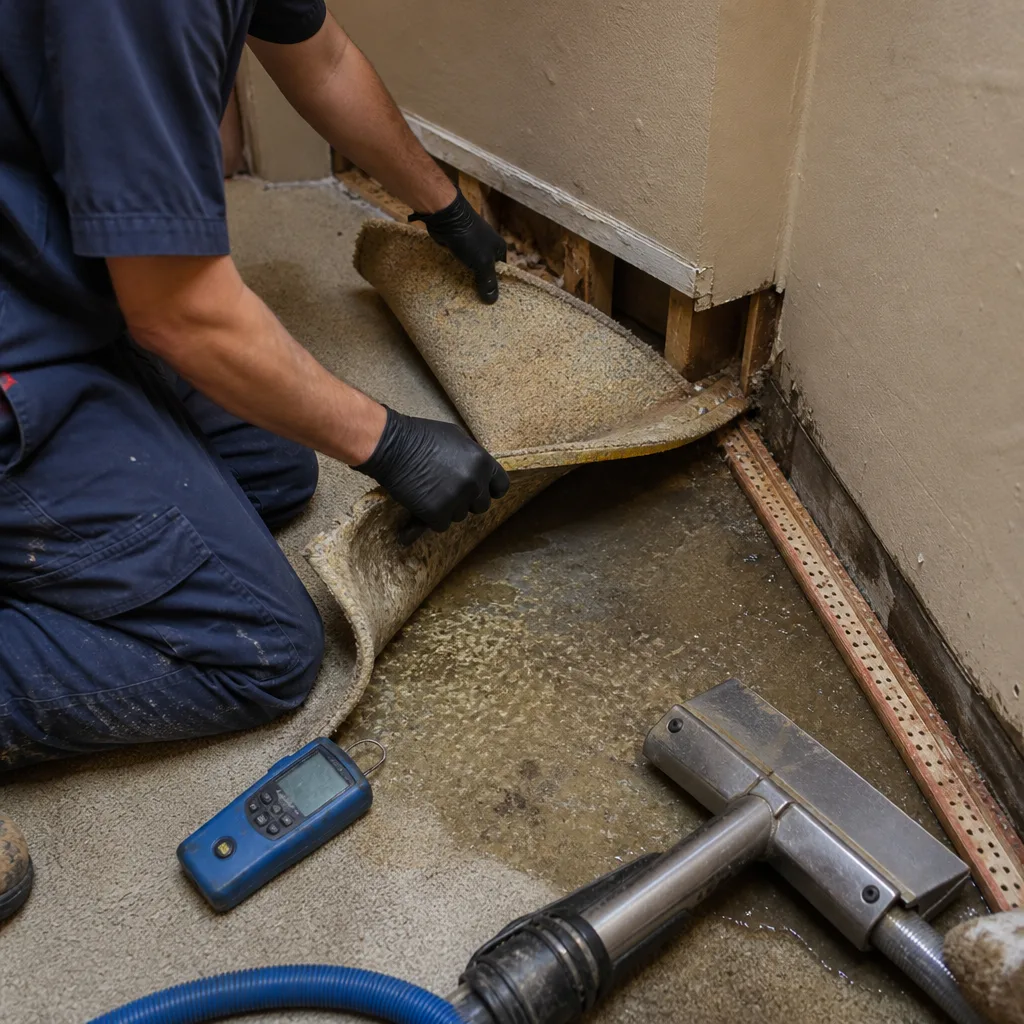
Emergency Water Extraction
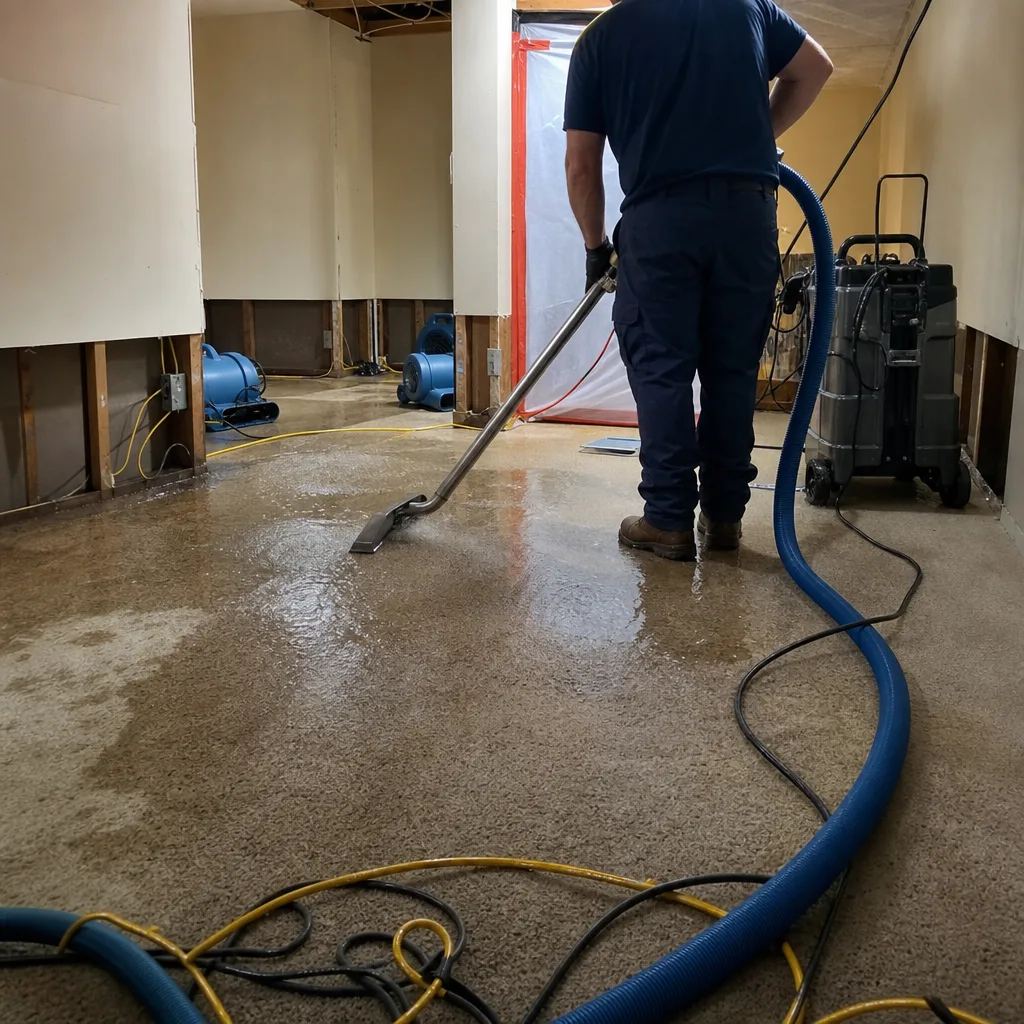
When a burst pipe or sewer backup hits your Forest Hills home, standing water doesn’t wait. We extract water from hardwood, tile, and carpeted surfaces using truck-mounted and portable extraction systems, then document moisture levels with calibrated meters before any drying equipment is placed. In Forest Hills Gardens, we also photograph pre-loss conditions of natural slate, stucco, and casement windows as standard protocol, so the Gardens Corporation has what it needs for scope approval.
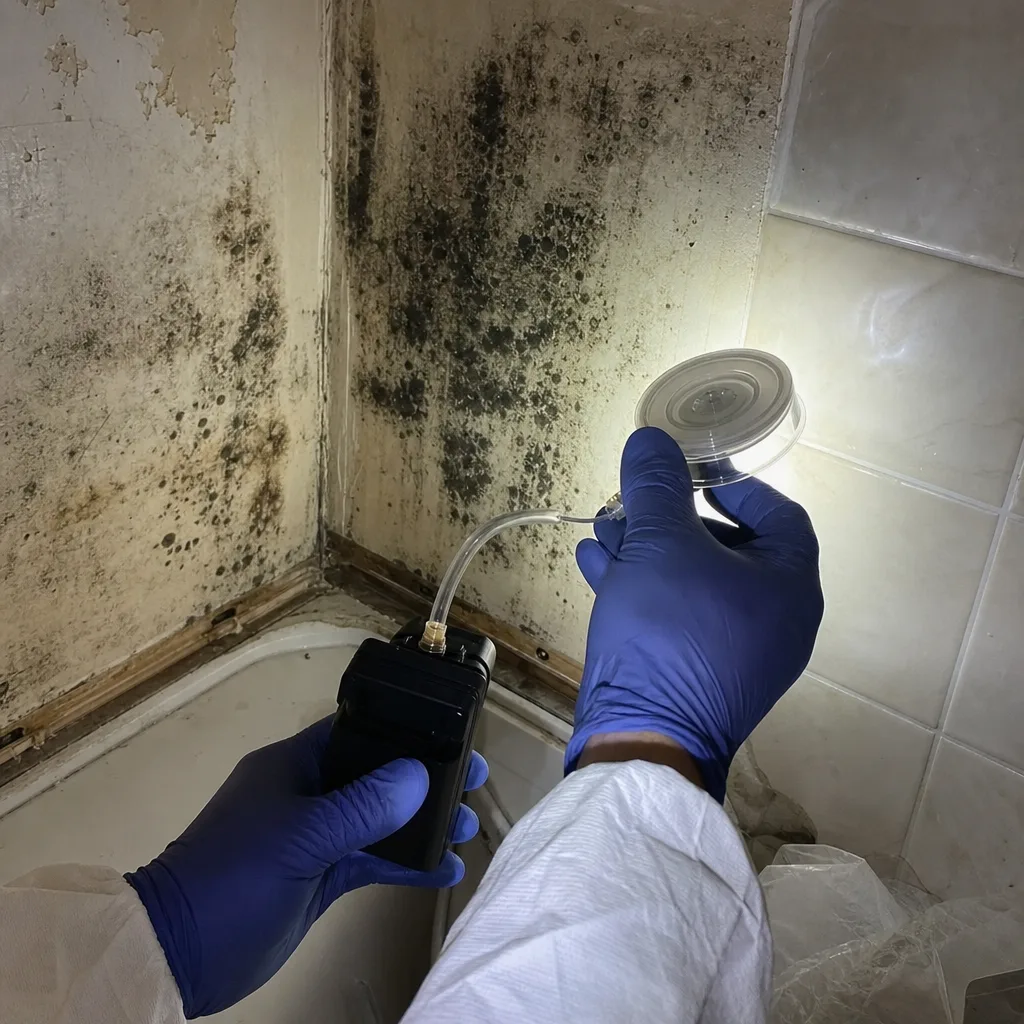
Structural Drying & Dehumidification
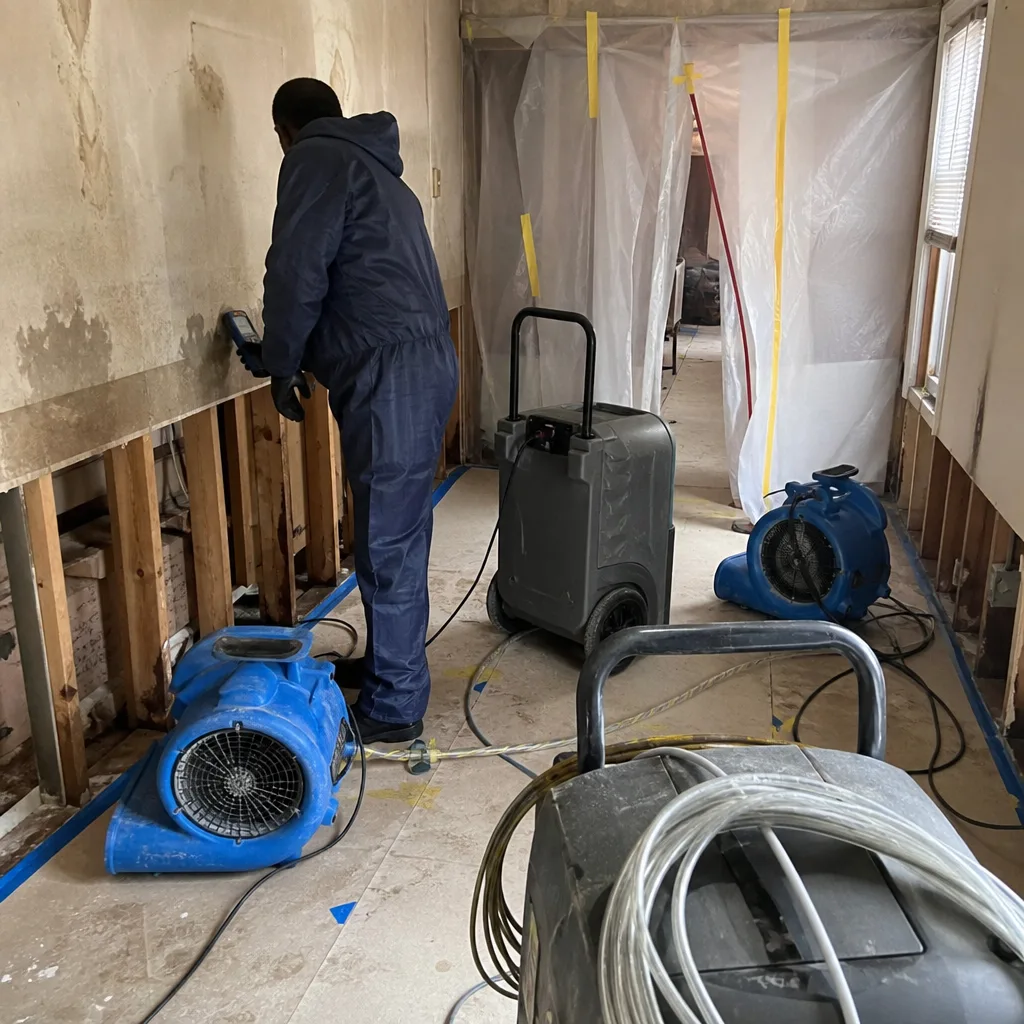
Forest Hills’s pre-war plaster walls and original lime-mortar brick construction retain moisture invisibly. We deploy Injectidry cavity-drying systems, Phoenix 200 Max dehumidifiers, and Dri-Eaz air movers to establish vapor pressure differentials that pull bound water out of dense materials. Psychrometric data - temperature, relative humidity, and specific humidity readings - is logged daily and delivered with your photo record, producing the drying documentation that turns restoration invoices into payable insurance claims.
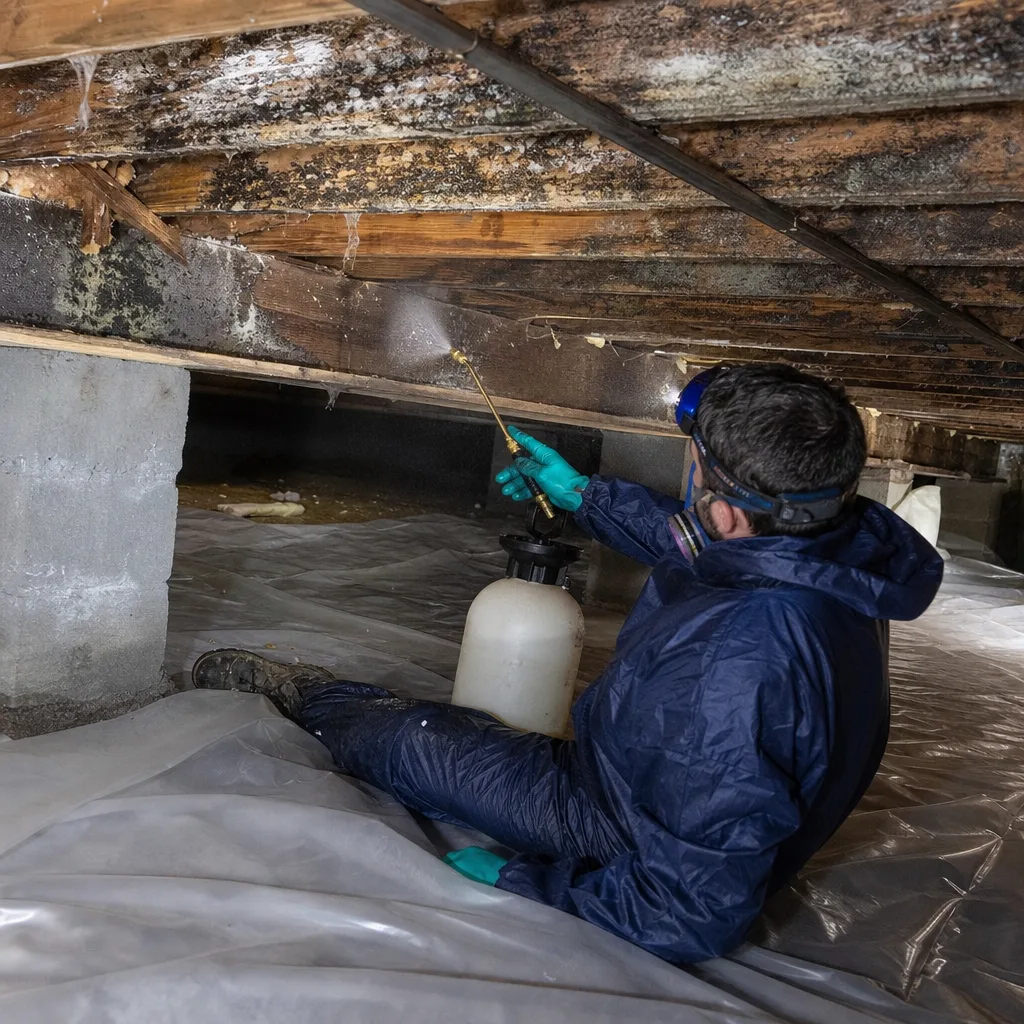
Flood Cleanup
Forest Hills sits inland without direct coastal flood exposure, but its aging combined sewer infrastructure backs up regularly during intense rainfall events, sending category 2 water into finished basements throughout the neighborhood. We handle sewage-contaminated flood cleanup under IICRC and RIA protocols, classify affected materials by permeability, and remove only what is structurally or hygienically compromised. Every removal is photo-documented, and the written scope is delivered before reconstruction begins.
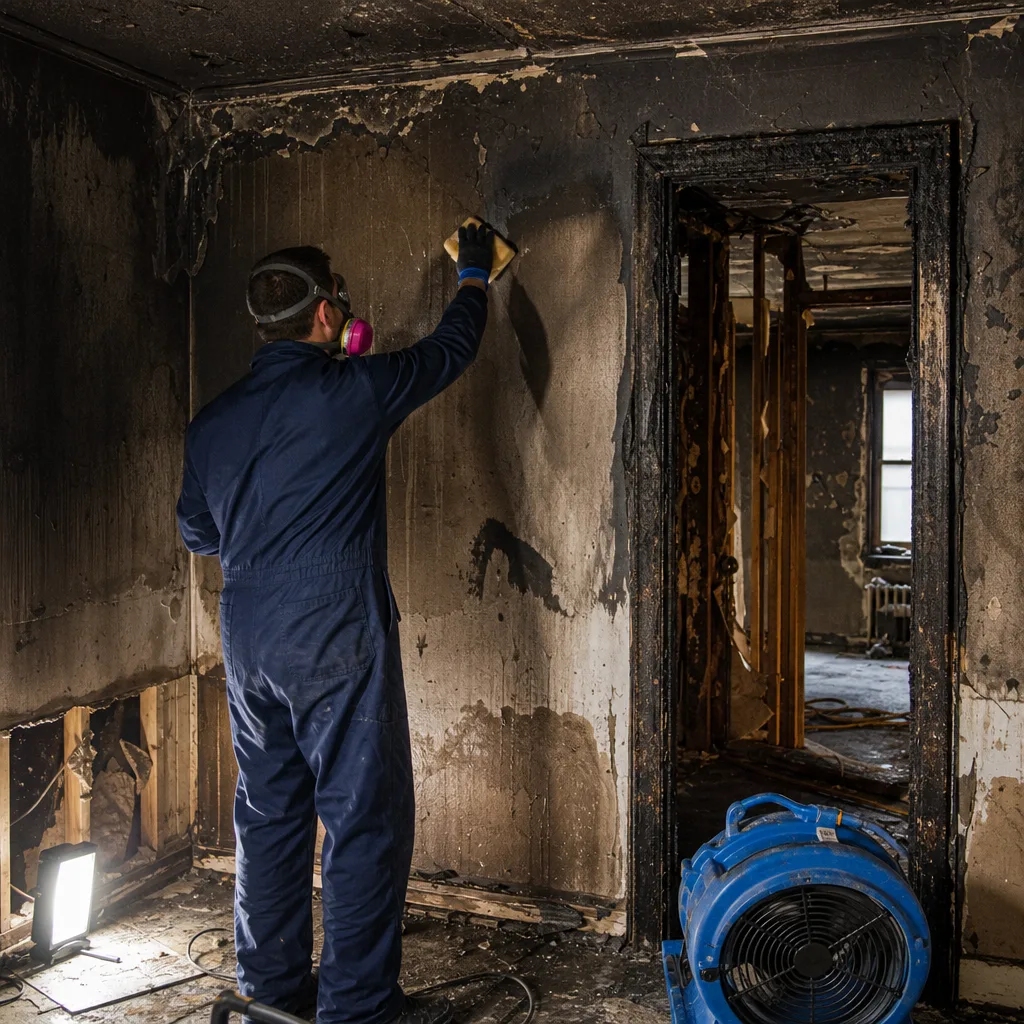
Burst Pipe Restoration
Winter freeze-thaw cycles stress the original cast-iron and galvanized supply lines common in Forest Hills’s 1920s-1940s housing stock. When a pipe bursts behind plaster-and-lath walls, we map moisture migration with non-invasive and pin-type meters, open cavities surgically where drying equipment can’t reach, and dry to IICRC S500 standards. Our field teams carry the specific fittings and adapters for aged plumbing systems found in Forest Hills co-op buildings, reducing delays while proprietary-lease clauses are navigated.
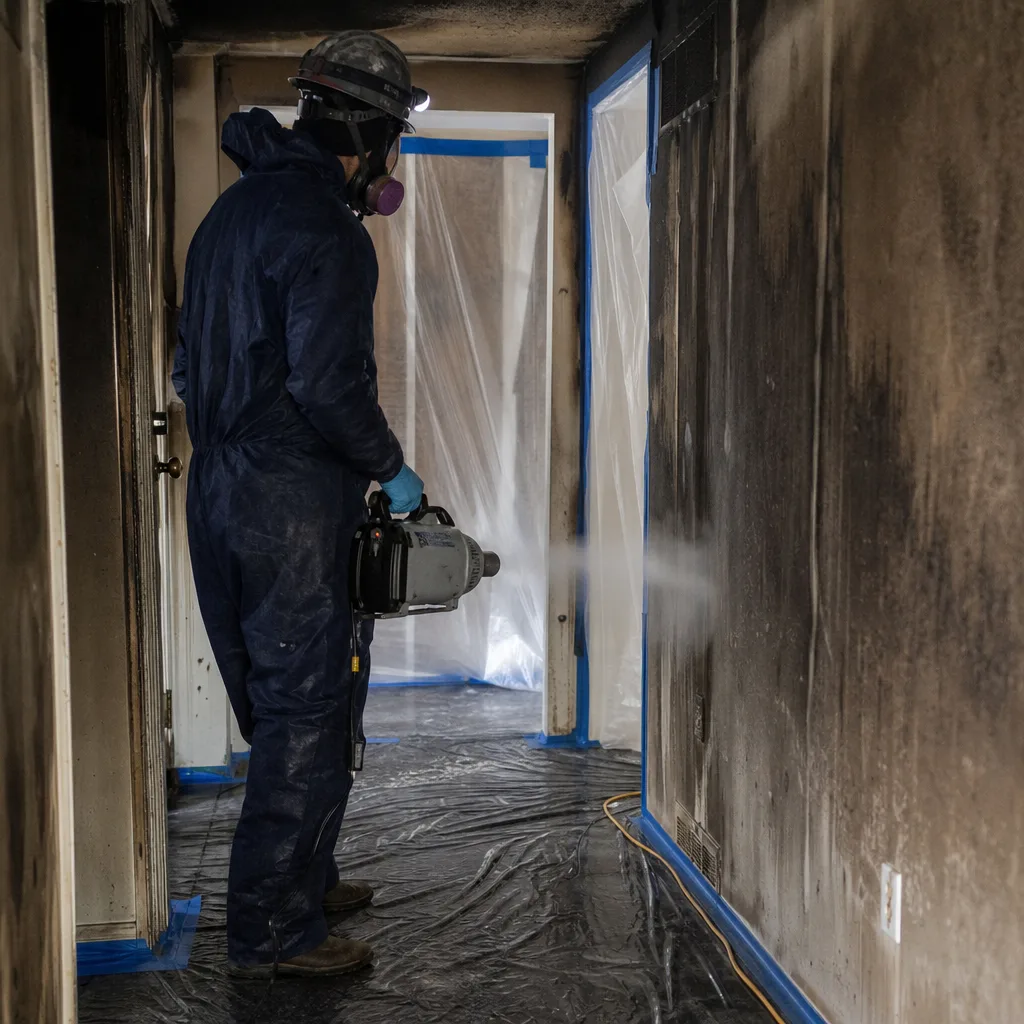
Basement Water Removal
Forest Hills’s many detached and semi-detached homes have below-grade spaces that flood during sewer backups and spring thaw events. We pump, extract, and dry basements with low-grain refrigerant dehumidifiers and specialized air movers for confined spaces. Moisture readings are taken at slab level and up wall cavities to catch wicking that surface checks miss.
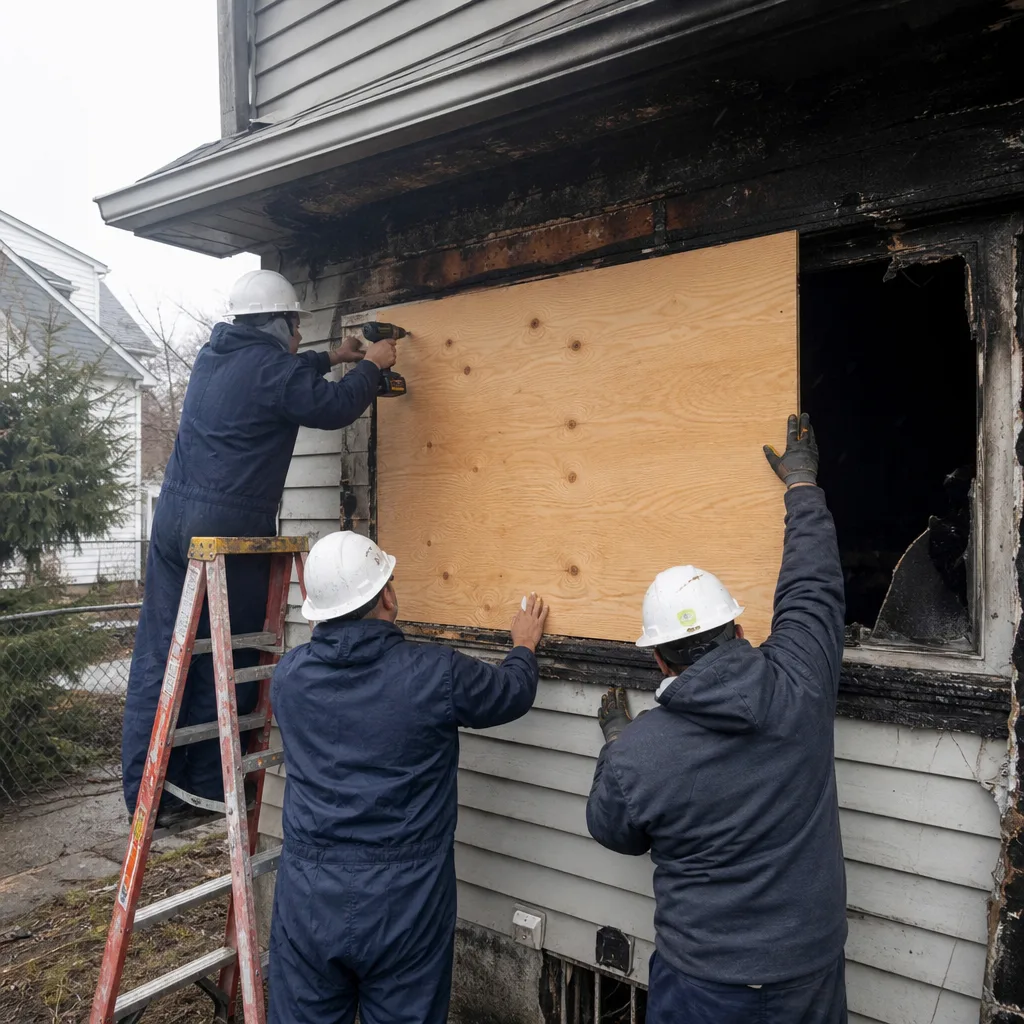
Ceiling & Roof Leak Water Damage
Original slate roofs in Forest Hills Gardens and aging flat roofs on pre-war co-ops are both chronic leak sources. We trace water paths through multiple floors, document ceiling damage with photo records, and coordinate temporary protection that respects Gardens Corporation covenants. Inside the Gardens, even emergency tarps are only a temporary fix - the Corporation prohibits replacing original slate with asphalt shingles, so we maintain pre-vetted sources for matching reclaimed or handmade slate before estimates are written.
What happens when you call
- 1
A real person answersNo phone trees - you reach a local pro.
- 2
You get an upfront price rangeHonest numbers before anyone is dispatched.
- 3
A background-checked tech heads outLicensed & insured, dispatched right away.
- 4
You approve before work beginsNothing starts until you say go.
BeforeAfterCommon Water Damage Restoration Problems We See in Forest Hills Homes
- Sewer backups during intense rainfall. Forest Hills’s combined sewer system overflows regularly, sending contaminated water into finished basements near Yellowstone Boulevard and the lower blocks off Queens Boulevard. Category 2 water requires material removal and antimicrobial treatment under IICRC protocols.
- Hidden moisture in plaster-and-lath walls. Original plaster wicks water vertically and horizontally behind intact surfaces, creating hidden reservoirs that feed mold growth. Non-invasive moisture mapping finds what visual inspection misses.
- Freeze-thaw damage to lime-mortar joints. Winter cycles crack the original mortar in Forest Hills’s abundant brick construction, creating chronic water-intrusion pathways that re-emerge every spring. We trace these paths to source, not just symptom.
- Gardens Corporation scope rejections. Contractors who don’t document pre-loss condition of period materials or who specify non-matching replacements see their scopes rejected by the Forest Hills Gardens Corporation, delaying reconstruction for weeks.
Pricing for Water Damage Restoration in Forest Hills, NY
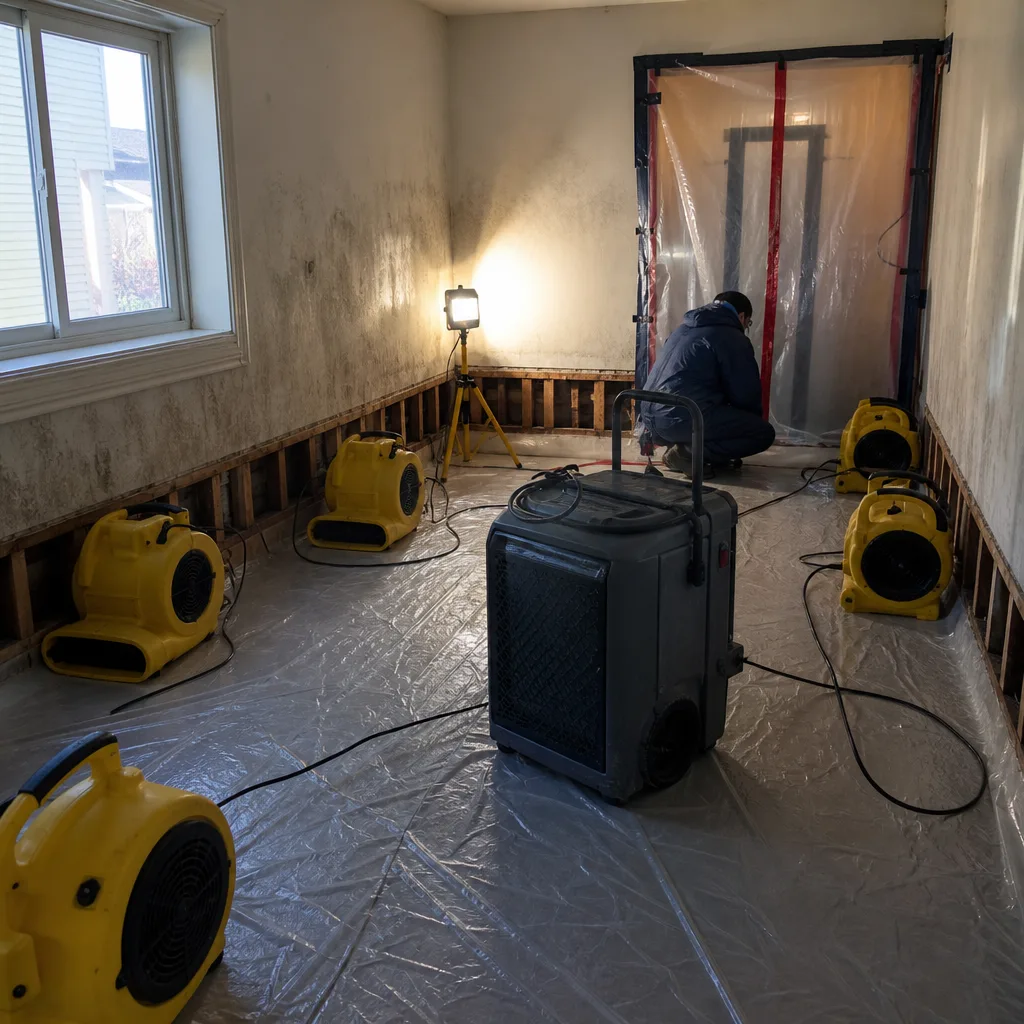
Water damage restoration in Forest Hills typically runs $2,800-$6,500 for standard residential mitigation, with reconstruction adding $4,000-$15,000 depending on materials and scope complexity. Emergency water extraction alone ranges $1,200-$2,400 for most Forest Hills homes. Structural drying and dehumidification runs $150-$250 per day per piece of equipment, with most jobs requiring 3-5 days.
Inside Forest Hills Gardens, expect 15-30% higher reconstruction costs due to period-appropriate material requirements: natural slate at $18-$35 per square foot installed, matching casement windows at $800-$2,200 per unit, and specific stucco formulations that must be sampled and matched. Co-op jobs may carry additional administrative costs for board documentation and proprietary-lease compliance review.
Every job is quoted in writing before work begins, Haven Standard, Clause 1. We do not add scope-creep charges once our crew is inside your home. Bring any competitor’s written estimate and we’ll review it at no charge - our free second opinion is available on every job. Call (516) 386-9007 for a written price.
We Also Serve Cities Near Forest Hills
Our crews respond daily throughout central Queens, including Water Damage Restoration in Forest Hills and neighboring Rego Park, Middle Village, Elmhurst, and Jackson Heights. Each community shares Forest Hills’s pre-war housing stock and aging infrastructure, and our documentation protocols are adapted to the specific building types and board requirements of each area.
Serving Forest Hills, NY - Our Local Coverage Area
We’re based in the Forest Hills area and know this community well. Use the map below to see our service coverage - if you’re nearby, we can almost certainly help.
FAQs - Water Damage Restoration in Forest Hills
Mold colonization begins on wet organic materials in 24 to 48 hours, and Forest Hills’s original plaster-and-lath walls provide ideal substrate. The lime plaster itself is alkaline and somewhat resistant, but the horsehair binder and accumulated dust in wall cavities are not. We have found active mold growth behind intact plaster in Forest Hills Gardens homes on day three of an undetected leak. Call (516) 386-9007 immediately if you suspect hidden moisture - our moisture mapping finds what you can’t see.
For any work visible from the exterior or affecting period materials, yes. The Gardens Corporation enforces architectural covenants dating to 1909 that require natural slate, specific stucco formulations, and matching casement windows. We document pre-loss condition of all affected materials as standard protocol, and we maintain pre-vetted sources for reclaimed and handmade slate so our scopes are approved without revision. This documentation is included in every job file, never sold as an upsell.
Three sources dominate our Forest Hills call volume: aging cast-iron drain stack joint failure in pre-war co-ops, combined sewer backups during intense rainfall, and winter freeze-thaw damage to original plumbing and lime-mortar joints. The 1928-1940s housing stock was built with materials now at end of service life, and the neighborhood’s inland geography doesn’t protect it from the increasingly intense precipitation events stressing NYC’s aging sewer infrastructure. Call (516) 386-9007 for a free assessment if you’re seeing chronic moisture or staining.
Often yes, if we reach it quickly. Injectidry cavity-drying systems and controlled dehumidification can dry plaster-and-lath walls in place when moisture content is caught below 20% wood-moisture equivalent. We use non-invasive meters to map the wall cavity first, then place drying equipment to create vapor pressure differentials that pull moisture out through the plaster face. If the plaster has delaminated from the lath or mold is established behind it, selective removal is necessary and is photo-documented before any material is touched. Call (516) 386-9007 for moisture mapping - estimates are free.
Co-op boards cannot legally block emergency mitigation that prevents further damage to the building or other units, but proprietary-lease damage clauses often create confusion about who authorizes what. We have worked with Forest Hills co-op boards on Austin Street, Queens Boulevard, and Yellowstone Boulevard and understand their documentation requirements. We begin emergency extraction immediately while simultaneously notifying the board and managing agent with photo documentation and a written scope. This parallel process prevents the delays that let moisture sit past the mold window. Call (516) 386-9007 - we know the local co-op landscape and how to keep your claim moving.
Written by Alicia Brennan, Owner at Back to Dry Restoration, serving Forest Hills since 2011.
Water Damage Restoration in Nearby Areas