
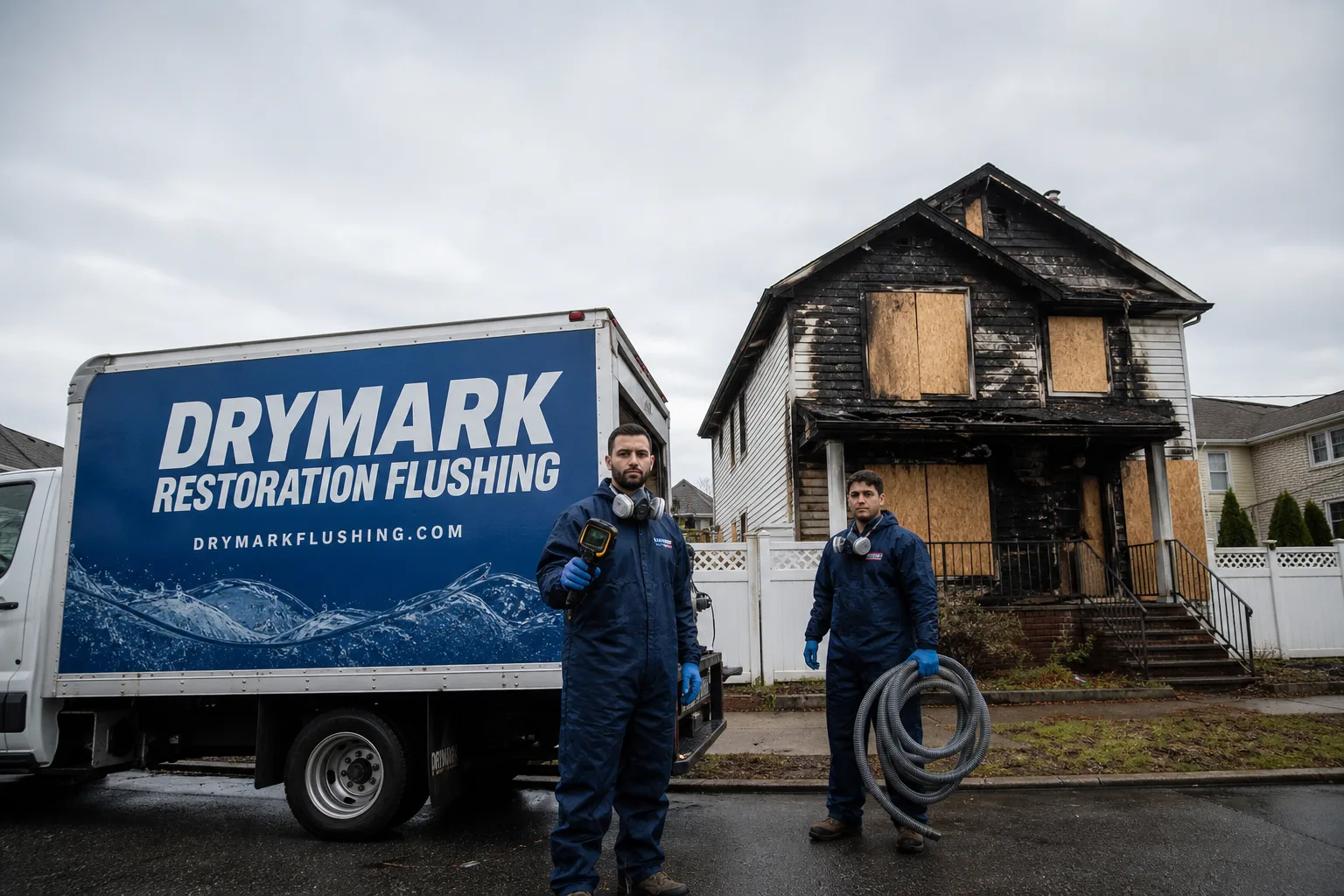
Free visual inspection and a written scope of work before any mitigation begins - photos, moisture readings, and drying logs go in your claim file
The scope we write is the scope we bill. Anything new gets shown to you, in writing, before we touch it.
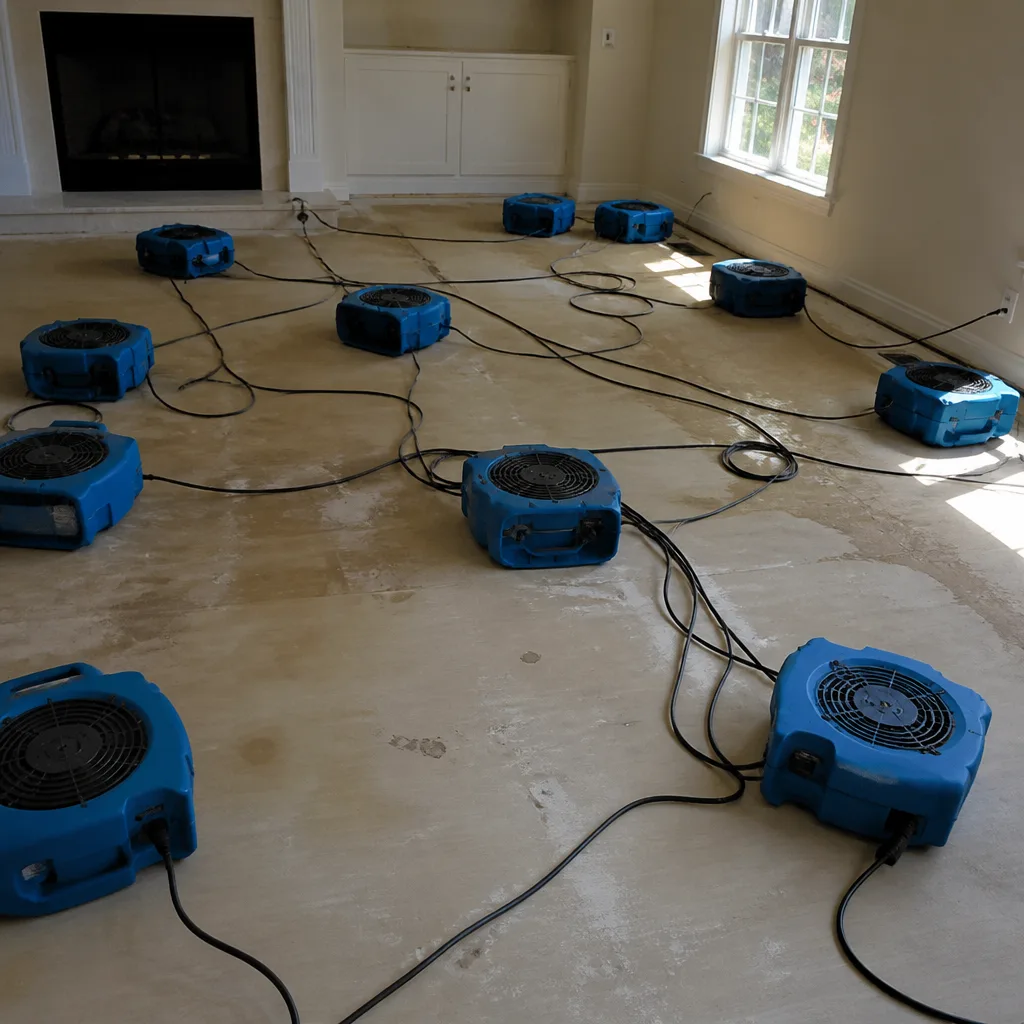
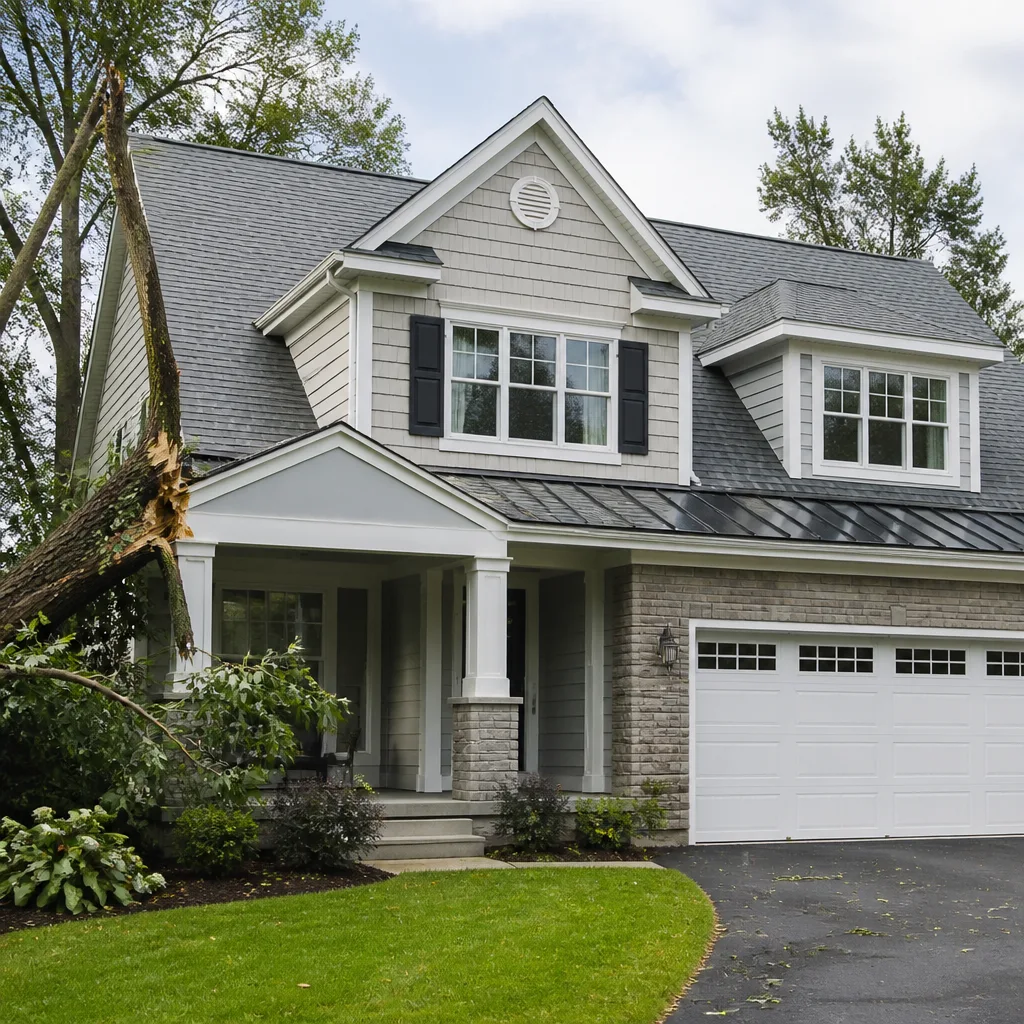
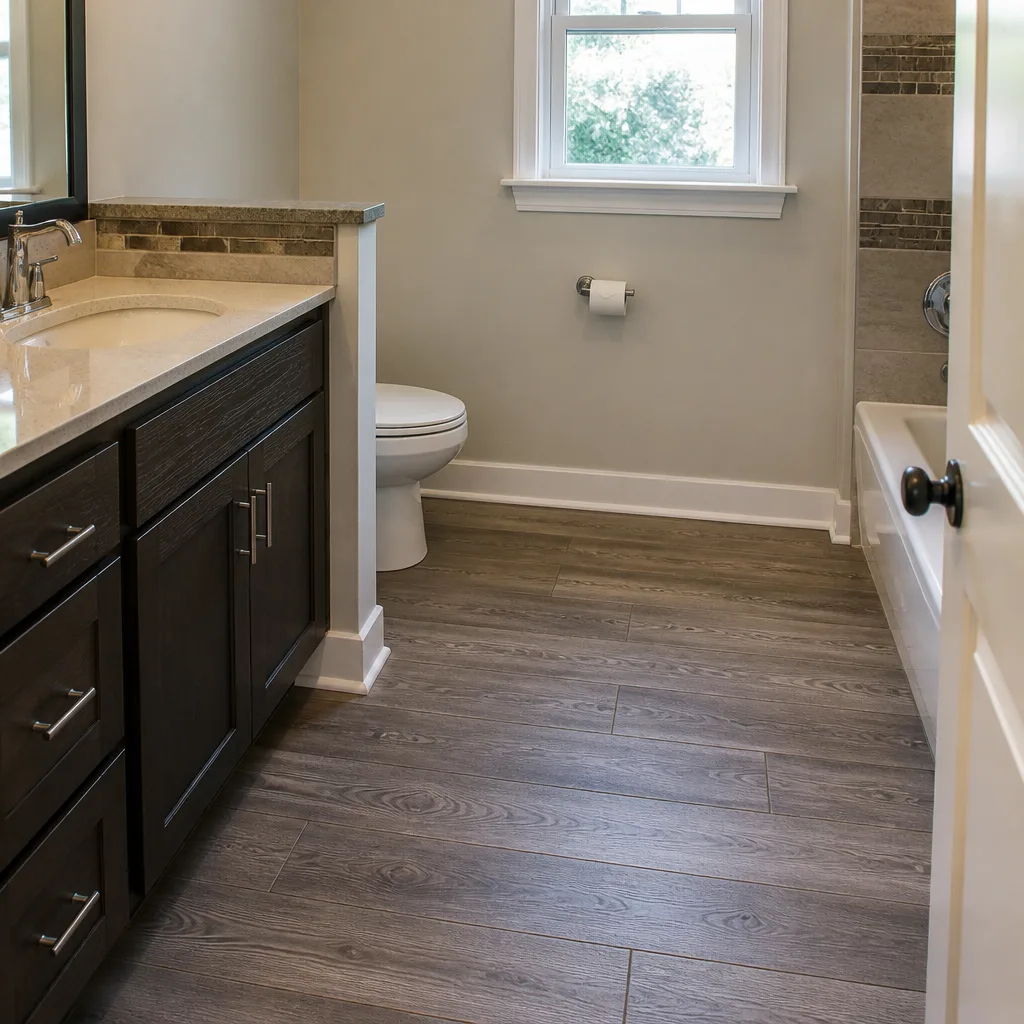
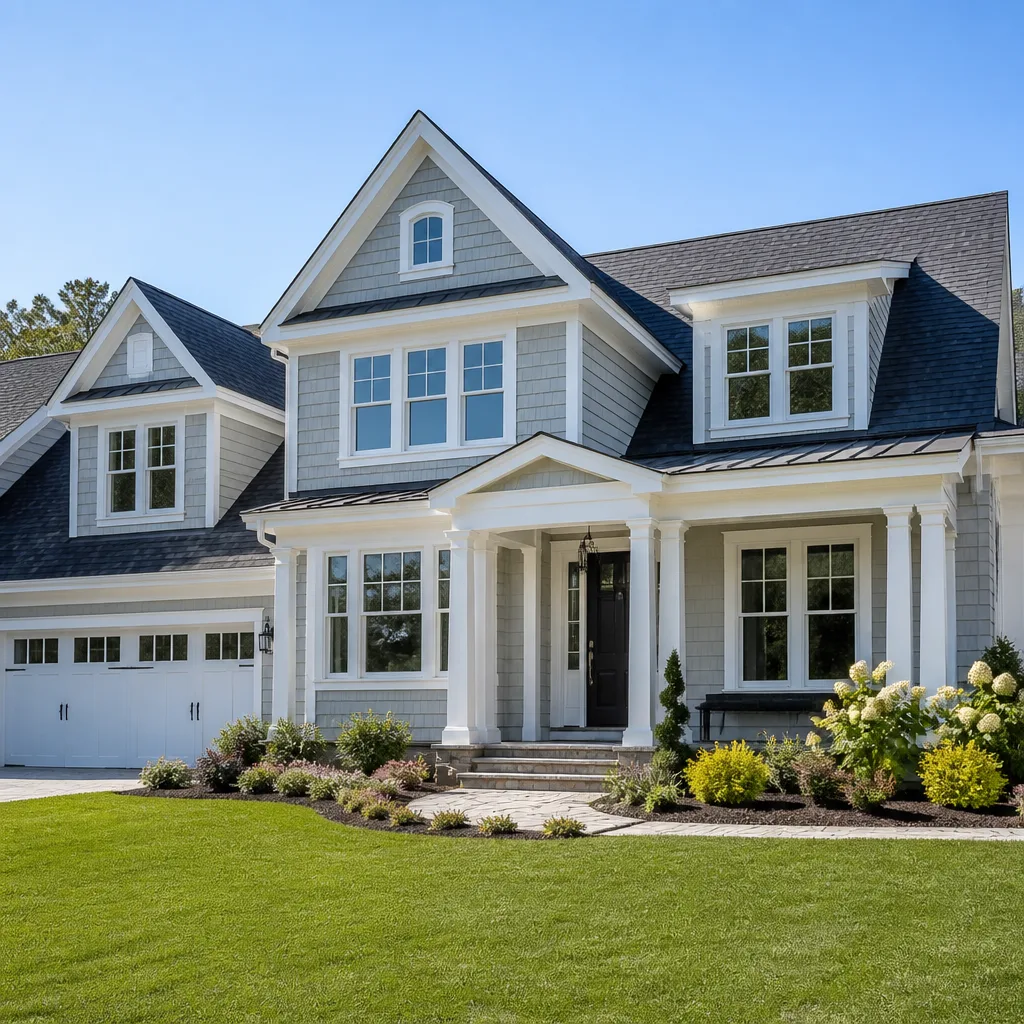
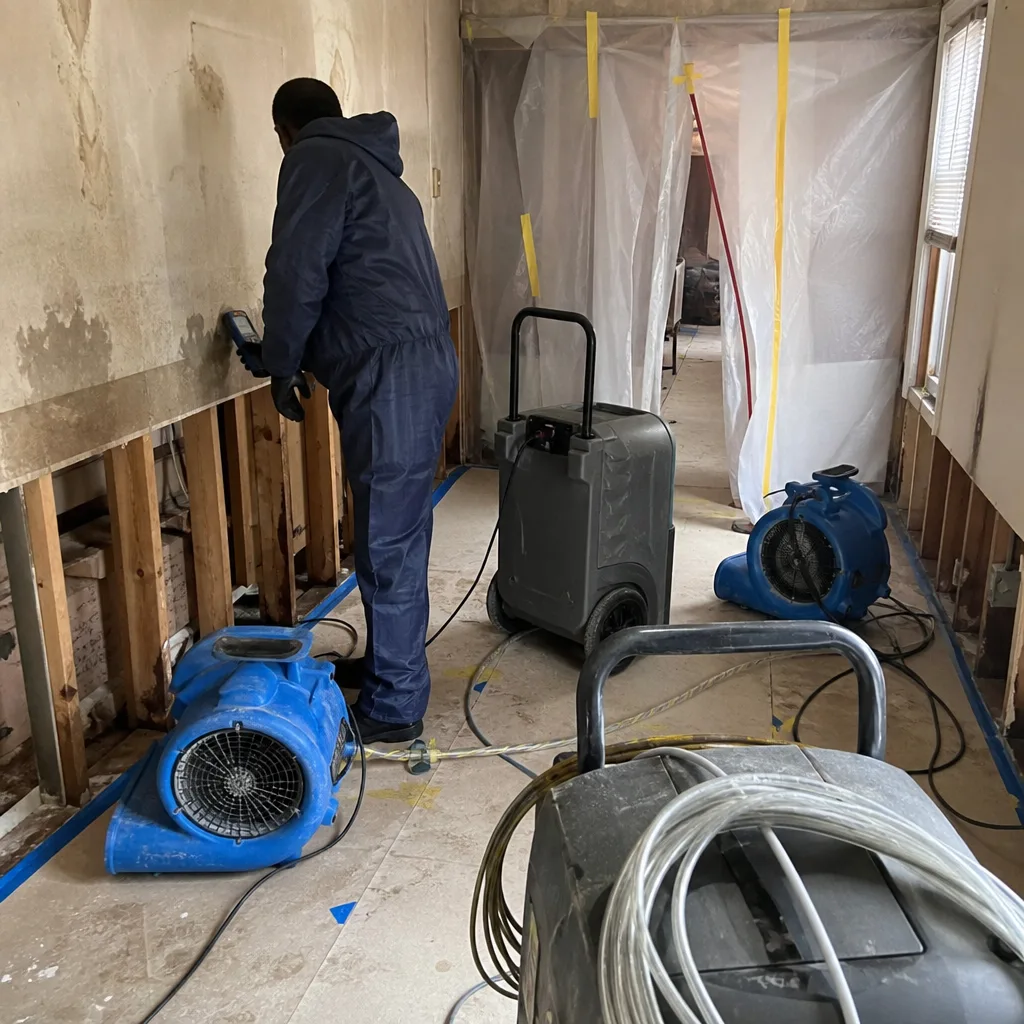 Before
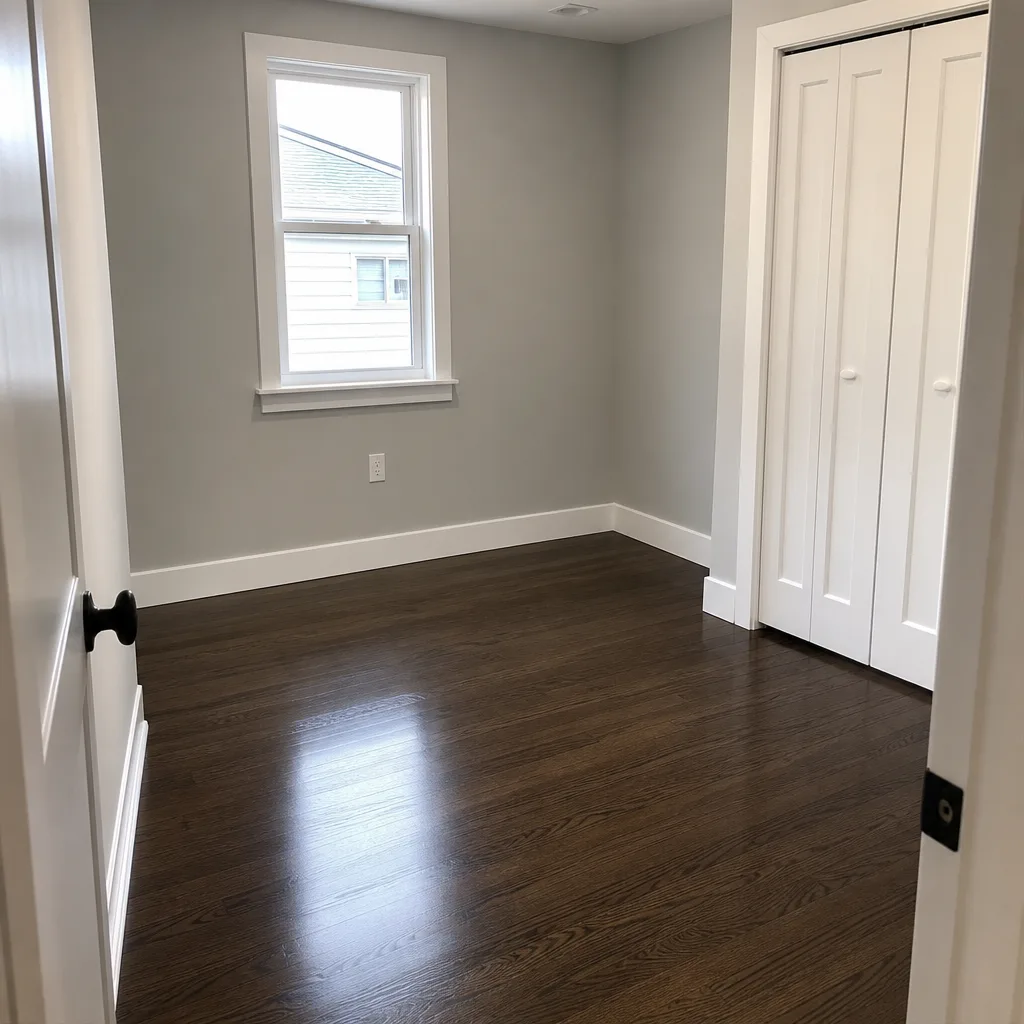 After
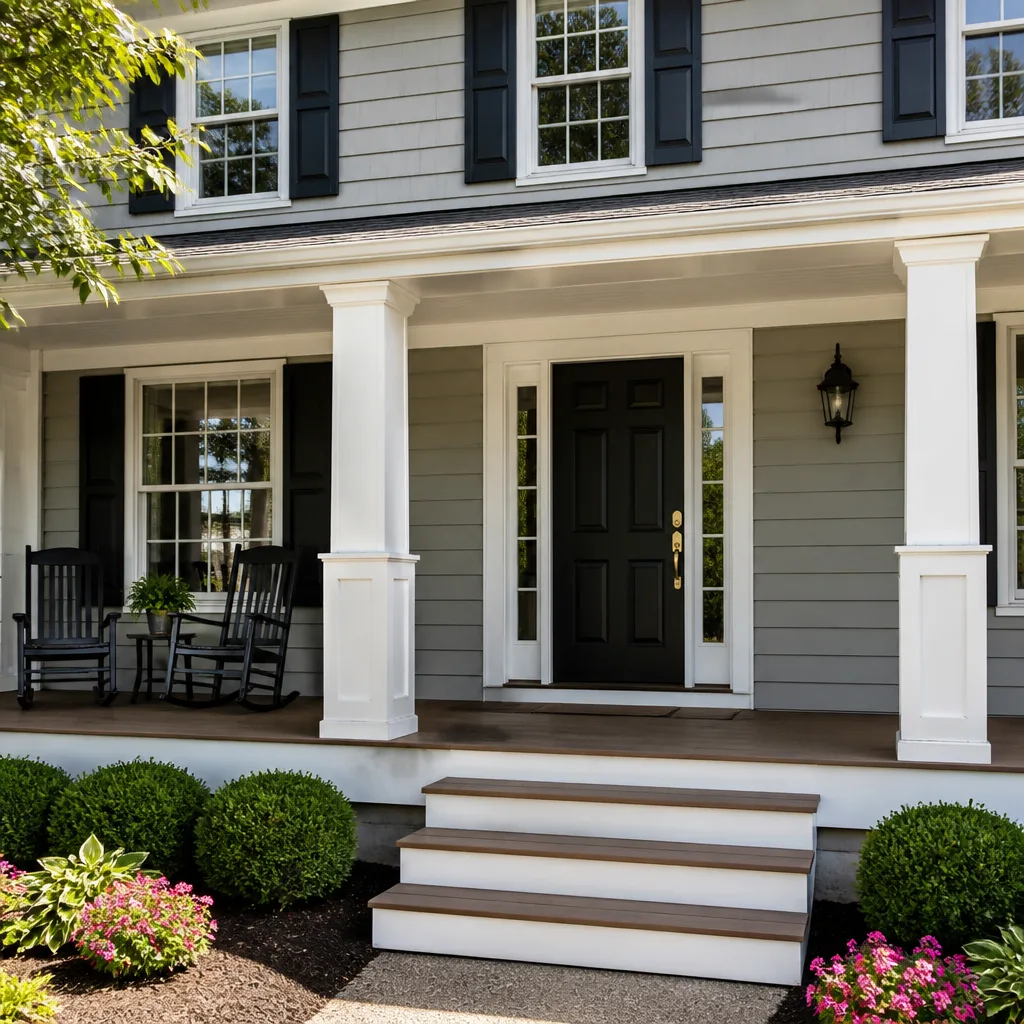
After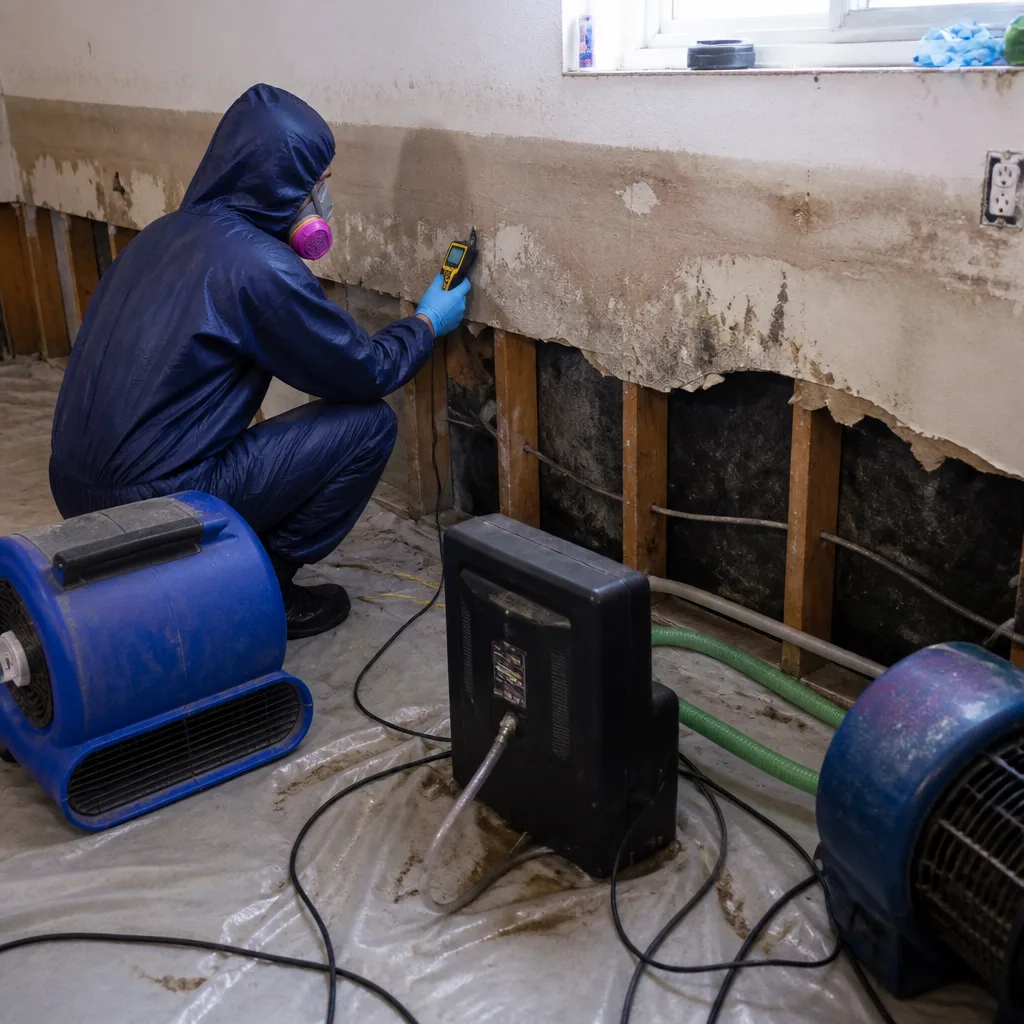 Before
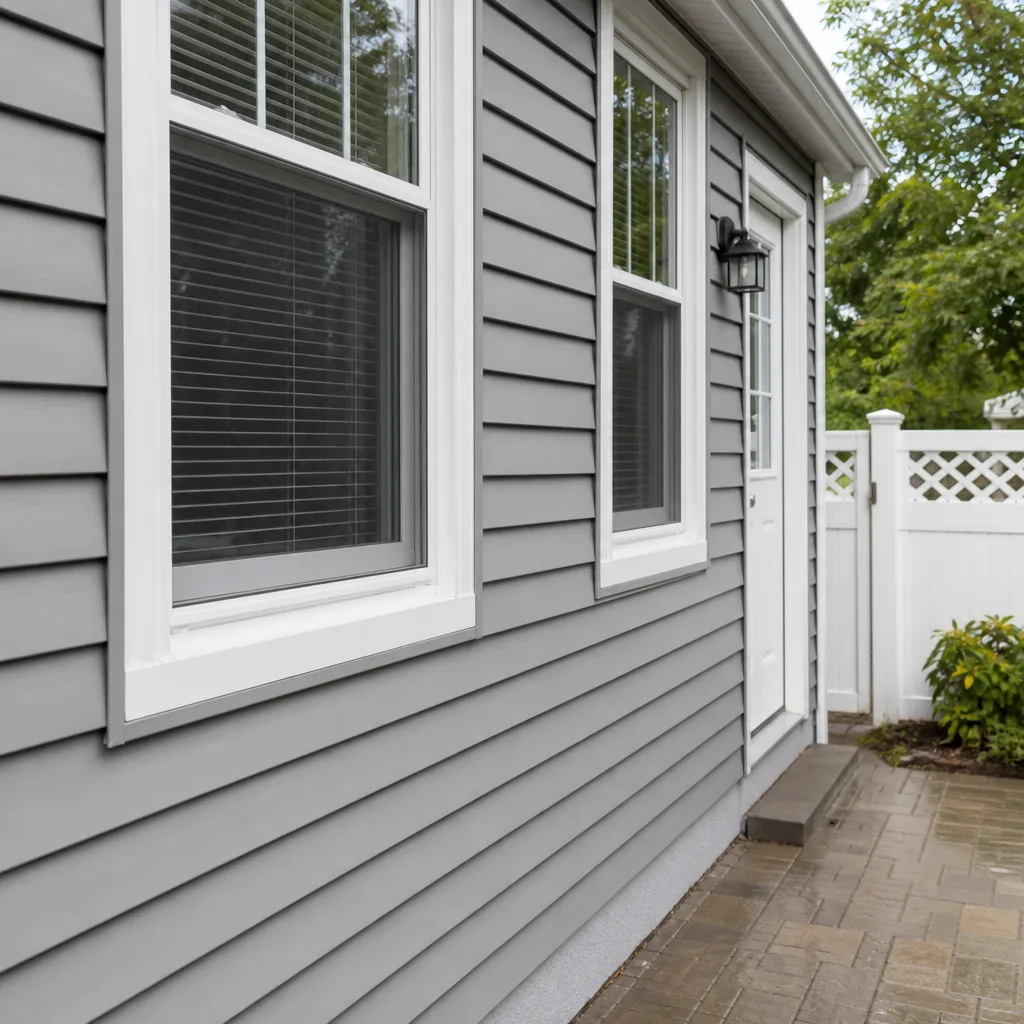 After
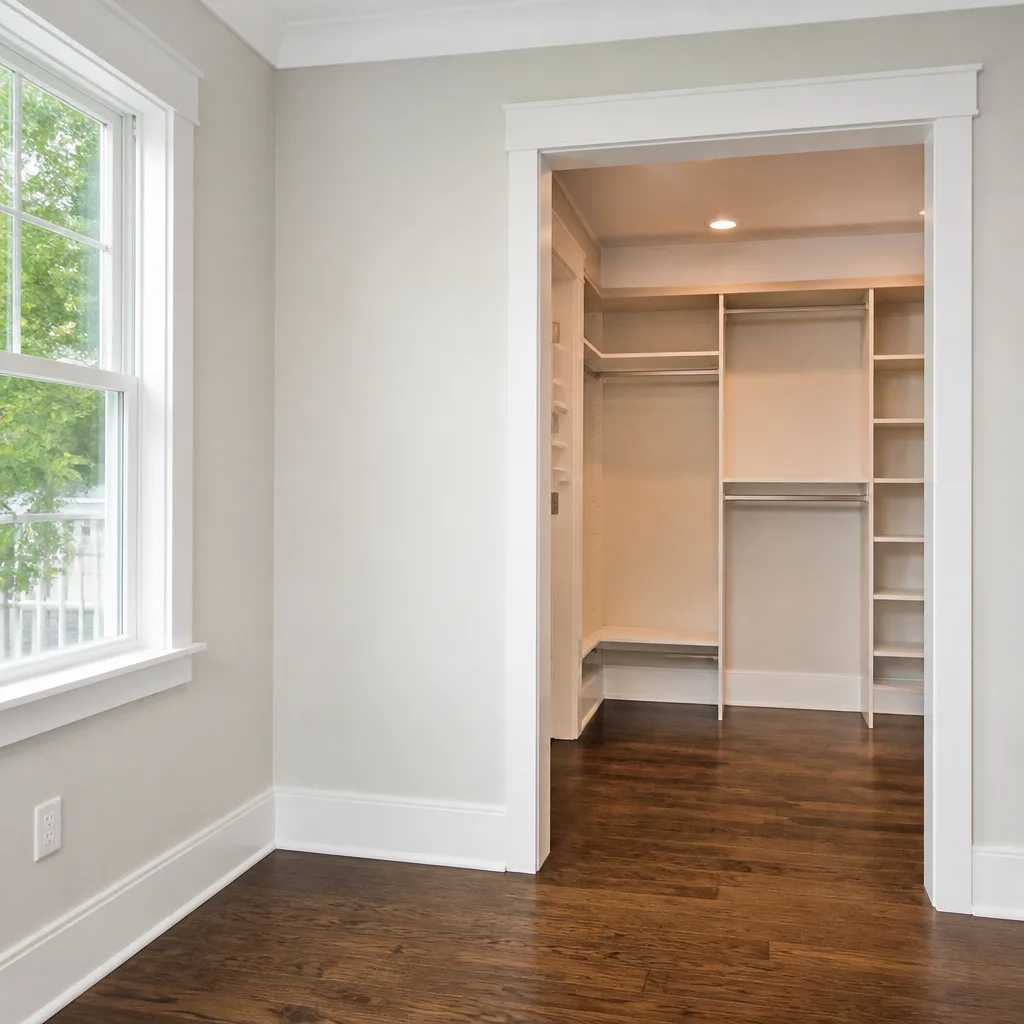
After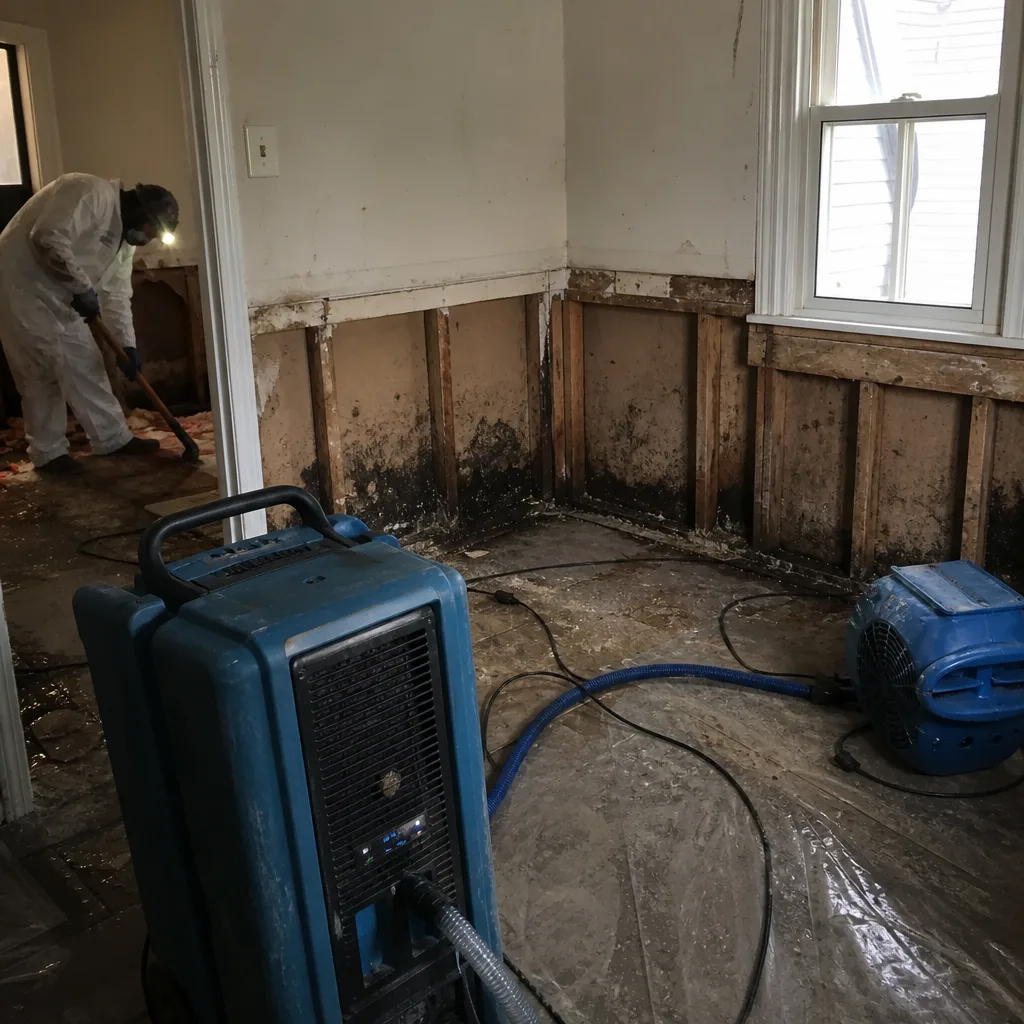 Before
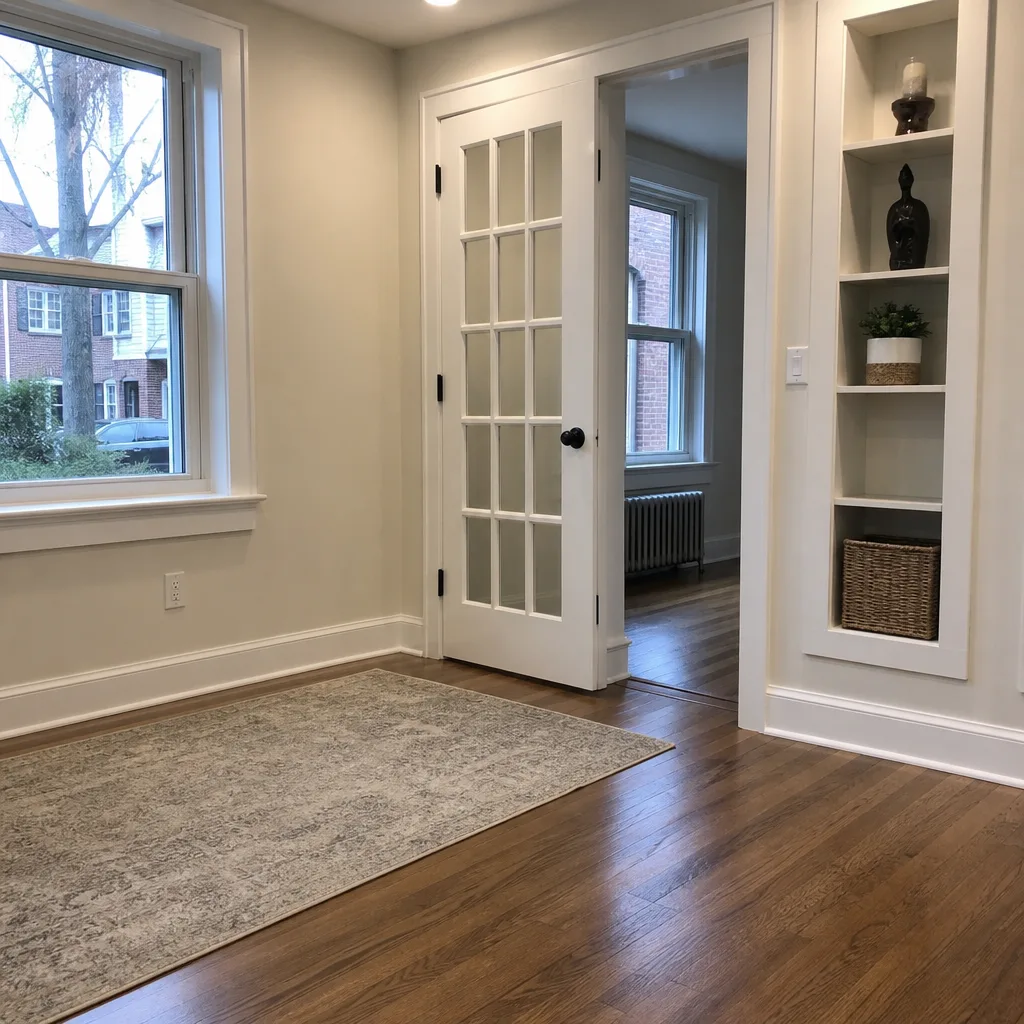 After
AfterFast, Reliable Water Damage Restoration Across Whitestone
Water damage restoration in Whitestone, NY typically costs $2,800-$7,500 for a standard residential loss, with emergency extraction starting at $450-$950 and structural drying running $1,800-$4,200 depending on affected square footage and material type. Most Whitestone homes need 3-5 days of active drying, though older waterfront properties often extend to 7-10 days due to plaster-on-lath construction and layered moisture from prior flood events. Call (516) 386-9007 any hour - a live person answers, and we’ll have a crew to your Whitestone address within 60-90 minutes.
We’ve restored water-damaged homes from the Cross Island Parkway corridor to the Little Neck Bay shoreline, and we know Whitestone’s housing stock intimately. The Colonials and Cape Cods built between the 1920s and 1950s that dominate this peninsula weren’t constructed with modern vapor barriers or drainage planes. When water enters - whether from a burst cast-iron drain line, a nor’easter surge, or a failed sump pump - it doesn’t behave the way it does in newer Queens construction. Our Water Damage Restoration team documents every moisture reading, every photo, every drying log to IICRC standards because we’ve seen what happens when documentation gaps cost homeowners their insurance claims.
Why DryMark Restoration Flushing Is Whitestone’s Preferred Water Damage Restoration Company
Our reputation in Whitestone was built on jobs where the scope turned out to be larger than anyone expected - and we still honored our written price. Haven Standard, Clause 1: the price you sign before work starts is the price you pay. No exceptions.
Homeowners in the 11357 ZIP and along Clintonville Street, 14th Avenue, and the Willets Point Boulevard corridor call us back because we find what others miss. The field vignette we return to most often: On a Colonial near the Little Neck Bay side of Whitestone, what the owner called a new roof leak traced back to 2012-era post-Sandy drywall; when we pulled it, unfaced fiberglass insulation was still damp against original plaster-on-lath. We ran containment and antimicrobial treatment, set Dri-Eaz and Phoenix dehumidifiers with XPOWER air movers, and logged daily moisture readings until the legacy wall cavity finally hit dry standard.
That job took nine days. The homeowner’s insurance paid in full because our documentation - photo record on every visit, written scope signed before demolition, psychrometric data showing vapor pressure differential - left no room for dispute.
Response time to Whitestone averages under 75 minutes from dispatch. Our New York City office coordinates scheduling; crews serve Whitestone locally and carry the equipment to begin extraction immediately on arrival.
Our Water Damage Restoration Services in Whitestone
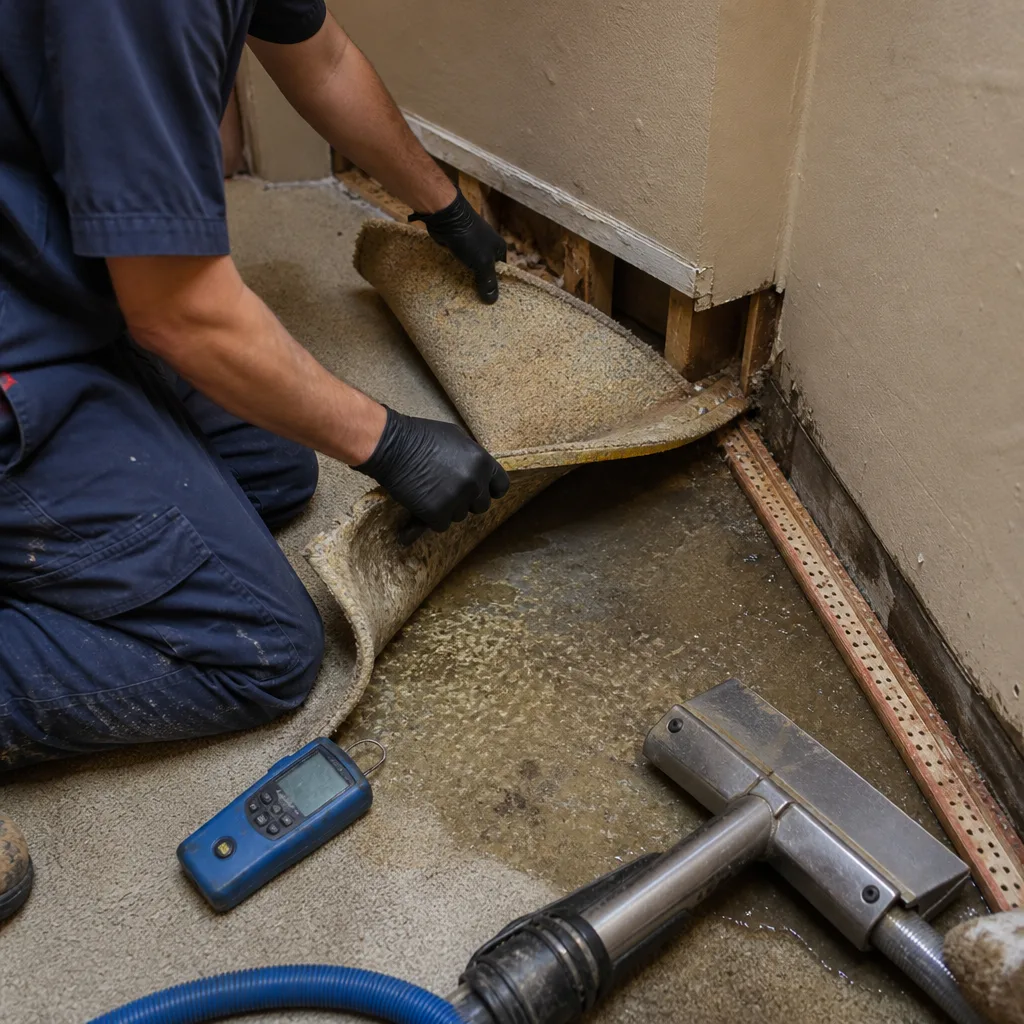
Emergency Water Extraction
When a washing machine hose fails on the second floor of a Whitestone Cape Cod or a cast-iron drain line cracks in a 1940s Colonial basement, standing water moves fast. We extract with truck-mounted and portable systems, then deploy sub-surface extraction tools for saturated carpeting. Every extraction is photo-documented before and after, with moisture readings recorded at dry standard targets for each material class.
Structural Drying & Dehumidification
This is where Whitestone’s housing stock demands specialized expertise. Plaster-on-lath walls - the norm in pre-1960 Whitestone homes - hold roughly three times the moisture of modern drywall and release it far more slowly. Standard drying timelines fail here. We calculate vapor pressure differential (the force that drives moisture from wet materials into dry air) and adjust our dehumidifier capacity accordingly, using Injectidry cavity drying systems to force dry air into wall voids without destructive demolition where possible. Daily drying logs track specific humidity, temperature, and grain depression until materials reach IICRC-established dry standards.
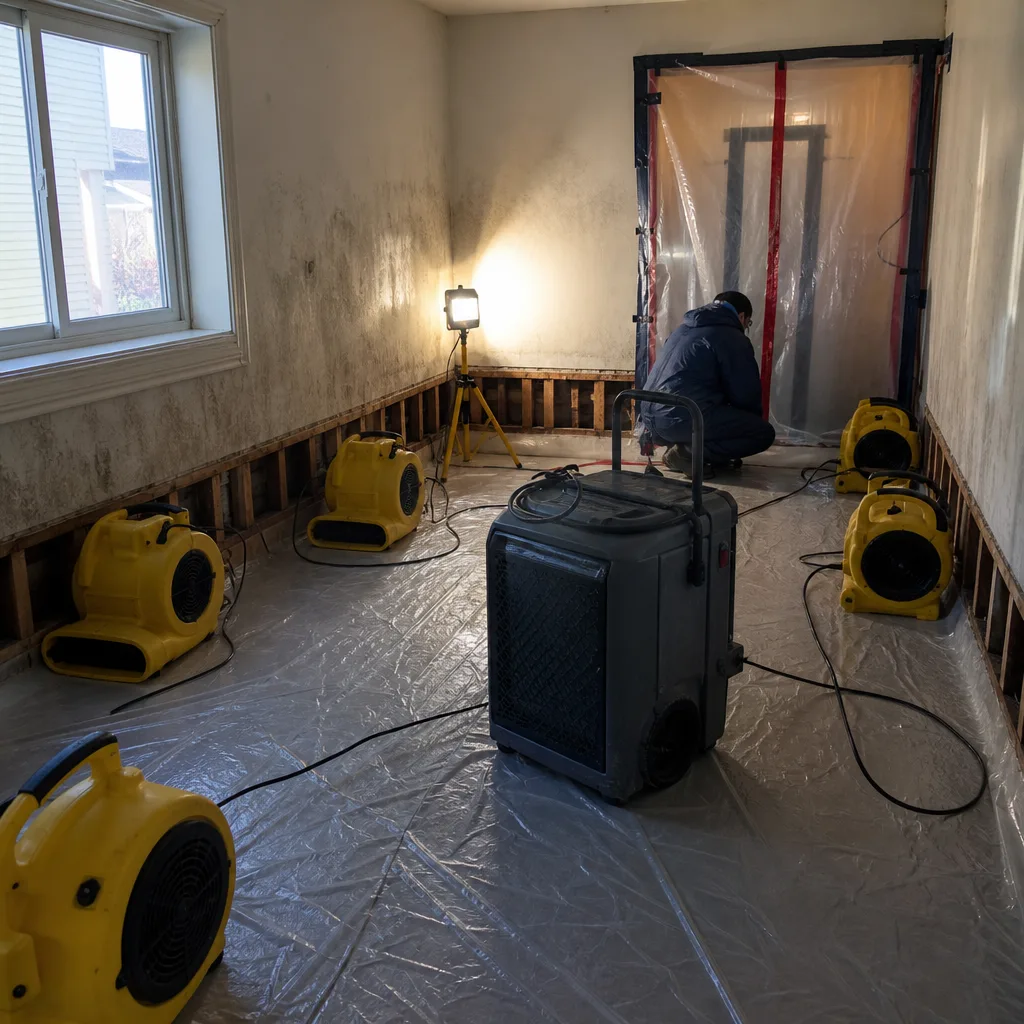
Flood Cleanup
Whitestone’s position on a peninsula flanked by Little Neck Bay and the East River/Long Island Sound places extensive residential areas inside FEMA flood zones. Storm surge from nor’easters and tropical storms - most devastatingly Hurricane Sandy in 2012 - has repeatedly inundated basements and first floors here. Flood cleanup in Whitestone is often complicated by pre-existing, sometimes undisclosed prior flood history rather than a clean single-loss event. Our moisture mapping routinely finds elevated readings in rooms the homeowner insists have never leaked. We test for category progression (clean water degrading to gray or black through contact with soil, sewage, or long-standing saturation) and scope accordingly - with a written price before any work begins.
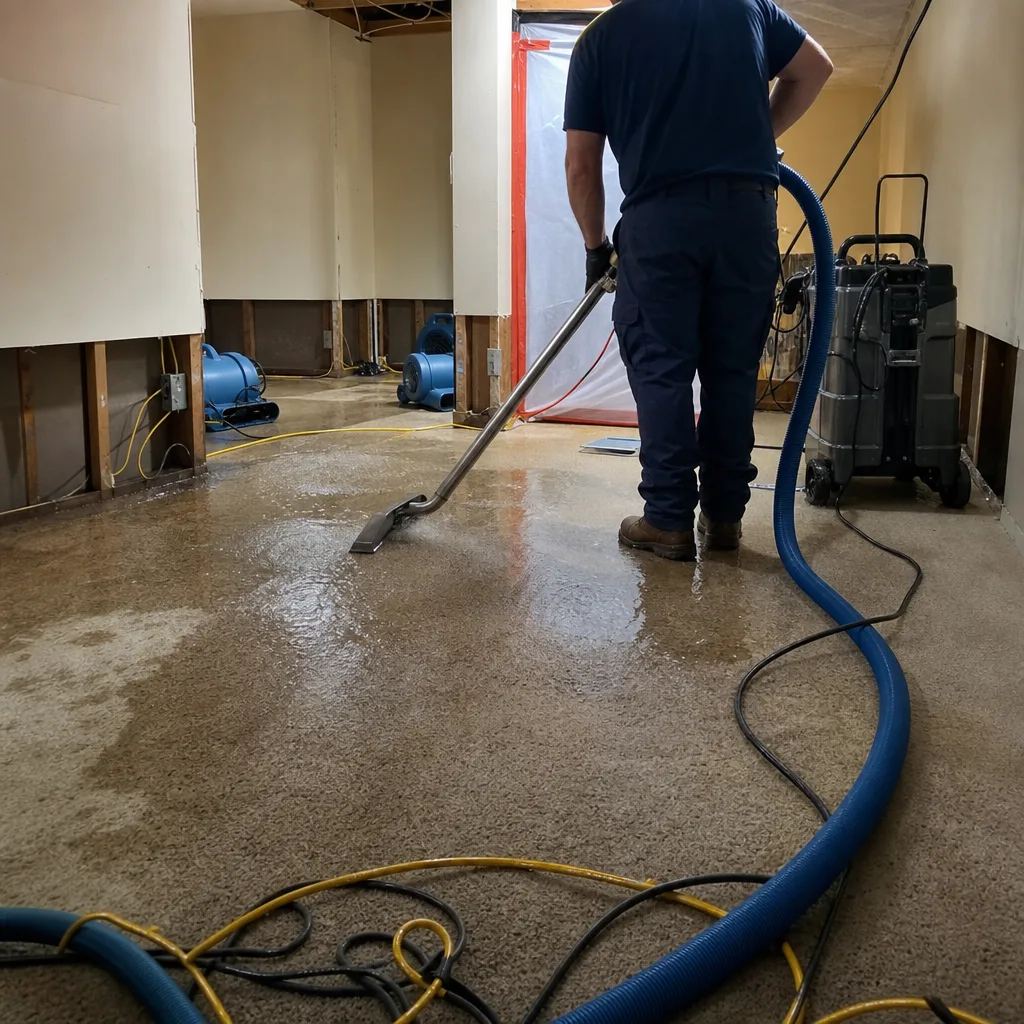
Burst Pipe Restoration
Whitestone’s original cast-iron drain lines and early copper supply pipes fail predictably in winter freeze-thaw cycles and simply from age. A burst pipe in a 1930s Colonial on the bay side can send water through original knob-and-tube or early Romex wiring channels, extending the affected area beyond visible wet spots. We map the full migration path with thermal imaging and moisture meters, then deliver a written scope addressing both the immediate water damage and any necessary electrical safety coordination.
Basement Water Removal
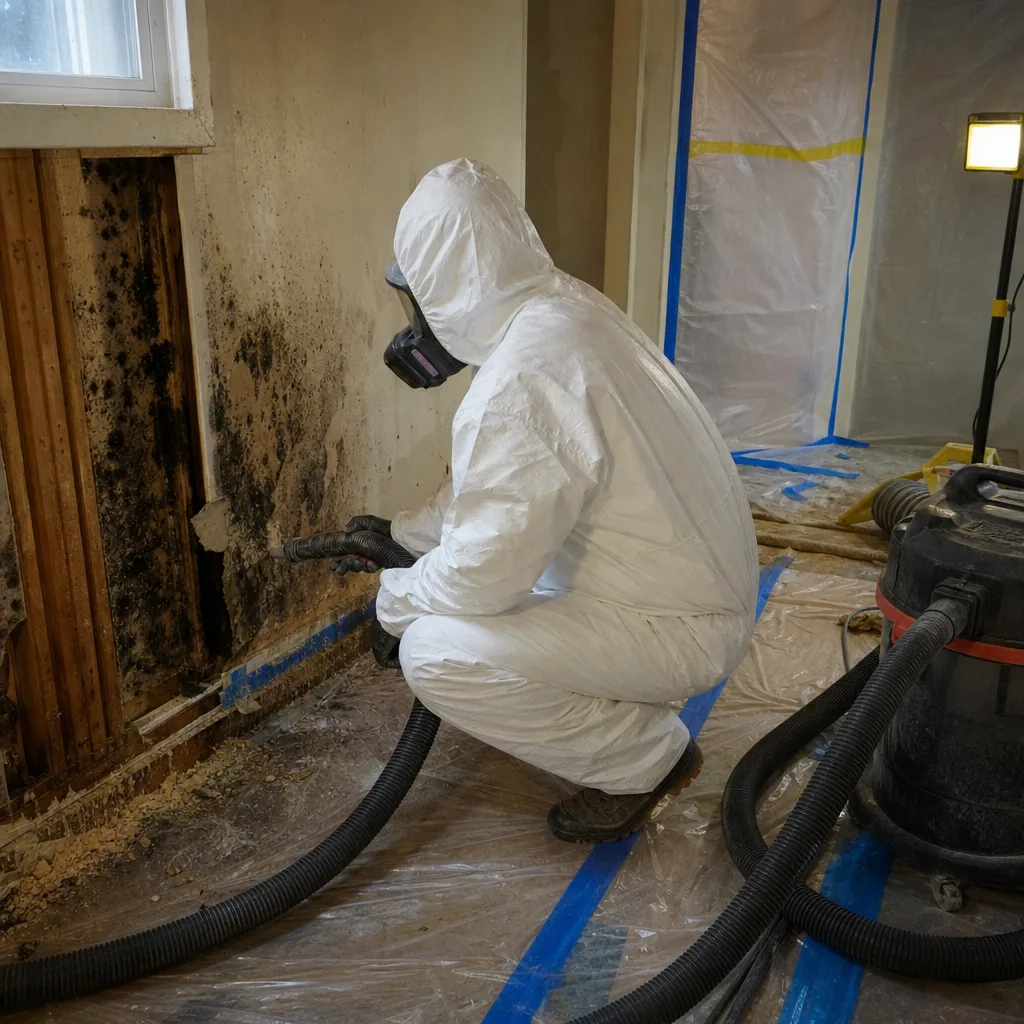
Basements in Whitestone sit at or near the water table, particularly within a block or two of Little Neck Bay. Salt-air humidity accelerates mold colonization after any water intrusion; homes here routinely see secondary mold growth appear faster than inland Queens properties under identical moisture readings. Basement water removal requires more aggressive drying and antimicrobial protocols, with dehumidification capacity sized for the latent moisture load in foundation walls and slab.
Ceiling & Roof Leak Water Damage
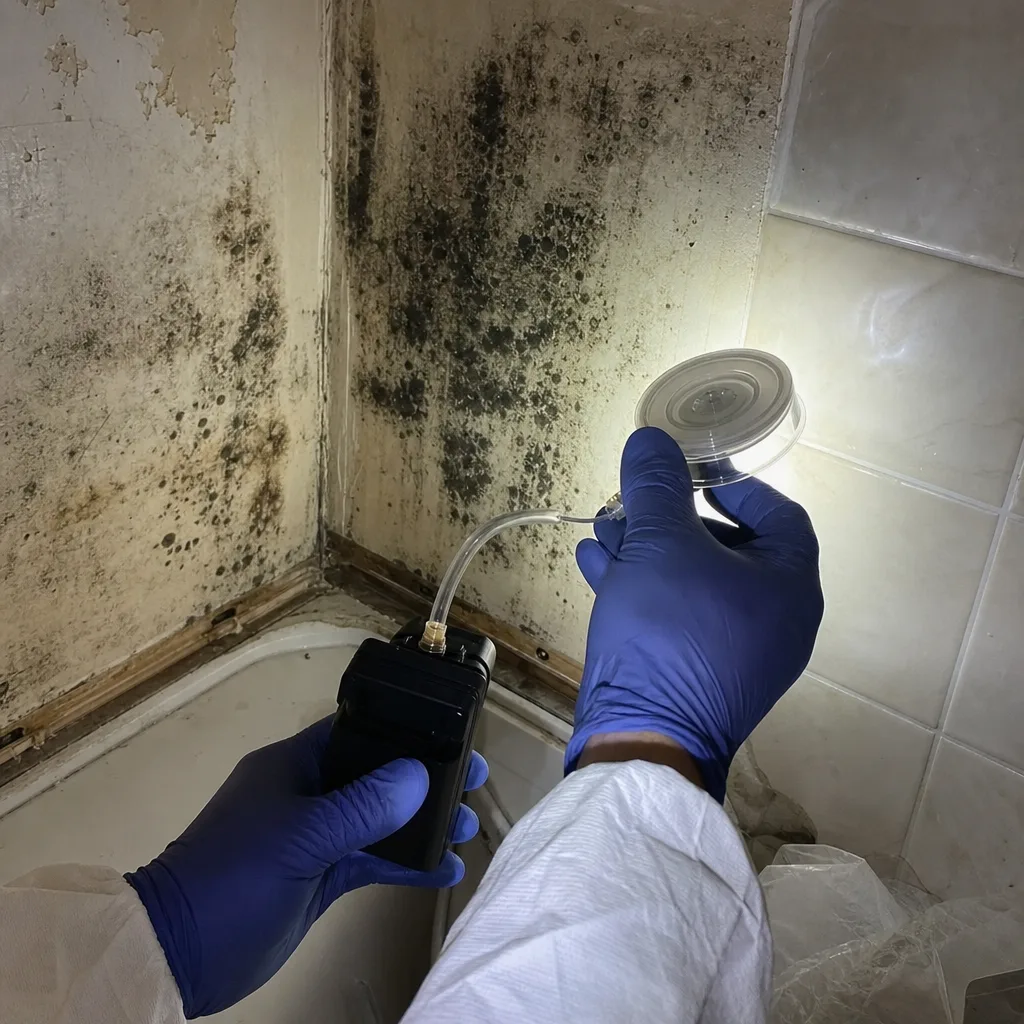
Roof leaks in Whitestone’s older homes often follow ice damming on shallow-pitch Cape Cod roofs or wind-driven rain through aging flashing. The damage pattern is rarely confined to the visible stain. We inspect attic spaces, soffit ventilation, and insulation condition - including that post-Sandy “renovation” insulation that may be trapping moisture against original plaster ceilings.
What happens when you call
- 1
A real person answersNo phone trees - you reach a local pro.
- 2
You get an upfront price rangeHonest numbers before anyone is dispatched.
- 3
A background-checked tech heads outLicensed & insured, dispatched right away.
- 4
You approve before work beginsNothing starts until you say go.
BeforeAfterTrusted Equipment & Standards We Deploy in Whitestone
Our drying systems are professional-grade equipment from Dri-Eaz, Phoenix, XPOWER, B-Air, and Injectidry - not hardware-store rentals. In Whitestone, where plaster-on-lath and layered flood history extend normal drying timelines, equipment specification matters. A standard residential job might run two Phoenix 200 HT dehumidifiers and four XPOWER air movers; a waterfront Colonial with post-Sandy concealed moisture could need Injectidry cavity drying, negative air containment, and HEPA-filtered air scrubbing. All work is documented to IICRC, RIA, and IFA standards. The daily moisture logs we produce are the same documentation that turns restoration invoices into payable insurance claims - the reason Back to Dry Restoration was founded in 2011 by a former claims adjuster who saw too many homeowners lose coverage over documentation gaps.
Common Water Damage Restoration Problems We See in Whitestone Homes
- Post-Sandy quick-fix drywall trapping residual moisture. Restoration techs working Whitestone frequently pull back “renovated” drywall installed quickly in 2012-2013 and find residual moisture trapped against original plaster or unfaced fiberglass insulation that was never properly dried. What looks like a new roof leak becomes a full mold remediation job hidden behind fresh paint.
- Basements at or near the water table with salt-air humidity acceleration. On the Little Neck Bay side, persistent salt-air humidity pushes structural drying past normal timelines and accelerates mold colonization after any intrusion. Identical moisture readings in a Fresh Meadows basement and a Whitestone waterfront basement produce different mold timelines.
- Plaster-on-lath walls extending drying scope. Original plaster holds moisture longer than drywall, requires different drying targets, and complicates cavity access. Demolition decisions in Whitestone are rarely straightforward - we test salvageability before recommending removal.
- Original cast-iron drains and early electrical systems broadening restoration scope. A water loss that contacts knob-and-tube wiring or floods through a failed cast-iron main requires electrical safety clearance and plumbing coordination, extending both timeline and documentation requirements.
Pricing for Water Damage Restoration in Whitestone, NY
These ranges reflect actual Whitestone jobs we’ve completed, accounting for the older housing stock and waterfront conditions that extend scope:
| Service | Typical Range in Whitestone |
|---|---|
| Emergency water extraction | $450 - $950 |
| Structural drying & dehumidification (3-5 day standard) | $1,800 - $4,200 |
| Extended drying for plaster-on-lath or layered moisture | $3,200 - $6,800 |
| Flood cleanup with contamination protocol | $4,500 - $9,500 |
| Basement water removal with antimicrobial treatment | $2,200 - $5,600 |
| Burst pipe restoration with limited demolition | $2,800 - $7,500 |
What moves a job toward the higher end: plaster-on-lath construction requiring extended drying, post-Sandy concealed moisture requiring containment and antimicrobial treatment, category 2 or 3 water contamination, and electrical or plumbing coordination. Every job receives a written price before work begins - Haven Standard, Clause 1 - with no scope-creep additions once the crew is inside. Bring a competitor’s written estimate; we’ll review it at no charge with our Free Second Opinion.
We Also Serve Cities Near Whitestone
Our crews respond throughout northeast Queens, including Whitestone and neighboring Flushing, Bayside, College Point, and Fresh Meadows. Dispatch and scheduling are coordinated from our New York City office; each community receives the same documentation-first standard and live-phone response.
Serving Whitestone, NY - Our Local Coverage Area
We’re based in the Whitestone area and know this community well. Use the map below to see our service coverage - if you’re nearby, we can almost certainly help.
FAQs - Water Damage Restoration in Whitestone
Because Whitestone’s peninsula blocks sit inside FEMA flood zones and carry repeated surge history, many “water losses” here are layered events - fresh intrusion wicking into prior, never-fully-dried flood damage. Our moisture mapping routinely finds elevated readings in rooms the homeowner insists have never leaked. Post-Sandy quick repairs installed in 2012-2013 trap moisture behind new drywall, turning a small visible leak into a full wall-cavity remediation. Call (516) 386-9007 for an exact quote - estimates are free.
Unfaced fiberglass insulation or original plaster that was never fully dried in 2012-2013 is likely still holding moisture, supporting mold growth behind visually intact drywall. We see this pattern regularly in Whitestone basements. Thermal imaging and moisture mapping confirm the location without unnecessary demolition; containment and targeted drying follow, with photo documentation at every stage. Call (516) 386-9007 for an exact quote - estimates are free.
Under identical moisture readings, mold colonization in Whitestone waterfront properties typically begins 24-48 hours after intrusion - faster than inland Queens due to salt-air humidity elevating ambient moisture load. Homes within a block of Little Neck Bay need more aggressive drying and antimicrobial protocols from day one. Call (516) 386-9007 for an exact quote - estimates are free.
Yes. Category 1 (clean water) allows salvage of more materials; Category 2 (gray water) and Category 3 (black water, including sewage or floodwater) require removal of porous materials per IICRC standards. We test and document category on arrival, then build the written scope accordingly - no demolition without documented justification. Call (516) 386-9007 for an exact quote - estimates are free.
Often yes, depending on water migration path and material contamination. Cape Cod layouts in Whitestone typically have limited attic access and original plaster ceilings; we use Injectidry cavity drying and contained drying chambers to dry in place where structural integrity and contamination levels allow. A written scope with photo documentation precedes any work. Call (516) 386-9007 for an exact quote - estimates are free.
Water damage in Whitestone doesn’t follow standard playbooks. The 1920s-1950s housing stock, the waterfront exposure, the layered flood history - these conditions demand restoration technicians who document what they find, explain it in plain language, and put a written price in your hand before anyone picks up a tool. That’s The Haven Standard. It’s how we’ve operated since 2011. It’s why insurance adjusters pay our invoices without fight.
Call (516) 386-9007 now. A live person answers. We’ll schedule your free estimate, deliver a written scope, and start work only when you’ve seen and signed the price.
Written by Alicia Brennan, Owner at Back to Dry Restoration, serving Whitestone since 2011 under The Haven Standard.