
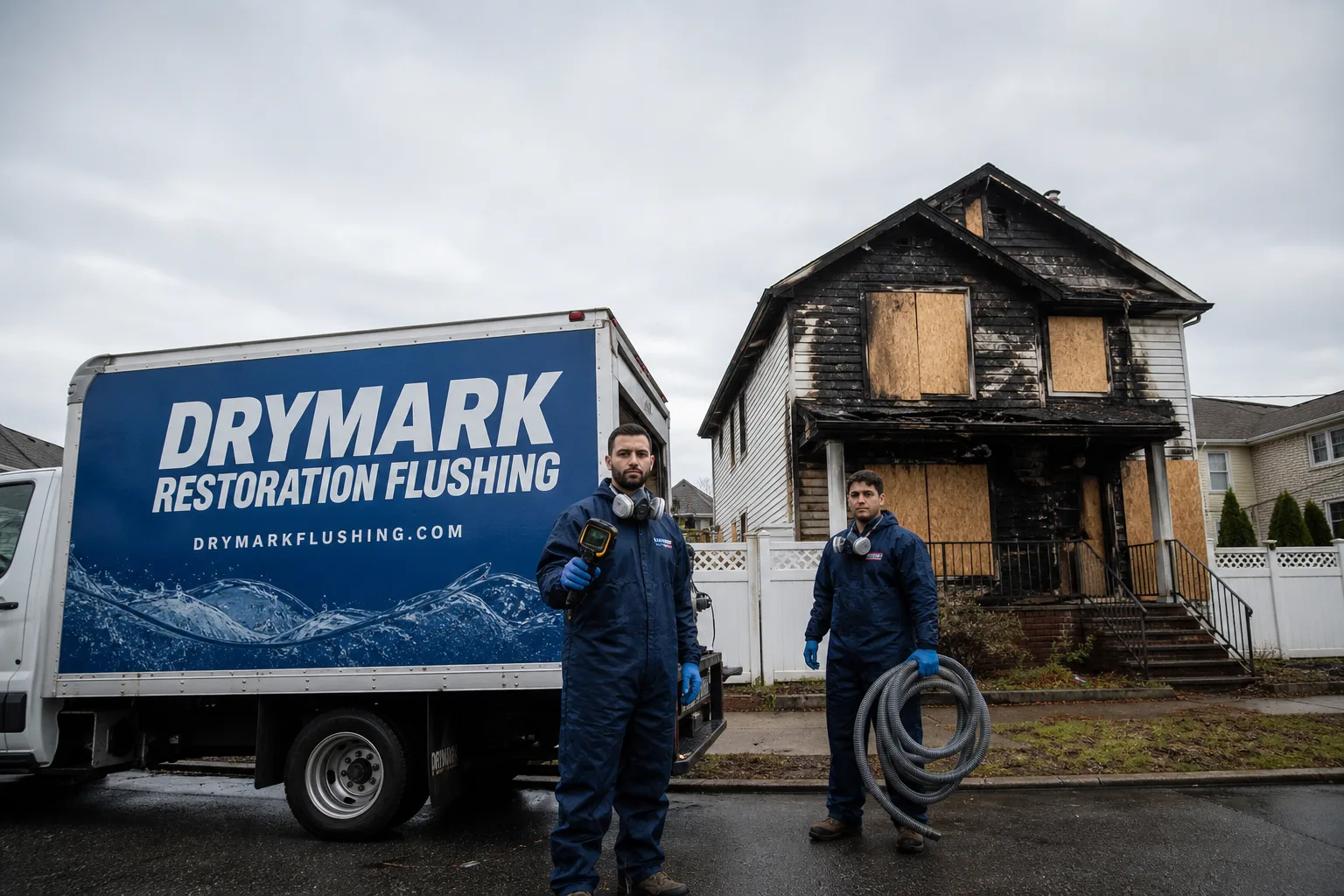
Free visual inspection and a written scope of work before any mitigation begins - photos, moisture readings, and drying logs go in your claim file
The scope we write is the scope we bill. Anything new gets shown to you, in writing, before we touch it.
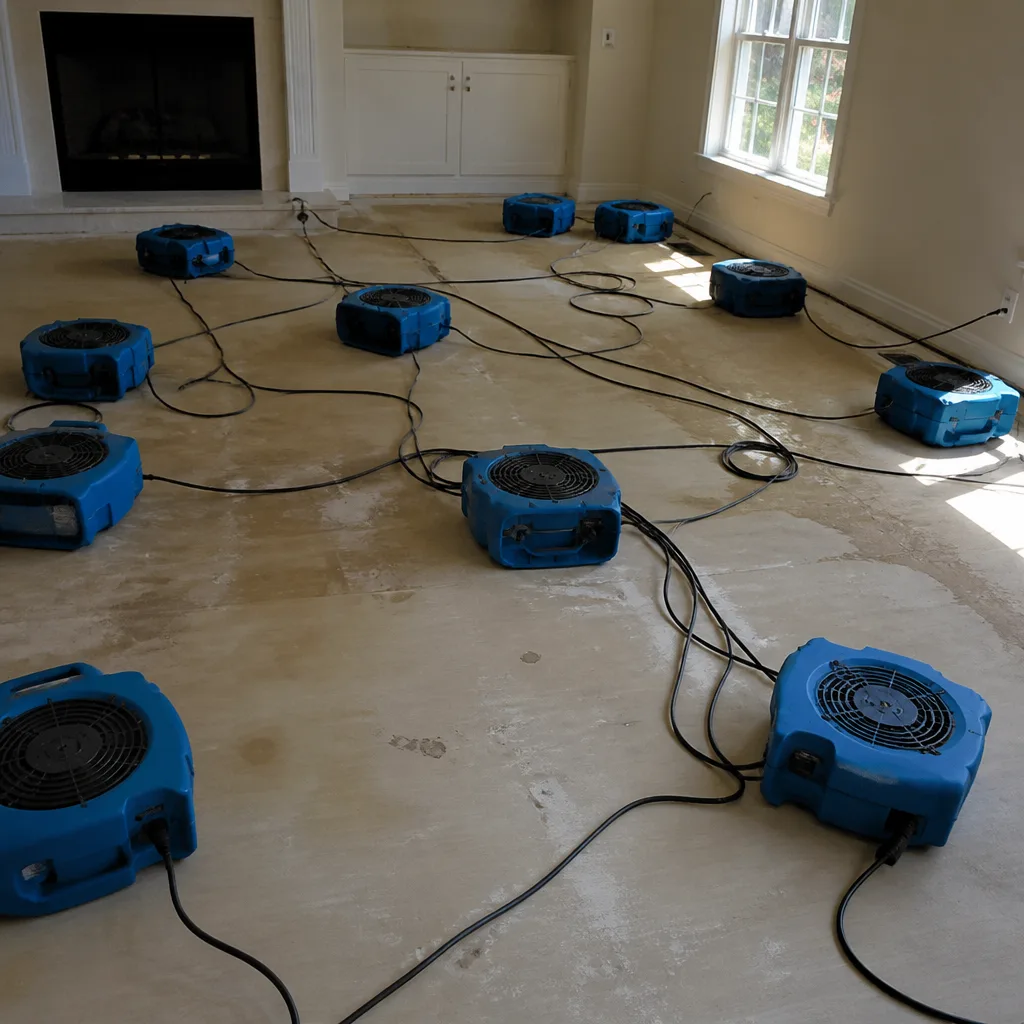
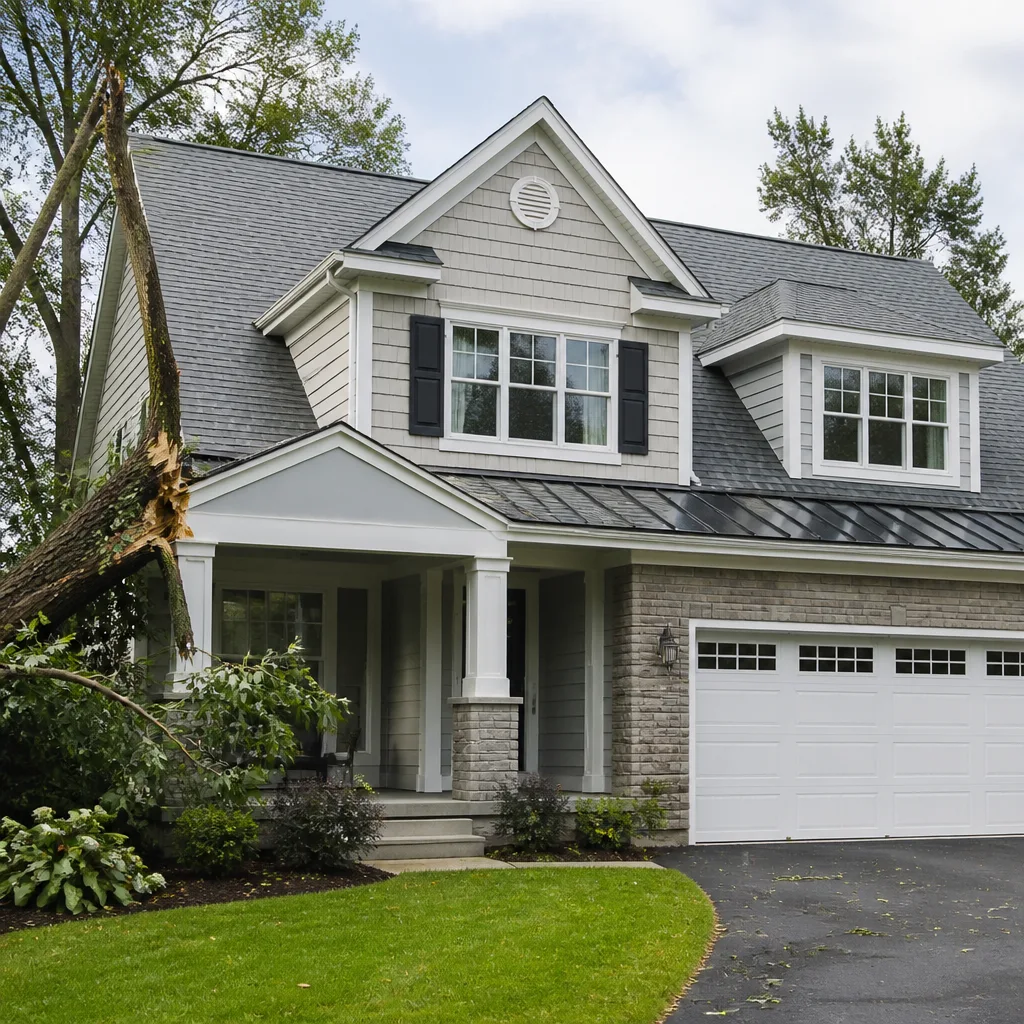
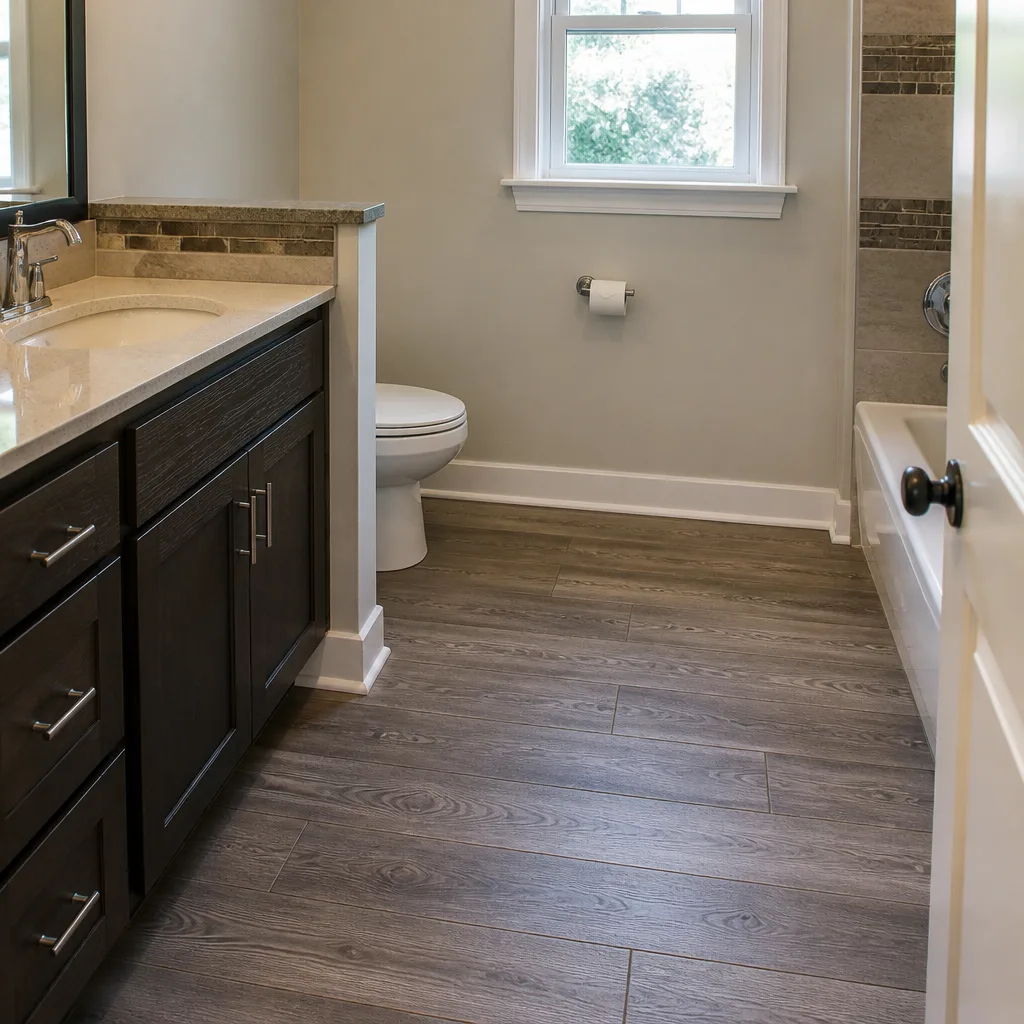
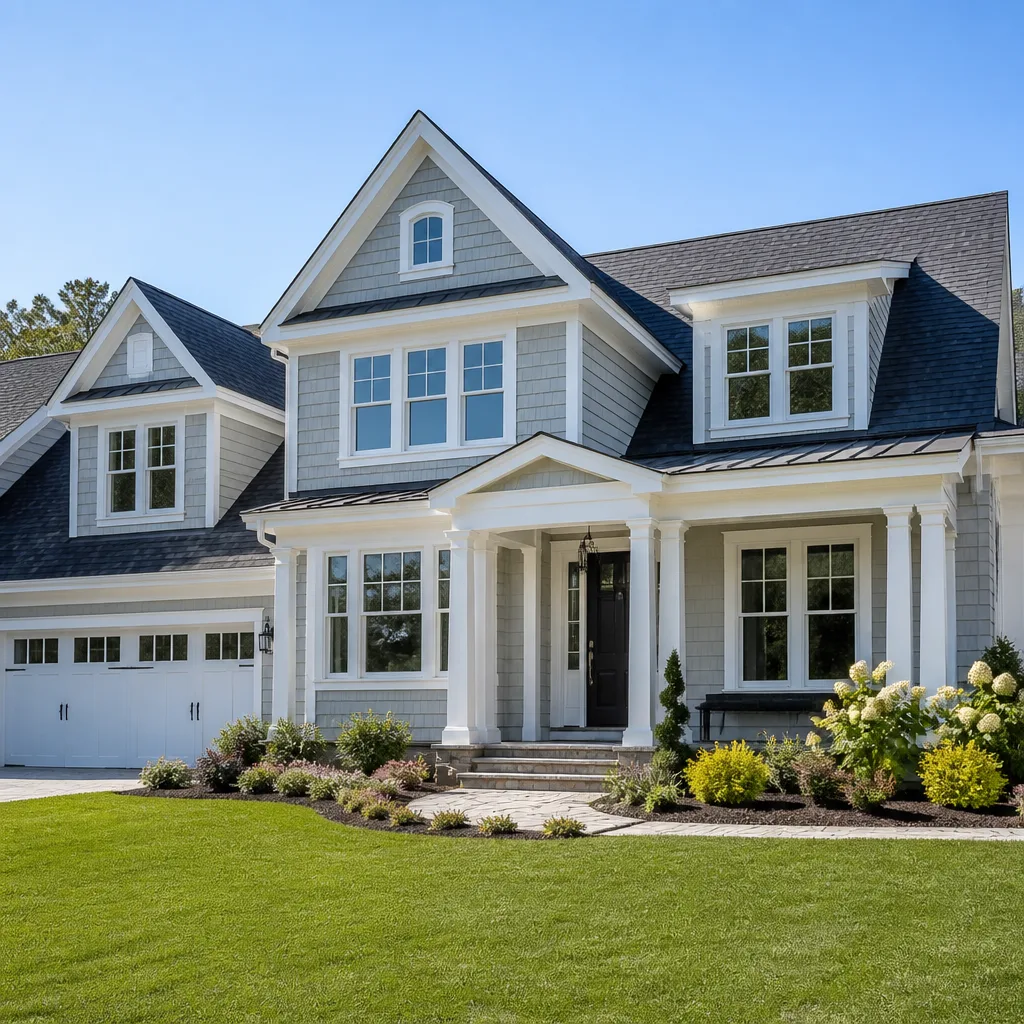
 Before
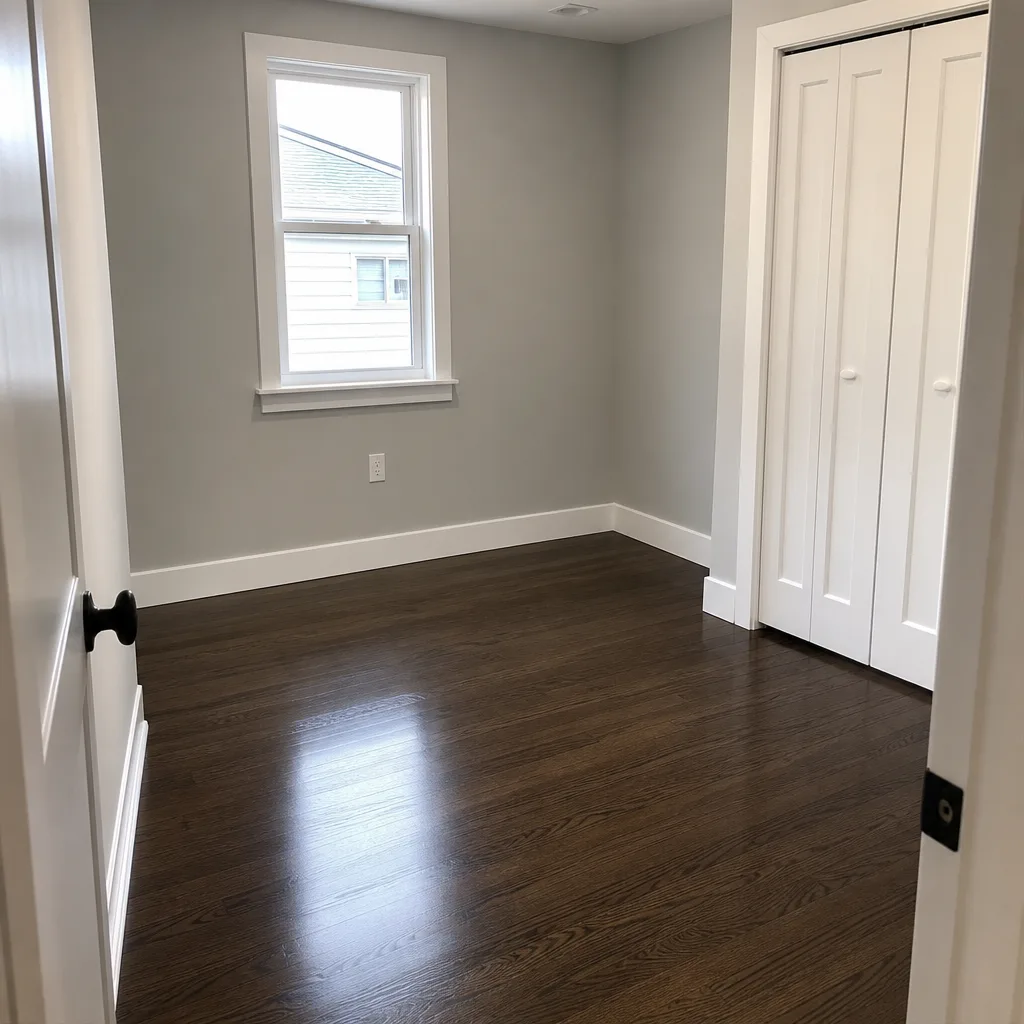 After
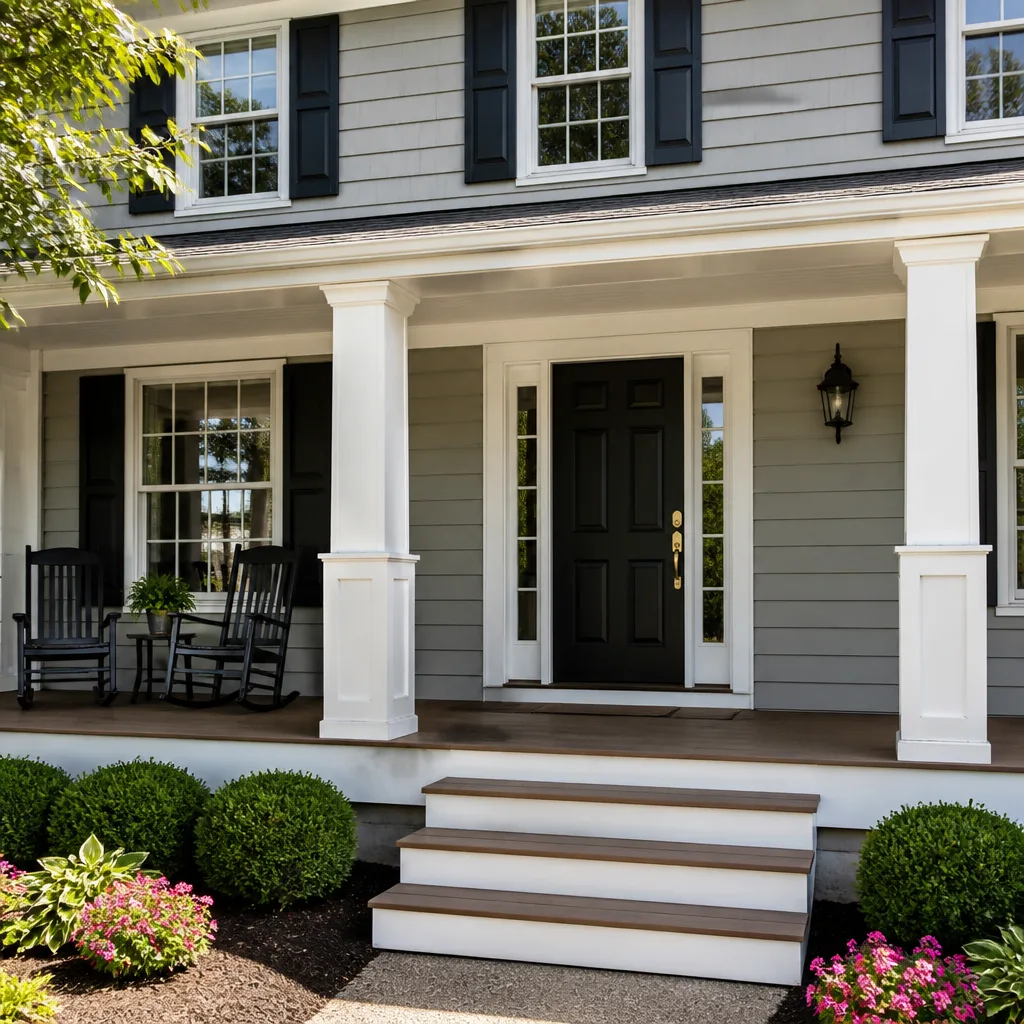
After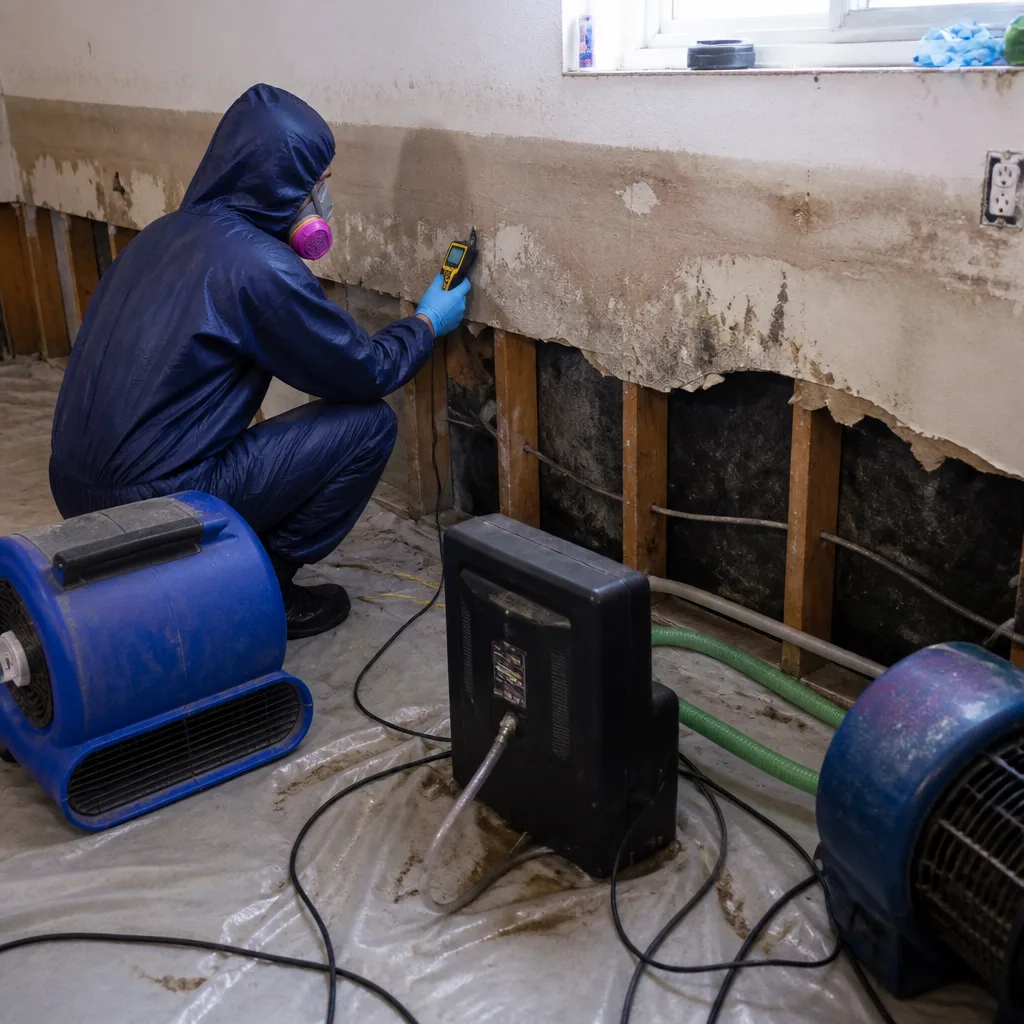 Before
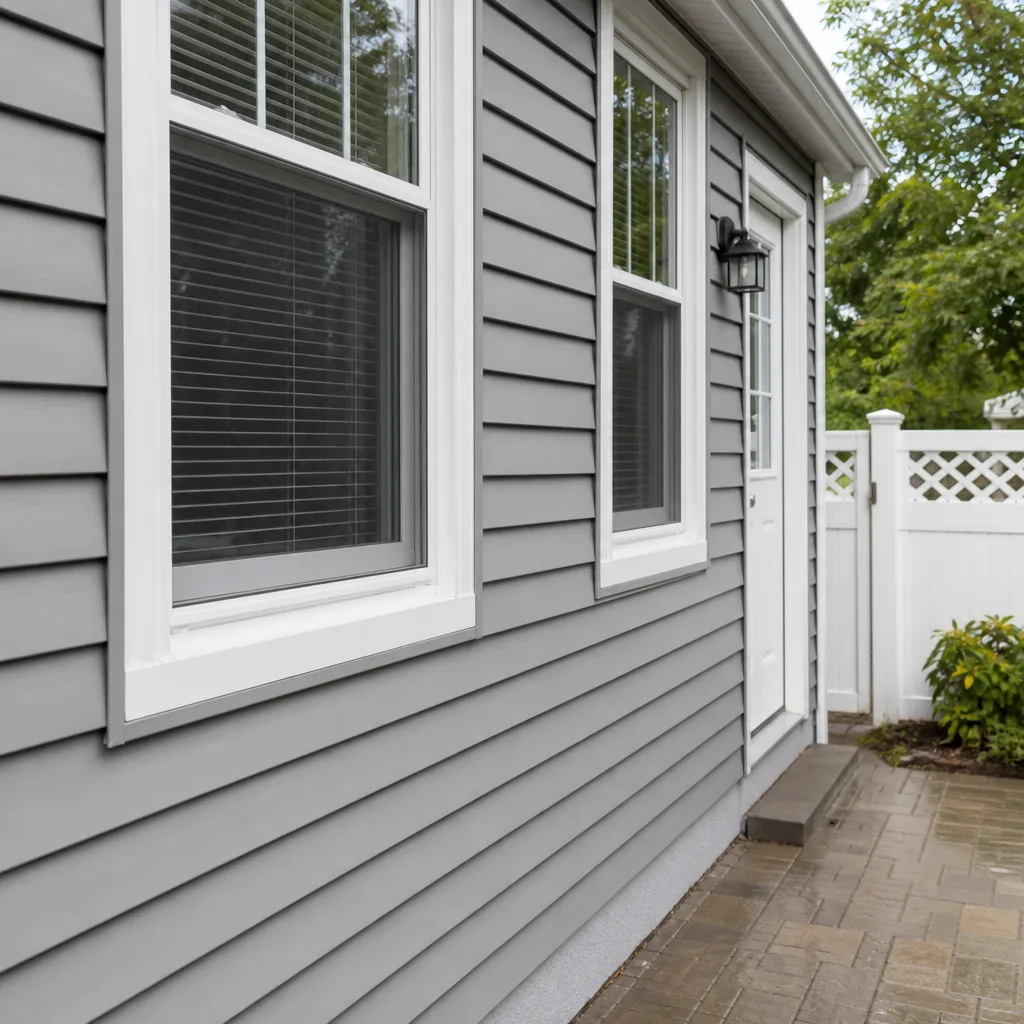 After
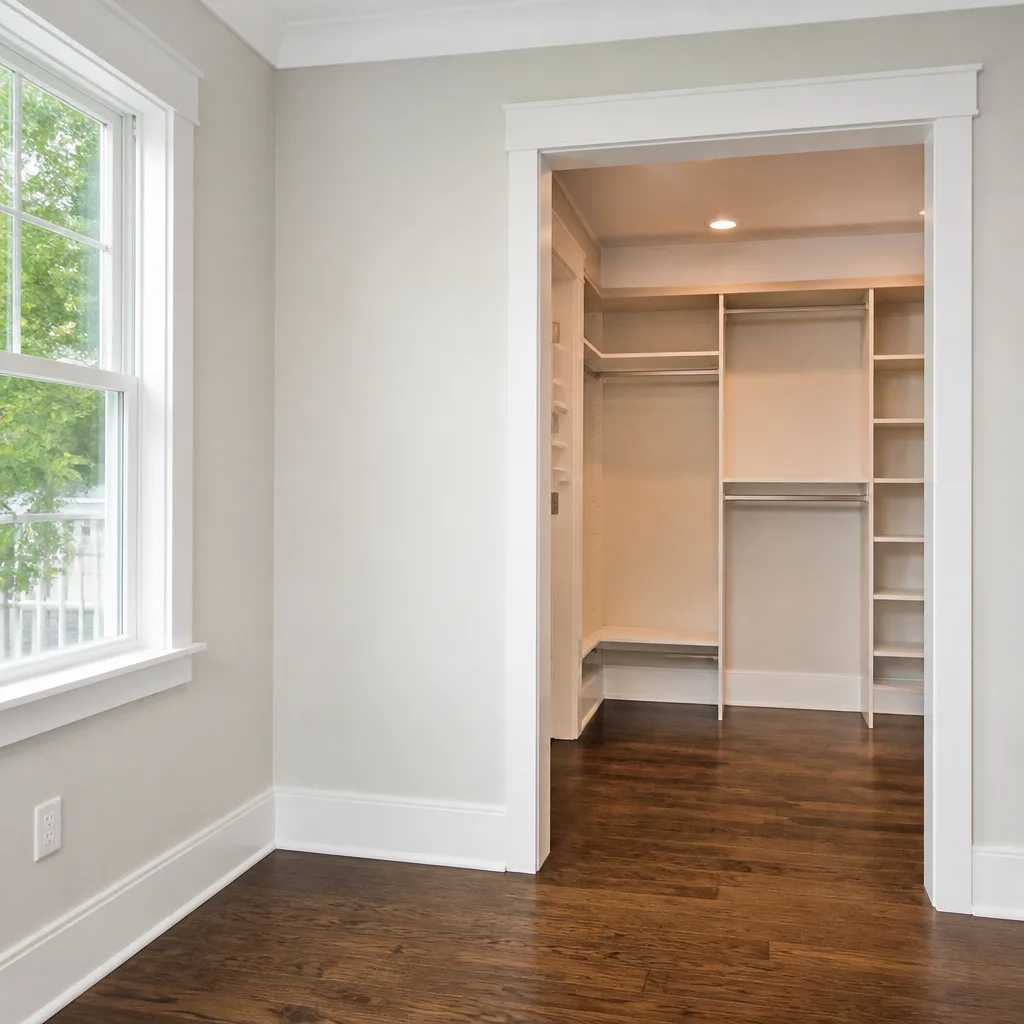
After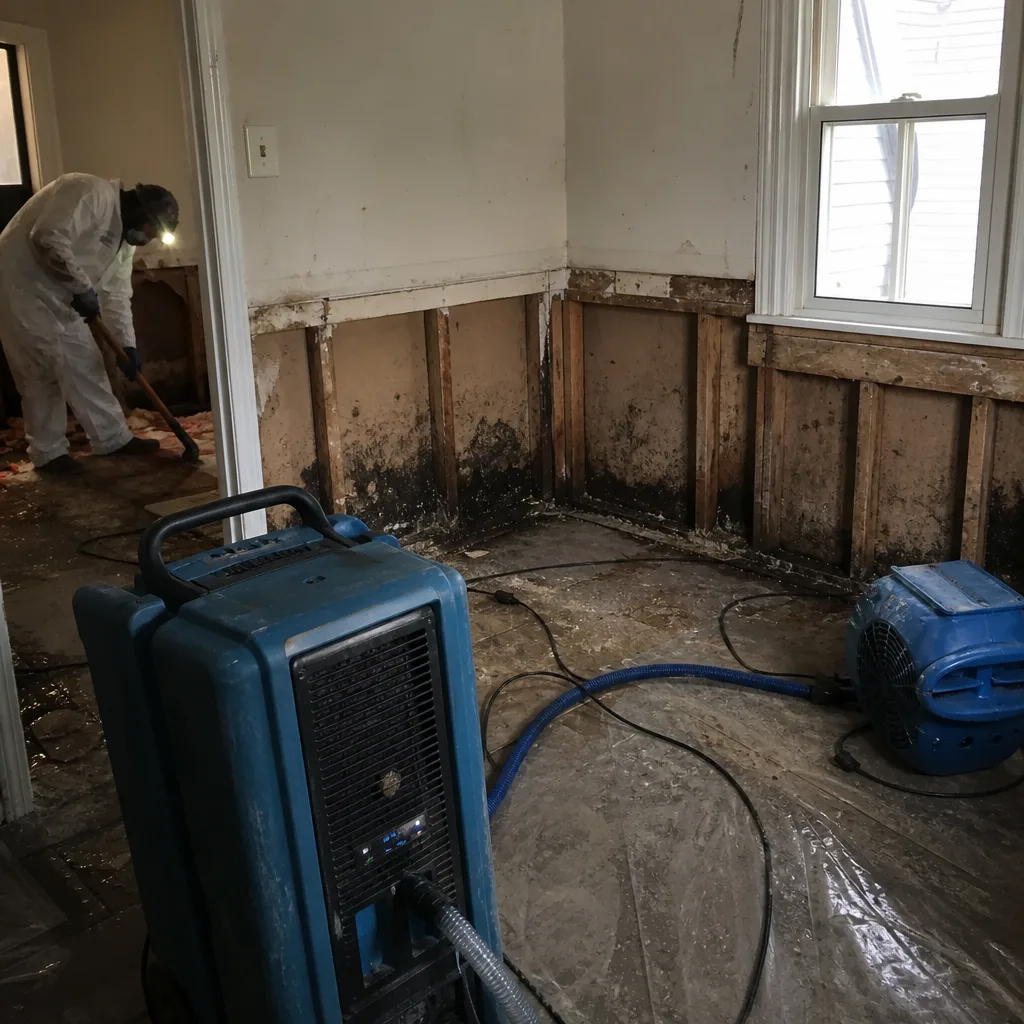 Before
 After
AfterFast, Reliable Mold Remediation Across Elmhurst
Mold remediation in Elmhurst typically costs $1,800-$6,500 depending on contamination severity, with Category 3 black water jobs running higher due to required containment and antimicrobial protocols. Most Elmhurst properties need 3-7 days of active drying before remediation begins, and we coordinate multi-unit drying logs when shared masonry is involved. Call (516) 386-9007 for a written price before any work starts.
We serve Elmhurst from our New York City office, with crews dispatched locally to zip codes 11373, 11379, and 11372. The flat Queens terrain here, combined with NYC’s aging combined sewer infrastructure, means we see a distinct pattern: the mold growing in Elmhurst basements is overwhelmingly Category 3 black water contamination from sewer backups, not the clean-water mold common in elevated or separately-sewered towns. That difference changes everything about how we contain, treat, and document the job.
Why DryMark Restoration Flushing Is Elmhurst’s Preferred Mold Remediation Company
We’ve restored properties in Elmhurst since 2011, and the documentation habits we built then matter more now. Every job gets a written price before work begins, Haven Standard, Clause 1. Every visit gets a photo record. Every drying log is formatted for direct adjuster submission.
Our Mold Remediation team knows the local housing stock: 1920s-1950s attached brick row houses with original plaster-and-lath walls that hold moisture deep inside masonry cavities long after surface readings look dry. We know the recurring failure points on Broadway, off Queens Boulevard, and near Elmhurst Hospital where combined-sewer backups repeat several times yearly.
Alicia Brennan built this company around the documentation gap that costs homeowners their claims. That means our Elmhurst customers get moisture readings by room, material classifications by trade name, and psychrometric data - vapor pressure differential, humidity ratio, grains per pound - explained in plain language on the same page.
Live person answers every call, 24 hours a day, 7 days a week. No voicemail trees. No next-business-day callbacks while water is still moving.
Our Mold Remediation Services in Elmhurst
Mold Inspection & Testing
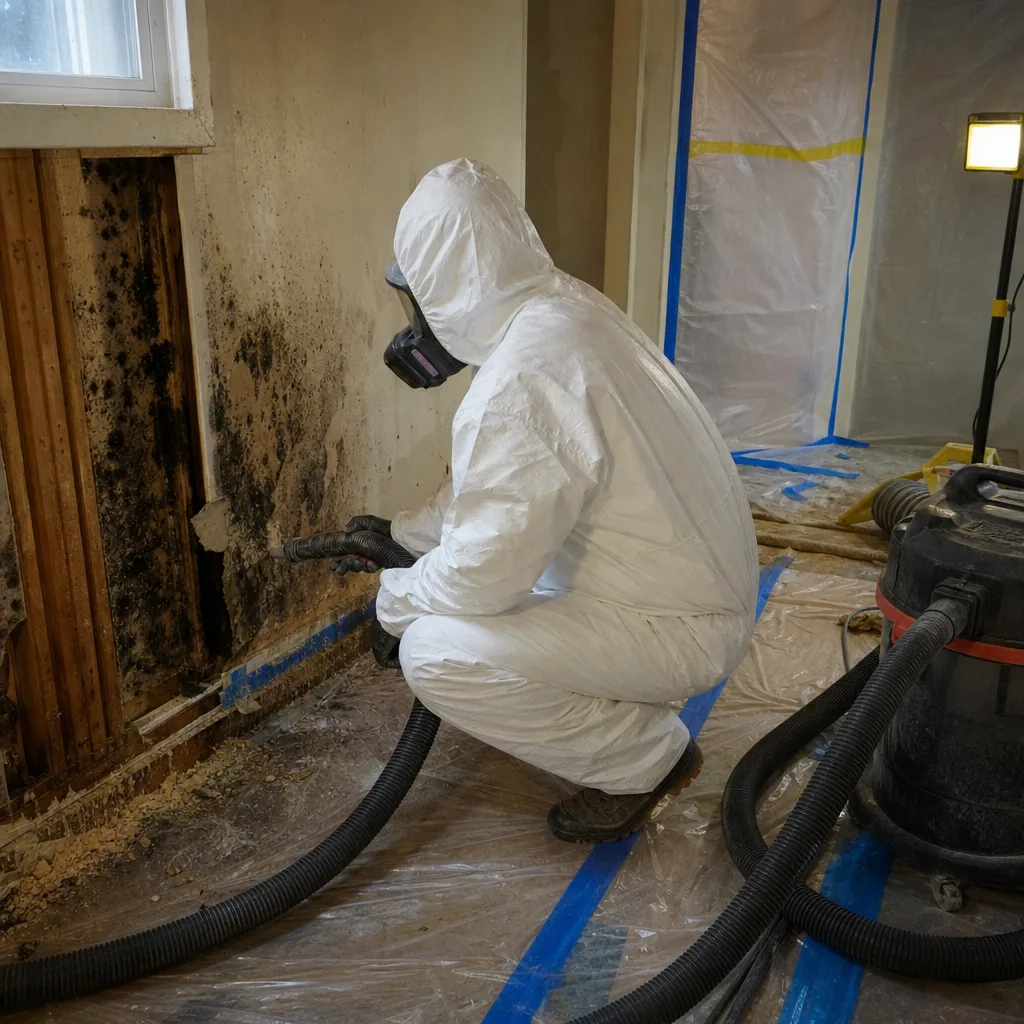
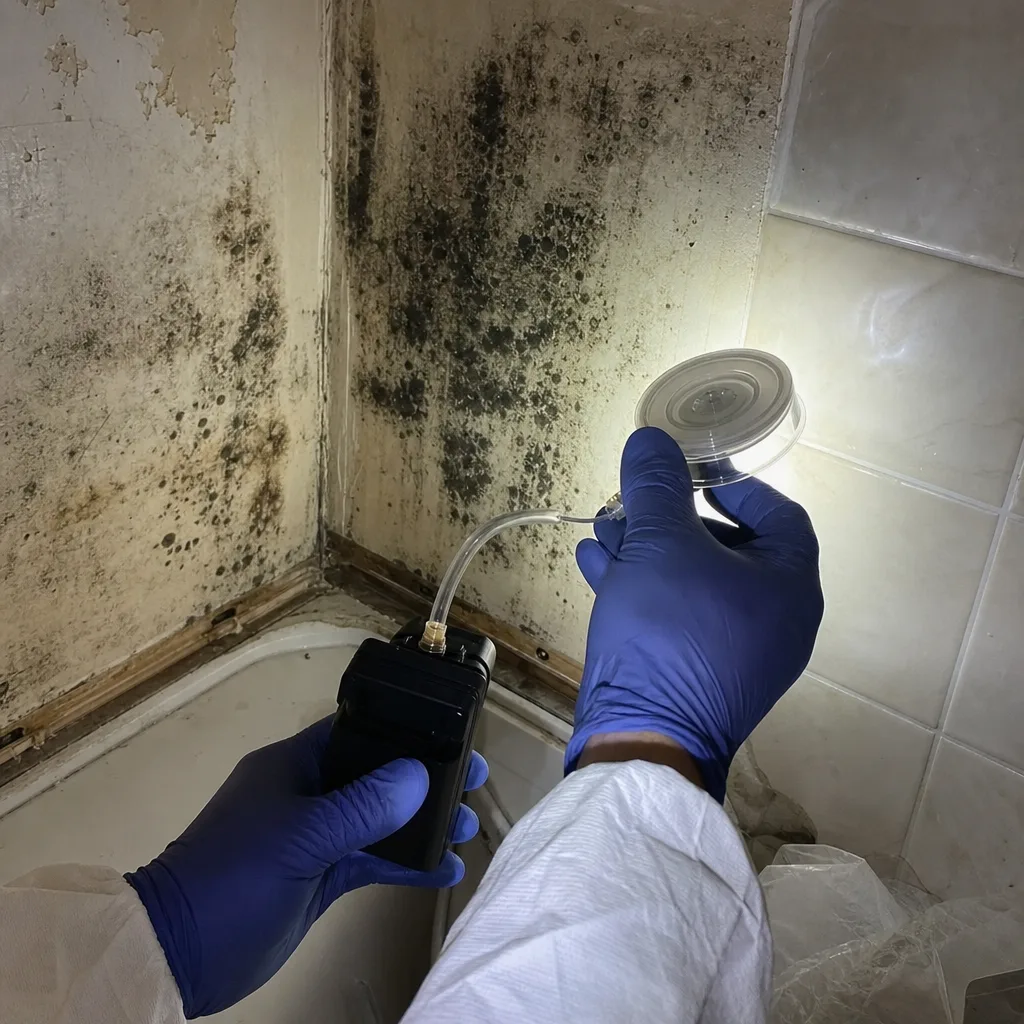
Every Elmhurst inspection starts with moisture mapping, not guesswork. We use thermal imaging and penetrating moisture meters to find hidden saturation in plaster-and-lath walls and masonry cavities behind basement living spaces. Air and surface samples go to a third-party lab; we don’t perform our own testing to avoid conflict of interest. In Elmhurst’s subdivided 2-to-4-family homes, we inspect adjacent units when shared walls show elevated moisture, documenting findings for each owner’s insurer.
Black Mold Remediation
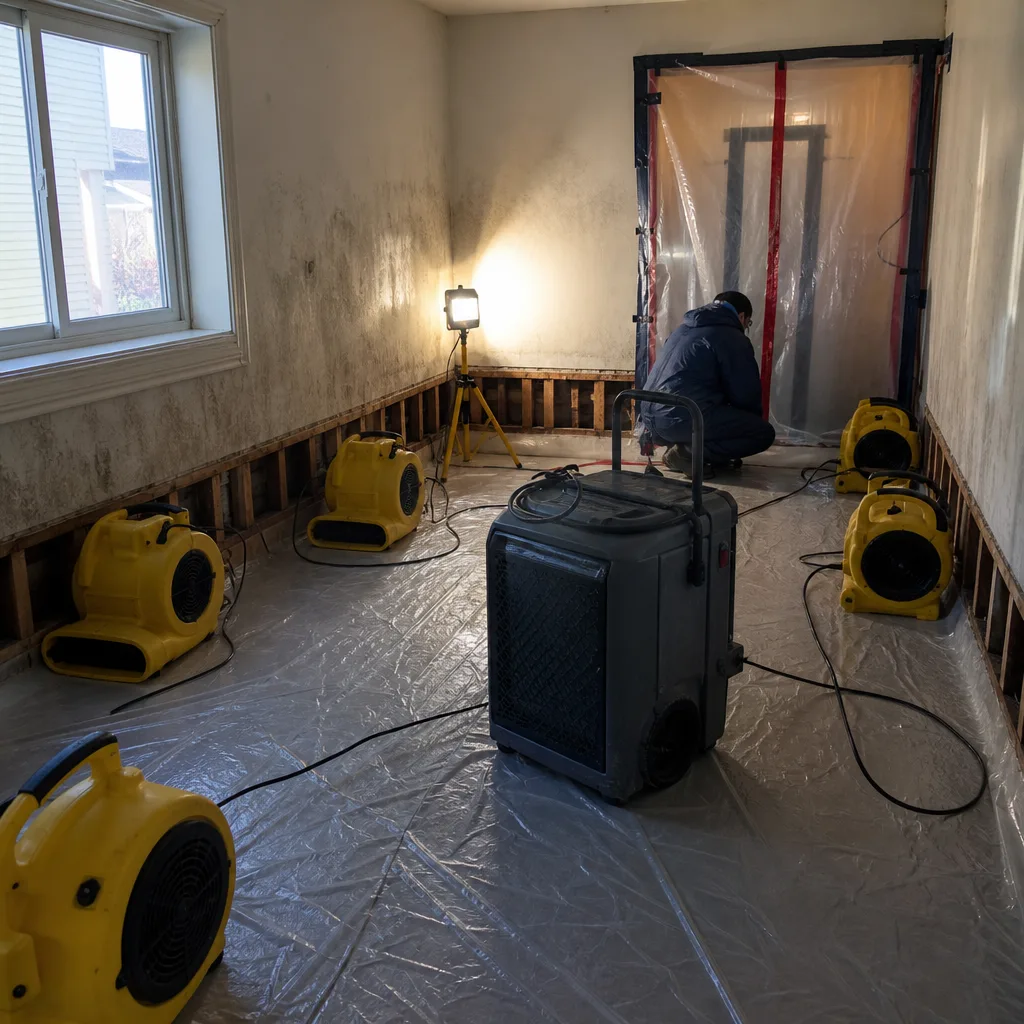
Elmhurst’s combined-sewer backups deliver Category 3 black water containing pathogens, not just water. Remediation requires full containment with negative air pressure, HEPA filtration, and antimicrobial treatment to EPA-registered standards. We see this most in below-grade units off Broadway and near the low points of Queens Boulevard where drainage pools. Our crews document every step: containment setup photos, disposal manifests, clearance testing results. Two adjacent unit owners often need simultaneous coordination; we log drying data for each policy separately.
Air Quality Restoration
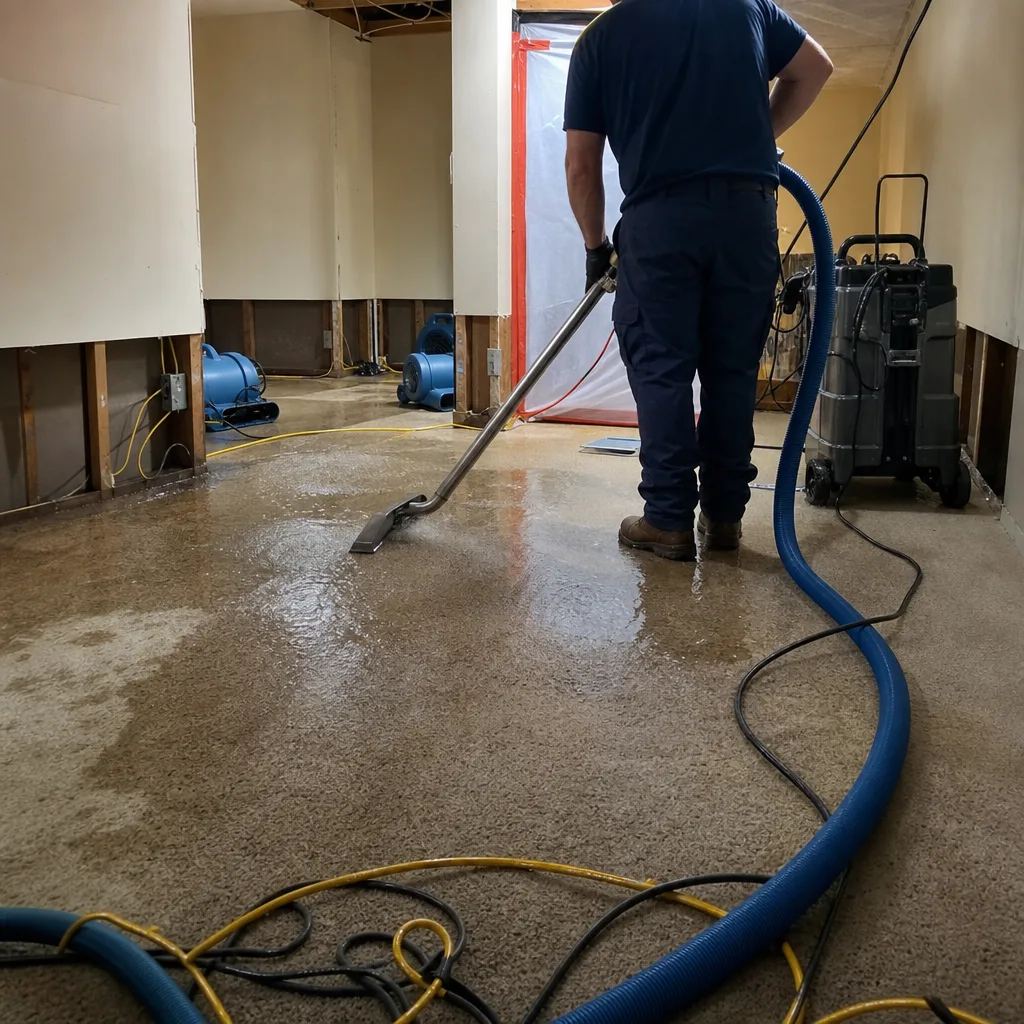
After remediation, we verify air quality with post-remediation clearance testing. In Elmhurst’s tightly packed row houses, this matters more than in detached homes. Spores migrate through shared masonry cavities, through HVAC systems that weren’t designed for multi-unit separation, and through gaps in century-old firestopping. We run air scrubbers with HEPA filtration, document particle counts, and don’t sign off until lab results confirm safe levels. The Haven Standard requires it.
Crawl Space Treatment
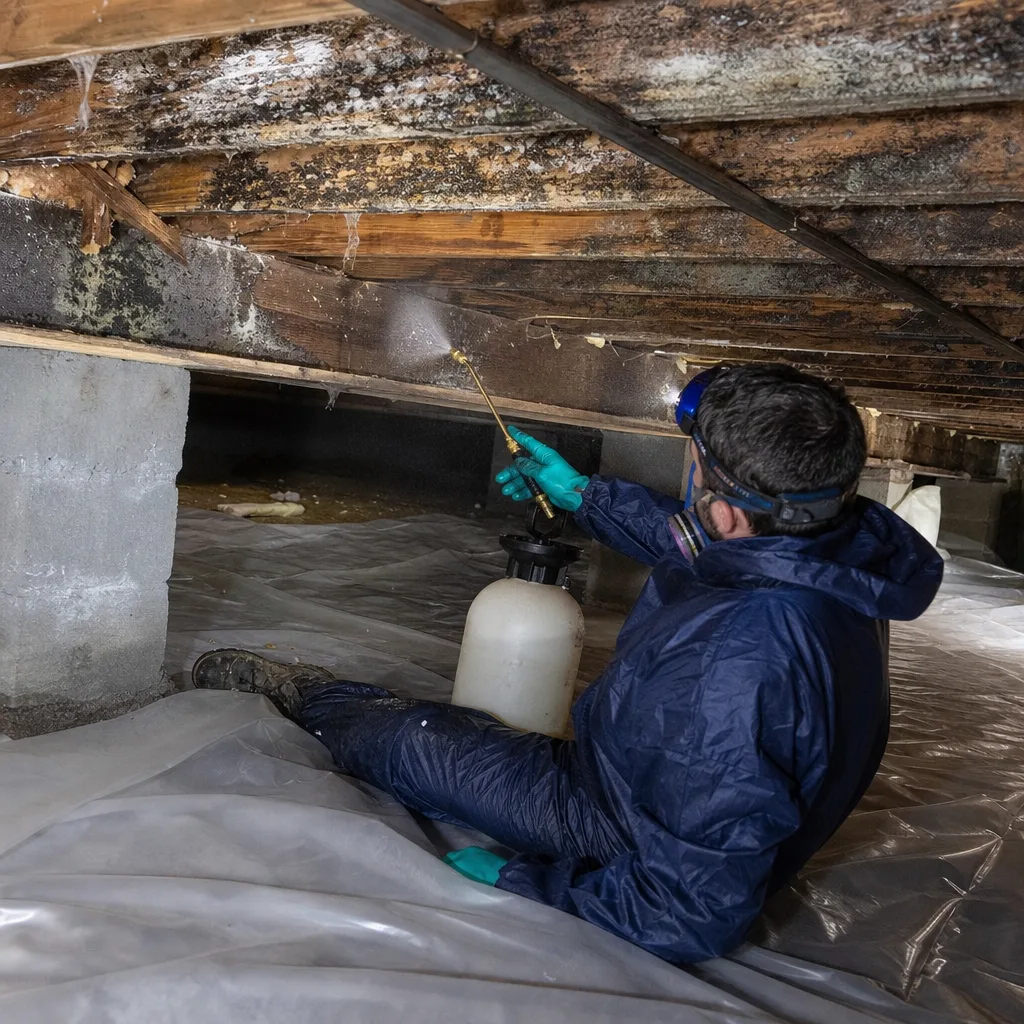
Many Elmhurst basements were converted to living space decades ago, often without permits. The remaining crawl spaces beneath additions or porches become humidity reservoirs that feed mold growth in the main structure. We seal vapor barriers, install permanent dehumidification where accessible, and treat framing with antimicrobial. Every treatment gets a photo record and written scope.
What happens when you call
- 1
A real person answersNo phone trees - you reach a local pro.
- 2
You get an upfront price rangeHonest numbers before anyone is dispatched.
- 3
A background-checked tech heads outLicensed & insured, dispatched right away.
- 4
You approve before work beginsNothing starts until you say go.
BeforeAfterTrusted Brands We Service in Elmhurst
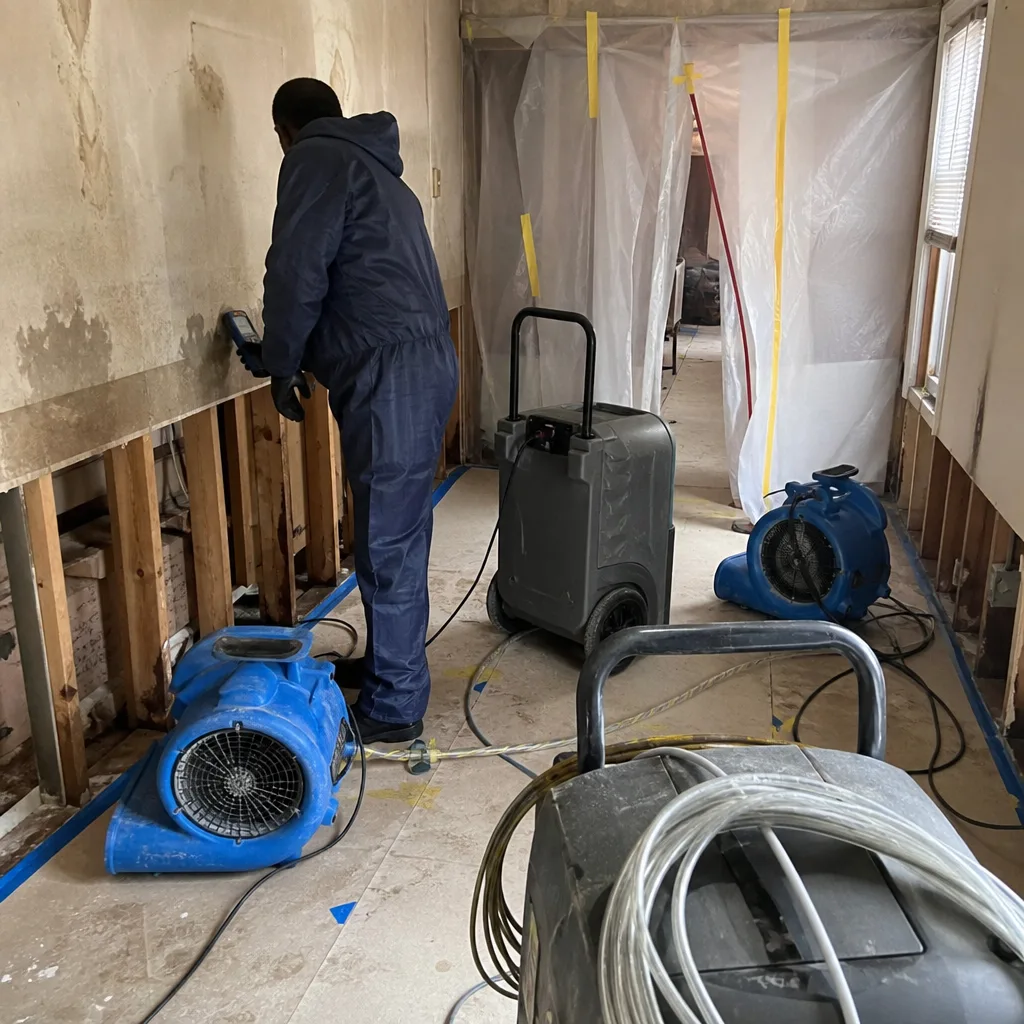
Our equipment inventory includes professional-grade drying systems from Dri-Eaz, Phoenix, and B-Air, with Injectidry systems for drying inside wall cavities without demolition where plaster-and-lath integrity matters. We stock HEPA air scrubbers, negative air machines, and antimicrobial applicators sized for Elmhurst’s smaller footprint row houses, where space constraints make equipment placement a planning exercise, not an afterthought. All work is documented to IICRC and RIA standards.
Common Mold Remediation Problems We See in Elmhurst Homes
- Shared masonry mold migration. In attached brick row houses, skipping containment and antimicrobial treatment lets Category 3 black water mold spores migrate through shared masonry cavities into neighboring units. We see this trigger multi-policy claims on the same building, with adjusters disputing which unit’s loss started where. Our containment protocols and room-by-room documentation prevent that.
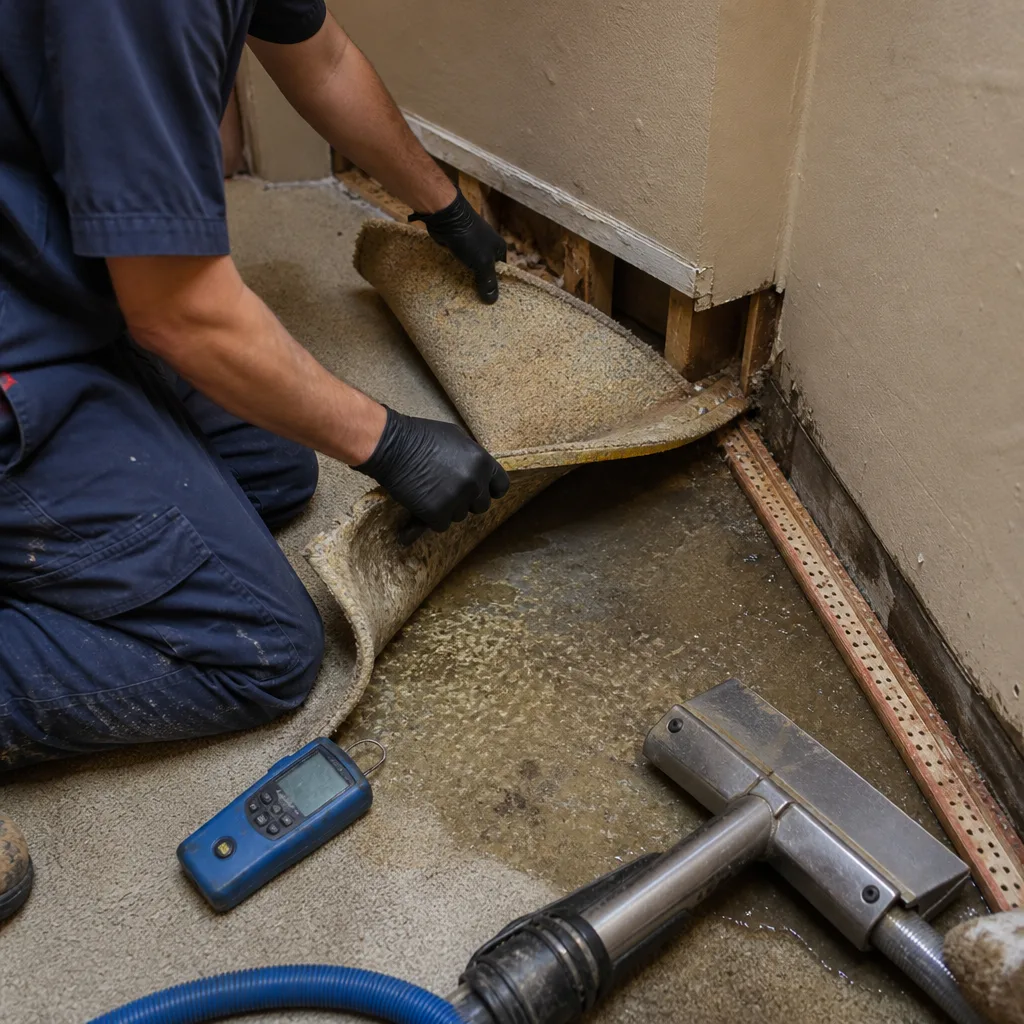
- Plaster-and-lath treated like drywall. Original plaster-and-lath absorbs and retains far more moisture than modern drywall. Pulling drying equipment after three days leaves hidden mold deep inside masonry cavities behind basement living spaces. We run extended structural drying cycles, logging daily moisture readings until core materials hit dry standard.
- Recurring sewer backups without moisture mapping. Storm-sewer backups repeat several times per year on Elmhurst’s flat terrain. Crews who dry without mapping the floor drain location see the same basement re-wet on the next nor’easter. We mark failure points, recommend backwater valve installation where appropriate, and document the pattern for adjuster review.
- Unpermitted basement apartments with displaced residents. A large share of Elmhurst’s basement-level flood losses involve undocumented living spaces housing the neighborhood’s densely packed immigrant population. Restoration crews must navigate NYC’s strict illegal-dwelling enforcement against the reality that displaced residents have nowhere to go. This dynamic shapes every scope-of-work conversation and frequently delays permit-required work. We document conditions as found, coordinate with property owners on resident relocation where possible, and never promise outcomes that require city enforcement discretion we don’t control.
Pricing for Mold Remediation in Elmhurst, NY
Mold inspection and testing in Elmhurst runs $350-$750 for a typical 2-to-4-family unit, including lab analysis. Contained mold removal for a single affected room starts around $1,800-$3,200. Black mold remediation from Category 3 sewer backup, with full containment, antimicrobial treatment, and air quality restoration, typically ranges $3,500-$6,500 for Elmhurst’s average basement footprint. Crawl space treatment adds $800-$2,400 depending on accessibility and contamination extent.
What moves the price: square footage of affected area, whether containment must protect adjacent units, plaster-and-lath versus drywall construction, and whether clearance testing is required for insurance release. Every Elmhurst job gets a written price before work begins, Haven Standard, Clause 1. No scope-creep additions once the crew is inside. Free Second Opinion on any competitor’s written estimate.
Call (516) 386-9007 for a written price. Estimates are free.
We Also Serve Cities Near Elmhurst
Our crews work throughout central Queens, including Elmhurst, Rego Park, Jackson Heights, Middle Village, and Maspeth. The same combined-sewer backup patterns, row house stock, and multi-unit coordination challenges apply across this corridor. Dispatch and scheduling are coordinated from our New York City office.
Serving Elmhurst, NY - Our Local Coverage Area
We’re based in the Elmhurst area and know this community well. Use the map below to see our service coverage - if you’re nearby, we can almost certainly help.
FAQs - Mold Remediation in Elmhurst
Yes. Category 3 black water from combined-sewer backup contains pathogens and requires full containment, antimicrobial treatment, and stricter disposal protocols than clean-water Category 1 losses. Burst pipes deliver treated water; Elmhurst’s sewer backups deliver whatever the street line carries. That changes equipment, duration, and documentation requirements. Call (516) 386-9007 for a written price on your specific situation.
Mold colonization begins 24-48 hours after water intrusion in Elmhurst’s humid basement environments, with visible growth often appearing within 72 hours on organic surfaces. After Ida’s remnants in 2021, we saw basements off Broadway with active colonization within 48 hours of sewage backup. Speed matters for documentation too; photos taken immediately establish pre-existing condition for adjuster review. Call (516) 386-9007 for same-day assessment.
Yes. Shared masonry cavities in 1920s-1950s brick row houses allow moisture and spore migration even without direct water intrusion in adjacent units. We inspect adjoining walls with thermal imaging and moisture meters, document findings for each owner’s insurer, and establish containment that protects the building envelope. Multi-policy coordination is standard on our Elmhurst jobs, not exceptional. Call (516) 386-9007 and we’ll map the full affected area.
We document conditions as found and perform remediation to IICRC standards regardless of permit status, but resident relocation during active remediation is typically required for health and safety. We coordinate with property owners on temporary housing options where possible; we do not make enforcement decisions about dwelling legality. The scope-of-work conversation includes these constraints upfront, with written documentation of all parties’ responsibilities. Call (516) 386-9007 to discuss your specific situation.
We deploy Dri-Eaz dehumidification and B-Air air movers for extended structural drying cycles, Injectidry systems for in-wall cavity drying without destructive demolition where possible, and HEPA-contained negative air machines during remediation. Plaster-and-lath requires longer drying times than drywall; we log daily moisture readings until core materials confirm dry standard, typically 5-10 days versus 3-5 for modern construction. All equipment deployment is documented to IICRC and RIA standards with photo verification. Call (516) 386-9007 for a written scope on your property.
Written by Alicia Brennan, Owner at Back to Dry Restoration, serving Elmhurst since 2011.