
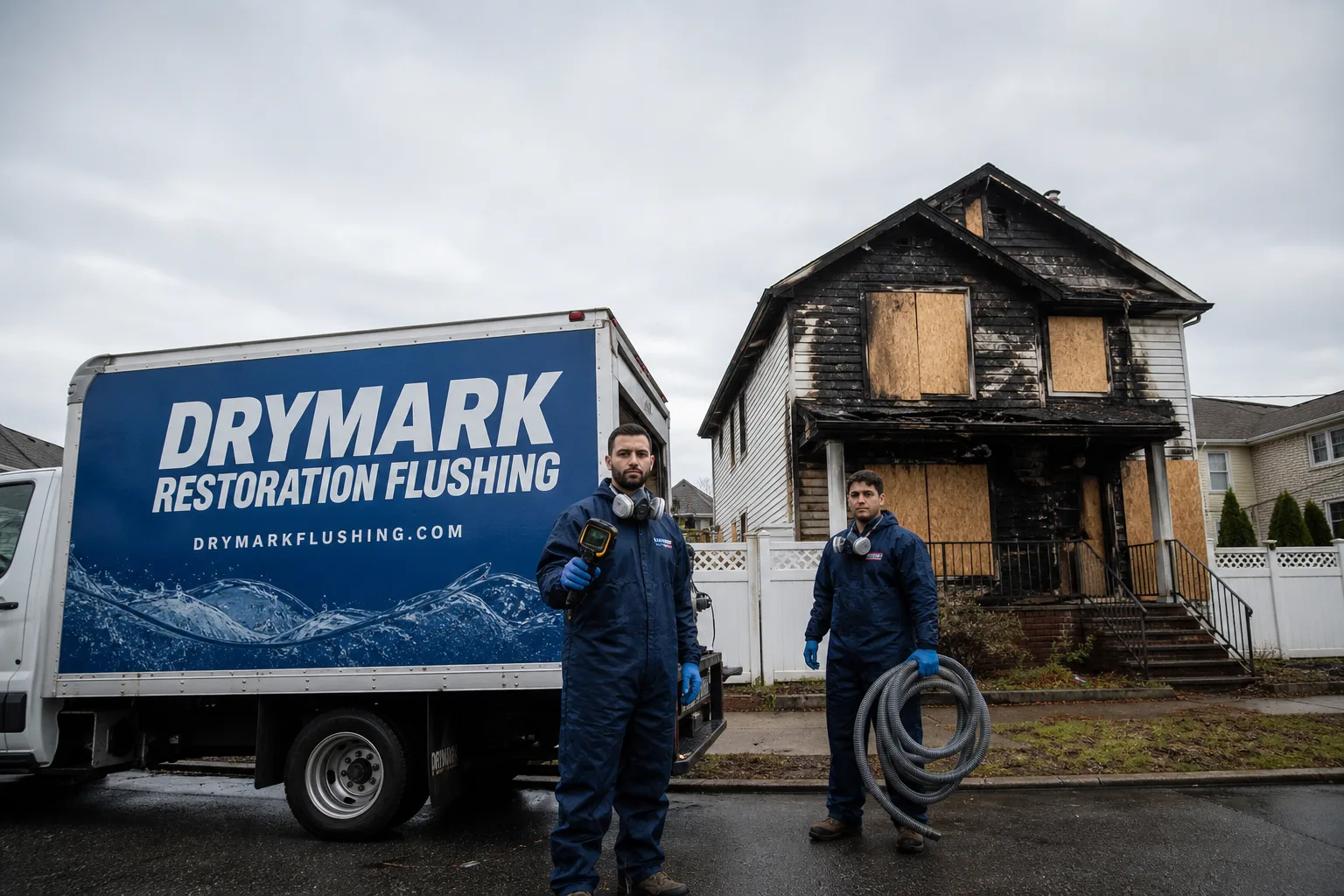
Free visual inspection and a written scope of work before any mitigation begins - photos, moisture readings, and drying logs go in your claim file
The scope we write is the scope we bill. Anything new gets shown to you, in writing, before we touch it.
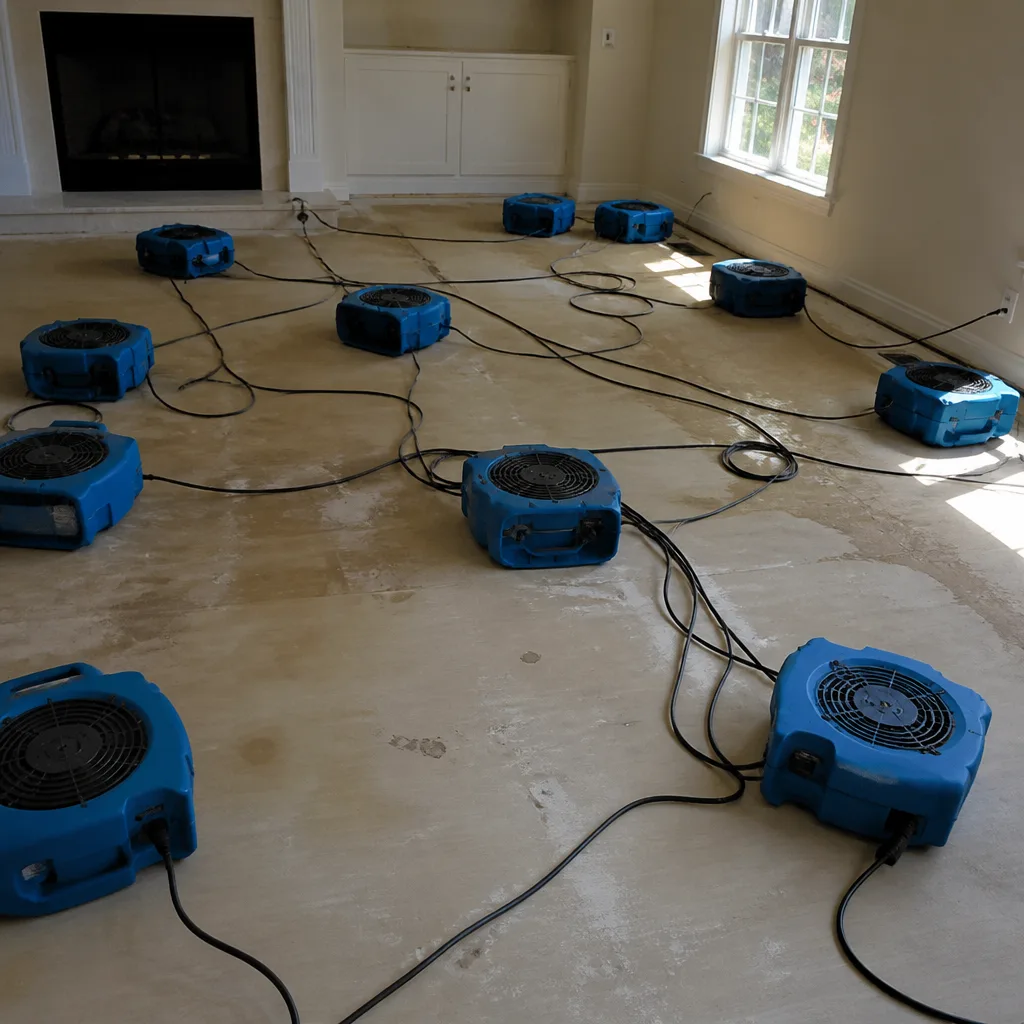
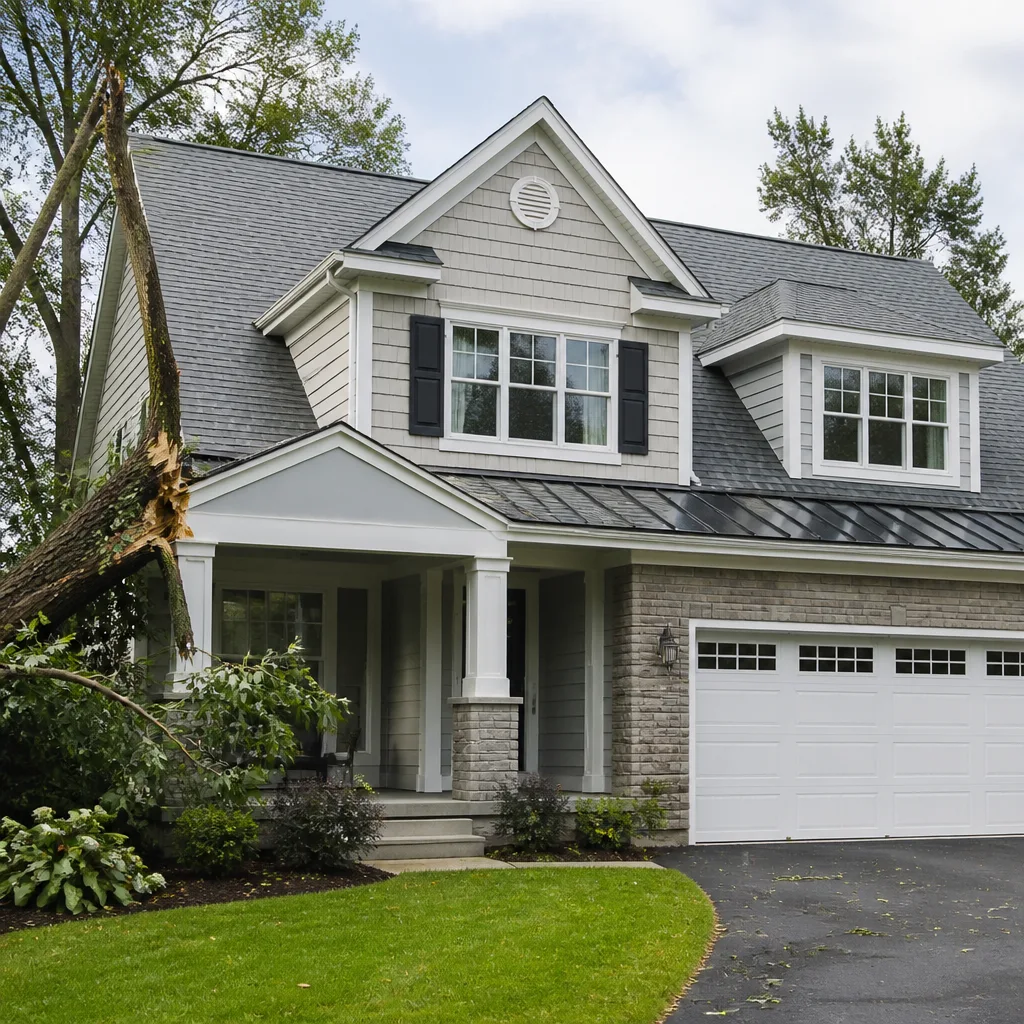
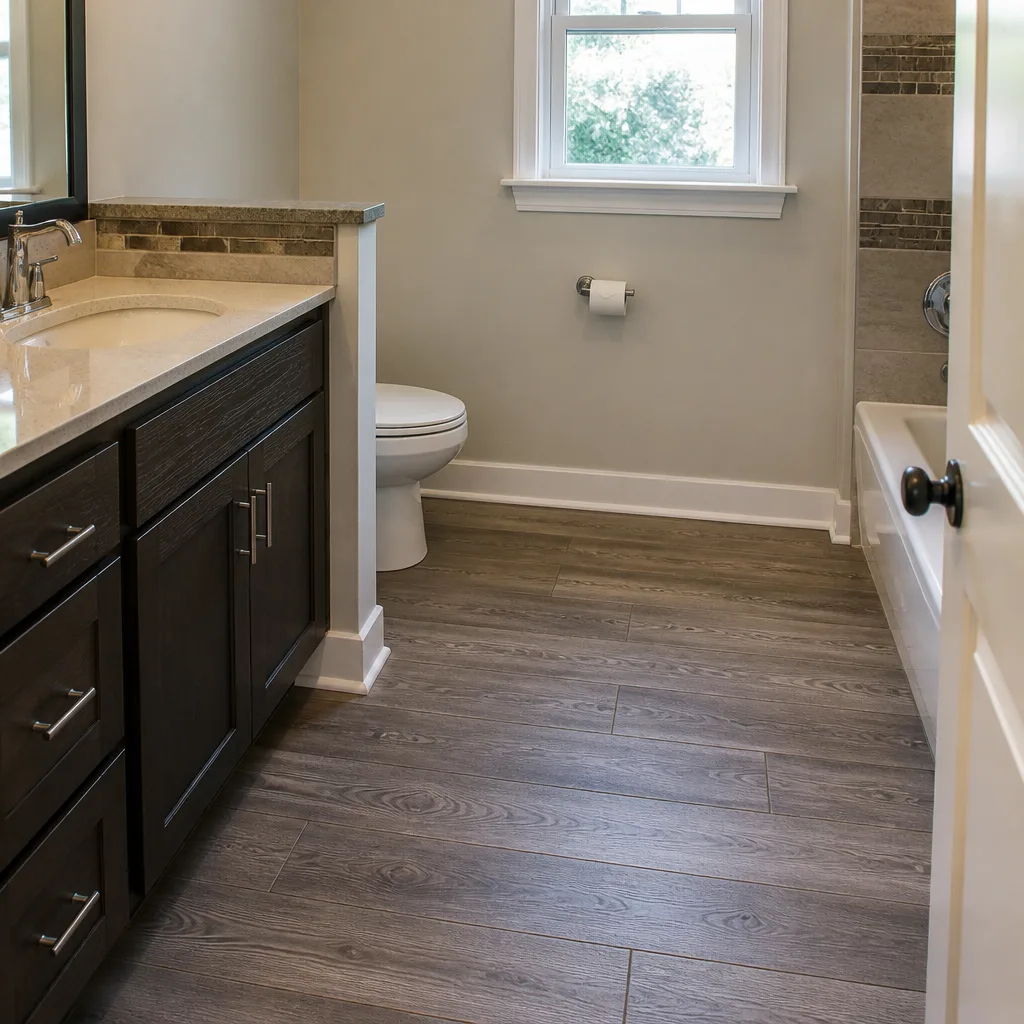
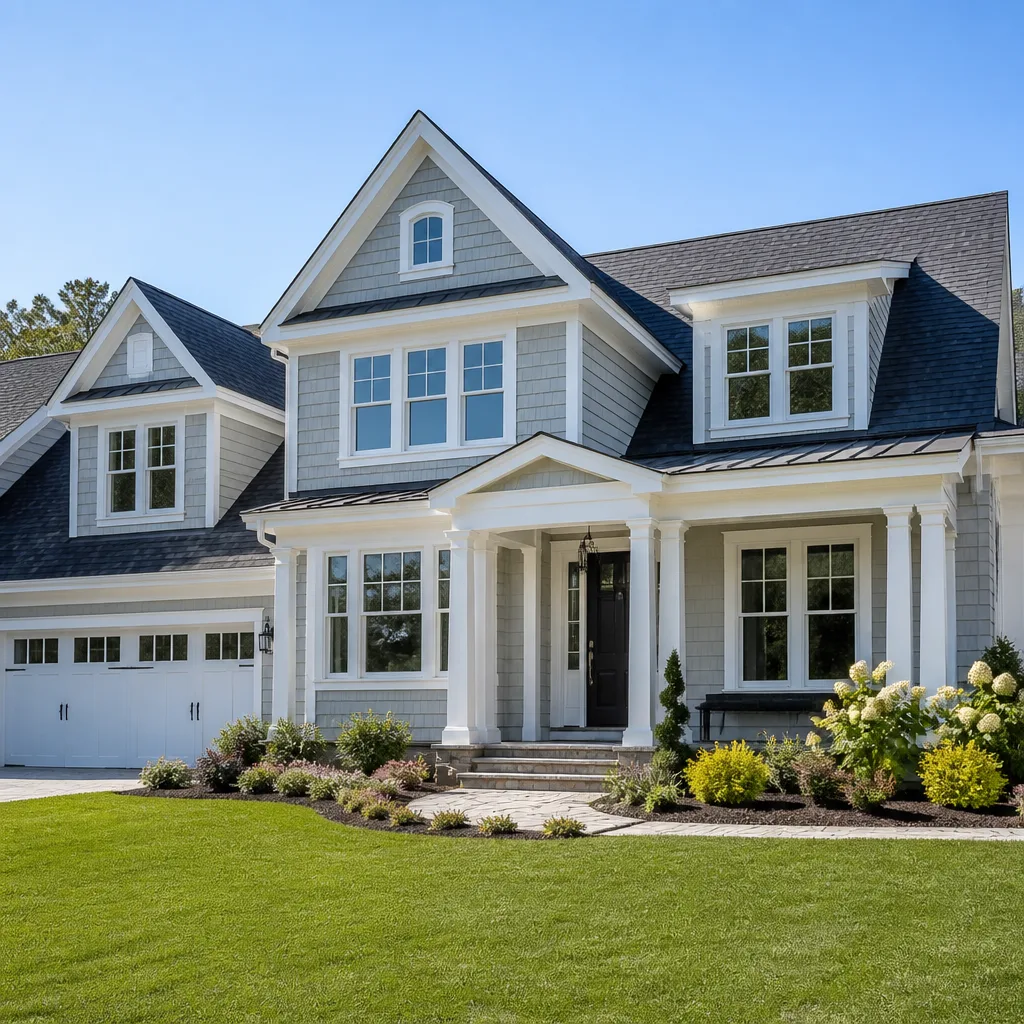
 Before
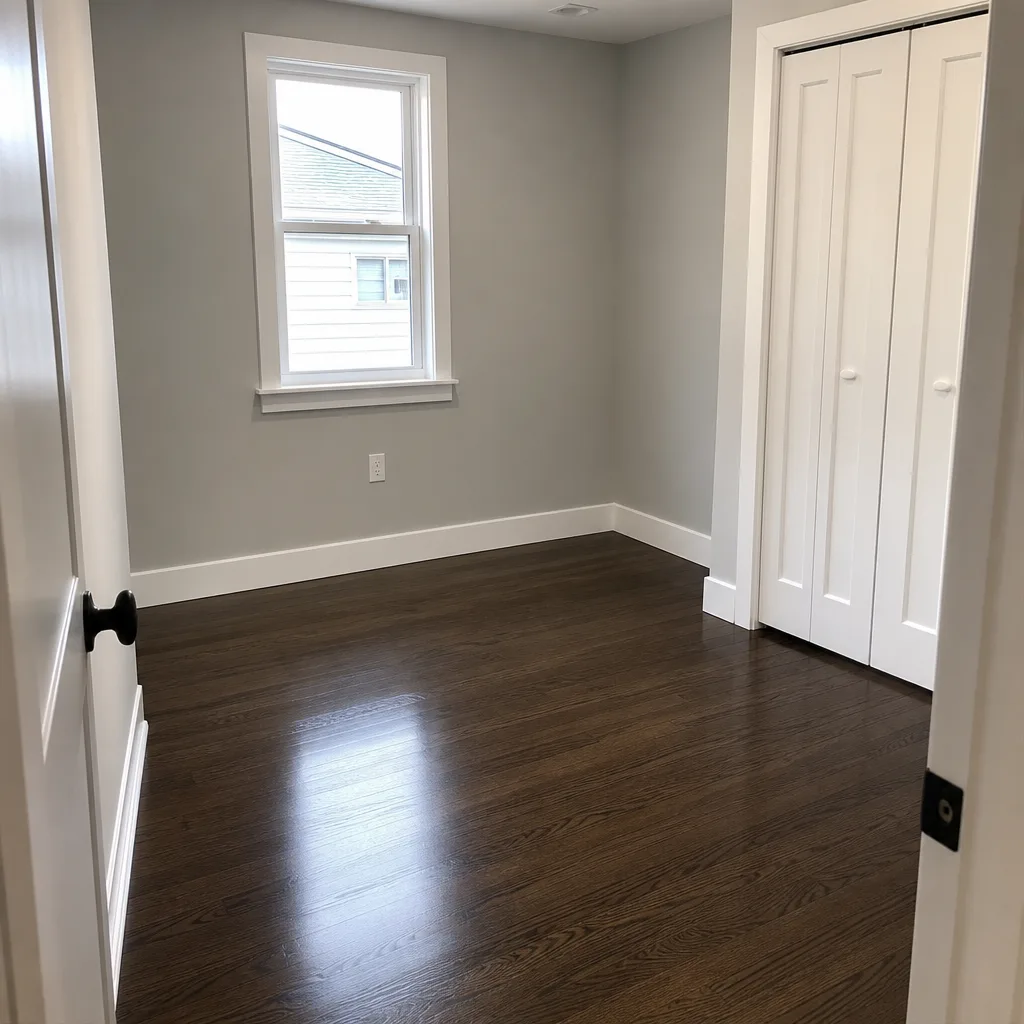 After
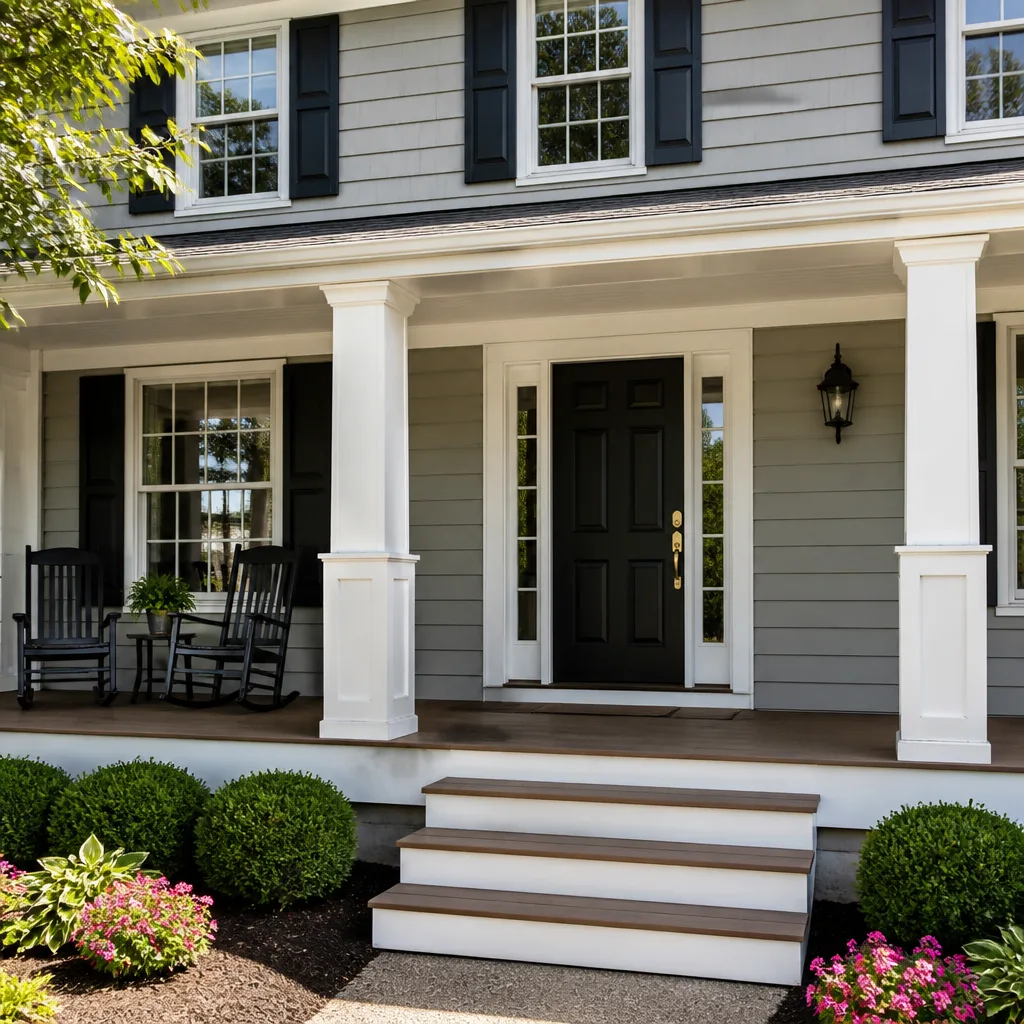
After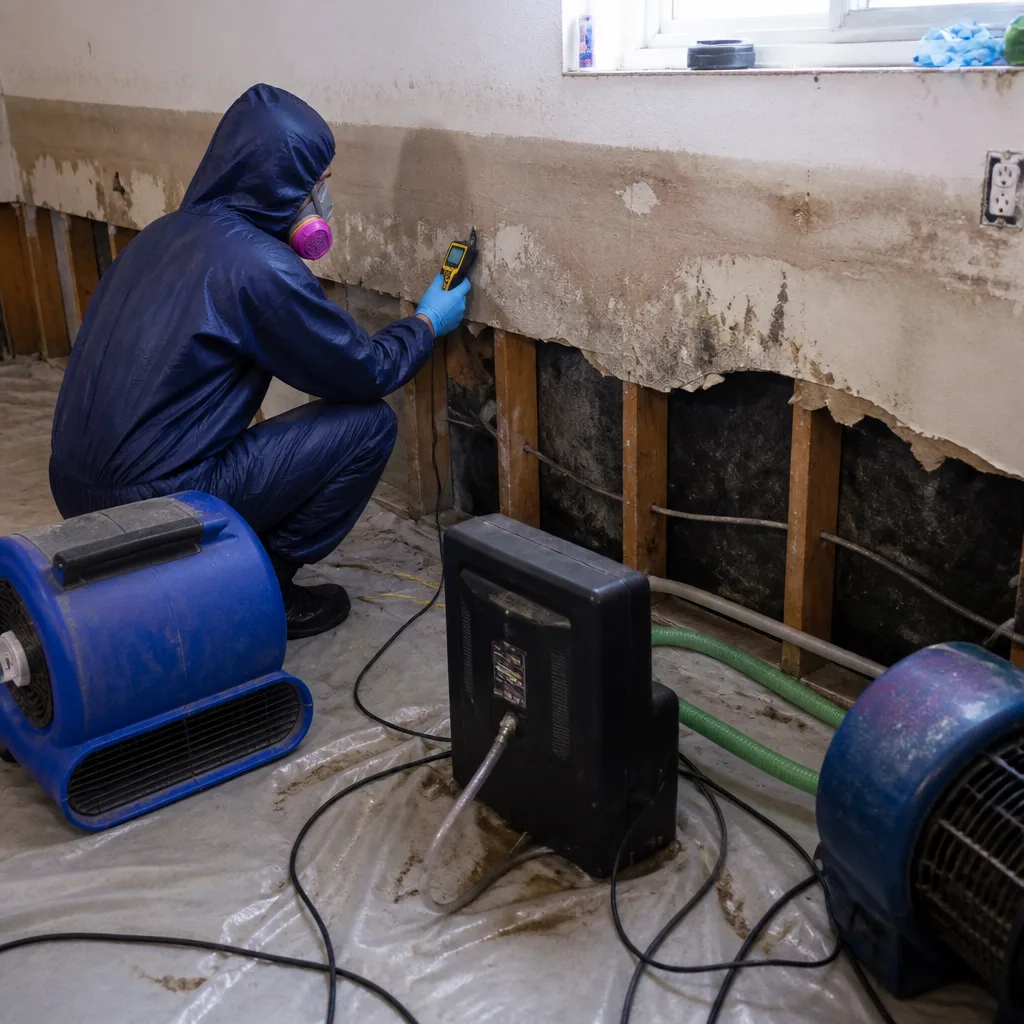 Before
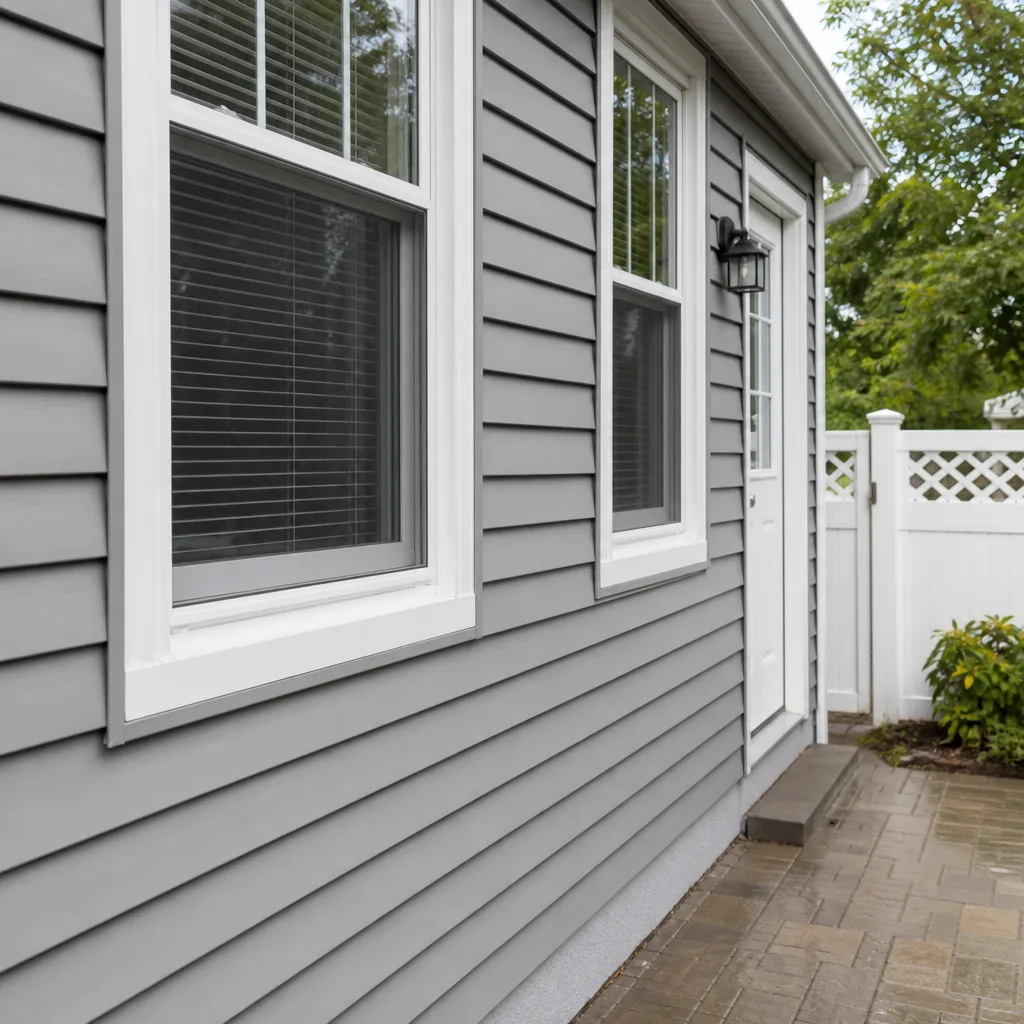 After
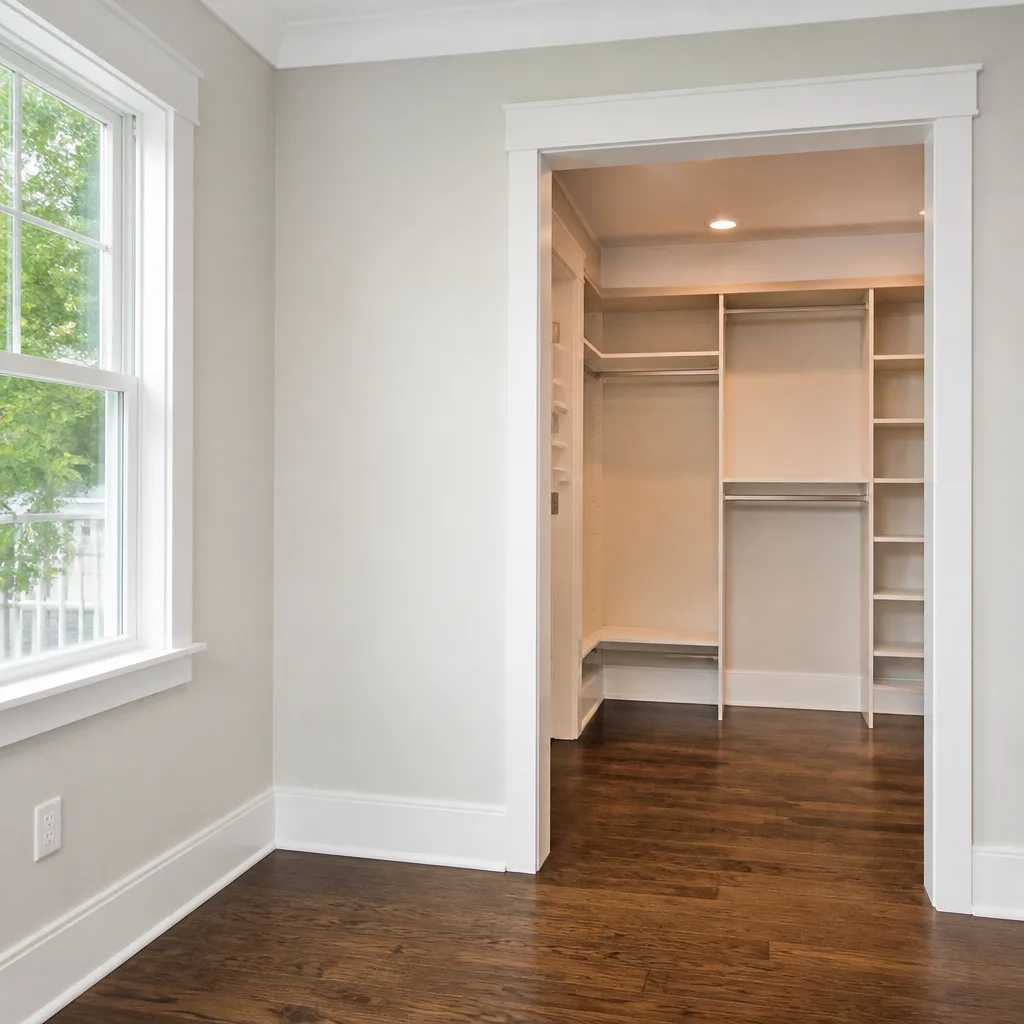
After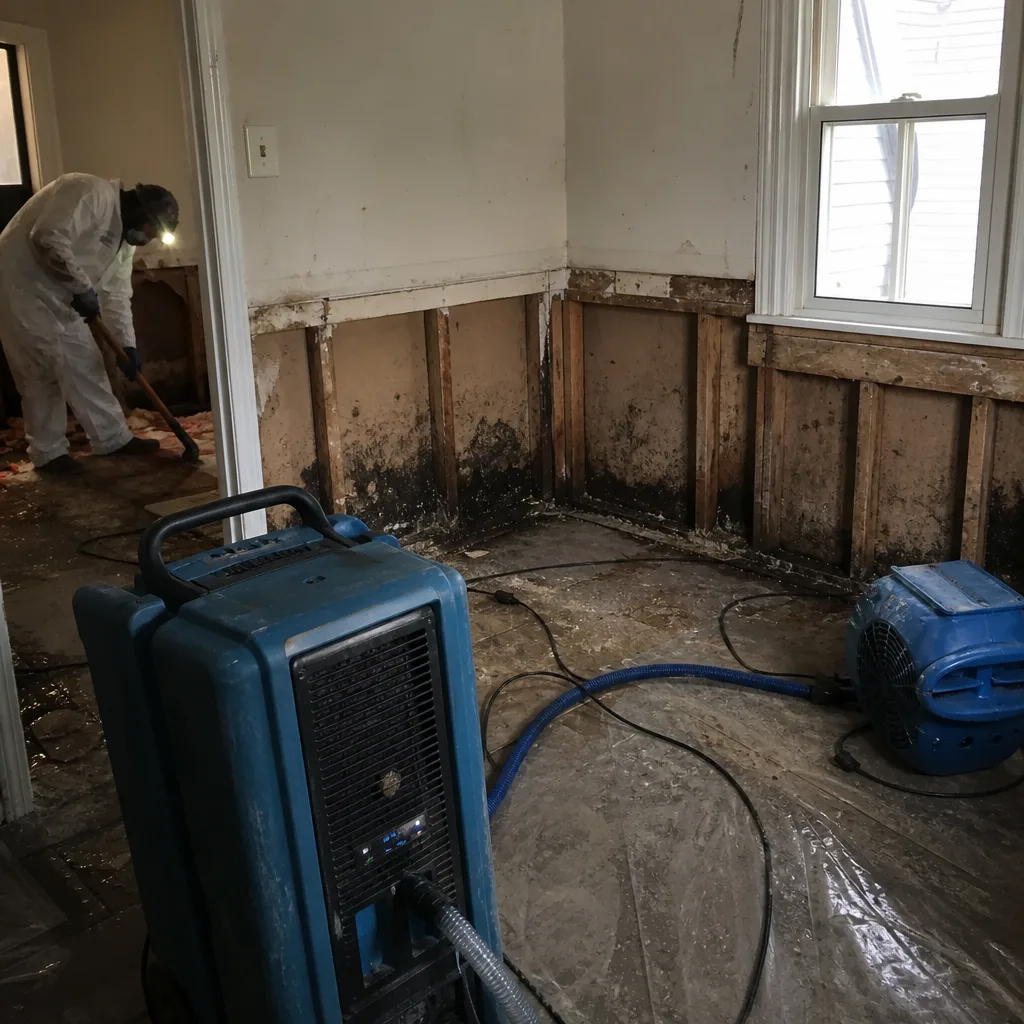 Before
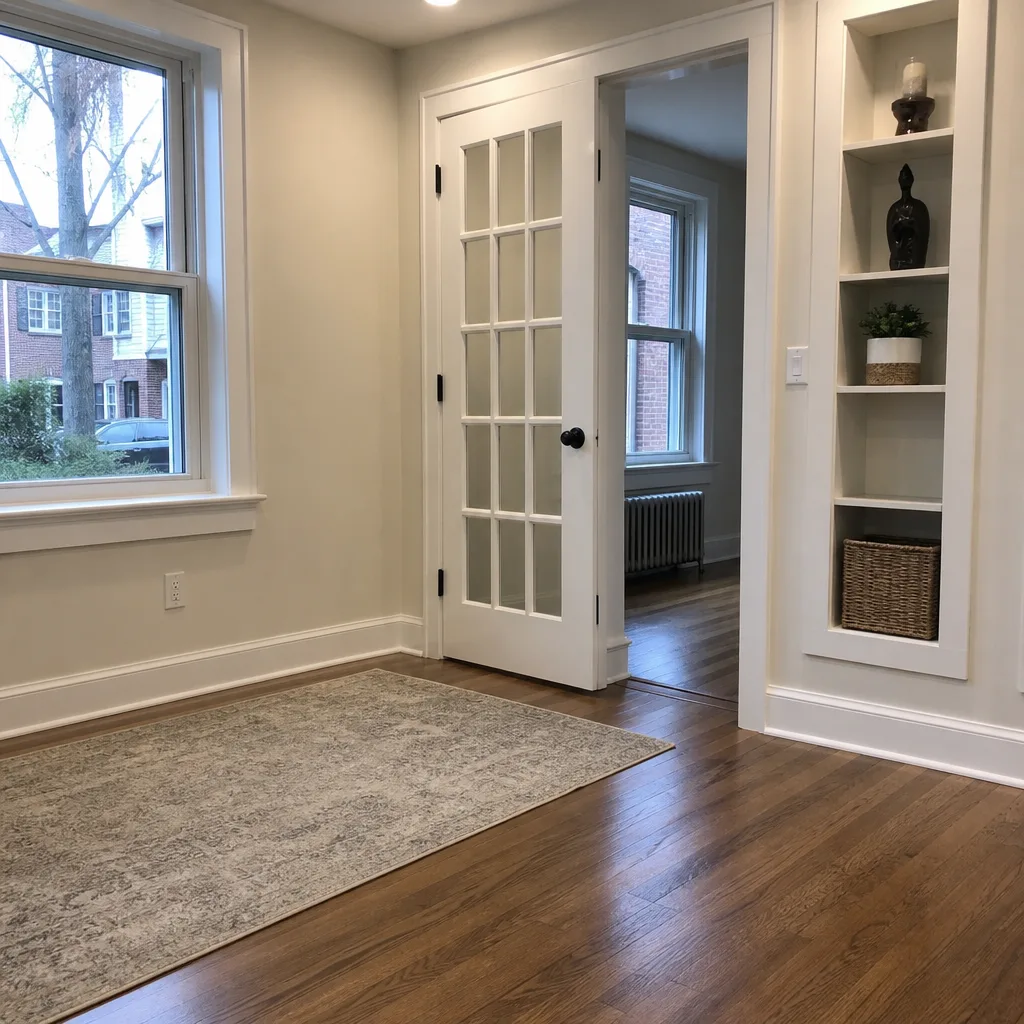 After
AfterFast, Reliable Mold Remediation Across Jackson Heights
Mold remediation in Jackson Heights typically costs between $1,800 and $5,500 depending on whether the job involves a single co-op unit or multiple units affected by moisture migration through shared masonry. Most of our Jackson Heights inspections are scheduled within 24 hours, with containment and remediation beginning as soon as the written scope is signed. Call (516) 386-9007 for a free estimate with a written price before any work starts.
We’ve worked Jackson Heights since 2011, and the pattern is consistent: a leak in one of the neighborhood’s 1910s-1930s garden-apartment co-ops rarely stays put. Water tracks through pre-war brick-and-terra-cotta walls, travels common plumbing chases, and surfaces one to three floors from the source. That vertical migration turns a simple pipe repair into a multi-party dispute involving unit owners, the co-op board, and building management. Our crews know the building types along 37th Avenue, the 82nd Street corridor, and Northern Boulevard. We document every moisture reading, every photo, every drying log to IICRC standards so your claim gets paid without a fight.
Why DryMark Restoration Flushing Is Jackson Heights’s Preferred Mold Remediation Company
Back to Dry Restoration, led by Alicia Brennan, was founded in 2011 by a former claims adjuster who built the company around the documentation gap that costs homeowners their claims. We’ve restored 12,000+ homes since then, every one with a written price before work started and a documented record when the crew left. That origin matters in Jackson Heights, where a single job can involve three insurance carriers and a co-op master policy.
Our response time to Jackson Heights averages four hours from call to on-site assessment. Dispatch and scheduling are coordinated from our New York City office, but crews serve Jackson Heights locally and carry the neighborhood’s common building materials in stock. We answer live, 24 hours a day, 7 days a week. No voicemail trees.
Our Mold Remediation team includes Spanish-, Bengali-, and Hindi-speaking technicians, which matters in a neighborhood where restoration crews routinely communicate across four or five languages. We also offer a Free Second Opinion on any competitor’s written estimate.
Our Mold Remediation Services in Jackson Heights
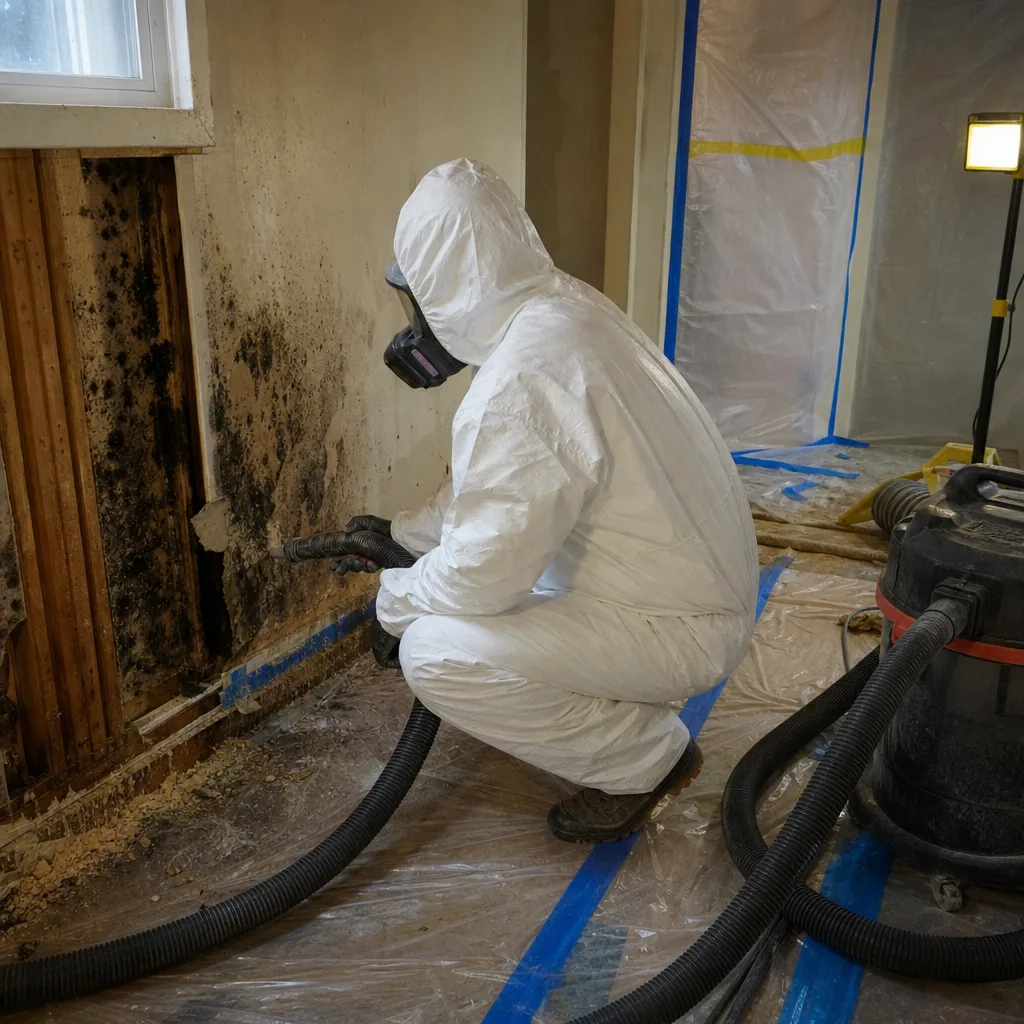
Mold Inspection & Testing
A proper Jackson Heights mold inspection starts with moisture mapping, not guesswork. We use thermal imaging and calibrated moisture meters to trace water through shared masonry and identify the full affected area, including the units above and below the visible damage. In a 1920s co-op near 35th Avenue, we recently found elevated moisture readings in a third-floor ceiling that traced back to a failed washing-machine hose on the fifth floor. Our inspection report includes pre-loss condition photos, moisture readings by room, and a written scope with a fixed price before any remediation begins. Haven Standard, Clause 1.
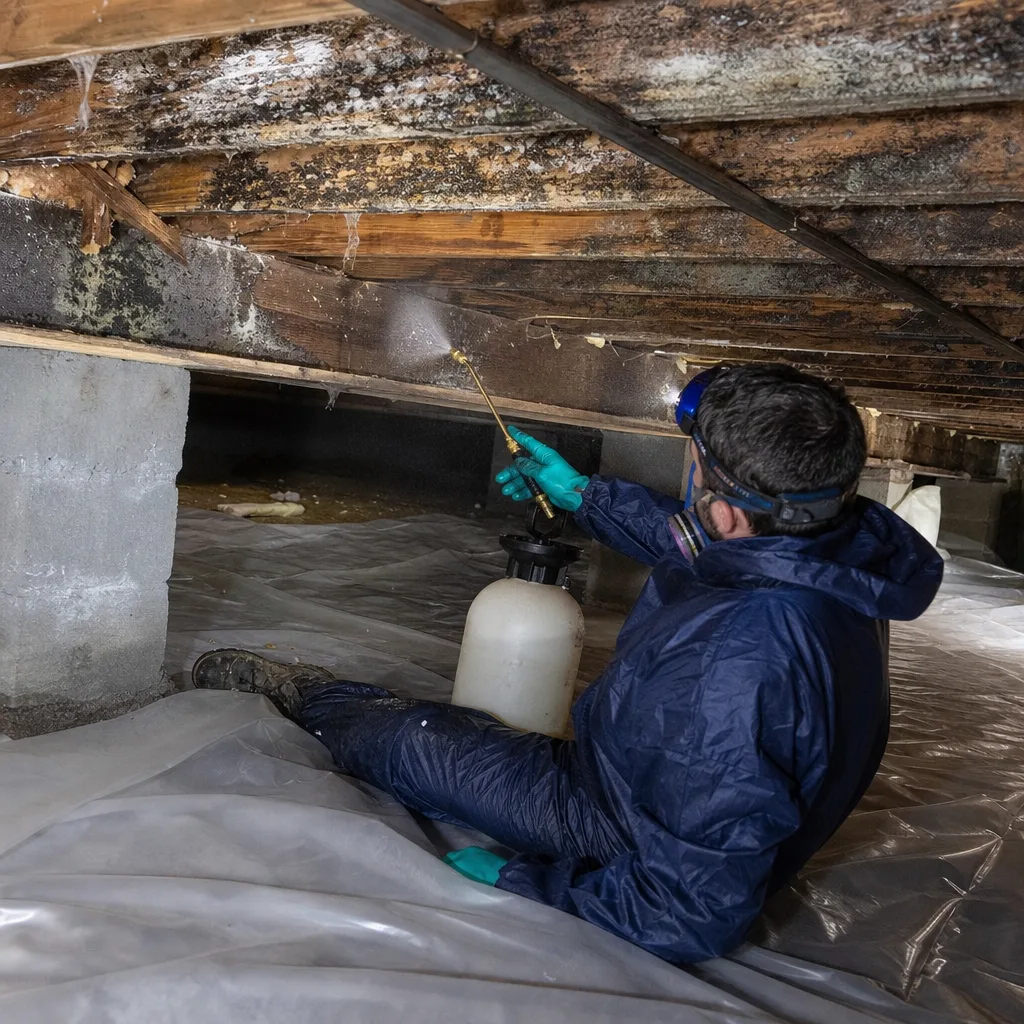
Mold Removal
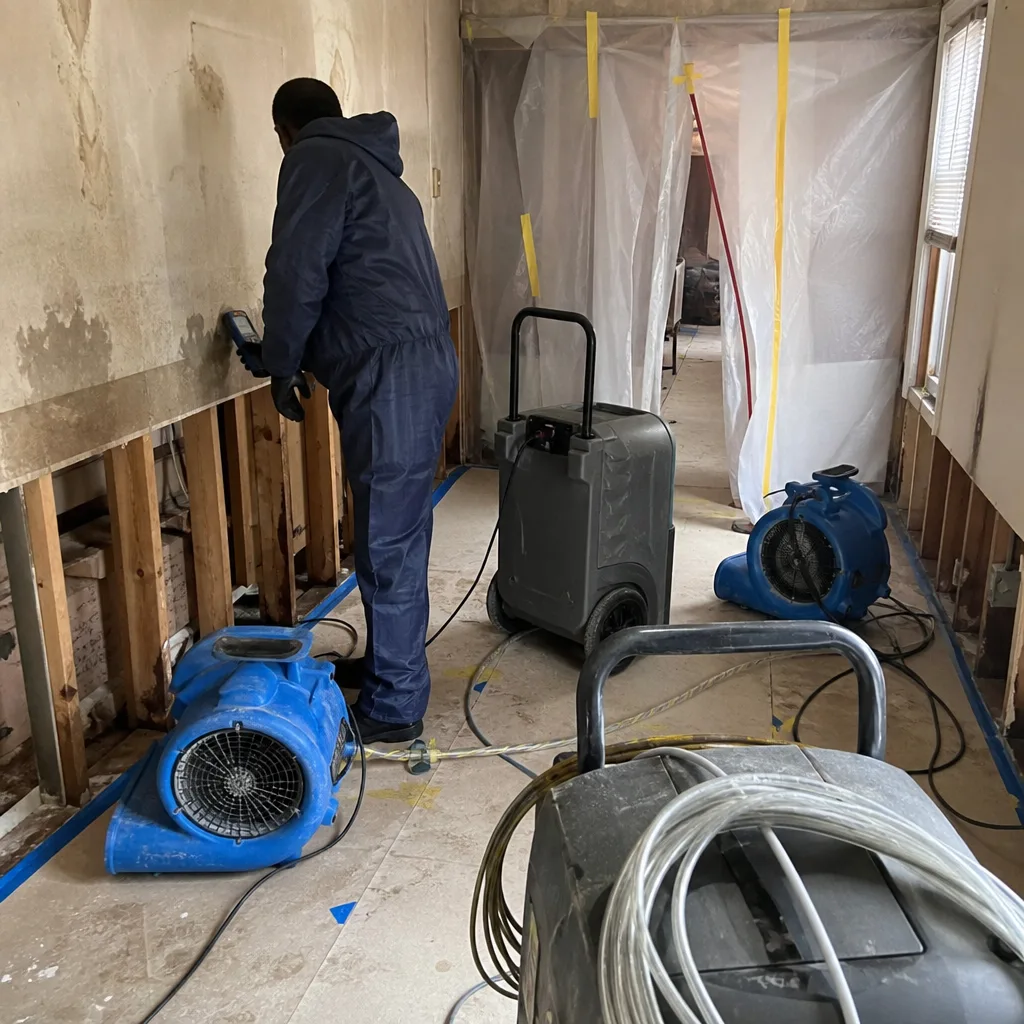
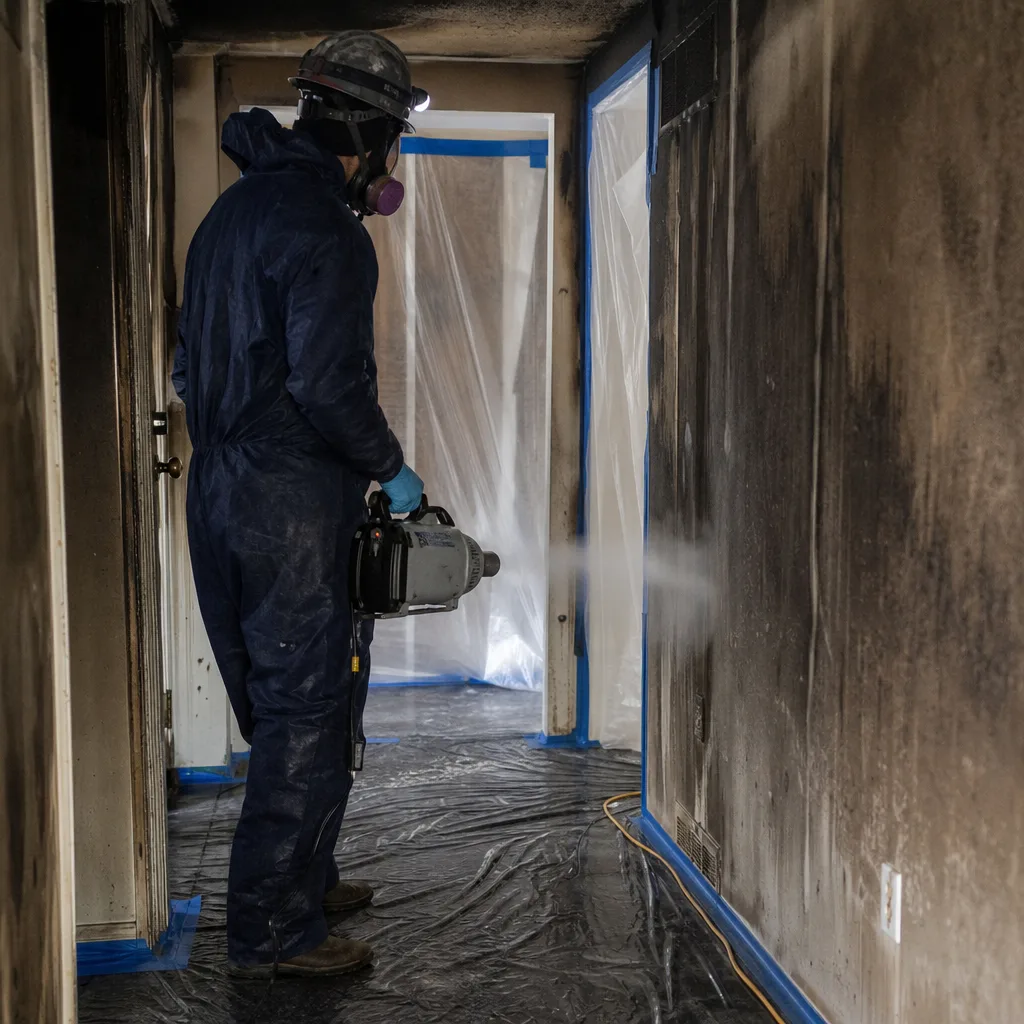
Mold removal in Jackson Heights requires containment protocols that account for interconnected HVAC systems and shared utility chases. We seal work areas with polyethylene barriers, establish negative air pressure with HEPA-filtered air scrubbers, and remove contaminated drywall, plaster, or insulation according to IICRC S520 standards. Our technicians are background-checked, uniformed, and licensed, with license numbers documented on every job. The photo record we produce becomes part of your claim file.
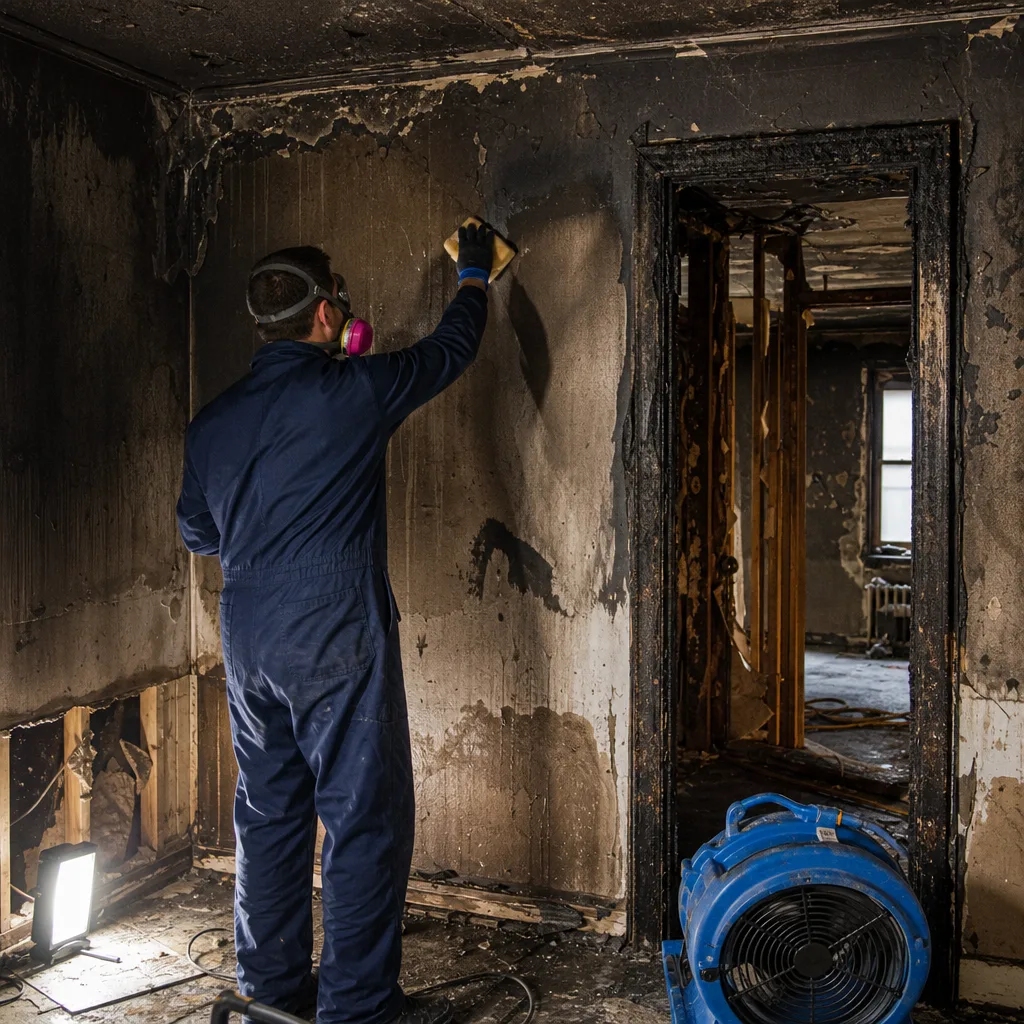
Black Mold Remediation
Black mold, or Stachybotrys chartarum, thrives on cellulose materials that stay wet for more than 72 hours. In Jackson Heights’s pre-war buildings, that timeline is dangerously compressed: Hurricane Ida’s basement flooding in September 2021 saturated thousands of ground-floor and converted basement units, and the high humidity of Queens summers kept those materials wet long enough for toxigenic mold to establish. Category 3 black water from sewer backups requires removal of contaminated materials, not just drying. We treat these jobs as hazardous material remediation from the first assessment, with proper PPE, disposal documentation, and clearance testing before rebuild.
Air Quality Restoration
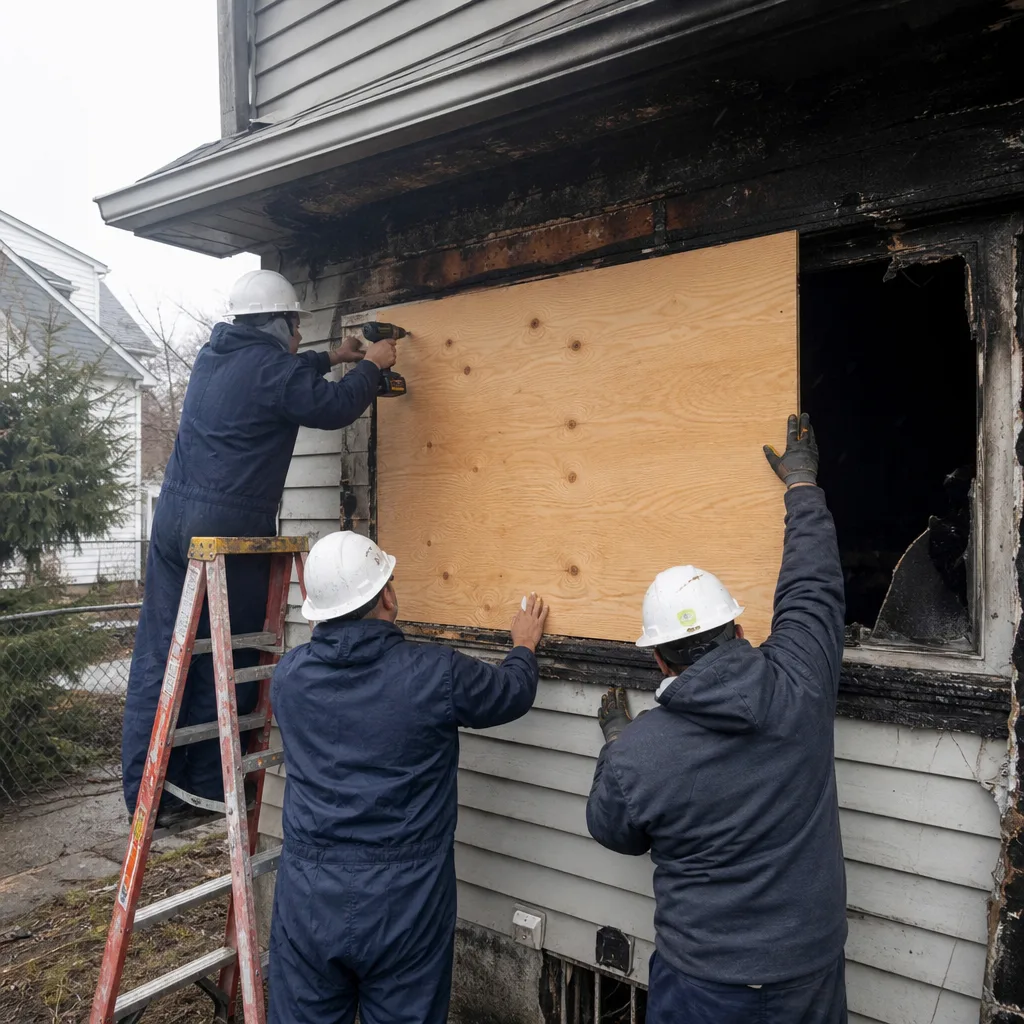
After remediation, we verify air quality with third-party laboratory analysis of air and surface samples. In Jackson Heights’s dense co-op buildings, where units share ventilation pathways and construction dates to the 1920s, post-remediation clearance is non-negotiable. We document particulate counts, spore identification, and comparative outdoor samples. The lab report goes to you, your insurer, and the co-op board.
Moisture & Humidity Control
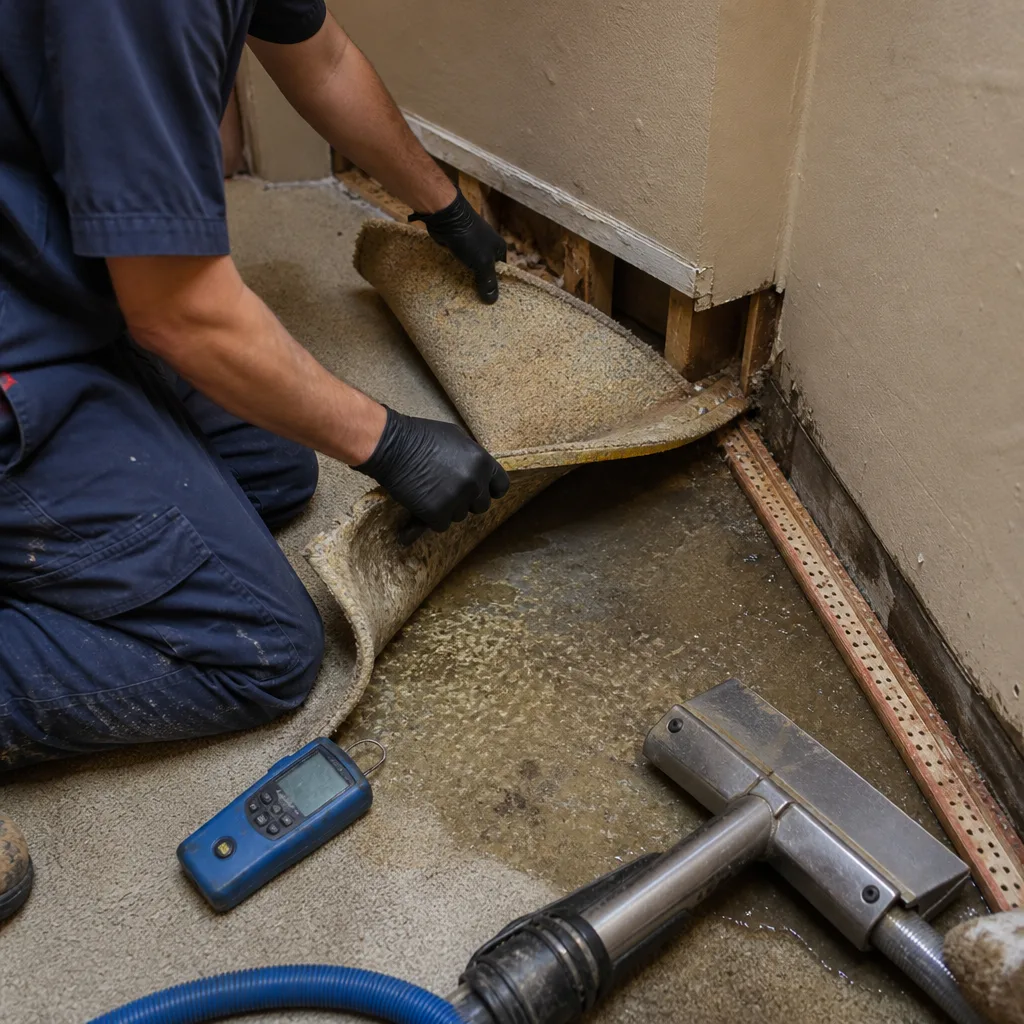
Controlling moisture in Jackson Heights means addressing the building envelope, not just the leak. We deploy Phoenix and B-Air dehumidifiers sized to the affected cubic footage, document vapor pressure differential (the force that drives moisture through walls), and produce daily psychrometric data, which is the temperature-and-humidity log that proves the structure is returning to dry standard. Our Injectidry systems can direct dry air into wall cavities without tearing out intact plaster, a significant advantage in landmarked pre-war construction where original materials have replacement restrictions.
What happens when you call
- 1
A real person answersNo phone trees - you reach a local pro.
- 2
You get an upfront price rangeHonest numbers before anyone is dispatched.
- 3
A background-checked tech heads outLicensed & insured, dispatched right away.
- 4
You approve before work beginsNothing starts until you say go.
BeforeAfterTrusted Brands We Service in Jackson Heights
We deploy professional-grade drying systems from Phoenix, B-Air, and Injectidry on Jackson Heights jobs, documented to IICRC, RIA, and IFA standards. These aren’t marketing names, they’re the equipment that produces the daily moisture logs your adjuster needs to approve the invoice. We stock HEPA air scrubbers, negative air machines, and containment supplies locally so Jackson Heights co-op boards don’t wait three days for a rental delivery while mold spreads. Every piece of equipment is logged by serial number and calibrated date on your job file.
Common Mold Remediation Problems We See in Jackson Heights Homes
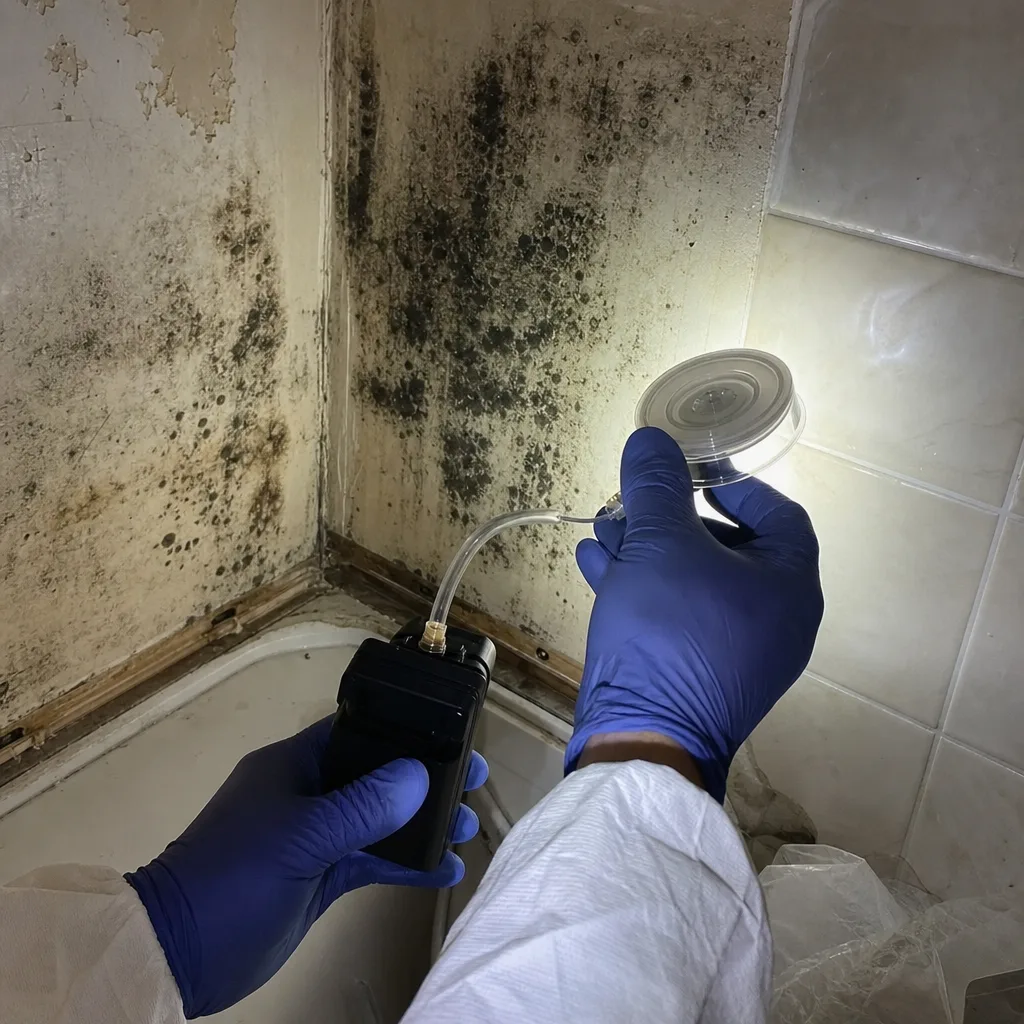
- Believing the leak is contained to one co-op unit when water has wicked through shared pre-war masonry. The old brick-and-terra-cotta construction in Jackson Heights’s garden apartments acts like a wick. We’ve seen moisture travel vertically three floors through a common plumbing chase, surfacing as mold in a unit with no visible leak. Our moisture mapping finds the true source before remediation starts.
- Treating Hurricane Ida-era sewer backups as Category 1 or 2 water when they’re actually Category 3 black water. The NYC combined sewer system still overwhelms during intense summer rainfall, pushing sewage through floor drains in Jackson Heights’s converted basement units. Category 3 water requires removal of contaminated materials, not just drying. We classify correctly on arrival and document the contamination photo record so there’s no dispute later.
- Missing hidden mold because tenants in informal basement conversions fear documentation and delay access. This is a real barrier in Jackson Heights. Our multilingual crews explain the process in the resident’s language, emphasize that our documentation serves the insurance claim, not immigration enforcement, and work with building management to secure lawful entry without unnecessary city inspector involvement.
- Starting remediation before the co-op board and all affected unit owners agree on scope and payment. In Jackson Heights’s co-op structure, one leak can trigger three or more insurance policies. We produce a written scope with a fixed price and pre-loss photos before anyone signs, so the board, the unit owners, and their carriers have a single document to negotiate from.
Pricing for Mold Remediation in Jackson Heights, NY
Mold inspection and testing in Jackson Heights typically runs $350-$650 for a single co-op unit, including moisture mapping, thermal imaging, and laboratory analysis of two air samples and one surface sample. Single-unit mold removal with containment, HEPA air scrubbing, and disposal of contaminated drywall starts around $1,800-$3,200. Multi-unit jobs involving shared masonry, common chases, and co-op board coordination range from $3,500-$5,500 and often require phased scheduling to maintain building access.
Black mold remediation following Category 3 sewer backup runs higher, $4,000-$7,500, because of hazardous material handling, specialized disposal, and mandatory clearance testing. Moisture and humidity control with professional dehumidification averages $85-$150 per day for equipment rental, typically 3-7 days.
Every price is delivered in writing before work begins, with no scope-creep additions once the crew is inside. Haven Standard, Clause 1. We also offer a Free Second Opinion on any competitor’s written estimate.
We Also Serve Cities Near Jackson Heights
Our crews respond daily to Jackson Heights and the surrounding Queens neighborhoods: Elmhurst to the south, Woodside to the west, Rego Park to the east, and Maspeth to the southwest. The same building types, the same pre-war vulnerabilities, the same co-op dynamics apply across this corridor. Call (516) 386-9007 for scheduling in any of these areas.
Serving Jackson Heights, NY - Our Local Coverage Area
We’re based in the Jackson Heights area and know this community well. Use the map below to see our service coverage - if you’re nearby, we can almost certainly help.
FAQs - Mold Remediation in Jackson Heights
Yes. Sewer backup is Category 3 black water, which requires removal of contaminated porous materials, not just drying. In Jackson Heights, where Hurricane Ida demonstrated the vulnerability of converted basement units to combined sewer overflow, we treat these jobs as hazardous material remediation from arrival, with full PPE, documented disposal, and mandatory post-remediation clearance testing. Call (516) 386-9007 for a written scope.
Mold can establish visible colonies in 24 to 48 hours on wet cellulose materials, but in Jackson Heights’s pre-war construction, the real risk is slower. Water hides in masonry cavities and plaster voids for weeks before surfacing, allowing mold to spread extensively behind intact walls. We find it with thermal imaging and moisture meters before it becomes visible. The sooner you call, the smaller the contained area.
Responsibility depends on the co-op’s bylaws, the origin of the leak, and whether it involved building systems or owner-installed fixtures. Our documentation, including moisture mapping that traces the water path and pre-loss photos of all affected areas, gives the board, the owners, and their insurers a single factual record to allocate costs from. We don’t determine liability, we produce the evidence that does.
Yes. Our Spanish-, Bengali-, and Hindi-speaking technicians explain that our documentation serves your insurance claim, not immigration enforcement. We coordinate with building management for lawful entry and produce the photo record and drying logs that protect your deposit and health. The mold will not improve on its own, and delayed access only increases the remediation scope and cost.
We deploy Phoenix and B-Air dehumidifiers, Injectidry cavity-drying systems, and HEPA air scrubbers on every job, documented to IICRC standards. “Dry” is proven with daily psychrometric logs, which record temperature, relative humidity, and specific humidity at each affected location, compared to unaffected control areas and outdoor baseline. When the numbers match dry standard for three consecutive days, we stop billing for equipment. The complete log goes to your adjuster.
Written by Alicia Brennan, Owner at Back to Dry Restoration, serving Jackson Heights since 2011.