
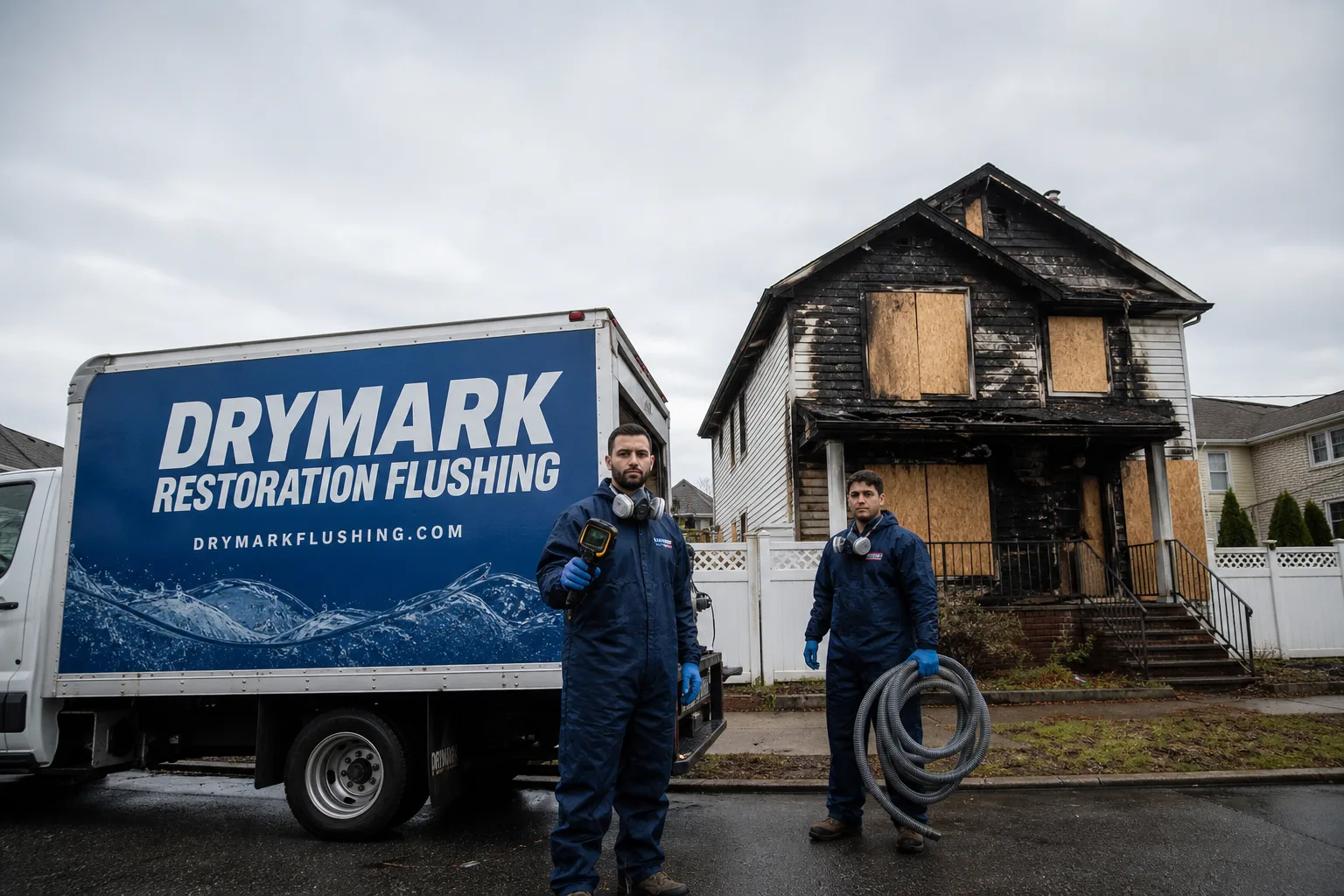
Free visual inspection and a written scope of work before any mitigation begins - photos, moisture readings, and drying logs go in your claim file
The scope we write is the scope we bill. Anything new gets shown to you, in writing, before we touch it.
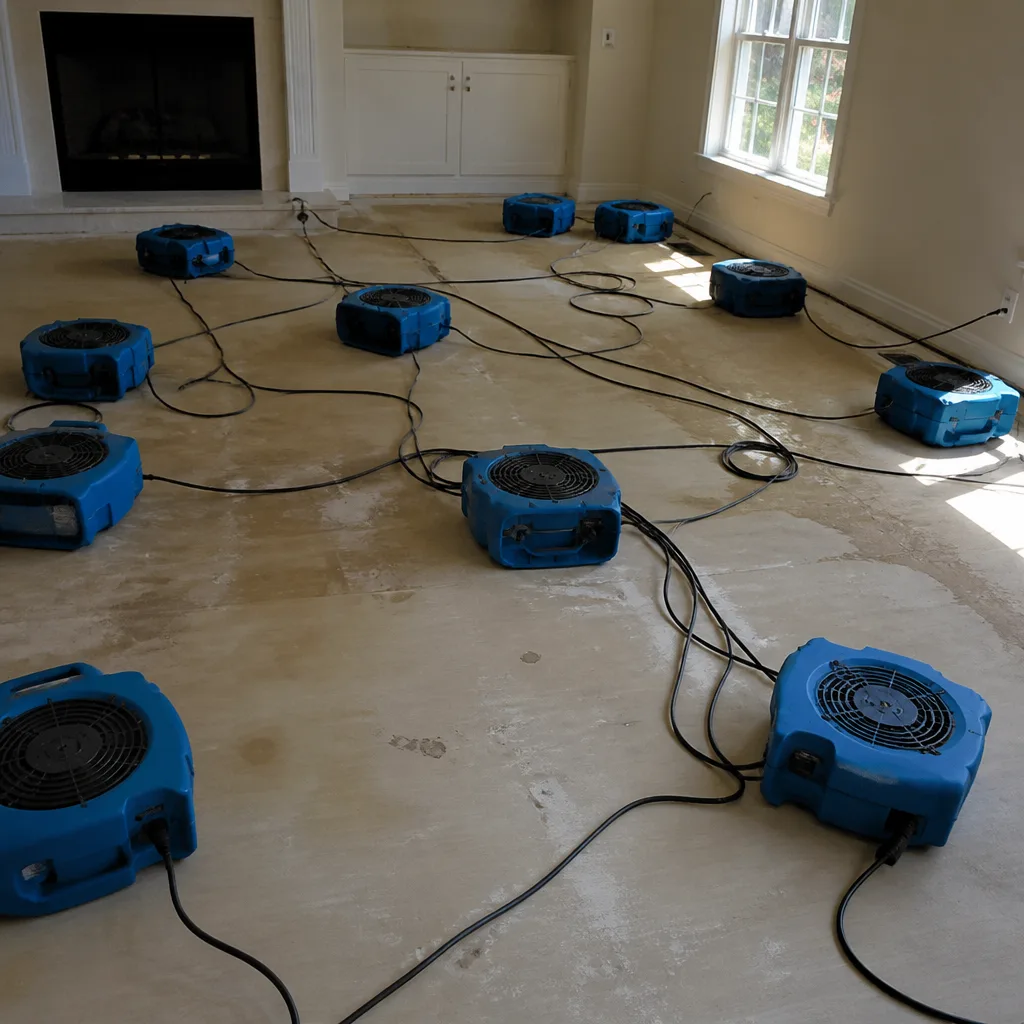
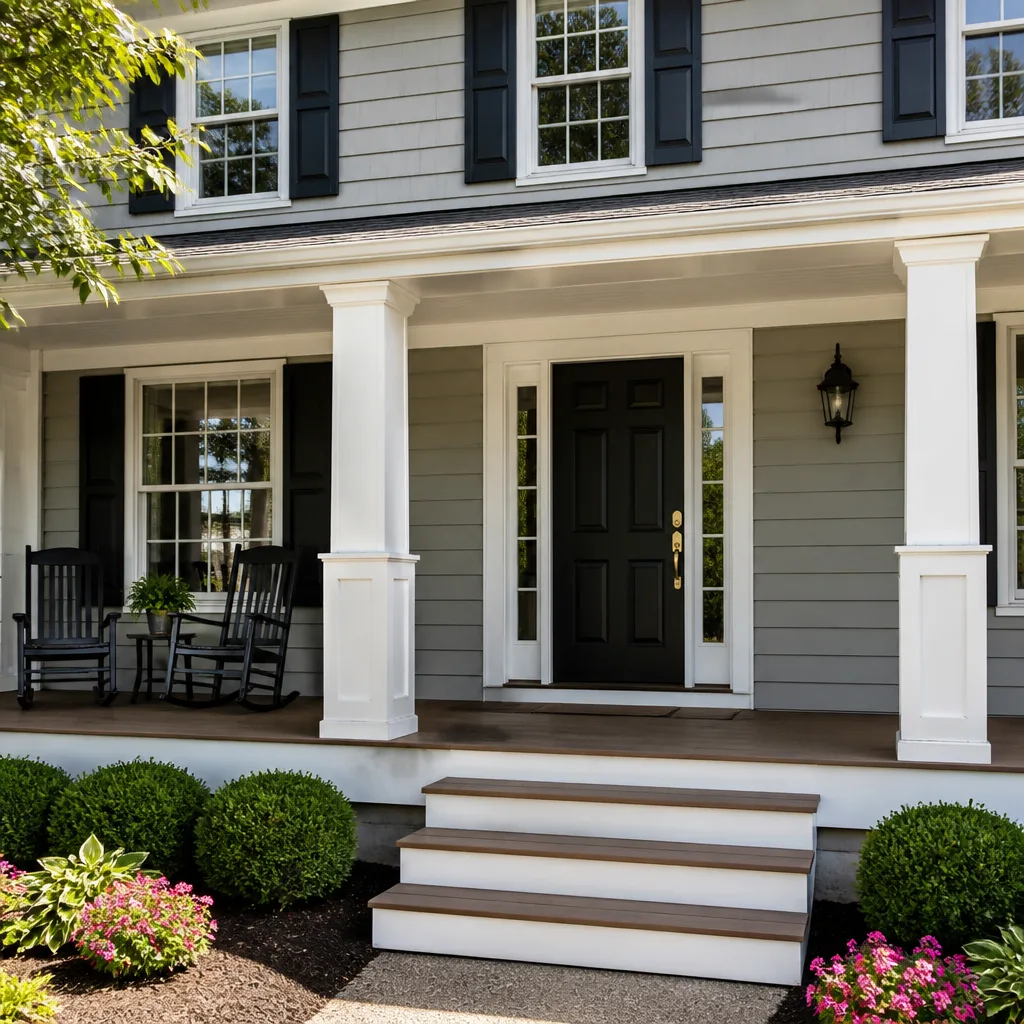
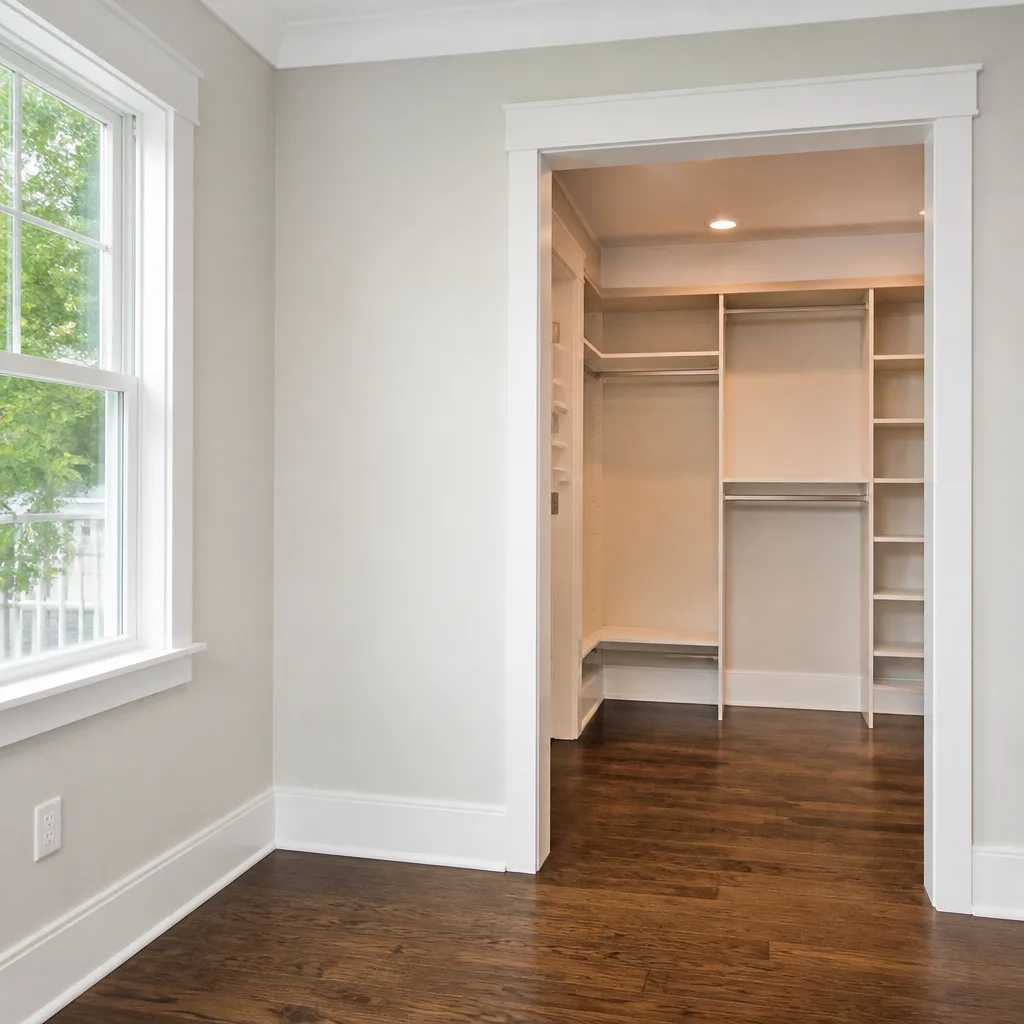
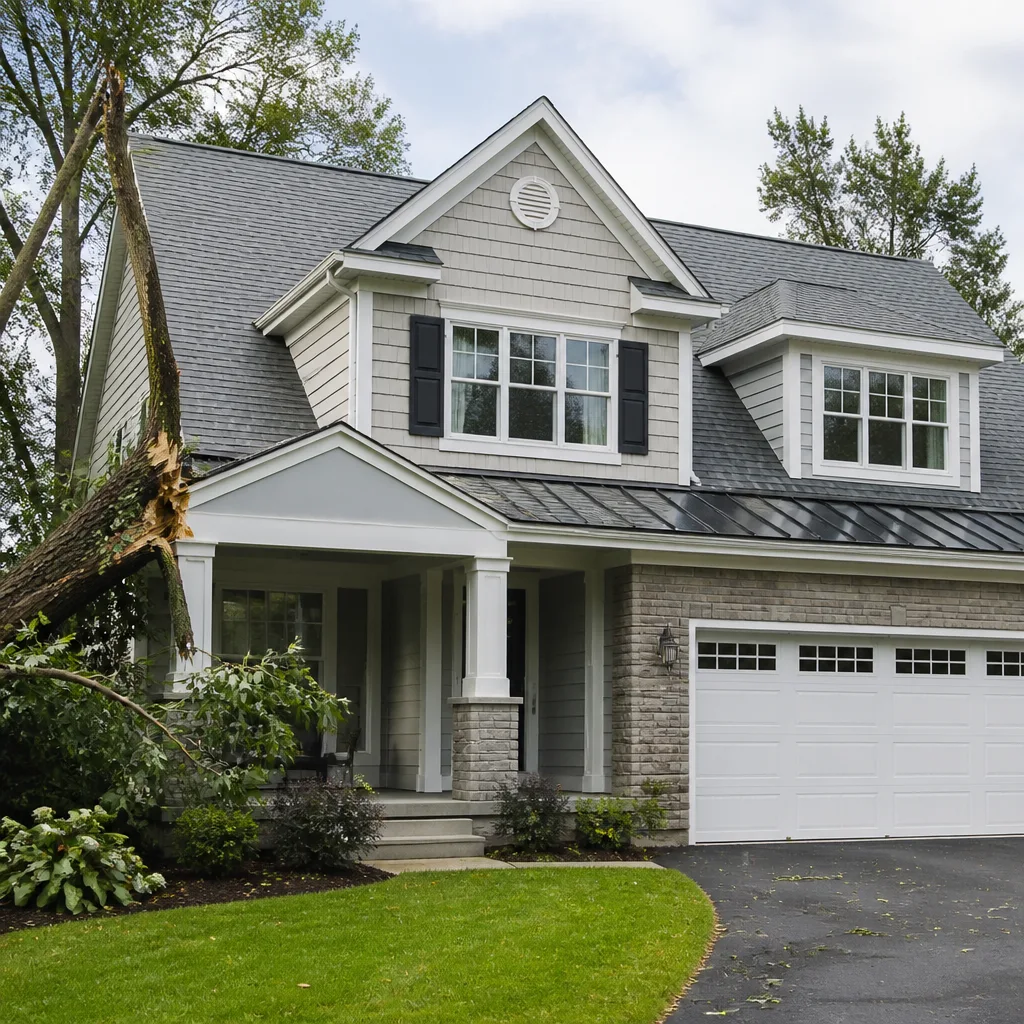
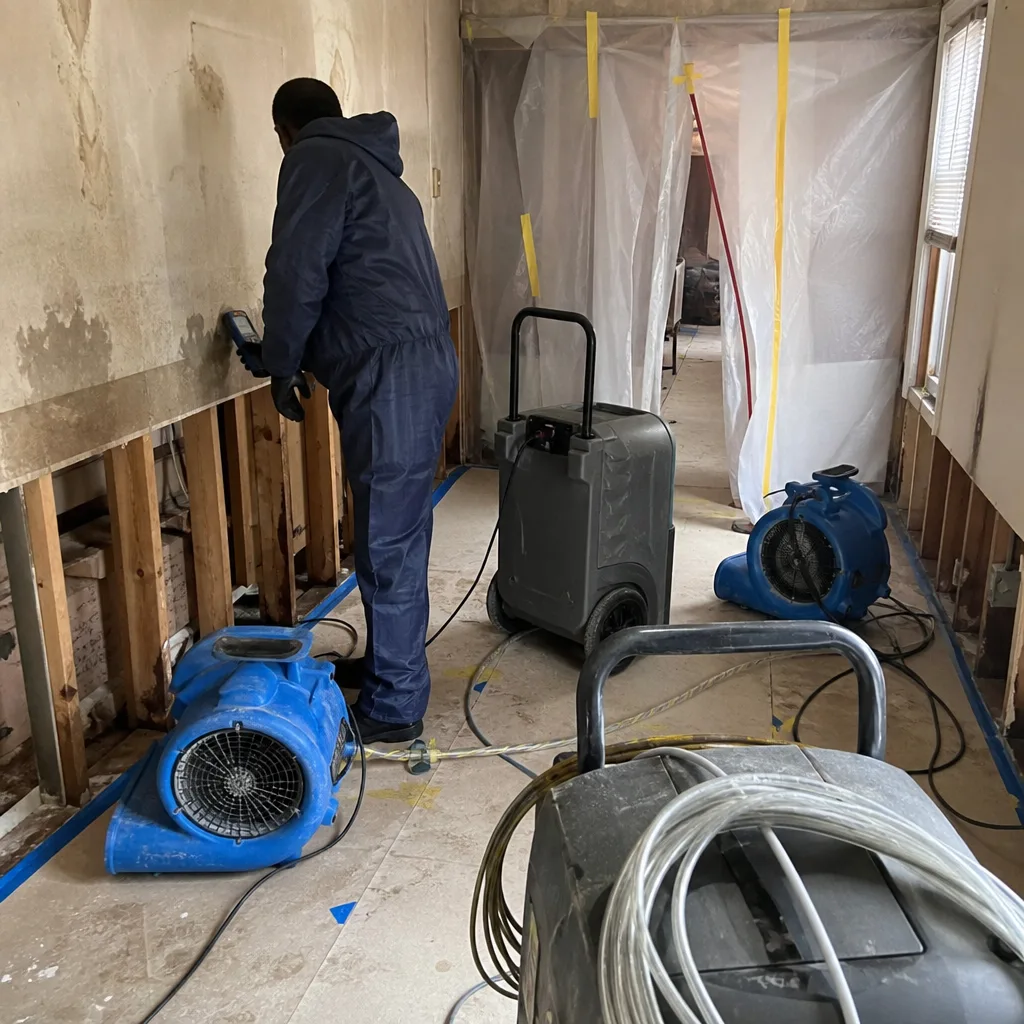 Before
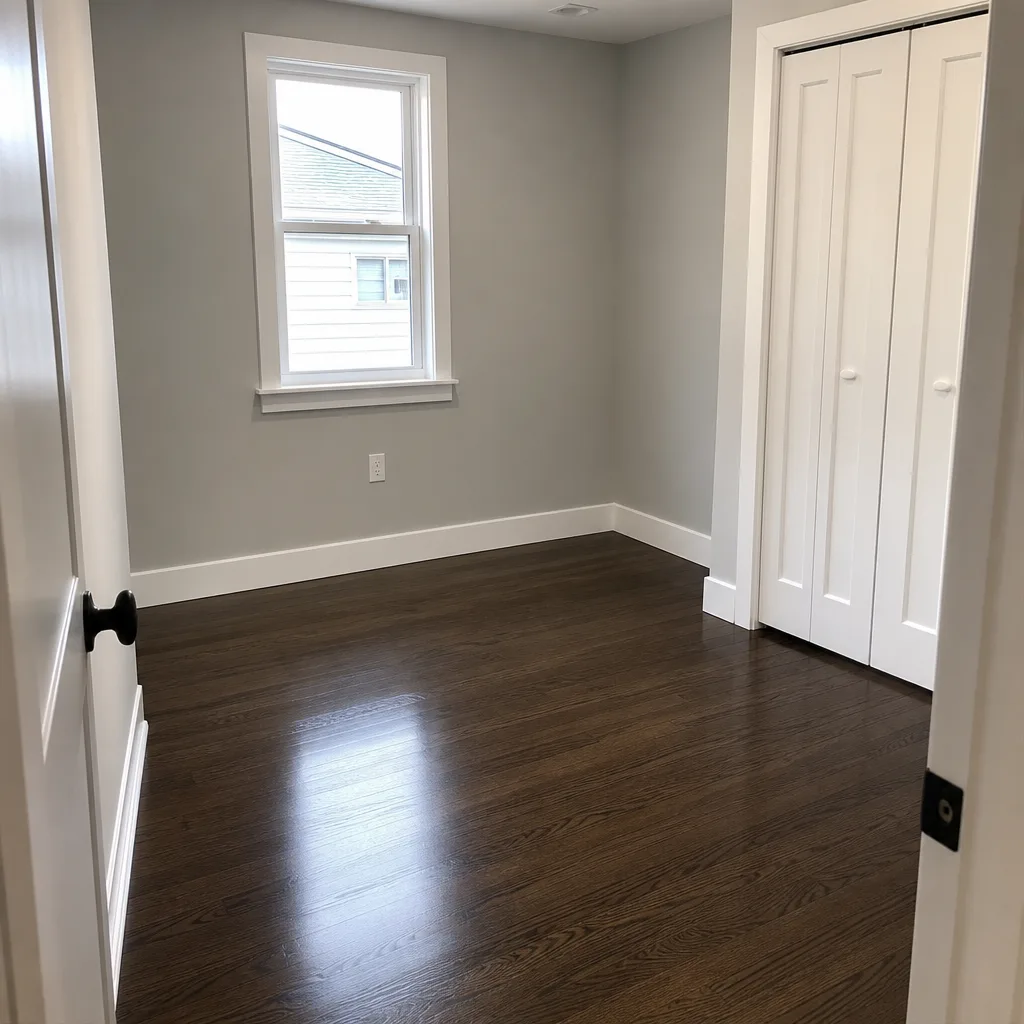 After
After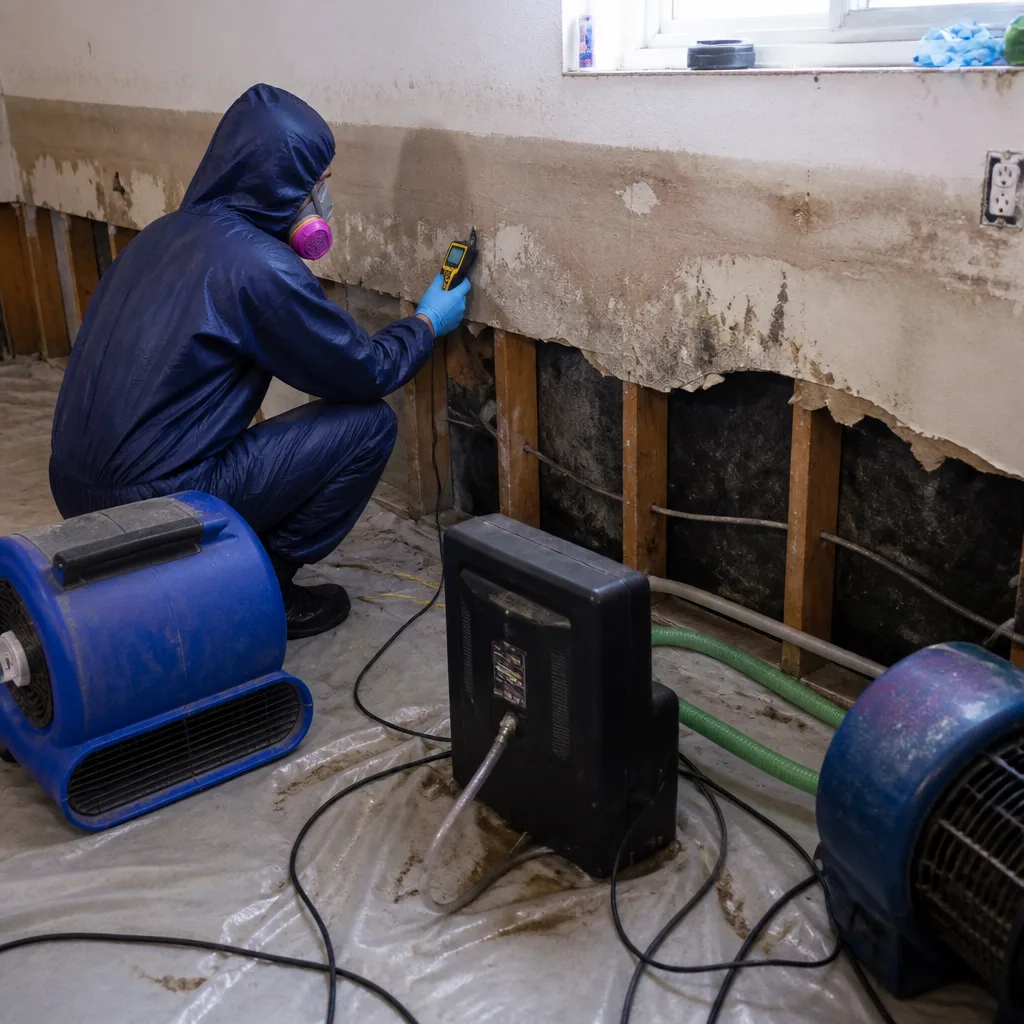 Before
 After
After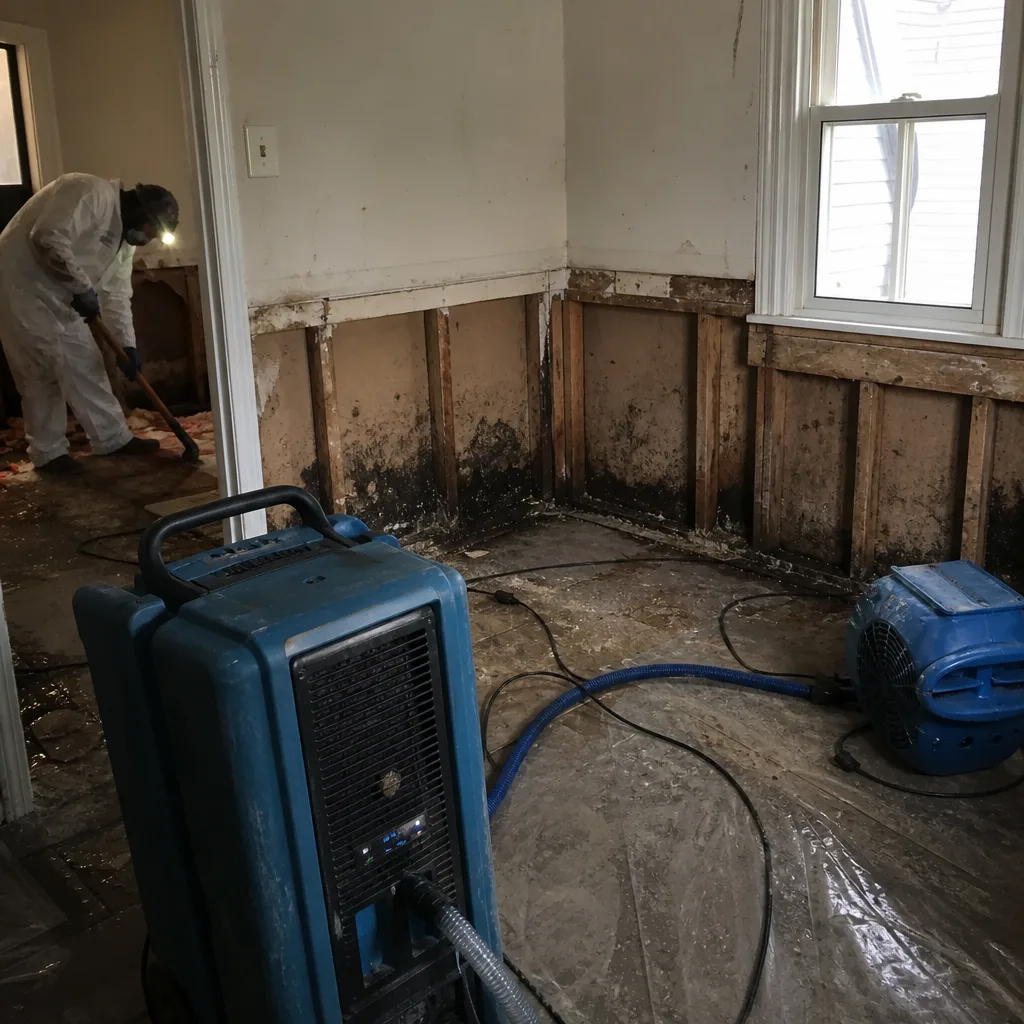 Before
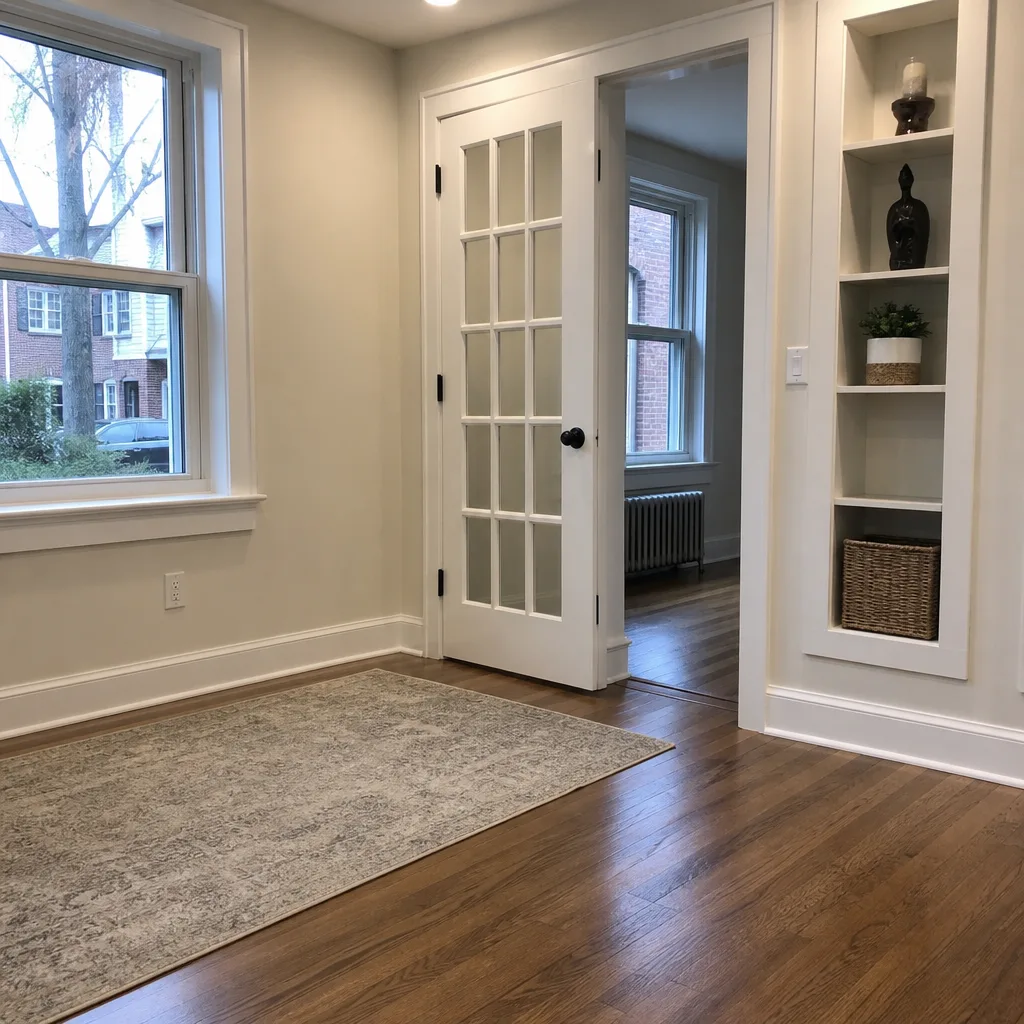 After
AfterFast, Reliable Water Damage Restoration Across Flushing
Water damage restoration in Flushing typically costs $2,800-$7,500 for a standard basement flood with extraction and structural drying, with Category 3 sewage backups running $4,500-$12,000 due to antimicrobial treatment and controlled demolition requirements. Most emergency calls in Flushing’s 11354, 11355, and 11358 ZIP codes reach a live dispatcher within two rings, and our crews are usually on-site within 45-60 minutes during surge events. We coordinate dispatch from our New York City office, but the technicians who arrive at your door know Flushing’s specific risks: the combined-sewer surcharges along Kissena Boulevard, the lateral water migration through party walls in the 1920s brick row houses near Sanford Avenue, and the basement-apartment density that makes every job a potential multi-unit scope.
Call (516) 386-9007 now. A live person answers, 24 hours a day, 7 days a week. No voicemail trees while water is still moving.
Why DryMark Restoration Flushing Is Flushing’s Preferred Water Damage Restoration Company
We’ve restored water-damaged properties in Flushing since 2011, and our file on this neighborhood is specific: we know which blocks near Flushing Creek flood first during a combined-sewer surcharge, which semi-detached homes on 45th Avenue share party walls with no air gap, and why a call described as “water heater leak” off Main Street routinely requires ATP pre-testing before anyone touches standing water. That local knowledge shows up in our documentation - the photo records, drying logs, and written scopes that turn restoration invoices into payable claims.
Our reviews from Flushing customers consistently cite two things: speed to the job and the written price delivered before work started. Haven Standard, Clause 1. No exceptions. We’ve completed over 12,000 restorations since our founding, every one with a documented photo record on every visit and a 365-Day Done Right Promise backed by The Haven Standard.
Alicia Brennan built this company around the documentation gap that costs homeowners their claims. She was a claims adjuster before she was a restoration owner. That background means our Flushing customers get the daily moisture readings, psychrometric data (temperature, humidity, and vapor pressure measurements that prove drying progress), and room-by-room photo sequences that adjusters recognize and approve.
Response time to Flushing runs 45-60 minutes for emergency calls during normal demand, and up to 90 minutes during major surge events like tropical remnants. We don’t promise what we can’t document.
Our Water Damage Restoration Services in Flushing
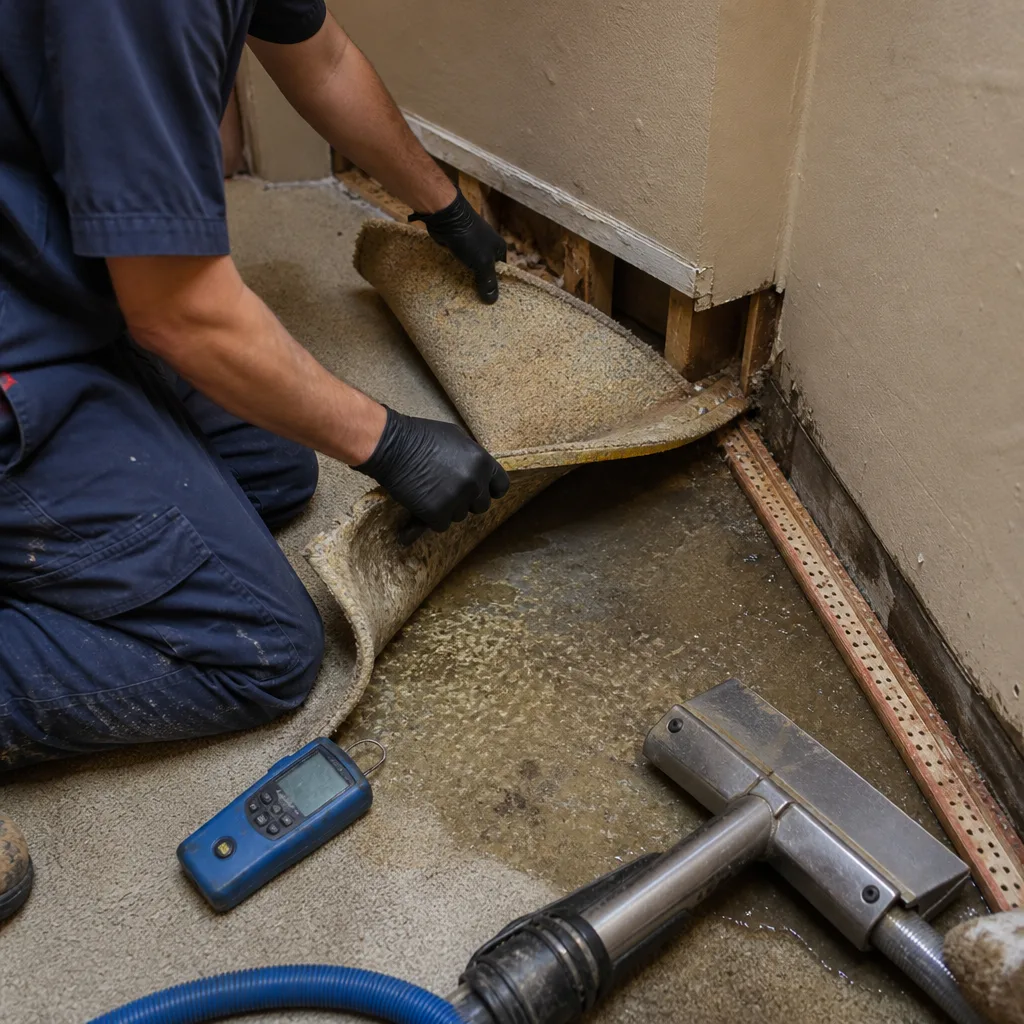
Emergency Water Extraction
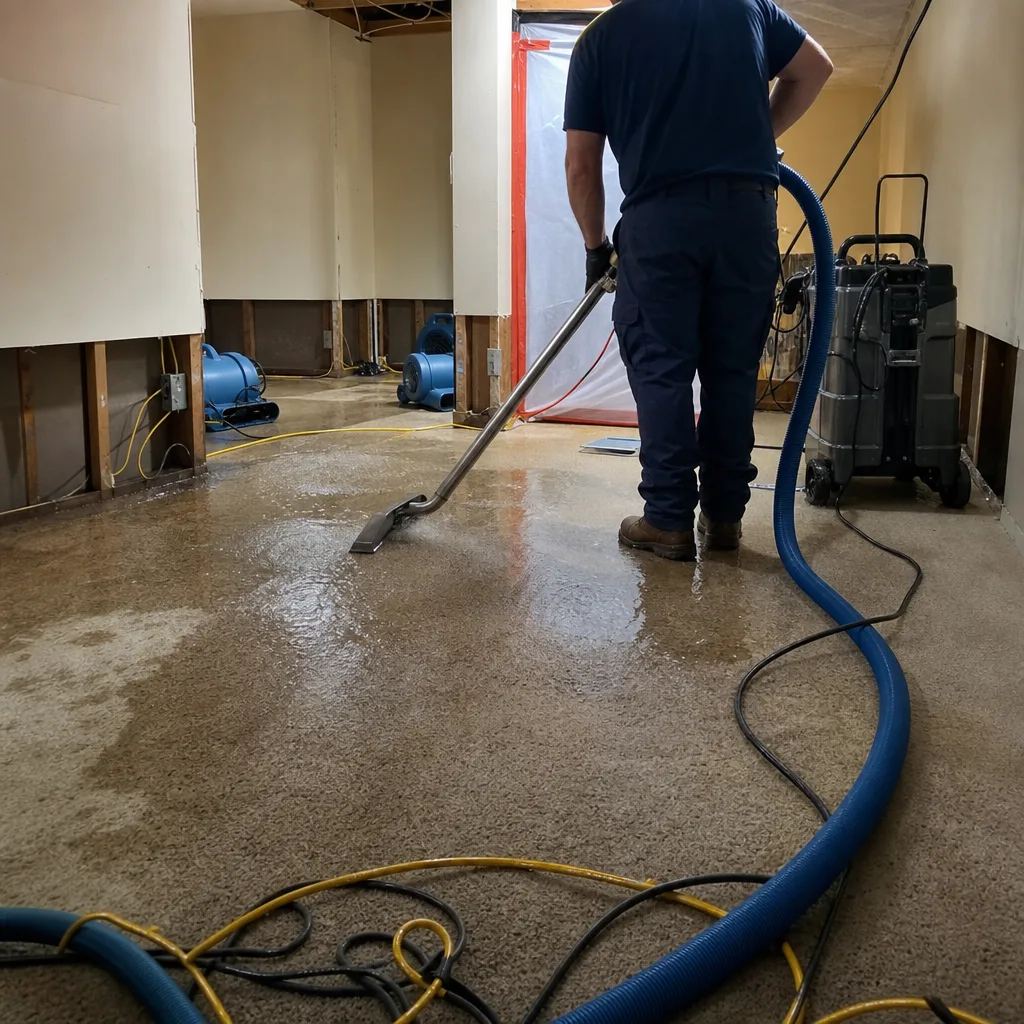
Our Water Damage Restoration team treats every Flushing basement flooding call as a presumptive Category 3 biohazard until ATP or microbial samples prove otherwise. That’s not overcaution - it’s the pattern we’ve documented across hundreds of Flushing jobs. The aging combined sewer infrastructure in this low-lying basin routinely surcharges during moderate-to-heavy rain, pushing raw sewage back through basement floor drains and toilet flanges. We arrive with truck-mounted extraction units, XPOWER portable extractors, and containment materials already staged. Extraction for a typical Flushing basement apartment runs $1,200-$2,800, with full Category 3 protocols adding $800-$1,500 for antimicrobial treatment and controlled removal of contaminated porous materials.
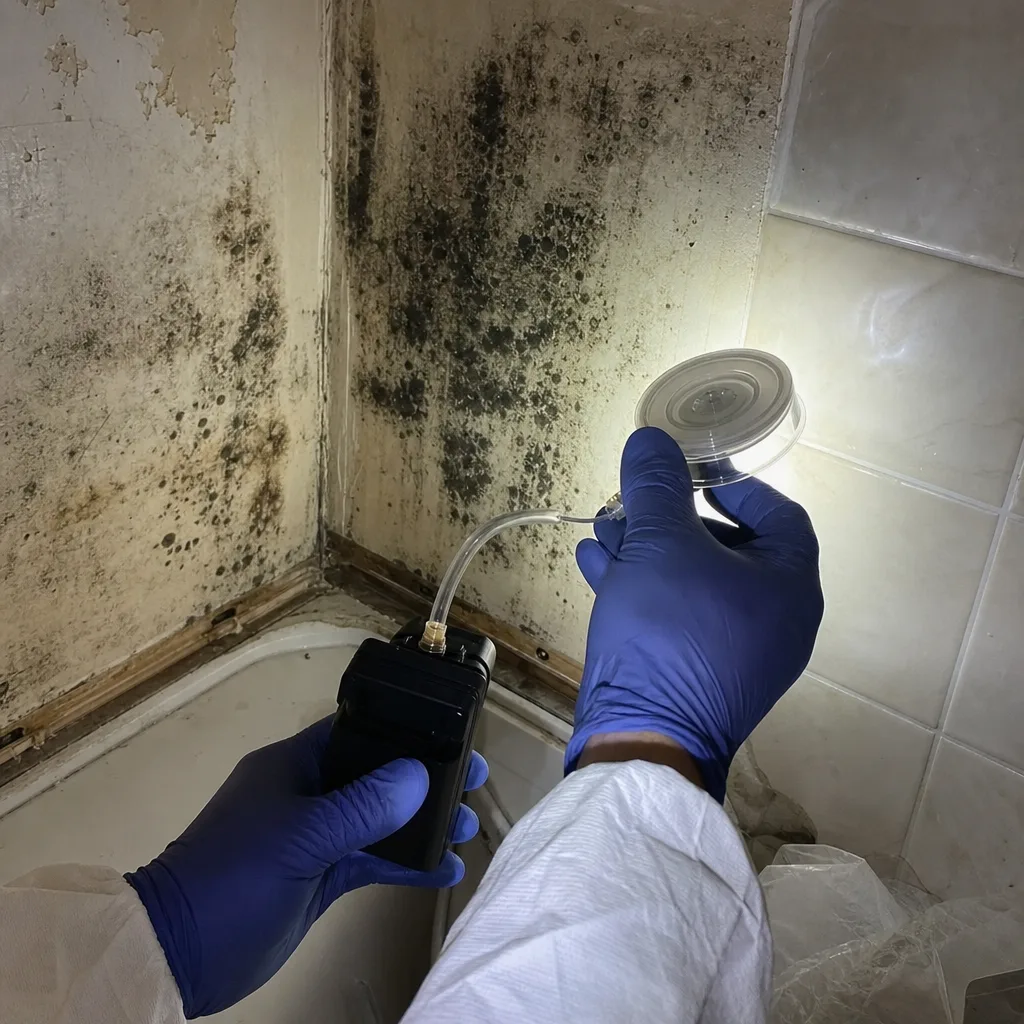
Structural Drying & Dehumidification
Flushing’s attached brick row houses present a specific drying challenge: shared party walls with no air gap allow moisture and mold to migrate laterally between units, meaning a single-property inspection routinely under-scopes the actual affected area. Our crews map moisture across those party walls with penetrating meters and thermal imaging, then deploy Injectidry cavity-drying systems and B-Air commercial dehumidifiers sized to the cubic volume. Daily drying logs track specific moisture content percentages by material - drywall, plaster, hardwood, subfloor - until readings return to established dry standards documented to IICRC and RIA protocols. Structural drying for a standard Flushing row house basement runs $2,200-$4,500 for Category 1-2 events, and $3,800-$7,200 when Category 3 contamination requires material removal before drying can begin.
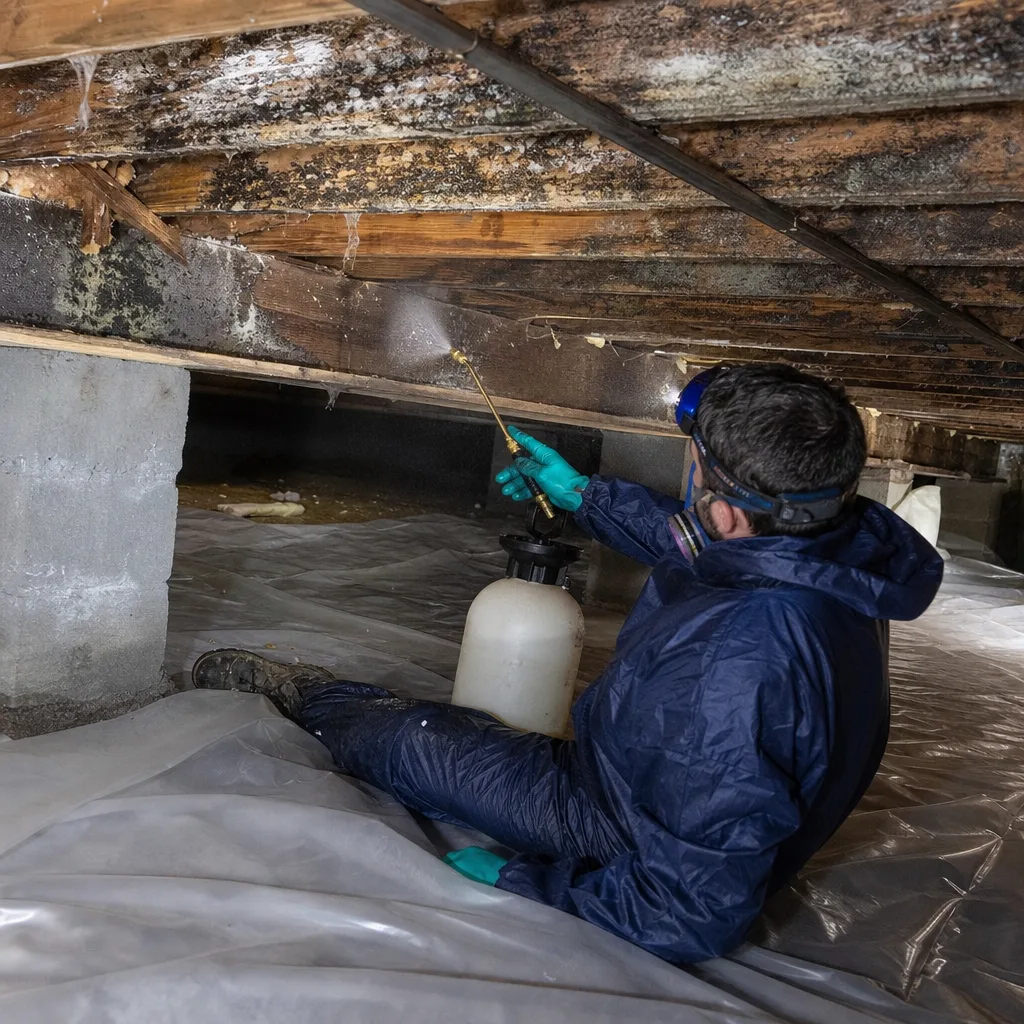
Flood Cleanup
Flood cleanup in Flushing means something specific: tropical system remnants tracking over this flat terrain overwhelm Flushing Creek’s capacity within hours, and the streets have almost no natural grade to move stormwater before the sewer system backs up. Hurricane Ida in September 2021 killed multiple Queens residents trapped in flooded basement apartments here. Our flood cleanup protocol includes water level documentation for insurance, content inventory with photo records, and immediate assessment of whether floodwaters carried Category 3 contaminants from sewer surcharge. We coordinate directly with adjusters, providing the written scope, photo documentation, and moisture logs that keep claims moving. Full flood cleanup with reconstruction scoping in Flushing typically ranges $4,500-$11,000 depending on contamination level and affected square footage.
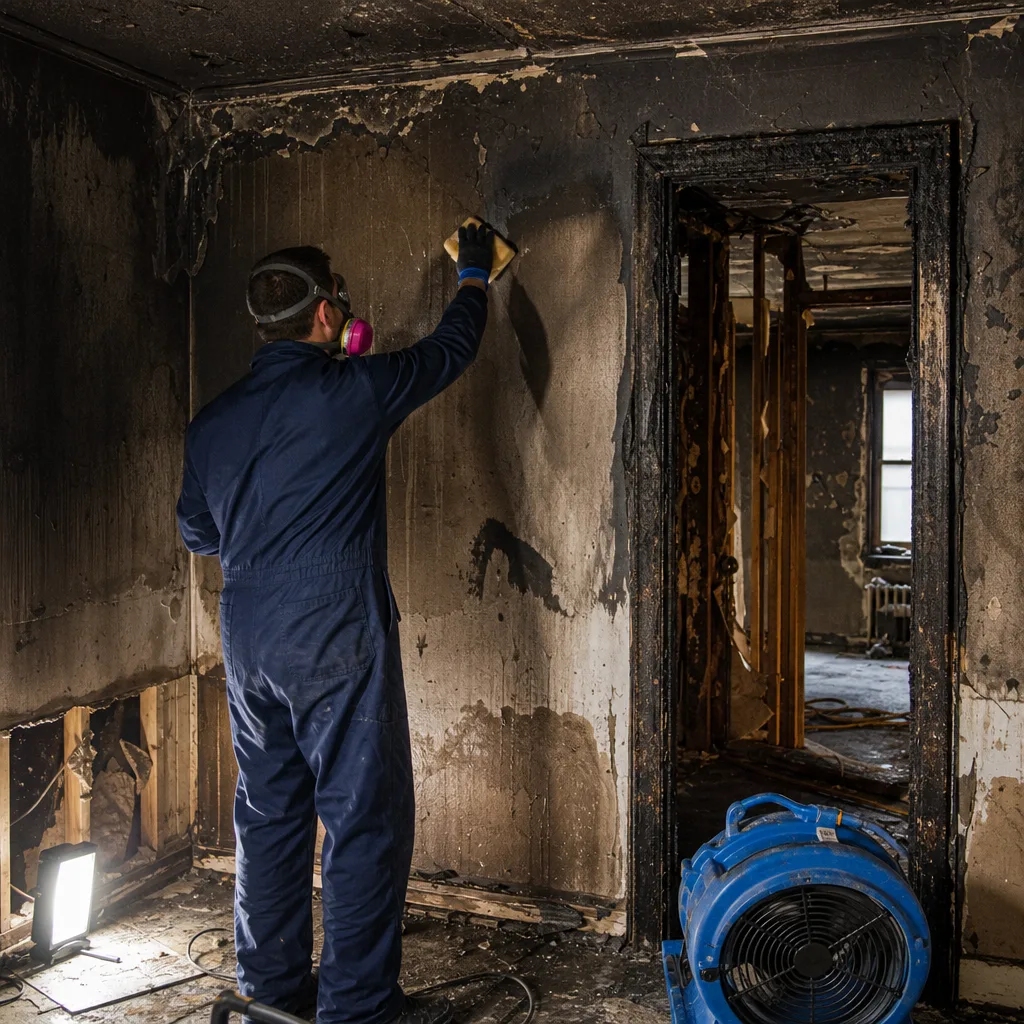
Burst Pipe Restoration
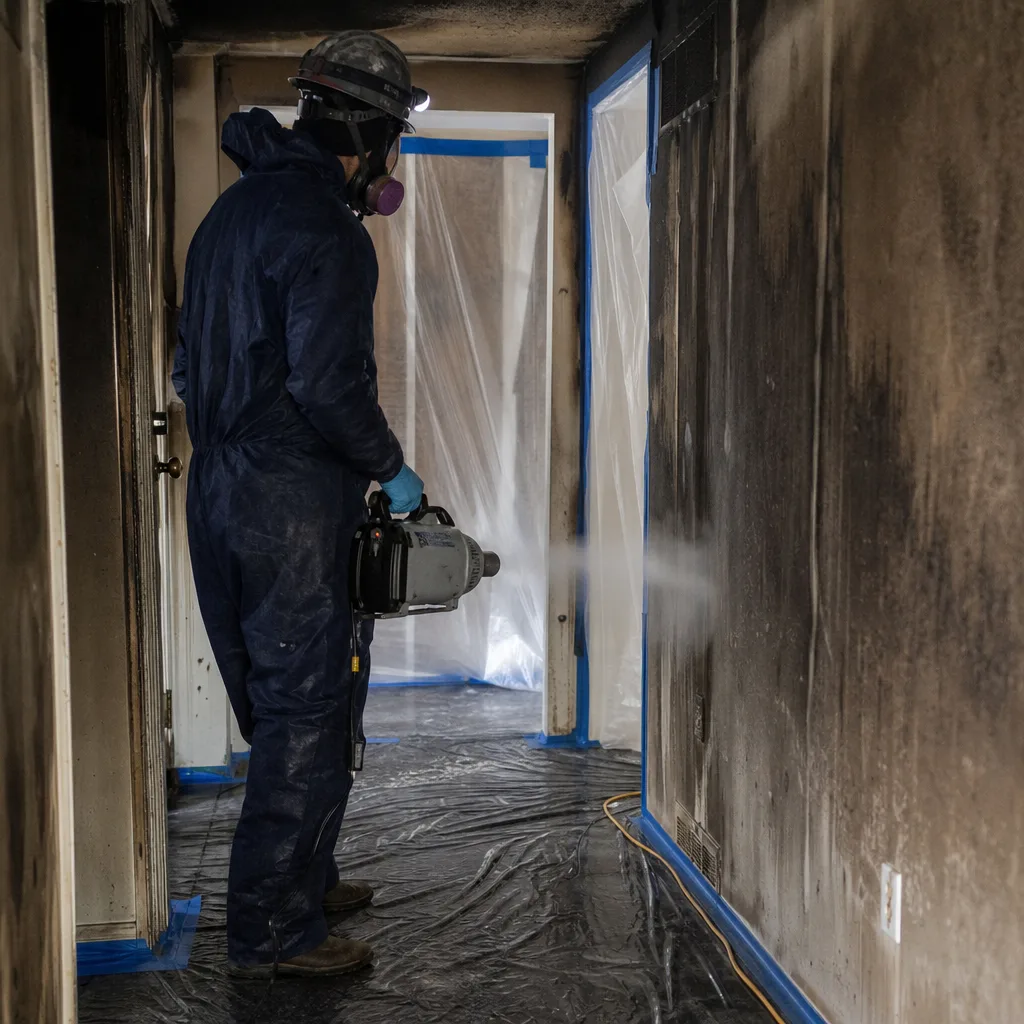
Flushing’s housing stock - 1920s-1950s attached brick and semi-detached structures - runs original or near-original plumbing in many units, with galvanized or early copper systems that fail at joints during freeze-thaw cycles or simply from age. A burst pipe in a second-floor unit of a Flushing row house doesn’t just damage that unit: water tracks down through shared wall cavities and can appear in a neighbor’s basement three days later. Our burst pipe restoration includes source-stop, extraction, full cavity inspection with borescopes, and moisture mapping that extends beyond the obvious damage zone. Typical burst pipe restoration in Flushing runs $2,400-$5,500 for contained single-unit events, and $4,000-$8,500 when lateral migration into adjacent units expands the scope.
What happens when you call
- 1
A real person answersNo phone trees - you reach a local pro.
- 2
You get an upfront price rangeHonest numbers before anyone is dispatched.
- 3
A background-checked tech heads outLicensed & insured, dispatched right away.
- 4
You approve before work beginsNothing starts until you say go.
BeforeAfterTrusted Brands We Service in Flushing
We deploy professional-grade drying systems from Dri-Eaz, Phoenix, XPOWER, B-Air, and Injectidry on Flushing jobs, with equipment selected to the specific psychrometric conditions of each structure. The Injectidry cavity-drying systems are particularly critical for Flushing’s attached row houses, where forced-air drying through wall cavities is often the only way to reach moisture trapped in shared party walls without destructive demolition. All equipment deployment is documented to IICRC, RIA, and IFA standards, with serial numbers and placement photos recorded in the job file. We stock antimicrobial formulations and replacement materials locally, so Flushing customers aren’t waiting on supply chain delays while secondary mold damage develops.
Common Water Damage Restoration Problems We See in Flushing Homes
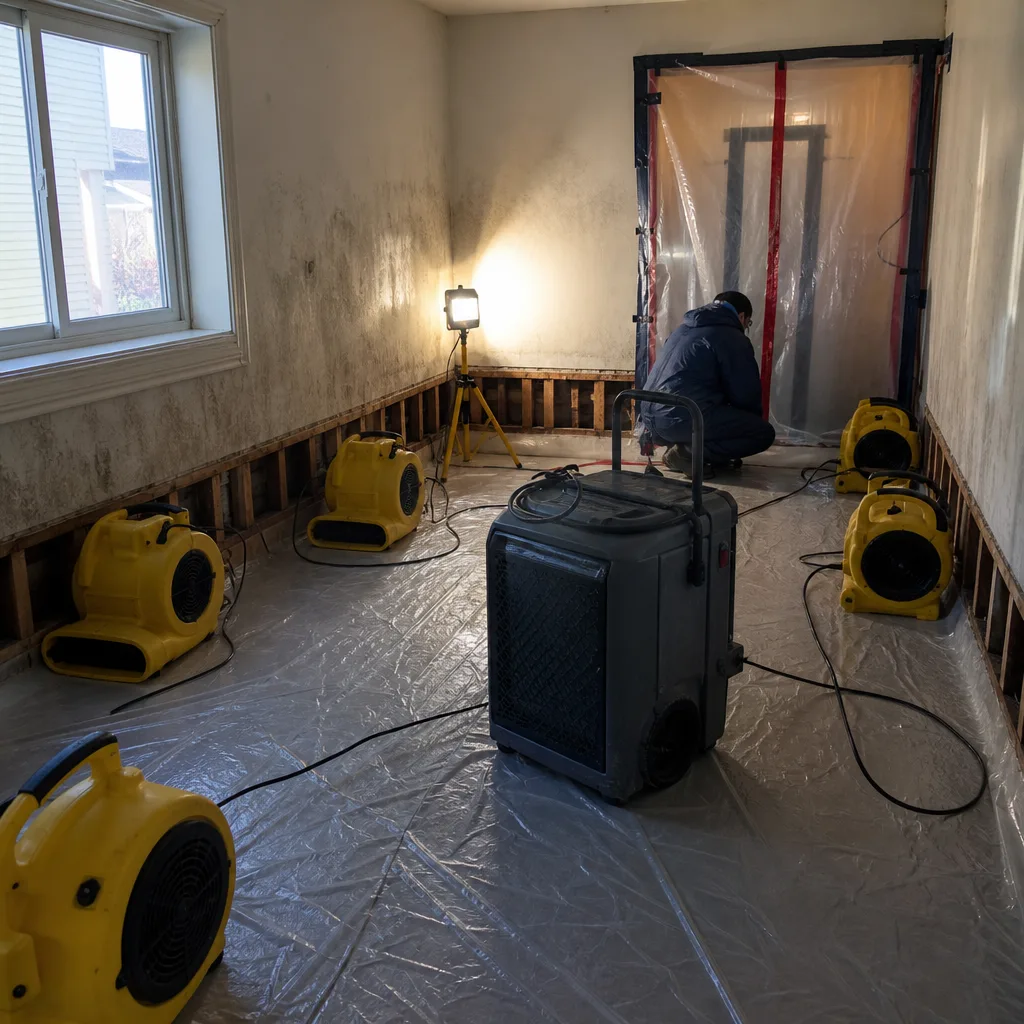
- Combined-sewer surcharge masquerading as clean water. A homeowner reports a water heater leak in the basement. Our tech pulls ATP samples and finds Enterococcus indicators - the drain stack backed up during last night’s rain, and what looked like a Category 1 job is Category 3. Misclassifying this and drying instead of removing contaminated materials is the single most costly error we see from less experienced contractors in Flushing.
- Lateral migration through party walls in attached row houses. The 1920s-1950s brick structures near Sanford Avenue and 45th Road share walls with no air gap. We’ve documented moisture traveling eight feet into a neighboring unit that appeared completely dry from the street. Single-property inspections miss this routinely.
- Basement apartments with no sump systems and failed waterproofing. Flushing’s extraordinary density of below-grade units, many retrofitted into original structures with no drainage infrastructure, means water has nowhere to go once it enters. Original waterproofing membranes have degraded over 70-100 years. These units flood faster and deeper than above-grade spaces.
- Language barriers leaving occupants uninformed and scopes incomplete. Many basement apartments house Mandarin-, Cantonese-, or Korean-speaking families who may not understand an English-only crew’s instructions about relocation, access, or post-drying precautions. We’ve seen jobs where entire occupied units were missed in the initial scope because the contractor couldn’t communicate with tenants.
Pricing for Water Damage Restoration in Flushing, NY
| Service | Typical Range in Flushing |
|---|---|
| Emergency water extraction (Category 1-2) | $1,200 - $2,800 |
| Emergency water extraction (Category 3) | $2,000 - $4,300 |
| Structural drying & dehumidification | $2,200 - $7,200 |
| Flood cleanup (with contamination) | $4,500 - $11,000 |
| Burst pipe restoration | $2,400 - $8,500 |
| Basement water removal (standard) | $1,500 - $3,500 |
| Antimicrobial treatment | $800 - $1,500 |
These ranges reflect Flushing’s specific conditions: the prevalence of Category 3 contamination from combined-sewer surcharge, the need for party-wall moisture mapping in attached housing, and the basement-apartment density that often expands affected square footage beyond initial estimates. Every job gets a written price before work begins - Haven Standard, Clause 1 - with no scope-creep additions once the crew is inside. Bring a competitor’s written estimate and we’ll review it at no charge: our Free Second Opinion policy.
Call (516) 386-9007 for an exact quote on your specific situation. Estimates are free, and you’ll receive a written scope before any work starts.
We Also Serve Cities Near Flushing
Our crews respond to water damage calls throughout northeastern Queens, including Water Damage Restoration in Flushing and surrounding communities: College Point, where industrial waterfront properties face similar sewer-surge risks; Whitestone, with its mix of mid-century single-family homes and newer construction; Bayside, where hillside drainage patterns differ sharply from Flushing’s basin topography; and Jackson Heights, whose pre-war co-op buildings present their own distinct moisture-migration challenges. Each area gets the same documented protocol, adjusted to local conditions.
Serving Flushing, NY - Our Local Coverage Area
We’re based in the Flushing area and know this community well. Use the map below to see our service coverage - if you’re nearby, we can almost certainly help.
FAQs - Water Damage Restoration in Flushing
Your basement floods in moderate rain because Flushing’s aging combined sewer system surcharges when rainfall intensity exceeds the pipe capacity, pushing sewage and stormwater back through basement floor drains and toilet flanges. The flat, low-lying basin that drains toward Flushing Creek and Flushing Bay provides almost no natural grade to move water away before the sewer system fails. Even half an inch of rain in an hour can trigger backup in the most vulnerable blocks near the creek. Call (516) 386-9007 and we’ll assess your specific drain stack configuration as part of our written scope.
Yes - any backup through a floor drain, toilet flange, or other sewer connection is Category 3 blackwater under IICRC standards, regardless of how clear the water appears. In Flushing, we treat every basement flooding call as presumptive Category 3 until ATP or microbial sampling proves otherwise, because the combined-sewer infrastructure here makes sewage contamination the default, not the exception. Category 3 requires removal of porous materials (drywall, carpet, padding, unfinished wood) that contact the water, plus documented antimicrobial treatment - not just extraction and drying. Call (516) 386-9007 for a written scope that classifies your damage correctly from the start.
Yes. Flushing’s 1920s-1950s attached brick row houses share party walls with no air gap, so moisture and mold colonize laterally through shared cavities, often traveling 6-10 feet into a unit that appeared completely dry from the street. We’ve documented this pattern repeatedly near Sanford Avenue and 45th Road. That’s why our moisture mapping protocol always extends into party walls with penetrating meters and, when indicated, thermal imaging - a single-property inspection routinely under-scopes the actual damage. Call (516) 386-9007 and we’ll map the full affected area, including lateral migration risk, in your written scope.
Within 24-48 hours for Category 1-2 water, and immediately for any suspected Category 3 backup - but in Flushing, the distinction between the two is often unclear until tested. Mold colonization begins on wet drywall in 48-72 hours, and Category 3 contamination creates immediate health exposure risks, particularly in basement apartments with limited ventilation. Our live dispatch answers in two rings, and crews typically reach Flushing properties within 45-60 minutes. The faster we can pull ATP samples, establish containment if needed, and begin documented extraction, the more material we can save and the lower your total restoration cost. Call (516) 386-9007 now - a live person is available 24 hours a day, 7 days a week.
Yes - we maintain multilingual crew capabilities and interpreter access for Mandarin, Cantonese, and Korean, which covers the majority of Flushing’s basement-apartment tenant population. Clear communication isn’t optional: tenants need to understand relocation timing, access requirements, and post-drying precautions to prevent recontamination. We’ve seen jobs where English-only crews missed occupied units entirely, left hidden mold behind, or failed to obtain proper access agreements - documentation gaps that delay claims and leave liability exposed. Every Flushing job file notes language requirements and documents tenant communications in the photo record. Call (516) 386-9007 and specify any language needs when you call; we’ll coordinate appropriately in your written scope.
On a call off Kissena Boulevard near Flushing Creek, our tech pulled ATP samples before touching the standing water in a semi-detached brick row house’s below-grade unit and confirmed a sewer-backup component that the initial phone report had described as a water-heater leak - reclassifying the job from Category 1 to Category 3 on the spot. We set containment, ran a documented antimicrobial treatment, extracted with truck-mount and XPOWER units, and built a drying log with moisture mapping across the party wall, because in these attached row houses water and mold travel laterally into the neighboring unit with no air gap to stop them.
Written by Alicia Brennan, Owner at Back to Dry Restoration, serving Flushing since 2011.