
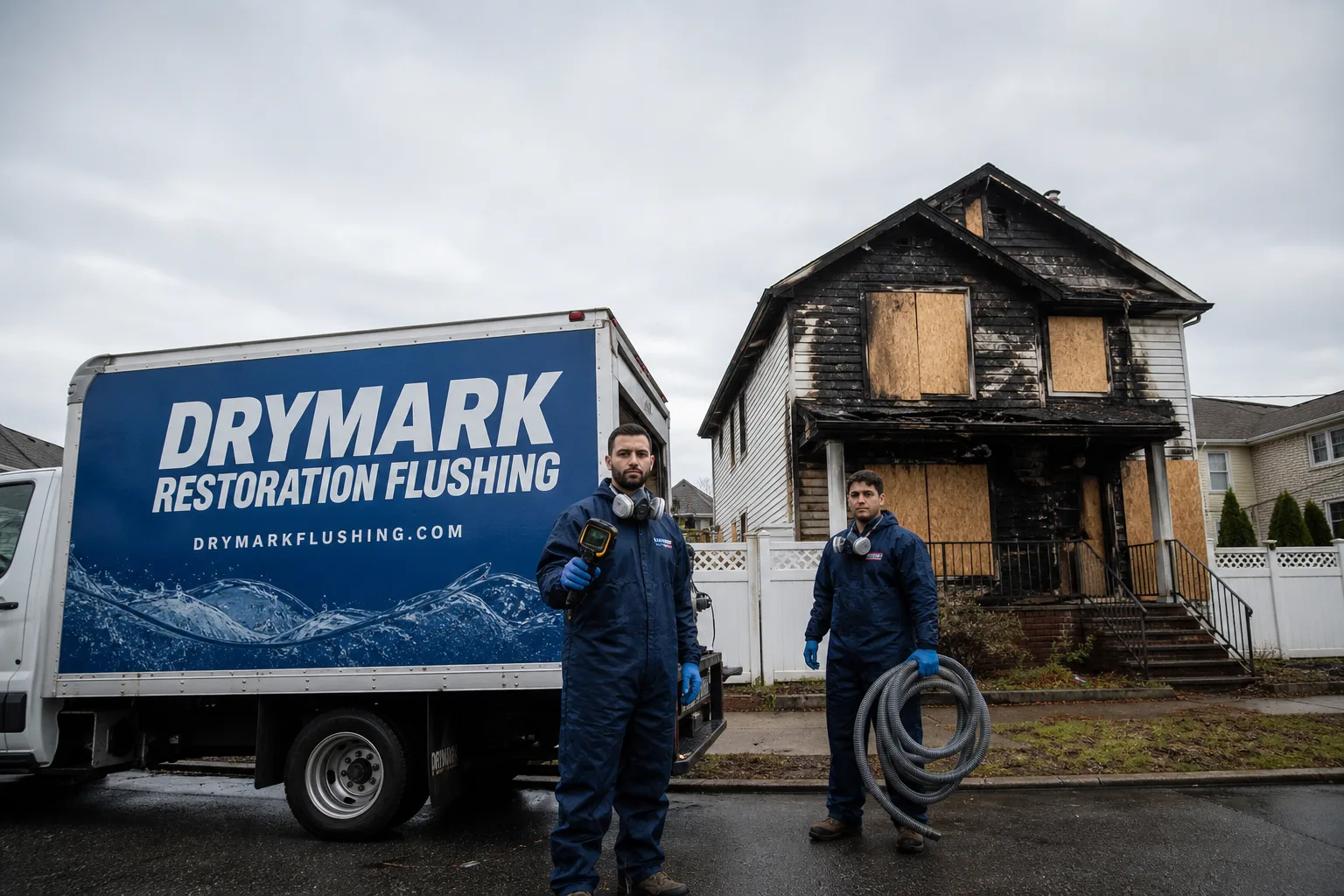
Free visual inspection and a written scope of work before any mitigation begins - photos, moisture readings, and drying logs go in your claim file
The scope we write is the scope we bill. Anything new gets shown to you, in writing, before we touch it.
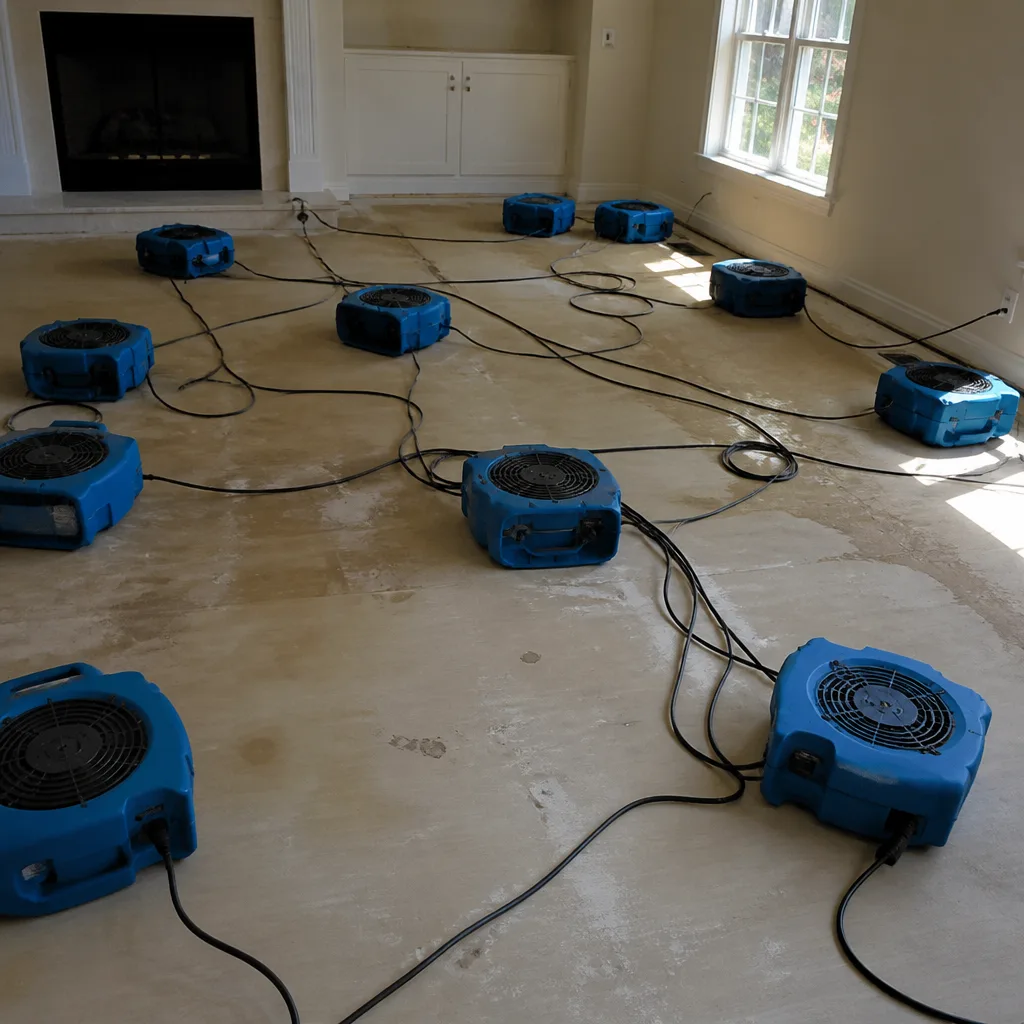
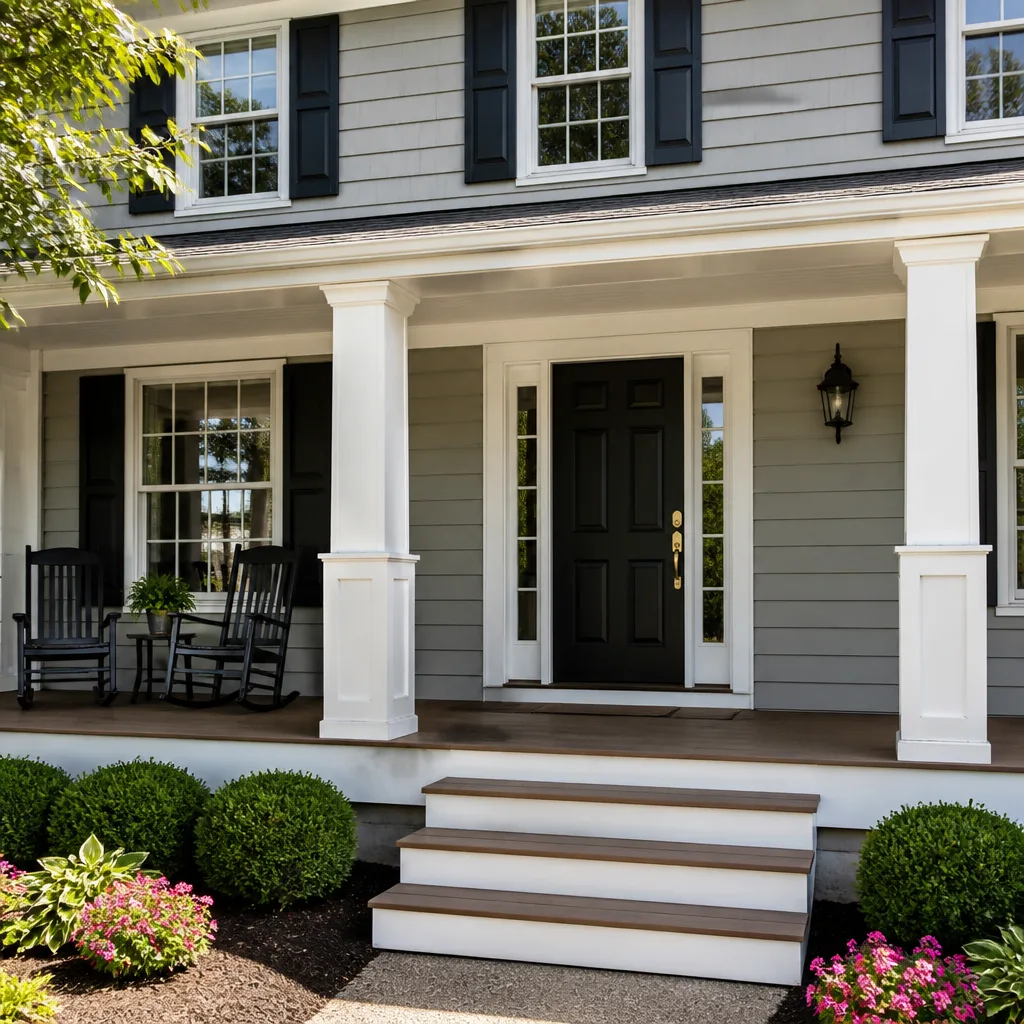
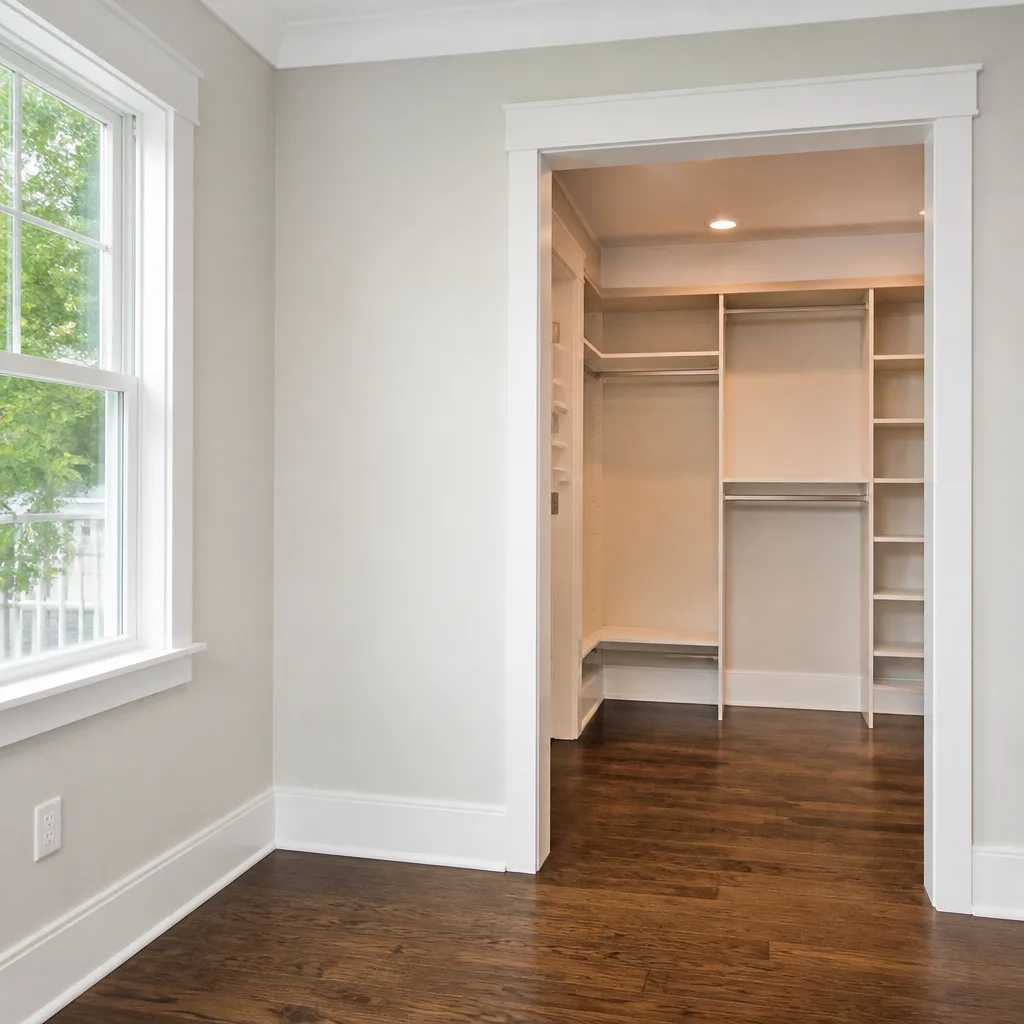
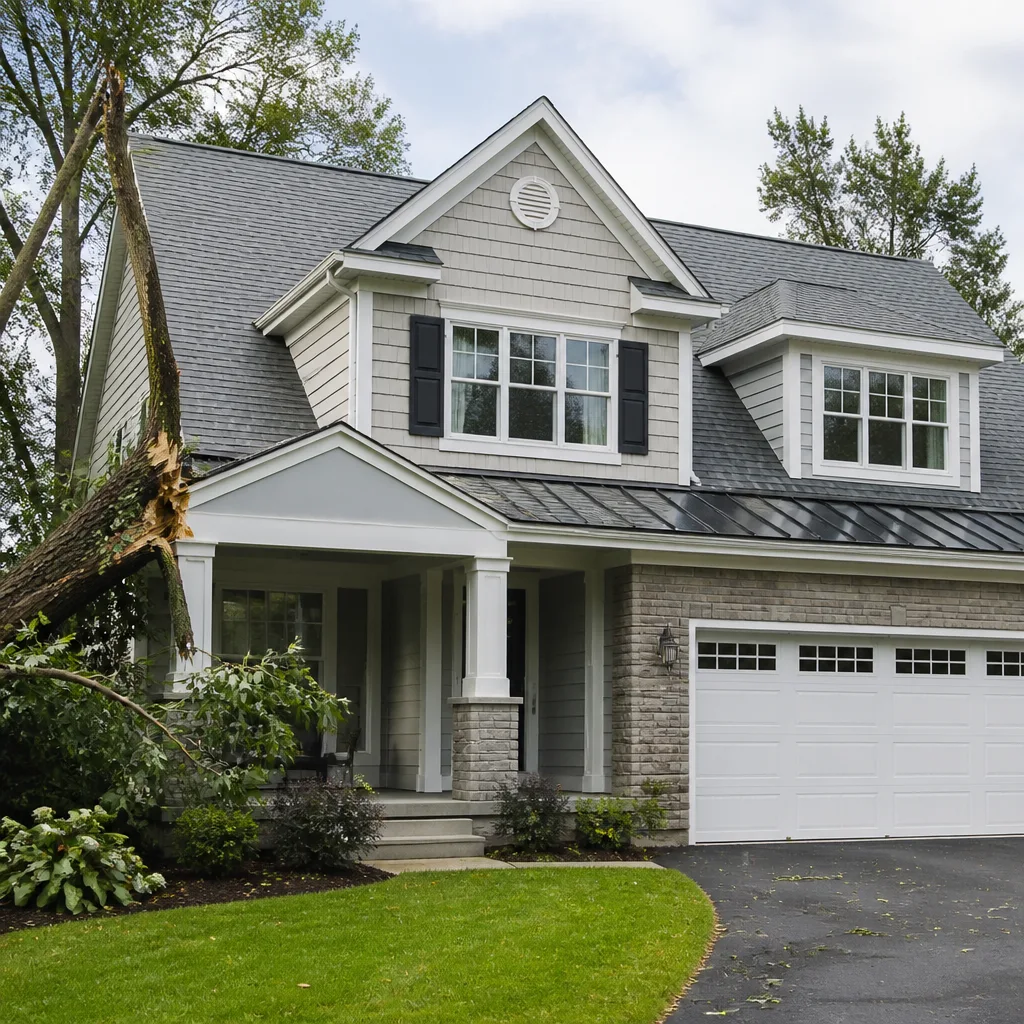
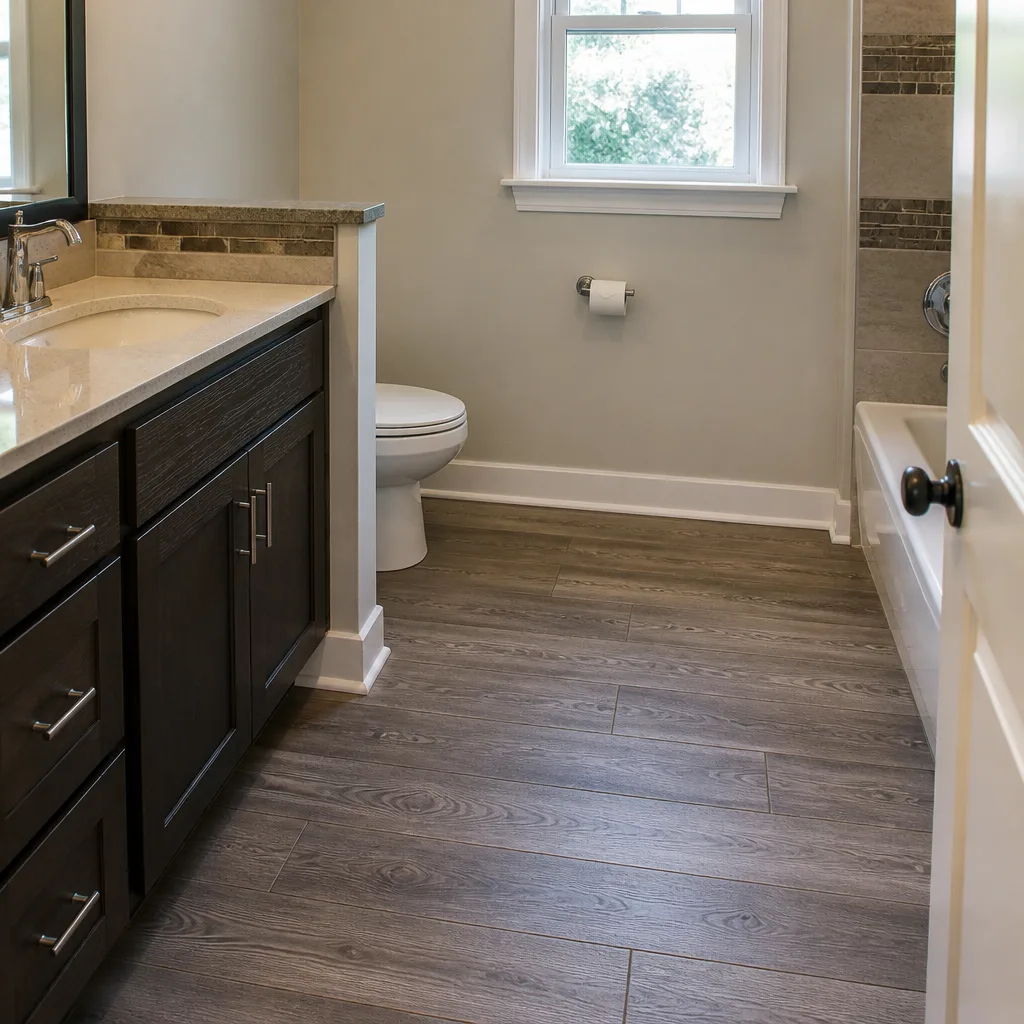
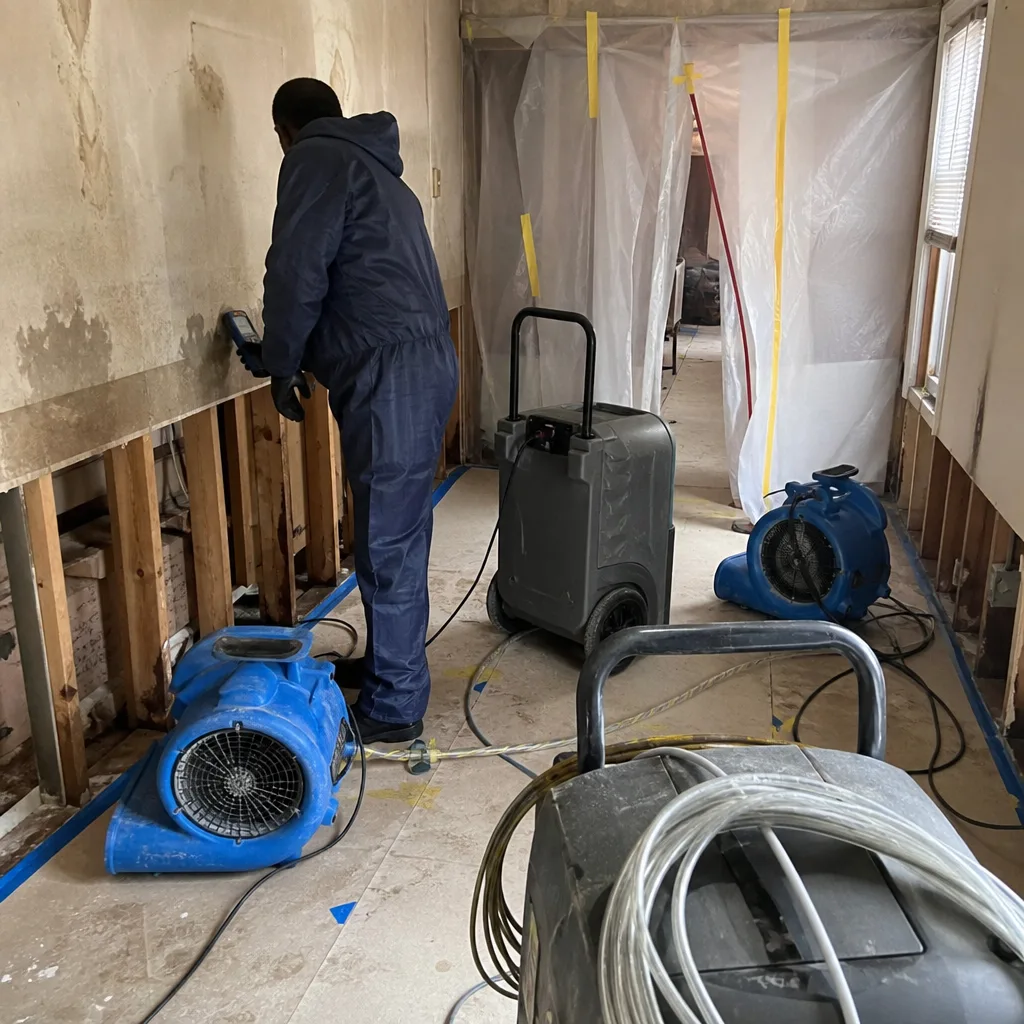 Before
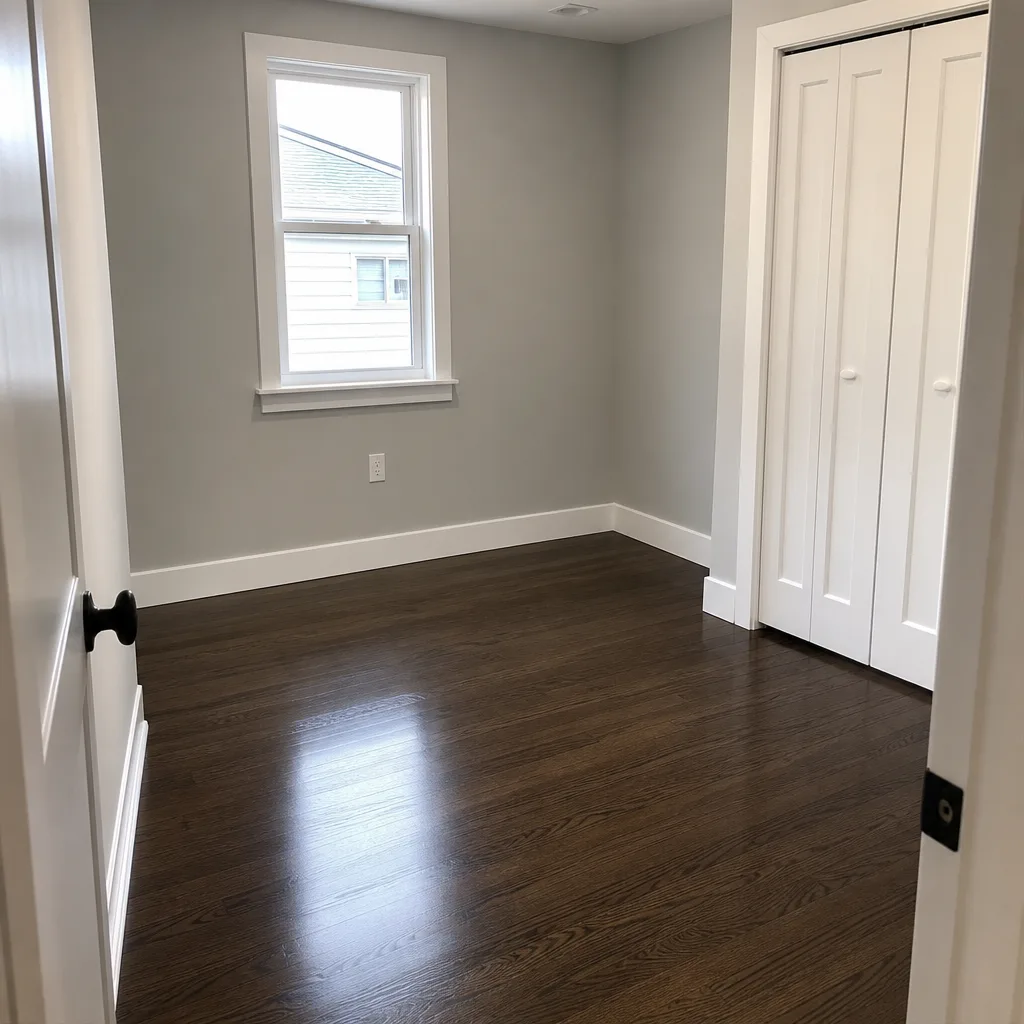 After
After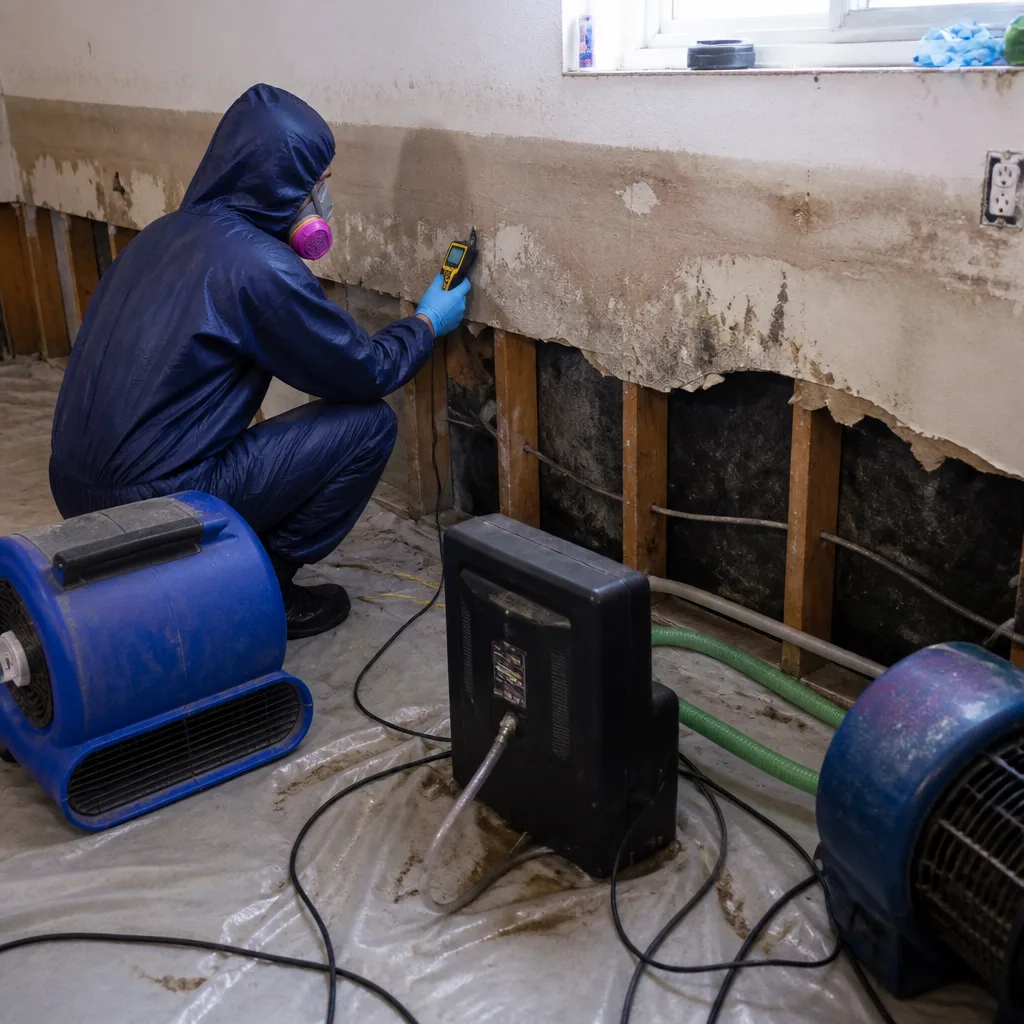 Before
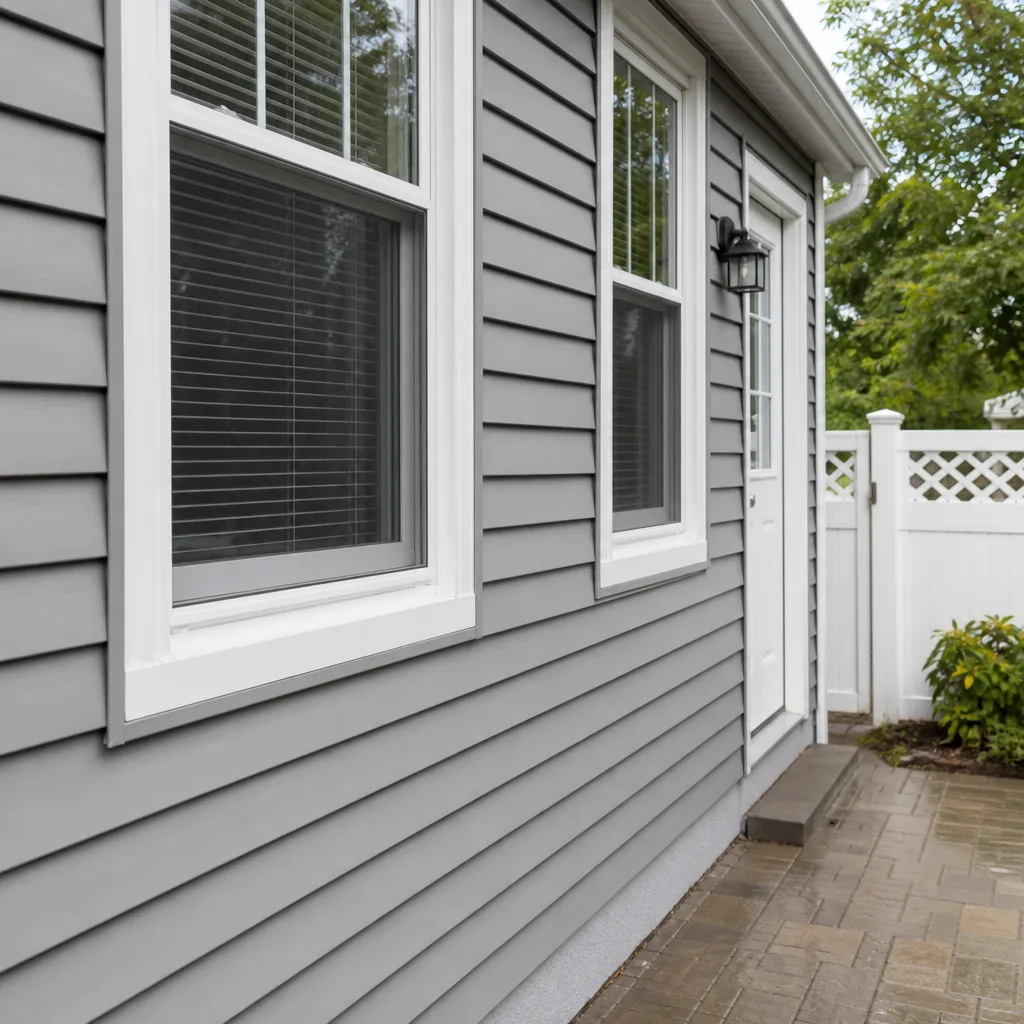 After
After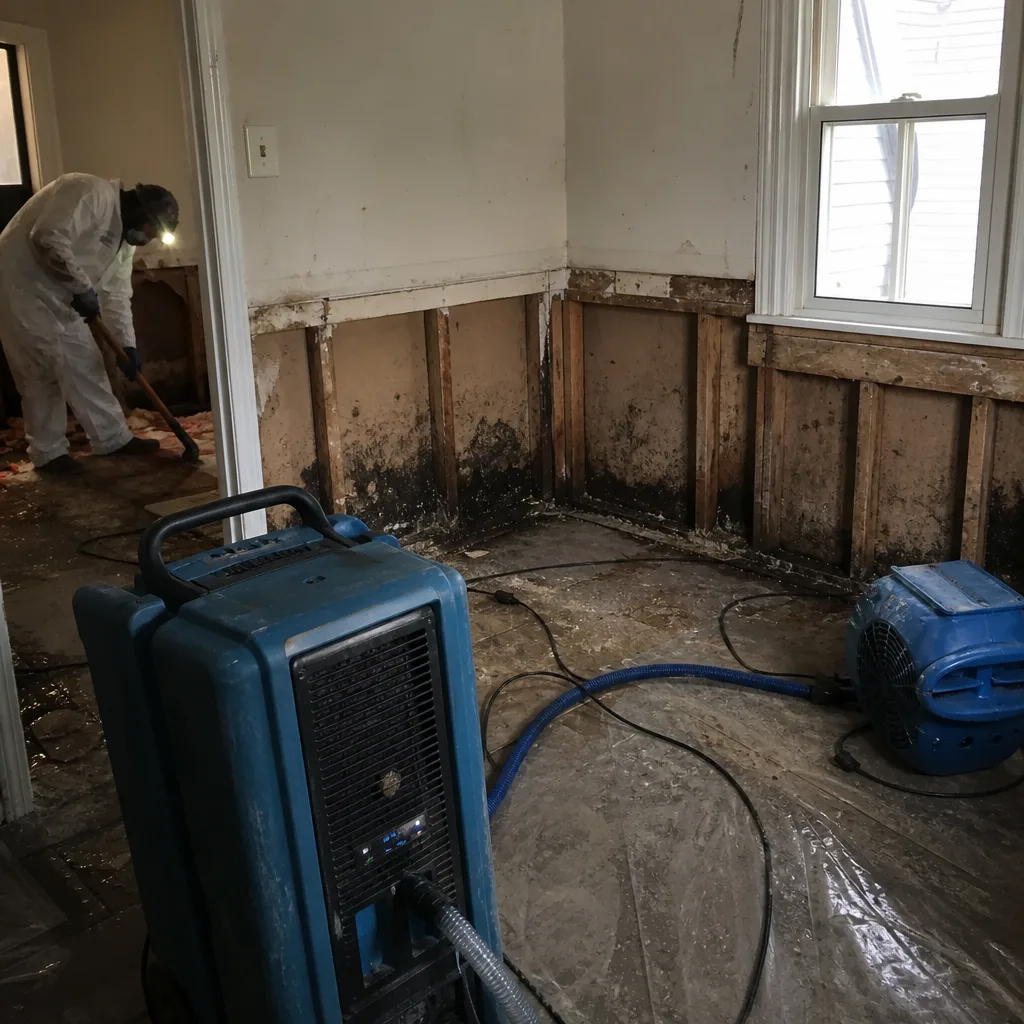 Before
 After
AfterFast, Reliable Water Damage Restoration Across Rego Park
Water damage restoration in Rego Park typically costs $2,800-$7,500 for a standard multi-unit co-op incident, with emergency extraction available within 60-90 minutes of your call to (516) 386-9007. Our crews are staged from our New York City office and know the specific access protocols for Rego Park’s 1940s-1960s brick cooperative buildings along Queens Boulevard, 63rd Drive, and the side streets between Yellowstone and Woodhaven Boulevards. When a cast-iron drain stack or steam condensate line fails in one of these dense mid-century structures, water doesn’t stay in one unit. It travels vertically through shared pipe chases, and the speed of the response depends on knowing who to call first.
We’ve restored water damage in Rego Park’s co-op buildings since 2011. The pattern is consistent: a single plumbing failure cascades through 3-7 stacked units, each with its own HO-6 policy, all governed by the building’s master insurance policy and co-op board approval. Our Water Damage Restoration team documents every job to IICRC and RIA standards because in this neighborhood, the drying logs we produce are what turn a contested claim into a paid one.
Why DryMark Restoration Flushing Is Rego Park’s Preferred Water Damage Restoration Company
Rego Park homeowners recognize our trucks. We’ve completed water damage restoration in more than 400 units across the neighborhood’s major co-op complexes, and our reviews from Rego Park customers consistently cite two things: we show up before the water reaches the next floor, and we bring a written price before anyone touches a wall. Haven Standard, Clause 1.
Our average response time to Rego Park is 60-90 minutes for emergency calls, including evenings and weekends. Dispatch is coordinated from our New York City office, but the crews serving Rego Park live in Queens and know the loading dock locations, service elevator protocols, and superintendent contact procedures for buildings from the Cord Meyer developments near Queens Boulevard to the smaller co-ops along 66th Avenue.
What separates us in Rego Park is documentation discipline. Every visit produces a photo record, a moisture reading log, and a written scope update. When three adjusters are involved in one stack of units, that documentation is the difference between a clean claim payment and a six-month dispute. Alicia Brennan built this company after seeing homeowners lose legitimate claims to sloppy paperwork, and that origin shapes every job we run in Rego Park.
Our Water Damage Restoration Services in Rego Park
Emergency Water Extraction
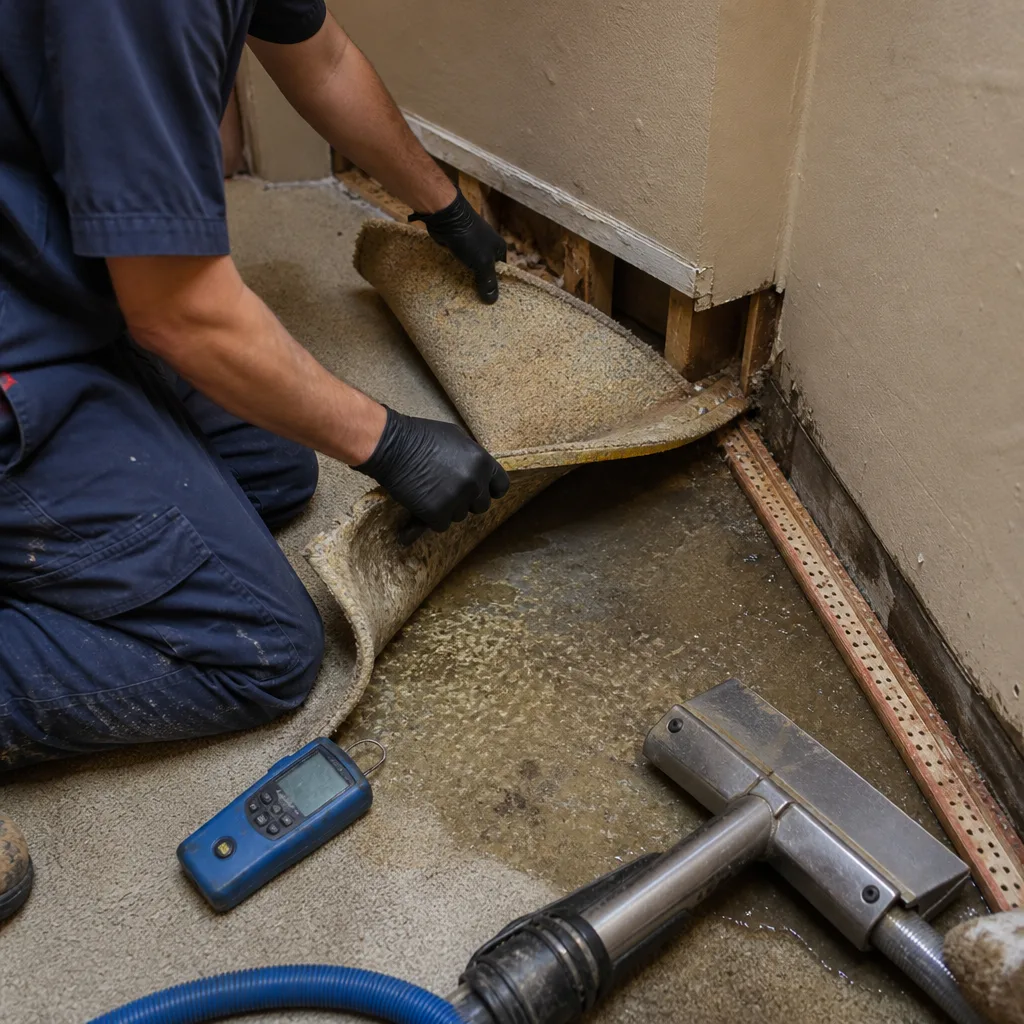
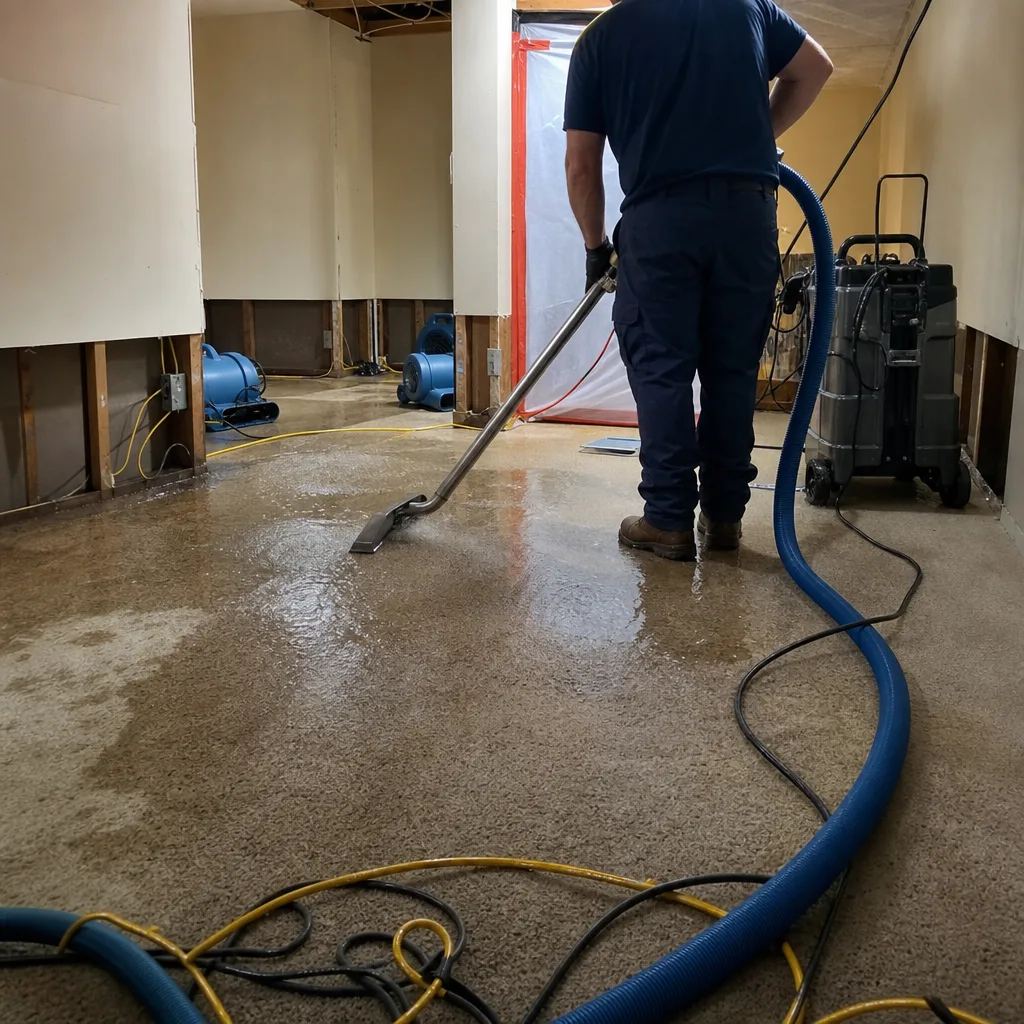
We extract standing water from Rego Park co-op units using truck-mounted systems and portable submersible pumps sized for the tight clearances common in 1950s-era buildings. In a typical Queens Boulevard high-rise, we’ll deploy a Dri-Eaz or XPOWER extraction unit through the service elevator while staging secondary equipment in the loading bay. The goal is to remove bulk water within the first four hours, before it reaches the unit below. We document pre-extraction moisture readings with thermal imaging, then photograph the affected square footage for the adjuster file.
Structural Drying & Dehumidification
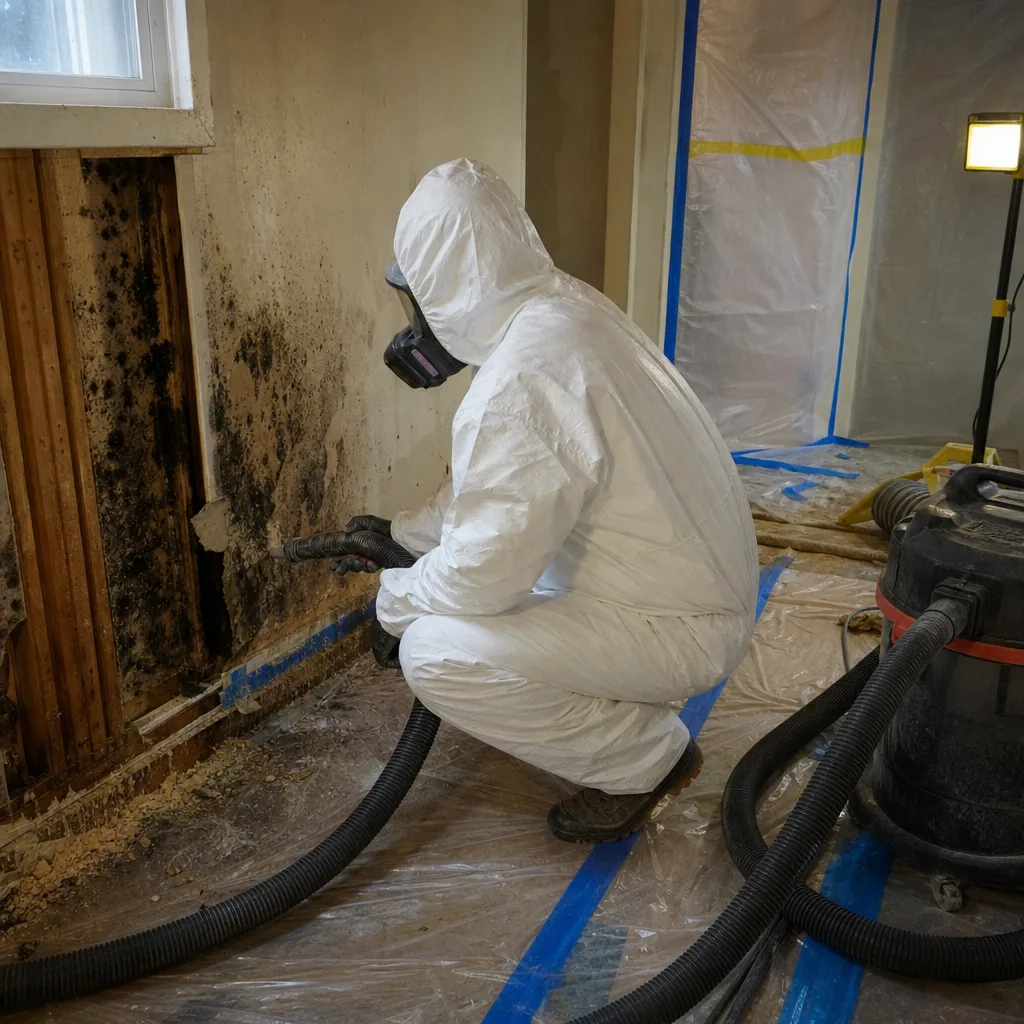
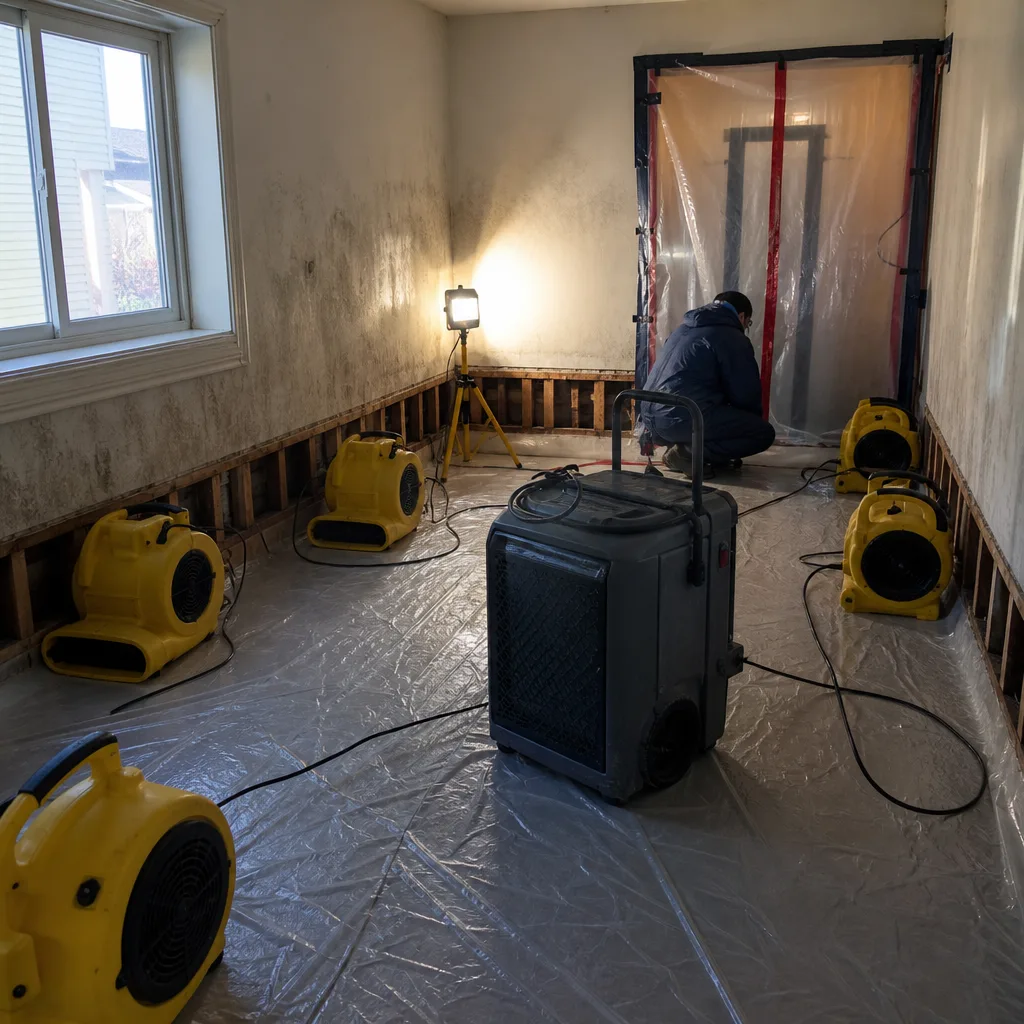
Rego Park’s dense brick co-ops present a specific drying challenge: the exterior walls lack modern vapor barriers, and the shared pipe chases create hidden air pathways that standard drying plans miss. We calculate vapor pressure differential, the measurable force that drives moisture from wet materials into drier air, then place Injectidry cavity-drying systems and Phoenix LGR dehumidifiers to manipulate that pressure systematically. Daily psychrometric data, temperature, relative humidity, and specific humidity, is logged and delivered to your adjuster. Tertiary drying, the final phase where materials read dry on the surface but still hold moisture at depth, is where most contractors quit early. We don’t.
Flood Cleanup
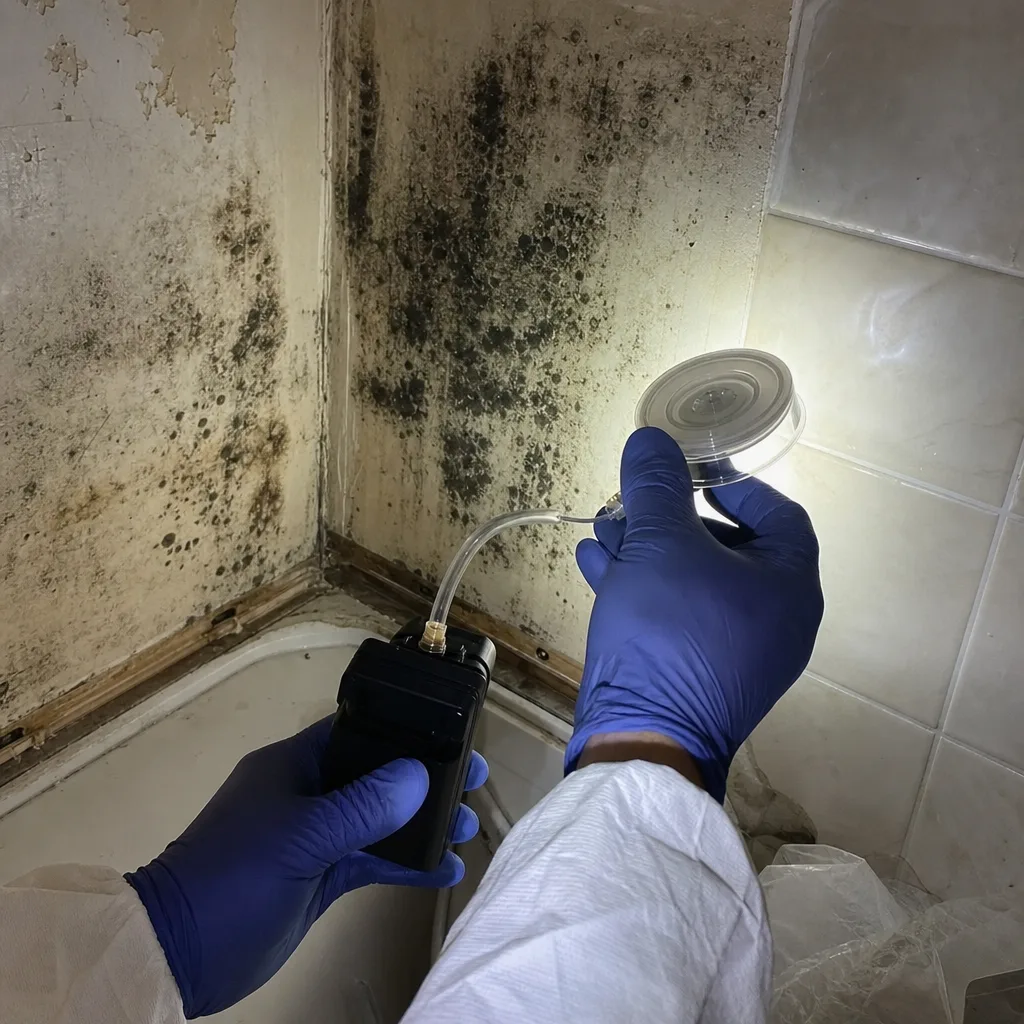
Flash flooding from Queens Boulevard’s overwhelmed catch basins, or sump pump failures in Rego Park’s below-grade utility spaces, introduces Category 3 water that requires full antimicrobial treatment and controlled demolition of porous materials. We classify the water source, document the contamination level with photo evidence, and present a written scope before removing any material. In Rego Park’s co-op basements, where summer humidity already runs high, flood cleanup without proper dehumidification guarantees mold within 48 hours. We treat the basement mechanical room and the affected unit as a single drying zone.
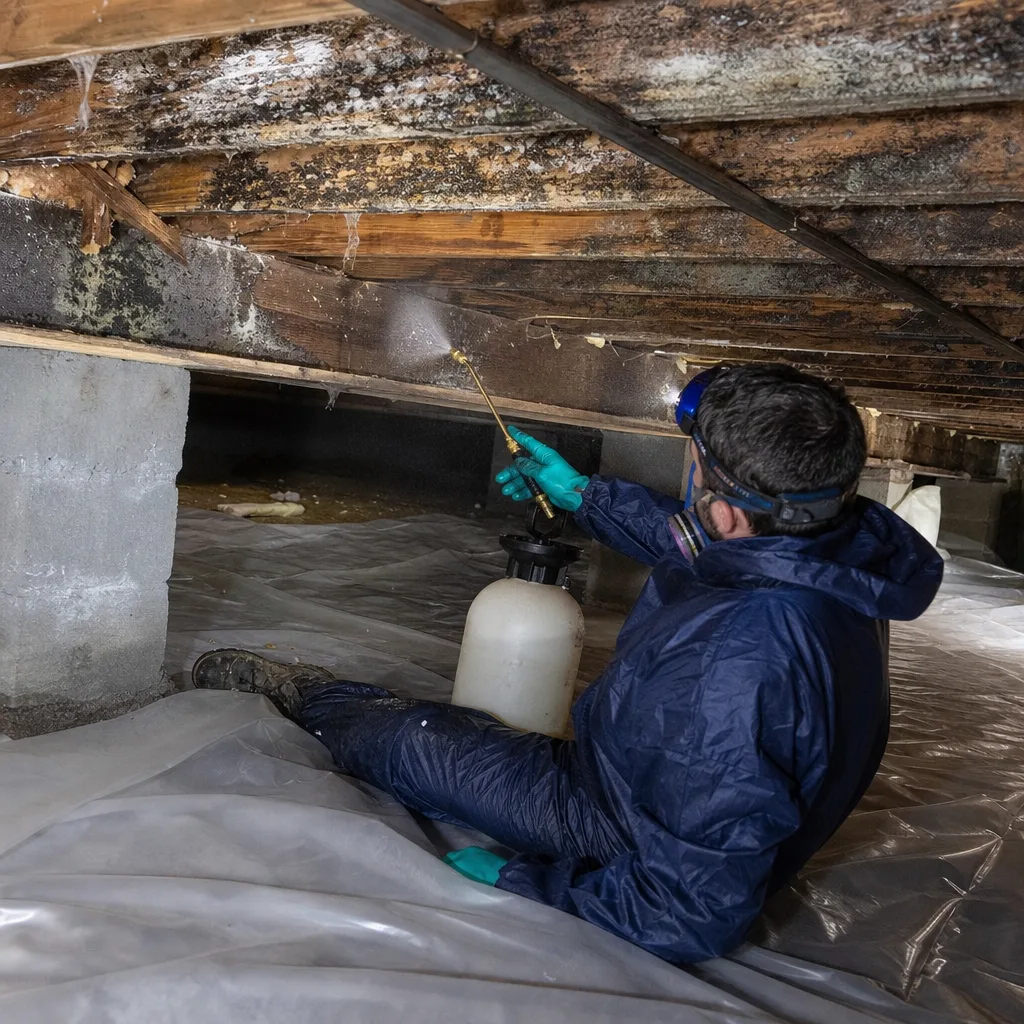
Burst Pipe Restoration
This is the service we run most often in Rego Park. Freeze-thaw cycles crack steam condensate return lines in older buildings. Corroded galvanized supply lines let go without warning. When a burst pipe in a 1948 co-op on 63rd Drive sends water through four floors, the restoration isn’t just about the pipe. It’s about the plaster and lath in the pipe chase, the hardwood in the unit below, the electrical junction box that got wet, and the co-op board’s master policy that covers the pipe but not the finishes. We scope each element separately, price each line item in writing, and coordinate directly with the building superintendent to access shared mechanical spaces without the 24-48 hour delay that destroys claims.
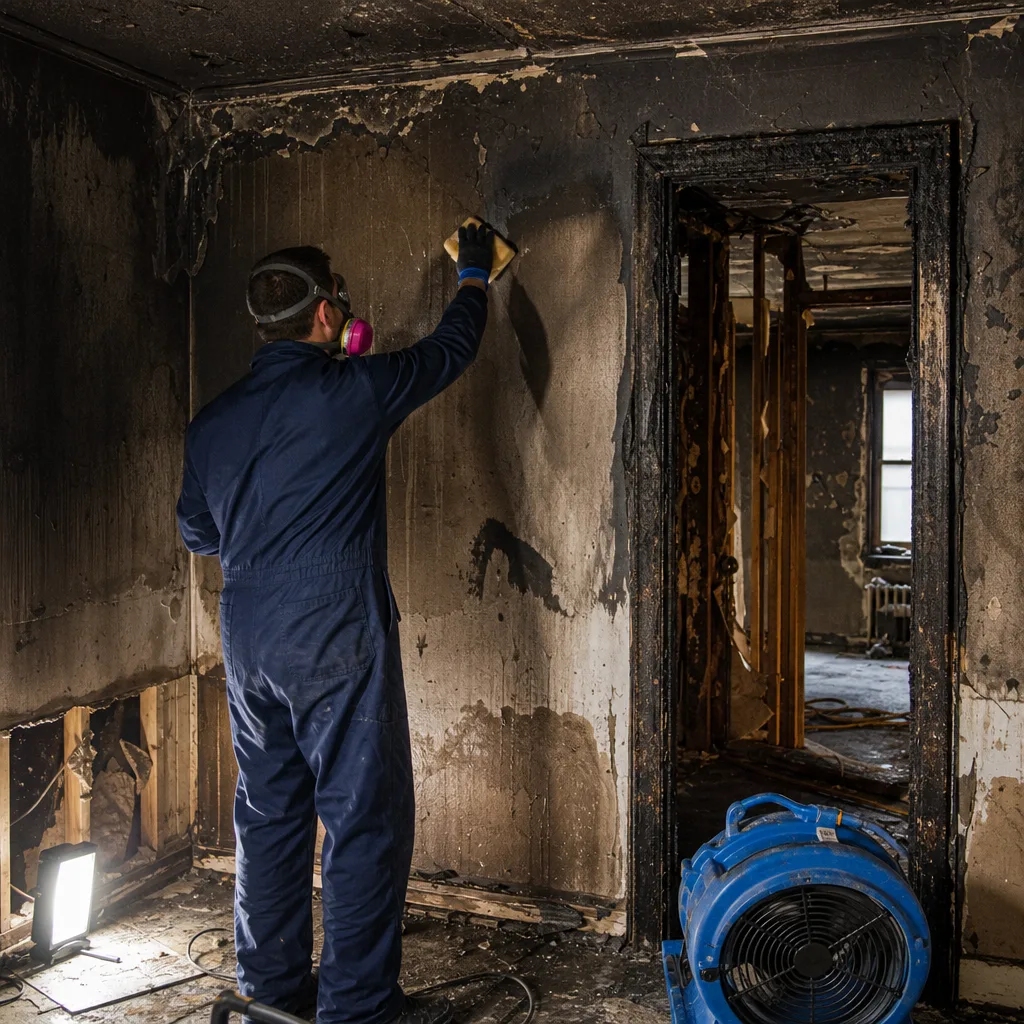
Basement Water Removal
Rego Park’s co-op basements house boilers, electrical panels, and storage lockers in spaces that flood during heavy rain or steam line failures. These are not finished basements. They’re utility cavities with concrete floors, no vapor barriers, and limited ventilation. We extract water, then run continuous dehumidification with B-Air and Phoenix equipment until moisture readings in the concrete and block walls reach IICRC dry standards. Without this step, the basement becomes a mold incubator that affects the entire building’s air quality.
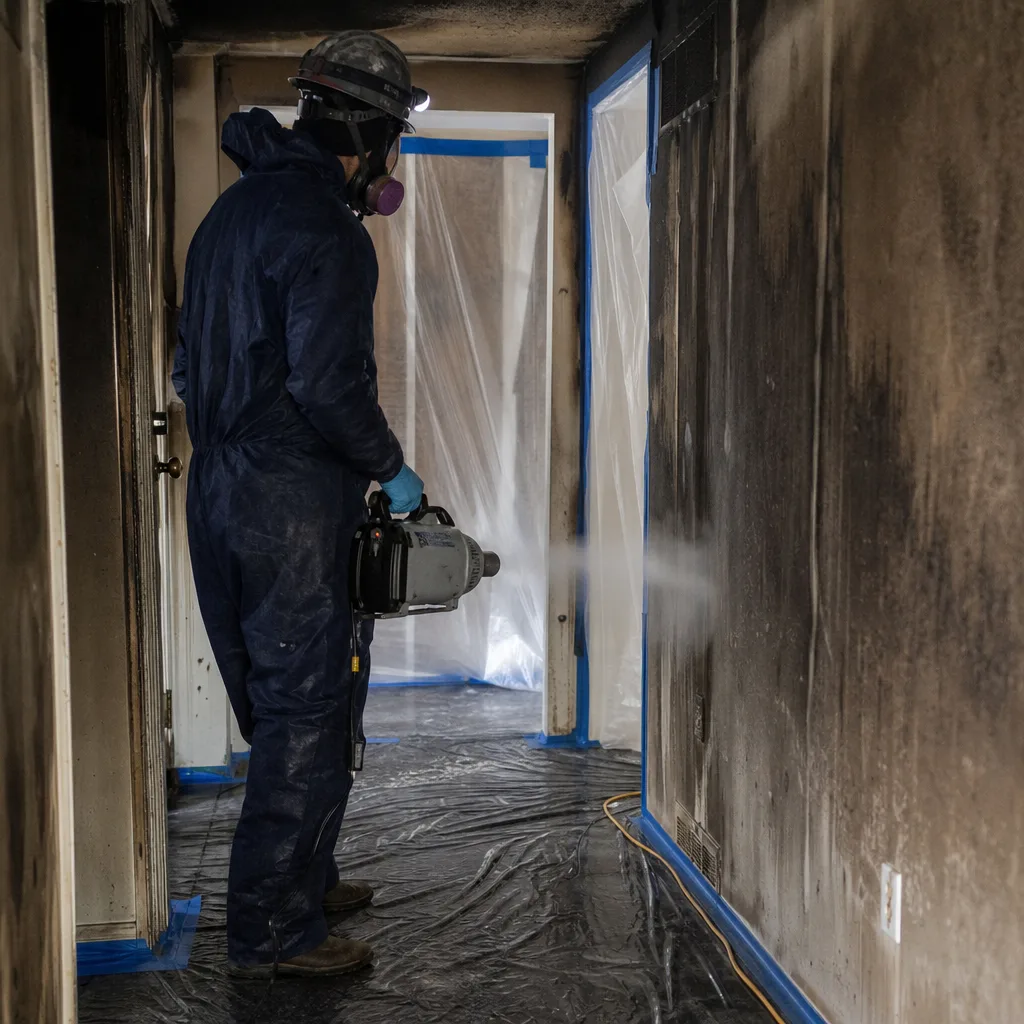
Ceiling & Roof Leak Water Damage
Flat roofs on Rego Park’s mid-century co-ops pool water around drains and flashings. When that water finds a path through the roof membrane, it travels along steel beams and drops into units three floors from the actual leak. We trace the water path with thermal imaging, document the origin point for the roof contractor and adjuster, and dry the affected ceiling cavity without unnecessary demolition. The photo record proves what was wet, what was dried in place, and what required replacement.
What happens when you call
- 1
A real person answersNo phone trees - you reach a local pro.
- 2
You get an upfront price rangeHonest numbers before anyone is dispatched.
- 3
A background-checked tech heads outLicensed & insured, dispatched right away.
- 4
You approve before work beginsNothing starts until you say go.
BeforeAfterTrusted Standards We Work To in Rego Park
Every water damage restoration job in Rego Park is documented to IICRC S500 standards for water damage restoration, RIA guidelines for structural drying, and IFA protocols for antimicrobial application. We don’t list these acronyms for credibility. We reference them because the daily logs they produce, psychrometric readings, moisture content percentages, equipment placement maps, are the documentation that insurance adjusters recognize and pay without dispute. Our equipment comes from Dri-Eaz, Phoenix, XPOWER, B-Air, and Injectidry. The brand matters less than the data it generates, and the data is what we deliver.
Common Water Damage Restoration Problems We See in Rego Park Homes
- Cast-iron drain stack corrosion in 1940s-1960s co-ops. These original stacks develop pinhole leaks and full separations at the hub joints. One failure on an upper floor sends water through the pipe chase into 3-7 units before anyone notices the stain on the ceiling below.
- Steam condensate line bursts during freeze-thaw cycles. Queens winters crack return lines running near exterior brick walls in buildings with original steam heat. The water is hot, pressurized, and migrates horizontally through wall cavities before dropping vertically.
- Galvanized supply line failure in original plumbing. Rego Park’s pre-war and early post-war buildings still have active galvanized pipes that corrode from the inside. The first sign is often a ceiling collapse in the unit below.
- Summer humidity compounding incomplete drying. Rego Park’s dense brick structures without vapor barriers trap moisture in lower floors and basements. A contractor who declares a job dry in March finds mold in July. We don’t close a file until the numbers say dry, not just the surface.
Pricing for Water Damage Restoration in Rego Park, NY
Water damage restoration in Rego Park runs higher than in single-family neighborhoods because most incidents involve multiple units, multiple policies, and extended drying in shared mechanical spaces. Here’s what we typically see:
| Service | Typical Range in Rego Park |
|---|---|
| Emergency water extraction (single unit) | $1,200 - $2,800 |
| Structural drying & dehumidification (3-5 day cycle) | $2,400 - $4,500 |
| Multi-unit co-op incident (3-7 units, shared chase) | $5,500 - $12,000 |
| Basement water removal with mechanical room access | $3,200 - $6,800 |
| Burst pipe restoration with limited demolition | $2,800 - $7,500 |
| Category 3 flood cleanup with antimicrobial treatment | $4,000 - $9,500 |
These ranges reflect actual Rego Park jobs we’ve completed. The final price depends on affected square footage, material classification (plaster and lath versus drywall, hardwood versus carpet), and whether the loss requires coordination with the co-op board’s master policy adjuster. Haven Standard, Clause 1: we deliver a written price before any work begins, every time, with no scope-creep additions once the crew is inside. Free Second Opinion on any competitor’s written estimate. Call (516) 386-9007 for a written scope at no charge.
We Also Serve Cities Near Rego Park
Our crews respond daily to Water Damage Restoration in Rego Park and the surrounding Queens neighborhoods: Forest Hills, with its garden apartment complexes and detached homes; Elmhurst, where dense pre-war stock faces similar multi-unit challenges; Middle Village’s mix of single-family and attached row homes; and Jackson Heights, with its own concentration of large cooperative buildings. Each neighborhood has distinct building stock, insurance patterns, and access protocols. We adjust our approach accordingly.
Serving Rego Park, NY - Our Local Coverage Area
We’re based in the Rego Park area and know this community well. Use the map below to see our service coverage - if you’re nearby, we can almost certainly help.
FAQs - Water Damage Restoration in Rego Park
Call the superintendent first, then us, then your insurance. The super controls access to the shared pipe chase and mechanical room where the actual damage is occurring, and the co-op board’s managing agent must approve any work in common areas. A 24-48 hour delay waiting for that approval while water migrates through floors is the single biggest driver of inflated claim costs in Rego Park. We call the super on every co-op job before we stage equipment. Call (516) 386-9007 and we’ll walk you through the exact sequence.
The building stock is the reason. Rego Park’s 1940s-1960s co-ops were built with shared cast-iron drain stacks and steam risers running through continuous pipe chases. When a pipe fails on the eighth floor, water follows gravity and the path of least resistance through walls and ceilings into units on seven, six, and five before anyone below sees a stain. Our thermal imaging maps that vertical migration on arrival, and our documentation separates each unit’s scope for its respective HO-6 adjuster.
We document which elements fall under which policy, then present separate written scopes. The master policy typically covers the pipe, the chase, and common-area drywall. Your HO-6 covers your unit’s finishes, flooring, and contents. Our photo record and drying logs are organized by policy so each adjuster receives only the documentation relevant to their coverage. This separation prevents the cross-policy disputes that delay payment in Rego Park co-op claims.
Queens Boulevard buildings have dedicated loading docks and service elevators, which simplifies equipment staging but requires coordination with building staff for dock access. 63rd Drive and side-street co-ops often have street-level entries with limited clearance, so we use portable XPOWER and B-Air equipment that fits through standard doorways and residential elevators. We survey access on the initial call and dispatch the appropriate configuration.
In Rego Park’s unventilated co-op basements with no vapor barrier, mold can establish viable colonies within 24-48 hours of water intrusion, particularly in summer when ambient humidity already exceeds 70%. This is why we treat basement water removal and lower-floor drying as emergency services, not scheduled appointments. If your loss involves a basement or ground-floor unit, call (516) 386-9007 immediately. Waiting for the board’s approval is not an option we accept, we coordinate that approval in parallel with our response.
Written by Alicia Brennan, Owner at Back to Dry Restoration, serving Rego Park since 2011.