
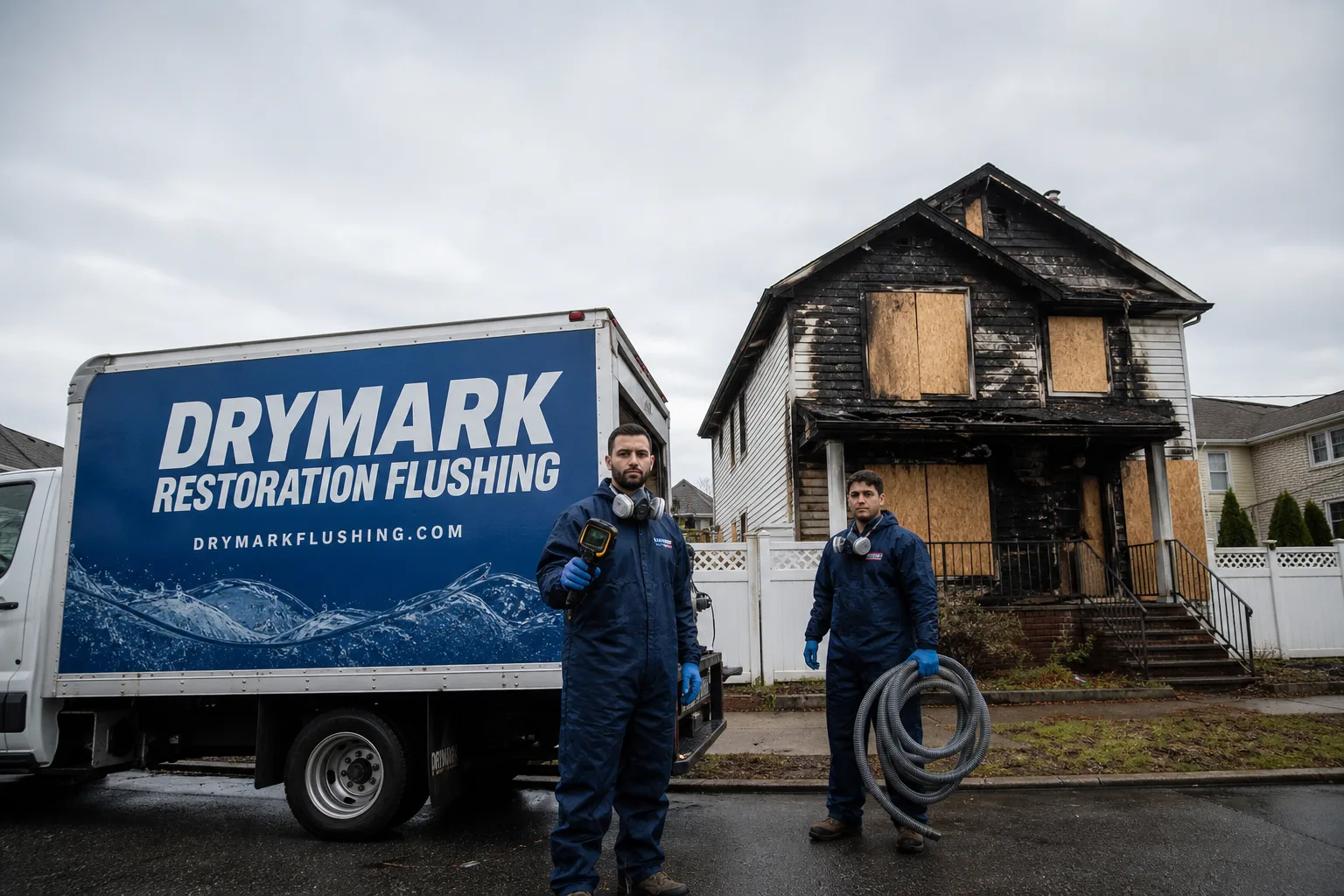
Free visual inspection and a written scope of work before any mitigation begins - photos, moisture readings, and drying logs go in your claim file
The scope we write is the scope we bill. Anything new gets shown to you, in writing, before we touch it.
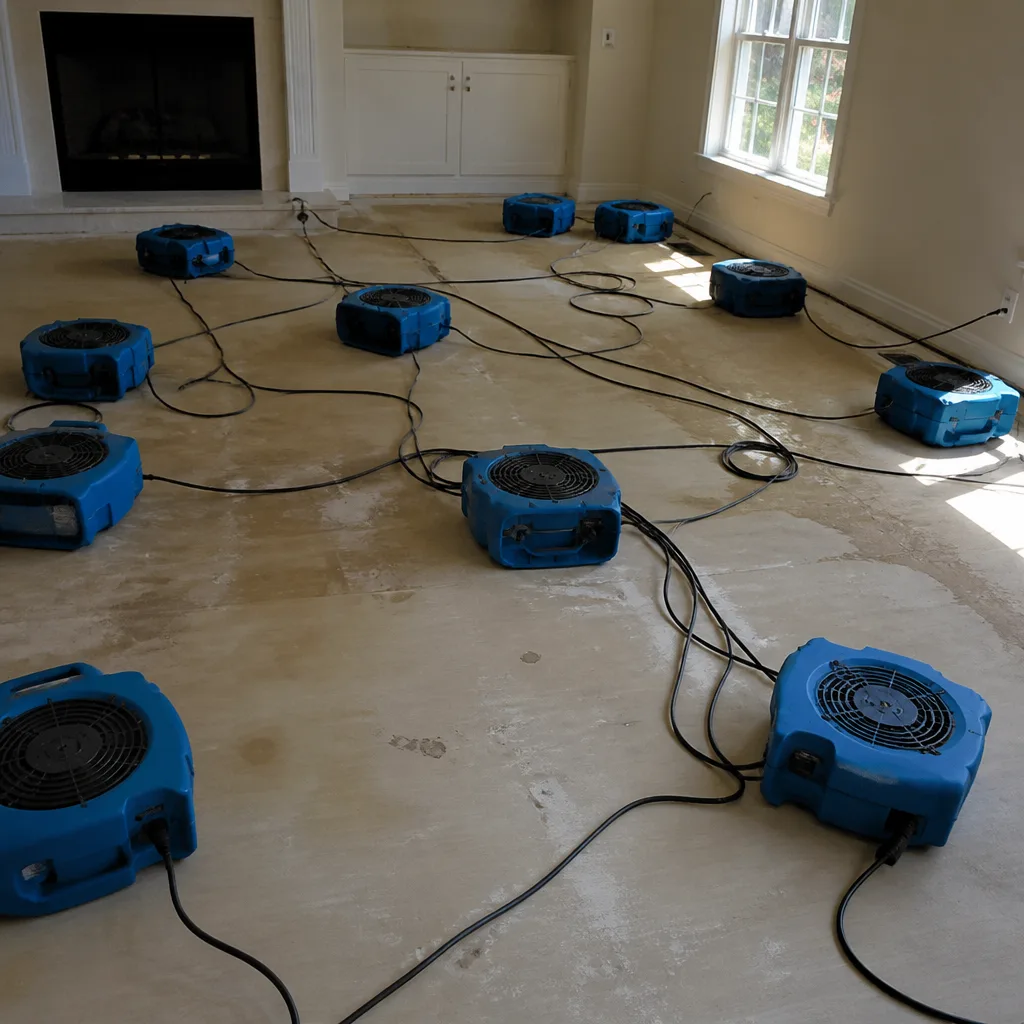
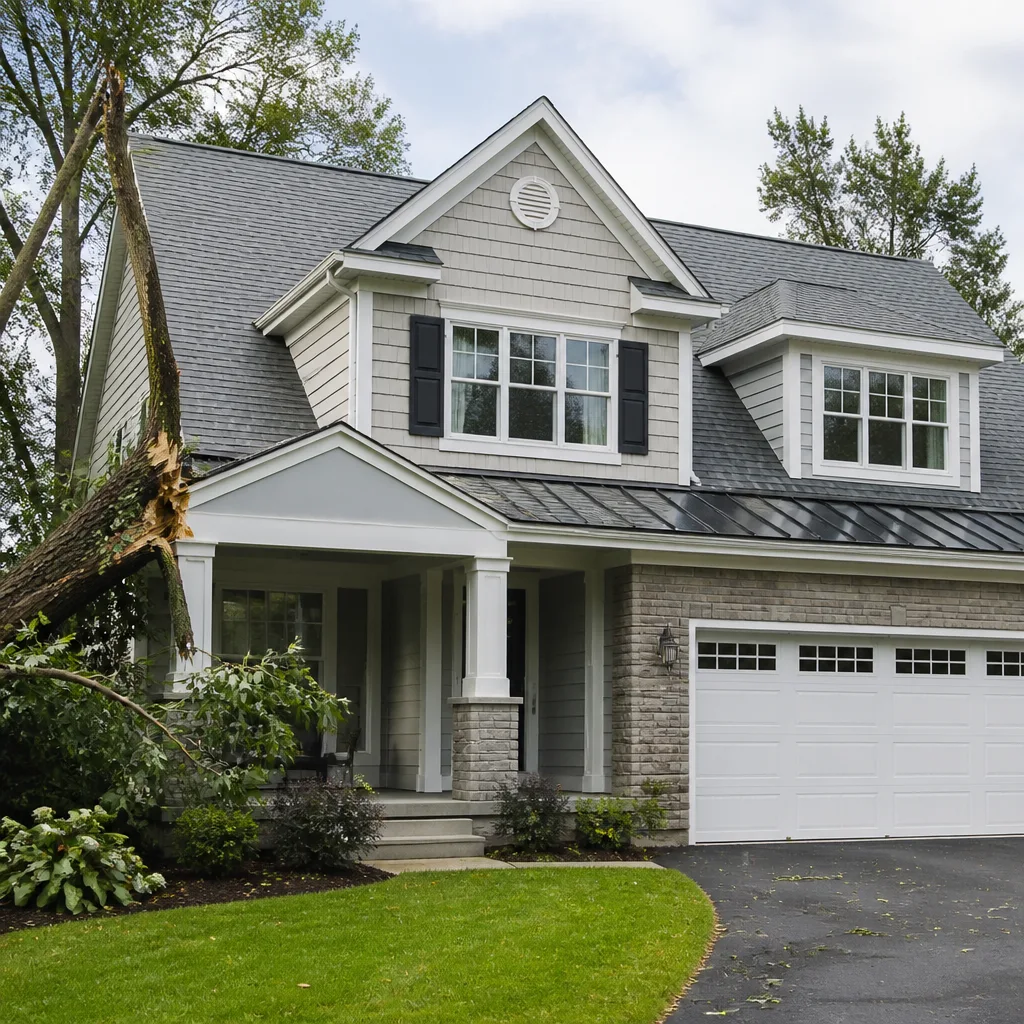
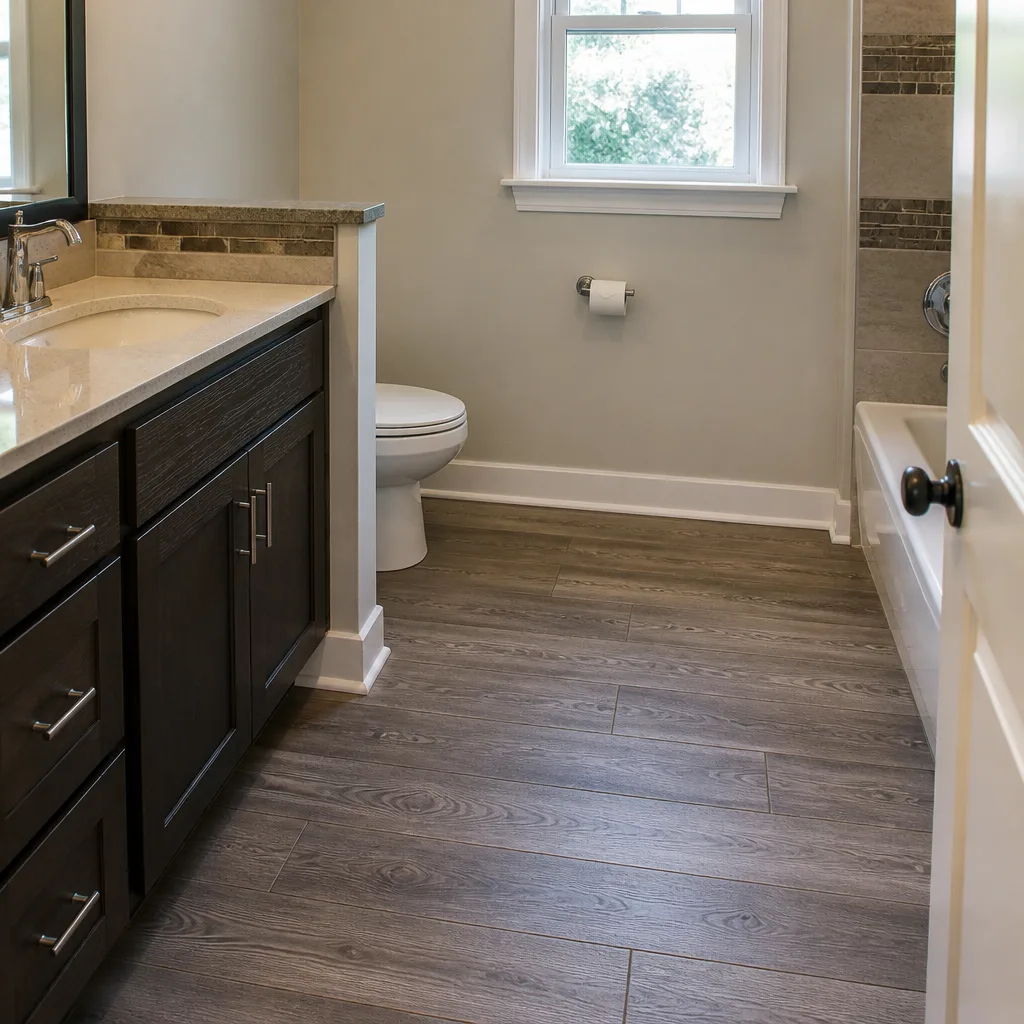
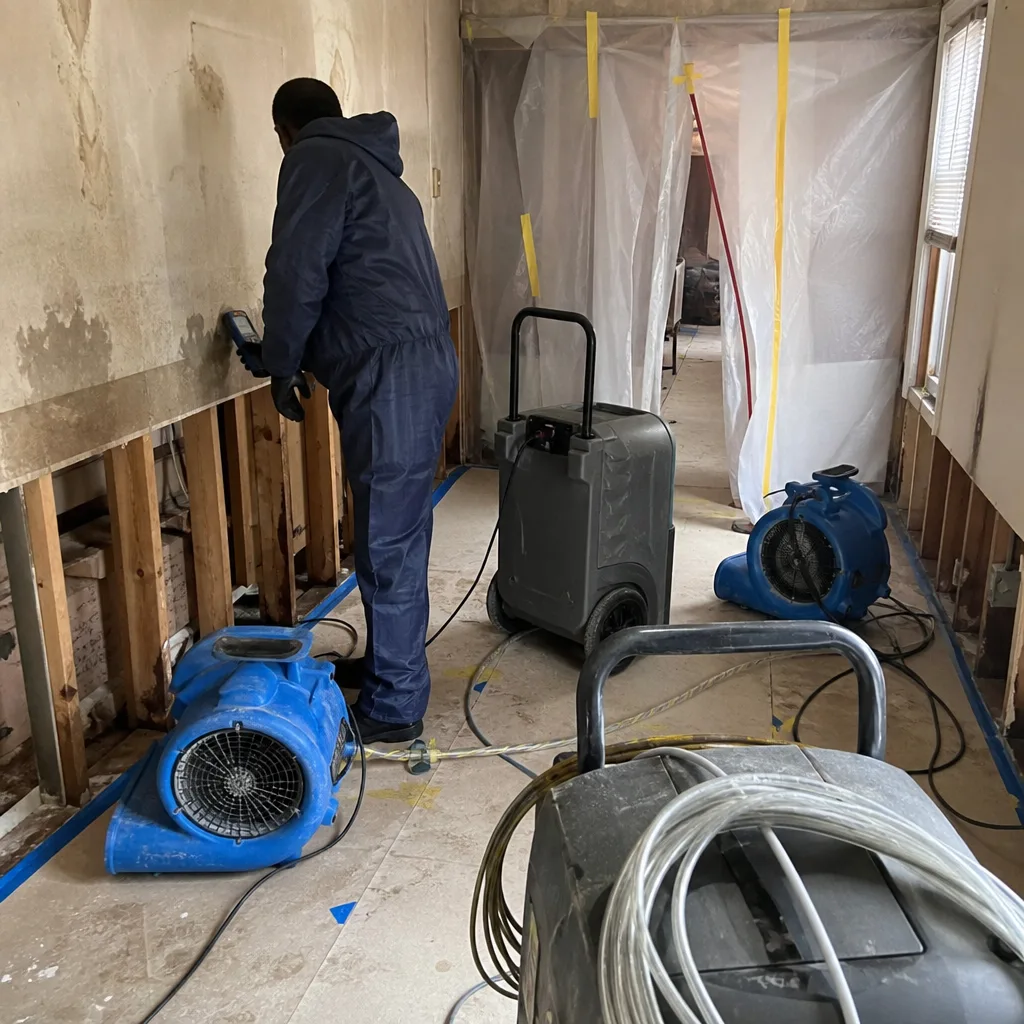 Before
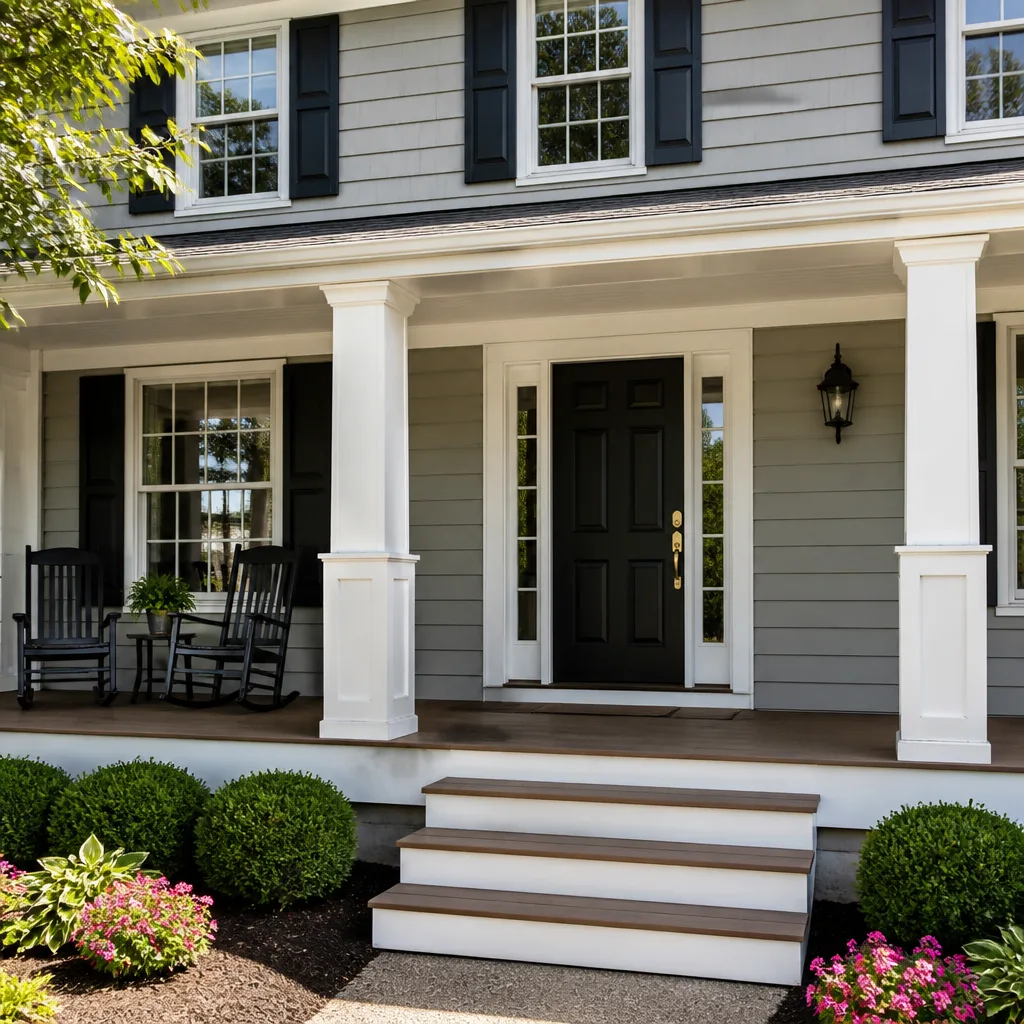
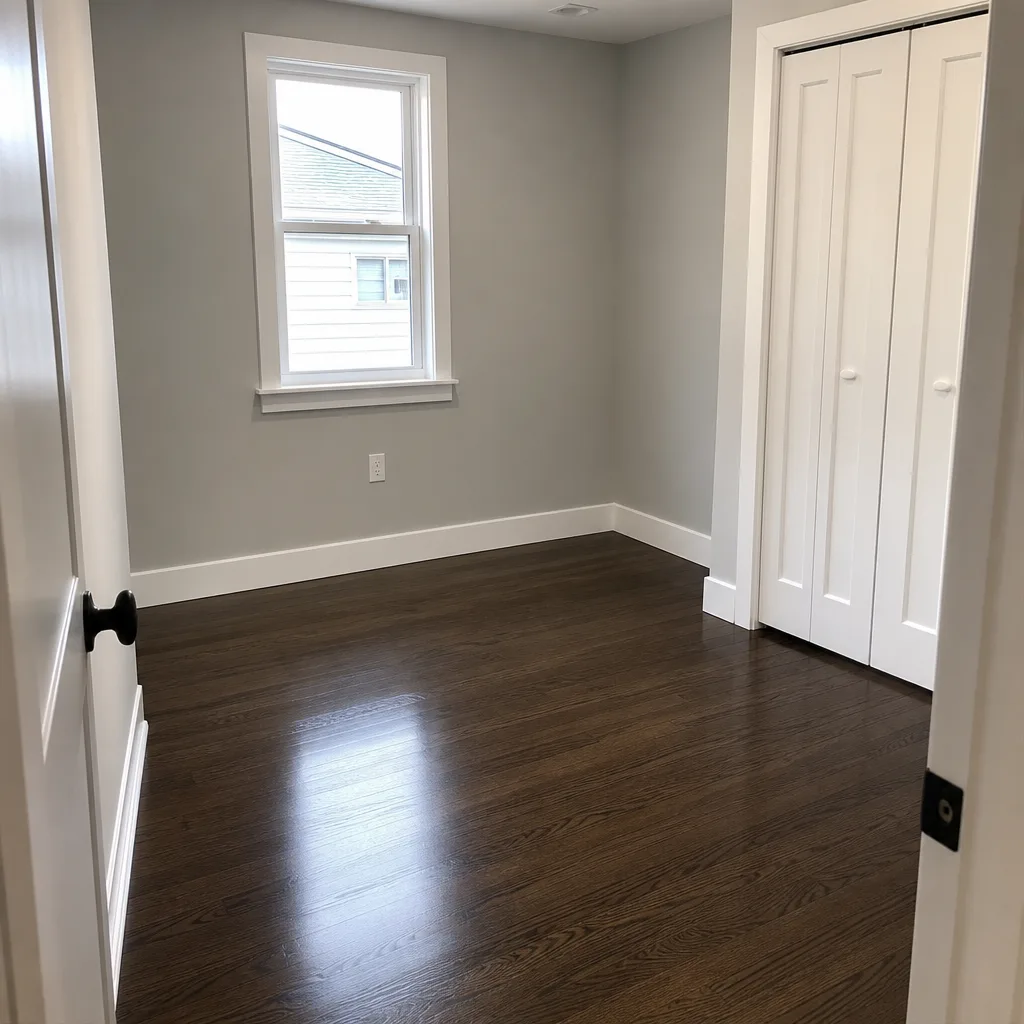 After
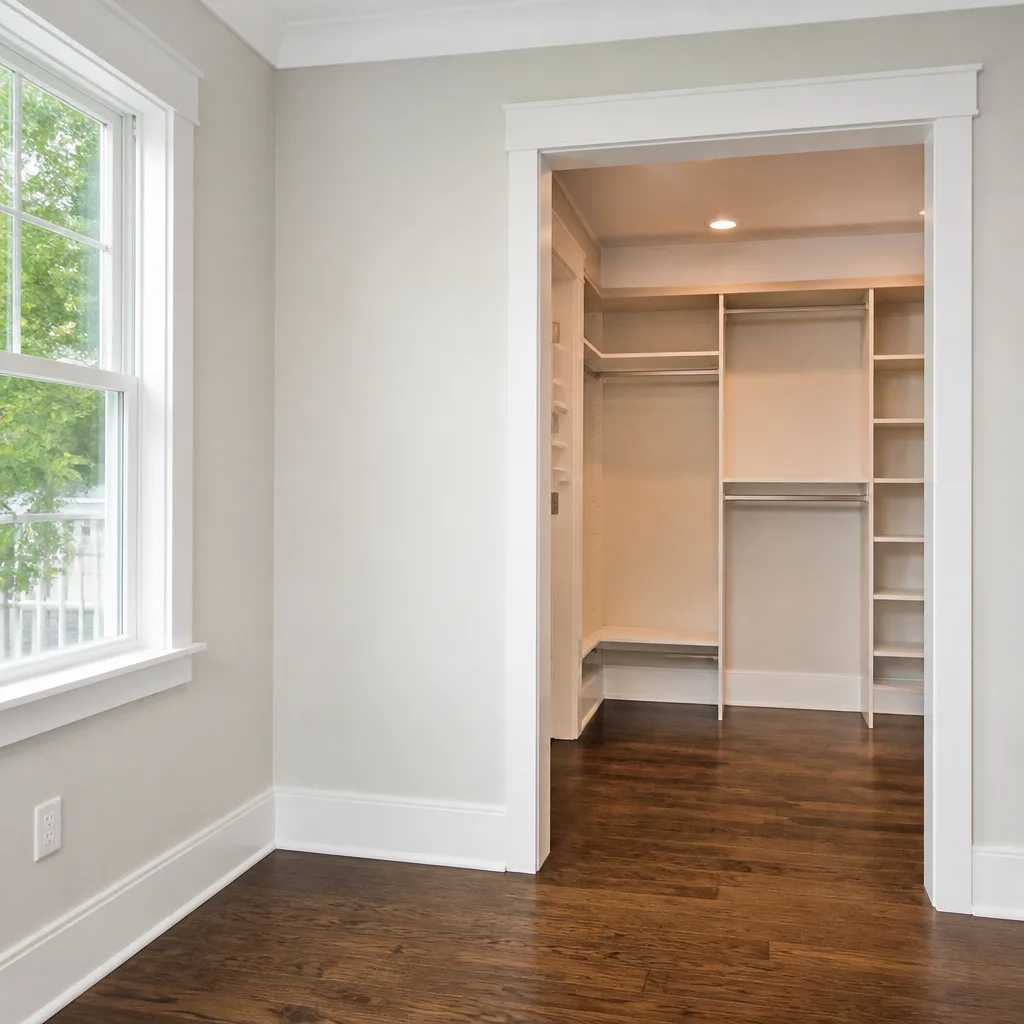
After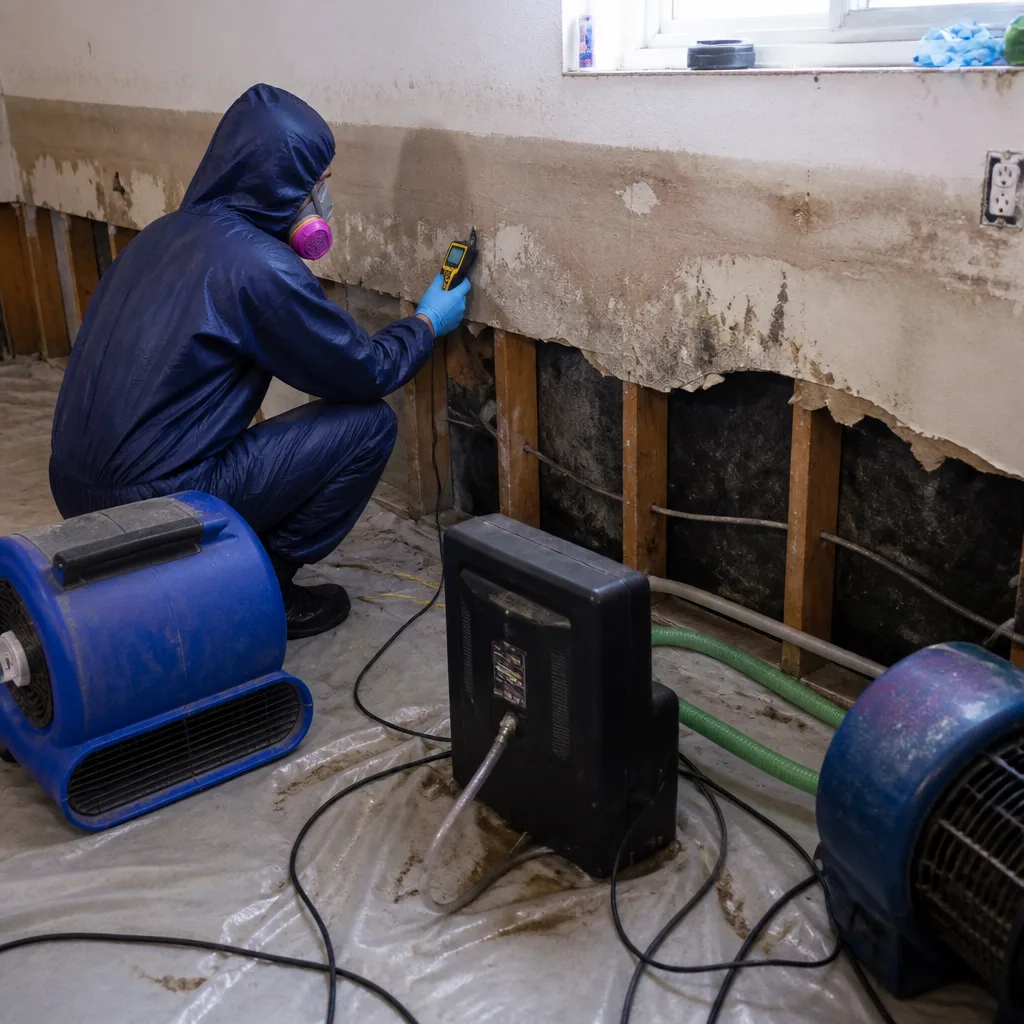 Before
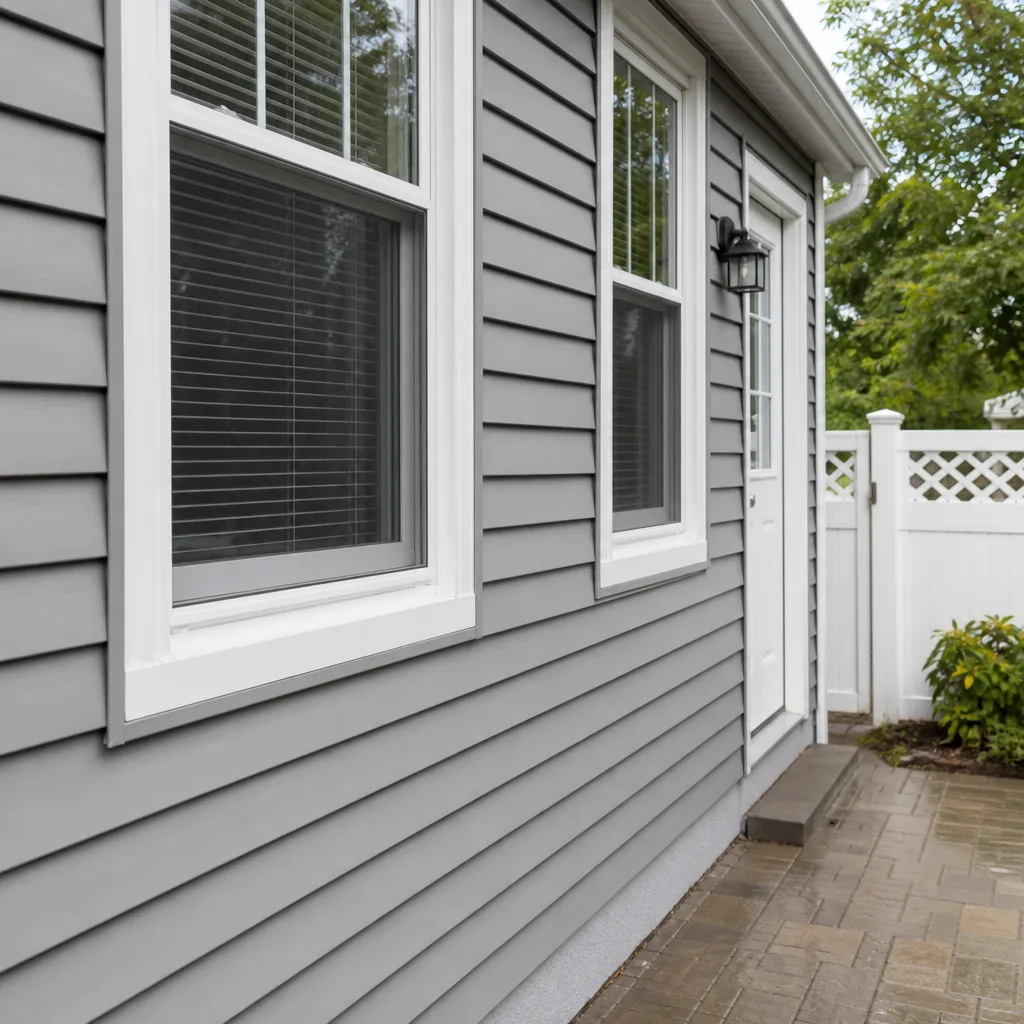 After
After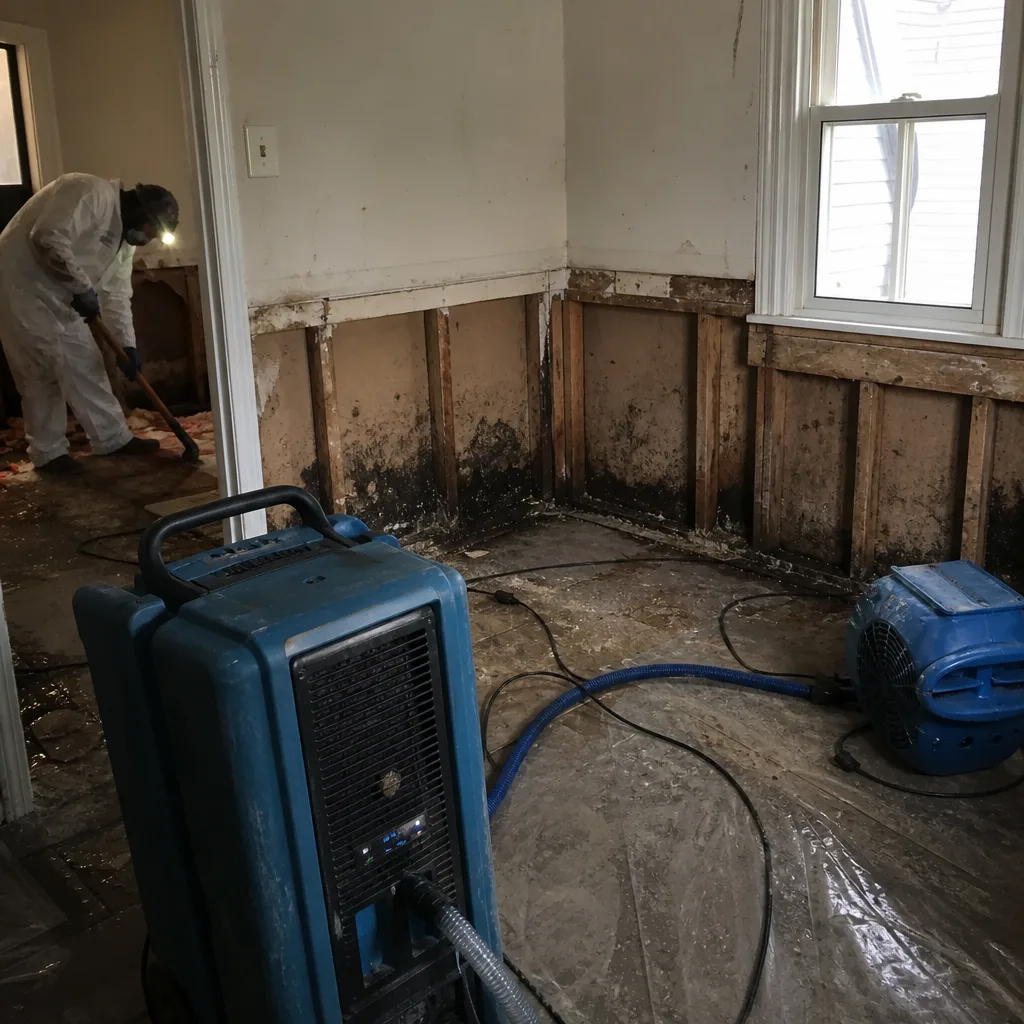 Before
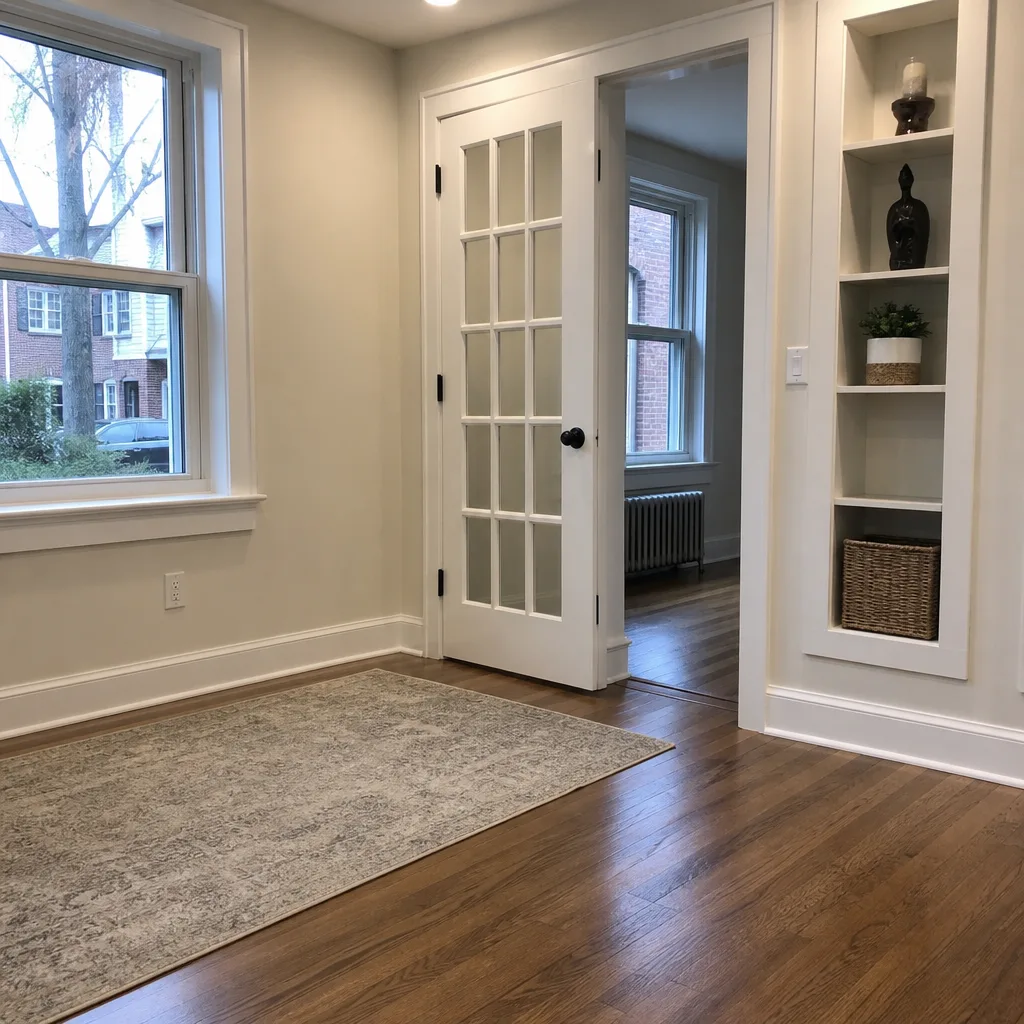 After
AfterTrusted Water Damage Restoration for Flushing Homeowners
Water damage restoration in Flushing typically costs between $1,200 and $4,500 for most residential jobs, with emergency water extraction starting around $350 and full structural drying running $2,000-$3,800 depending on square footage and material saturation. Most Flushing homeowners see our crew on-site within 60-90 minutes of calling (516) 386-9007, and we deliver a written price before anyone starts work - Haven Standard, Clause 1.
We’ve restored water-damaged properties in Flushing since 2011, from the pre-war co-ops near Kissena Boulevard to the newer construction in Flushing Commons and the detached homes south of Northern Boulevard. Alicia Brennan founded Back to Dry Restoration after working as a claims adjuster and watching homeowners lose thousands on disputed invoices because the restoration company couldn’t produce moisture logs, photo documentation, or a written scope that matched what was actually done. We built this company to solve that problem. Every Flushing job gets a photo record on every visit, daily psychrometric readings (that’s temperature, relative humidity, and vapor pressure - the data that proves drying is actually happening), and a signed 365-Day Done Right Promise under The Haven Standard. Live phone coverage runs 24 hours a day, 7 days a week on emergency lines - no voicemail trees, no next-business-day callbacks while water is still wicking into drywall.
What Our Water Damage Restoration Service Includes
Emergency Water Extraction
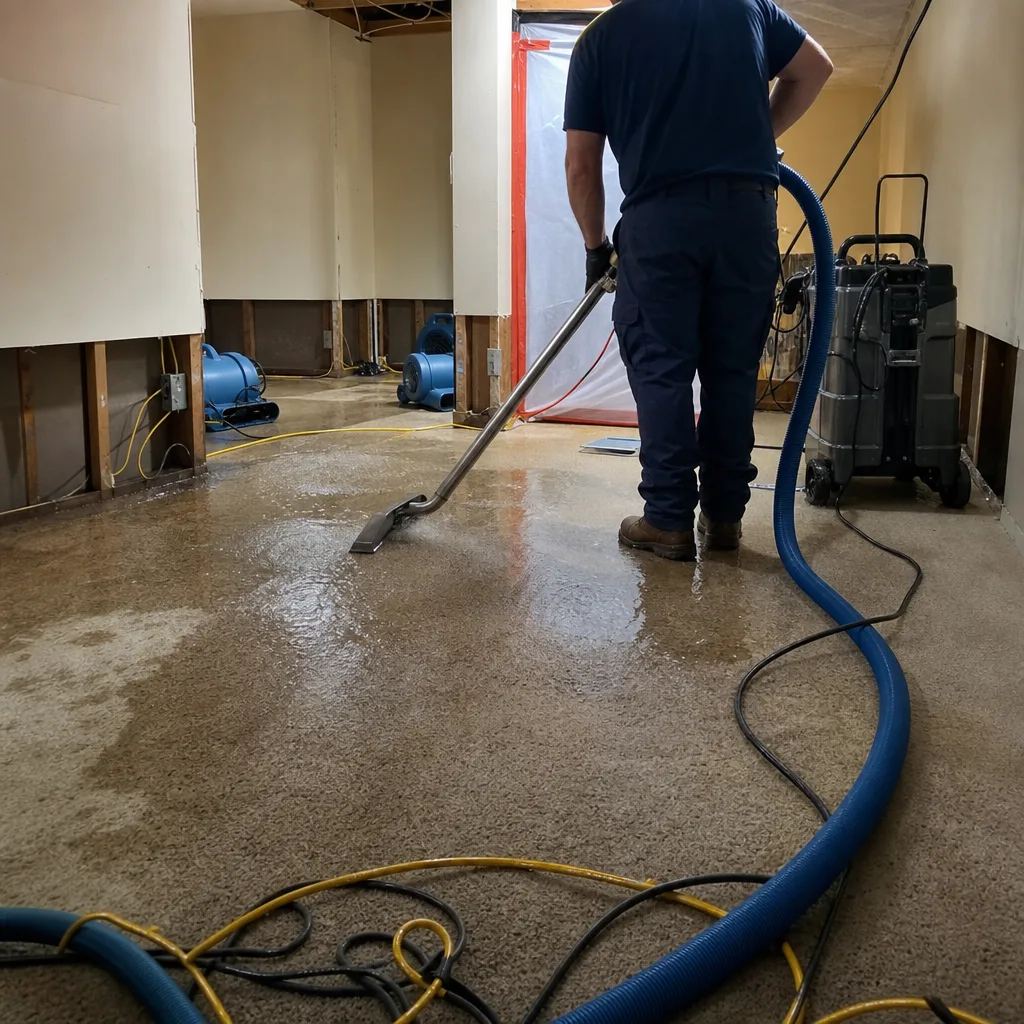
When a pipe bursts at 2 a.m. or a washing machine hose lets go while you’re at work, standing water doesn’t wait. Emergency water extraction is the immediate removal of visible water using truck-mounted extraction units and portable submersible pumps. In Flushing, we see this most often in basement-level units during heavy Queens rainfall, when sewer backups overwhelm aging drainage on streets like Sanford Avenue and Parsons Boulevard. Our crews arrive with XPOWER extraction equipment and deploy it within minutes of arrival, documenting pre-extraction moisture readings with pinless and penetrating meters so the drying baseline is established before a single gallon is removed.
Structural Drying & Dehumidification
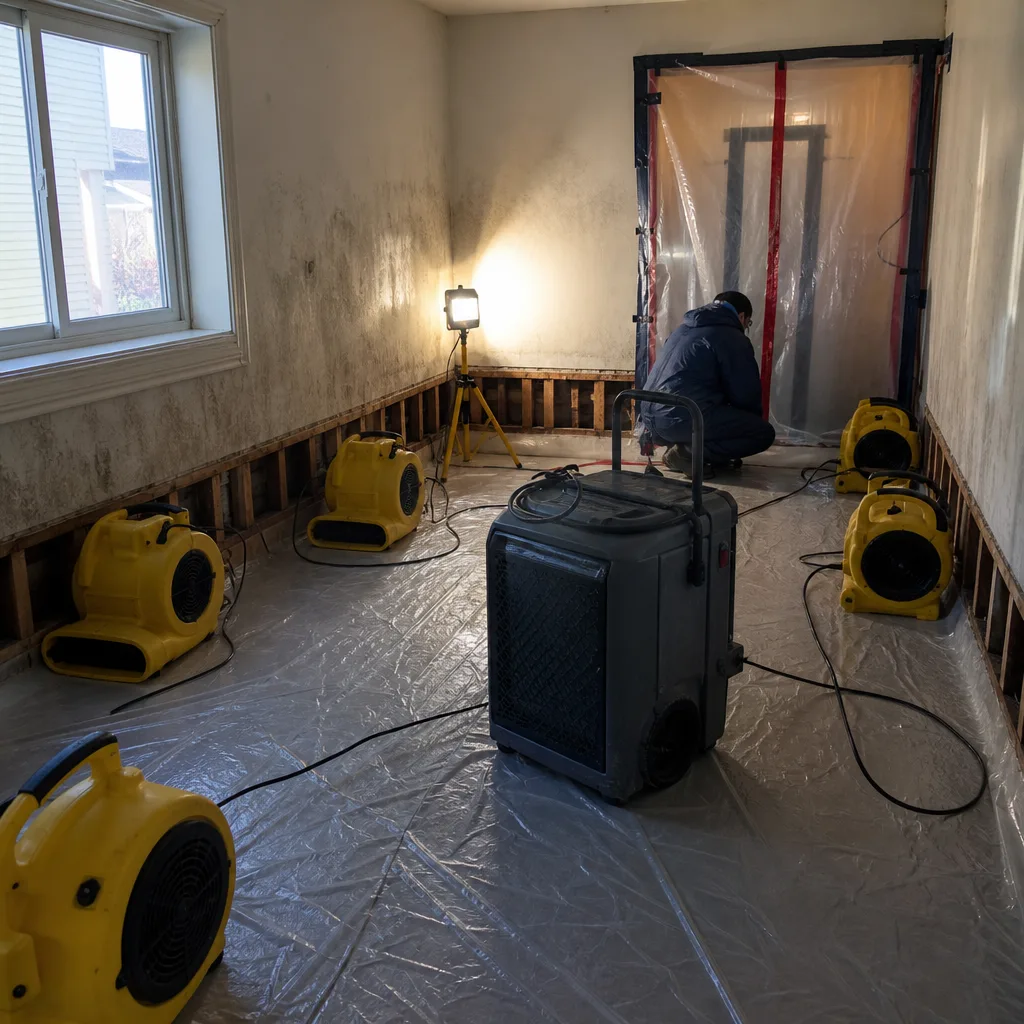
Water you can’t see causes more damage than water you can. Structural drying targets moisture trapped inside wall cavities, subfloors, and ceiling assemblies using calculated air movement, controlled heat, and industrial dehumidification. We deploy B-Air and Dri-Eaz dehumidifiers sized to the cubic volume of each affected space, then monitor daily with psychrometric data - temperature, relative humidity, and specific humidity readings - until materials return to their dry standard, typically 12-16% moisture content for wood framing in Flushing’s humid summer climate. The daily drying log becomes part of your documentation package, the same record that keeps insurance adjusters from questioning whether drying was thorough or merely superficial.
Flood Cleanup
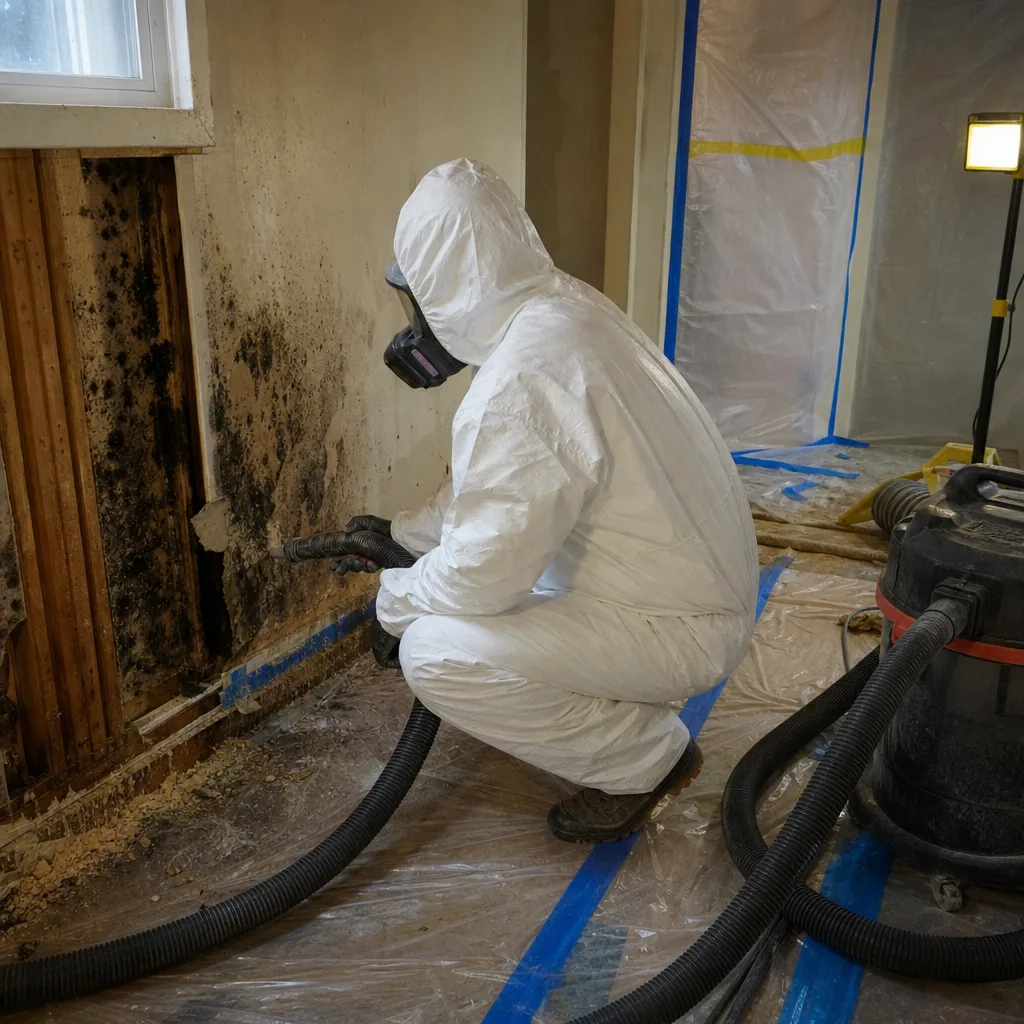
Flood cleanup in Flushing requires distinguishing between Category 1 clean water, Category 2 gray water, and Category 3 black water - each with different material removal requirements and antimicrobial protocols. The low-lying areas near Flushing Creek and the Willets Point corridor are particularly vulnerable to street flooding during coastal storms, and we’ve handled dozens of properties where stormwater carried sediment, fuel residue, or sewage overflow. Our crews classify the water source on arrival, document it with photos, and build the written scope around IICRC S500 standards for each category. Category 3 losses typically require removal of porous materials like drywall, carpet pad, and insulation below the flood line, with HEPA air scrubbing during demolition to protect unaffected areas.
Burst Pipe Restoration
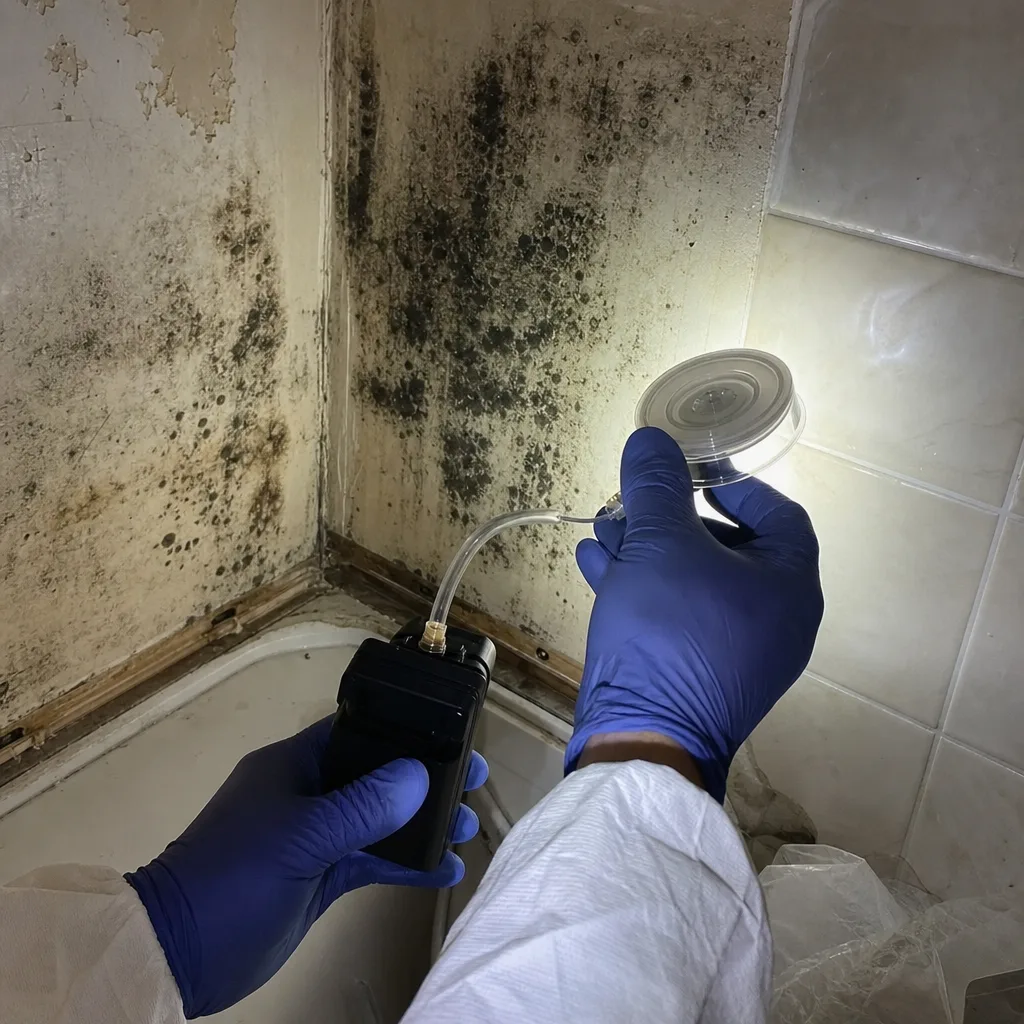
Burst pipe restoration in Flushing often starts with frozen exterior walls in pre-war buildings with minimal insulation, or to galvanized supply lines reaching end-of-life in homes built before 1960. The restoration work begins after a plumber stops the flow - our job is tracing the water path, identifying all affected assemblies, and preventing secondary damage like mold growth or structural weakening. We use thermal imaging to find water that migrated behind tile, under hardwood, or into ceiling cavities below the break point. In a recent job on 35th Avenue near Union Street, thermal imaging revealed water had traveled 14 feet along a soffit before showing any visible staining - catching it early saved the homeowner a full ceiling replacement and a mold claim.
Basement Water Removal
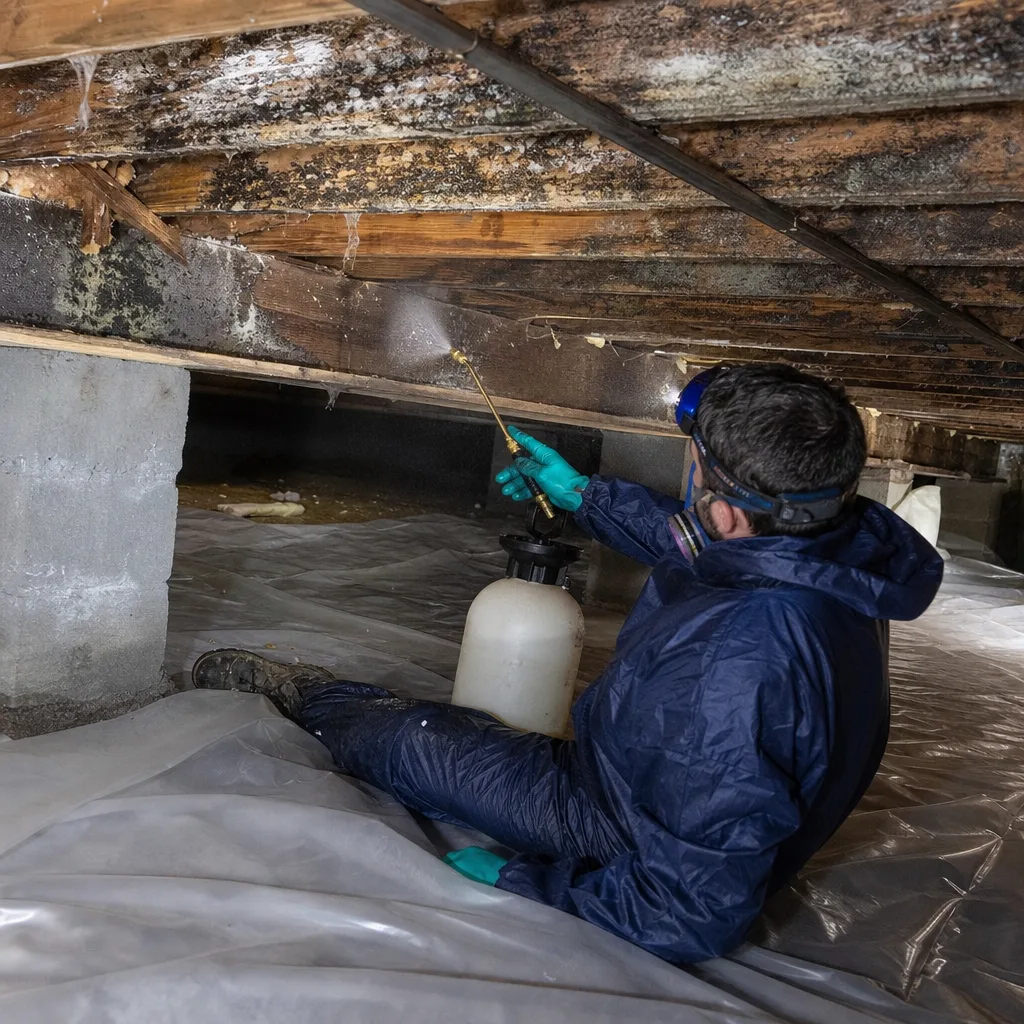
Basement water removal in Flushing combines extraction with strategic drying because below-grade spaces behave differently - concrete slabs wick moisture from surrounding soil, foundation walls create cold surfaces where condensation forms, and inadequate ventilation traps humid air. We see this constantly in the split-level and raised-ranch homes east of Main Street, where finished basements with vinyl flooring and stud walls conceal slow leaks until baseboards swell or carpet develops a musty odor. Our approach: extract standing water, remove unsalvageable materials, install air movers to create laminar airflow across all wet surfaces, then run low-grain refrigerant dehumidifiers until the space reaches equilibrium. The drying log tracks concrete moisture readings separately from wood and drywall, since each material has its own dry standard.
Ceiling & Roof Leak Water Damage
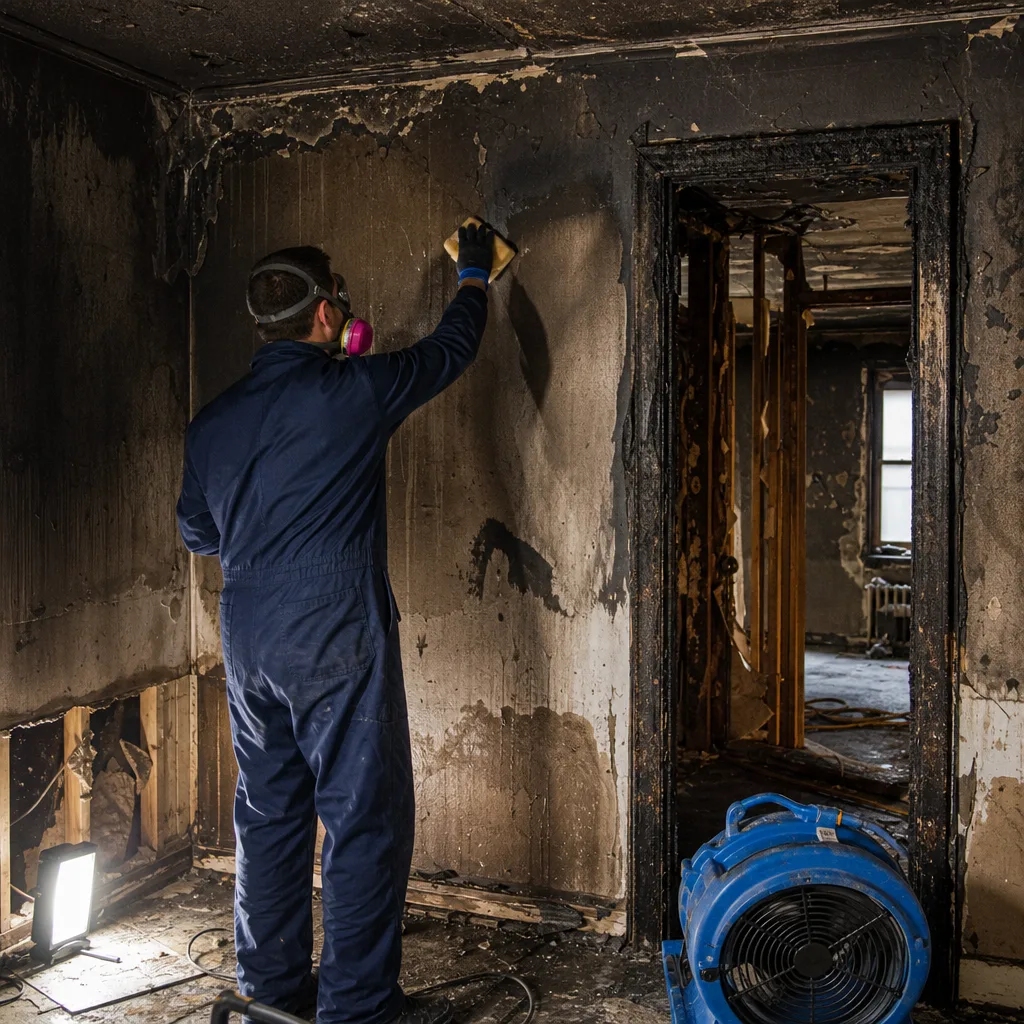
Ceiling & roof leak water damage in Flushing often announces itself with a brown stain spreading across plaster or drywall, but the visible mark is rarely the full extent. Water follows framing members, electrical runs, and HVAC ducts before finding the lowest point to pool. We trace the leak path using moisture mapping - a grid of readings taken on a set pattern across the ceiling and into wall cavities - then remove only the material that’s actually wet, plus a small buffer for safe drying. In Flushing’s dense housing stock, particularly the attached and semi-attached homes in neighborhoods like Murray Hill and Auburndale, roof leaks can affect multiple units before anyone notices. We document the affected area with photos, mark the drying boundary with tape, and provide the photo record to your adjuster showing exactly what was removed and why.
What happens when you call
- 1
A real person answersNo phone trees - you reach a local pro.
- 2
You get an upfront price rangeHonest numbers before anyone is dispatched.
- 3
A background-checked tech heads outLicensed & insured, dispatched right away.
- 4
You approve before work beginsNothing starts until you say go.
Signs You Need Water Damage Restoration Right Now
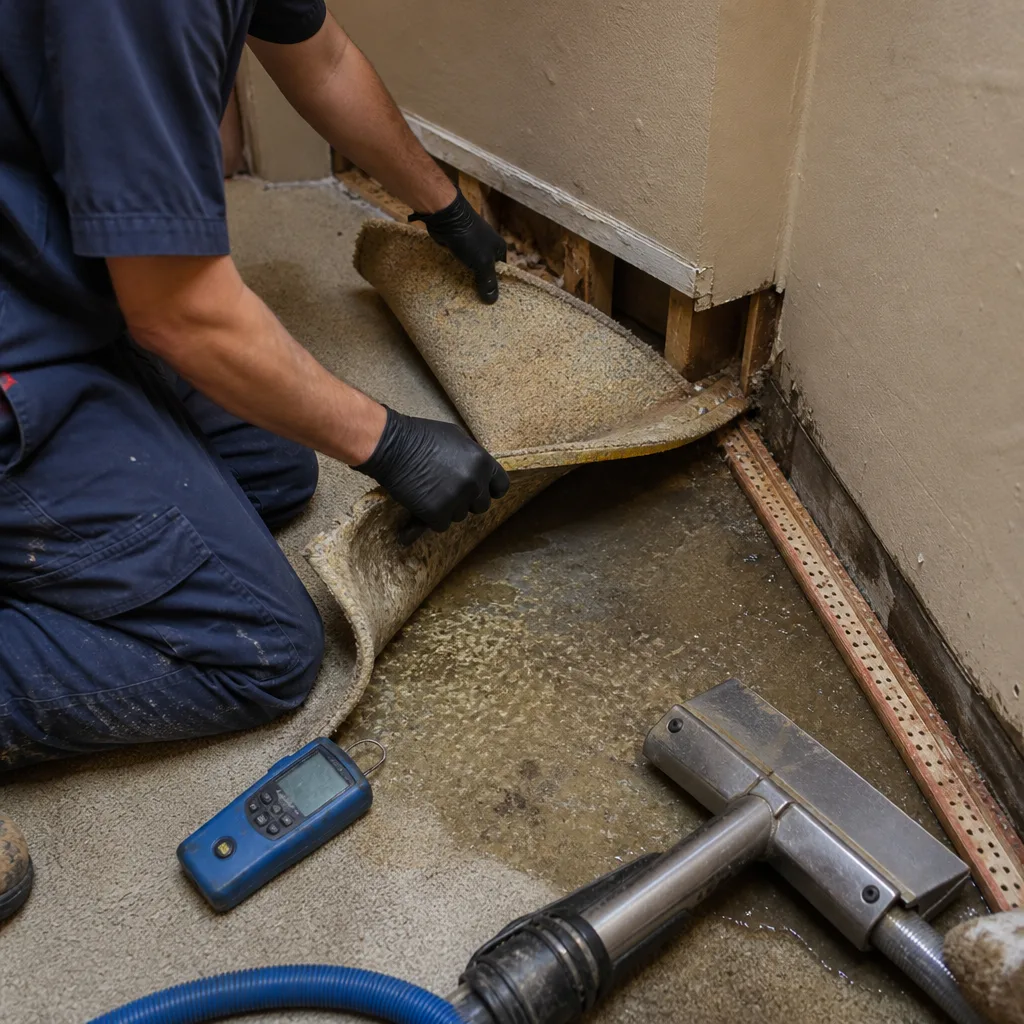
- Visible water pooling or active dripping - Any standing water, even an inch in a utility closet, wicks upward into drywall and downward into subflooring within hours. In Flushing’s older buildings with plaster-and-lath construction, that wicking happens faster than in modern drywall because plaster is more porous than it appears. If you can see water, the material behind it is already wetter than the surface suggests.
- Musty or earthy odor, especially after rain - Mold begins active growth within 24-48 hours of water intrusion, and the microbial volatile organic compounds (MVOCs) it produces create that characteristic musty smell before visible growth appears. If your Flushing home smells damp in specific rooms or after weather events, moisture is present somewhere the air can’t reach - wall cavities, under flooring, or above ceiling tiles.
- Discolored patches on walls, ceilings, or baseboards - Brown, yellow, or gray staining indicates water has dissolved and redeposited minerals from drywall compound, plaster, or framing lumber. The stain’s shape often reveals the leak source: a circular stain with a darker center suggests a point-source leak like a pipe fitting, while a streak running down a wall indicates water traveling along a vertical surface.
- Sagging, bubbling, or soft drywall - When gypsum board absorbs enough water, the paper facing separates from the core and the panel loses structural integrity. A sagging ceiling is a collapse hazard, particularly in Flushing’s pre-war buildings with heavy plaster ceilings that can weigh 10-15 pounds per square foot when saturated. Don’t wait - this requires immediate structural assessment and controlled removal.
- Hardwood floors cupping, crowning, or buckling - Wood flooring responds predictably to moisture: cupping (edges raised, center depressed) means moisture from below; crowning (center raised, edges depressed) means moisture from above or over-drying from below; buckling (panels lifting from the subfloor) means severe saturation. Flushing’s humid summers make natural recovery unlikely without professional dehumidification - the ambient air alone won’t pull moisture from the core of a 3/4-inch oak plank fast enough to prevent permanent deformation.
BeforeAfterOur Water Damage Restoration Process - Step by Step
- 1
Emergency response and on-site assessment. We answer live 24 hours a day, 7 days a week - no voicemail on emergency lines. Our technician arrives with moisture meters, thermal imaging, and a camera. We identify the water source (and stop it if it’s still flowing), classify the water category, and take pre-mitigation photos of every affected room. The assessment includes a moisture map showing readings across all wet materials, which becomes the baseline for measuring drying progress.
- 2
Written scope and price before work begins. Haven Standard, Clause 1: you get a written price before anyone starts work, every time, with no exceptions. The scope lists each task, the equipment to be deployed, the estimated duration, and the total cost. For insurance claims, we format the scope to match standard adjuster documentation requirements, including line-item codes where applicable. No scope-creep additions once the crew is inside your Flushing home.
- 3
Water extraction and controlled demolition. We remove standing water with truck-mounted or portable extraction units, then remove materials that can’t be dried in place - typically carpet pad, saturated insulation, and Category 3-contaminated drywall. Salvageable materials stay put; we dry them in place when structurally sound and technically appropriate. Demolition is photo-documented before and after, with waste disposal receipts provided for insurance records.
- 4
Structural drying with daily monitoring. Equipment placement follows IICRC S500 psychrometric principles: air movers positioned to create airflow across wet surfaces, dehumidifiers sized to the space volume and initial humidity load, and supplemental heat when Flushing’s winter temperatures slow evaporation. Each day, a technician records moisture readings, relative humidity, temperature, and equipment status in the drying log. You get the log; your adjuster gets the log; the documentation is complete.
- 5
Verification, documentation, and warranty. We declare drying complete only when moisture readings match the dry standard for each material class - not by calendar days or equipment rental periods. Final documentation includes the complete photo record, the daily drying log, a certificate of drying, and the signed 365-Day Done Right Promise under The Haven Standard. If anything isn’t done right, we make it right. That’s not a marketing line; it’s a written warranty with an address.
How Much Does Water Damage Restoration Cost in Flushing?
Water damage restoration in Flushing follows predictable ranges based on loss category, affected square footage, and material types. Here’s what we typically see in this market:
| Service | Typical Range in Flushing | What Drives the Price |
|---|---|---|
| Emergency water extraction | $350-$850 | Gallons removed, accessibility, basement vs. upper floor |
| Structural drying & dehumidification (per day) | $180-$340 | Equipment count, space volume, humidity load |
| Full Category 1 clean water restoration | $1,200-$2,800 | Square footage, flooring type, no demolition needed |
| Category 2 gray water restoration | $2,200-$4,200 | Material removal, antimicrobial treatment, extended drying |
| Category 3 black water restoration | $3,500-$6,500+ | Full porous material removal, HEPA containment, multiple inspections |
| Ceiling/wall repair after drying | $800-$2,400 | Plaster vs. drywall, texture matching, paint |
Three factors push Flushing jobs toward the higher end of these ranges: pre-war construction with plaster and lath (slower drying, more specialized repair); finished basements with built-ins and flooring that must be removed for access; and high-rise or co-op buildings where elevator access, building management coordination, and after-hours work restrictions extend the timeline. The best way to avoid overpaying is getting a written scope from a competitor and bringing it to us for a Free Second Opinion - we’ll review it at no charge and show you where the line items match IICRC standards and where they don’t.
Every estimate we provide is free, detailed, and delivered in writing before work starts. Call (516) 386-9007 for an exact quote on your Flushing property.
Water Damage Restoration Near Flushing - Our Service Area
Back to Dry Restoration serves Flushing and the surrounding Queens communities with response times typically under 90 minutes during business hours and under two hours for overnight emergency calls. We regularly handle Water Damage Restoration in College Point, where waterfront properties face unique flooding risks from the East River and Flushing Bay, and Water Damage Restoration in Whitestone, where older homes on slab foundations present distinct drying challenges. Our crews also cover Jackson Heights, Bayside, Elmhurst, Rego Park, Forest Hills, Fresh Meadows, Throgs Neck, Woodside, and Middle Village - each with its own building stock, flood history, and insurance claim patterns that our documentation process is built to address.
Serving Flushing, NY - Our Local Coverage Area
We’re based in the Flushing area and know this community well. Use the map below to see our service coverage - if you’re nearby, we can almost certainly help.
Frequently Asked Questions - Water Damage Restoration in Flushing
Water damage restoration is the professional process of returning a water-damaged property to its pre-loss condition through extraction, drying, cleaning, and repair. It includes emergency water removal, structural drying with monitored dehumidification, removal of unsalvageable materials, antimicrobial treatment where needed, and reconstruction of damaged assemblies. At Back to Dry Restoration, every Flushing job is documented with a photo record on every visit and a daily drying log that tracks moisture readings until materials reach their dry standard. Call (516) 386-9007 for a free estimate - we deliver a written price before work starts, Haven Standard, Clause 1.
Most residential water damage restoration in Flushing takes 3-5 days for drying, plus 1-2 weeks for repairs if demolition was required. Category 1 clean water losses with minimal material removal may dry in 2-3 days; Category 3 sewage losses requiring full gutting of affected areas can extend to 7-10 days before reconstruction begins. We don’t remove equipment based on a calendar - we remove it when daily moisture readings prove materials have reached their dry standard, documented in the drying log you receive. Call (516) 386-9007 to schedule an assessment with a written timeline.
Typical water damage restoration in Flushing runs $1,200-$4,500 for residential jobs, with emergency extraction starting around $350 and full structural drying at $2,000-$3,800 depending on square footage and water category. Category 3 black water losses with extensive material removal can exceed $6,500. Your exact price depends on the water source, affected materials, accessibility, and whether the loss is covered by insurance. We provide a written price before work starts on every job - no exceptions - and offer a Free Second Opinion on any competitor’s written estimate. Call (516) 386-9007 for your specific quote.
Yes - we deploy professional-grade drying systems from XPOWER, B-Air, and Injectidry on Flushing jobs where their specific capabilities match the loss conditions. XPOWER air movers excel at high-velocity drying in confined spaces common in Flushing’s older apartments; B-Air dehumidifiers handle the high humidity loads we see in basement and crawl space drying; and Injectidry’s inter-air drying system forces dry air into wall cavities and hardwood flooring without removing finish materials. All equipment is maintained, calibrated, and documented to IICRC standards. Whether your property needs these specific systems or a different configuration, we’ll specify the right equipment in your written scope. Call (516) 386-9007 to discuss your drying requirements.
Yes - live phone coverage is available 24 hours a day, 7 days a week with no voicemail on emergency lines. A real person answers every call, and our typical on-site time in Flushing is 60-90 minutes during peak hours, under two hours overnight. Water continues to migrate into drywall, insulation, and subflooring every minute it sits, so we don’t queue emergency calls for the next business day. When you call (516) 386-9007, you’ll speak with someone who can dispatch a crew and begin documenting your loss immediately.
Every water damage restoration job in Flushing is covered by our 365-Day Done Right Promise under The Haven Standard - if it’s not done right, we make it right. This is a signed written warranty, not a verbal assurance, and it covers both the drying work and any reconstruction we perform. The warranty is transferable if you sell the property within the coverage period. We can provide this guarantee because our documentation - the photo record, the drying log, the written scope - proves what was done and when. Call (516) 386-9007 for a free estimate with full warranty terms included.
If safe to do so, turn off the water source at the main shutoff valve and shut down electricity to affected areas at the breaker panel - but only if you can do both without standing in water. Move valuable items, documents, and electronics out of the wet area if they’re not already damaged. Don’t run household fans or your HVAC system, as this can spread moisture and contaminants to unaffected areas. Most importantly, call (516) 386-9007 as soon as you discover the damage - our technician will guide you through immediate safety steps while the crew is en route, and we’ll handle the rest from there with a written price before work begins.
Schedule Your Water Damage Restoration Service in Flushing Today
Water damage doesn’t improve with waiting, and neither does the documentation that protects your insurance claim. Call (516) 386-9007 now for a free, written estimate - delivered before work starts, every time, under Haven Standard, Clause 1. Alicia Brennan and the team at Back to Dry Restoration answer live 24 hours a day, 7 days a week, and we typically reach Flushing properties within 60-90 minutes. Bring a competitor’s written estimate and we’ll review it free as part of our Second Opinion program. Your property, your documentation, your claim - all protected by The Haven Standard.
Written by Alicia Brennan, Owner at Back to Dry Restoration, serving Flushing since 2011.