
Last updated September 22, 2026
Free visual inspection and a written scope of work before any mitigation begins - photos, moisture readings, and drying logs go in your claim file
The scope we write is the scope we bill. Anything new gets shown to you, in writing, before we touch it.
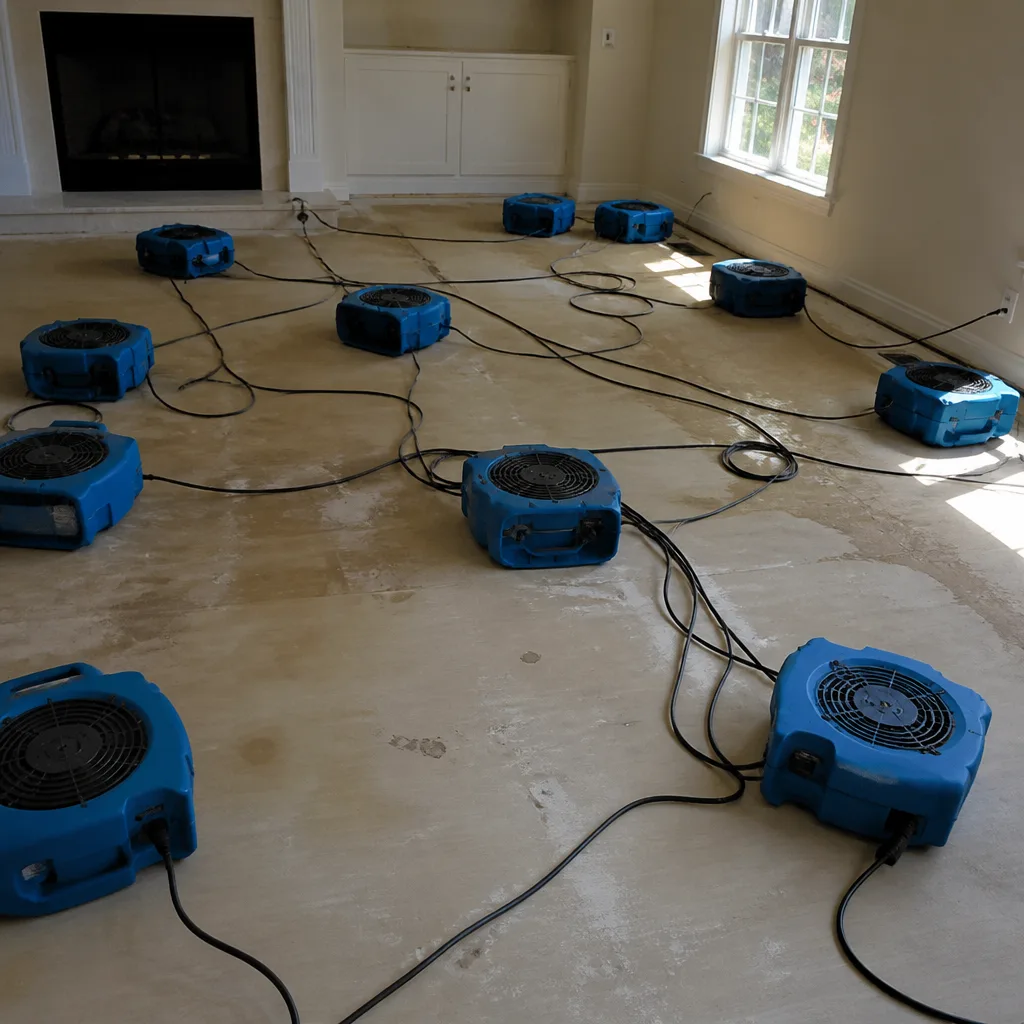

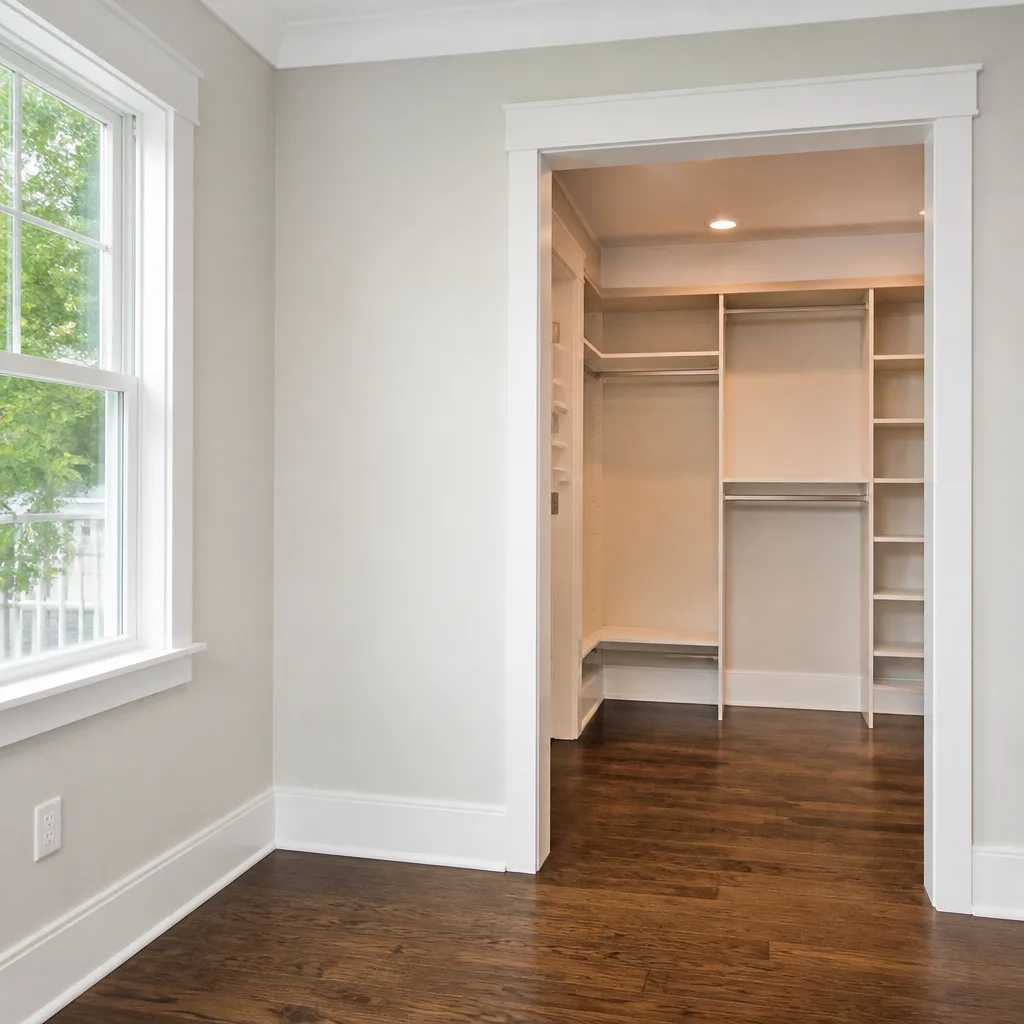
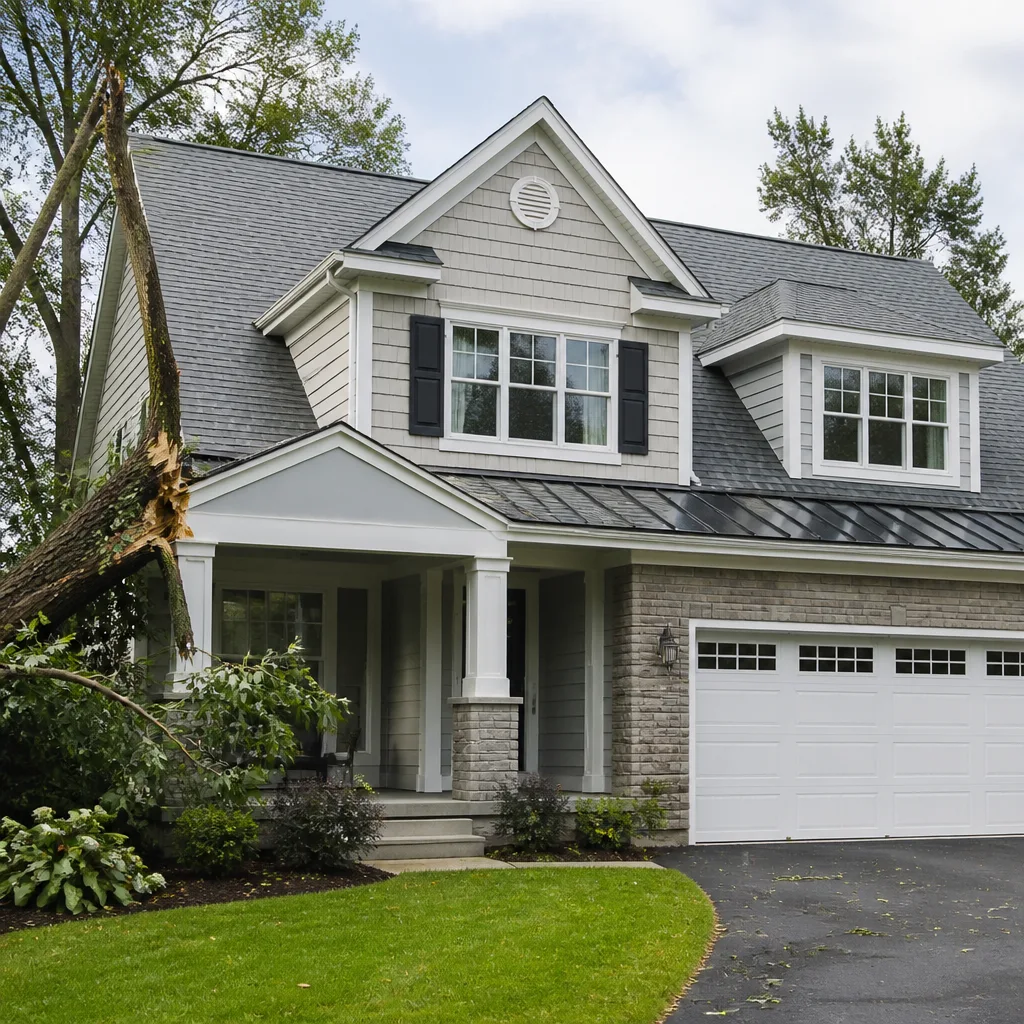
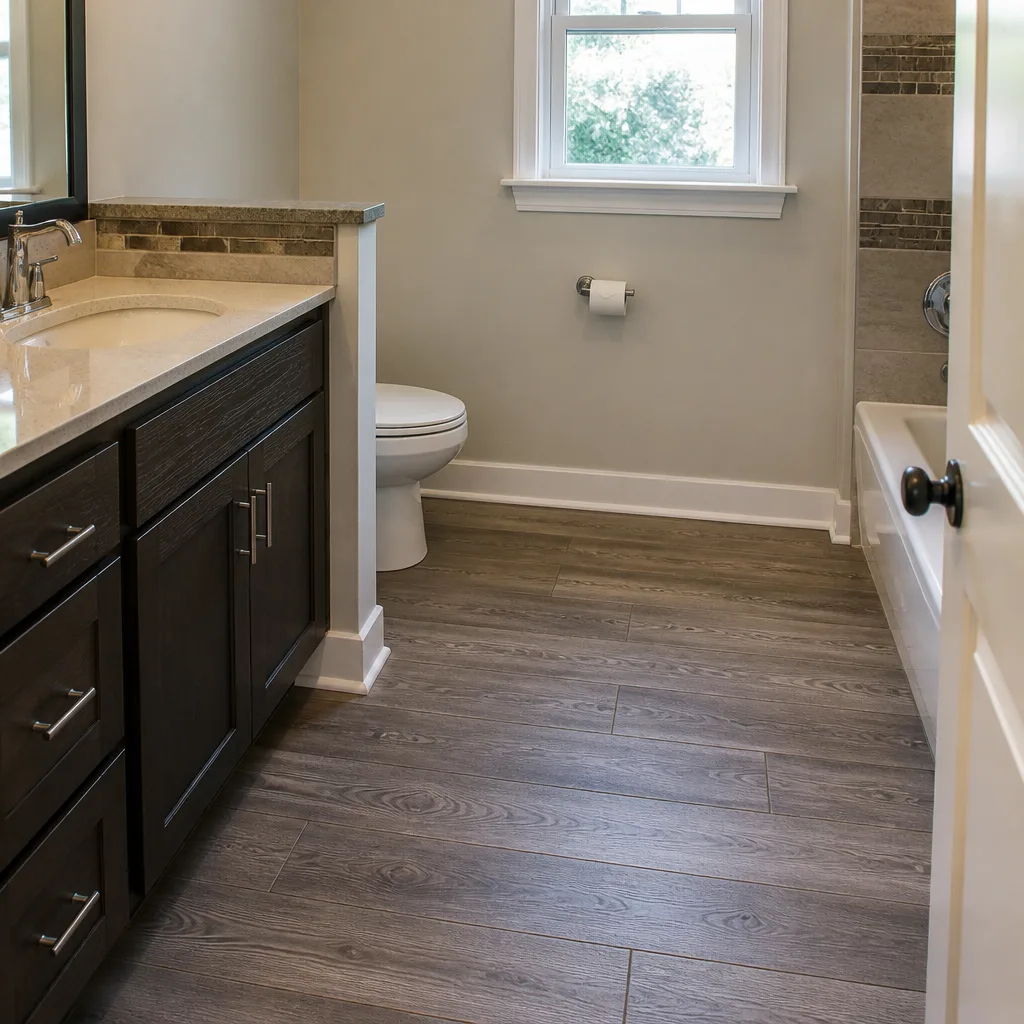

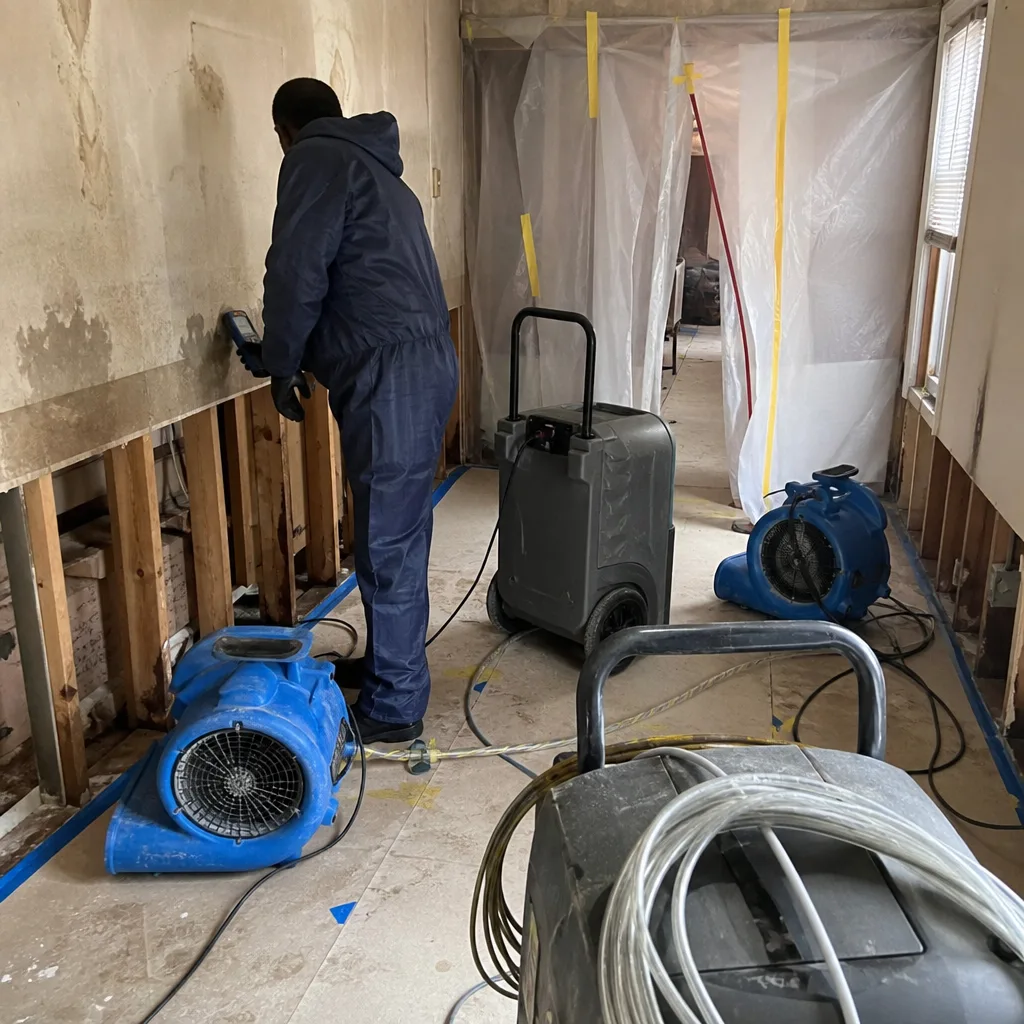 Before
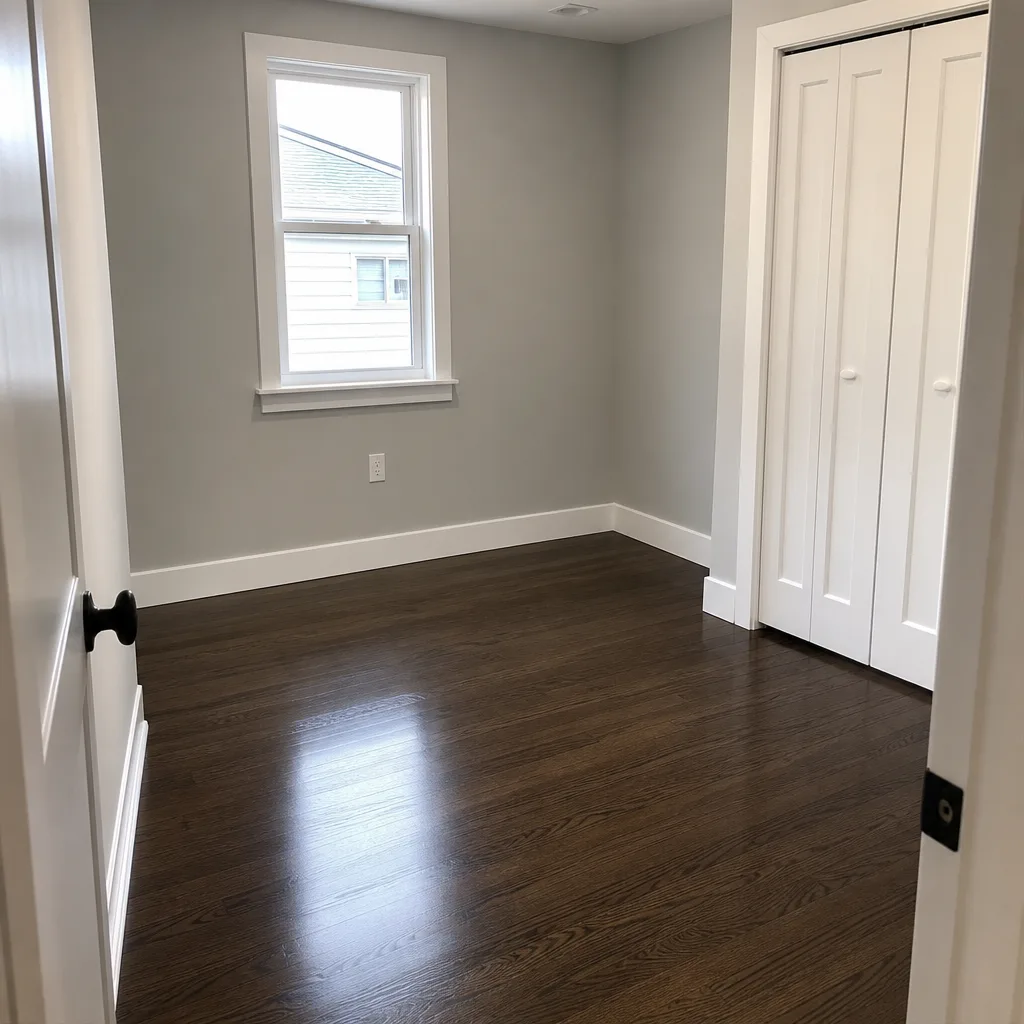 After
After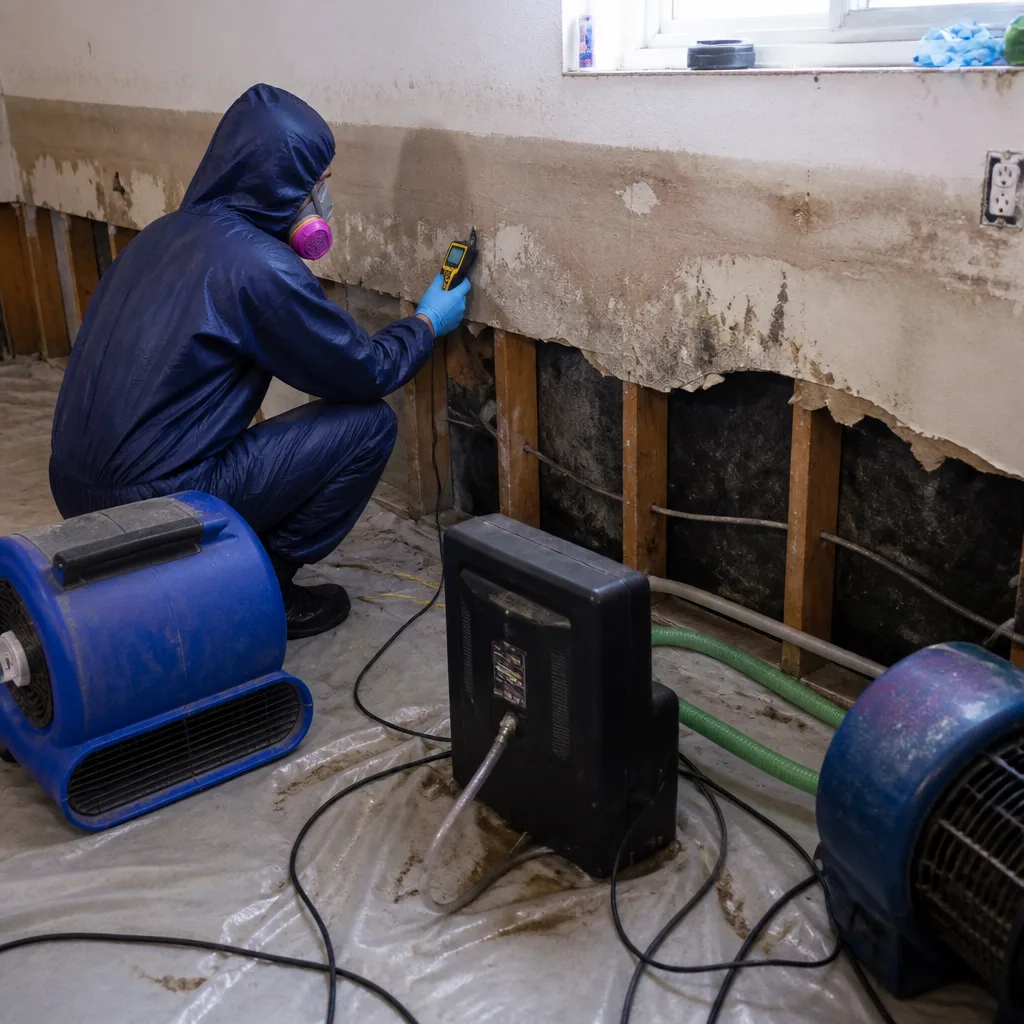 Before
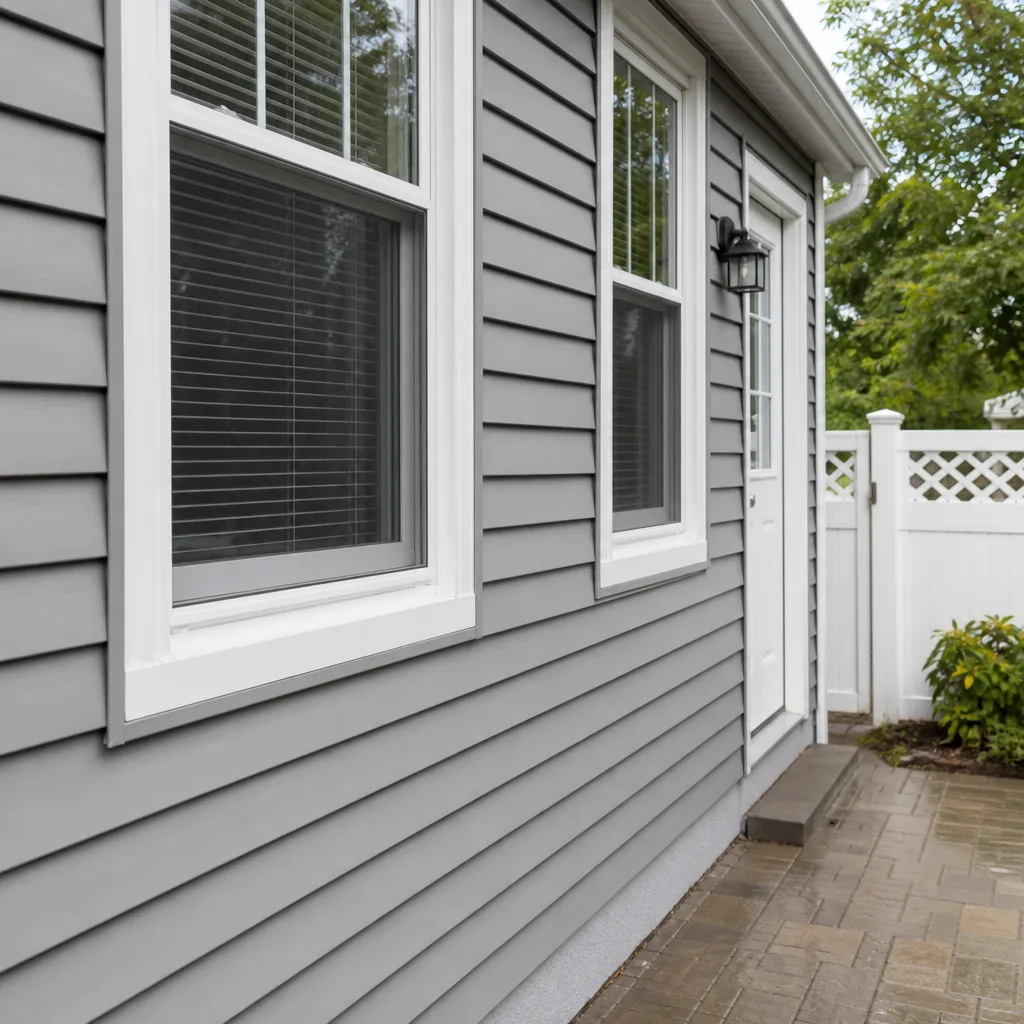 After
After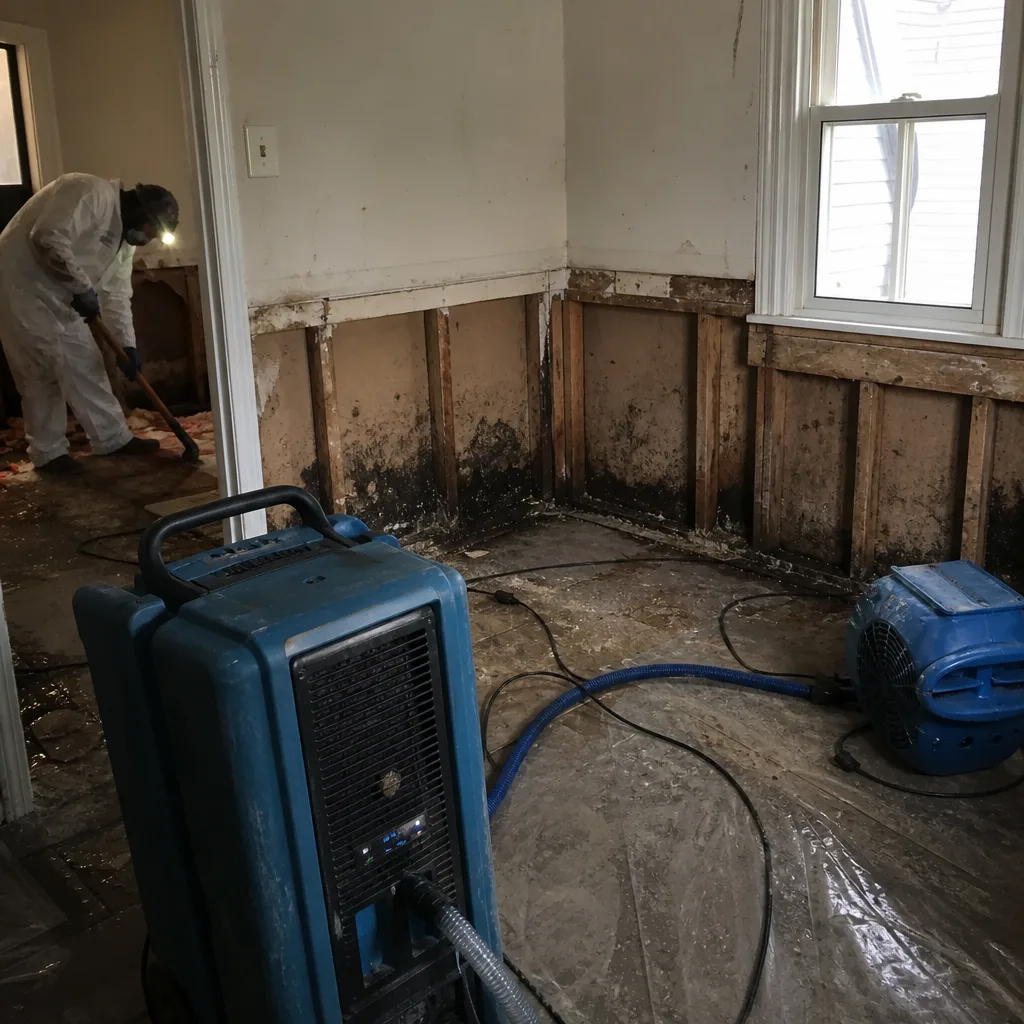 Before
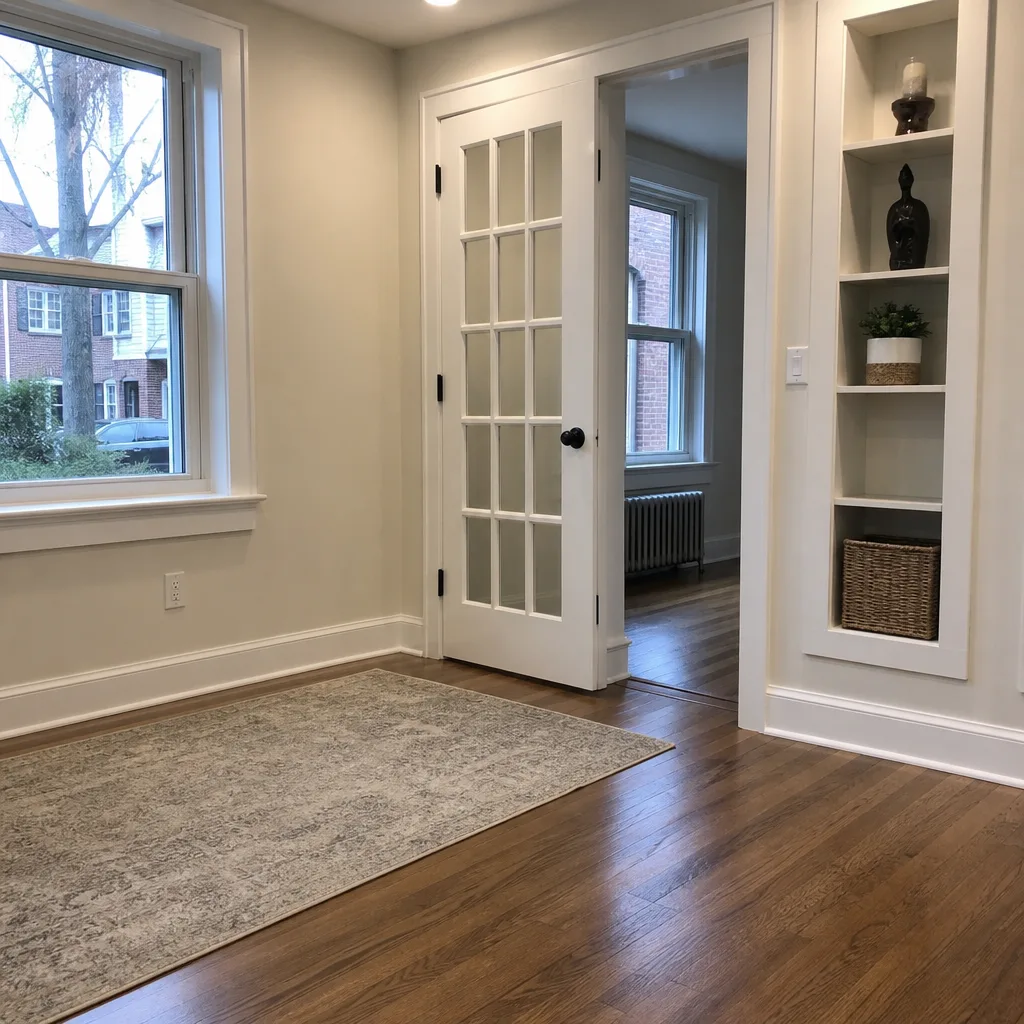 After
AfterWater Damage Restoration Maintenance Checklist for Flushing Homeowners
The single most common reason a Flushing water damage claim is reclassified as “long-term neglect” is not the leak itself - it’s the absence of any prior inspection record that would have proved the homeowner maintained the system. We’ve reviewed thousands of claims files since 2011, and the pattern is consistent: the homeowner who can produce a dated photo of their basement sump, a logged moisture reading, or a written scope from a prior service visit wins coverage. The one who cannot, fights. This guide - alongside our The Complete Guide to Damage Restoration in Flushing - shows you how to build that record before water ever appears, with specific thresholds, seasonal intervals tied to Flushing’s climate, and documentation methods that adjusters accept.
Quick Answer
A water damage maintenance checklist for Flushing homeowners is a dated, written record of home inspections, moisture readings, and system conditions that proves proactive maintenance to insurers. It should include monthly hygrometer logs (readings above 60% relative humidity trigger professional assessment), quarterly plumbing and sump inspections with photos, and seasonal checks timed to Flushing’s freeze-thaw cycle and summer storm patterns. Without this documentation baseline, a sudden leak can be reclassified as gradual damage, voiding coverage.
Table of Contents
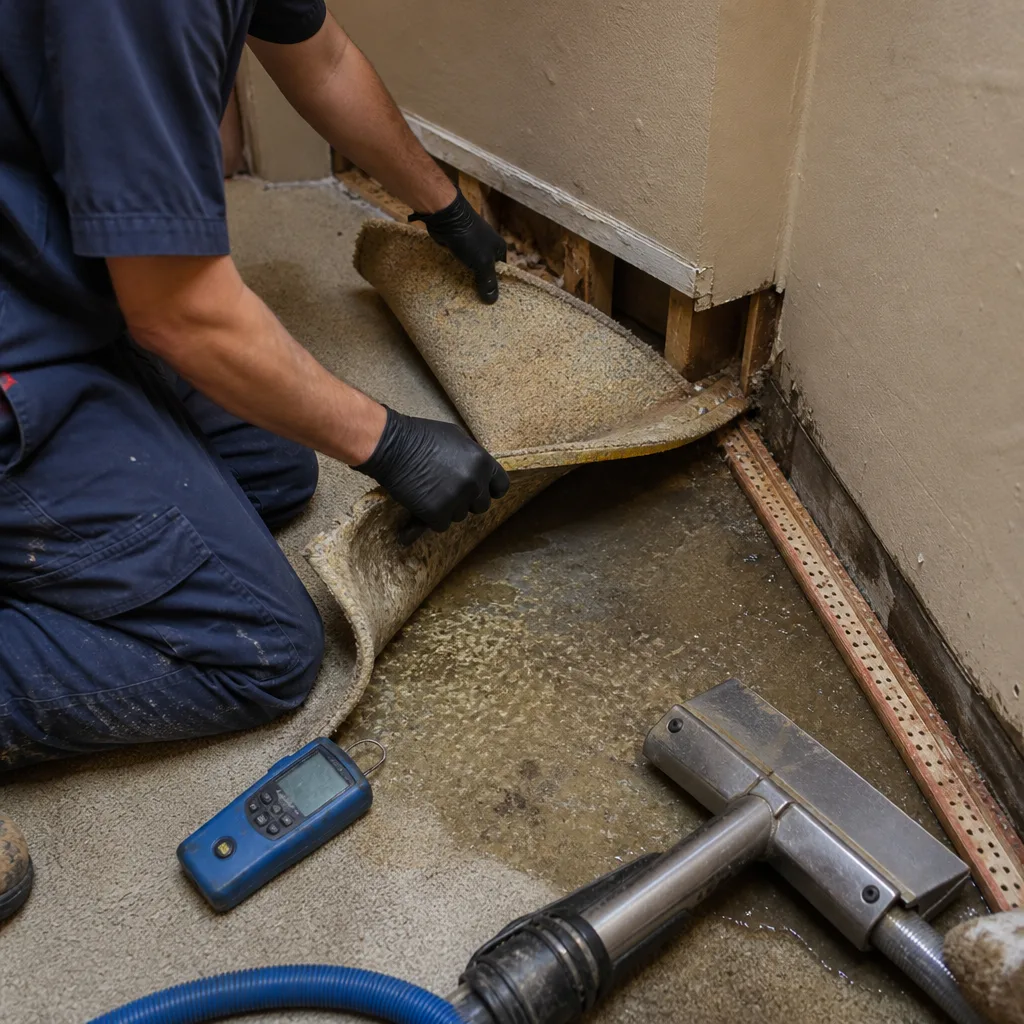
- Why Documentation Beats “Maintenance” in Flushing Claims
- Tools You Need and What They Cost
- Monthly Moisture Log: Thresholds That Trigger Action
- Quarterly Inspection: Plumbing, Sump, and Roof Systems
- Seasonal Checklist: Flushing’s Freeze-Thaw and Storm Cycles
- Photo Documentation: What Adjusters Accept as Pre-Loss Evidence
- Professional Service Records: Building the File Before You Need It
- Common Mistakes to Avoid
- When to Call a Professional
- Frequently Asked Questions
- The Bottom Line
BeforeAfterWhy Documentation Beats “Maintenance” in Flushing Claims
Insurance policies cover sudden and accidental water damage. They exclude damage from long-term neglect, gradual leaks, or failure to maintain. The burden of proof sits with the homeowner. In Flushing, where many homes date from the 1920s through 1950s and carry original or partially updated plumbing systems, adjusters are trained to look for age-related wear as evidence of pre-existing conditions.
We’ve seen this play out in claims files across Queens. A homeowner with a burst washing machine hose gets full replacement coverage. A homeowner with stained ceiling drywall and no inspection history gets a denial letter citing “gradual deterioration” under ISO form HO-3 Section I, Perils Insured Against, Exclusion 2(b). The physical damage can be nearly identical. The difference is the file.
Here’s what separates covered from denied claims in our experience reviewing files as former adjusters:
- Dated evidence of prior condition: Photos with timestamps showing no staining, no warping, no mold before the loss date
- Logged maintenance activity: Hygrometer readings, filter changes, sump tests, with dates and locations noted
- Professional inspection records: Written scopes from licensed plumbers, restoration companies, or home inspectors with findings and recommendations
- Prompt reporting: Documentation that the homeowner discovered and reported the damage within 72 hours, the standard window most carriers use to distinguish sudden from gradual
The maintenance checklist below is designed to produce all four elements automatically. Each task generates a dated record. Each record becomes a page in a pre-built claims file that protects your coverage before water ever appears.
Water Damage Restoration in Flushing from DryMark Restoration Flushing includes documented photo records on every visit as a standard deliverable, not an upsell. This is the same documentation discipline applied to your home before loss occurs.
Tools You Need and What They Cost
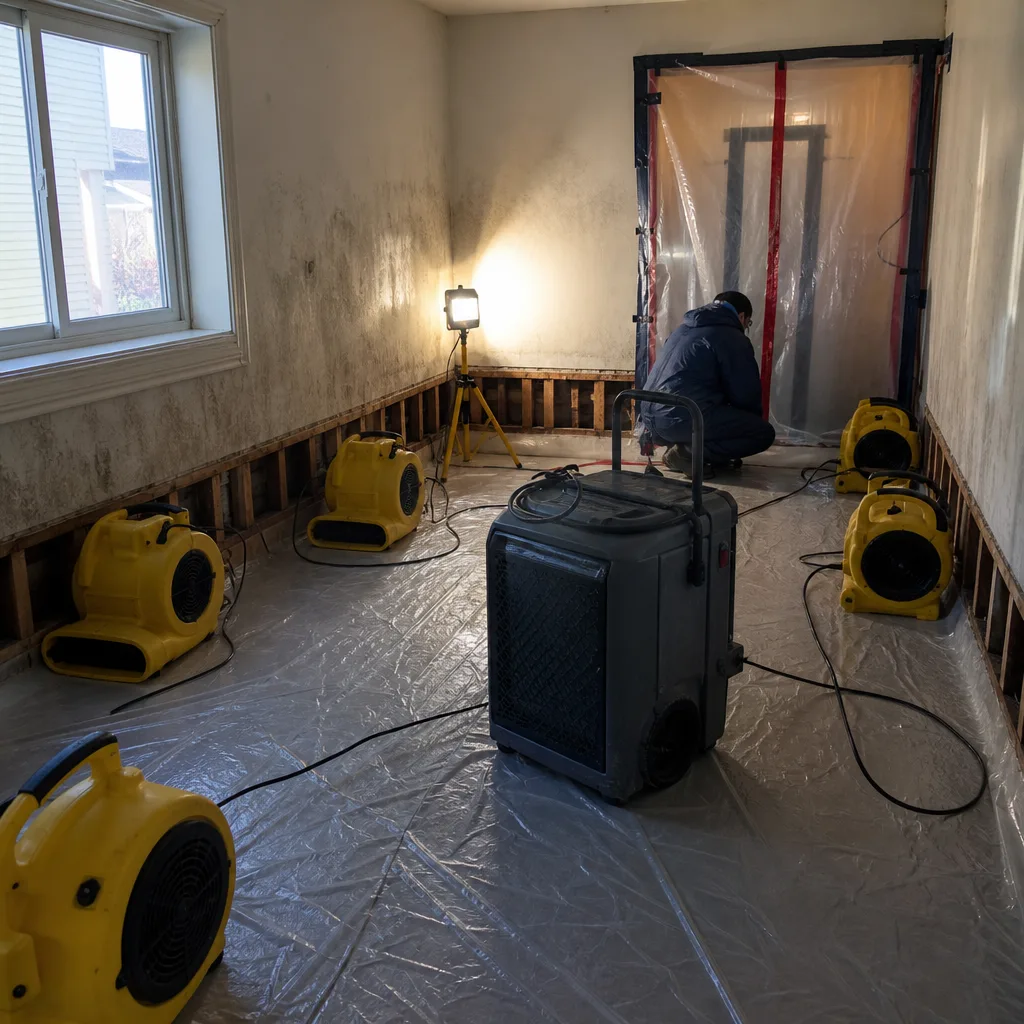
Professional restoration crews use psychrometric meters - devices that measure relative humidity, temperature, and vapor pressure differential (the force that drives moisture from wet materials into dry air, measured in inches of mercury). Homeowners don’t need this level of precision. A consumer-grade digital hygrometer, a smartphone, and a dedicated folder structure are sufficient to produce adjuster-acceptable records.
Here’s the specific equipment we recommend based on 12,000+ homes restored since 2011:
| Tool | Purpose | Price Range | Where to Buy |
|---|---|---|---|
| Digital hygrometer (2-3 units) | Log relative humidity in basement, main floor, attic/crawl space | $12-$35 each | Hardware stores, online retailers |
| Infrared thermometer (non-contact) | Spot-check wall and ceiling temperatures for hidden moisture (cold spots indicate evaporation) | $25-$60 | Home improvement stores |
| Moisture meter (pin-type) | Measure wood moisture content in framing, subfloors, cabinetry | $40-$80 | Specialty tool retailers |
| Smartphone with timestamp camera | Document conditions with embedded date, time, and GPS data | Existing device | N/A - enable location services for photos |
| Cloud storage or physical binder | Maintain organized records by date and location | Free-$50/year | Google Drive, Dropbox, or 3-ring binder with sheet protectors |
Total investment: under $200 for a documentation system that can preserve tens of thousands in coverage. Place hygrometers in your basement (the lowest point, near the sump if present), main living floor, and any room with plumbing on an exterior wall - common in Flushing’s rowhouse construction where bathrooms stack vertically and share walls with neighbors.
Calibrate hygrometers annually using the salt test: seal the device in a bag with a cup of salt moistened to paste consistency. After 8 hours, it should read 75% relative humidity. If it reads 70% or 80%, note the offset and apply it to all readings, or replace the unit. Document this calibration date.
Monthly Moisture Log: Thresholds That Trigger Action
This is the section competitors skip. Most guides say “check for moisture” without defining what that means numerically. Adjusters and restoration professionals work with specific thresholds. Homeowners should too.
Log these readings on the first of each month, before 10 AM, before cooking or showering elevates interior humidity:
- Relative humidity by zone: Record basement, main floor, and upper floor readings. Note the outdoor temperature and weather conditions - Flushing’s humidity spikes before summer storms and drops sharply after cold fronts, so context matters.
- Wood moisture content (spot-check): Test exposed framing in basement, subfloor around perimeter walls, and under-sink cabinetry using pin-type meter. Press pins parallel to grain, not across it, for accurate readings.
- Visual scan: Check for new stains, efflorescence (white mineral deposits indicating water migration through concrete), or musty odors. Note location and photograph anything changed from prior month.
Action thresholds:
- Relative humidity above 60% for 48+ hours: Indicates inadequate ventilation or hidden moisture source. Run dehumidifier, inspect for leaks, and if persistent, schedule professional assessment. This is the mold germination threshold - Mold Remediation in Flushing becomes necessary when RH sustains above 60% with temperatures above 70°F.
- Relative humidity above 70%: Emergency threshold. Active moisture intrusion is likely. Inspect all plumbing, roof penetrations, and foundation walls. Call for professional moisture mapping if source is not immediately visible.
- Wood moisture content above 16%: Risk zone for fungal growth and structural decay. In Flushing’s older homes with balloon framing, this can indicate roof or plumbing leak traveling unseen through wall cavities.
- Wood moisture content above 20%: Active drying required. Professional-grade equipment from Dri-Eaz or Phoenix achieves structural drying targets of 12-15% wood moisture content, which consumer dehumidifiers cannot reach in reasonable timeframes.
- Temperature differential exceeding 5°F between adjacent wall sections: Suggests evaporative cooling from hidden moisture. Use infrared thermometer to map. Cold spots in summer or warm spots in winter both indicate anomalies.
Format your log as a simple table: Date | Location | RH% | Wood MC% | Temp | Notes | Photo file name. Save to cloud with automatic backup. This format mirrors the daily drying logs we produce on every DryMark Restoration Flushing home job, documented to IICRC, RIA, and IFA standards.
Quarterly Inspection: Plumbing, Sump, and Roof Systems
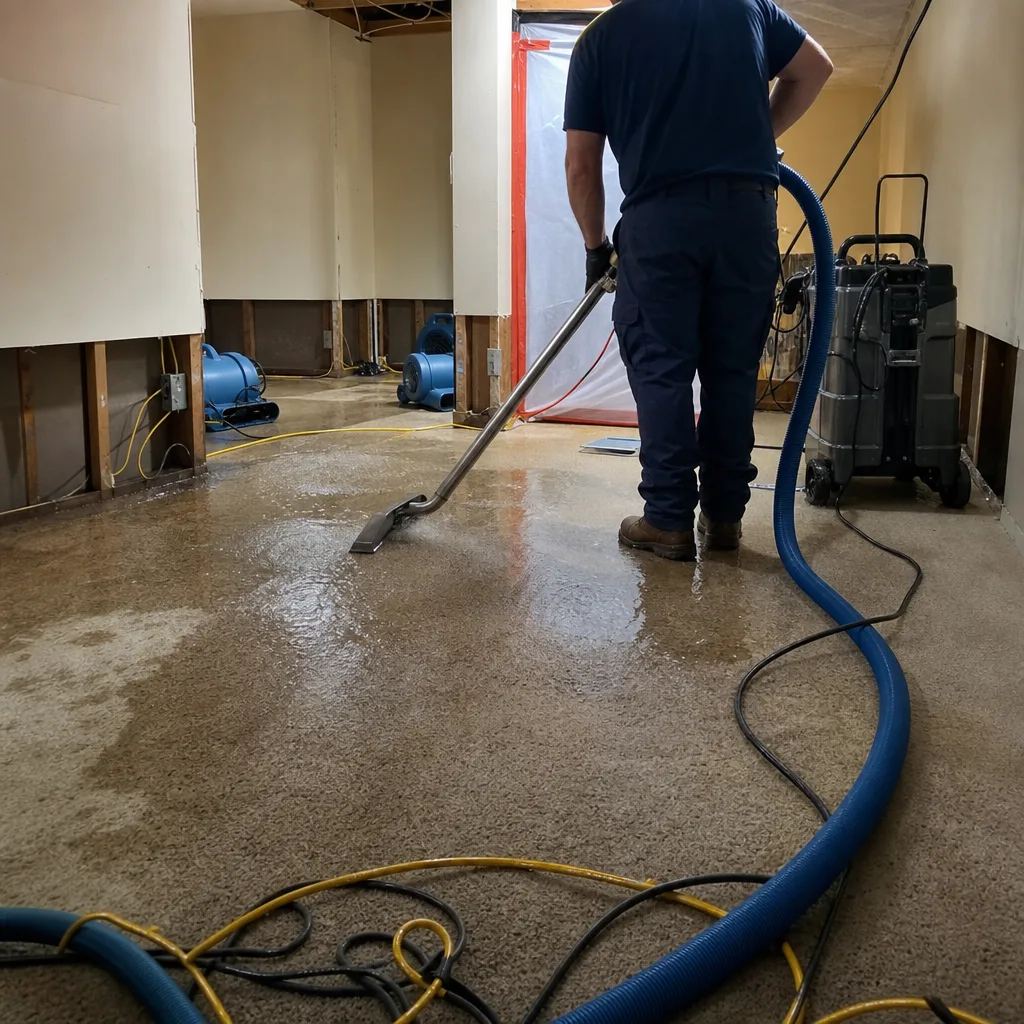
Every three months, perform a hands-on inspection of systems most likely to fail in Flushing’s housing stock. Schedule these for March, June, September, and December to align with seasonal stress points.
Plumbing Systems
Flushing’s aging infrastructure includes original cast-iron stack pipes in pre-war buildings and galvanized supply lines in many post-war homes. Both have exceeded their design life. Inspect:
- Visible supply lines: Check under sinks, behind toilets, at water heater connections for corrosion, green staining (copper pinhole leaks), or active drips. Run fingers along pipe bottoms - slow leaks often travel downward.
- Stack pipe cleanouts: In basements, locate the cast-iron cleanout plug. Check for rust staining, moisture, or sewer gas odor indicating compromised seal. These stacks fail from the inside out as hydrogen sulfide gas corrodes the pipe wall.
- Water heater: Note installation date (stamped on rating plate). Tanks over 10 years require annual professional inspection. Check temperature-pressure relief valve discharge pipe for moisture - valve failure causes catastrophic flooding.
- Washing machine hoses: Replace rubber hoses with braided stainless steel every 5 years regardless of appearance. Rubber fails suddenly at the fitting crimp; we’ve documented hundreds of $30,000+ losses from this $15 component.
Sump Pump Systems
Flushing’s combined sewer system - where storm water and sanitary sewage share pipes - creates unique vulnerability. During heavy rainfall, the system can backflow into homes without proper protection. The NYC Department of Environmental Protection reports dozens of basement flooding events annually in Flushing and surrounding Queens neighborhoods tied to Combined Sewer Overflow (CSO) events.
Quarterly sump inspection protocol:
- Fill sump pit with 5 gallons of water. Pump should activate before water reaches pit rim. Note activation level and cycle time.
- Verify check valve on discharge line holds - prevents backflow when pump stops.
- Inspect discharge point: must terminate outside foundation, downhill from structure, not into floor drain or sewer connection (illegal and ineffective).
- Test battery backup if equipped. Unplug primary pump; backup should activate within 10 seconds.
- Clean pit of sediment and debris that can jam float switch.
Document with dated photo showing water level at activation, pump model and date label, and discharge termination point. If you upgrade to a combination primary/backup system with water-powered secondary pump, photograph the installation and save the plumber’s invoice.
Roof and Exterior
Flat-roof rowhouses dominate Flushing’s residential architecture. These systems fail differently than pitched roofs:
- Inspect roof membrane for ponding (standing water 48+ hours after rain), splits at parapet walls, and deteriorated flashing where additions meet original structure.
- Check interior ceiling penetrations - light fixtures, smoke detectors, HVAC vents - for staining that indicates roof leak traveling along structural members before visible below.
- Verify gutter and leader function. In Flushing’s dense tree canopy, leaves clog systems quickly. Leaders must discharge to grade, not into foundation planting beds that direct water to basement walls.
Photograph roof condition from consistent angles each quarter. Date-stamped progression photos prove maintenance and establish pre-loss condition if wind or ice damage occurs.
Seasonal Checklist: Flushing’s Freeze-Thaw and Storm Cycles
National maintenance guides fail Flushing homeowners because they don’t account for local climate patterns. The New York City metropolitan area experiences a continental climate with maritime influence - sharp temperature swings, high summer humidity, and increasingly intense precipitation events. Here’s the seasonal protocol we’ve developed from 13 years of local claims data.
Winter (December-February): Freeze Protection
Flushing’s January average low is 26°F, with extremes below 10°F. The critical vulnerability is plumbing in exterior walls and unheated spaces.
- Seal foundation vents and access panels in crawl spaces. Open them only when outdoor temperature exceeds 50°F.
- Insulate pipes in exterior walls, especially in bathrooms where original construction lacked adequate insulation depth.
- Maintain indoor temperature minimum 55°F even when away. Programmable thermostats that setback below this threshold have caused thousands of freeze breaks.
- Identify and seal air leaks at plumbing penetrations - the combination of cold air and copper pipe creates ice blockage at restrictions.
- Know your main water shutoff location and verify valve operates. If pipe freezes, shut water immediately to limit damage when thaw releases pressure.
Document: Photo of sealed vents, insulation installation, and shutoff valve location shared with all household members.
Spring (March-May): Thaw and Drainage
Snowmelt and spring rains saturate ground that may still be partially frozen, preventing absorption. Basement seepage peaks in March and April.
- Test sump pump before first major storm. Groundwater table rises rapidly in spring.
- Clear foundation drains and window wells of winter debris.
- Grade soil away from foundation at 6 inches per 10 feet minimum slope. Settled grade around Flushing’s older homes commonly reverses this, directing water to basement walls.
- Inspect for frost heave damage to foundation, walkways, and underground utility entries.
Summer (June-August): Monsoon Storms and Humidity
Flushing experiences increasingly intense localized rainfall - “rain bombs” that overwhelm drainage designed for historical patterns. July and August average 4+ inches monthly, often in single events.
- Monitor basement humidity daily during humid periods. Consumer dehumidifiers may run continuously and still fail to maintain 60% RH target.
- Inspect attic ventilation - blocked soffit vents trap moisture and create conditions for mold growth in roof sheathing.
- Check window air conditioner installations for proper tilt (drain outward) and sealed surrounds. Improper installation causes chronic wall cavity moisture.
- After any storm with basement water entry, log date, depth, duration, and source. Pattern documentation supports claims for sewer backup coverage or municipal liability.
Fall (September-November): Pre-Winter Preparation
The critical preparation window before heating season and freeze risk.
- Schedule professional heating system inspection. Failed boilers in winter create secondary water damage from frozen pipes in unheated homes.
- Drain and winterize hose bibs. Frost-proof sillcocks still require hose removal to allow drainage.
- Clean gutters and leaders thoroughly. Flushing’s oak and maple canopy deposits heavy leaf loads.
- Inspect roof before winter - repairs impossible in freezing conditions, and snow load conceals problems until spring melt reveals damage.
Document each seasonal inspection with dated checklist completion and photos. This creates the inspection history that defeats “long-term neglect” claim denials.
Photo Documentation: What Adjusters Accept as Pre-Loss Evidence
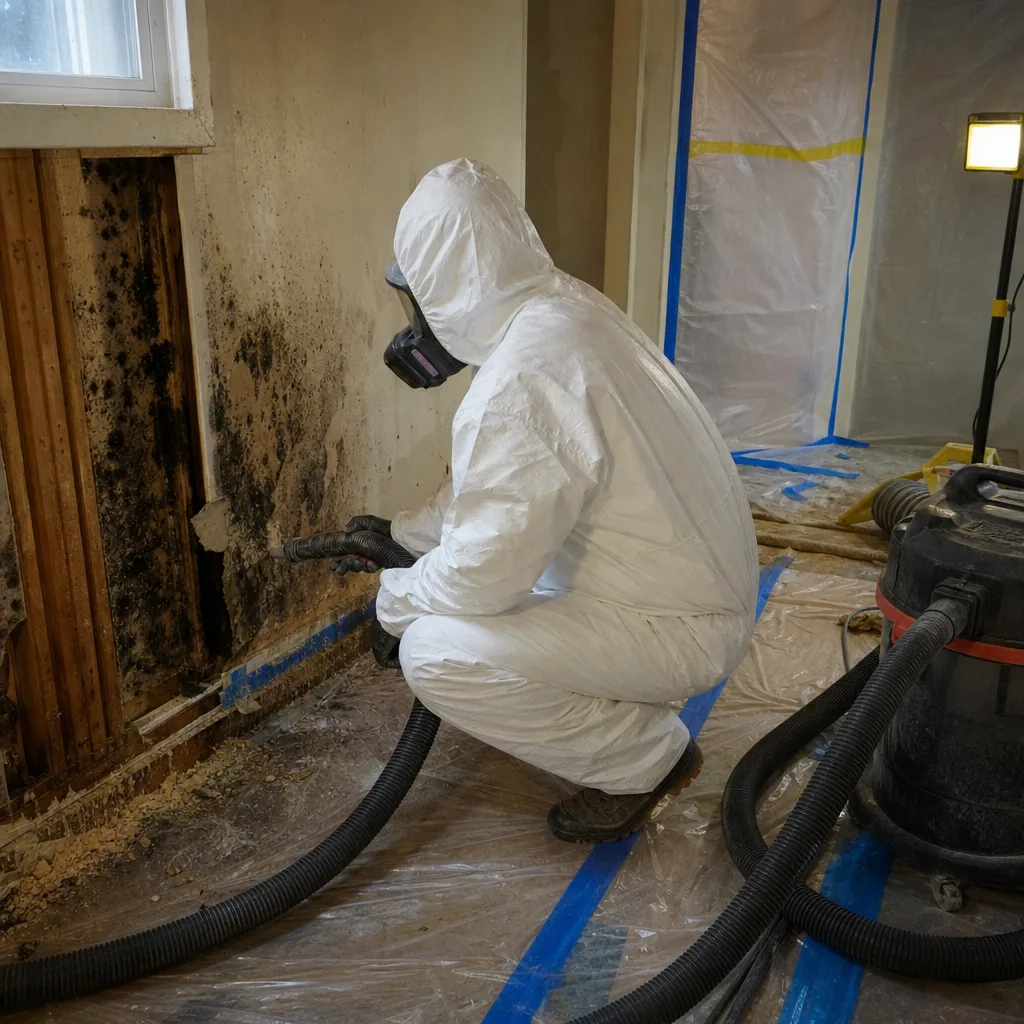
Not all photos carry equal weight in claims files. Adjusters evaluate documentation for authenticity, completeness, and chain of custody. Here’s how to produce photos that withstand scrutiny, based on our experience on both sides of the claims process.
Technical Requirements
- Enable location services: Smartphone photos with embedded GPS coordinates prove location and are harder to challenge as staged or recycled.
- Consistent angles and lighting: Photograph the same reference points each time - full room corner to corner, then detail of specific systems. Use natural light or consistent artificial light; flash photography obscures subtle staining.
- Include scale reference: Place a ruler, coin, or standard object near damage or features being documented. This allows later measurement verification.
- Photograph labels and data plates: Water heater manufacture date, sump pump model, boiler serial number. These establish equipment age and maintenance eligibility.
Organizational Structure
Create folders by date and location: 2024-03-15_Basement_Sump, 2024-03-15_Kitchen_Plumbed. Include the inspection checklist as a text file in each folder, signed and dated. Cloud storage with automatic backup protects against device loss; physical binder provides immediate access during emergency when electronics may fail.
What to Photograph Quarterly
- Wide shot of each room with plumbing or water risk exposure
- Detail of supply lines, shutoff valves, and connections
- Sump pit with water level visible and pump operational
- Water heater full view and rating plate close-up
- Basement walls and floor perimeter - any efflorescence, cracking, or staining
- Exterior foundation grade and drainage direction
- Roof condition from accessible vantage or prior professional inspection report
The Fire & Smoke Damage Restoration in Flushing process uses identical photo documentation standards - room-by-room, detail-by-detail, with written scope before work begins. This same discipline applied preventively protects your coverage.
Professional Service Records: Building the File Before You Need It
Self-inspection has limits. Professional documentation carries greater weight with adjusters and establishes baseline measurements that consumer tools cannot replicate. Here’s how to maximize value from professional services and integrate records into your maintenance file.
Plumbing Inspections
Schedule licensed plumber for whole-system inspection every 2-3 years in homes over 50 years old. Request specifically:
- Pressure test of supply lines
- Camera inspection of main drain to foundation perimeter
- Written report with findings, recommendations, and observed conditions
- Estimated remaining service life of major components
Save the written report, invoice with plumber’s license number, and any photos they provide. Note: Back to Dry Restoration’s Haven Standard, Clause 1 requires written price before work begins on every job - apply this standard to your plumber too. Never accept verbal estimates for significant work.
Restoration Company Assessments
If you experience any water intrusion, even minor, professional moisture mapping documents hidden damage. Professional-grade equipment from Dri-Eaz, Phoenix, XPOWER, B-Air, and Injectidry measures conditions consumer tools cannot detect:
- Thermal imaging identifies evaporative cooling patterns behind finished surfaces
- Non-penetrating moisture meters map wet areas without destructive testing
- Psychrometric calculations determine proper dehumidification capacity and drying time
- Tertiary drying - the final phase using specialized equipment to remove bound moisture from dense materials - prevents long-term structural damage and mold
Request and retain: written scope of work, daily moisture logs, equipment placement diagrams, and photo documentation. These become your baseline if secondary damage develops. DryMark Restoration Flushing provides documented photo records on every visit as standard; ensure any company you use does likewise.
Insurance Policy Reviews
Every two years, request written confirmation of coverage specifics:
- Sewer backup coverage limit and deductible
- Foundation/seepage coverage exclusions
- Mold remediation sublimit, if any
- Replacement cost versus actual cash value settlement method
- Required notification timeframes and documentation standards
Save insurer correspondence with your maintenance file. Coverage changes without your awareness are common; dated correspondence proves what you were told.
Common Mistakes to Avoid
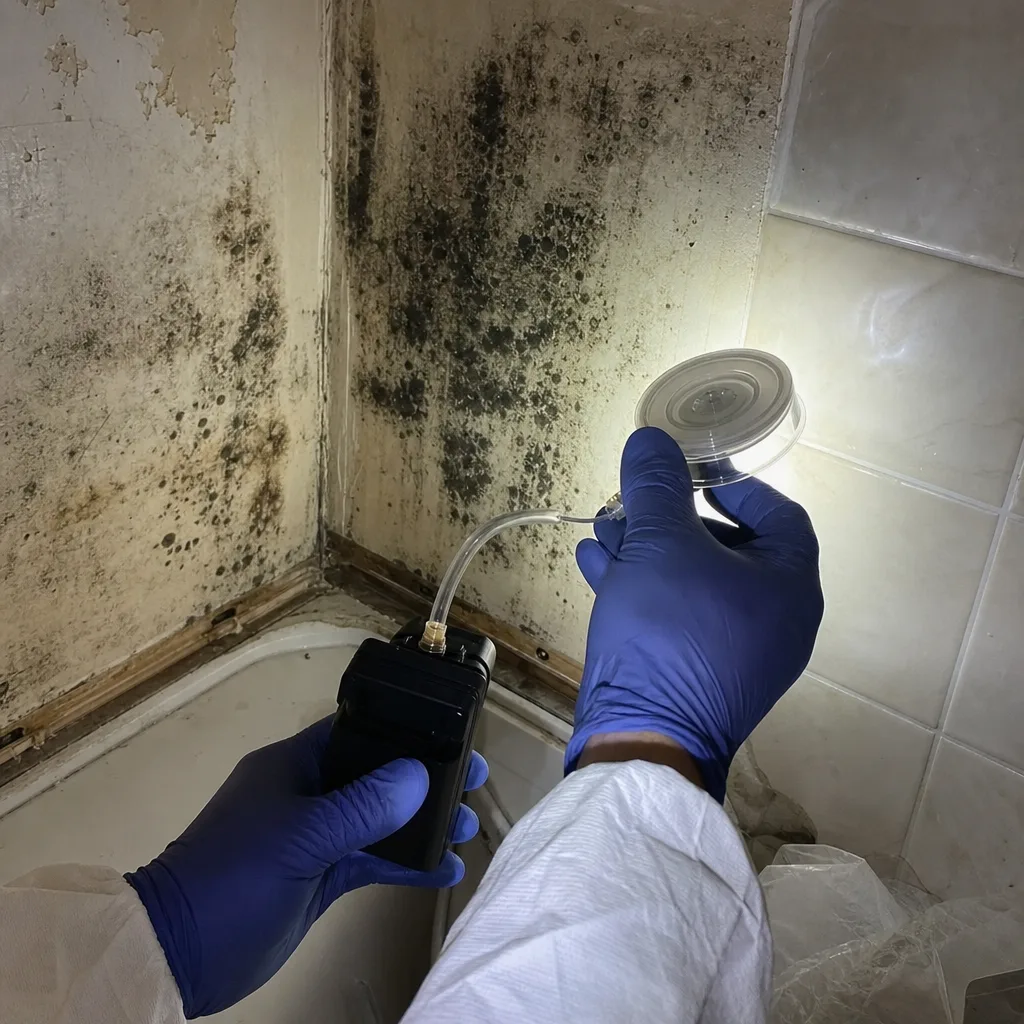
- Logging readings without context: A hygrometer reading of 65% means nothing without outdoor temperature, recent weather, and location within home. Adjusters dismiss decontextualized data as unreliable. Always note conditions.
- Photographing only problems: Pre-loss documentation requires photos of normal condition. A file containing only damage photos suggests the homeowner only documented when already aware of issues, supporting neglect claims.
- Relying on memory for maintenance dates: “I changed that filter last fall” fails in claims disputes. Written logs with dates, or at minimum photo metadata, provide verifiable timeline.
- Ignoring Flushing’s CSO risk: Standard homeowners policies exclude sewer backup without specific rider. Many Flushing homeowners discover this exclusion after basement flooding during heavy rain. Verify coverage annually; document sump maintenance as evidence of mitigation effort.
- Storing records only in flood-prone areas: Basement filing cabinets are destroyed in the very events that require their contents. Use cloud storage with automatic sync, or maintain duplicate physical copies off-site.
- Accepting verbal assurances from contractors: “We’ll take care of it” without written scope and price exposes you to scope creep and documentation gaps. Haven Standard, Clause 1 exists because we’ve seen the cost of verbal agreements in claims disputes.
- Waiting for visible damage to inspect: By the time water stains appear on drywall, damage has progressed through insulation, framing, and potentially into structural members. The maintenance checklist is preventive precisely because early intervention prevents visible damage.
When to Call a Professional
Some conditions require immediate professional assessment regardless of your maintenance diligence. Call for professional moisture mapping and documentation if you observe: spreading stains or warping despite no identifiable source; musty odors without visible mold (indicates hidden growth in wall cavities or HVAC); sump pump cycling more frequently than historical pattern (indicates rising groundwater or perimeter drain failure); hygrometer readings above 70% sustained for more than 24 hours that don’t respond to dehumidification; or any water entry during freezing conditions, which often indicates split pipe that will release full pressure when thawed.
Water Damage Restoration from DryMark Restoration Flushing offers free estimates in Flushing - call (516) 386-9007. Every assessment includes a written scope before work begins, documented photo records, and moisture readings logged to IICRC standards. We also provide a Free Second Opinion on any competitor’s written estimate; bring their quote and we’ll review it at no charge.
Frequently Asked Questions
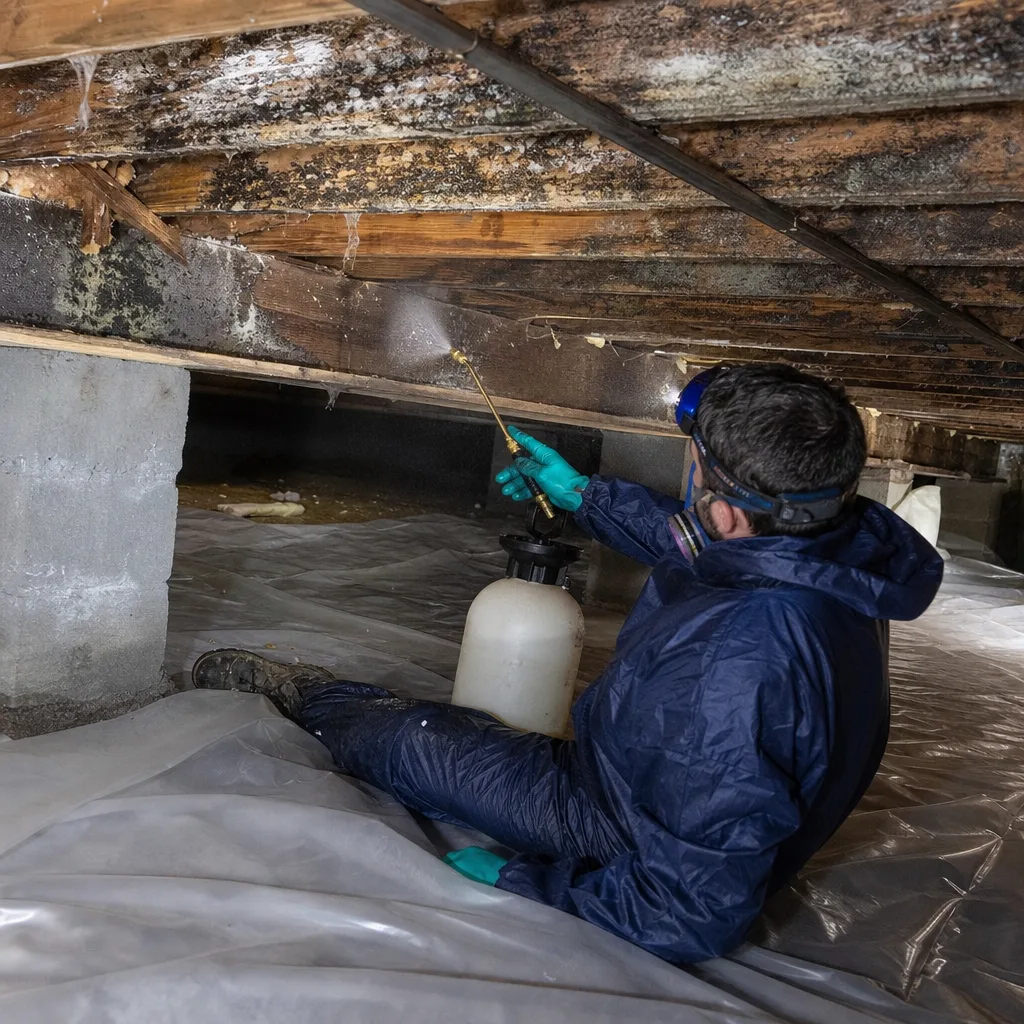
Professional moisture mapping for residential properties in Flushing typically ranges from $150 to $400 for assessment and documentation, depending on property size and accessibility. This includes thermal imaging, non-penetrating moisture readings, and a written report with findings. The cost is often recoverable through insurance if a covered loss is confirmed. Call (516) 386-9007 for an exact quote - estimates are free.
Insurance may still cover sudden and accidental damage without maintenance records, but the absence of documentation significantly increases the risk of claim reclassification as gradual damage or long-term neglect. Adjusters use available evidence to determine cause and duration. Maintenance records shift the burden of proof and reduce dispute likelihood. We’ve reviewed claims where identical damage was covered or denied based solely on documentation quality. See our more guides & resources for additional protection strategies.
DryMark Restoration Flushing maintains live phone coverage 24 hours a day, 7 days a week with no voicemail on emergency lines. Response time depends on current demand and weather conditions, but emergency water damage calls in Flushing typically receive same-day assessment for active losses. Reconstruction and non-emergency work is scheduled and scoped in writing, not dispatched for immediate arrival. Call (516) 386-9007 to confirm current availability.
The determination depends on water category, affected materials, and drying potential, not perceived severity. Category 1 clean water on hard surfaces may require only extraction and drying. The same water volume absorbed by drywall, insulation, or carpet pad requires controlled demolition and structural drying. Professional moisture mapping reveals hidden saturation that visual assessment misses. A written scope before work begins, per Haven Standard, Clause 1, ensures you understand exactly what is needed and why.
DryMark Restoration Flushing coordinates directly with adjusters as part of standard service, providing documented photo records, daily moisture logs, and written scopes that align with carrier requirements. However, the policyholder retains ultimate responsibility for claim submission and accuracy. We document to IICRC, RIA, and IFA standards specifically because this documentation format is what adjusters need to approve invoices without dispute. Photo-documented assessments and direct adjuster coordination are included on every job.
Relative humidity above 60% sustained for 48+ hours supports mold germination; above 70% indicates active moisture intrusion requiring immediate source identification. Wood moisture content above 16% indicates risk conditions; above 20% requires active structural drying. These thresholds apply universally, but Flushing’s older housing stock with balloon framing and plaster construction often shows delayed visible symptoms, making numerical monitoring more critical than in newer construction with moisture-resistant assemblies.
The Bottom Line
A water damage maintenance checklist only protects your Flushing home if it produces dated, written, photographic evidence of proactive maintenance. The specific thresholds in this guide - 60% relative humidity, 16% wood moisture content, quarterly system inspections with photo documentation - give you the numerical language that adjusters use and respect. Seasonal timing tied to Flushing’s freeze-thaw cycle and CSO risk addresses local conditions that generic guidance misses. Professional-grade documentation standards, applied preventively, transform your maintenance file from a chore into coverage protection. Start this month’s log today; the homeowner who can produce it after water appears is the homeowner whose claim gets paid.
Written by Alicia Brennan, Owner at DryMark Restoration Flushing, serving Flushing since 2011.