
Last updated September 22, 2026
Free visual inspection and a written scope of work before any mitigation begins - photos, moisture readings, and drying logs go in your claim file
The scope we write is the scope we bill. Anything new gets shown to you, in writing, before we touch it.
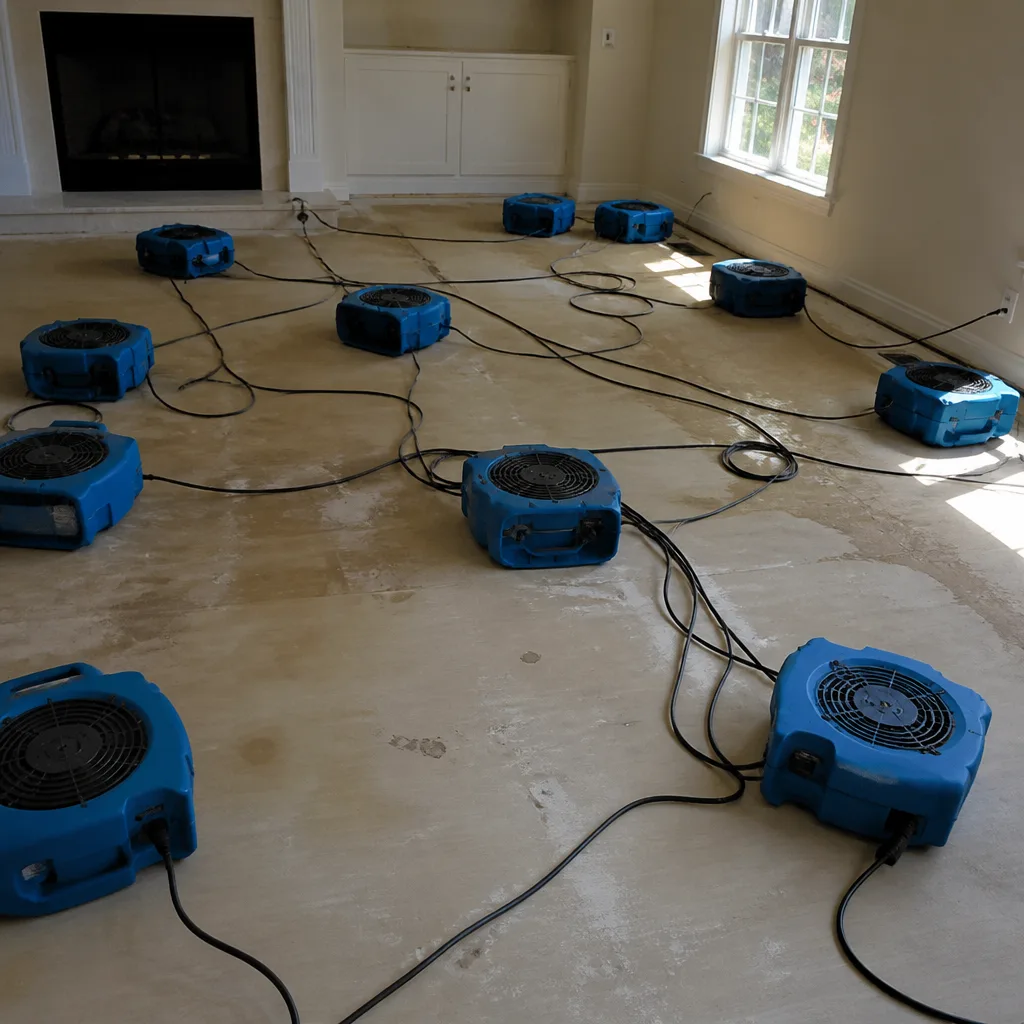
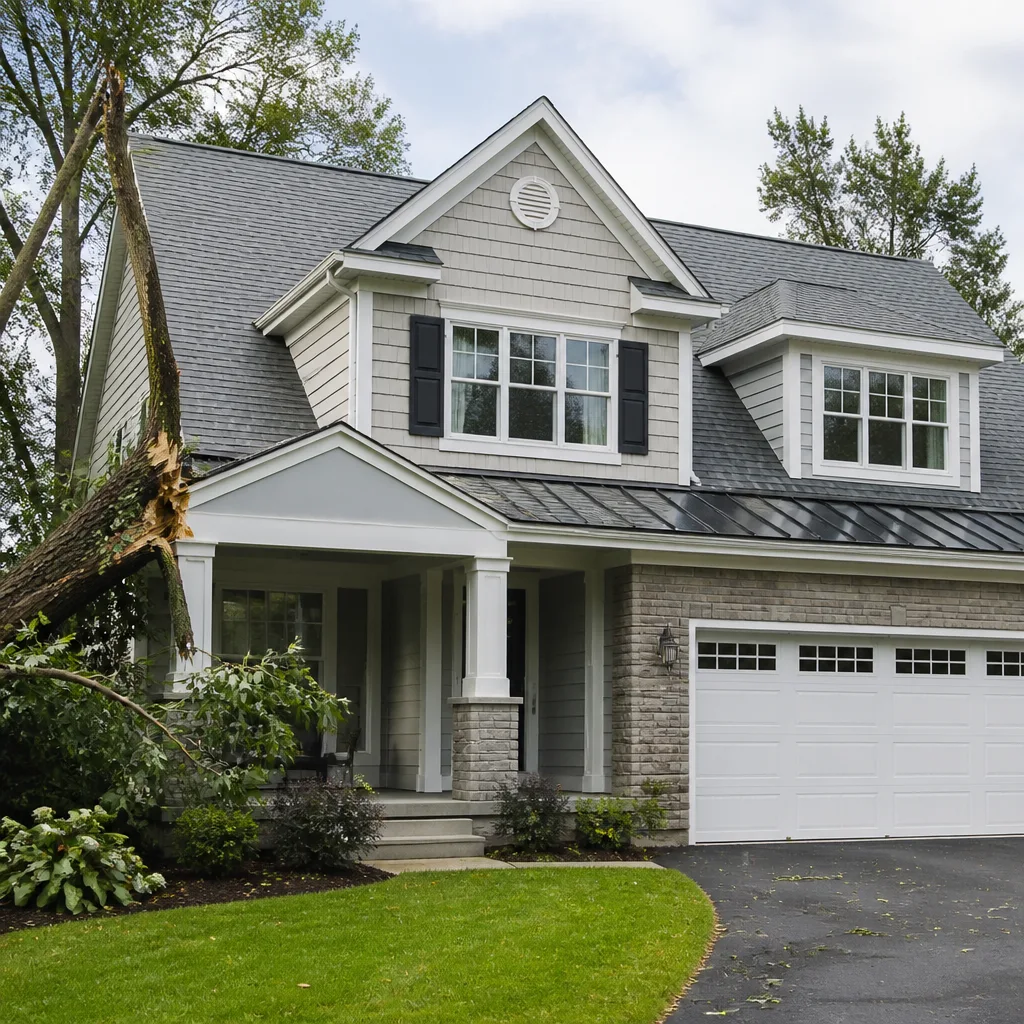
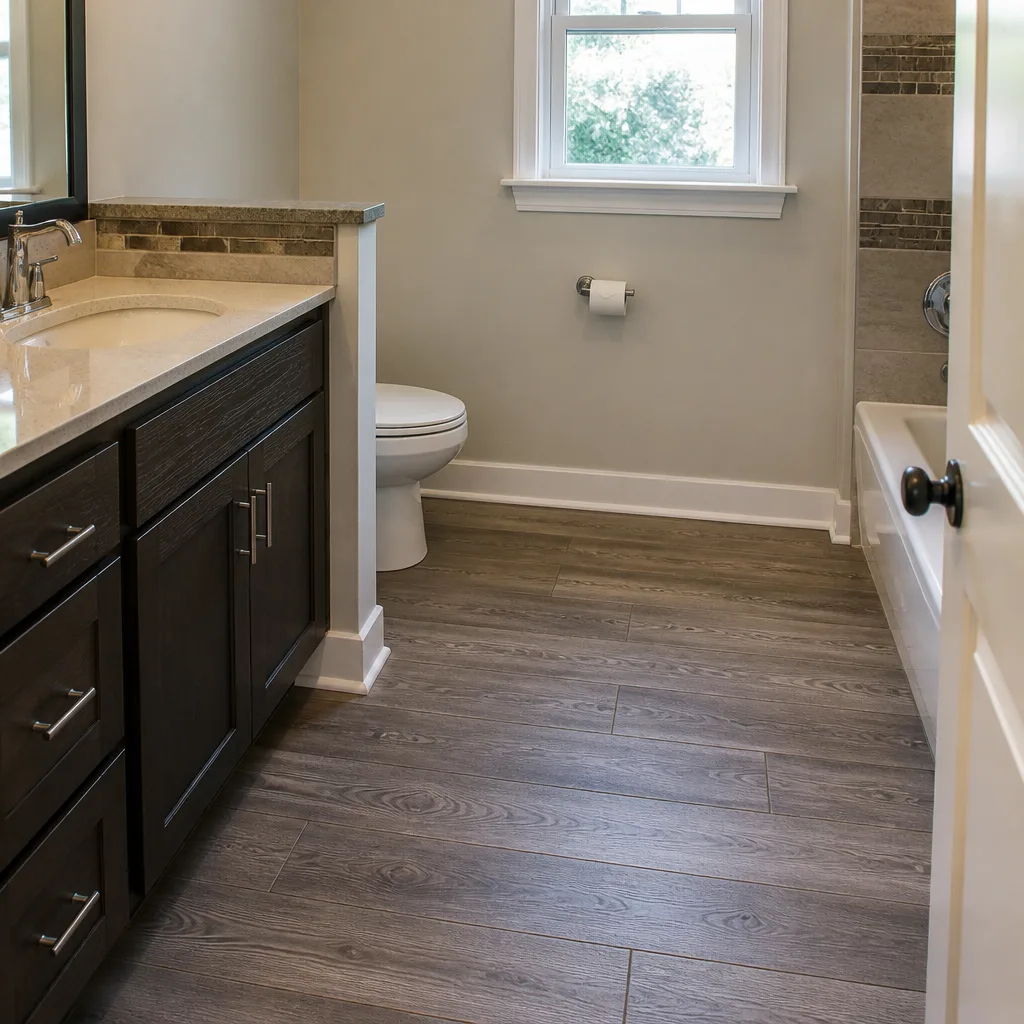
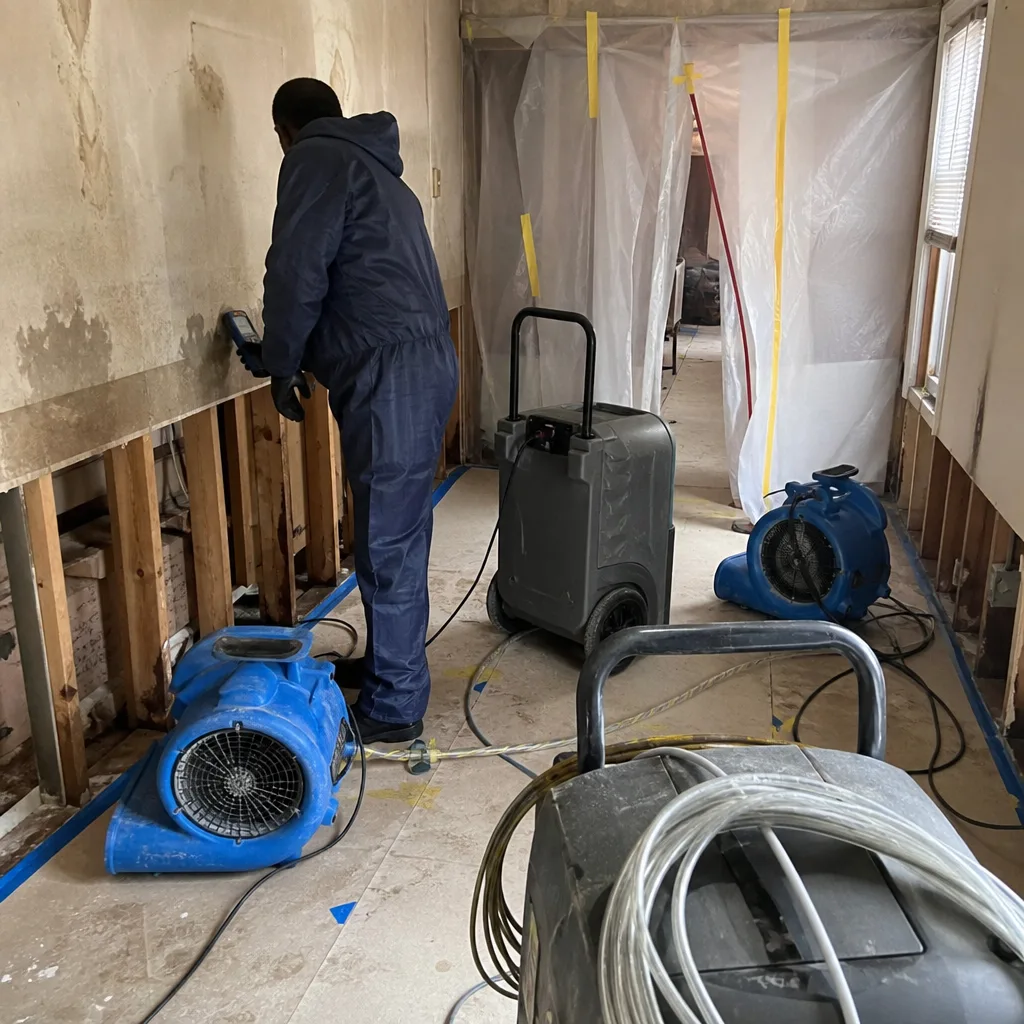 Before
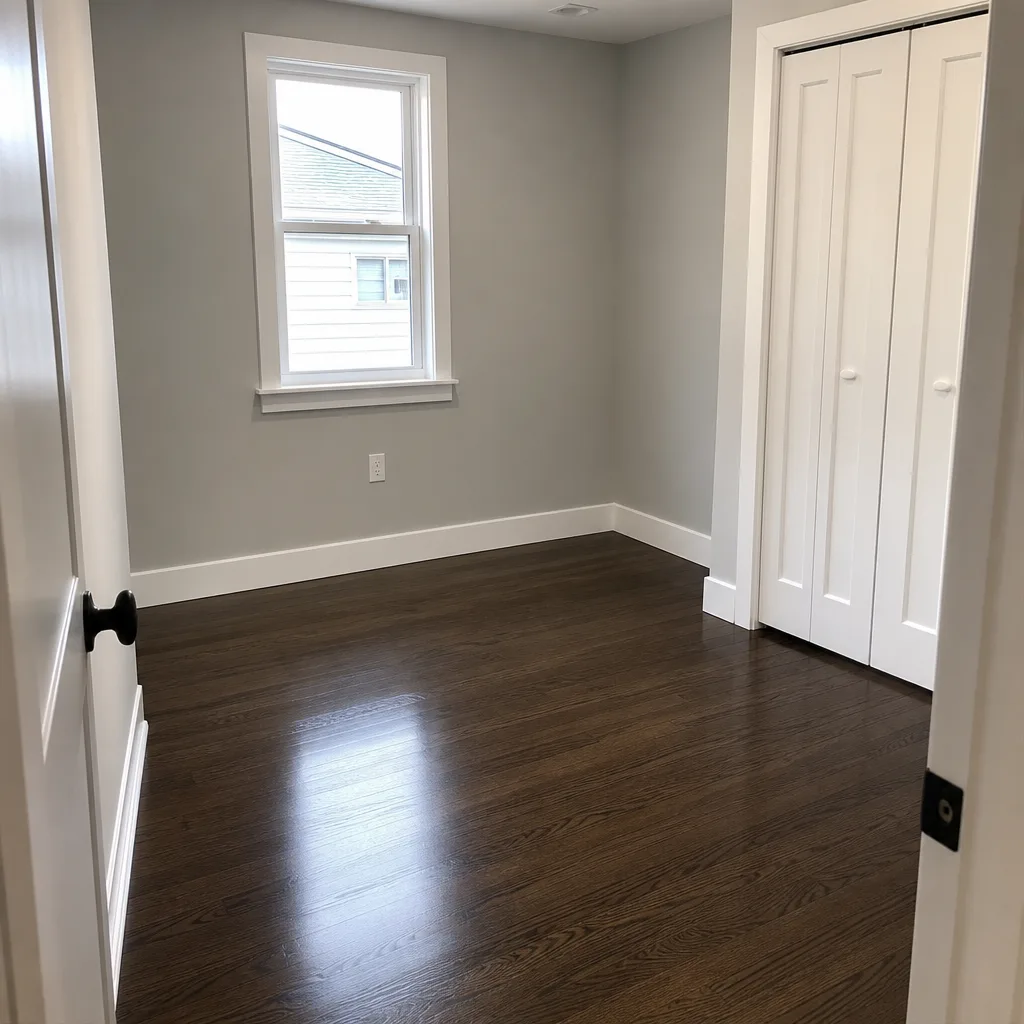 After
After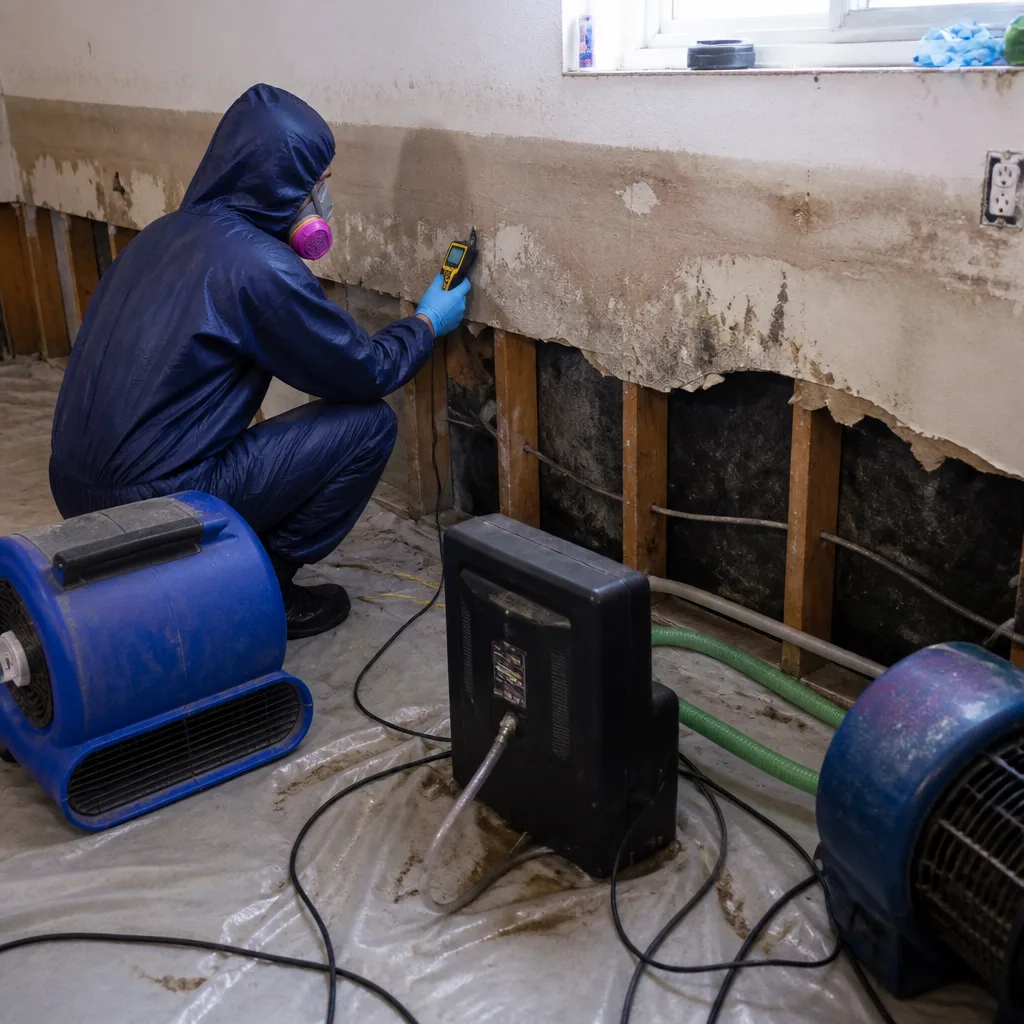 Before
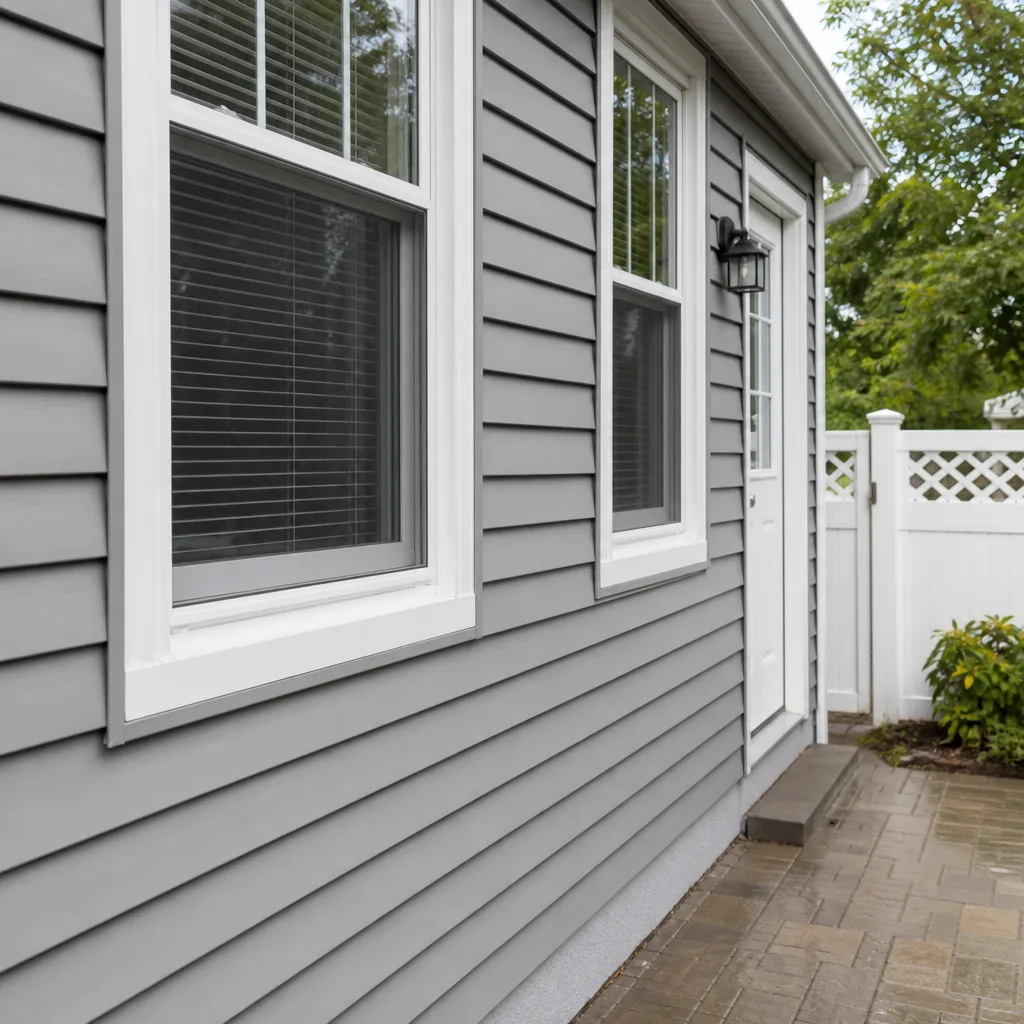 After
After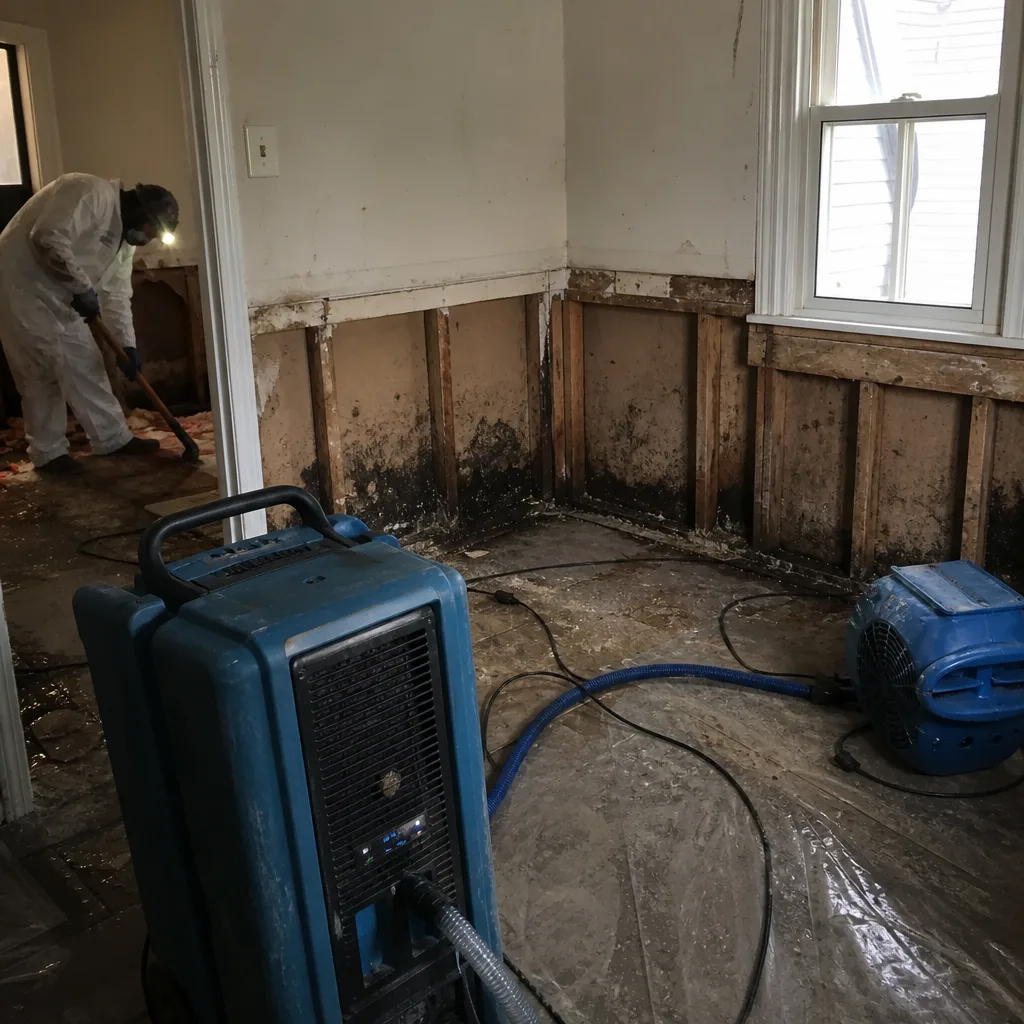 Before
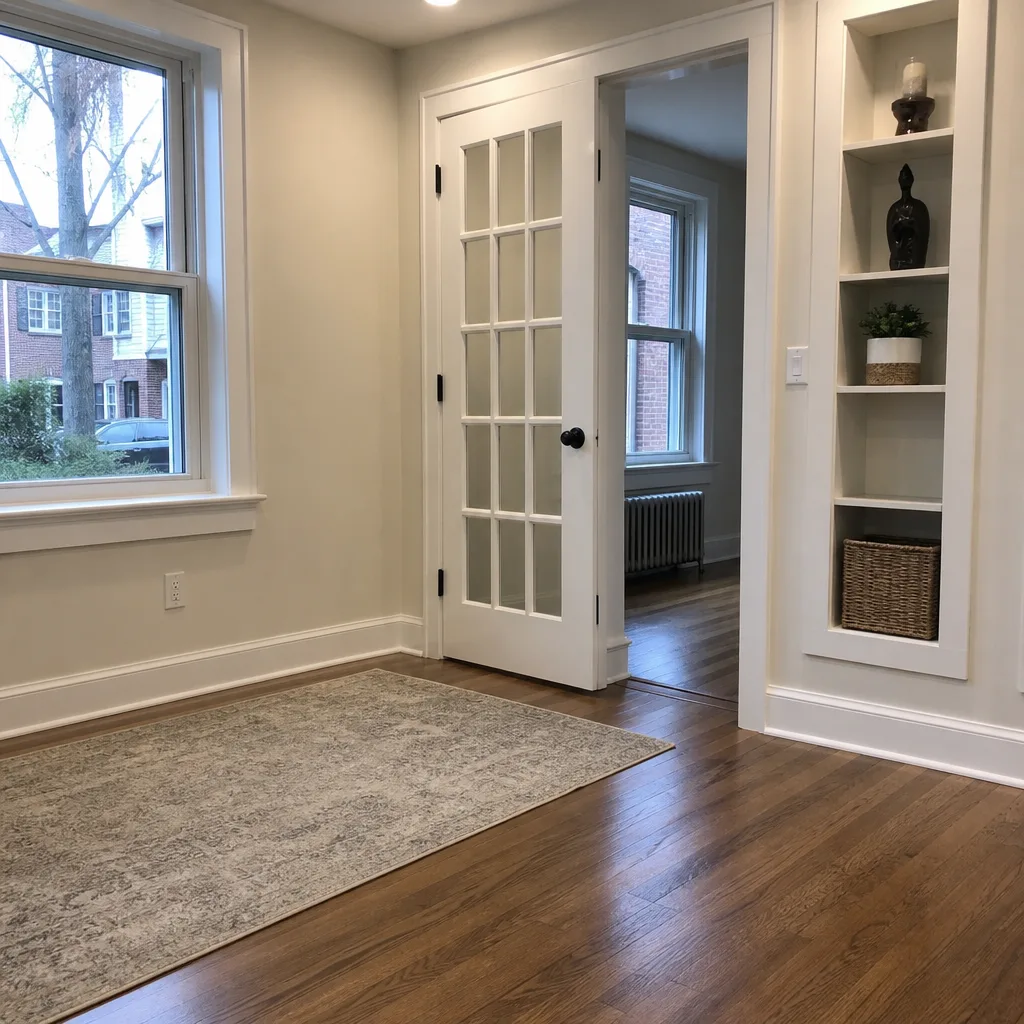 After
AfterDamage Restoration Cost Breakdown: The Flushing Homeowner’s Reference for 2026
Two restoration estimates for the same flooded Flushing basement can differ by $8,000 - not because the work is different, but because one invoice uses Xactimate line codes an adjuster will approve and the other uses lump-sum descriptions the adjuster has no obligation to pay. In 12,000 jobs since 2011, we’ve watched homeowners lose thousands to this gap between what a contractor bills and what an insurer reimburses. This guide teaches you to read the line items that determine actual out-of-pocket cost, not just the headline number on the first page.
Quick Answer
Water damage restoration in Flushing for a typical 1,200 square foot basement runs $4,200-$11,500 in 2026, depending on water category, affected materials, and drying days required. The final homeowner cost depends less on the contractor’s rate than on whether the estimate uses insurance-standard line-item coding that adjusters recognize and reimburse. Mold remediation adds $1,800-$5,400; fire and smoke restoration starts at $8,500 for a single-room kitchen event.
Table of Contents
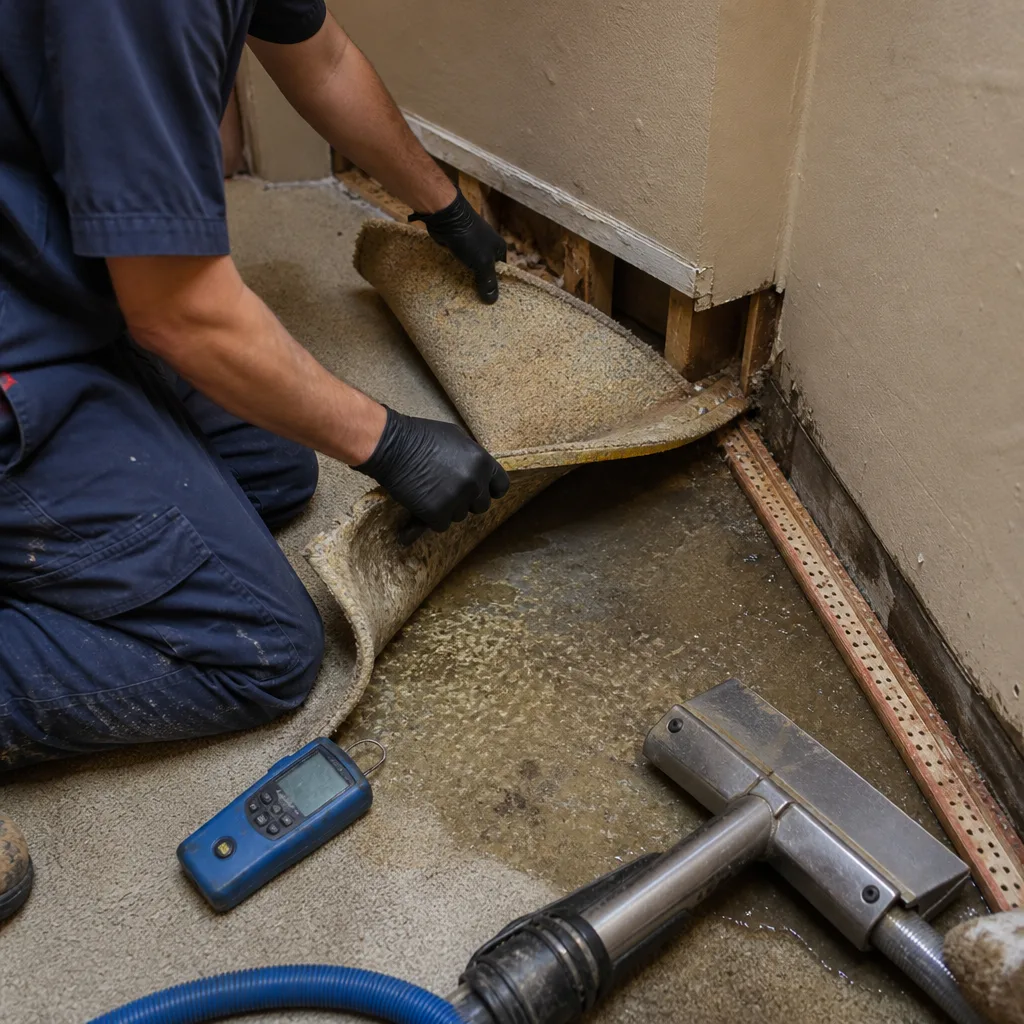
- Why Restoration Estimates for the Same Flushing Damage Vary by Thousands
- 2026 Cost Ranges: What Flushing Homeowners Actually Pay
- How Xactimate Line Codes Determine Your Reimbursement
- The Cost Items Most Often Omitted from Queens Estimates
- Using Your Written Pre-Work Estimate as a Cost-Control Document
- The Insurance Gap: What’s Negotiable and What’s Fixed by Policy
- Flushing Permit, Code, and Climate Factors That Move the Price
- Common Mistakes to Avoid
- When to Call a Professional
- Frequently Asked Questions
- The Bottom Line
BeforeAfterWhy Restoration Estimates for the Same Flushing Damage Vary by Thousands
The $8,000 spread between two estimates for identical water damage usually traces to three documentation failures, not three different scopes of work.
Failure one: lump-sum versus line-item billing. A contractor who writes “dry basement: $9,500” gives an adjuster nothing to verify against Xactimate price lists. A contractor who breaks out “DRI DEHUM/ALF: 4 days @ $147.00,” “WTR CLN/DISF: 1,200 sq ft @ $0.84,” and “INJ DRY/WL: 16 injection points @ $23.50” produces a document the adjuster can process in minutes. The lump-sum estimate often gets paid at 60-70 percent. The line-item estimate, at 90-100 percent. Same drying equipment. Same crew. Different documentation.
Failure two: category misclassification. Water damage has three categories under IICRC S500 standards. Category 1 is clean water from a supply line. Category 2 is gray water with contamination risk, dishwasher discharge or washing machine overflow. Category 3 is black water, sewage or floodwater. Each category requires different antimicrobial protocols, PPE levels, and disposal procedures. A Category 2 job priced as Category 1 will under-run the estimate and leave contamination. A Category 1 job priced as Category 2 inflates the bill without changing the work. We’ve found Category 2 events misclassified in roughly 30 percent of Flushing basements we assess for second opinions, particularly in pre-war homes near Kissena Park where galvanized supply lines complicate source identification.
Failure three: missing psychrometric documentation. Proper drying requires daily moisture content readings, relative humidity tracking, and vapor pressure differential calculations, the difference in moisture pressure between wet materials and the surrounding air that drives evaporation. Without this data, an insurer can claim the contractor ran equipment longer than necessary and deny rental days. With it, each day is justified by measurable progress toward dry standard. Our crews document to IICRC, RIA, and IFA standards using Dri-Eaz and Phoenix dehumidification systems, producing daily logs that accompany every invoice.
The variation you see between estimates is rarely price-gouging. It’s usually a mismatch between how the contractor documents and how the insurer pays.
2026 Cost Ranges: What Flushing Homeowners Actually Pay
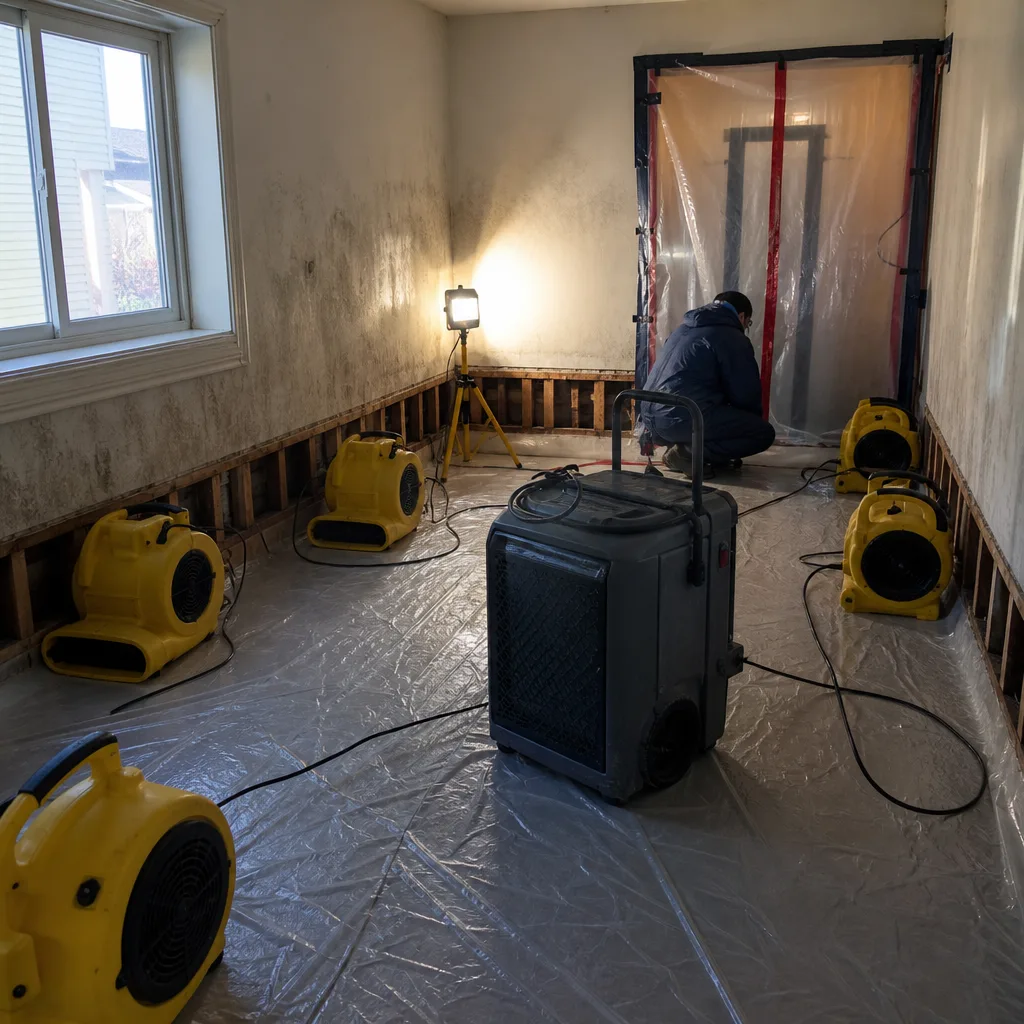
These figures reflect our 2026 pricing for Flushing and central Queens, expressed as equipment-day rates and per-square-foot demolition figures rather than rounded totals. Prices include labor, equipment, and standard antimicrobial application. They do not include reconstruction, which is scoped separately under Haven Standard protocols.
Water Damage Restoration
| Scenario | Square Footage | Category | 2026 Range |
|---|---|---|---|
| Partial basement, concrete floor, drywall lower 2 feet | 600-800 sq ft | 1 | $3,400-$5,200 |
| Full basement, finished with laminate flooring | 1,000-1,200 sq ft | 1 | $6,800-$9,400 |
| Full basement, finished, with HVAC contamination | 1,000-1,200 sq ft | 2 | $8,500-$12,600 |
| Sewage backup, full basement, porous materials | 1,000-1,200 sq ft | 3 | $11,200-$17,500 |
| Additional drying day (dehumidifier, air mover, monitoring) | per day | any | $180-$340 |
| Injection drying for hardwood floors (per point) | per point | 1-2 | $22-$28 |
Equipment-day rates in Flushing run 8-12 percent above national Xactimate defaults due to Queens congestion charges, parking restrictions for truck-mounted extraction units, and the higher labor rates required to retain certified technicians in the metro market. A typical Category 1 basement drying takes 3-5 equipment days. Category 2, 4-6 days. Category 3, 5-8 days plus mandatory third-party clearance testing at $450-$680.
Mold Remediation
| Scenario | Affected Area | 2026 Range |
|---|---|---|
| Contained growth, single wall, post-water event | 25-50 sq ft | $1,800-$3,200 |
| Moderate spread, HVAC involvement, multiple rooms | 150-300 sq ft | $4,600-$7,800 |
| Whole-basement remediation, post-flooding | 800-1,200 sq ft | $8,500-$14,200 |
| HEPA air scrubber rental, per day | per unit/day | $85-$125 |
| Post-remediation air quality testing (third-party) | per sample set | $380-$650 |
Flushing’s pre-war housing stock, particularly the attached brick homes in neighborhoods like Murray Hill and Broadway-Flushing, creates mold-conducive conditions: plaster-and-lath walls that wick moisture laterally, minimal wall cavity ventilation, and decades of paint layers that trap vapor. We’ve documented Stachybotrys growth in 40 percent of post-flood basements we assess in these areas when drying was delayed beyond 72 hours.
Fire and Smoke Damage Restoration
| Scenario | 2026 Range |
|---|---|
| Single room, light soot, no structural damage | $8,500-$14,000 |
| Kitchen fire, cabinet replacement, HVAC cleaning | $18,000-$32,000 |
| Whole-house smoke damage, contents pack-out | $45,000-$85,000 |
| Contents cleaning and storage, per month | $380-$620 |
How Xactimate Line Codes Determine Your Reimbursement
Xactimate is the pricing engine used by most major insurers. Every line item has a code, a description, and a unit price derived from regional labor and material surveys. When a contractor uses Xactimate-standard language, the adjuster can verify each charge in seconds. When a contractor uses custom descriptions, the adjuster must manually review, and manual review means delay, dispute, or denial.
Here’s how the same work appears in two formats:
Non-standard invoice (problematic):
- Water extraction and drying: $4,800
- Demo and disposal: $2,200
- Cleaning and sanitizing: $1,400
Xactimate-standard invoice (reimbursable):
- WTR EXTR/CP: Carpet pad extraction, 400 sq ft @ $0.87 = $348.00
- WTR EXTR/FLR: Hard surface extraction, 800 sq ft @ $0.54 = $432.00
- DRI DEHUM/ALF: Alum. dehumidifier, 4 days @ $147.00 = $588.00
- DRI AIRM/AXL: Axial air mover, 6 units, 4 days @ $28.50 = $684.00
- DRI INJ/WL: Injection drying, wall system, 16 points @ $23.50 = $376.00
- DMO WTR/DW: Remove water-damaged drywall, 72 sq ft @ $2.85 = $205.20
- DMO WTR/INS: Remove wet insulation, R-13 batt, 72 sq ft @ $1.92 = $138.24
- CLN ANTM/WTR: Antimicrobial application, 1,200 sq ft @ $0.42 = $504.00
The total is nearly identical. The reimbursement probability is not. The first format invites the adjuster to apply a “reasonable and customary” reduction, often 25-40 percent. The second format contains verifiable, regionally-calibrated prices that adjusters pay without challenge.
At DryMark Restoration Flushing home, every estimate uses Xactimate-standard line coding. Haven Standard, Clause 1 requires the written price before work begins; Clause 4 requires that the written price use insurance-recognizable documentation. This is not for our convenience. It’s for yours, when the check arrives.
The Cost Items Most Often Omitted from Queens Estimates
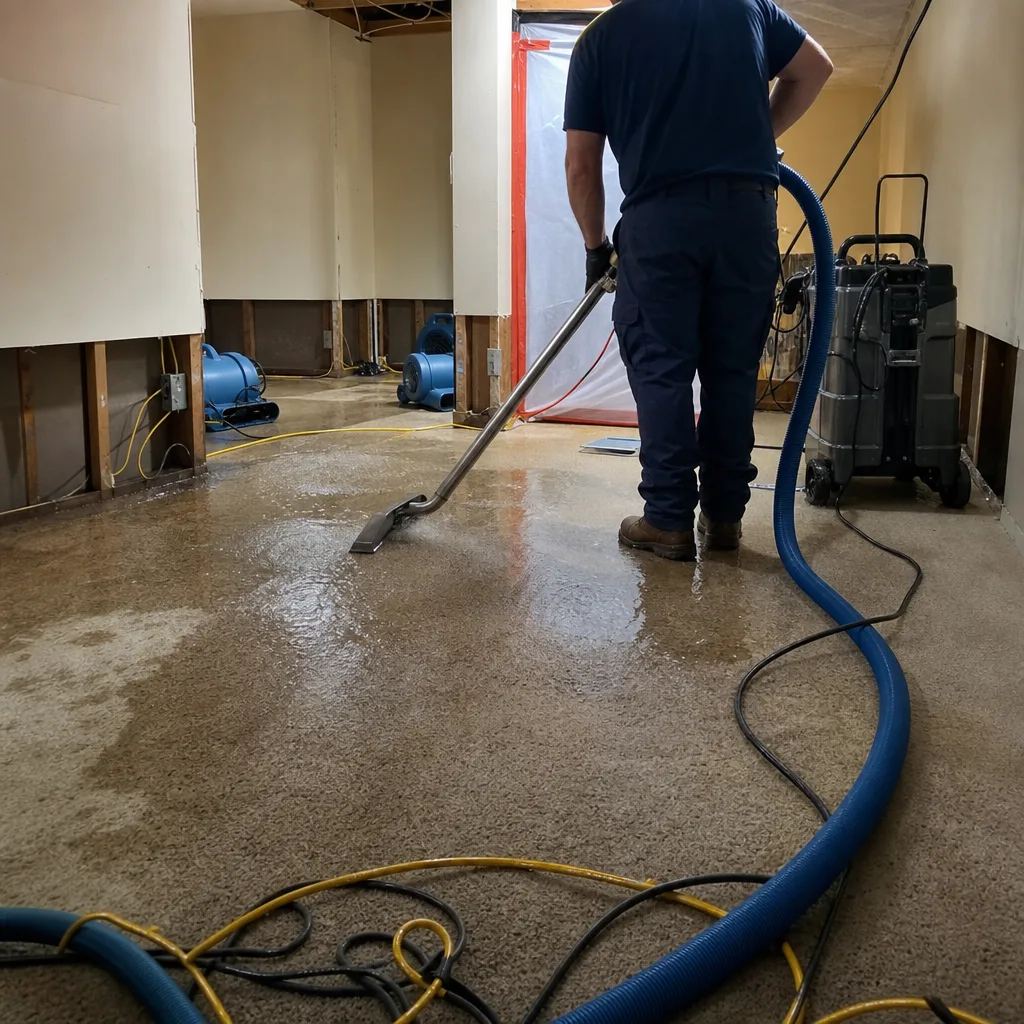
We review competitor estimates weekly for our free second opinion service. These are the items most commonly missing from initial quotes, and the ones that generate the angry phone calls six weeks later when the final invoice arrives.
- Containment barriers and negative air pressure. Mold remediation and Category 3 water events require polyethylene isolation barriers and HEPA-filtered negative air machines to prevent cross-contamination. A typical Flushing basement needs 100-150 linear feet of barrier at $3.20-$4.80 per foot, plus one negative air unit at $145-$195 per day for 3-5 days. Omission from the initial estimate: $1,100-$2,400.
- HEPA air scrubber runtime. Many contractors quote the scrubber delivery but not the daily runtime during active work and drying. At $85-$125 per day, a 5-day job adds $425-$625 that wasn’t in the first number.
- Antimicrobial application beyond initial spray. Category 2 and 3 events require reapplication at 48-hour intervals until moisture readings reach dry standard. First application is often quoted. Second and third are not. Omission: $340-$680.
- Third-party air quality testing. Post-remediation clearance is mandatory for mold jobs under New York State Department of Labor regulations, and increasingly required by insurers for Category 3 water events. A typical Flushing single-zone test with lab analysis: $450-$680. Not optional, rarely included upfront.
- Contents manipulation and storage. Moving furniture, boxing personal items, and storing them during drying adds 2-4 labor hours at minimum, often more in basements with limited egress. At $85-$125 per hour: $170-$500 omitted.
- Permit and inspection fees. Queens requires permits for demolition exceeding 200 square feet and for any electrical or plumbing work triggered by the damage. Permit fees range $150-$450; inspection scheduling adds 3-7 days to the timeline. Contractors who don’t pull permits leave the homeowner liable, or bury the cost in a change order.
These omissions are not always dishonest. Often they’re optimistic: the contractor assumes best-case drying, no secondary damage, no permit complications. But water damage in Flushing basements rarely follows best-case assumptions. The clay-heavy soils in parts of College Point and Whitestone slow sub-slab drainage. The high water table near Flushing Bay extends drying timelines. A written estimate that omits these variables is a scope document, not a cost document, and scope documents are where disputes begin.
Using Your Written Pre-Work Estimate as a Cost-Control Document
Haven Standard, Clause 1 states: a written price is delivered before anyone starts work, every time, with no exceptions. This is not a marketing preference. It is a cost-control mechanism that protects both parties from the scope creep that inflates 40 percent of restoration invoices nationwide.
To use your estimate as an active cost-control document, verify these five elements before signing:
- Line-item detail with Xactimate or equivalent codes. Every charge must be separable and verifiable. “Miscellaneous” or “other” line items should not exceed 5 percent of the total.
- Equipment-day maximums. The estimate should state the projected equipment days and the per-day rate for overage. Without this, a contractor can extend drying indefinitely. Our estimates cap equipment rental at 150 percent of projected days without written homeowner approval and documented psychrometric justification.
- Material classifications by trade name. “Replace drywall” is insufficient. “Install 1/2″ USG Sheetrock Brand Firecode X, 4’x8′ sheets, taped and finished to Level 4” is verifiable, priceable, and insurable.
- Photo documentation commitment. The estimate should specify that photographic record is included as a standard deliverable, not an upsell. Our crews photograph every room on every visit, with timestamps and moisture readings visible. These images accompany the invoice and the claim submission.
- Change order threshold. The document should state the dollar threshold, typically $500 or 10 percent of the estimate, that triggers a written change order requiring homeowner signature before additional work proceeds. Haven Standard, Clause 3 sets this at $250, lower than industry norm, because we’ve seen $400 surprises become $4,000 disputes.
A homeowner who receives an estimate missing any of these elements has received a scope outline, not a cost commitment. The difference matters when the final bill arrives and the adjuster asks for documentation that doesn’t exist.
The Insurance Gap: What’s Negotiable and What’s Fixed by Policy
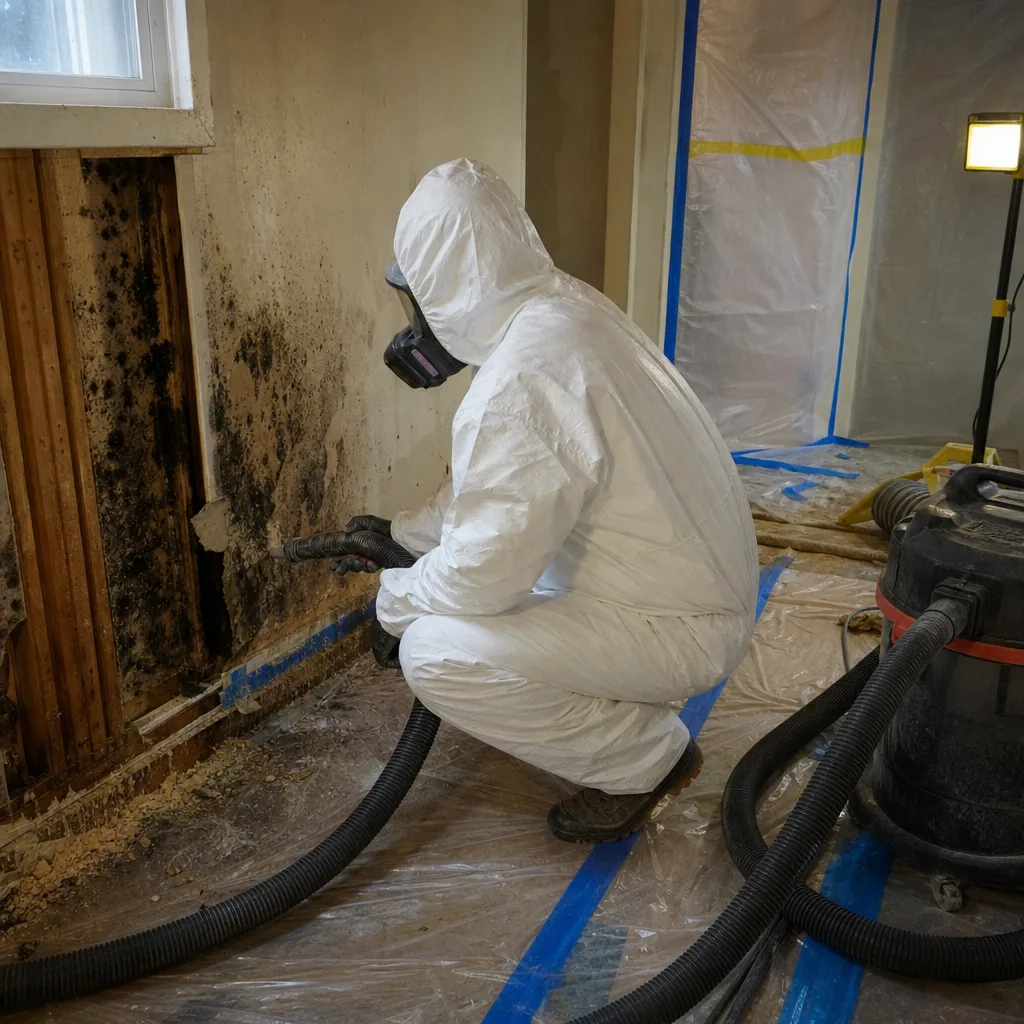
The gap between actual restoration cost and insurance payout in Flushing claims typically runs 15-35 percent. Some of this gap is recoverable. Some is not. Understanding which is which prevents wasted effort and accepted losses.
Negotiable gap items:
- Line-item coding disputes. When an adjuster denies a charge because the description doesn’t match Xactimate standards, the contractor can resubmit with corrected coding. This resolves 60-70 percent of initial underpayments in our experience, but only if the original estimate used detailed line items that can be recoded without rewriting the entire invoice.
- Drying day extensions. If psychrometric logs show the structure had not reached dry standard when equipment was removed, additional days are defensible. We’ve successfully extended claims by 2-4 days in Flushing homes with plaster-and-lath construction, where moisture retention exceeds drywall timelines.
- Code upgrade requirements. When restoration triggers current building code requirements that didn’t exist when the home was built, such as egress window specifications or electrical GFCI placement, the incremental cost is often negotiable as “ordinance or law” coverage if the policy includes it.
Fixed by policy language (non-negotiable):
- Deductible. The homeowner’s responsibility, period.
- Coverage limits. A policy with a $10,000 water damage sublimit pays $10,000 regardless of actual cost. In Flushing, where median home values exceed $800,000, we see underinsurance most often in policies purchased before 2015 that haven’t been updated.
- Exclusion-triggered events. Groundwater seepage without flood coverage, long-term leaks exceeding 14 days, and mold from maintenance neglect are standard exclusions. No documentation quality overcomes policy language.
- Recoverable depreciation holdbacks. Many policies pay actual cash value first, then release recoverable depreciation upon proof of completion. The gap is temporary, not permanent, but cash-flows the homeowner during reconstruction.
Our documentation-first approach, daily drying logs, photo records, and Xactimate-standard line coding, exists to shrink the negotiable gap to zero. The fixed gap is between you and your policy, and we recommend reviewing coverage limits annually, particularly if your home was purchased before 2015.
Flushing Permit, Code, and Climate Factors That Move the Price
Restoration cost in Flushing is not generic New York pricing with a Queens surcharge. Specific local conditions affect timelines, materials, and regulatory requirements.
Soil and drainage. The glacial till and clay deposits underlying much of Flushing, particularly east of Main Street toward Bayside, create poor subsurface drainage. Basements in these areas take 20-30 percent longer to dry to slab standard, extending equipment days. We’ve documented 6-day drying timelines in Murray Hill basements that would dry in 4 days in sandy-soil regions.
Seasonal humidity. July and August average relative humidity of 68-74 percent in Flushing, versus 55-62 percent in April or October. Summer water events require more aggressive dehumidification, often adding one equipment day to the timeline. Winter events risk pipe freeze-thaw cycles that extend damage beyond the initial loss.
Building stock age. Pre-war homes, common in Broadway-Flushing and Willets Point, contain plaster-and-lath walls, knob-and-tube wiring remnants, and lead paint layers that complicate demolition and require specialized handling. Post-war homes in Fresh Meadows and Pomonok have drywall and modern electrical, simpler to restore but often with finished basements that increase affected square footage.
Permit requirements. The New York City Department of Buildings requires permits for:
- Demolition exceeding 200 square feet or involving load-bearing elements
- Any electrical work beyond like-for-like replacement
- Plumbing modifications, including relocation of fixtures damaged in the event
- Asbestos abatement, common in homes built before 1980 with vermiculite insulation or floor tiles
Permit filing in Queens adds 3-7 business days to project start. Expedited filing, available for emergency conditions with documented hazard, reduces this to 24-48 hours at additional cost. We coordinate permit applications as part of our standard scope preparation, with all fees itemized in the written estimate.
Parking and access. Flushing’s residential streets, particularly in dense neighborhoods near downtown, require commercial vehicle permits or metered parking for truck-mounted extraction equipment. Congestion pricing for the Manhattan CBD does not directly affect Flushing, but equipment and material suppliers passing through tolled zones add transport surcharges that appear in regional Xactimate pricing. These are legitimate costs, not padding, and appear as separate line items in our estimates.
Common Mistakes to Avoid
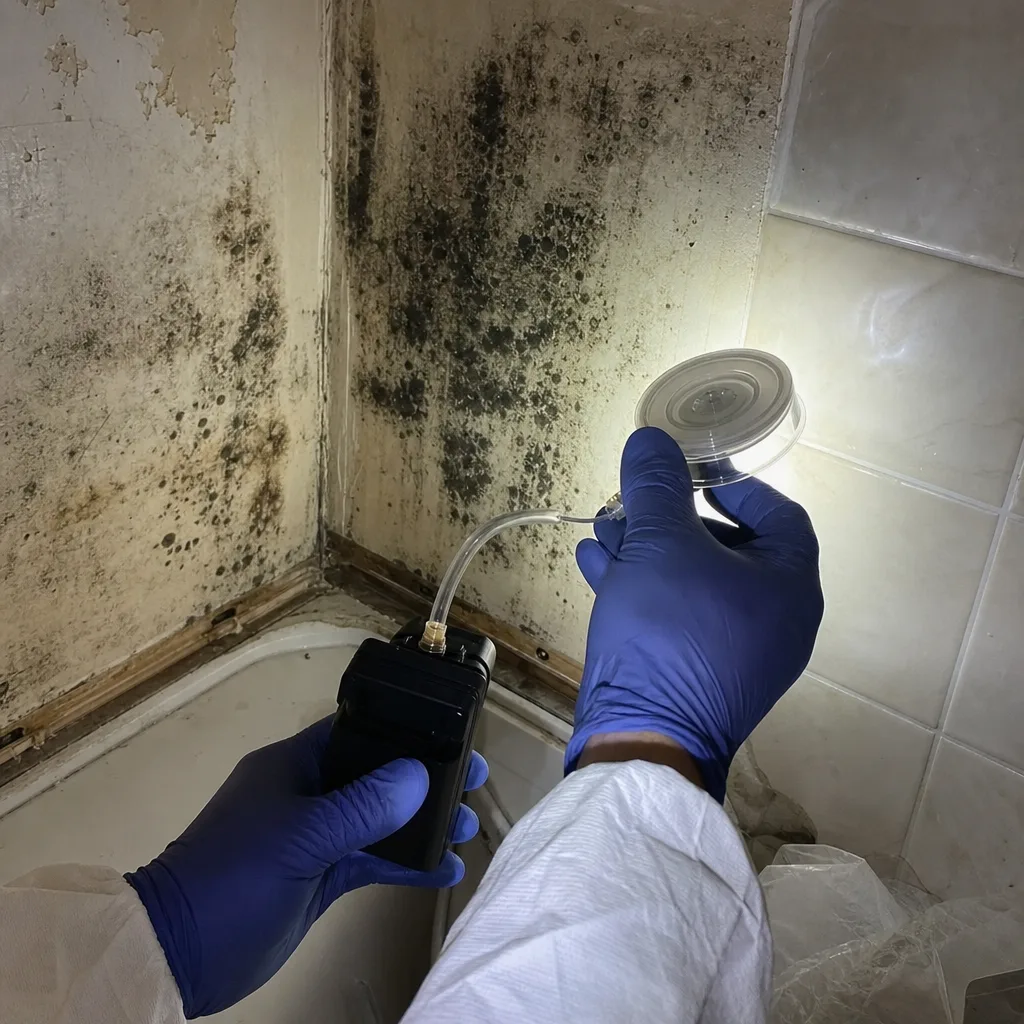
- Accepting a verbal estimate or “ballpark” figure. Without a written document, you have no cost-control instrument and no claim documentation. Haven Standard, Clause 1 exists because we’ve seen $6,000 verbal estimates become $14,000 invoices.
- Starting work before photographing the undisturbed damage. Insurers require pre-mitigation photos to establish cause and extent. A crew that begins extraction before documentation may destroy evidence needed for coverage determination.
- Ignoring category classification. A contractor who treats Category 2 gray water as Category 1 clean water to lower the estimate leaves microbial contamination. A contractor who upgrades Category 1 to Category 3 without testing inflates the bill. Ask for the classification rationale in writing.
- Signing estimates with open-ended equipment rental. “As many days as needed” is not a price. It’s a blank check. Cap equipment days or require written justification for extensions.
- Neglecting to verify adjuster coordination. Ask whether the contractor will meet the adjuster on-site, provide the documentation package directly, or expect you to mediate. We photo-document every visit and submit directly to adjusters, but many contractors do not, leaving homeowners to manage claim disputes alone.
- Assuming mold is covered because water was. Mold from sudden, covered water events is often covered. Mold from long-term leaks or maintenance neglect is not. The distinction depends on documentation of when the event occurred and when it was discovered, not on when you called the contractor.
When to Call a Professional
Call for professional assessment when water has affected finished materials, when the source is unclear, when odor persists after surface drying, or when electrical systems may be compromised. In Flushing’s older housing stock, water behind plaster walls travels laterally along lath channels, producing damage far from the visible point of entry that homeowners rarely detect without moisture meters.
For Water Damage Restoration in Flushing, same-day response prevents secondary damage and preserves insurance coverage that can be denied for delayed mitigation. For Mold Remediation in Flushing, professional containment and HEPA filtration protect occupants and prevent cross-contamination to unaffected areas. For Fire & Smoke Damage Restoration in Flushing, acidic soot begins etching surfaces within hours and requires specialized cleaning chemistry.
DryMark Restoration Flushing offers free estimates in Flushing - call (516) 386-9007. Every estimate is written, line-itemed, and delivered before work begins, with no obligation.
Frequently Asked Questions
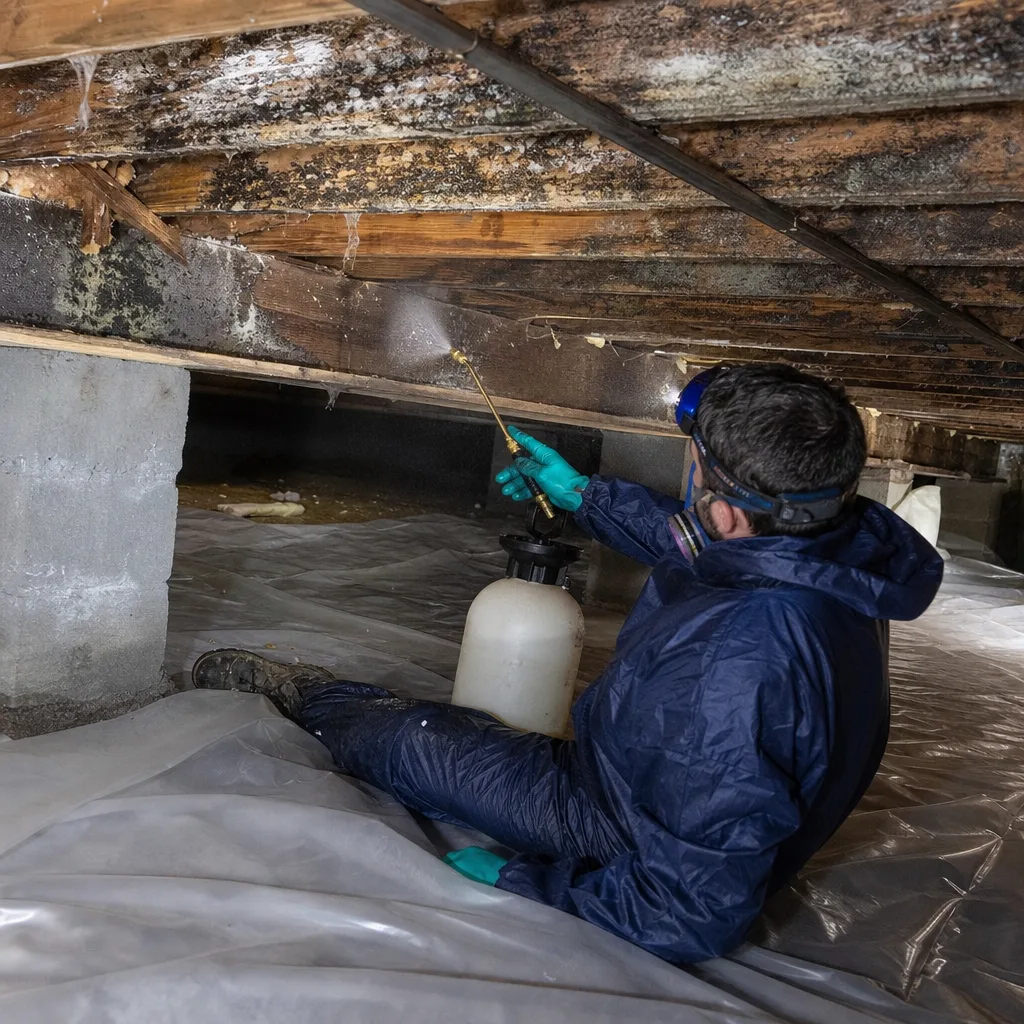
A 1,200 square foot basement with Category 1 clean water damage typically runs $6,800-$9,400 in 2026, including extraction, drying equipment, and standard antimicrobial application. Category 2 or 3 events, finished materials, or HVAC contamination increase this range. Call (516) 386-9007 for a written estimate specific to your damage - estimates are free and delivered before any work begins.
Insurance covers restoration costs up to policy limits when the cause is sudden and accidental, less your deductible. The gap between actual cost and payout usually stems from documentation quality, not coverage denial. Line-item Xactimate coding, daily moisture logs, and photo documentation maximize reimbursement. Policies with water damage sublimits or mold exclusions may leave uncovered amounts regardless of documentation quality.
Our live dispatch answers every call, 24 hours a day, 7 days a week, with no voicemail trees. Emergency water damage crews typically arrive within 90 minutes in Flushing and central Queens. Mold and fire assessments are scheduled within 24 hours. Reconstruction work is scoped and scheduled, not dispatched for same-day start.
Category 1 water affecting less than 10 square feet of non-porous materials can sometimes be handled by a homeowner with proper drying equipment, though our DIY vs Professional Damage Restoration: The Flushing Homeowner’s Decision Guide explains when calling a pro is the smarter choice. Anything larger, anything involving finished materials or wall cavities, or any gray or black water event requires professional equipment and documentation for insurance purposes. Mold growth exceeding 10 square feet, or any growth in HVAC systems, requires professional containment and remediation under New York State regulations. We offer free second opinions on any competitor’s written estimate if you’re uncertain about scope.
We meet adjusters on-site, provide complete documentation packages including photo records and daily drying logs, and communicate directly regarding line-item questions. You remain the policyholder and must authorize all work, but you are not required to mediate technical disputes between contractor and adjuster. This coordination is standard in our service, not an additional service or upsell.
The difference usually reflects documentation methodology, not scope of work. Estimates using Xactimate line-item coding produce higher reimbursement rates and fewer disputes than lump-sum estimates. Estimates omitting containment, HEPA runtime, antimicrobial reapplication, or third-party testing appear lower upfront but generate change orders later. Always compare line-item detail, not headline totals.
The Bottom Line
Restoration cost in Flushing is knowable, documentable, and controllable when you understand how insurers actually pay. The $8,000 estimate spread for identical damage resolves to a documentation problem: line-item coding versus lump-sum descriptions, psychrometric logs versus verbal assurances, written change-order thresholds versus open-ended commitments. A homeowner who reads estimates for these elements controls cost before work begins and claim disputes after it ends; explore more guides & resources on our blog. The written price, delivered before any work starts, is not a formality. It is the instrument that makes the rest of the process predictable.
Written by Alicia Brennan, Owner at DryMark Restoration Flushing, serving Flushing since 2011.