
Last updated September 22, 2026
Free visual inspection and a written scope of work before any mitigation begins - photos, moisture readings, and drying logs go in your claim file
The scope we write is the scope we bill. Anything new gets shown to you, in writing, before we touch it.
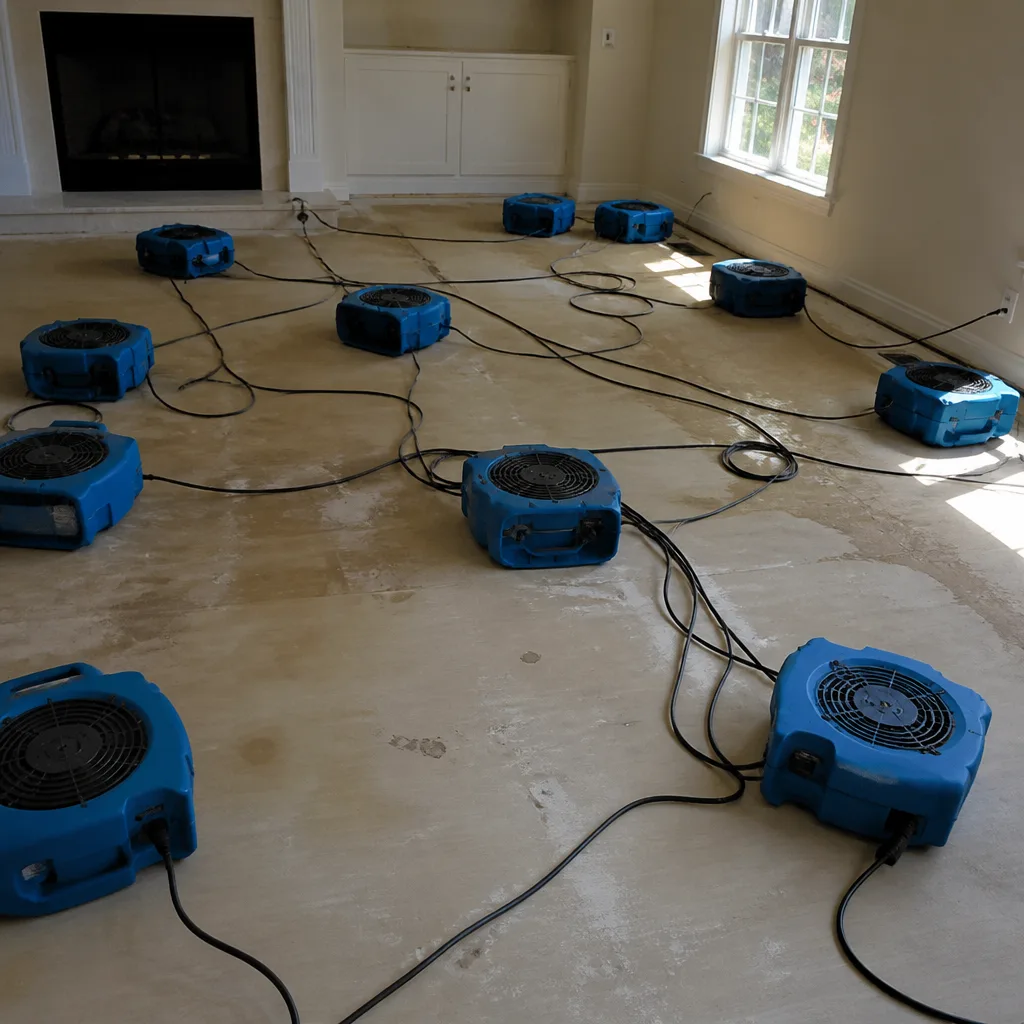

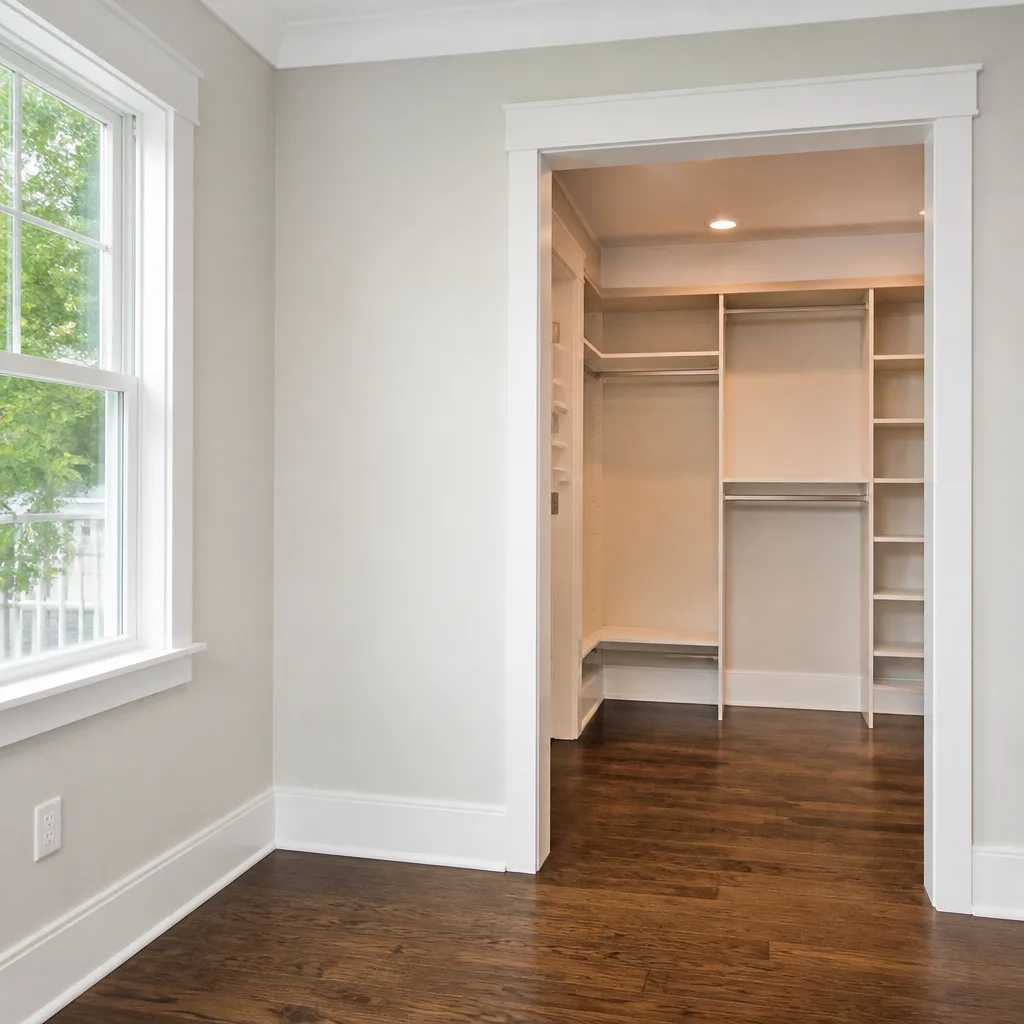
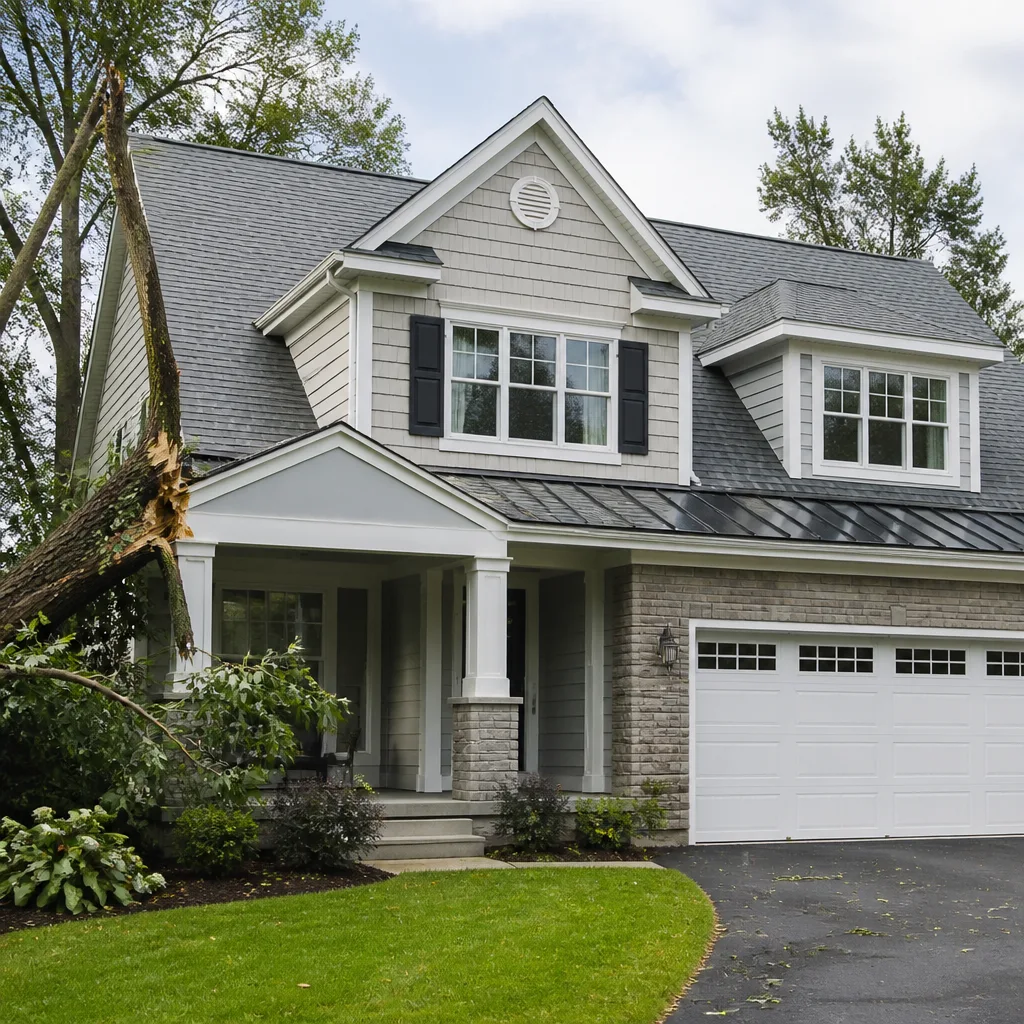
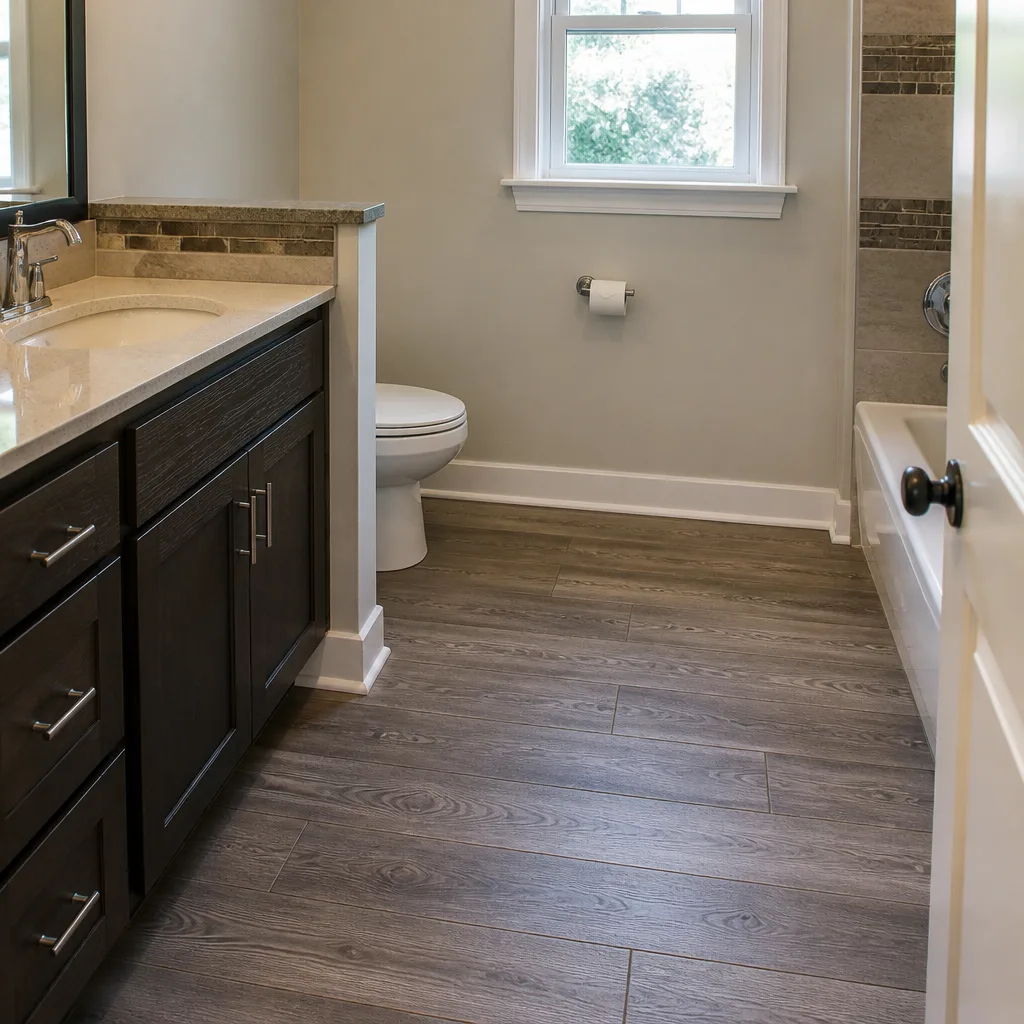

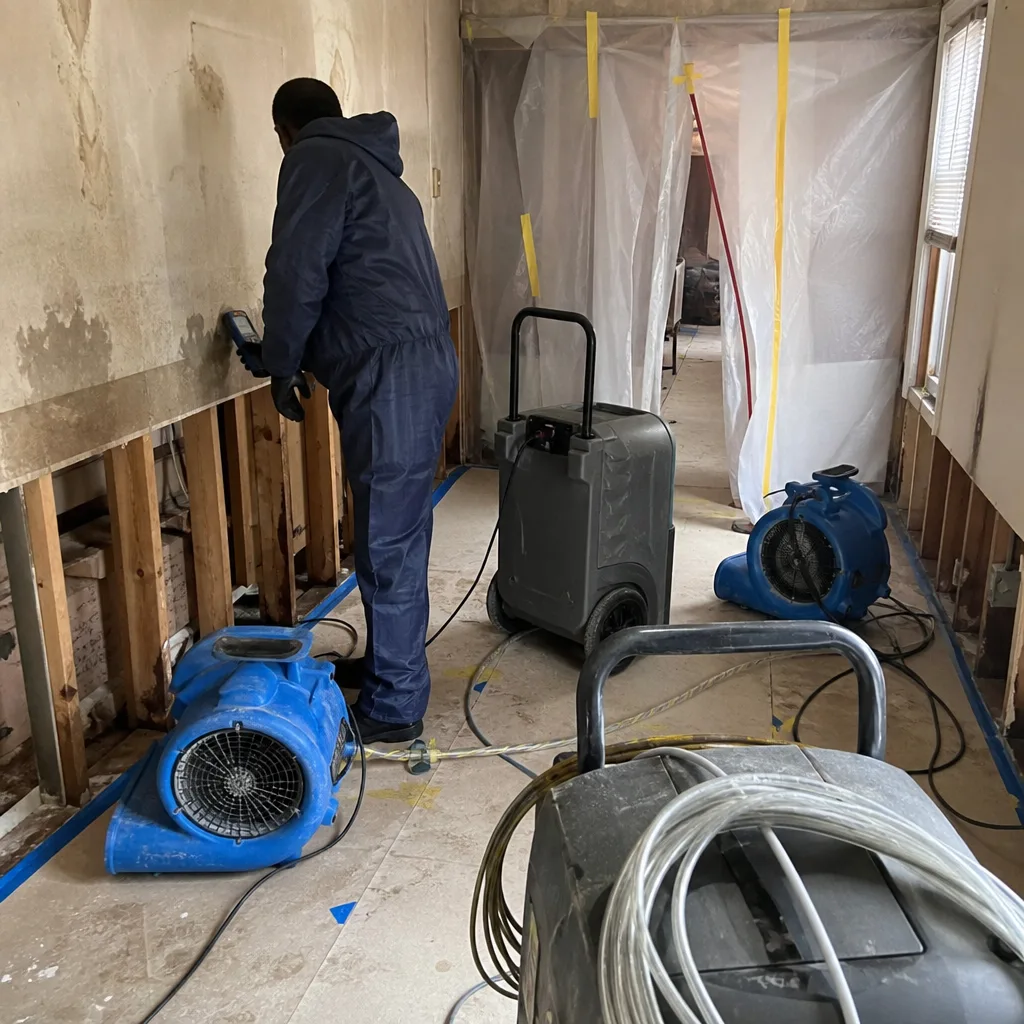 Before
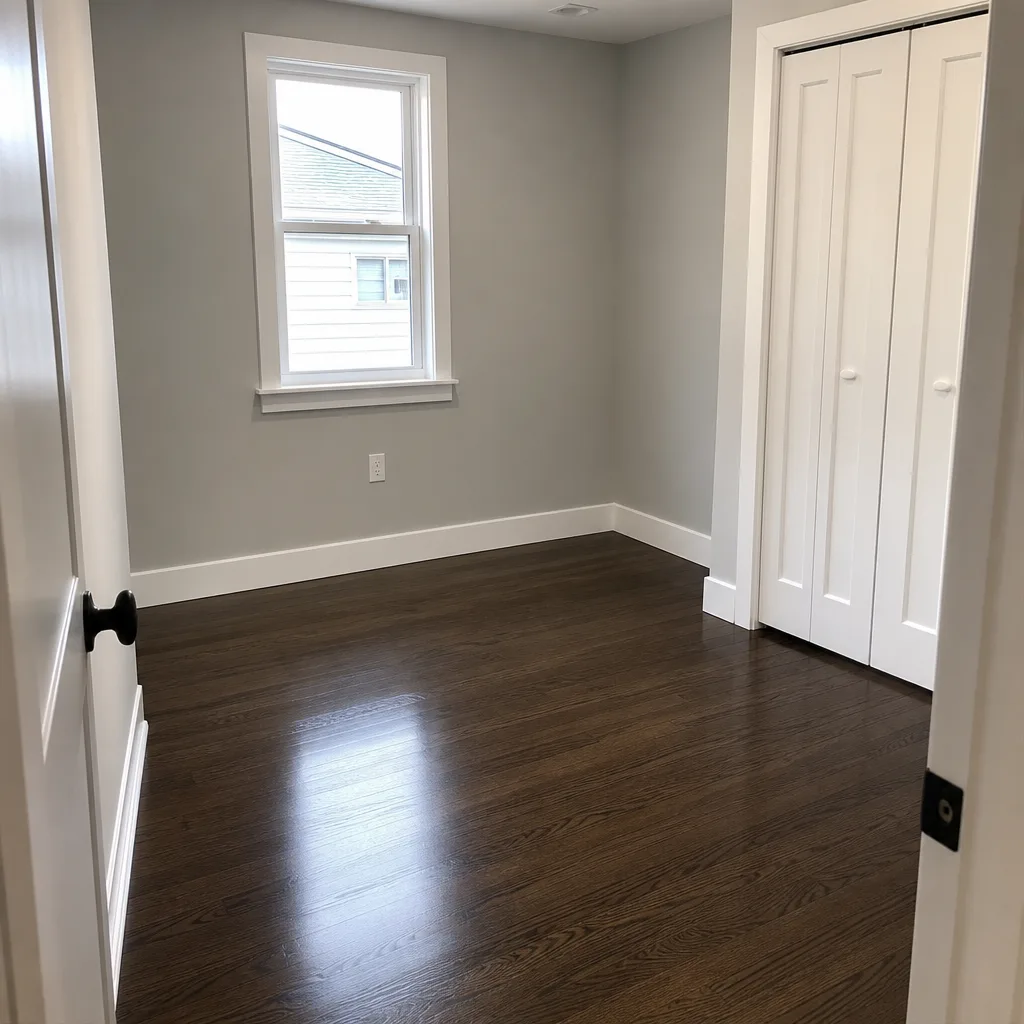 After
After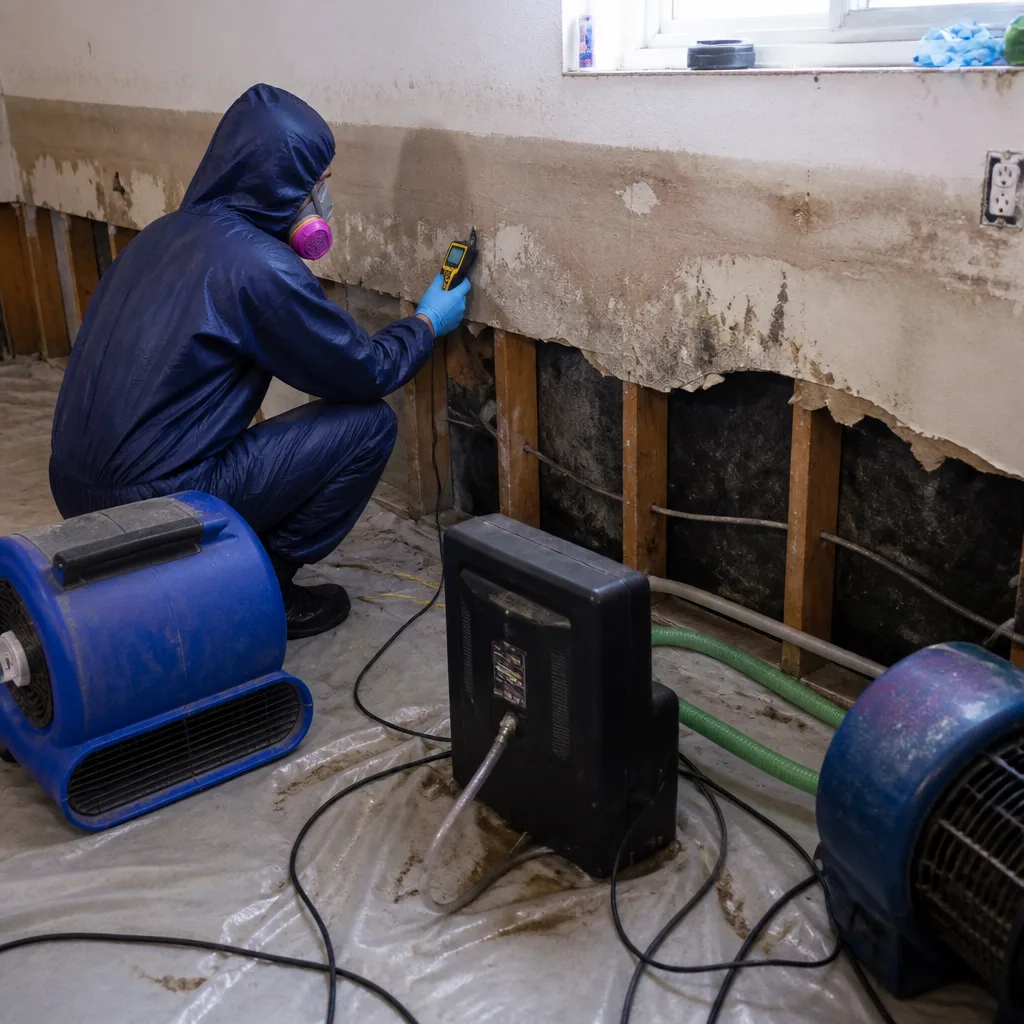 Before
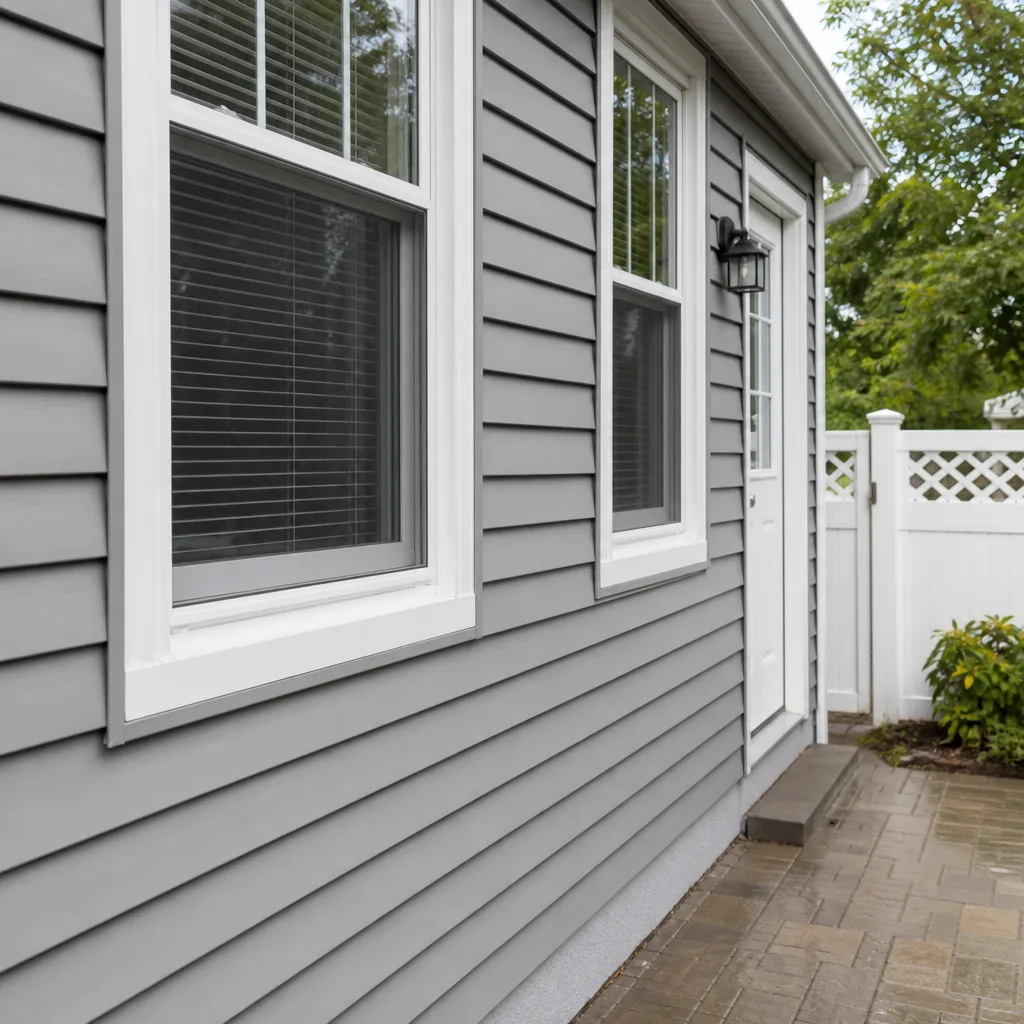 After
After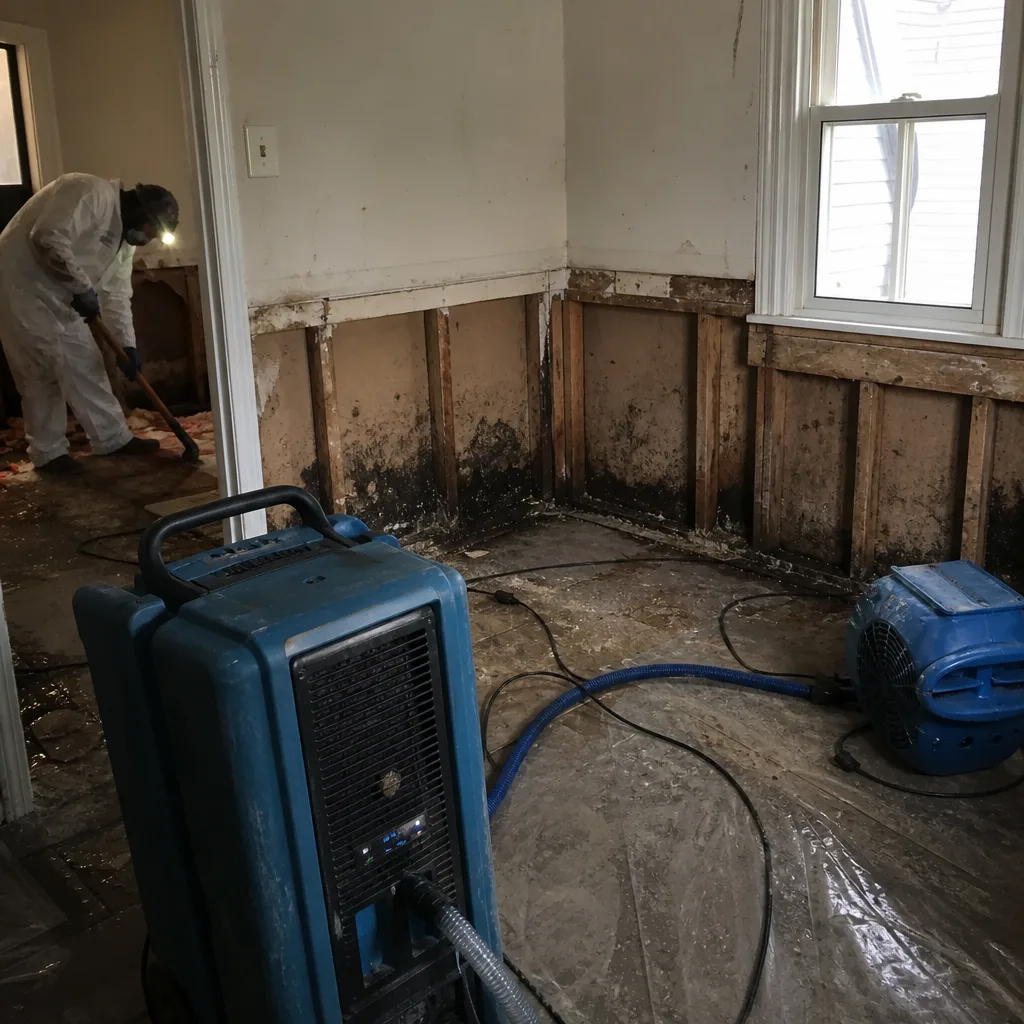 Before
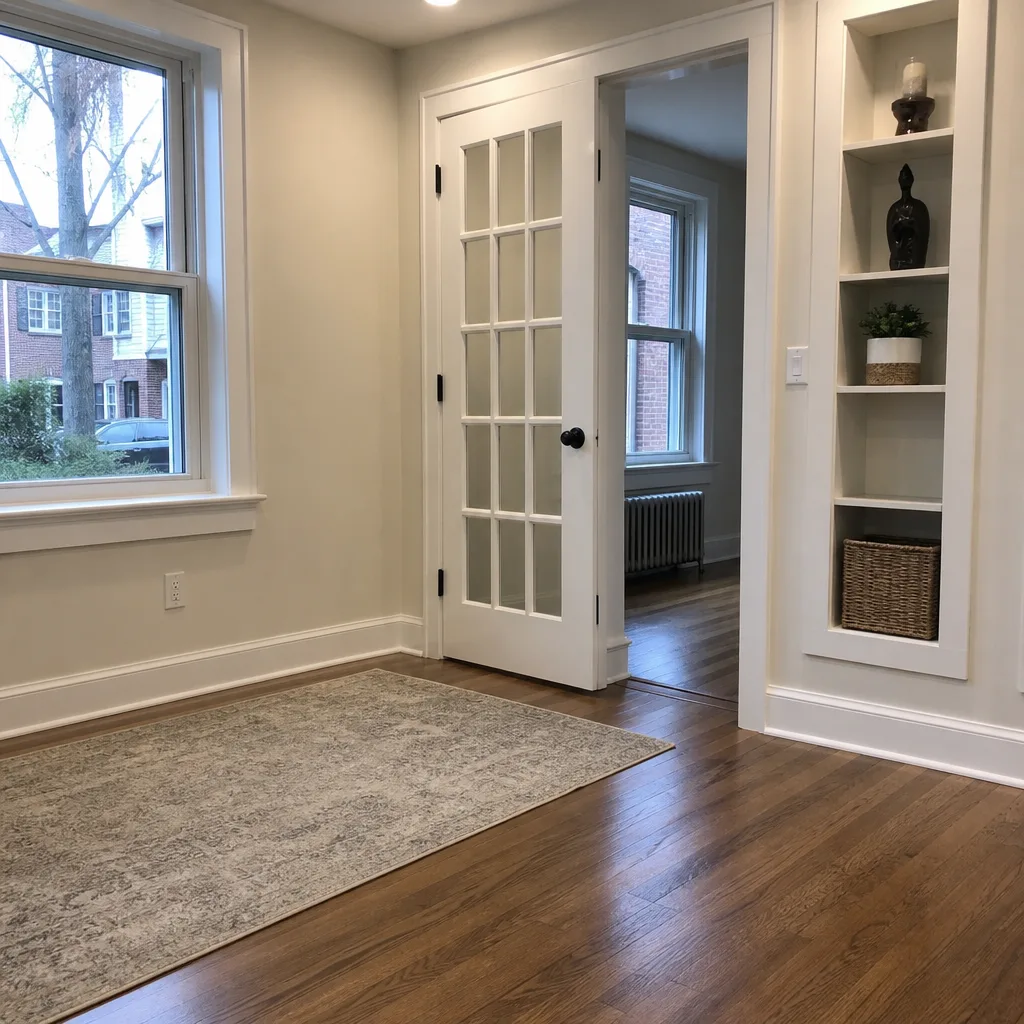 After
AfterDamage Restoration Warning Signs: A Flushing Homeowner’s Reference Guide
Most Flushing homeowners who lose part of their insurance claim never lost it because the damage was too small. They lost it because they couldn’t prove when it started. A ceiling stain photographed on Tuesday with a humidity reading of 67% RH and a wood moisture content of 18% is evidence. That same stain described from memory six weeks later is a negotiation. In this guide, you’ll learn the specific warning signs that precede major damage, the exact numbers that separate “watch it” from “act now,” and how to document them so your claim holds up. For more guides & resources, see our blog.
Quick Answer
Damage restoration warning signs in Flushing homes fall into four categories: moisture readings above 60% relative humidity or 16% wood moisture content, visible efflorescence on basement block walls, musty odors that persist after 48 hours of ventilation, and discoloration in HVAC ducts or water heater pans. Document these with dated photos and meter readings the same day you notice them, and you create evidence that protects your claim eligibility.
Table of Contents
- The Exact Moisture Numbers That Mean Trouble
- Flushing Rowhouse and Basement Warning Signs
- How to Create a Defensible Same-Day Documentation Record
- Covered Loss vs. Slow Deterioration: Why the Distinction Matters
- Warning Signs Inside Mechanical Systems
- Room-by-Room Warning Sign Checklist
- Common Mistakes to Avoid
- When to Call a Professional
- Frequently Asked Questions
BeforeAfterThe Exact Moisture Numbers That Mean Trouble
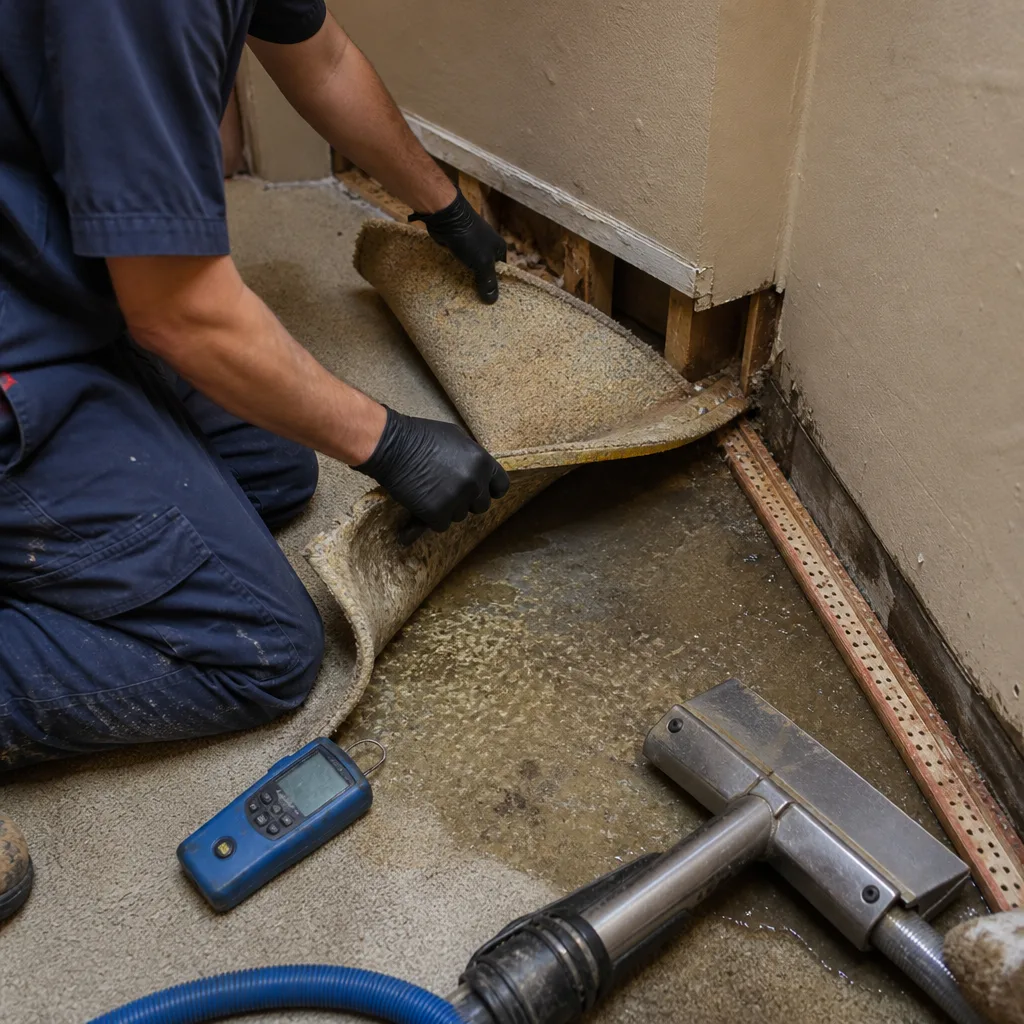
Every restoration contractor in Flushing has heard a homeowner say, “It felt damp.” Adjusters have heard it too, and it carries no weight. What carries weight is a number, logged on a specific date, with a photograph of where the meter was placed.
Here are the thresholds we use on every job, documented to IICRC standards:
| Measurement | Elevated (Monitor) | Actionable (Act Within 24-48 Hours) | Emergency (Immediate Response) |
|---|---|---|---|
| Relative Humidity (%RH) | 55-60% | 60-70% | Above 70% |
| Wood Moisture Content (%WMC) | 14-16% | 16-20% | Above 20% |
| Concrete/Block %WMC | 3-4% | 4-5% | Above 5% |
| Vapor Pressure Differential (inches Hg) | 0.3-0.5 | 0.5-0.8 | Above 0.8 |
Vapor pressure differential, in plain terms, is the force that pulls moisture from wet materials into the air. When that differential exceeds 0.5 inches of mercury, moisture is actively migrating through walls and subfloors even if nothing looks wet yet. We measure this with psychrometric data on every dryout, and homeowners who learn to read it themselves catch problems weeks earlier.
A $30 pinless moisture meter from any hardware store in Flushing will read wood moisture content accurately enough for documentation. For relative humidity, a basic digital hygrometer placed in the suspect room for 24 hours gives you a defensible number. The key is logging the reading with the date, room, and exact location, because a moisture reading without context is as useless as no reading at all.
We regularly see Flushing homes in the Water Damage Restoration in Flushing service area where a homeowner noticed a reading of 64% RH in their basement in March, did nothing, and by June faced secondary mold growth across ceiling joists. The March reading, if logged, would have established the loss date for their insurer. Without it, the adjuster classified the damage as long-term maintenance neglect.
Flushing Rowhouse and Basement Warning Signs
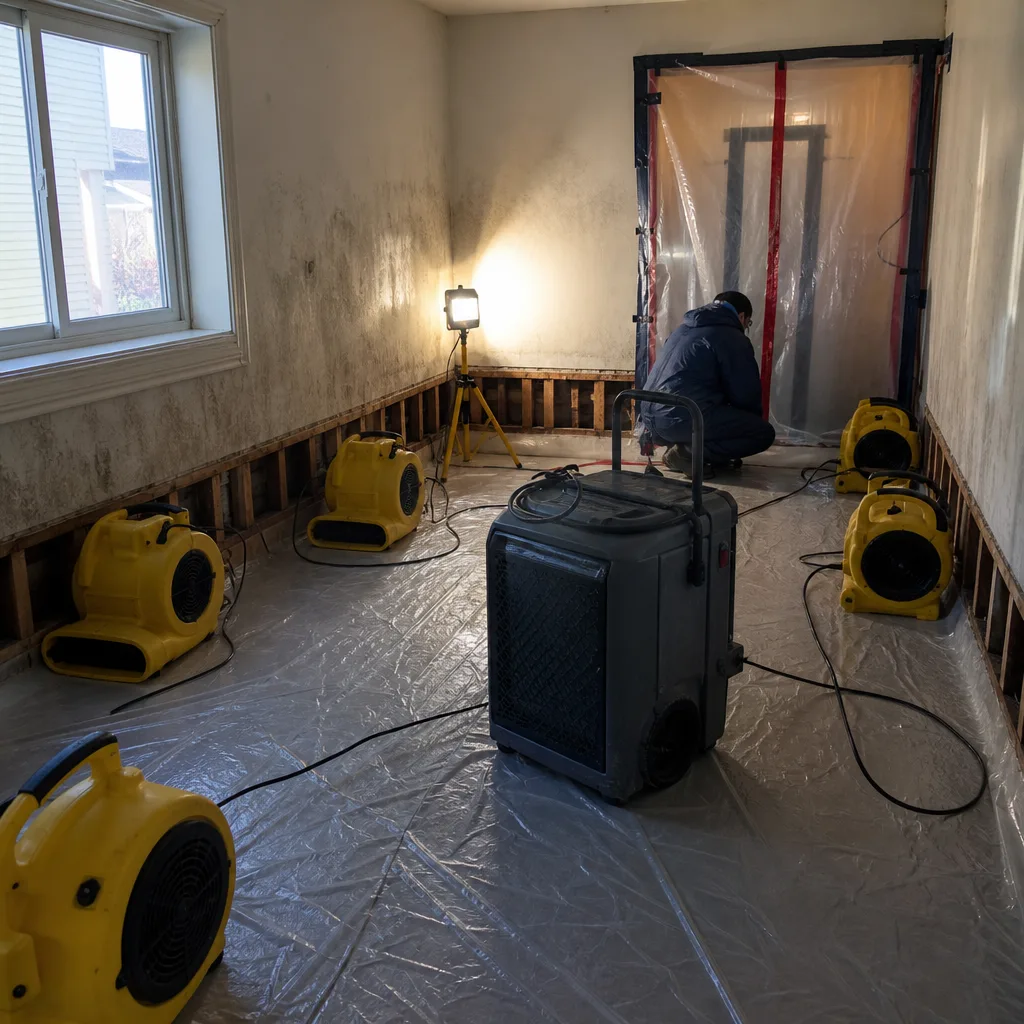
Flushing’s housing stock, particularly the attached and semi-attached brick rowhouses built from the 1920s through 1950s, produces warning signs that generic national guides completely miss. The construction methods, soil conditions, and shared wall dynamics create patterns you need to recognize.
Efflorescence on basement block walls. This white, powdery crystalline deposit is not mold, and it’s not harmless. It’s mineral salt left behind when water moves through concrete block under hydrostatic pressure, evaporates at the surface, and deposits its dissolved solids. The critical distinction: surface moisture from condensation wipes off and doesn’t return quickly. Efflorescence indicates water is being pushed through the wall from the exterior, typically from saturated soil after heavy rain or from a compromised foundation drainage system.
In Flushing, where many properties sit on clay-heavy soils with poor percolation, hydrostatic pressure builds dramatically after sustained precipitation. We’ve documented efflorescence patterns in Murray Hill and Auburndale basements that appeared within 48 hours of a 2-inch rainfall, with moisture readings in the block climbing from 3.2% to 5.8% in that same period. That jump from “monitor” to “emergency” on the table above happens fast when the ground can’t absorb the water.
Shared wall moisture migration. In attached rowhouses, water damage rarely respects property lines. We’ve opened walls in Flushing homes where the moisture source originated two units over, traveled through the party wall’s mortar joints, and manifested as peeling paint or buckling plaster on the “dry” side. The warning sign here is asymmetry: damage concentrated on one wall of a rowhouse room, especially an interior wall, when there’s no obvious plumbing or roof leak on your side.
Terrace and areaway drainage failures. Many Flushing rowhouses have below-grade rear entrances or front areaways with original drainage from the 1940s. When these drains clog with sediment or tree roots, water pools against the foundation and finds every cold joint in the basement slab. The warning sign is water appearing at the slab-wall joint after rain, even when the basement itself seems dry elsewhere. This is not a “basement moisture problem” in the abstract. It’s a specific drainage failure with a specific repair, and documenting the timing after rainfall events creates your claim evidence.
Parapet wall and coping stone failures. Flat-roofed rowhouses depend on parapet walls with metal or stone coping to shed water. When coping mortar fails, water enters the wall cavity and travels down through multiple floors before appearing as a ceiling stain. The warning sign on the roof is displaced or missing coping pieces; inside, it’s a stain that grows after rain but seems to have no roof leak directly above it.
How to Create a Defensible Same-Day Documentation Record
The moment you notice a warning sign, you are in a race against the memory of everyone involved. Your insurer’s adjuster will ask when it started. Your contractor will need to know the conditions at discovery. Your own recollection will blur within days. Here’s how to create a record that answers questions before they’re asked.
- Photograph the area with context. Take three shots: a wide shot showing the room and the affected area’s location; a medium shot showing the full extent of the visible sign; and a close-up with a ruler or coin for scale. Include a timestamp by enabling location services or photographing a phone showing the date and time.
- Measure and log the numbers. Place your moisture meter or hygrometer in the affected area, let it stabilize for the manufacturer’s recommended time (usually 30-60 seconds for pinless meters), and photograph the reading. Log: date, time, room, exact location (e.g., “north basement wall, 18 inches from floor, 6 feet from east corner”), instrument model, and reading.
- Record environmental conditions. Note outdoor temperature and recent weather from any weather app. Note indoor temperature and whether heating or cooling was running. These affect moisture readings and help reconstruct conditions later.
- Document the source, if known. If you can identify a probable source, photograph it too. A running toilet, a dripping condensate line, a clogged gutter. Even if you’re wrong about the source, your contemporaneous reasoning is evidence of good-faith reporting.
- Store with automatic timestamping. Email the photos and log to yourself, or upload to cloud storage with automatic date stamping. Do not rely on phone camera roll dates alone, which can be disputed. A sent email is a third-party timestamp.
- Repeat in 24 and 48 hours. If the condition is evolving, repeated measurements show progression. A moisture reading that climbs from 16% to 19% in 48 hours demonstrates active damage, not a static condition.
This six-step process takes fifteen minutes. We’ve seen it preserve claims that would otherwise have been reduced or denied for “failure to mitigate” or “pre-existing condition.” In one Flushing case, a homeowner’s emailed photo log of a slab leak, started the evening they noticed buckling laminate, established that the damage began after a specific water main pressure event documented by the city. The insurer paid full replacement. Without the log, the damage would have been attributed to “long-term moisture exposure” and capped at 50%.
The DryMark Restoration Flushing home page includes our documentation standards, but this process is something any homeowner can begin before we arrive.
Covered Loss vs. Slow Deterioration: Why the Distinction Matters
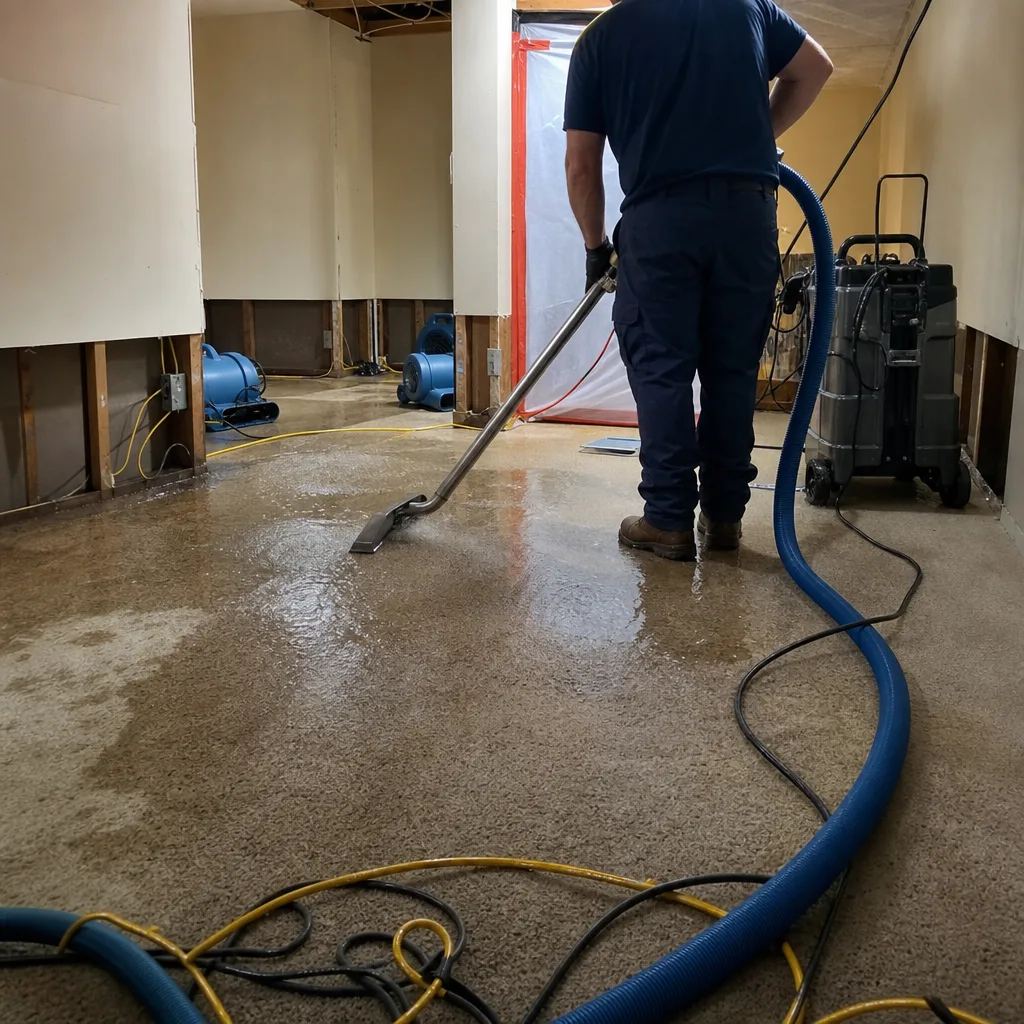
Not every warning sign points to a covered insurance loss. Understanding which signs indicate sudden, accidental damage and which suggest gradual deterioration can save you from a denied claim and a contractor who won’t work with your insurer. See our DIY vs Professional Damage Restoration: The Flushing Homeowner’s Decision Guide to evaluate when expert help is warranted.
Signs that typically indicate sudden, covered loss:
- Water appearing immediately after a specific event: burst pipe, appliance failure, storm damage, or water main break
- Moisture readings that jump significantly within 24-48 hours of a known event
- Discoloration or swelling that appears in a concentrated pattern, matching a point-source leak
- Active dripping or flowing water, documented with video
- Fire or smoke damage from a specific ignition event
Signs that suggest slow deterioration, often excluded or limited:
- Efflorescence that has built up in layers, indicating months or years of water movement
- Musty odors that the homeowner has “gotten used to” over time
- Wood rot with depth and fungal growth extending beyond the surface moisture zone
- Paint failure patterns that follow seasonal cycles, suggesting years of humidity fluctuation
- Foundation cracks with water staining that shows mineral buildup in successive layers
The critical documentation task is connecting your warning sign to a specific date and event. “The basement smelled musty last Tuesday” is weak. “The basement read 68% RH and showed new efflorescence on March 15, 48 hours after the 3-inch rainfall that overwhelmed the city storm drains on Parsons Boulevard” is strong. The second version gives your adjuster a causal chain they can verify against weather records and municipal reports.
We see this distinction most often in Mold Remediation in Flushing cases, where mold resulting from a sudden pipe burst is typically covered, while mold from long-term humidity control failure is not. The warning signs look similar. The documentation separates them.
Warning Signs Inside Mechanical Systems
Surface damage guides focus on what you can see: stains, warping, mold. But some of the most expensive and most disputed damage originates inside mechanical systems that homeowners rarely inspect. Adjusters know this, and they often reduce scopes when mechanical damage is discovered late because the homeowner didn’t document early warning signs.
HVAC ductwork moisture and contamination. In Flushing’s climate, cooling-season condensation in ductwork is common. The warning signs are subtle: a musty smell when the system first cycles on, then dissipating; dust patterns around supply registers that seem wet or clumped; or unexplained allergy symptoms that correlate with system runtime. We use borescope cameras to inspect duct interiors, and we’ve found standing water in low points of duct runs that homeowners had no visual access to. The early warning is the smell and the symptom pattern, documented with dates.
Water heater pan and T&P valve discharge. The pan beneath your water heater is a damage detection device, not just a spill tray. Any water in it is abnormal. The temperature and pressure relief valve should never discharge into the pan for more than a few seconds during testing. If you find water in the pan, photograph the water level, check if the T&P valve is weeping or has discharged recently, and note the water heater’s age and model. A leaking T&P valve often indicates thermal expansion pressure problems or a failing thermostat, both of which precede tank failure.
Condensate drain line failures. Air conditioning and high-efficiency heating systems produce condensate that drains through plastic lines, often to a floor drain or pump. When these clog with algae or sediment, water backs up into the air handler or furnace cabinet. The warning sign is water around the base of the indoor unit, or a gurgling sound from the drain line. In Flushing homes with original cast-iron floor drains, we’ve seen condensate backup cause corrosion that breaches the drain line entirely, flooding basements with what appears to be a plumbing failure but is actually an HVAC maintenance issue.
Sump pump and battery backup systems. A sump pump that cycles more frequently than in previous seasons, or a battery backup that has failed its self-test, indicates rising groundwater or pump degradation. Document the cycle frequency: “pump ran 4 times in 2 hours during rain on [date]” is actionable data. A pump that runs continuously may indicate a stuck float switch or a high water table, both of which precede basement flooding.
Washing machine supply hoses and drain standpipe. Braided steel supply hoses have a documented failure mode where the rubber liner deteriorates and the steel braid corrodes from the inside. The warning sign is a blister or rust spot on the braid, or a slight bulge. These hoses should be replaced every 5-7 years regardless of appearance, but a documented pre-failure photograph of a bulging hose establishes that the homeowner exercised reasonable maintenance if the hose does fail.
Room-by-Room Warning Sign Checklist
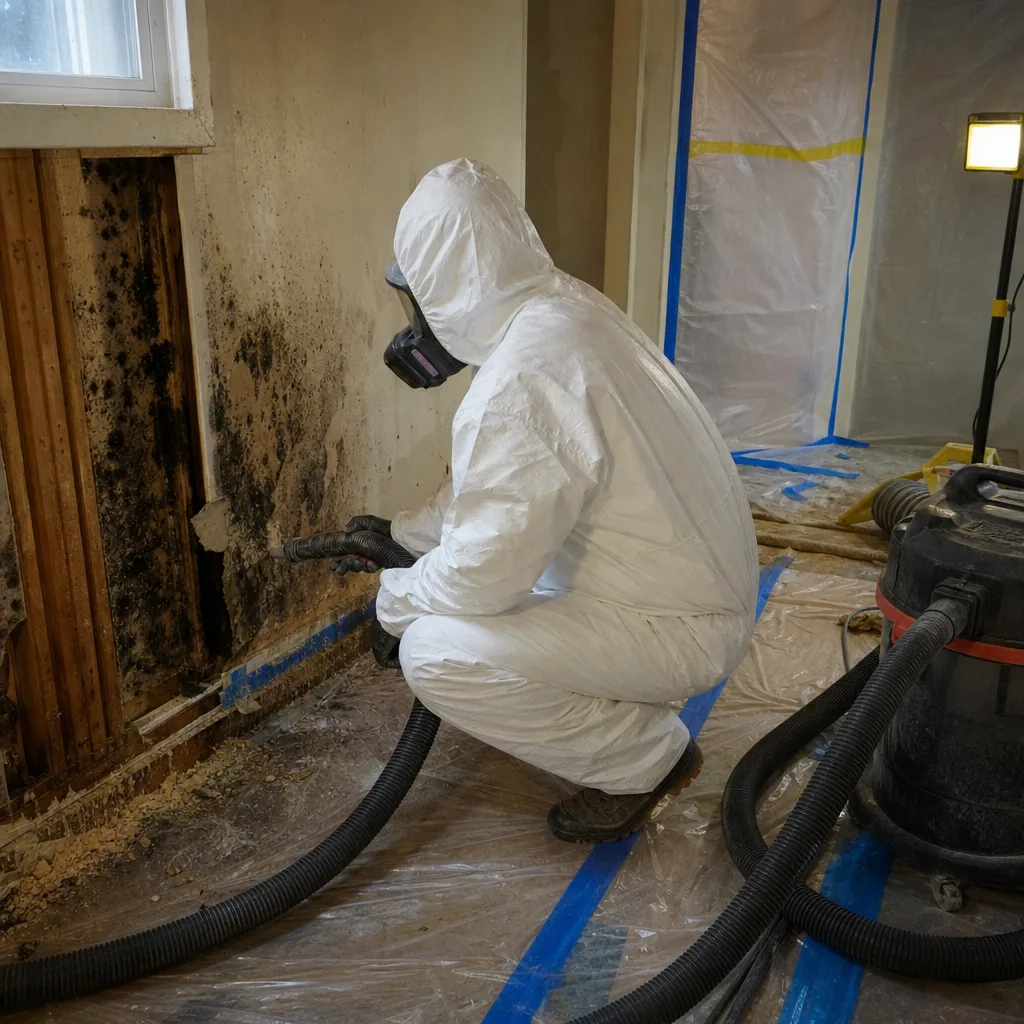
Use this checklist seasonally, and log any positive findings with the documentation process above.
Basement / Foundation
- Efflorescence on block walls, especially after rain
- Water at slab-wall joints, or a water line on the wall indicating past flooding depth
- Rust on metal lally columns or fasteners, indicating chronic moisture
- Sump pump cycling frequency changes
- Floor drain backups or slow drainage
- Musty odor that persists 48 hours after running a dehumidifier
Kitchen
- Discoloration or softening at sink cabinet base
- Dishwasher drain hose stiffness or cracking at connections
- Refrigerator icemaker supply line kinking or moisture at the valve
- Range hood duct moisture or grease buildup that obstructs airflow
Bathrooms
- Grout cracking or caulking failure at tub/shower enclosures
- Toilet base movement or wax ring leakage (stains on floor, not just water)
- Exhaust fan duct termination: should vent outside, not into attic or soffit
- Under-sink trap corrosion or slow leaks
Attic / Roof Space
- Insulation compression or staining, indicating roof leak path
- Exhaust duct terminations that discharge into attic space
- Daylight visible through roof decking (except at intentional vents)
- Frost on nails or sheathing in winter, indicating moisture migration from below
Living Spaces
- Window condensation patterns that follow frames, not glass (indicates air leakage, not just humidity)
- Baseboard staining or swelling, especially on exterior walls
- Electrical outlet or switch plate discoloration
- Floorboard cupping (edges raised, center lower) versus crowning (center raised) - cupping indicates moisture from below, crowning from above
Common Mistakes to Avoid
- Waiting for visible mold before acting. Mold is a lagging indicator. By the time it’s visible, the moisture problem has typically been active for 7-14 days. Document at the first moisture reading above 60% RH, not when you see spores.
- Cleaning efflorescence without photographing it first. The pattern, location, and thickness of efflorescence deposits help identify the water source and establish duration. A wire-brushed wall is evidence destroyed.
- Assuming shared-wall damage is your neighbor’s problem. In Flushing rowhouses, moisture migration through party walls creates liability and coverage disputes that can stall repairs for months. Document your side independently, regardless of where the source appears to be.
- Using bleach on mold without documenting the area first. Bleach can fix surface appearance while driving moisture deeper into porous materials. It also destroys the visible evidence adjusters use to scope remediation. Photograph, measure, then decide on treatment.
- Ignoring seasonal patterns. A stain that appears every March and disappears by June is not “not a problem.” It’s a predictable moisture event with a cause that can be identified and fixed. Document the cycle with dates.
- Throwing away failed materials. The failed washing machine hose, the cracked toilet flange, the corroded pipe fitting - these are physical evidence of the failure mode. Insurers and adjusters examine them. Photograph them in place, then retain them if possible.
- Accepting verbal assurances about coverage. A contractor who says “insurance will cover this” without reviewing your policy, or an adjuster who says “this looks like maintenance” without moisture data, is speculating. Haven Standard, Clause 1: a written price before work begins. The same standard applies to coverage determinations - get them in writing.
When to Call a Professional
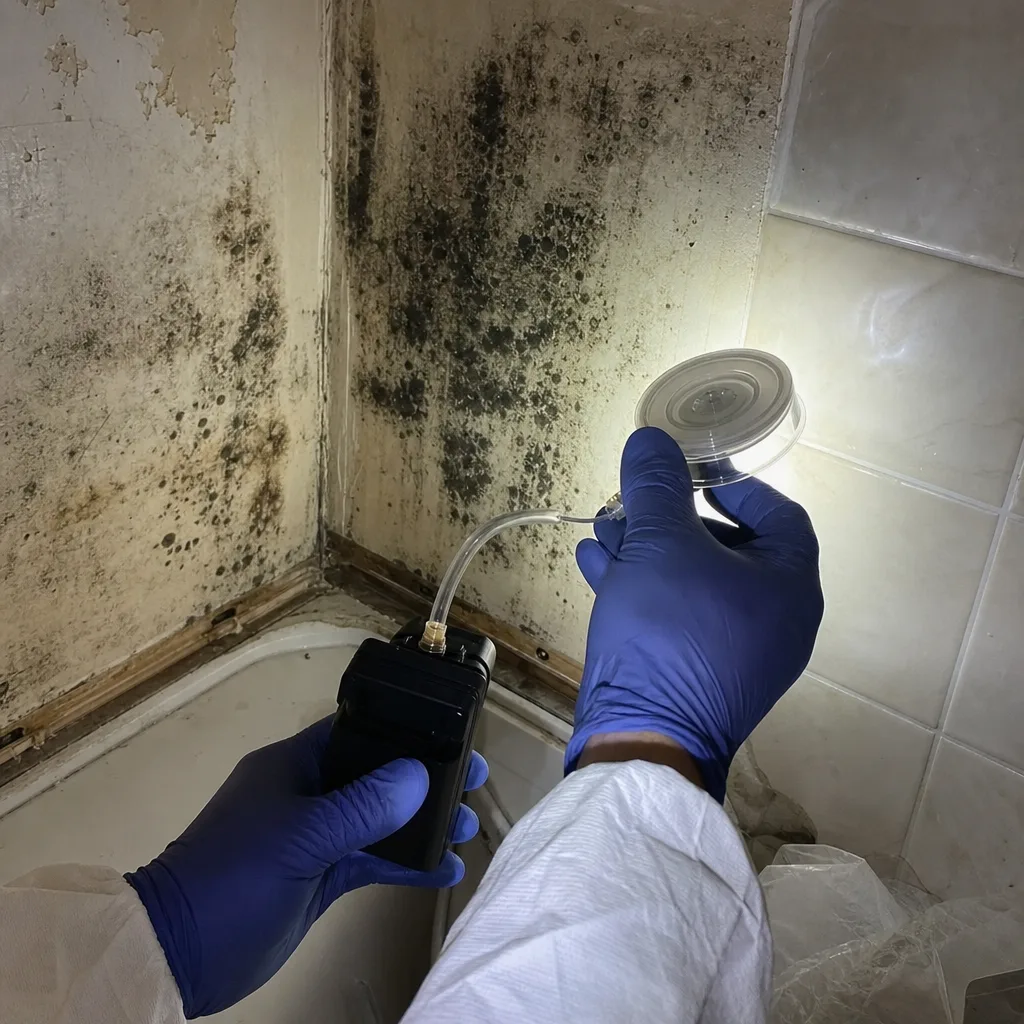
Call when moisture readings exceed actionable thresholds and you cannot identify and stop the source within 24 hours. Call when warning signs appear in mechanical systems you cannot safely access. Call when damage involves Fire & Smoke Damage Restoration in Flushing or sewage contamination, where health hazards exceed homeowner management.
Most critically, call before the documentation burden shifts against you. A professional restoration company should arrive with moisture meters, thermal imaging, and a process for logging readings that matches or exceeds what you’ve started. Our How to Hire a Damage Restoration Contractor in Flushing: A Step-by-Step Guide covers what to verify before signing. They should provide a written scope and price before work begins, and they should coordinate directly with your insurer using the documentation you’ve collected.
DryMark Restoration Flushing offers free estimates in Flushing - call (516) 386-9007. Every estimate includes moisture mapping, a photo record, and a written scope under The Haven Standard. If you have a competitor’s estimate, we’ll review it at no charge under our Free Second Opinion policy.
Frequently Asked Questions
A pinless moisture meter with a 0-35% wood scale and a 0-6% masonry scale is sufficient for documentation. Look for models that display both relative humidity and temperature, which let you calculate dew point. Expect to spend $25-$45. Calibrate it annually against a known dry sample. Call (516) 386-9007 if you need help interpreting readings - estimates are free.
Coverage depends on whether the damage was sudden and accidental versus gradual. Warning signs you documented contemporaneously can actually support your claim by establishing when the sudden event occurred. Warning signs you noticed but didn’t document may be used to argue the damage was long-term. The key is the record, not the speed of the call. For a review of your specific situation, call (516) 386-9007.
Live phone coverage is available 24 hours a day, 7 days a week with no voicemail on emergency lines. For active water damage with moisture readings above 20% WMC or visible flowing water, we dispatch for same-day assessment. Reconstruction and non-emergency remediation are scheduled after written scope approval. Call (516) 386-9007 to confirm current availability.
Visible mold on a non-porous surface (tile, metal, glass) can often be cleaned with appropriate PPE and antimicrobial. Visible mold on porous materials (drywall, insulation, carpet, unfinished wood) typically requires professional remediation because hyphae penetrate the material and surface cleaning leaves viable mold structure behind. The deciding factor is the moisture source: if you haven’t fixed the source, cleaning is temporary. We offer free assessments to determine scope - call (516) 386-9007.
Efflorescence is white, crystalline, and wipes to a powder. It’s mineral salt from water moving through masonry. Mold is typically green, black, or brown, and smudges rather than powders. Efflorescence indicates hydrostatic pressure and water intrusion; mold indicates sustained moisture that supports biological growth. Both require different remediation approaches, and both should be documented before cleaning. If you’re uncertain which you’re seeing, photograph it and call (516) 386-9007 for identification.
Yes. We provide direct adjuster coordination as part of our standard process, including photo documentation, daily drying logs, and written scopes formatted for claims review. Our documentation is built to IICRC and RIA standards that insurers recognize. This was the founding purpose of the company in 2011, and it remains central to every job we perform.
The Haven Standard is the operating framework Back to Dry Restoration has used since 2011, adapted for DryMark Restoration Flushing. It includes: Clause 1, written price before work begins with no scope-creep additions; documented photo record on every visit; daily moisture logs; and the 365-Day Done Right Promise. These are not marketing claims. They are contractual commitments signed on every job. For details specific to your project, call (516) 386-9007.
The Bottom Line
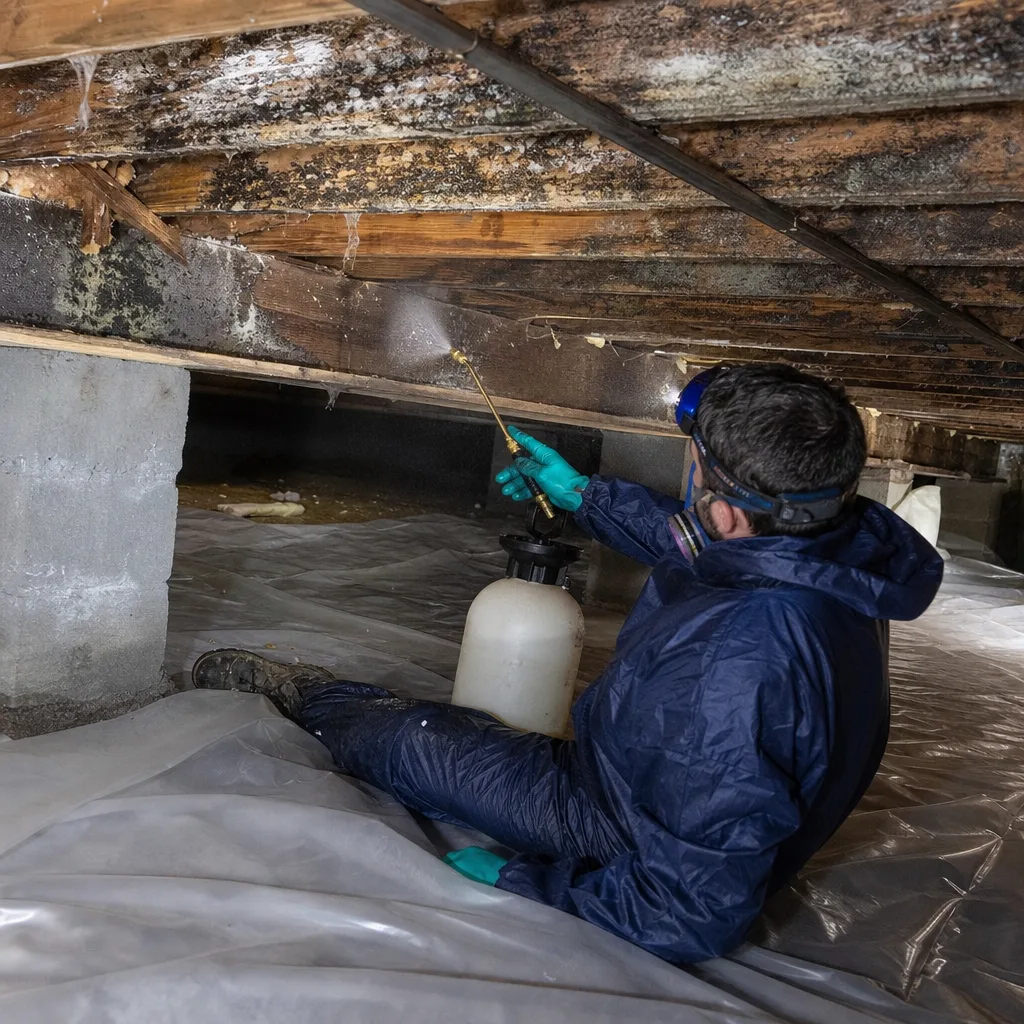
Warning signs are information, and information is only valuable when it’s preserved. The Flushing homeowner who photographs a ceiling stain, logs a moisture reading of 67% RH, and emails the record to themselves has done more to protect their claim than most people manage with a dozen contractor calls. The numbers in this guide - 60% RH, 16% WMC, 0.5 inches Hg vapor pressure differential - are the thresholds where observation turns to action. The documentation process - photograph, measure, log, timestamp, repeat - is the bridge between noticing a problem and proving it to an insurer. Every restoration company can dry a structure. The question is whether they can produce the documentation that gets it paid. That’s the gap we built this company to close.
Written by Alicia Brennan, Owner at DryMark Restoration Flushing, serving Flushing since 2011.