
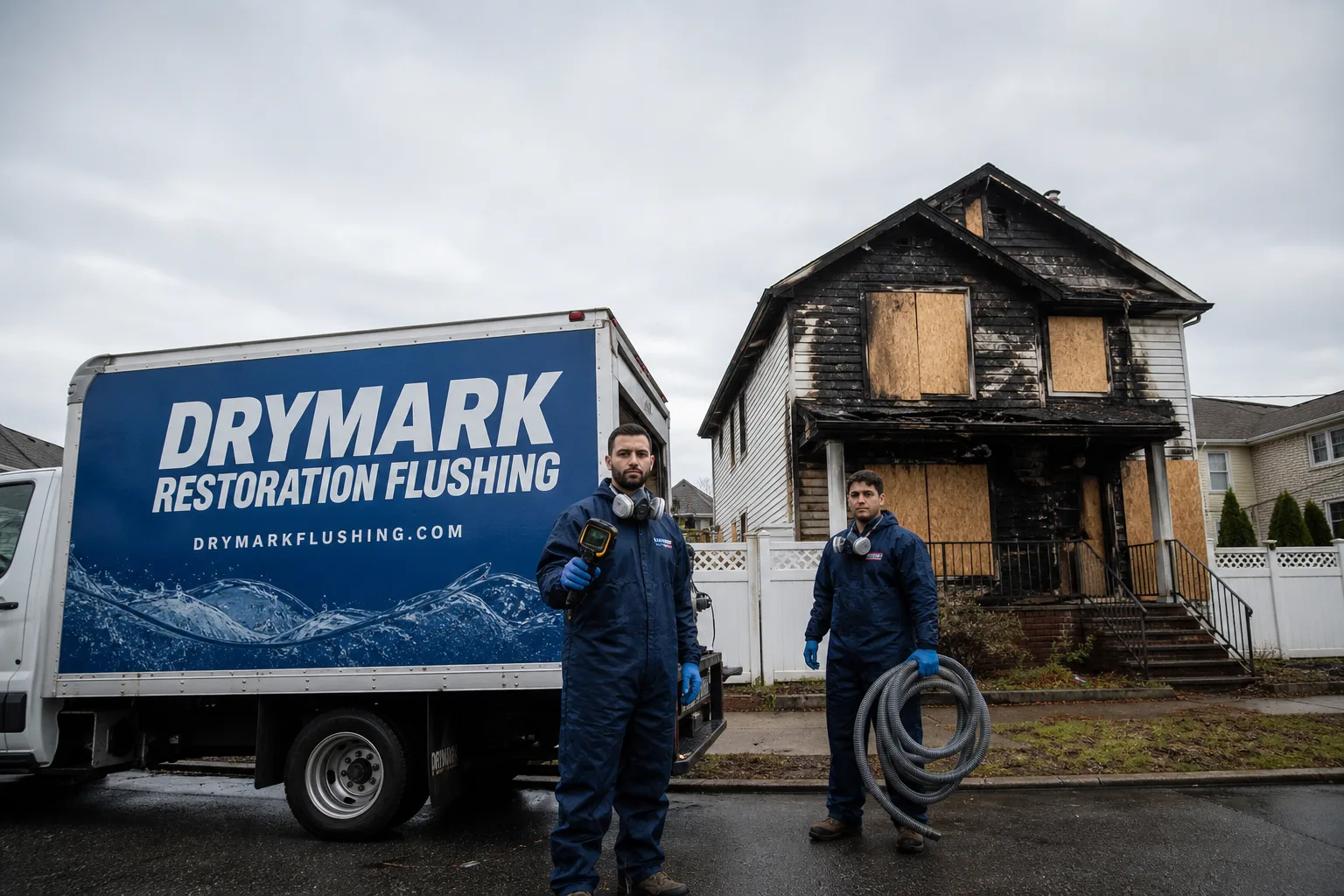
Free visual inspection and a written scope of work before any mitigation begins - photos, moisture readings, and drying logs go in your claim file
The scope we write is the scope we bill. Anything new gets shown to you, in writing, before we touch it.
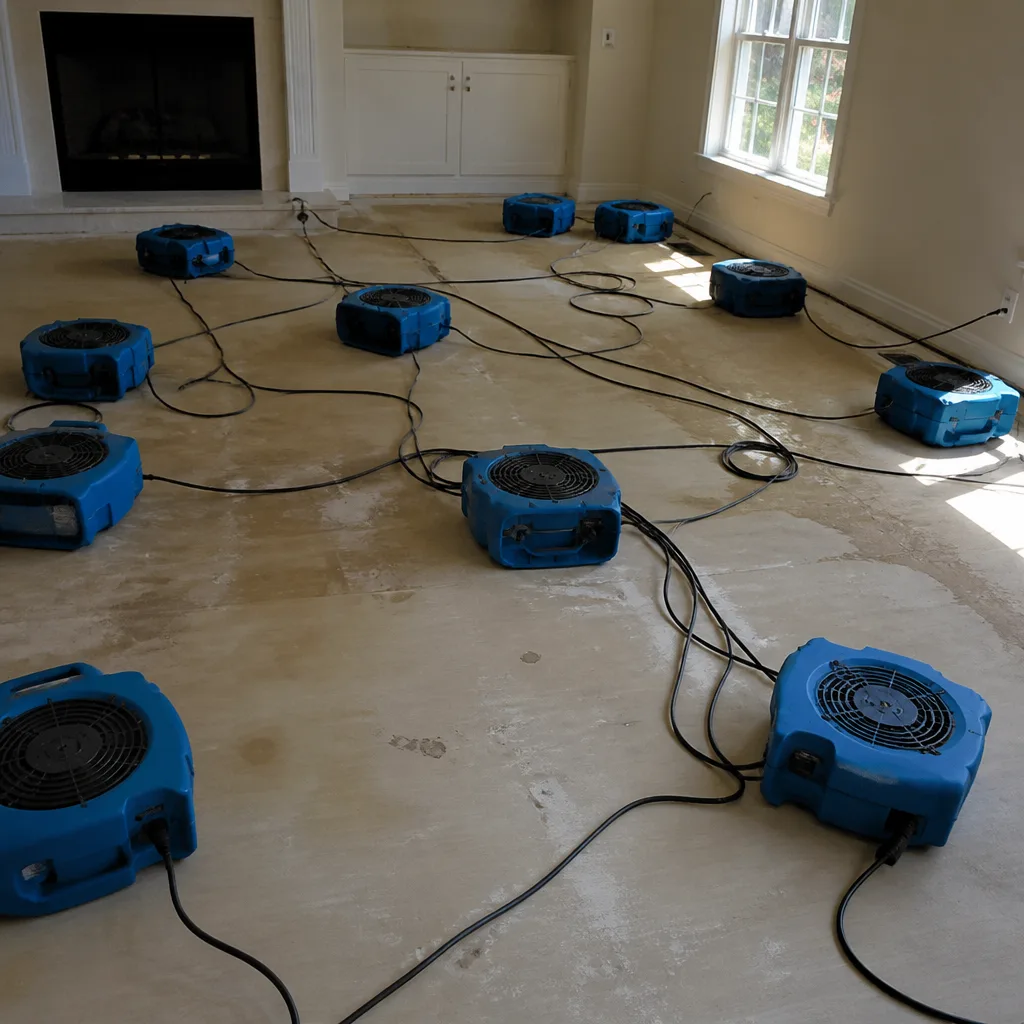
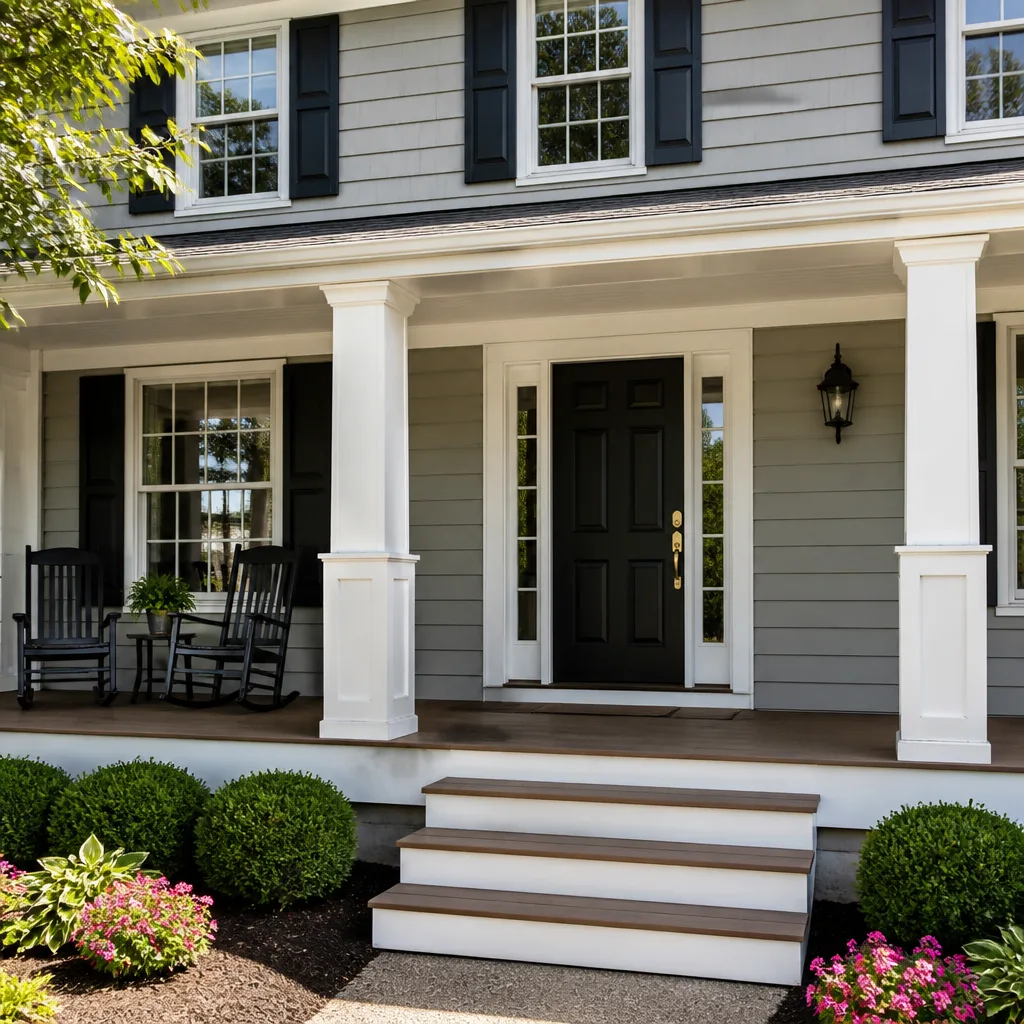
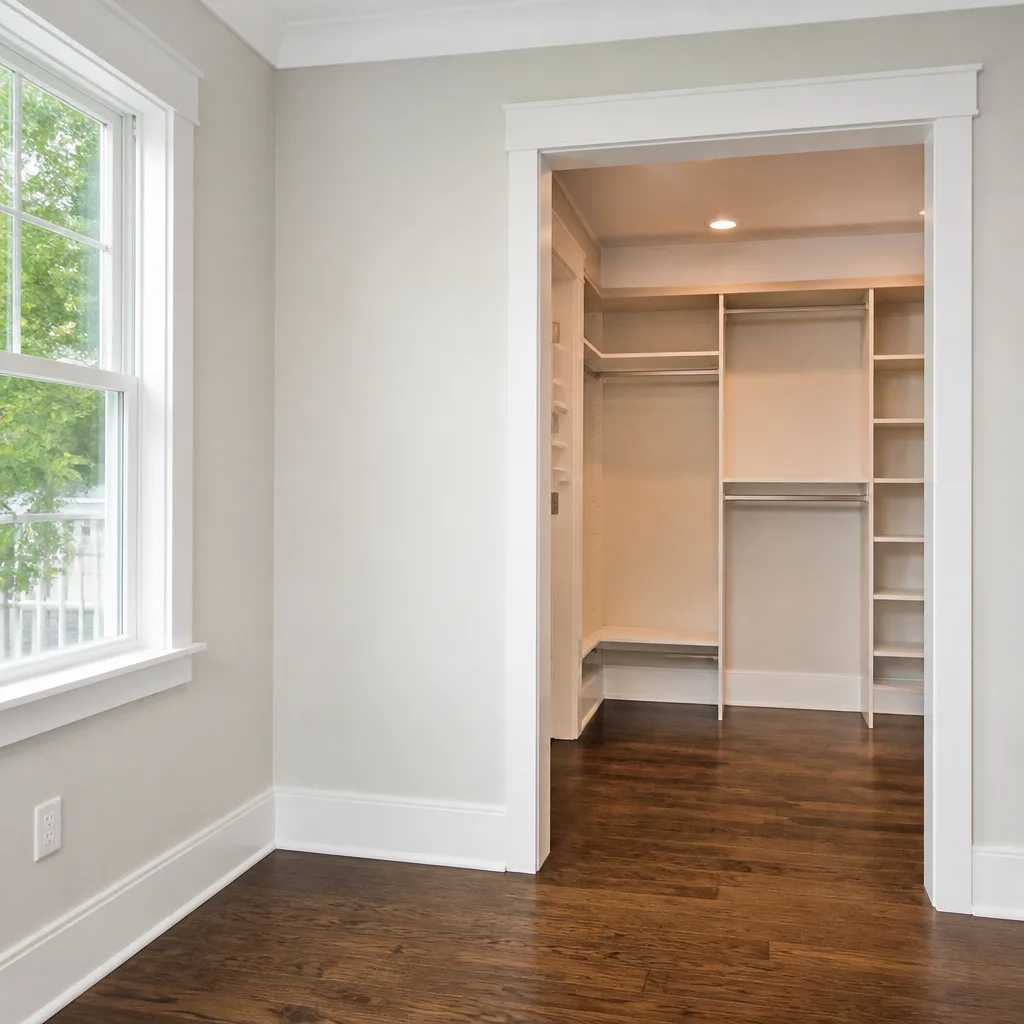
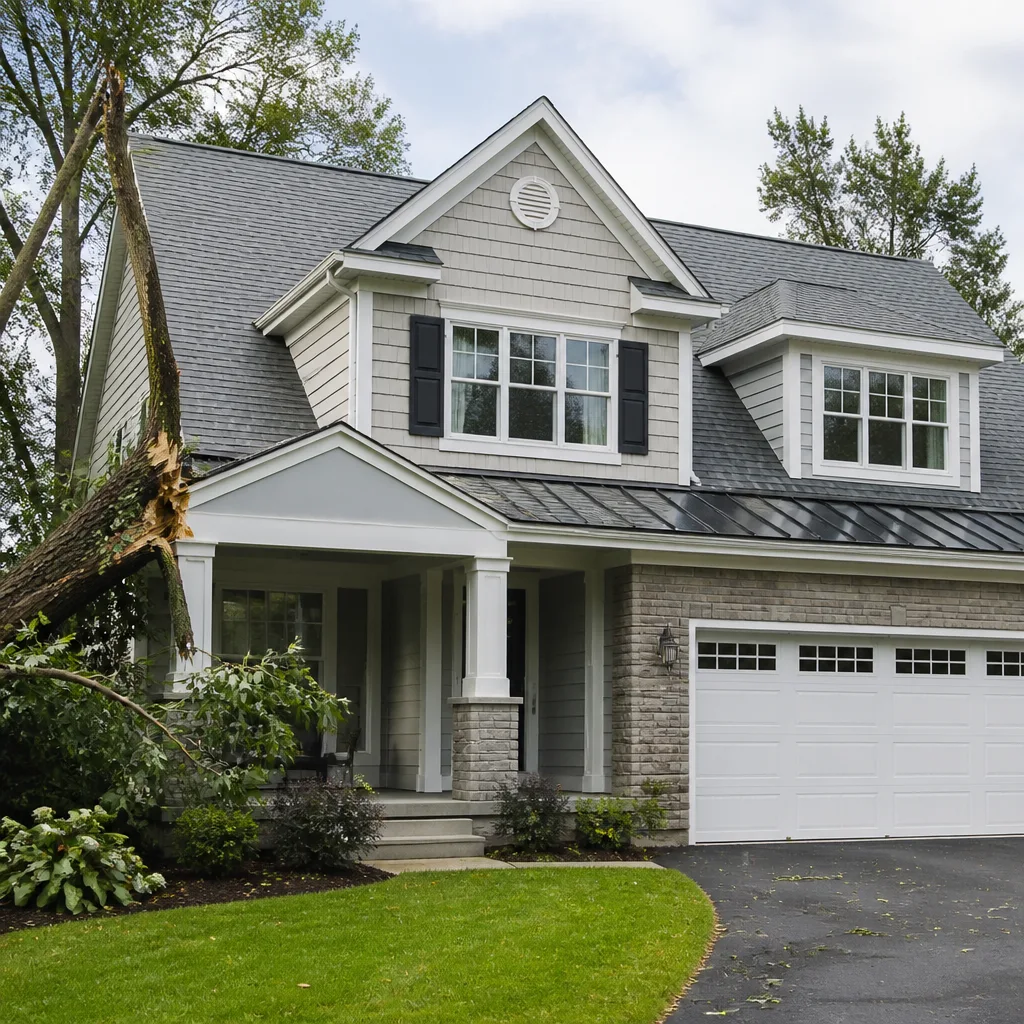
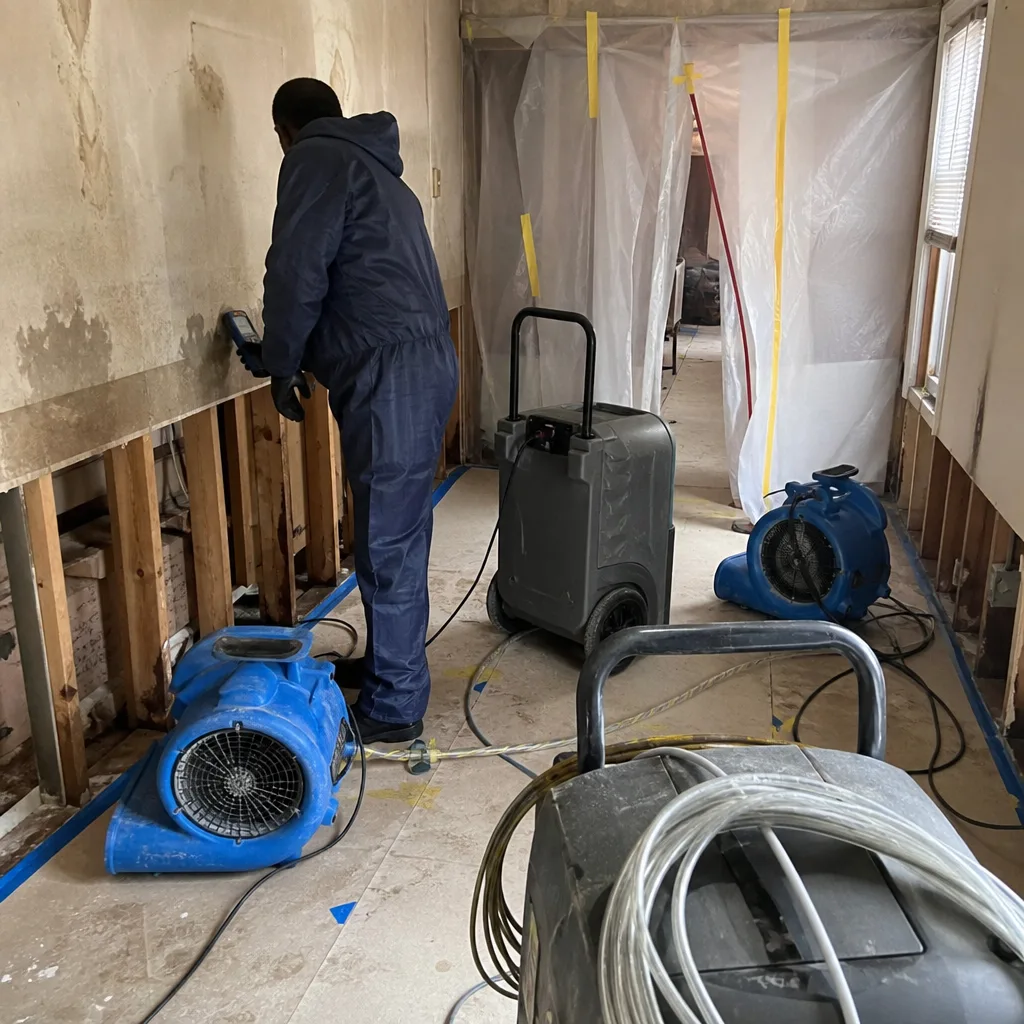 Before
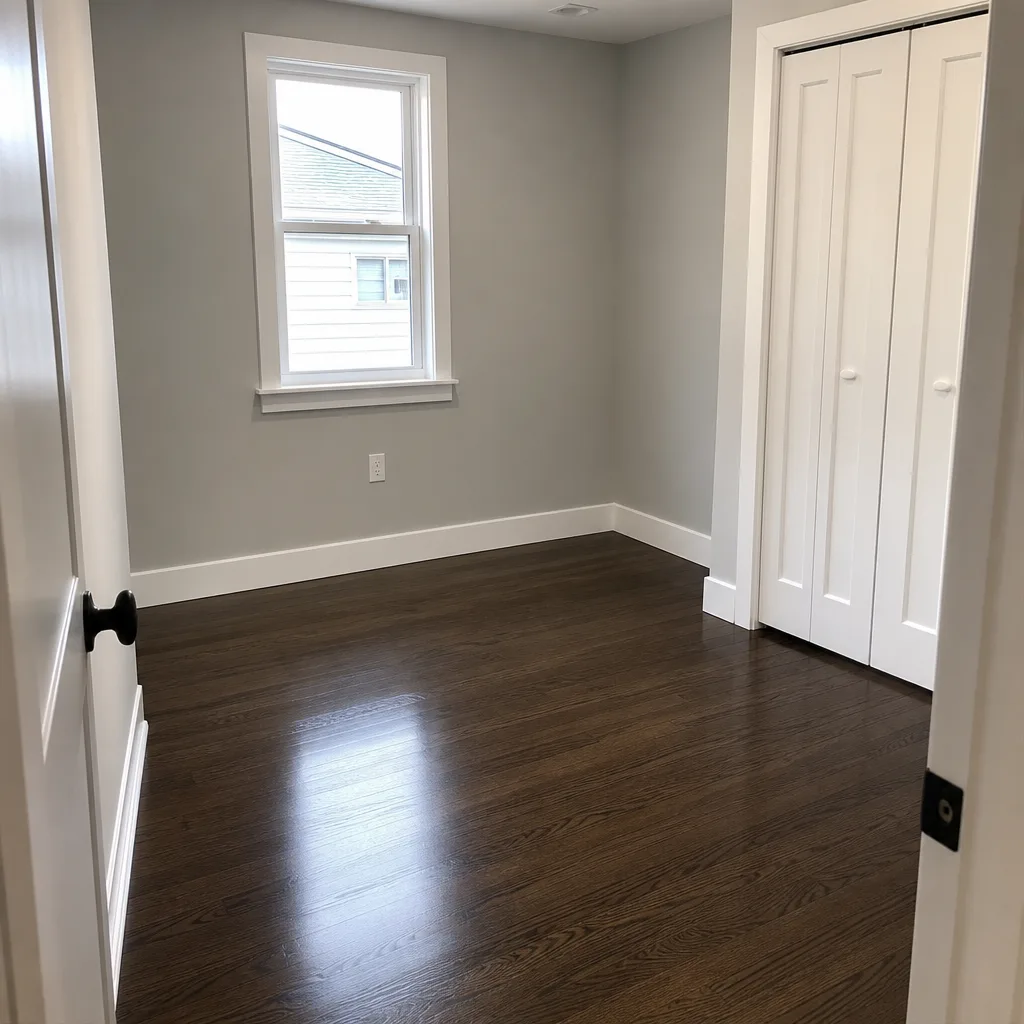 After
After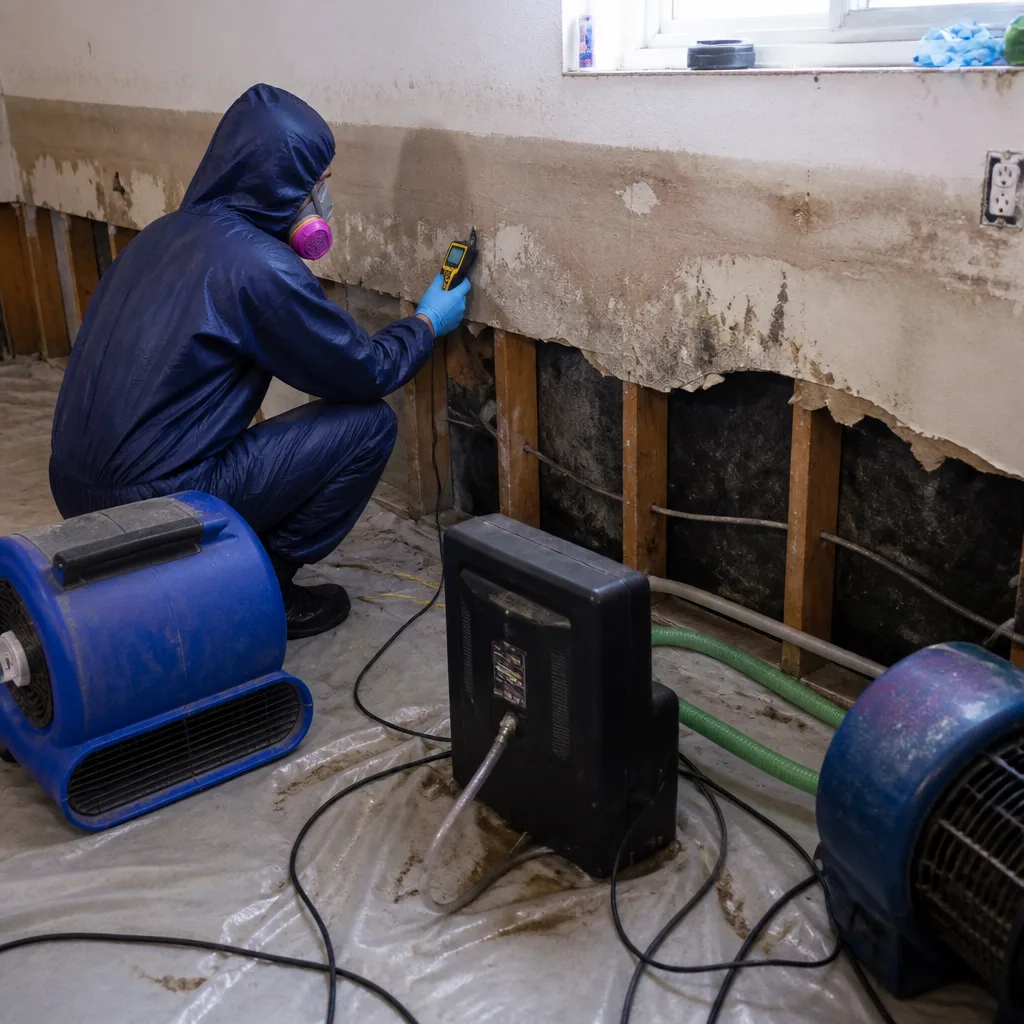 Before
 After
After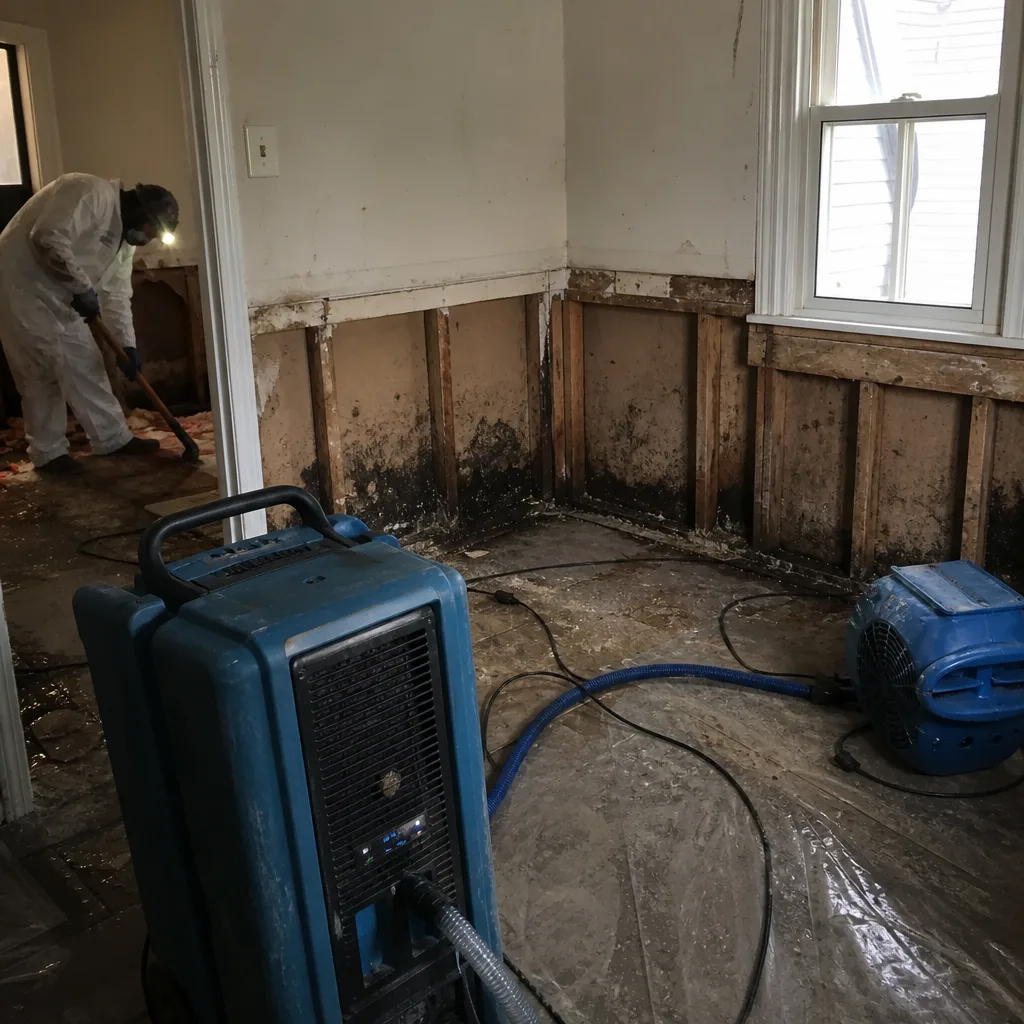 Before
 After
AfterFast, Reliable Mold Remediation Across Rego Park
Mold remediation in Rego Park typically runs $1,800-$4,500 for a standard co-op unit, with full-building stack treatments reaching $8,000-$15,000 when multiple floors share a compromised pipe chase. Most Rego Park jobs require 3-5 business days from containment setup to clearance testing, though the superintendent-first access protocol can add 24-48 hours before work legally begins. Call (516) 386-9007 for a written estimate before any work starts.
We know Rego Park’s buildings. Our crews have worked the 1940s-1960s co-op towers along Queens Boulevard, the brick stacks near 63rd Drive, and the attached row homes on the side streets off Yellowstone Boulevard. We understand that a leak in one unit here rarely stays in one unit. Water moves vertically through shared pipe chases, mechanical rooms, and the gaps between cast-iron drain stacks and aging brick. That means mold spreads before residents smell it, and remediation requires coordination with building management, not just the unit owner.
Our Mold Remediation team dispatches from our New York City office and carries the documentation protocols that co-op boards, managing agents, and HO-6 carriers expect. Every job starts with a written price. Every visit produces a photo record. Every drying log is formatted for direct adjuster review.
Why DryMark Restoration Flushing Is Rego Park’s Preferred Mold Remediation Company
We’ve restored properties in Rego Park since 2011, and the pattern is consistent: the buildings that look most solid from the sidewalk, the mid-century brick co-ops with their uniform facades and mature landscaping, hide the most complex moisture problems. Original cast-iron drains. Galvanized supply lines nearing failure. Steam condensate returns running through exterior walls that freeze, burst, and re-wet lower floors weeks after the initial event.
Our reviews from Rego Park customers consistently cite two things: the written price that didn’t change, and the documentation that got their claim paid. We maintain a strong local reputation in Queens for exactly that reason. Our response time to Rego Park is typically under 90 minutes for emergency calls, but we tell every co-op caller the same thing: call your superintendent first, then call us. The 24-48 hour access delay while the managing agent approves scope is the single biggest driver of inflated mold claims in this neighborhood, and crews who don’t know that routine burn time and money while mold colonizes shared framing.
We don’t sell urgency. We sell evidence: moisture readings, photo records, drying logs, and a written scope signed before anyone opens a wall.
Our Mold Remediation Services in Rego Park
Mold Inspection & Testing
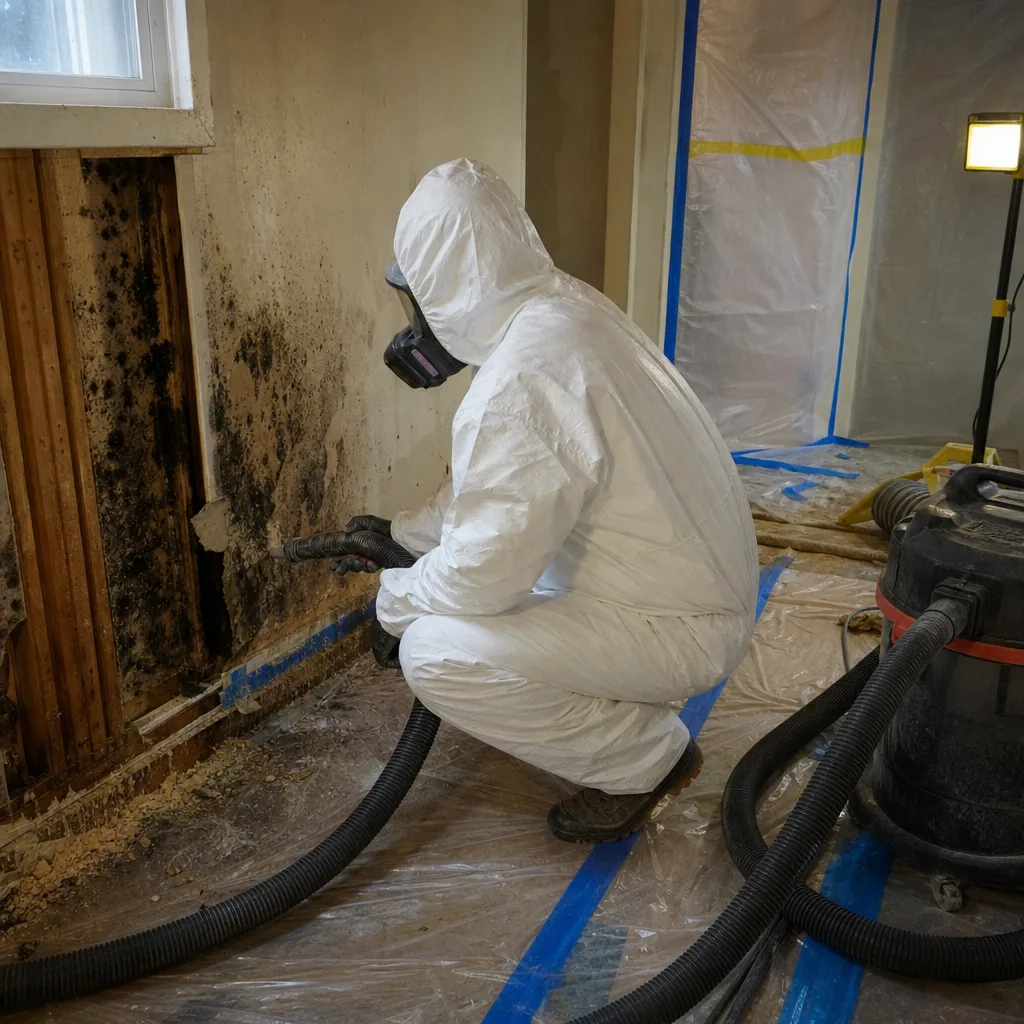
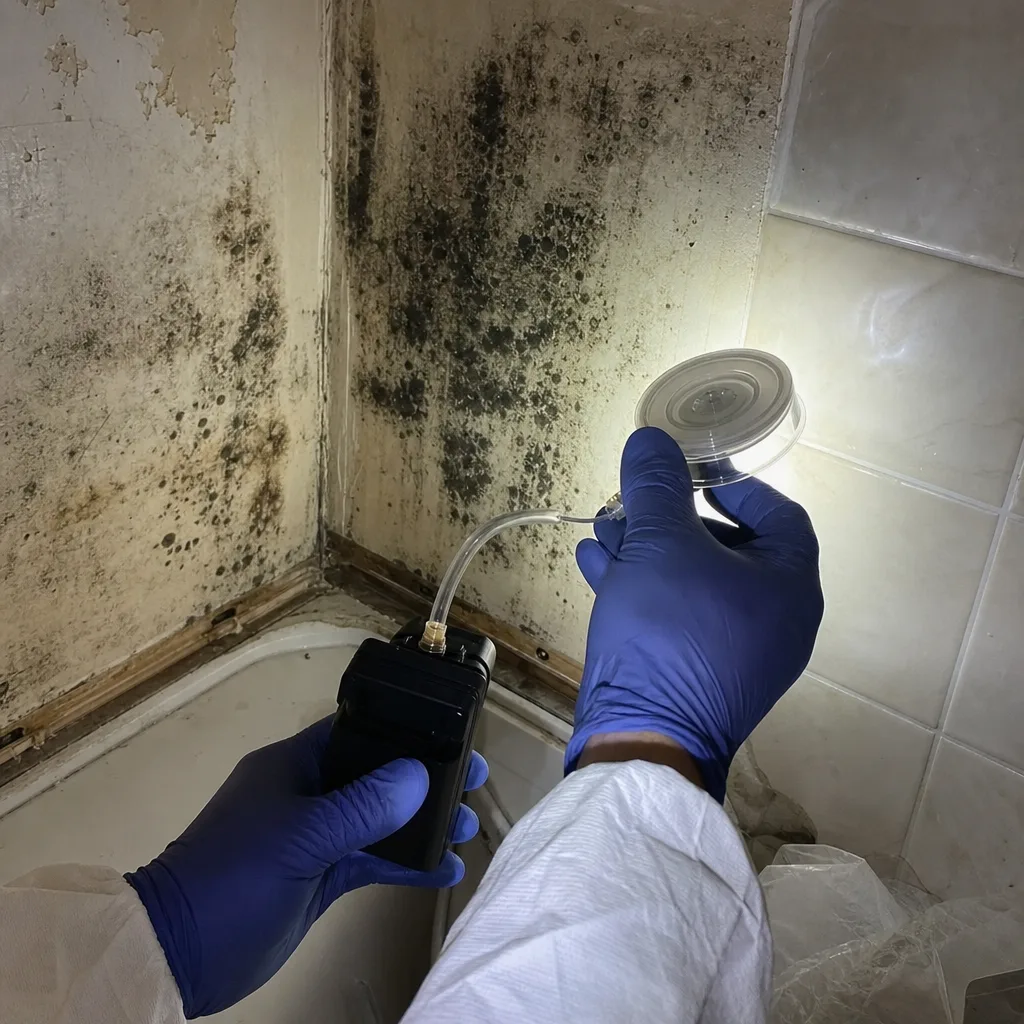
A proper mold inspection in Rego Park starts with understanding the building type. In a 1960s co-op tower, we don’t just test the visible wall; we map moisture migration through the shared pipe chase, check the mechanical room for condensate accumulation, and sample the air in stacked units because mold spores travel vertically through these structures faster than horizontally. Our inspectors carry moisture meters, thermal imaging, and air sampling equipment calibrated to IICRC standards. We document pre-loss condition in every room, photograph all visible mold, and deliver a written scope with line-item pricing before any remediation begins. Haven Standard, Clause 1.
Mold Removal
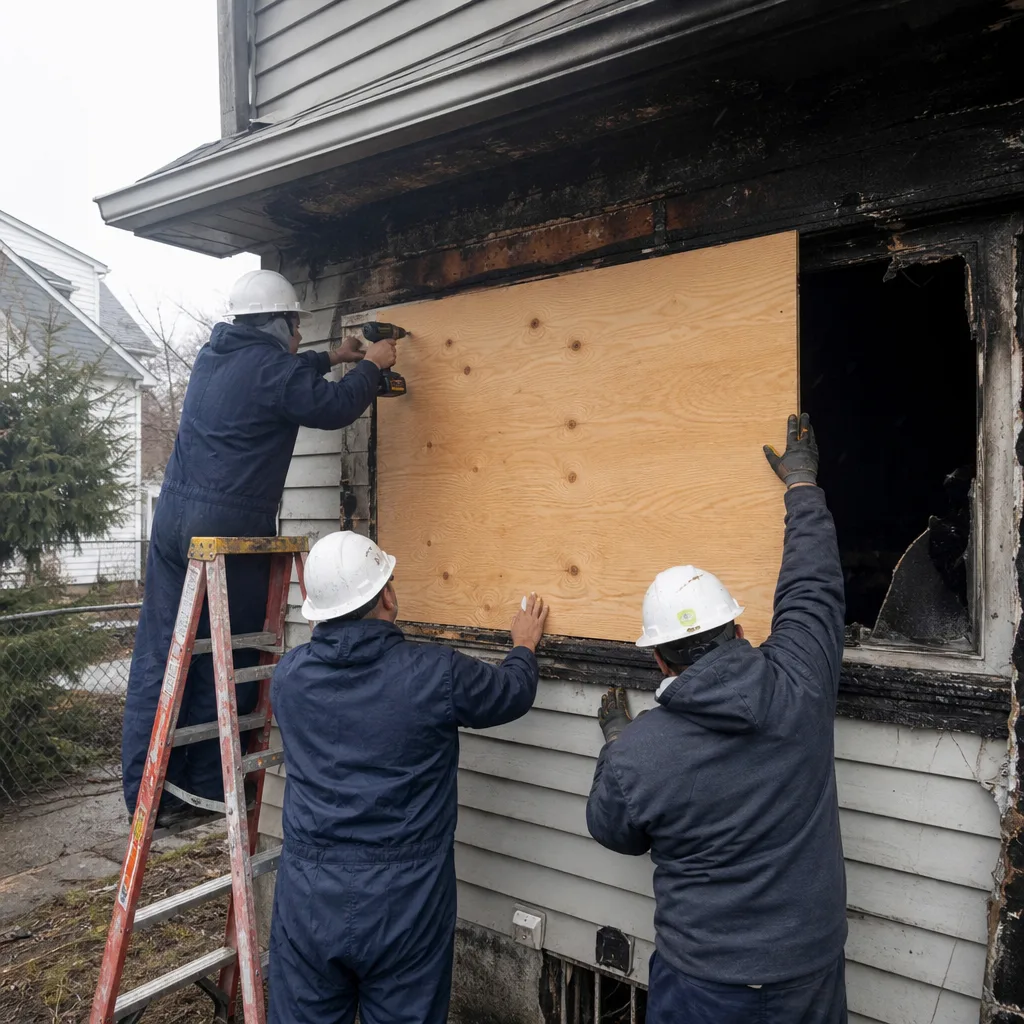
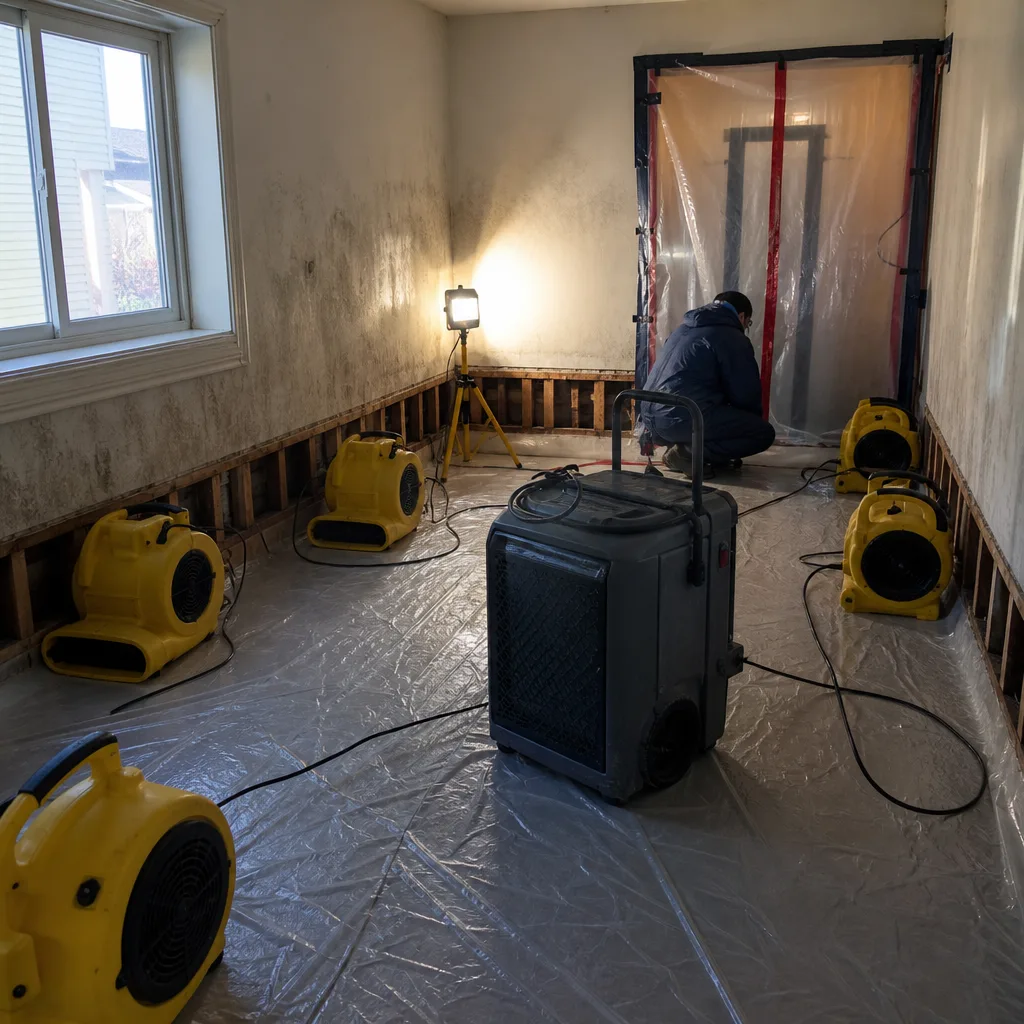
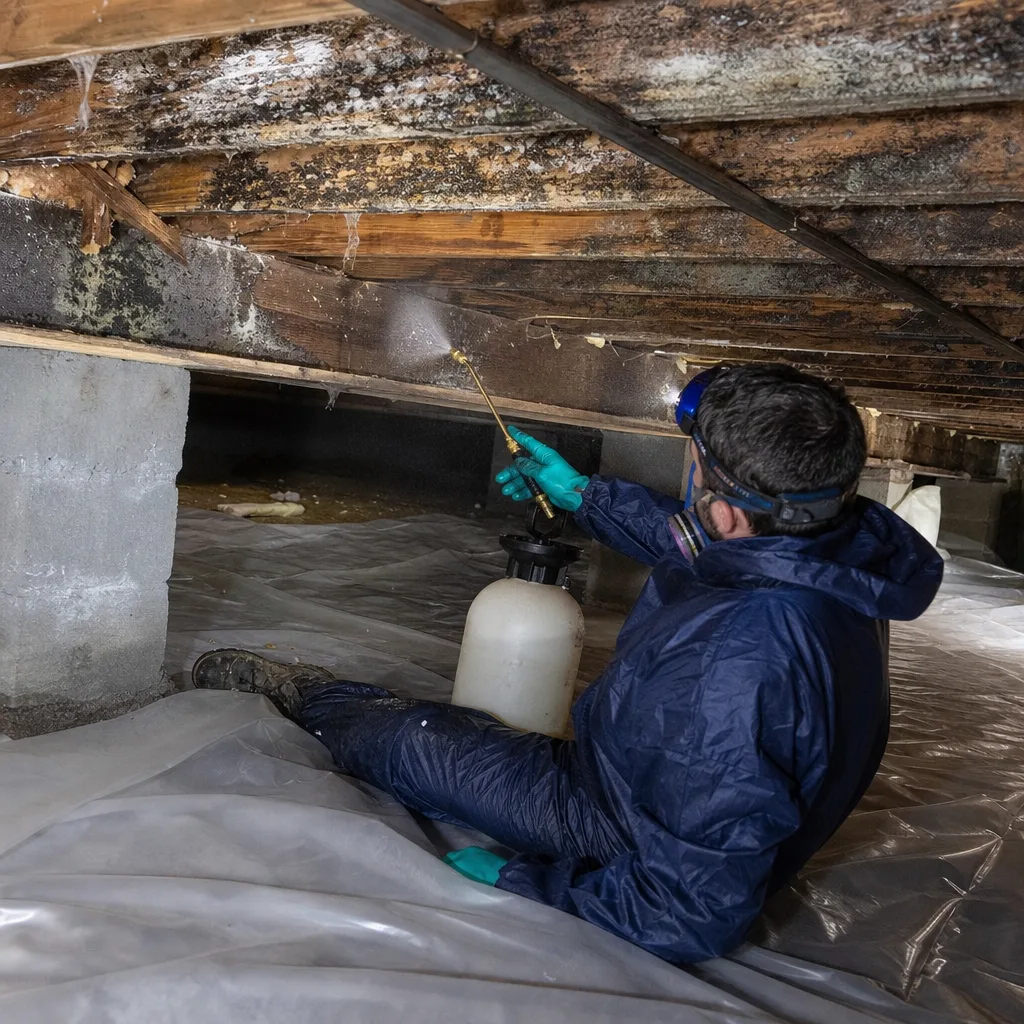
Mold removal in Rego Park’s dense housing stock demands containment discipline. A single compromised unit in a 12-story co-op can affect neighbors above, below, and across the hall if negative air pressure isn’t maintained and HEPA filtration isn’t continuous. Our crews seal work areas with 6-mil poly, run air scrubbers on the containment perimeter, and remove contaminated materials bagged and sealed for proper disposal. We treat the studs with antimicrobial agents rated for porous surfaces, then verify dryness with psychrometric data, daily moisture logs that track vapor pressure differential, until readings confirm the structure is dry enough to prevent recurrence.
Black Mold Remediation
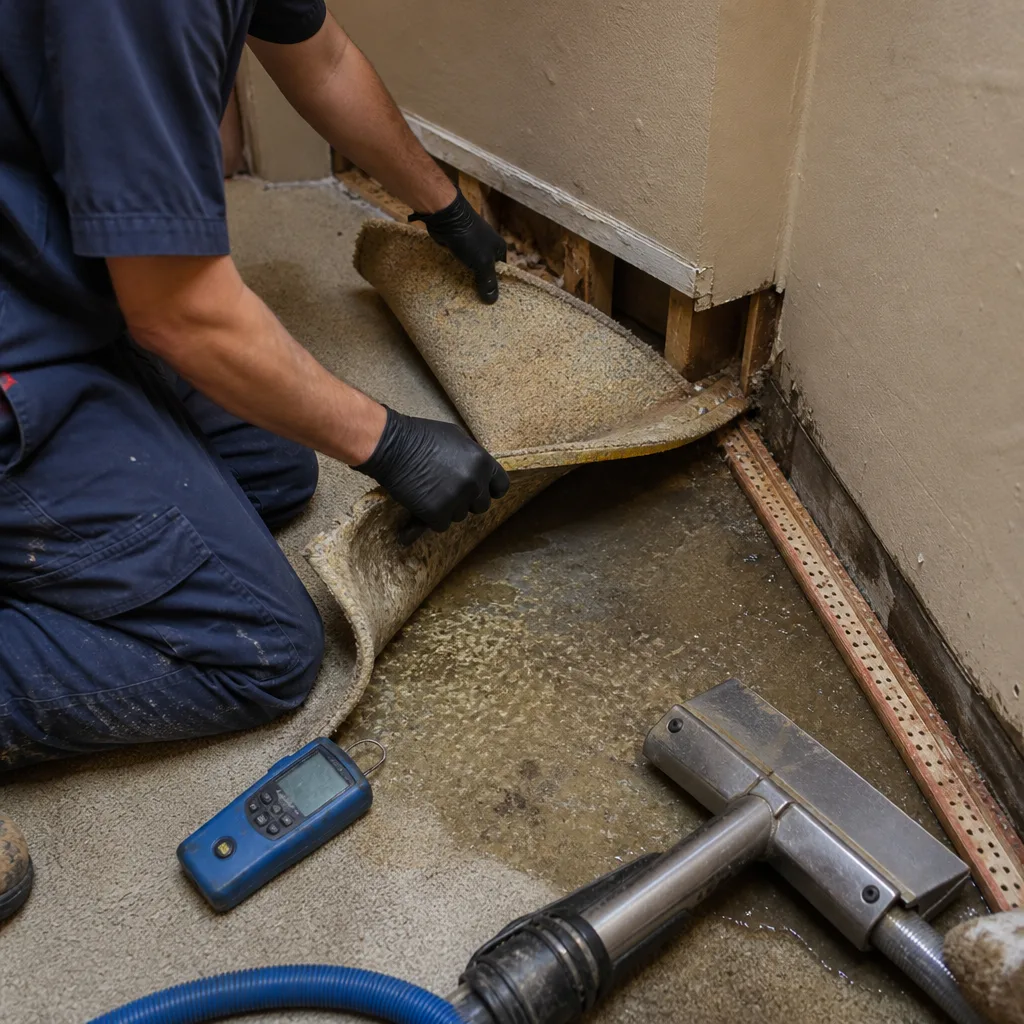
Stachybotrys chartarum, the black mold that colonizes water-damaged cellulose, thrives in Rego Park’s lower-floor units and basements where summer humidity meets winter pipe bursts. These spaces in mid-century co-ops rarely have modern vapor barriers, and the brick exterior walls wick groundwater during heavy rains. Black mold remediation here requires full containment, personal protective equipment for technicians, and aggressive air filtration because spore counts in these dense buildings can affect common hallways and ventilation systems. We don’t paint over it. We remove the contaminated substrate, treat the framing, and hold the clearance until third-party lab results confirm safe levels.
Air Quality Restoration
After mold removal, air quality restoration in Rego Park means more than running a fan. We calculate air changes per hour for the unit volume, deploy HEPA-negative air machines sized to the space, and run post-remediation verification sampling that compares spore counts to outdoor baseline levels. In co-op buildings with shared HVAC returns, we coordinate with the building engineer to inspect and clean common ductwork if cross-contamination is suspected. The documentation goes to the managing agent, the unit owner’s HO-6 carrier, and the building’s master policy if the loss originated in common elements.
Moisture & Humidity Control
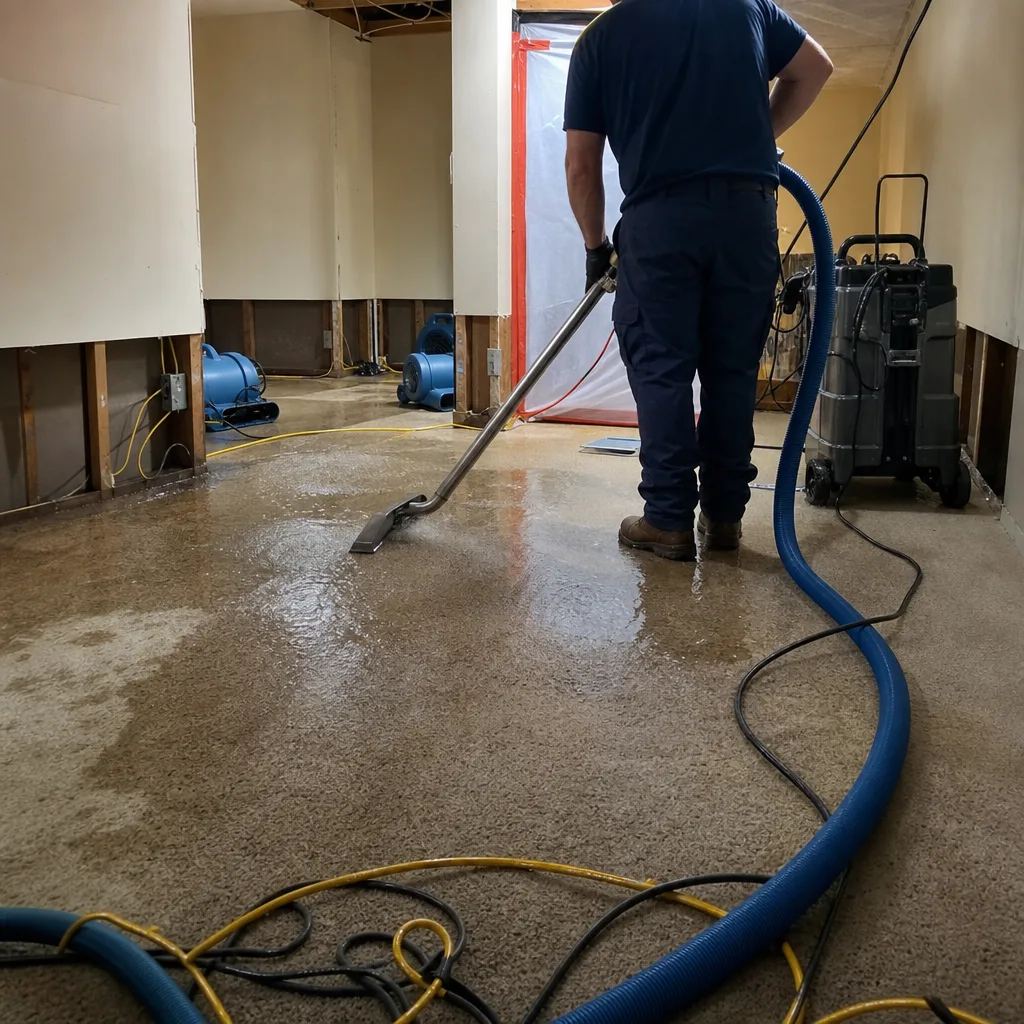
Rego Park’s steam-heated apartment buildings create a unique humidity profile. Winter heating dries the upper floors while condensate from failing returns saturates lower walls. Summer brings the opposite problem: humidity penetrates the unsealed brick, and air conditioning in individual units creates cold surfaces where moisture condenses. Our moisture and humidity control programs start with identifying the source, whether it’s a active leak or a seasonal vapor drive problem. We install temporary or permanent dehumidification, recommend ventilation improvements, and provide the drying logs that prove the structure was returned to pre-loss equilibrium.
What happens when you call
- 1
A real person answersNo phone trees - you reach a local pro.
- 2
You get an upfront price rangeHonest numbers before anyone is dispatched.
- 3
A background-checked tech heads outLicensed & insured, dispatched right away.
- 4
You approve before work beginsNothing starts until you say go.
BeforeAfterTrusted Brands We Service in Rego Park
Our equipment inventory includes professional-grade drying systems from B-Air and Injectidry, deployed specifically for the tight clearances and shared-wall construction common in Rego Park’s co-op buildings. Injectidry’s interwall drying system allows us to dry cavities without removing intact drywall in adjacent units, a critical advantage when managing-agent approval limits demolition scope. We document all equipment placement, run-time hours, and psychrometric readings to IICRC, RIA, and IFA standards. This documentation turns restoration invoices into payable insurance claims because adjusters can verify that every dollar was spent on measurable drying, not guesswork.
Common Mold Remediation Problems We See in Rego Park Homes
- Freeze-thaw pipe bursts in steam-heated co-op stacks. Queens’ winters damage Rego Park’s older buildings where condensate return lines and supply pipes run near exterior brick walls. When they burst, water floods multiple floors before residents notice, and by the time the super grants access, mold has colonized the pipe chase framing.
- Shared pipe chases left sealed during access delays. Restoration work legally cannot start until the co-op board or managing agent grants access. Experienced local crews know to call the building superintendent first. Crews who don’t leave wet cavities sealed for 24-48 hours while mold spreads through shared framing.
- Single-unit treatment ignoring vertical migration. Treating one apartment in isolation and skipping the shared chase means moisture readings in the unit below and the basement still show elevated relative humidity after the visible work is done. We map the full vertical stack before we scope any individual unit.
- Re-wetting from exterior-brick-wall supply lines. The same freeze-thaw cycle that causes the initial burst can damage supply lines in steam-heated co-op stacks, re-wetting lower floors long after the visible remediation is complete. Our inspections include the full riser, not just the reported damage zone.
Pricing for Mold Remediation in Rego Park, NY
| Service | Typical Range in Rego Park |
|---|---|
| Mold inspection & testing (single co-op unit) | $350-$650 |
| Containment setup & HEPA air scrubbing (per day) | $200-$400 |
| Mold removal & antimicrobial treatment (per affected room) | $800-$1,800 |
| Full co-op unit remediation (studio-2BR) | $1,800-$4,500 |
| Multi-unit stack treatment (shared pipe chase, 2-3 units) | $5,500-$9,500 |
| Full-building mechanical room & chase remediation | $8,000-$15,000 |
| Post-remediation air quality testing & clearance | $400-$750 |
What moves a Rego Park job toward the higher end: multiple affected floors in a shared chase, asbestos-containing materials requiring abatement coordination, restricted access hours imposed by the co-op board, and the need to coordinate with multiple HO-6 carriers plus the building’s master policy. What keeps costs controlled: superintendent-first access, early moisture mapping that limits demolition scope, and a written price agreed before work begins. Haven Standard, Clause 1. Call (516) 386-9007 for a written estimate - estimates are free, and we provide a Free Second Opinion on any competitor’s written quote.
We Also Serve Cities Near Rego Park
Our crews work throughout central Queens, including Mold Remediation in Rego Park and neighboring Forest Hills, Elmhurst, Middle Village, and Jackson Heights. Each area has distinct building stock and insurance coordination requirements, and we adjust our documentation and access protocols accordingly. Dispatch and scheduling are coordinated from our New York City office.
Serving Rego Park, NY - Our Local Coverage Area
We’re based in the Rego Park area and know this community well. Use the map below to see our service coverage - if you’re nearby, we can almost certainly help.
FAQs - Mold Remediation in Rego Park
The building superintendent first, then the managing agent. Co-op restoration work legally cannot begin until the board or managing agent grants access to shared pipe chases and mechanical rooms, and that approval typically takes 24-48 hours. We call the super immediately upon arrival to start that clock, document the request, and use the waiting period to complete moisture mapping and photo documentation in accessible areas. Call (516) 386-9007 and we’ll walk you through the specific contact protocol for your building.
Mold colonization begins 24-48 hours after water intrusion in Rego Park’s steam-heated buildings, where interior temperatures in winter create ideal incubation conditions. The real accelerator is the shared pipe chase: water migrates vertically through multiple floors while residents focus on the visible puddle in their own unit. By the time the super grants access to the chase, mold has often established in the framing of two or more stacked apartments. Speed matters, but superintendent-first access matters more than truck-roll speed.
Not always. Category 2 water, gray water with potential contamination, requires removal of porous materials that absorbed it, but Injectidry interwall drying systems can often dry intact drywall cavities without demolition if we gain access quickly and the facing paper hasn’t delaminated. The co-op access delay works against this option. We make the call based on moisture meter readings of the drywall core, visible staining, and time elapsed since intrusion, documented in the photo record. Call (516) 386-9007 for an assessment - estimates are free.
A single pipe chase failure can trigger the building’s master policy for common elements, each affected unit’s HO-6 policy for interior finishes and contents, and occasionally a third policy if the leak originated from a specific appliance or contractor work. Our documentation is formatted for direct adjuster coordination: room-by-room moisture readings, photo records with timestamps, and written scopes that separate common-element work from unit-specific work so each carrier can verify their portion. We’ve handled this coordination on over 12,000 homes since 2011.
Often yes, if we catch it before mold penetrates the stud cavity. Rego Park’s lower floors and basements in these dense brick structures suffer seasonal humidity spikes, and surface mold on drywall or block can sometimes be treated with HEPA vacuuming, antimicrobial application, and controlled drying without full demolition. The key is verifying that the interior of the wall is dry with borescope inspection and moisture readings. If mold has colonized the cavity, containment and removal are required. We give you the borescope footage and the readings, then a written price for either approach. Haven Standard, Clause 1.
Written by Alicia Brennan, Owner at Back to Dry Restoration, serving Rego Park since 2011.