
Last updated September 22, 2026
Free visual inspection and a written scope of work before any mitigation begins - photos, moisture readings, and drying logs go in your claim file
The scope we write is the scope we bill. Anything new gets shown to you, in writing, before we touch it.
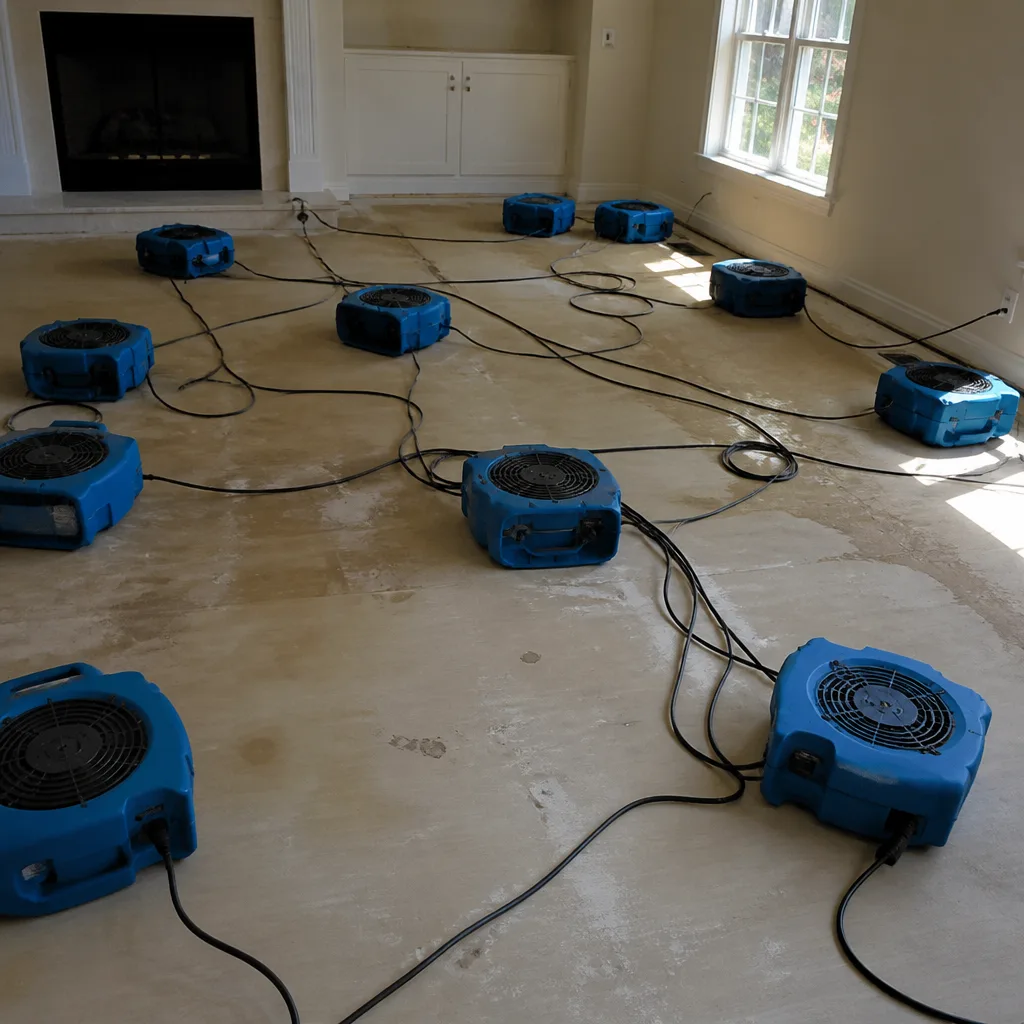
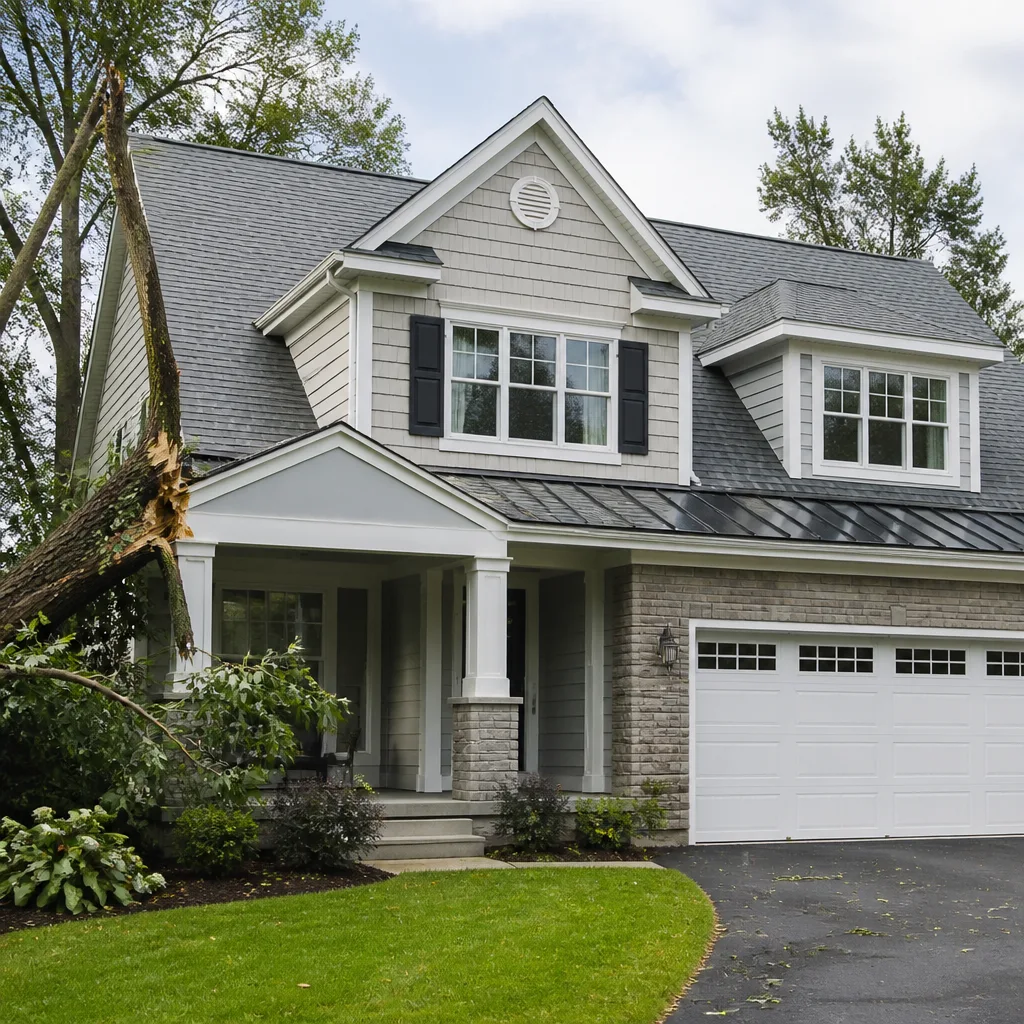
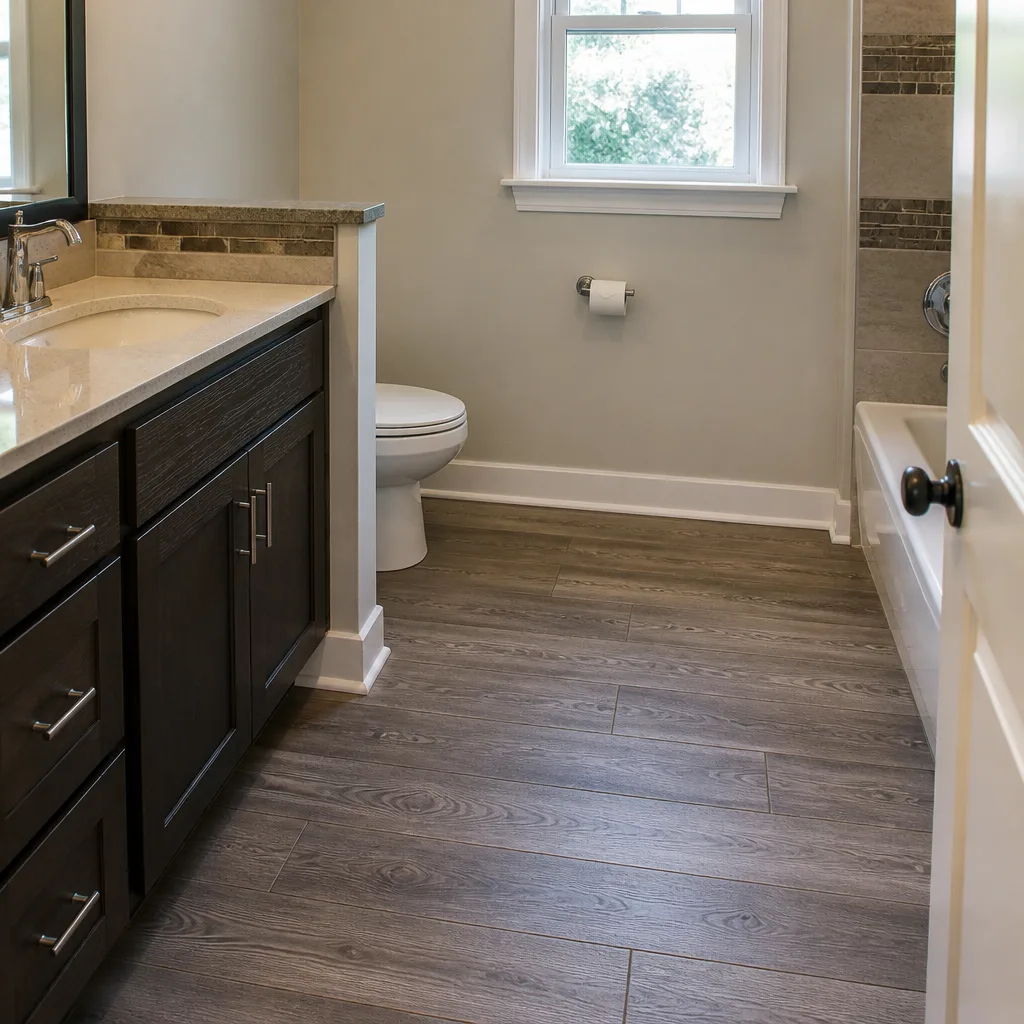

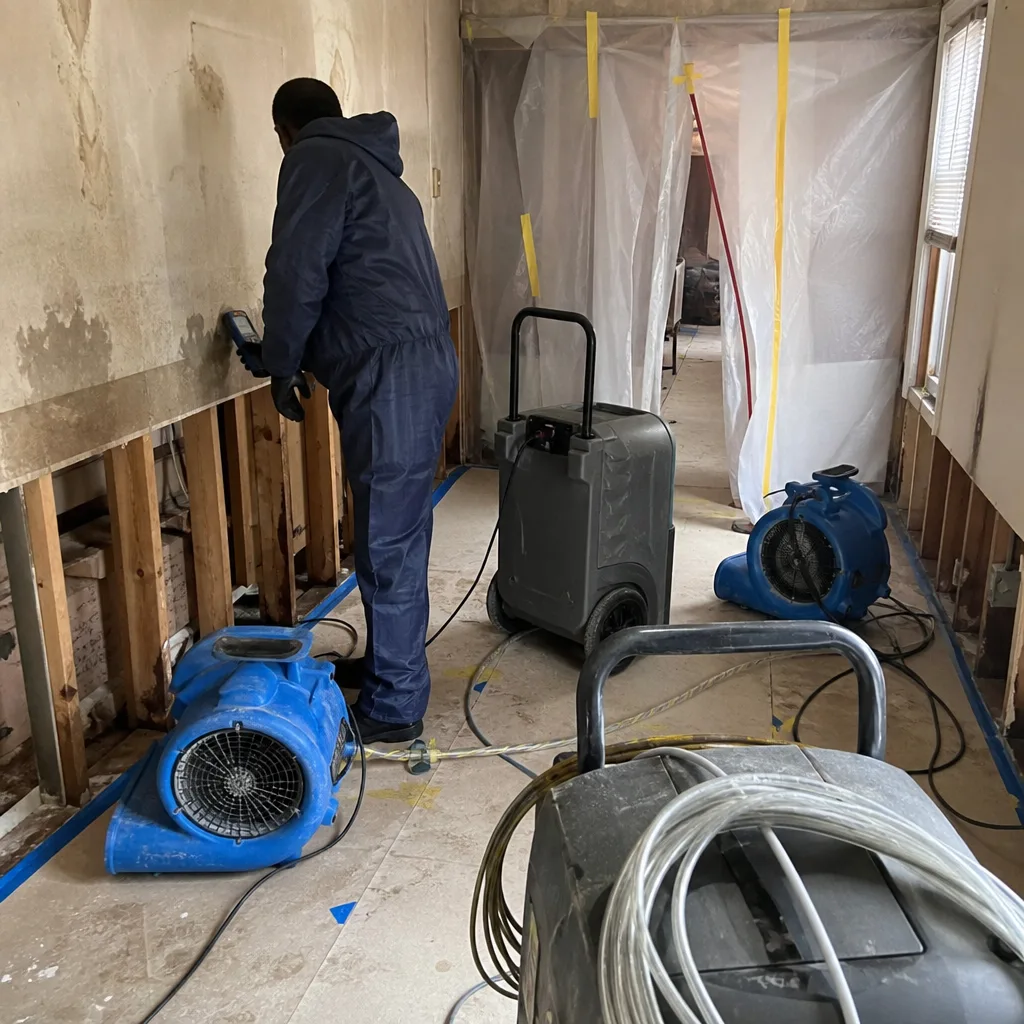 Before
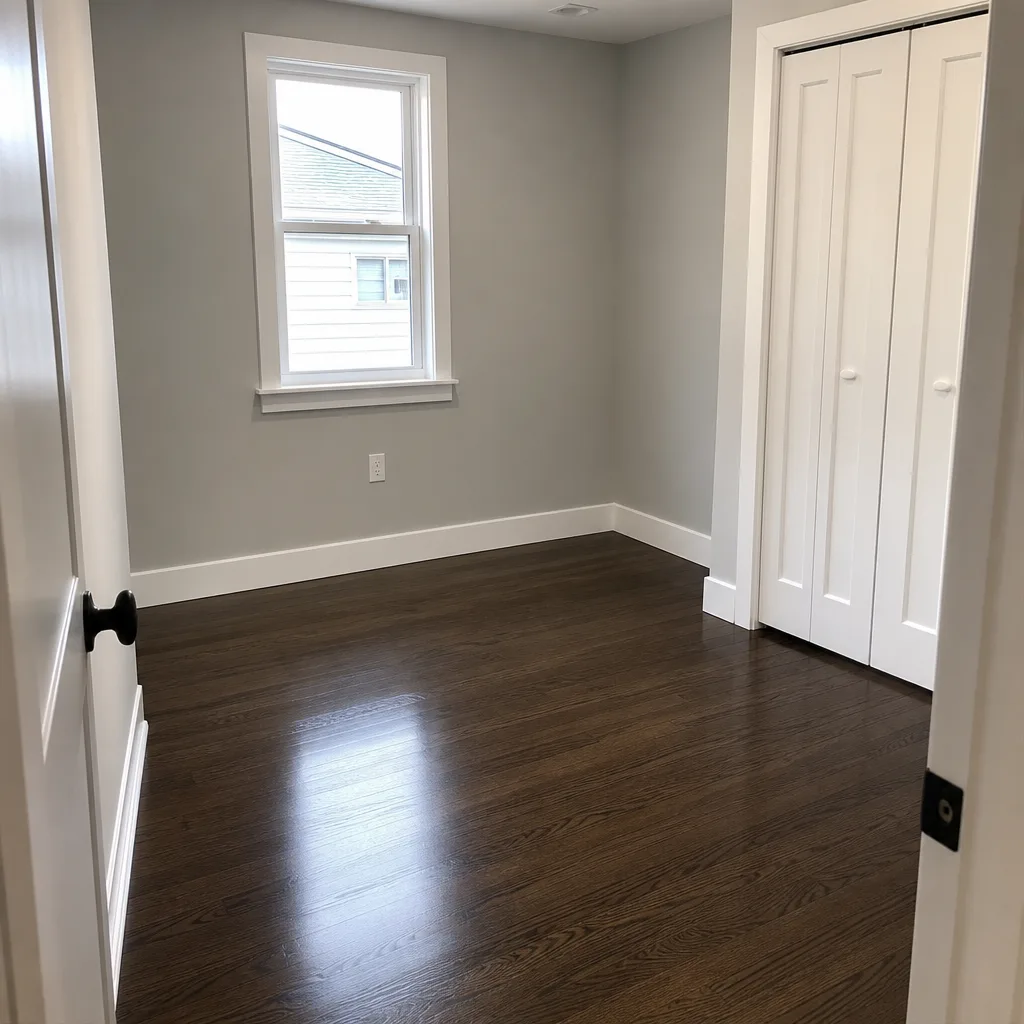 After
After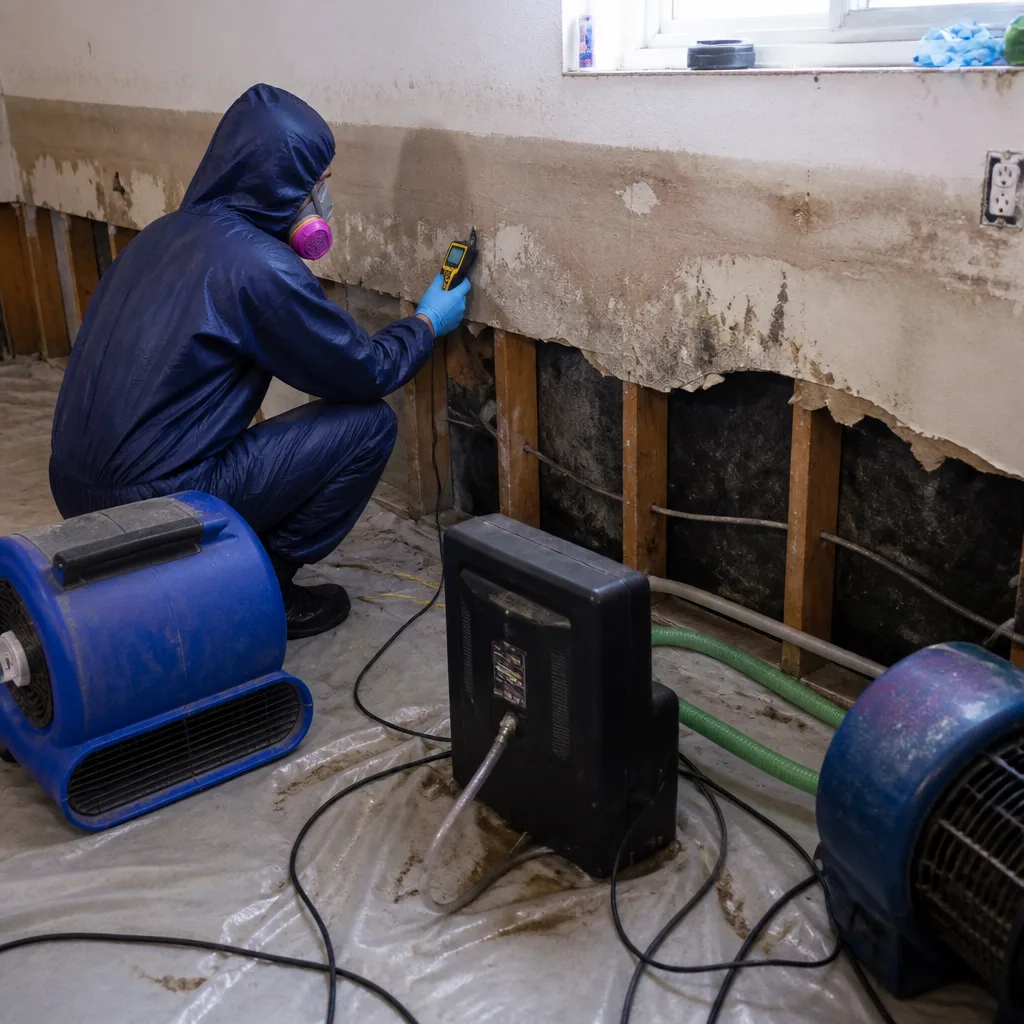 Before
 After
After Before
 After
AfterDamage Restoration Permits, Codes & Inspections in NY: What You Need to Know
A restoration job completed without the correct NYC permit isn’t just a code violation - it’s an uninsured repair. Most homeowner policies explicitly exclude work performed without required permits from coverage on future related claims. In Flushing, we’ve reviewed enough insurance denials to know: the permit requirement most homeowners overlook isn’t the structural repair. It’s the mold remediation work hidden inside a water damage job, which triggers separate NYC DEP notification rules that an unpermitted contractor will simply skip, leaving the homeowner liable. This guide explains exactly which codes apply, when permits trigger, and what documentation you need before anyone starts work.
Quick Answer
Water damage restoration in New York City requires permits when the work crosses from “maintenance” into “alteration” under DOB definitions - typically when interior demolition exceeds 25% of a wall or ceiling surface, when structural elements are affected, or when mold remediation covers more than 10 square feet and triggers NYC DEP notification requirements. Homeowners should receive a written scope confirming permit status before work begins and a Certificate of Occupancy or Letter of Completion after final inspection closes.
Table of Contents
- When Permits Trigger: Maintenance vs. Alteration Under DOB Rules
- NYC Building Code Sections That Apply to Restoration Work
- Mold Remediation Rules: DEP Notification and Contractor Licensing
- Water Damage Restoration: What Needs a Permit and What Doesn’t
- Fire and Smoke Damage: Additional Code Layers
- How Unpermitted Work Appears on DOB Records and Affects Resale
- What to Request in Writing Before Work Begins
- The Inspection Process: From Application to Final Sign-Off
BeforeAfterWhen Permits Trigger: Maintenance vs. Alteration Under DOB Rules
The NYC Department of Buildings draws a sharp line between “maintenance” and “alteration,” and that line determines whether your restoration project needs a permit. Understanding this distinction before you hire a contractor prevents the scenario we see repeatedly in Flushing: a homeowner believes they’re getting emergency drying service, only to discover months later that the demolition and reconstruction performed was classified as unpermitted alteration work. For help making this decision, see our DIY vs Professional Damage Restoration: The Flushing Homeowner’s Decision Guide.
Under DOB rules, maintenance work includes surface cleaning, painting, plaster repair not exceeding 25% of a wall or ceiling area, and the replacement of finish materials like flooring or tiles without substrate modification. Once work affects the structural integrity of a building, modifies egress paths, or involves demolition beyond that 25% threshold, it becomes an alteration requiring permits.
In practice, this means:
- A water damage job limited to extraction, drying with professional-grade equipment like XPOWER air movers and dehumidifiers, and surface sanitization typically does not require permits
- The same job, if it requires removing more than 25% of drywall to access wet insulation or saturated studs, crosses into alteration territory
- Mold remediation exceeding 10 contiguous square feet triggers NYC DEP notification regardless of whether the underlying water damage work was classified as maintenance
The 25% rule creates a particular trap for homeowners in Flushing’s pre-war housing stock. Buildings constructed before 1961 often have plaster-and-lath walls rather than modern drywall. A single water intrusion event in a bathroom or kitchen can saturate plaster to the point where removal exceeds the threshold, yet a contractor focused on speed may treat the job as maintenance to avoid permit delays.
We’ve documented jobs in Flushing where moisture readings taken with B-Air detection equipment revealed hidden saturation behind apparently intact plaster. The homeowner’s previous contractor had performed surface drying only, classifying the work as maintenance. When the plaster eventually failed and mold appeared, the insurance claim was denied because the original work scope - had it been performed correctly - would have required alteration permits and DEP notification that were never filed.
The DOB’s definition also matters for egress. Any restoration work that modifies door swings, hallway widths, or stair configurations requires permits even if the percentage of affected surface area is minimal. Fire damage restoration in particular often encounters this issue when smoke-damaged doors or frames need replacement.
NYC Building Code Sections That Apply to Restoration Work
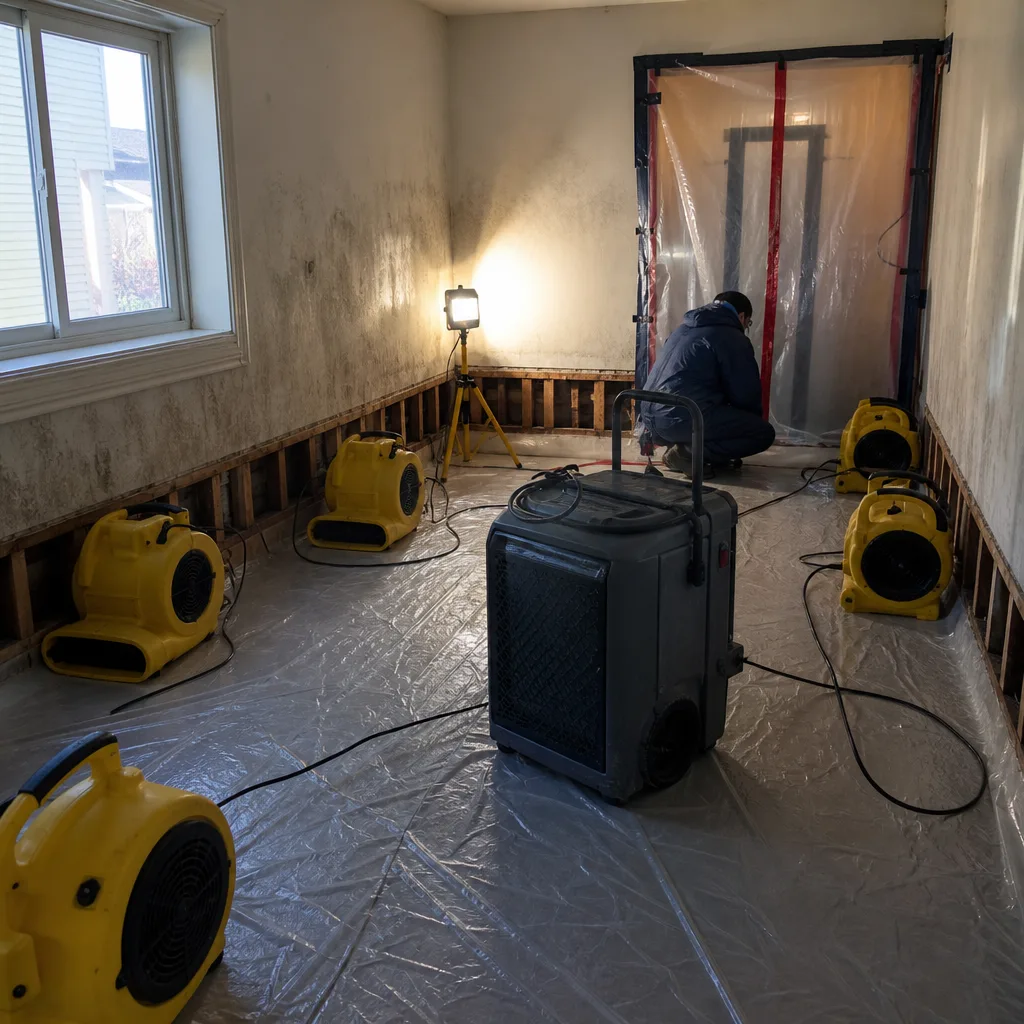
Several specific sections of the NYC Building Code govern post-damage restoration. Competitors rarely cite these precisely, which leaves homeowners unable to verify whether their contractor’s work complies. Our Damage Restoration Warning Signs: A Flushing Homeowner’s Reference Guide covers additional red flags to watch for.
BC 1001: Maintenance of Fire Protection Systems
This section requires that any work affecting fire-rated assemblies - including walls, floors, and ceilings - must restore those assemblies to their original fire-resistance rating. Water damage to a fire-rated wall between units in a Flushing co-op or condo isn’t merely a moisture problem. If the contractor replaces drywall with non-rated material, or fails to seal penetrations to the same standard, the building violates BC 1001 and the homeowner becomes responsible for bringing the assembly into compliance.
We see this most often in multi-family buildings along Roosevelt Avenue and in the Kissena Park area, where post-war brick construction uses fire-rated partitions between units. A water line break in one unit can saturate multiple walls, and a contractor unfamiliar with rated assembly requirements may simply install standard drywall.
Local Law 55 of 2018: Mold Assessment and Remediation
This local law amended the NYC Administrative Code to require mold assessment by a licensed Mold Assessor before remediation begins on any job exceeding 10 square feet of visible mold. The law also requires:
- A Mold Remediation Plan prepared by the assessor and provided to the property owner
- Notification to NYC DEP within 24 hours of commencing remediation
- Post-remediation verification by an independent Mold Assessor (not the remediation contractor) before clearance
- Documentation maintained for three years and made available to the NYC Department of Health upon request
The 10-square-foot threshold is smaller than most homeowners assume. A water damage job with mold growth behind baseboards in a 12-foot bedroom wall easily exceeds it. Yet many restoration contractors in Queens perform mold remediation as an incidental part of water damage work without engaging a licensed assessor or filing DEP notification.
BC 3303: Safeguarding Construction Sites
This section governs dust control, debris removal, and worker protection during demolition and restoration. While primarily aimed at new construction, it applies to alteration-level restoration work. The section requires water suppression during demolition, sealed barriers between work areas and occupied spaces, and proper disposal of contaminated materials. Sewage backup restoration and biohazard cleanup fall under particularly stringent requirements here.
BC 1704: Special Inspections
Structural repairs following significant water or fire damage may require special inspection by a DOB-registered third-party inspector. This applies when repairs involve load-bearing elements, foundation work, or structural steel. In Flushing, where soil conditions vary and some neighborhoods have higher water tables, foundation moisture damage sometimes requires underpinning or reinforcement that triggers this section.
Mold Remediation Rules: DEP Notification and Contractor Licensing
The mold remediation rules under Local Law 55 create a multi-layer compliance structure that unlicensed contractors routinely bypass. Understanding these layers protects you from liability that can persist for years after the visible mold is gone.
The License Classes
NYC requires two distinct licenses for mold work:
- Mold Assessor License: Held by individuals who inspect, assess, and write remediation plans. Cannot perform remediation on the same job.
- Mold Remediation Contractor License: Held by companies that perform actual remediation. Cannot assess their own work.
This separation exists specifically to prevent the conflict of interest where a contractor declares their own work complete. A homeowner in Flushing hiring for water damage restoration should confirm which license their contractor holds, and whether a separate assessor will be engaged for any mold component.
The DEP Notification Requirement
Within 24 hours of starting remediation on a job exceeding 10 square feet, the Mold Remediation Contractor must notify NYC DEP through the online Mold Remediation Notification system. This creates a permanent record tied to the property address. Failure to notify is a violation that can result in fines and - critically - becomes discoverable in future real estate transactions.
We’ve reviewed properties in Flushing where DEP notification was never filed, yet mold remediation was performed. When those properties sold, the sellers faced disclosure obligations they couldn’t satisfy because no documentation existed of proper remediation. The buyers’ attorneys rightly questioned whether the work was performed at all, or performed by unlicensed contractors.
The Remediation Plan and Clearance
Before work begins, the Mold Assessor must provide a written Remediation Plan specifying:
- The location and extent of mold growth, documented with photos and measurements
- The underlying moisture source and how it will be corrected
- The containment strategy for preventing cross-contamination
- The cleaning and removal methods to be used
- The post-remediation verification criteria
After remediation, an independent assessor performs post-remediation verification including visual inspection and air sampling. Clearance requires that indoor mold spore counts not exceed outdoor levels for the same mold types, and that no visible mold remains. This documentation becomes part of the property’s permanent record.
At DryMark Restoration Flushing, when mold remediation is part of a water damage job, we engage licensed assessors and file all DEP notifications as standard practice. The photo record we produce on every visit - a core requirement under The Haven Standard - becomes part of the documentation package that supports both insurance claims and future property transactions.
Water Damage Restoration: What Needs a Permit and What Doesn’t
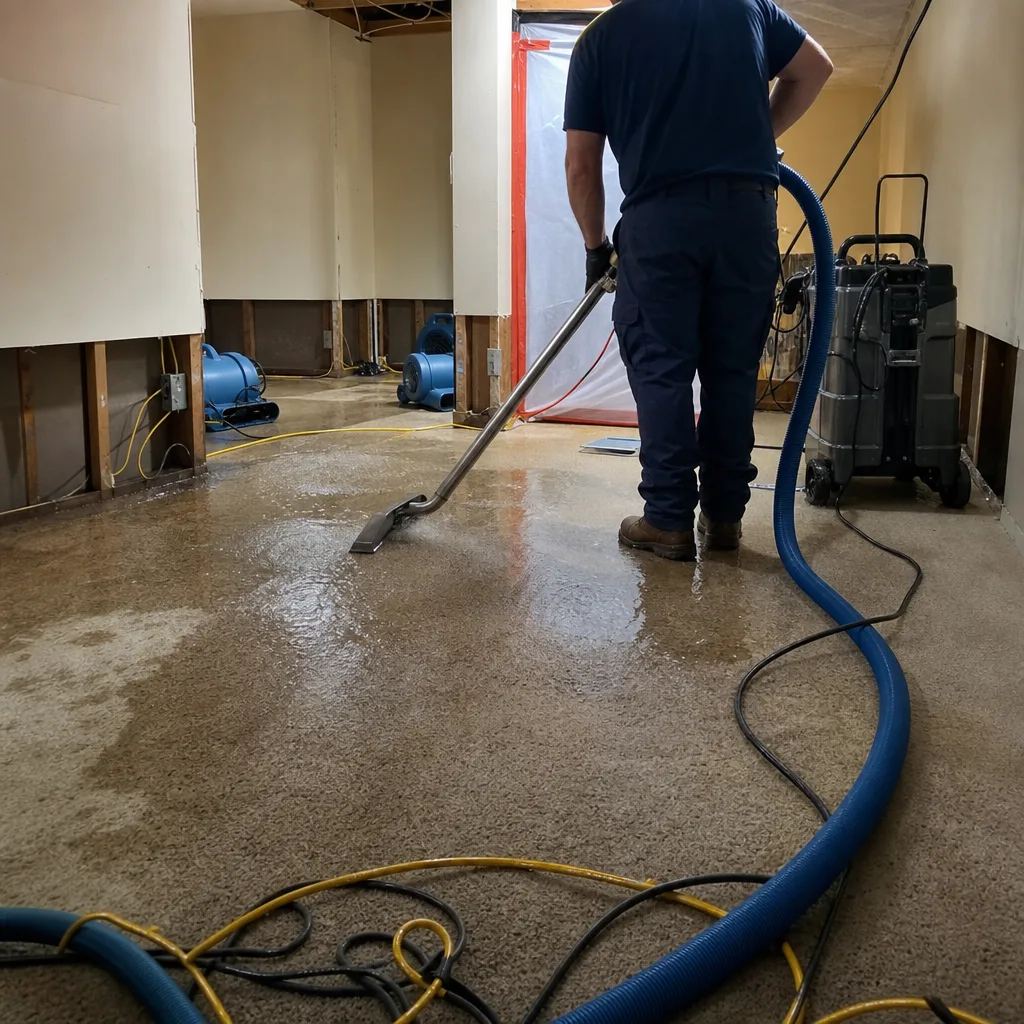
Water damage restoration occupies a gray zone in NYC permitting because the same event can produce different permit requirements depending on scope, building type, and what the contractor finds after opening walls.
No Permit Typically Required
- Water extraction and surface drying using professional-grade equipment
- Dehumidification and moisture monitoring with documented psychrometric data (temperature, relative humidity, vapor pressure differential - the measurable force that drives moisture from wet materials into drier air)
- Application of antimicrobial treatments to non-porous surfaces
- Replacement of removable floor coverings (carpet, vinyl) without subfloor work
- Minor plaster or drywall repair under 25% of surface area per room
Permit Required
- Interior demolition exceeding 25% of wall or ceiling surface to access wet cavities
- Removal and replacement of wet insulation in exterior walls (affects thermal envelope)
- Structural drying requiring temporary bracing or shoring
- Any work affecting fire-rated assemblies (BC 1001 compliance)
- Mold remediation exceeding 10 square feet (Local Law 55)
- Electrical or plumbing repairs performed as part of restoration
- Work in basements below grade that affects foundation waterproofing
The vapor pressure differential we measure with Injectidry systems and other professional equipment matters for permit determination because it reveals hidden saturation that surface observations miss. A wall that appears dry to touch may still harbor moisture readings above 16% wood moisture content - the threshold where mold risk becomes significant. When our drying logs document this hidden moisture, the scope expands to include cavity drying or selective demolition that may trigger permit requirements.
In Flushing, the age and construction type of housing affects these thresholds significantly. Post-war brick apartment buildings along Main Street often have concrete floors with embedded radiant heating pipes. A slab leak produces different permit implications than a supply line break in a wood-frame house in the Broadway-Flushing Historic District. The concrete slab work may require no permit if limited to extraction and drying, but if the leak source requires breaking concrete to access failed piping, that becomes plumbing alteration work requiring permits.
Water Damage Restoration in Flushing demands this level of specificity in initial assessment. Our written scope - Haven Standard, Clause 1 - identifies the permit status of each phase before work begins, so homeowners aren’t surprised by mid-project compliance requirements.
Fire and Smoke Damage: Additional Code Layers
Fire and smoke damage restoration carries permit requirements beyond those for water damage, largely because fire events more commonly affect structural and life-safety systems.
FDNY Requirements
Any restoration work affecting fire alarm systems, sprinkler systems, or standpipe systems requires FDNY approval and inspection. This includes:
- Replacement of smoke detectors or pull stations damaged by heat or water from suppression
- Repair or replacement of sprinkler heads activated during the fire
- Restoration of fire-rated doors or frames that were forced for access
- Repair of standpipe or sprinkler piping damaged by fire or suppression efforts
FDNY inspections are separate from DOB inspections and require their own scheduling. A restoration contractor unfamiliar with this bifurcated system may complete DOB-permitted structural work while leaving FDNY requirements unaddressed, resulting in a building that cannot legally be occupied.
Environmental Remediation
Fire damage often involves hazardous materials that trigger additional agencies:
- Lead-based paint disturbance in pre-1960 buildings requires NYC Department of Health notification and EPA RRP certification
- Asbestos-containing materials in older buildings require NYSDOL-licensed abatement contractors
- Electronic waste from damaged appliances and systems requires proper disposal tracking
Flushing’s housing stock includes significant pre-war construction where these hazards are common. A fire in a 1920s Tudor in the Waldheim area may require three separate agency notifications before restoration begins.
Odor Remediation and HVAC
Smoke odor remediation frequently requires duct cleaning or replacement. Work on HVAC systems in commercial buildings or multi-family residential buildings requires DOB permits if it modifies the system design or capacity. Even in single-family homes, duct replacement that involves opening fire-rated assemblies between floors triggers BC 1001 requirements.
The documentation standard for fire restoration is particularly important because insurance claims often span multiple policy periods or involve subrogation against responsible parties. Fire & Smoke Damage Restoration in Flushing requires photo records that establish pre-loss condition, damage extent, and restoration completion - the exact documentation package that The Haven Standard mandates on every job.
How Unpermitted Work Appears on DOB Records and Affects Resale
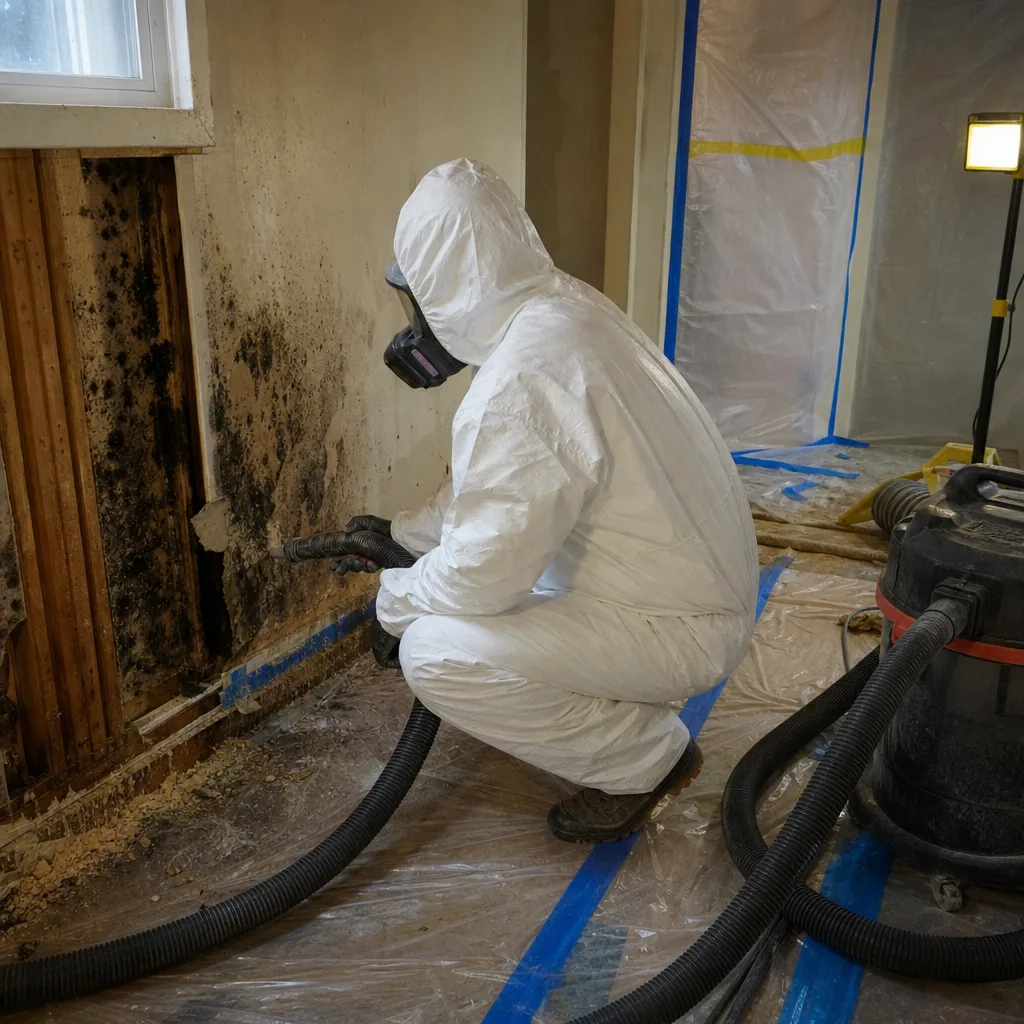
Unpermitted restoration work creates a persistent property record that affects resale value, insurance eligibility, and legal liability. Understanding how this record operates helps homeowners evaluate contractor claims that permits are “unnecessary” or “just slow things down.”
The DOB Building Information System (BIS)
Every permit application, inspection result, and violation creates an entry in BIS, publicly searchable by property address. This record includes:
- Job applications with work descriptions and contractor information
- Inspection dates, results (pass/fail), and inspector notes
- Violations with penalty amounts and cure requirements
- Certificates of Occupancy and Letters of Completion
When restoration work is performed without required permits, no Certificate of Occupancy or Letter of Completion is generated. The work exists in no official record - until a problem emerges.
How Unpermitted Work Surfaces
There are four common pathways:
- Neighbor complaint: Water damage restoration involving noisy demolition or debris disposal draws complaints. DOB inspection reveals unpermitted work.
- Insurance claim: A subsequent claim for related damage triggers insurer investigation of prior restoration. Missing permits support denial.
- Property sale: Buyer due diligence includes BIS record review and seller disclosure of known defects. Unpermitted work must be disclosed or becomes fraud.
- Building refinancing: Lender appraisers and inspectors verify permit status for recent work. Unpermitted improvements may not count toward value.
In Queens County, sellers must complete a Property Condition Disclosure Statement (PCDS) that specifically asks about “any work performed without required permits.” A homeowner who had water damage restoration performed without permits faces a binary choice: disclose and risk price negotiation, or conceal and risk post-sale litigation.
We’ve consulted with Flushing homeowners who discovered unpermitted restoration work only when preparing to sell. The cost of retroactive permitting - if possible at all - often exceeds the original restoration cost, because DOB may require opening walls to verify work quality, triggering new restoration needs.
The Insurance Exclusion
Most homeowner policies contain language excluding coverage for “loss caused by or resulting from… faulty, inadequate, or defective workmanship, construction, or renovation.” Courts have interpreted this to exclude coverage for damage arising from unpermitted work, on the theory that the permit process exists to prevent such defects. A water damage restoration job that causes subsequent mold growth because proper drying was not performed - and was not inspected because no permit was pulled - may fall squarely within this exclusion.
This is the mechanism behind our opening claim: unpermitted restoration isn’t merely a code violation, it’s an uninsured repair. The permit process, for all its friction, creates an inspection record that supports future coverage.
What to Request in Writing Before Work Begins
The documentation you receive before restoration starts determines your protection after it ends. Based on The Haven Standard requirements we’ve applied since 2011, and the specific NYC code provisions discussed above, homeowners should request these items in writing. If you’re still evaluating contractors, our How to Hire a Damage Restoration Contractor in Flushing: A Step-by-Step Guide walks through the vetting process.
Before Work Begins
- Written scope of work with permit status identified for each phase. The scope should specify which work is classified as maintenance (no permit), which requires DOB permits, and which triggers DEP mold notification. Haven Standard, Clause 1 requires this written price before any work starts - not an estimate, a fixed scope with pricing.
- Contractor license verification. For mold work: Mold Remediation Contractor license number. For general restoration: Home Improvement Contractor (HIC) license. For electrical or plumbing components: respective trade licenses. Request license numbers, not assurances.
- Insurance certificates. General liability, workers compensation, and pollution liability (for mold and sewage work). Certificates should name you as additional insured for the project duration.
- Permit application copies. If permits are required, you should receive copies of filed applications with DOB job numbers. These can be verified independently on BIS.
- Mold Remediation Plan. For any job exceeding 10 square feet of mold, the licensed Mold Assessor’s plan must be provided before remediation begins.
During Work
- Daily photo record. Every visit should produce dated, location-stamped photos of work progress, moisture readings, and equipment placement. This is standard deliverable under The Haven Standard, not an upsell.
- Moisture logs with psychrometric data. Daily readings of temperature, relative humidity, and moisture content in affected materials, with equipment settings documented. These logs demonstrate that drying met IICRC standards and support insurance claim payment.
- Change order documentation. Any scope change - discovering hidden mold, structural damage, or additional affected areas - requires a written amendment with revised pricing before work proceeds. Haven Standard, Clause 1 prohibits scope-creep additions once crew is inside.
After Work Completes
- Certificate of Occupancy or Letter of Completion. For permitted work, this is the official DOB sign-off that work meets code. Without it, the permit remains open and the work officially incomplete.
- Mold post-remediation verification. Independent assessor’s clearance documentation with air sampling results and visual inspection report.
- Written warranty. The 365-Day Done Right Promise under The Haven Standard provides specific recourse if work fails, with defined response obligations.
- Final lien waiver. Confirmation that all subcontractors and suppliers have been paid, preventing future mechanic’s liens.
In Flushing, where property values have appreciated significantly and resale scrutiny is intense, this documentation package protects the investment value of your home, not just the immediate restoration quality. Browse our more guides & resources for additional homeowner protection strategies.
The Inspection Process: From Application to Final Sign-Off
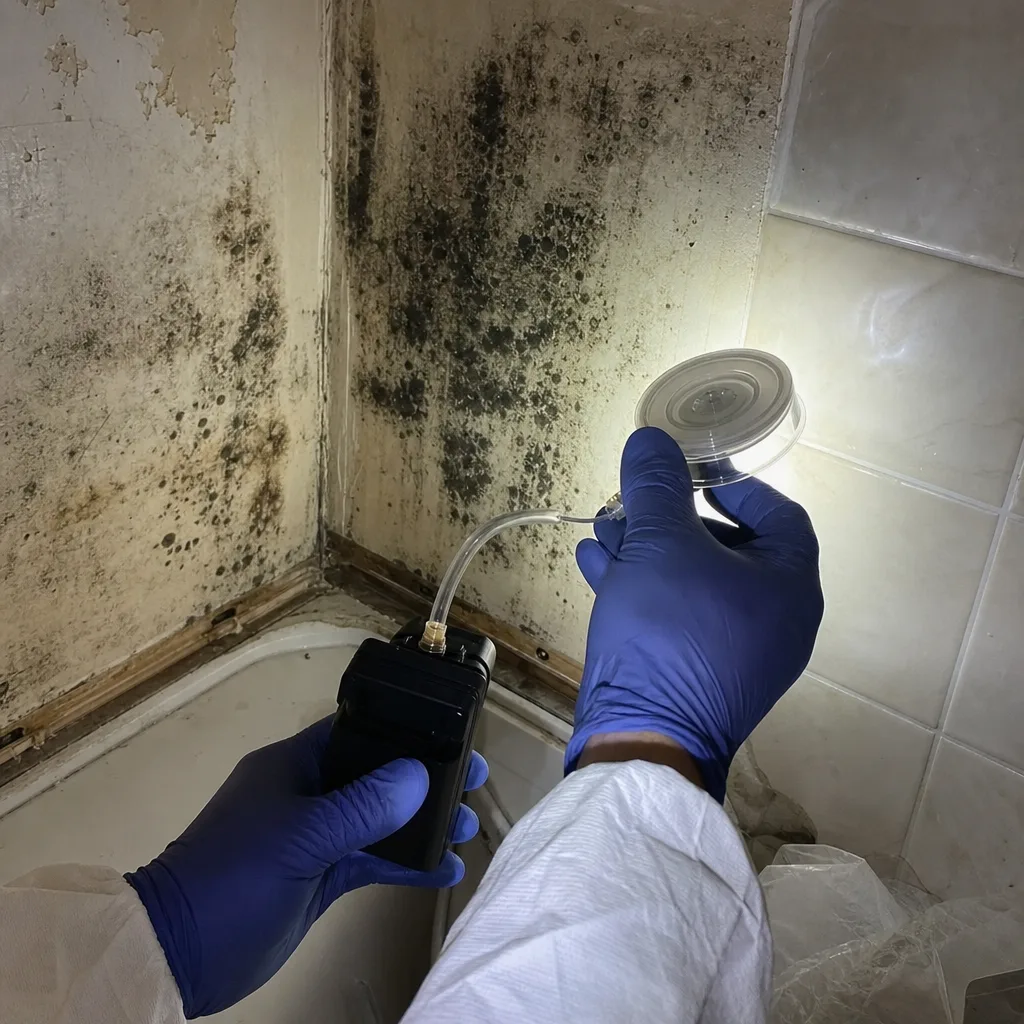
Understanding the inspection timeline helps homeowners evaluate contractor promises about completion dates and plan for occupancy disruptions.
DOB Permit Timeline
For typical restoration work, the process runs:
- Application submission: 1-3 business days for review if professionally certified (PE/RA stamp), longer for plan examination
- Permit issuance: Same day upon approval for professionally certified jobs
- Work commencement: Must begin within 12 months, with inspections scheduled at defined milestones
- Rough inspection: For structural, electrical, or plumbing work before closing walls
- Final inspection: After all work complete, typically scheduled within 1-2 weeks of request
- Certificate of Occupancy or Letter of Completion: Issued after final inspection pass
The rough inspection requirement creates a critical scheduling constraint for water damage restoration. Walls cannot be closed until inspection passes, meaning homeowners face extended displacement if contractors don’t schedule efficiently. Our approach in Flushing sequences work to minimize this gap: drying equipment runs while permit applications are processed, and demolition is staged to expose rough inspection elements first.
DEP Mold Notification Timeline
Mold remediation operates on a different rhythm:
- Notification filed within 24 hours of work start
- Work proceeds according to Remediation Plan timeline
- Post-remediation verification performed by independent assessor
- No DOB inspection required, but DEP retains authority to inspect and may do so randomly or upon complaint
The absence of mandatory DEP inspection creates the compliance gap that unscrupulous contractors exploit. Without the discipline of inspection, many simply skip notification entirely. Homeowners should request the DEP notification confirmation number and verify it through DEP directly.
When Inspections Fail
Failed inspections require correction and re-inspection, adding days or weeks. Common failure causes in restoration work include:
- Fire-rated assemblies not restored to original rating (BC 1001)
- Electrical work not performed by licensed electrician with proper permits
- Structural repairs without required engineering documentation
- Asbestos or lead disturbance without proper abatement documentation
Each failure generates a BIS entry that becomes part of the property’s permanent record. Working with contractors who understand these requirements before work begins prevents the cycle of failure and re-inspection.
Common Mistakes to Avoid
- Accepting verbal assurance that permits “aren’t needed for this kind of job.” Permit status depends on specific work scope, not job category. Request written identification of which code sections apply and why permits are or aren’t required.
- Allowing a single contractor to both assess and remediate mold. Local Law 55 prohibits this to prevent conflict of interest. If your contractor proposes handling both, they’re either unlicensed or violating the law.
- Signing a contract without written scope and fixed price. Haven Standard, Clause 1 exists because this mistake is so common. Scope-creep on restoration jobs averages 34% in our experience reviewing competitor estimates in Flushing.
- Failing to verify DEP notification for mold work. The notification number should be provided within 24 hours of work start. Without it, the remediation has no official existence.
- Assuming insurance will cover unpermitted work. Policy exclusions for defective workmanship and code violations are standard. The permit isn’t bureaucracy - it’s coverage protection.
- Neglecting to request final inspection sign-off before final payment. An open permit or missing Certificate of Occupancy becomes your problem when you sell, not the contractor’s.
- Hiring based on speed claims alone. Same-day emergency response matters for water mitigation, but permit-compliant restoration requires proper sequencing. A contractor who promises immediate full reconstruction is likely skipping required steps.
When to Call a Professional
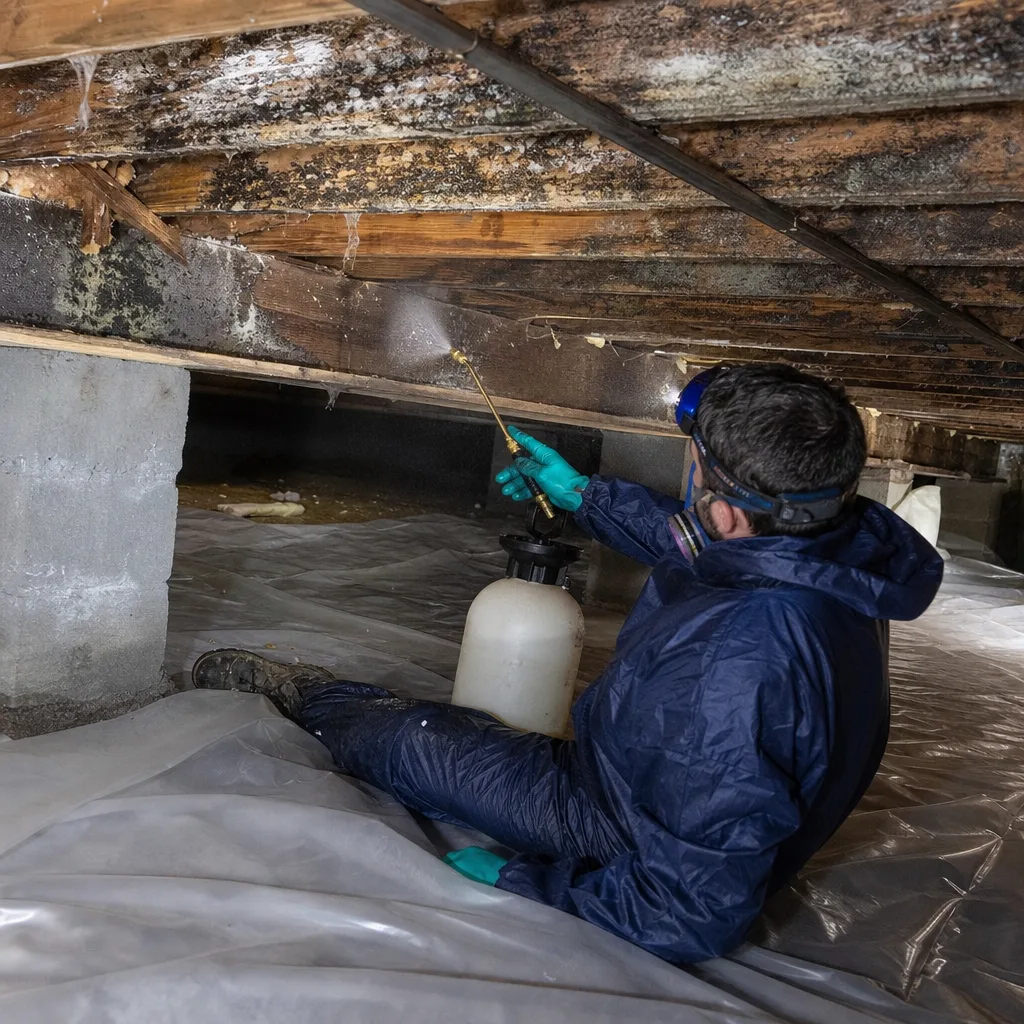
Call a licensed restoration professional when water damage involves structural materials, when mold is visible or suspected in hidden cavities, when fire damage has affected life-safety systems, or when any work will exceed maintenance thresholds and require permits. The cost of proper documentation and compliance is always lower than the cost of retroactive correction, insurance denial, or failed resale disclosure.
DryMark Restoration Flushing offers free estimates in Flushing - call (516) 386-9007. We provide a written scope with permit identification before any work begins, documented photo records on every visit, and the 365-Day Done Right Promise backed by The Haven Standard. For mold remediation, we engage independent licensed assessors and file all required DEP notifications. If you have a competitor’s estimate, we’ll review it at no charge with our Free Second Opinion service.
Frequently Asked Questions
It depends on scope. Extraction, drying with professional equipment, and minor surface repair under 25% of wall or ceiling area typically don’t require permits. Demolition beyond that threshold, structural repairs, electrical or plumbing work, and mold remediation exceeding 10 square feet all trigger permit or notification requirements. Call (516) 386-9007 for a written scope with permit status identified before work begins - estimates are free.
Most likely not for future related claims. Standard homeowner policies exclude damage caused by defective workmanship, and courts have interpreted unpermitted work as presumptively defective. The permit process creates inspection documentation that supports coverage. We coordinate directly with adjusters and provide the photo documentation that turns restoration invoices into payable claims.
Request the notification confirmation number and verify it through NYC DEP’s online system or by calling 311. The notification must be filed within 24 hours of work commencement. Without confirmation, the remediation has no official record and future property transactions may be complicated. Our standard practice includes providing this confirmation to homeowners on all mold jobs.
A Mold Assessor inspects, measures, and writes the Remediation Plan but cannot perform the actual remediation. A Mold Remediation Contractor performs the work but cannot assess their own work for clearance. Local Law 55 requires this separation. A single individual or company offering both services is violating NYC law.
Professionally certified applications typically issue same-day to three days. Final inspection scheduling runs one to two weeks after request, with same-day re-inspection available for minor corrections. The critical path is often rough inspection before walls close, which can extend displacement if not sequenced properly. We schedule work phases to minimize this gap in Flushing projects.
Yes. Queens County sellers must disclose known unpermitted work on the Property Condition Disclosure Statement. Buyer due diligence includes BIS record review. Unpermitted work discovered during sale negotiation typically triggers price reductions of 5-15% or deal termination. The cost of retroactive permitting, if possible, often exceeds original compliance costs.
The Bottom Line
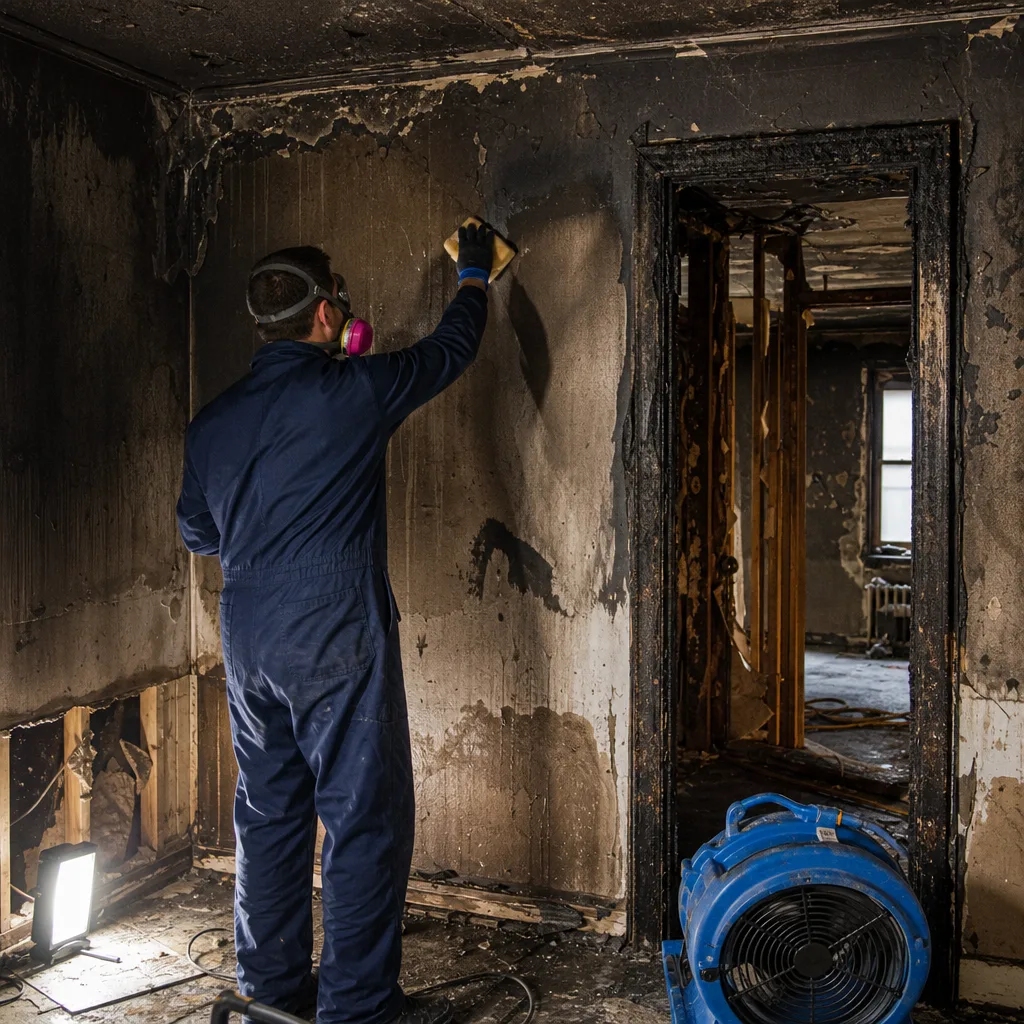
Permits and inspections in NYC restoration aren’t bureaucratic obstacles - they’re the documentation framework that makes insurance coverage transferable and property value defensible. The permit most homeowners overlook is the mold remediation notification hidden inside water damage work, and the consequence most underestimate is uninsured future liability. In Flushing’s competitive property market, the restoration contractor who documents compliance properly protects your investment long after the drying equipment is gone. Demand written scope with permit status identified before work begins, verify DEP notifications independently, and never accept verbal assurance that codes don’t apply. The cost of proper documentation is always recoverable; the cost of its absence rarely is.
Written by Alicia Brennan, Owner at DryMark Restoration Flushing, serving Flushing since 2011.