
Last updated September 22, 2026
Free visual inspection and a written scope of work before any mitigation begins - photos, moisture readings, and drying logs go in your claim file
The scope we write is the scope we bill. Anything new gets shown to you, in writing, before we touch it.


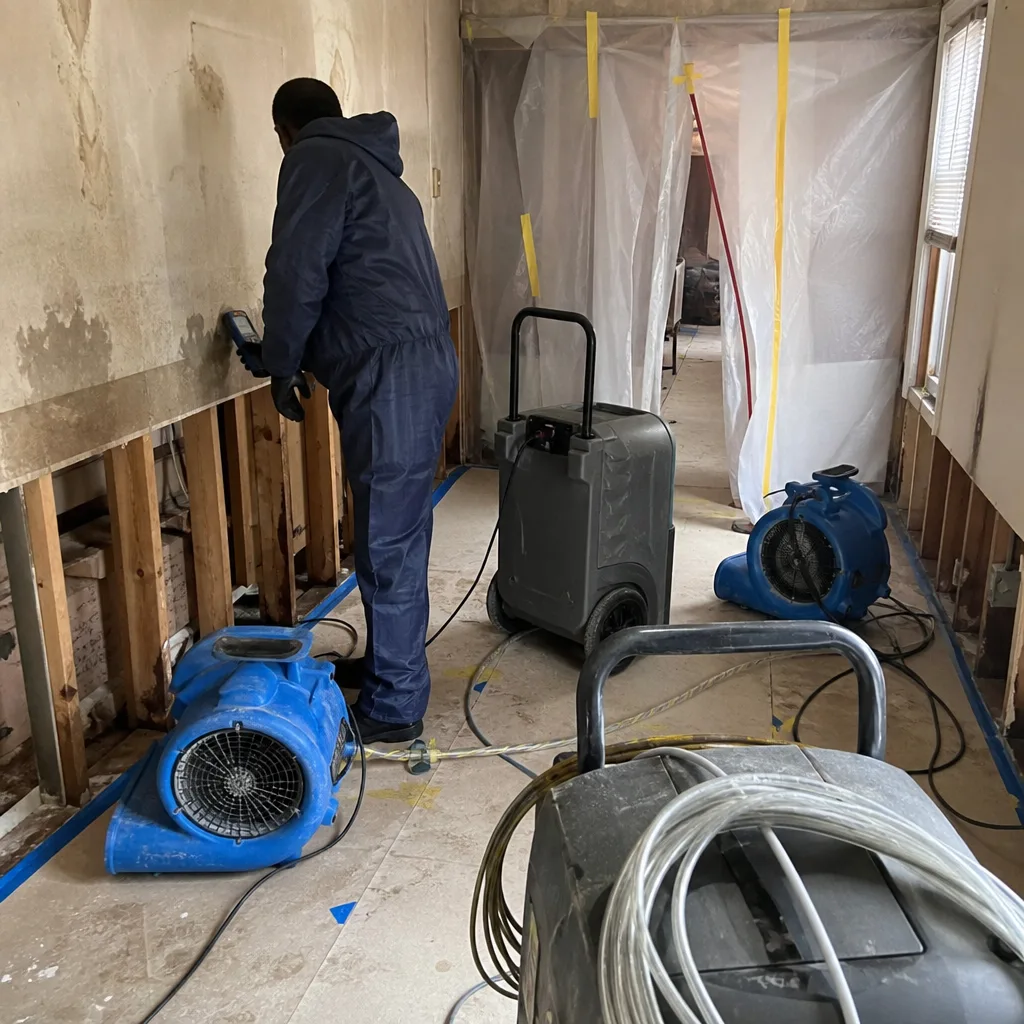 Before
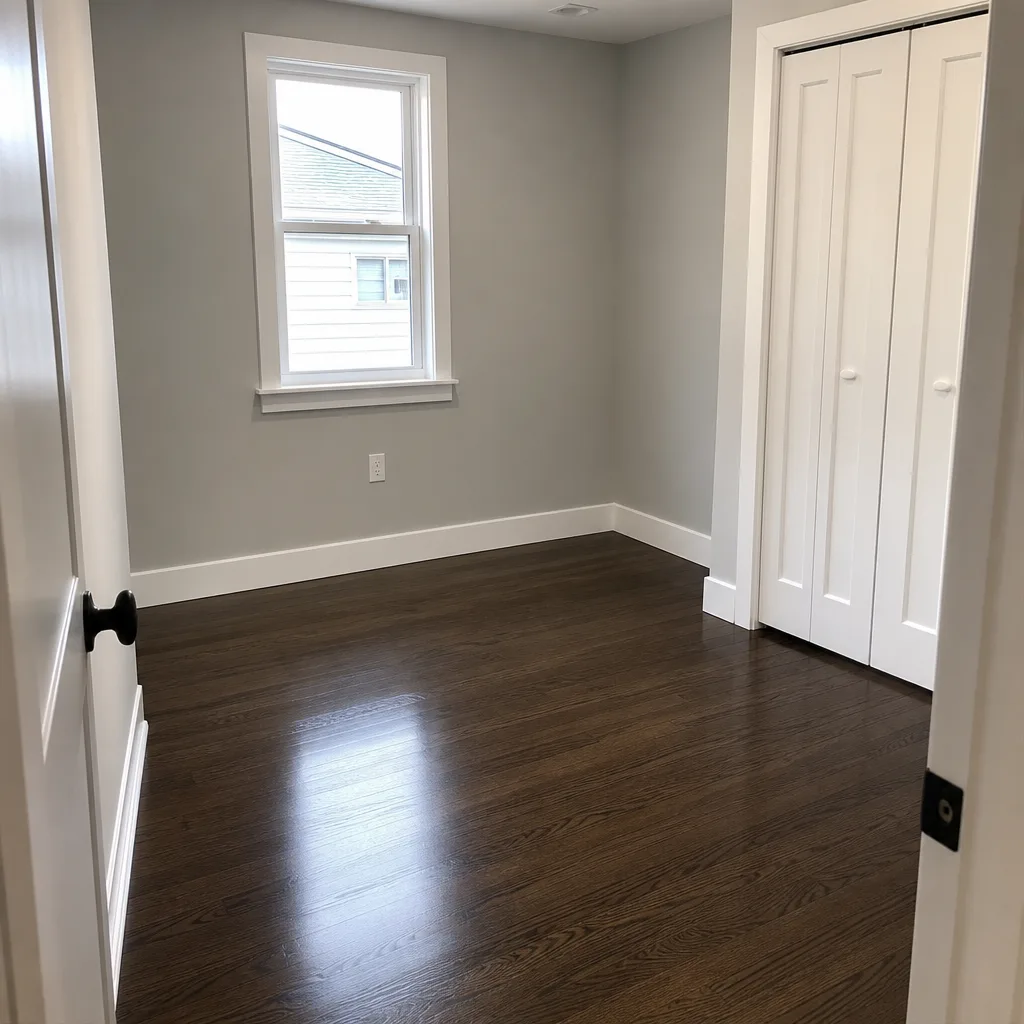 After
After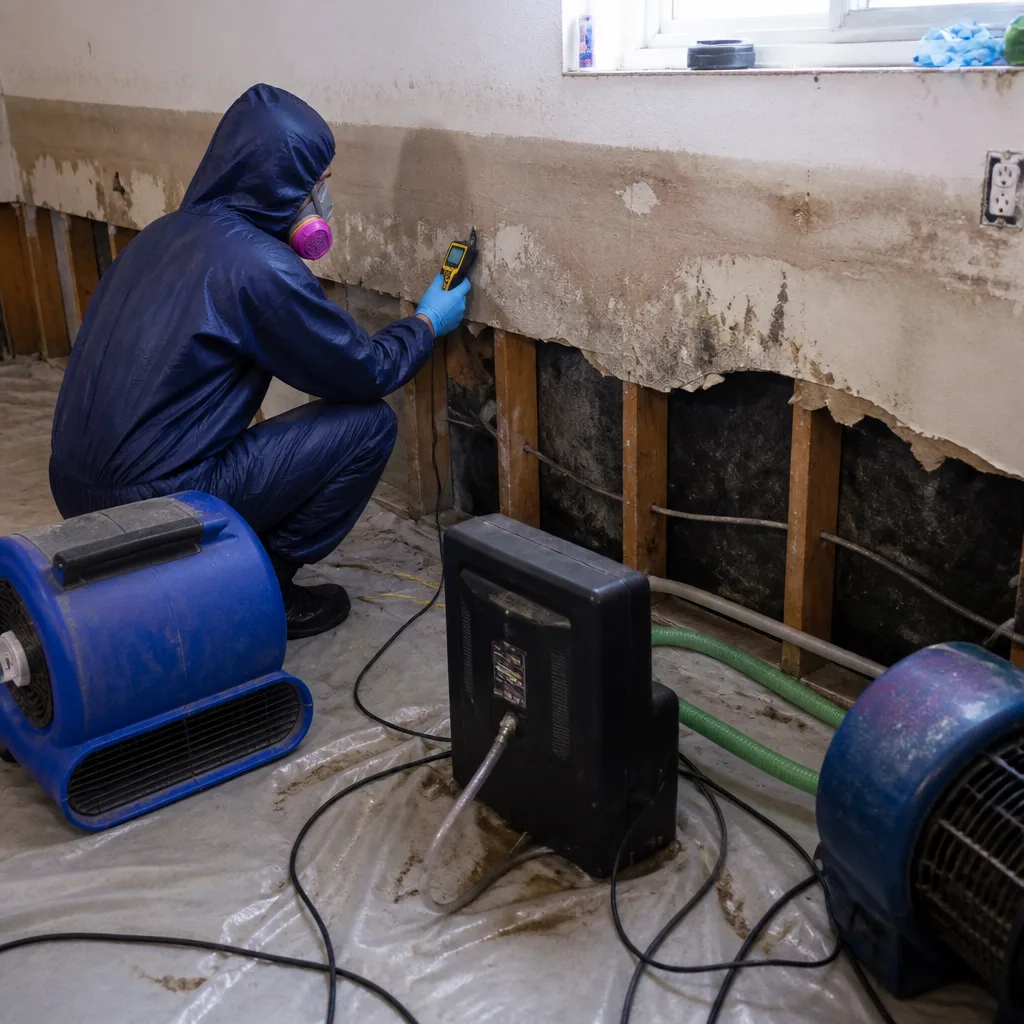 Before
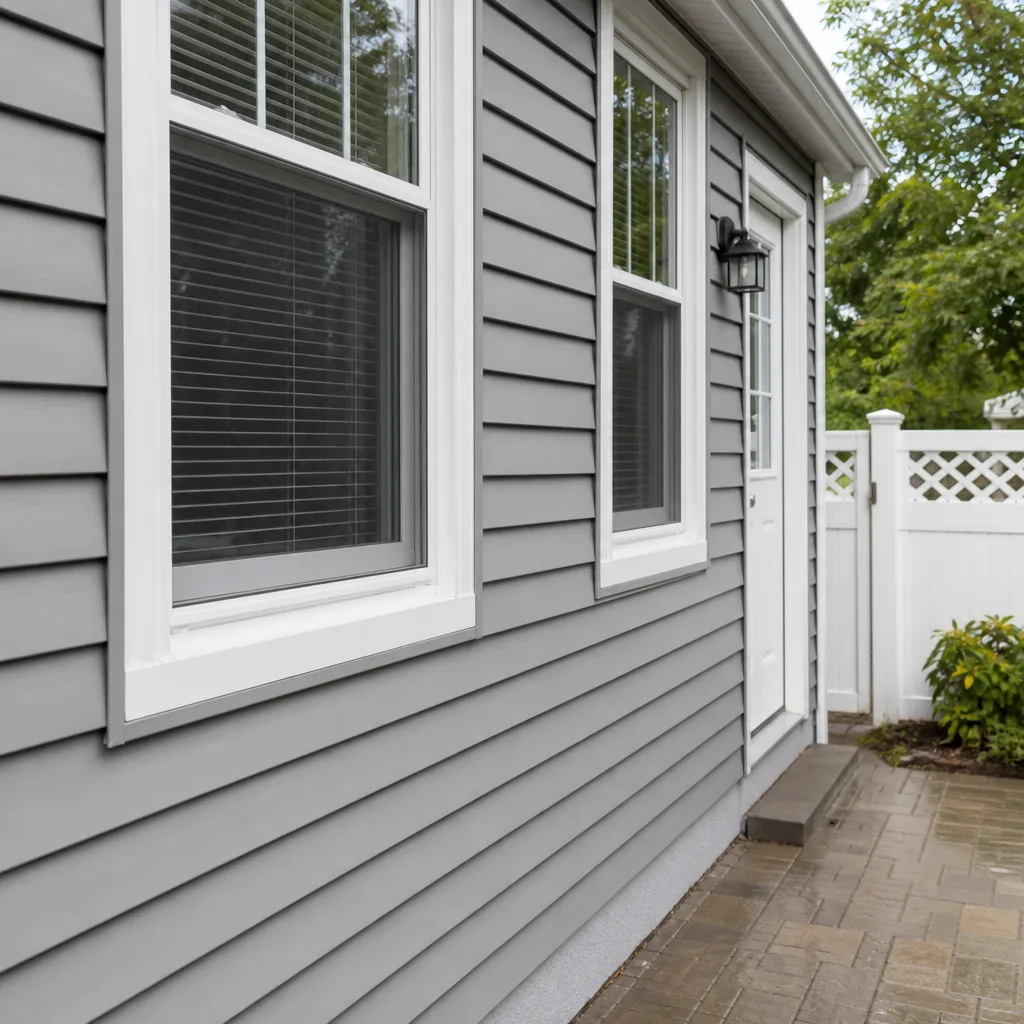 After
After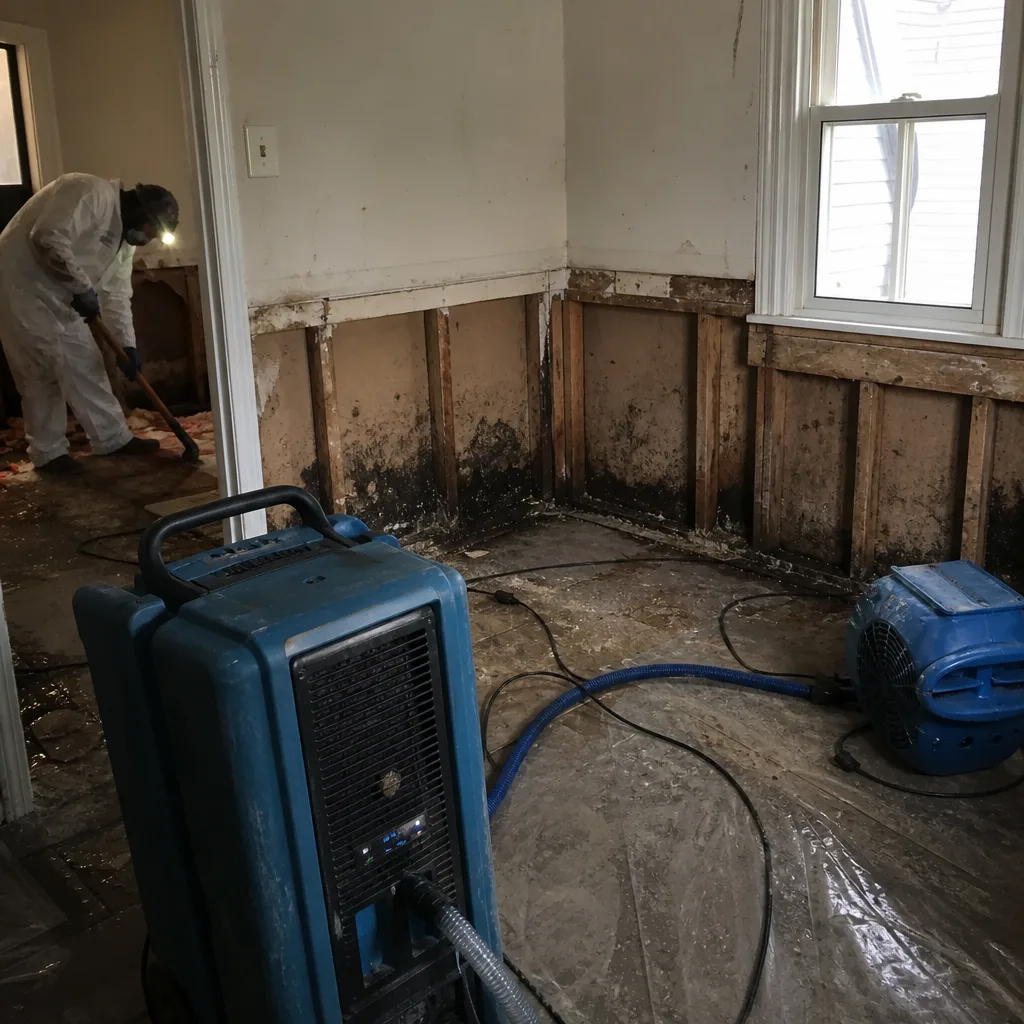 Before
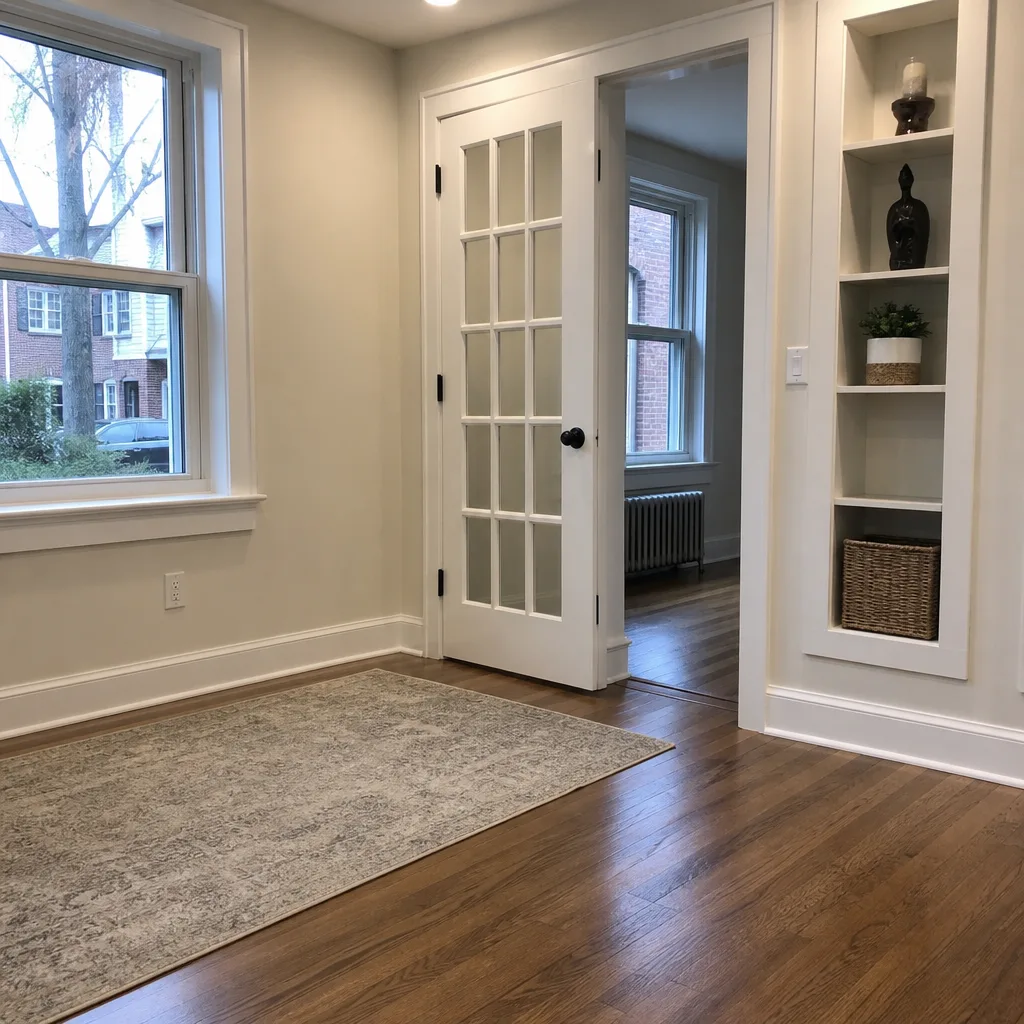 After
AfterSeasonal Damage Restoration Care for Flushing: Year-Round Homeowner’s Guide
The same July storm that floods a Flushing basement produces two entirely different claim outcomes depending on one factor: whether the homeowner has a dated sump inspection record from May. One claim pays in full. The other gets reclassified as maintenance failure, and the homeowner absorbs the deductible plus any coverage gap. In our experience reviewing competitor estimates for our DryMark Restoration Flushing home free second-opinion service, the single most common reason claims stall is not damage severity - it’s missing pre-loss documentation. This guide maps Flushing’s predictable four-season damage calendar to inspection tasks, photo protocols, and record formats that compress settlement time by giving adjusters a defensible baseline before they ever step inside.
Quick Answer
Flushing homeowners should perform documented inspections on a four-season cycle: pre-winter pipe and heating checks in November, freeze-thaw roof and facade reviews in February, combined sewer and sump readiness in May, and hurricane-prep roof and drainage in August. Each inspection should produce dated photos, written condition notes, and - for mechanical systems - a licensed plumber or HVAC technician’s sign-off. A complete seasonal log file - the kind we detail in our Water Damage Restoration Maintenance Checklist for Flushing Homeowners - turns a contested claim into a paid claim by establishing pre-loss condition without requiring a separate adjuster investigation.
Table of Contents
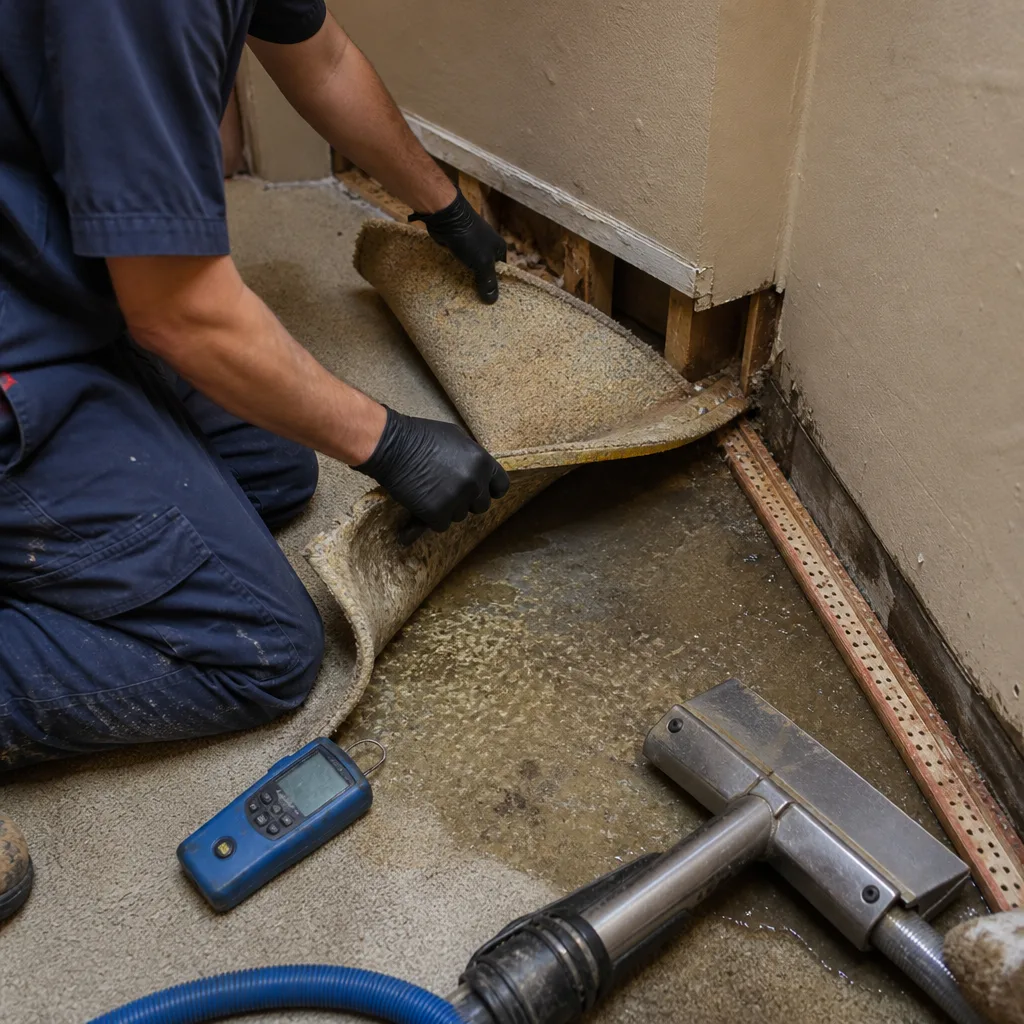
- January-February: Freeze-Thaw Damage and Ice Damming in Flushing’s Rowhouse Stock
- March-April: Snowmelt Infiltration and Foundation Assessment
- May-June: Combined Sewer Overflow Season and Backwater Valve Protocol
- July-August: Hurricane-Adjacent Wind-Driven Rain and Sump System Stress
- September-October: Fall Roof and Gutter Inspection for Flat and Modified-Bitumen Systems
- November-December: Pre-Winter Pipe Insulation and Heating System Documentation
- Building the Seasonal Log File: What Adjusters Actually Need
- Common Mistakes to Avoid
- When to Call a Professional
- Frequently Asked Questions
BeforeAfterJanuary-February: Freeze-Thaw Damage and Ice Damming in Flushing’s Rowhouse Stock
Flushing’s January temperatures average 26°F, with February bringing the freeze-thaw cycles that destroy roofs and pipes. The specific vulnerability here is ice damming on rowhouses with minimal attic ventilation and on flat-roof structures where drains clog with refrozen meltwater.
We’ve restored 12,000+ homes since 2011, and the pattern in Flushing is consistent: ice dams form where roof deck temperature exceeds 32°F at the eave while the overhang stays below freezing. Warm air escapes through gaps in top-floor ceilings, melts snow mid-roof, and water refreezes at the cold edge. The backup forces water under shingles, through membrane seams, and into wall cavities. By the time staining appears on interior drywall, the sheathing is saturated and mold colonization has begun.
Inspection protocol for January-February:
- Photograph the roof edge from ground level after each snowfall, noting icicle formation location and density. Date-stamp every image.
- From inside, use an infrared thermometer or thermal camera to measure ceiling temperature at the exterior wall junction. Readings above 40°F at the eave line indicate heat loss path.
- Check attic or roof cavity insulation depth. In Flushing’s pre-1960 rowhouses, we regularly find original rock wool compressed to R-11 or less. Current code minimum is R-49 for attics.
- Document any interior staining with photos that include a measuring tape for scale. Note whether stain is active (soft, expanding) or dormant (dry, defined edges).
- Record exterior temperature at time of inspection and compare to interior thermostat setting. This pair of readings helps establish whether the home was maintained at reasonable occupancy temperature - a factor in freeze-damage claim disputes.
For active leaks, Water Damage Restoration in Flushing requires immediate mitigation to prevent secondary damage. But even before calling, the documentation you gather determines whether your claim proceeds as sudden and accidental or gets flagged for maintenance-related exclusion.
The critical photo for February claims: a clear image of the ice dam from street level, timestamped, with the home address visible. Adjusters see hundreds of ice-damage claims. The homeowner who produces this single image separates their file from the stack.
March-April: Snowmelt Infiltration and Foundation Assessment
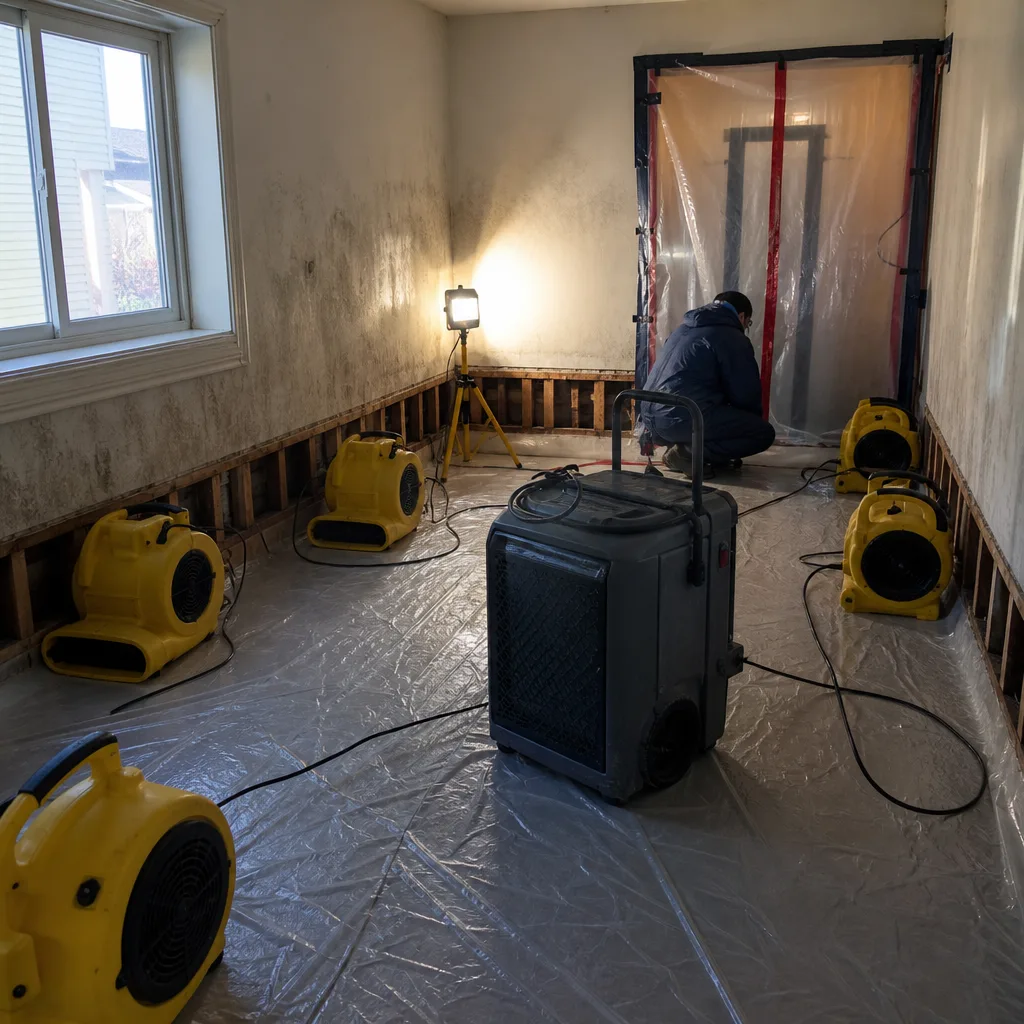
March in Flushing averages 4.5 inches of precipitation, much of it falling as rain on frozen ground or as rapid snowmelt. The soil around foundation walls is saturated, hydrostatic pressure peaks, and any existing crack becomes a water pathway. This is when we see the highest volume of foundation seepage calls in our Flushing service area.
The specific risk in this neighborhood is the combined effect of age and density. Flushing’s housing stock includes substantial pre-war construction with stone or brick foundations that have endured decades of freeze-thaw cycling. Mortar joints degrade. Parapet walls on attached rowhouses develop horizontal cracks at the roofline. Yard drainage is compromised by zero-lot-line construction where downspouts discharge directly against foundation walls.
March-April inspection checklist:
- Walk the perimeter after heavy melt, noting any new or expanded cracks in foundation walls. Measure crack width with a crack monitor or even masking tape marked with date and measurement. Photograph with scale reference.
- Check sump pump operation by lifting the float manually. The pump should activate within 3 seconds and discharge visibly. Video this test with timestamp.
- Inspect basement floor for efflorescence - white mineral deposits that indicate water migration through concrete. New efflorescence means active water pressure.
- Verify downspout discharge points. In Flushing’s tight lots, downspouts often terminate at foundation walls or connect to aging clay tile drains. Document where water actually goes.
- Review any prior waterproofing work. If a French drain or interior channel system was installed, locate the installation record and warranty. Adjusters request this documentation for seepage claims.
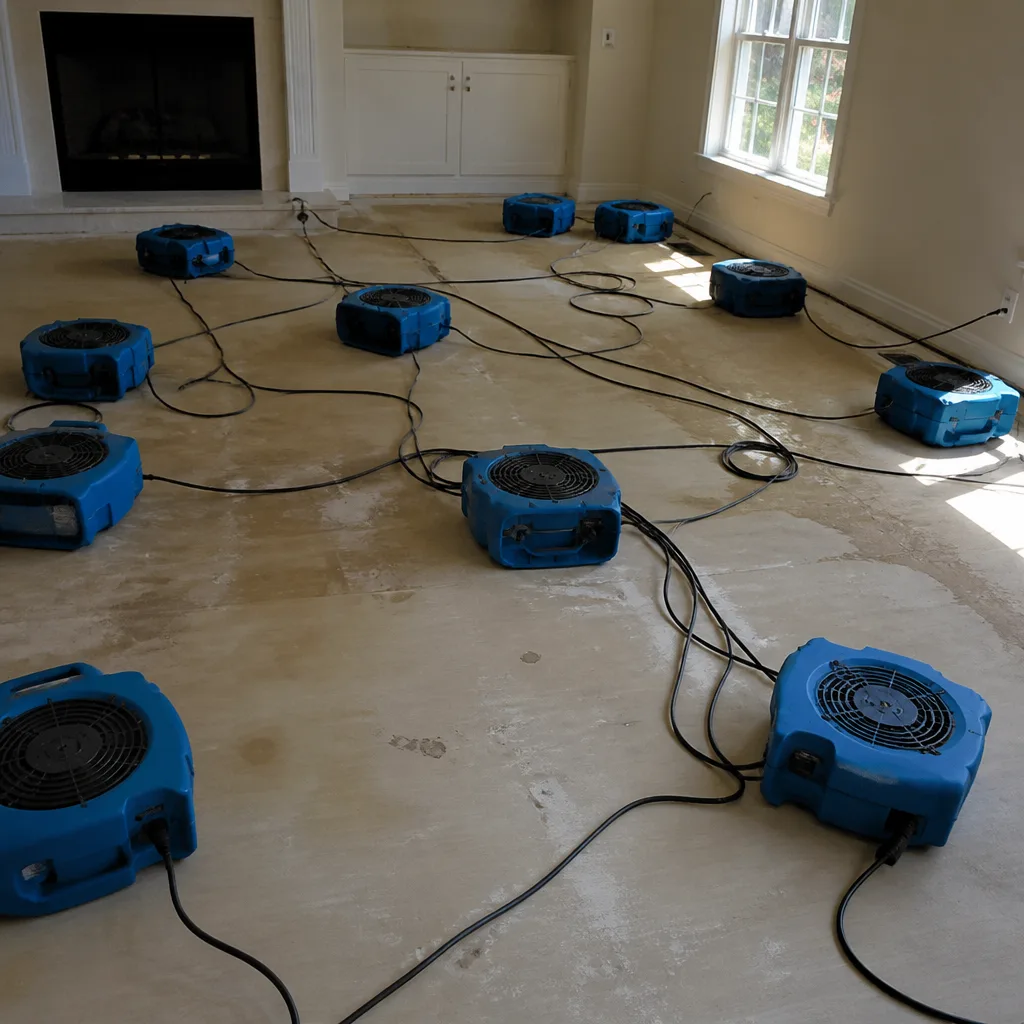
Psychrometric data - temperature, relative humidity, and vapor pressure differential - drives our drying protocol when we deploy professional-grade systems from XPOWER and B-Air on water damage restoration in Flushing. But psychrometrics also tells you whether your basement is in pre-loss condition: sustained relative humidity above 60% indicates moisture load that will support mold growth even without visible liquid water.
The documentation that saves March claims: a dated floor plan or basement photo showing no prior seepage stains, paired with the crack monitor reading from February. This establishes the crack was stable before the melt event, not a long-neglected maintenance issue.
May-June: Combined Sewer Overflow Season and Backwater Valve Protocol
May marks the start of combined sewer overflow season in Flushing, where the NYC combined sewer system handles both sanitary waste and storm runoff. During intense rainfall, system capacity is exceeded and sewage backs up through the lowest available opening - typically basement floor drains, sinks, and toilets in Flushing’s older homes with original sewer connections.
The risk is not theoretical. NYC’s combined sewer system serves large portions of Queens, and Flushing’s low-lying areas near Flushing Creek and the bay are particularly vulnerable. A backwater valve installed on the main sewer line is the primary defense, but a valve that was never inspected is often a valve that fails to seal.
Backwater valve inspection record - what it should contain:
- Valve location: documented with photo showing access panel or cleanout position relative to fixed basement features (water heater, electrical panel).
- Valve type and manufacturer: typically a swing-check or gate-style valve. Record the model if visible.
- Inspection date and inspector credentials: in Flushing, this means a licensed master plumber or a Backflow Prevention Device Tester certified by the NYC Department of Environmental Protection.
- Test result: the valve should hold against a test pressure, typically 5 psi for residential swing-check valves. The inspector should provide a pass/fail determination.
- Condition photo: valve gate or flap visible in open position, with no debris, corrosion, or damage apparent.
- Next inspection due date: NYC DEP recommends annual testing for backwater valves in combined sewer areas.
The format that adjusters accept: a single PDF or physical folder containing the inspection report (on plumber letterhead), the test result form, and the dated photos. Not a text message. Not a verbal assurance. A document with a license number and a signature.
We document all mold remediation in Flushing to IICRC standards with photo records on every visit, but sewage backup claims face an additional hurdle: many policies exclude backup unless the homeowner carries a specific rider. The backwater valve inspection record becomes evidence of reasonable maintenance, which can shift a denied claim into coverage under the sudden-and-accidental provision or support a rider activation argument.
May is also when to test the sump pump after winter dormancy and to verify the battery backup if installed. A sump pump that failed because the battery was never replaced is a maintenance issue. A sump pump that failed despite documented annual testing is a covered equipment failure in most policies.
July-August: Hurricane-Adjacent Wind-Driven Rain and Sump System Stress
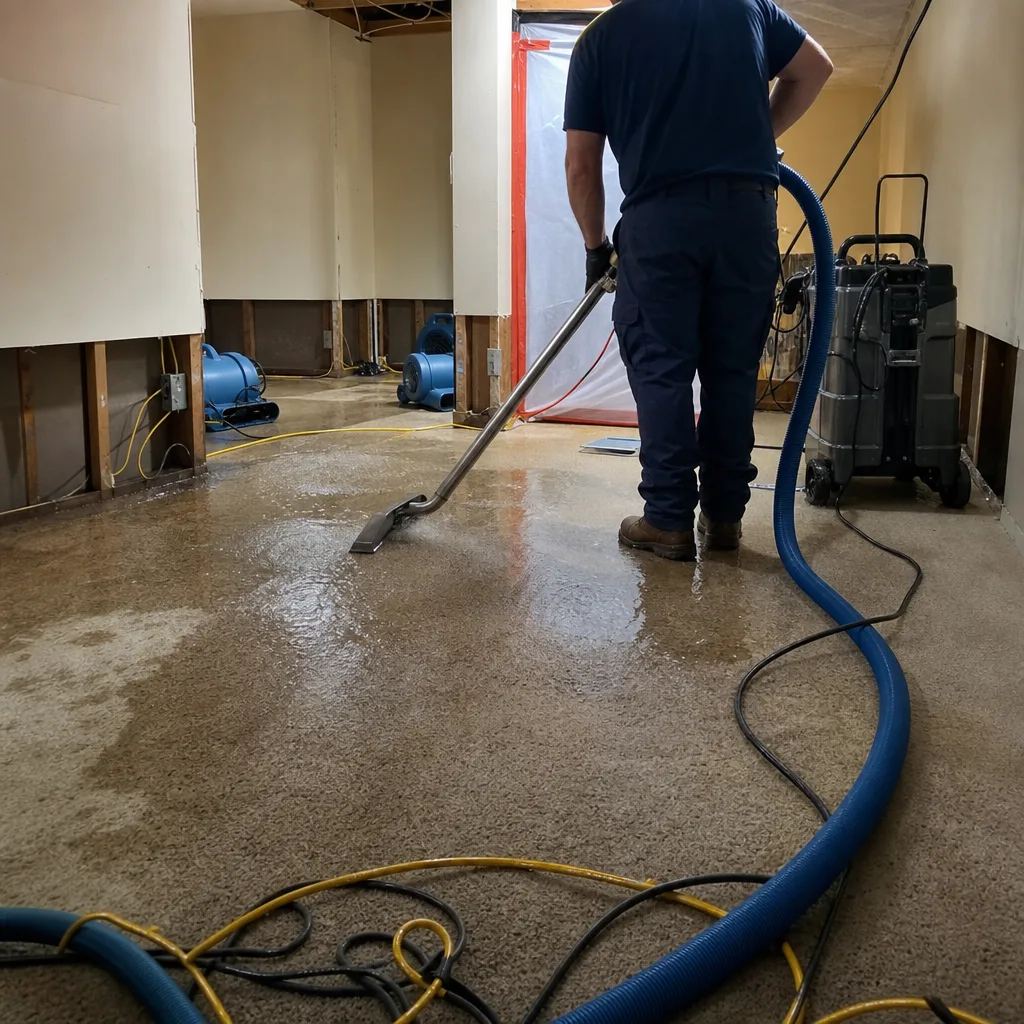
July and August bring Flushing’s highest rainfall totals, often from tropical systems that track up the coast. Hurricane-adjacent storms - those that don’t make direct landfall but produce sustained easterly or southeasterly winds - drive rain horizontally against walls and through window and door seals that would never leak in ordinary downpours.
The specific vulnerability in Flushing is the interaction of wind direction and building orientation. Rowhouses with east or southeast exposures take the full force. Windows above front stoops, where wind accelerates in the channel between buildings, show the highest leak rates. Flat roofs with parapet walls accumulate wind-driven water at corners and drains, overwhelming scuppers designed for vertical drainage only.
July-August pre-storm inspection:
- Window and door seal integrity: open each operable window, inspect weatherstripping for compression set or cracking. Close and lock, then check for light gaps from inside with exterior floodlit or in daylight. Photograph any gaps with scale.
- Wall penetration seals: where AC lines, dryer vents, or conduit pass through exterior walls, verify caulk or foam sealant is intact. Wind-driven rain enters through gaps as small as 1/8 inch.
- Roof drain and scupper capacity: on flat or low-slope roofs, clear debris from drains and verify water flows freely when tested with a hose. Photograph drain condition before and after clearing.
- Sump pump stress test: pour 5 gallons of water into the sump pit rapidly. The pump should activate and clear the water in under 60 seconds. For battery backups, disconnect AC power and repeat. The battery should sustain at least 3 full cycles.
- Emergency power: if you rely on a generator for sump backup, test start and verify fuel supply. Document test date and runtime.
When wind-driven rain causes damage, insurers often invoke the “flood versus water” distinction. Rain entering through a damaged roof or wall opening is typically covered as windstorm damage. Rain rising from ground saturation or sewer backup is flood, requiring separate coverage. The inspection record that helps: photos showing intact seals before the storm, establishing that water entry was due to wind force overwhelming the building envelope, not maintenance failure.
Our crews deploy Injectidry systems for wall cavity drying when wind-driven rain saturates exterior walls from the inside out. The documentation we produce - daily moisture logs with specific readings in affected wall cavities - becomes the evidence that justifies wall cavity drying versus simple surface treatment. This is the difference between a paid invoice and a disputed one.
September-October: Fall Roof and Gutter Inspection for Flat and Modified-Bitumen Systems
September is the critical window between hurricane season and the first hard freeze. In Flushing, this is when to address the accumulated wear from summer heat and storm exposure before winter testing begins.
Flat and low-slope roofs dominate Flushing’s rowhouse and small multifamily stock. These systems - typically modified bitumen, EPDM rubber, or built-up roofing - age differently than shingle roofs. UV degradation embrittles membrane surfaces. Seam adhesive fails. Flashing at parapet walls and penetrations separates under thermal cycling. All of this is invisible from the street and often invisible from interior inspection until water has saturated the roof deck.
Fall roof inspection protocol for Flushing flat roofs:
- Safe access: use a ladder to parapet wall level, or hire a licensed roofer. Do not walk the roof surface unless you are trained in fall protection. Document the access method in your log.
- Membrane surface condition: photograph the entire roof area in overlapping shots. Look for alligatoring (surface cracking), blisters (air or moisture trapped under membrane), and ponding areas (water remaining 48+ hours after rain). Measure and photograph each finding.
- Penetration flashing: examine every vent, pipe, and equipment curb. The flashing should be fully adhered with no gaps, no sealant separation, and no rust on metal components.
- Parapet wall coping: the metal or masonry cap on top of parapet walls should overhang the wall face and direct water to the roof interior, not the exterior facade. Coping that drains outward stains walls and saturates the wall cavity.
- Gutter and leader condition: even flat roofs have perimeter gutters or internal drains. Verify free flow, proper slope, and secure attachment. Leaders should discharge to grade or to a storm sewer, never to a combined sewer in Flushing’s flood-prone areas.
- Interior correlation: from inside, inspect top-floor ceilings with a moisture meter. Readings above 16% on drywall or 20% on plaster indicate active or recent water intrusion, even without visible staining.
The defensible inspection record includes: dated photos with the roof address visible, a written condition summary with measurements, and - for any recommended repairs - a written estimate from a licensed roofer with their license number. This package, maintained annually, establishes that the roof was inspected and maintained according to manufacturer and professional standards.
For Fire & Smoke Damage Restoration in Flushing, fall is also the season when heating system startup creates fire risk. But the documentation principle is identical: a dated, professional inspection record that establishes pre-loss condition.
November-December: Pre-Winter Pipe Insulation and Heating System Documentation
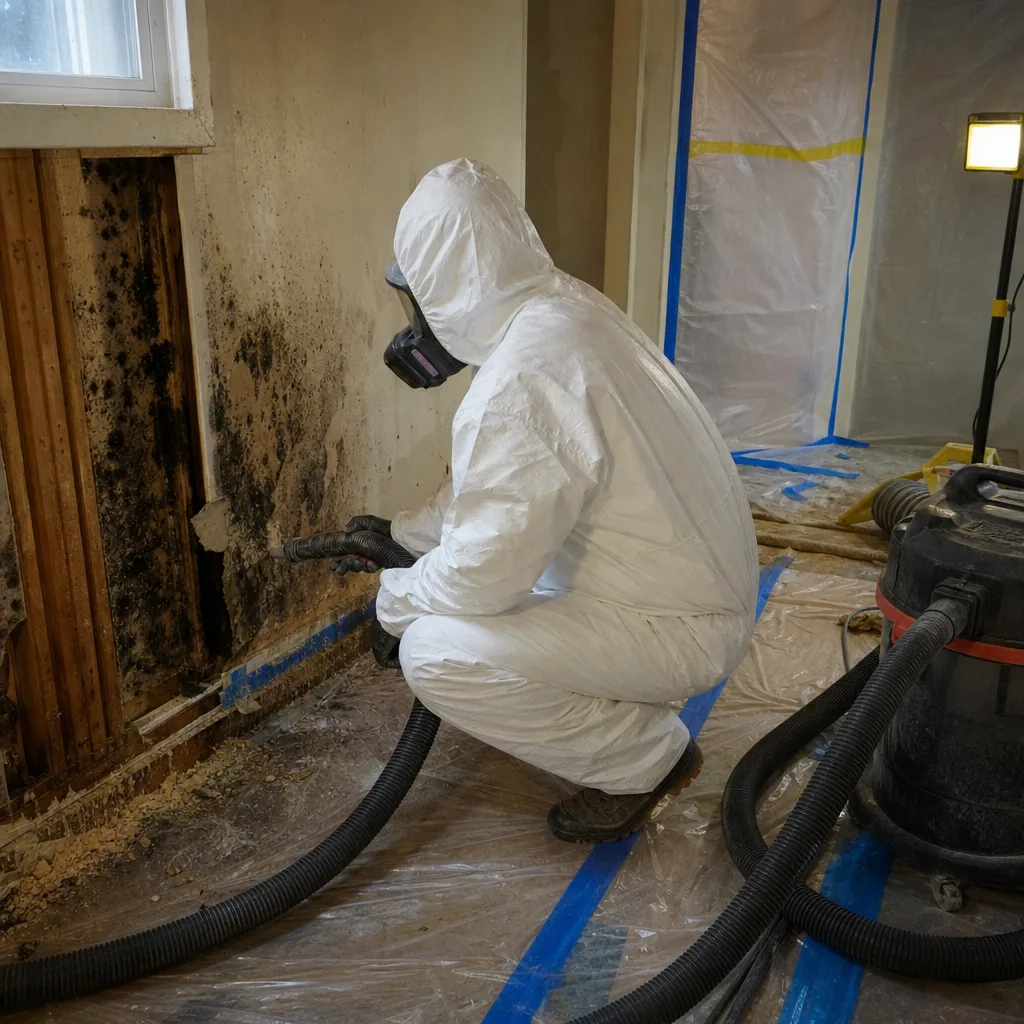
November in Flushing averages 41°F; December drops to 32°F. The first sustained freeze typically arrives in mid-December, and pipe failures peak in January when homeowners leave for holidays with thermostats set low.
Flushing’s specific vulnerability is pipe routing in unheated spaces common in older construction: exterior vestibules between rowhouse units, detached garages with kitchen or laundry supply lines, crawl spaces beneath raised first floors, and the gap between original masonry walls and later interior finishes. These pipes freeze not because the main house is cold, but because they’re in thermal zones that behave like the outdoors.
Pre-winter pipe insulation documentation:
- Locate all pipes in unheated or partially heated spaces. This requires a systematic walk-through, not a visual scan. Trace each supply line from its heated-space origin to every fixture.
- Photograph each exposed pipe section before insulation. Include a measurement tape showing pipe diameter and length of exposed run.
- Apply insulation appropriate to pipe material and location: pre-formed foam sleeves for straight runs, heat tape with thermostat control for high-risk areas, insulated enclosures for valve assemblies. Photograph completed work with date.
- Document heating system maintenance: a licensed HVAC technician’s startup inspection, including combustion efficiency test, heat exchanger inspection, and thermostat calibration. The report should be on company letterhead with technician license number.
- For homes left unoccupied in winter: document the temperature setting (minimum 55°F), the party responsible for monitoring, and any smart thermostat alerts configured. Insurers deny freeze claims when the homeowner cannot demonstrate reasonable precautions.
The rowhouse vestibule is a Flushing-specific detail we see repeatedly. These narrow, unheated entryways between front door and interior door often contain the main water supply rise. The vestibule may feel “inside” to the homeowner, but thermally it’s exterior. Pipe insulation here is not optional maintenance - it’s the difference between a paid claim and a denied one.
Our written price before work begins, Haven Standard Clause 1, applies to emergency pipe burst response as it does to every service. But the homeowner with pre-winter documentation often avoids the emergency entirely, or - if failure occurs - produces the records that keep their claim in the “sudden and accidental” category.
Building the Seasonal Log File: What Adjusters Actually Need
A complete seasonal log file compresses claim settlement time by giving the adjuster a pre-loss baseline without requiring a separate investigation, as explained in The Complete Guide to Damage Restoration in Flushing. The adjuster’s job is to determine whether the damage was sudden and accidental, and whether the homeowner maintained the property reasonably. A well-built log answers both questions before they’re asked.
The log file structure:
| Section | Contents | Format |
|---|---|---|
| Property baseline | Floor plan, construction type, year built, prior loss history | PDF or physical folder, updated when changes occur |
| Seasonal inspections | Dated photos, written notes, professional reports for each season | Chronological, with each season’s materials in a labeled envelope or folder |
| Maintenance records | Licensed contractor invoices, warranties, manufacturer service records | Originals or clear copies, with contractor license numbers visible |
| Equipment tests | Sump pump, backwater valve, generator test logs with dates and results | Simple form or spreadsheet, signed by tester |
| Pre-loss condition photos | Interior and exterior photos with date stamps, showing no prior damage | Digital with metadata preserved, or printed with date on image |
The format that works: a single three-ring binder or cloud folder with consistent naming. “2024-11-15_Pipe_Insulation_Complete.jpg” not “IMG_4382.” “Smith_Plumbing_License_12345_Backwater_Valve_Test_2024-05-03.pdf” not “plumber stuff.” When an adjuster requests documentation, the homeowner who produces organized records within 24 hours signals credibility. The homeowner who needs two weeks to find a receipt signals the opposite.
In our 12,000+ restorations since 2011, the claims that settle fastest - full coverage, no dispute, payment within 30 days - almost always come from homeowners who maintained this documentation habit. The claims that drag for months, that require independent adjuster involvement, that end in partial payment or denial, almost always lack it.
The Haven Standard, Clause 1 - written price before work begins - protects you from scope creep once damage occurs. But the seasonal log file protects you from the coverage dispute that determines whether there’s a claim at all.
Common Mistakes to Avoid
- Relying on verbal assurances from contractors. A plumber who says “your backwater valve looks fine” without a signed test report has given you nothing an adjuster will accept. Every professional inspection must produce a written, signed document.
- Photographing damage without scale or context. A photo of a crack tells an adjuster nothing. A photo of a crack with a measuring tape, a date stamp, and the foundation wall’s location relative to a fixed feature tells them everything they need.
- Storing records only on a phone that travels with you. The phone that documents the pre-loss condition is often the phone destroyed in the same flood or fire. Maintain cloud backup or physical copies stored off-site.
- Assuming Flushing’s rowhouse construction is “too solid” to fail. The masonry walls and timber framing in pre-war construction are durable but not waterproof. Decades of freeze-thaw cycling create pathways that new construction doesn’t have. Age is risk, not reassurance.
- Testing the sump pump once and never again. Sump pumps fail from corrosion, switch fatigue, and power interruption. A single test in May doesn’t verify December performance. Test before each high-risk season and document each test.
- Ignoring the combined sewer system reality. Flushing homeowners who treat their sewer line like a private utility pipe miss the regional risk. The backwater valve protects against system-wide failure, not just household blockage, and requires annual testing in combined sewer areas.
- Waiting for visible damage before documenting. By the time staining appears on drywall, the damage behind it is extensive and the pre-loss condition is unprovable. Document the absence of damage annually, not the presence reactively.
When to Call a Professional
Call for professional assessment when you find active water intrusion you cannot source, moisture meter readings above 16% on drywall or 20% on plaster, mold growth of any size, sewage backup of any volume, or fire or smoke damage beyond a contained cooking incident. These are not maintenance tasks; they are restoration events requiring documented mitigation to prevent secondary damage and preserve insurance coverage.
DryMark Restoration Flushing offers free estimates in Flushing - call (516) 386-9007. Every estimate is delivered in writing before work begins, Haven Standard, Clause 1, with no scope-creep additions once our crew is inside. We provide a documented photo record on every visit, direct adjuster coordination, and the 365-Day Done Right Promise backed by The Haven Standard.
Frequently Asked Questions
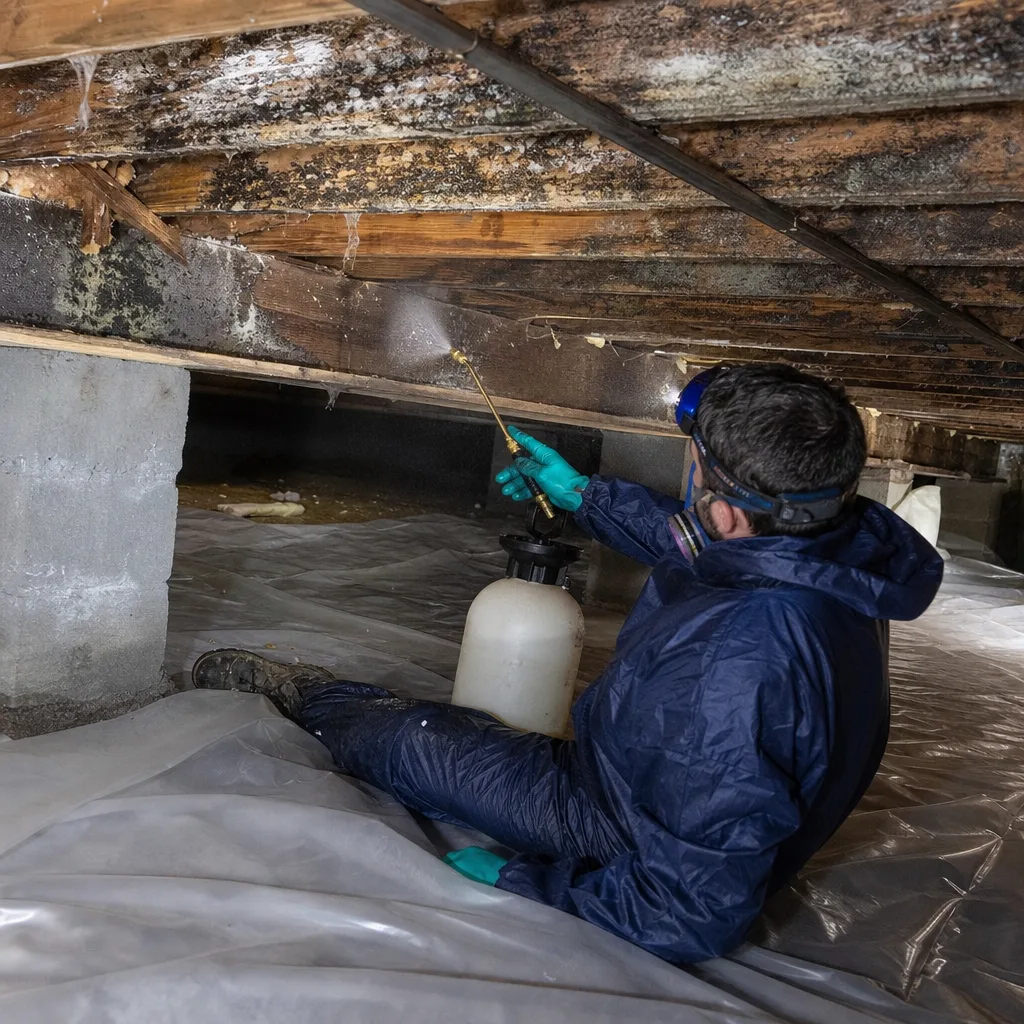
Most homeowners policies cover sudden and accidental pipe bursts, but deny claims where the homeowner failed to maintain heat or left the property unoccupied without precautions. Your claim strengthens significantly with documentation showing the thermostat was set appropriately, the heating system was professionally maintained, and any vulnerable pipes were insulated. Call (516) 386-9007 for a free estimate if you’ve experienced a burst pipe - estimates are free and delivered in writing before any work begins.
Live person answers every call, 24 hours a day, 7 days a week, with no voicemail on emergency lines. Response time depends on current call volume and your location within Flushing, but our dispatch protocol prioritizes active water migration and sewage backup to prevent secondary damage. For reconstruction and non-emergency work, we schedule and scope in writing like any professional building trade - no same-day dispatch promises that we can’t keep.
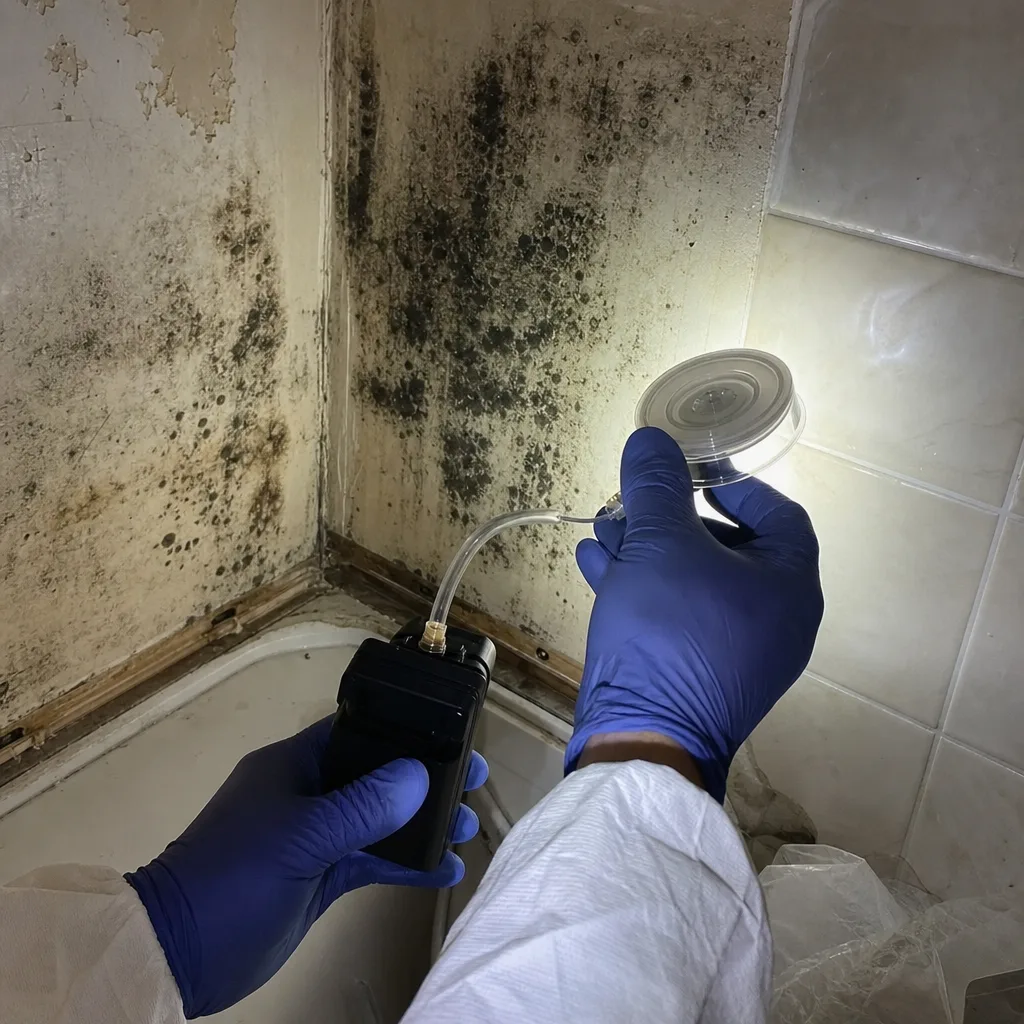
Any visible mold growth indicates a moisture problem that requires source elimination, not just surface treatment. IICRC standards define remediation by contamination area and material type, not by what “looks small.” Porous materials with mold growth - drywall, carpet, ceiling tile - typically require removal. Non-porous materials may be cleanable. A professional assessment with moisture mapping and air sampling determines the appropriate scope. Our written price before work begins, Haven Standard Clause 1, includes exactly what the assessment found and what we propose to do about it.
We coordinate directly with your adjuster, providing the documented photo record, daily drying logs, and written scope that adjusters need to authorize payment. This documentation-first approach is built into every job. However, the policyholder - you - remains the claimant, and your pre-loss maintenance records are your responsibility to produce. The seasonal log file described in this guide gives us both the evidence we need, and you’ll find more guides & resources on our blog to help maintain it.
Licensed master plumber rates in the Flushing market typically run $150-$300 for a backwater valve inspection and test, including the signed report that insurers accept. This is preventive maintenance, not restoration, and is not a service DryMark Restoration Flushing provides. We recommend establishing a relationship with a licensed plumber who knows your property and can produce consistent documentation year to year.
If any aspect of our work is not done right, we make it right - a written guarantee stamped on every job under The Haven Standard, not a marketing line. The promise is activated by calling (516) 386-9007 and describing the concern. We return to inspect, identify the deficiency against our original scope, and correct it at no additional charge. The warranty transfers with property sale if documented in closing disclosures. This is Haven Standard policy, not a verbal assurance.
The Bottom Line
Flushing’s seasonal damage calendar is predictable: freeze-thaw pipe and roof stress in winter, snowmelt foundation pressure in spring, combined sewer overflow in early summer, hurricane-adjacent wind-driven rain in late summer, and the pre-winter preparation window in fall. The homeowner who inspects against this calendar and documents each inspection with dated photos, written notes, and professional sign-offs produces exactly the pre-loss evidence an adjuster needs. The result is faster claim settlement, fuller coverage, and the ability to direct restoration spending toward actual repair rather than dispute resolution. Documentation is not extra work - it is the work that makes every other step possible.
Written by Alicia Brennan, Owner at DryMark Restoration Flushing, serving Flushing since 2011.