
Last updated September 22, 2026
Free visual inspection and a written scope of work before any mitigation begins - photos, moisture readings, and drying logs go in your claim file
The scope we write is the scope we bill. Anything new gets shown to you, in writing, before we touch it.
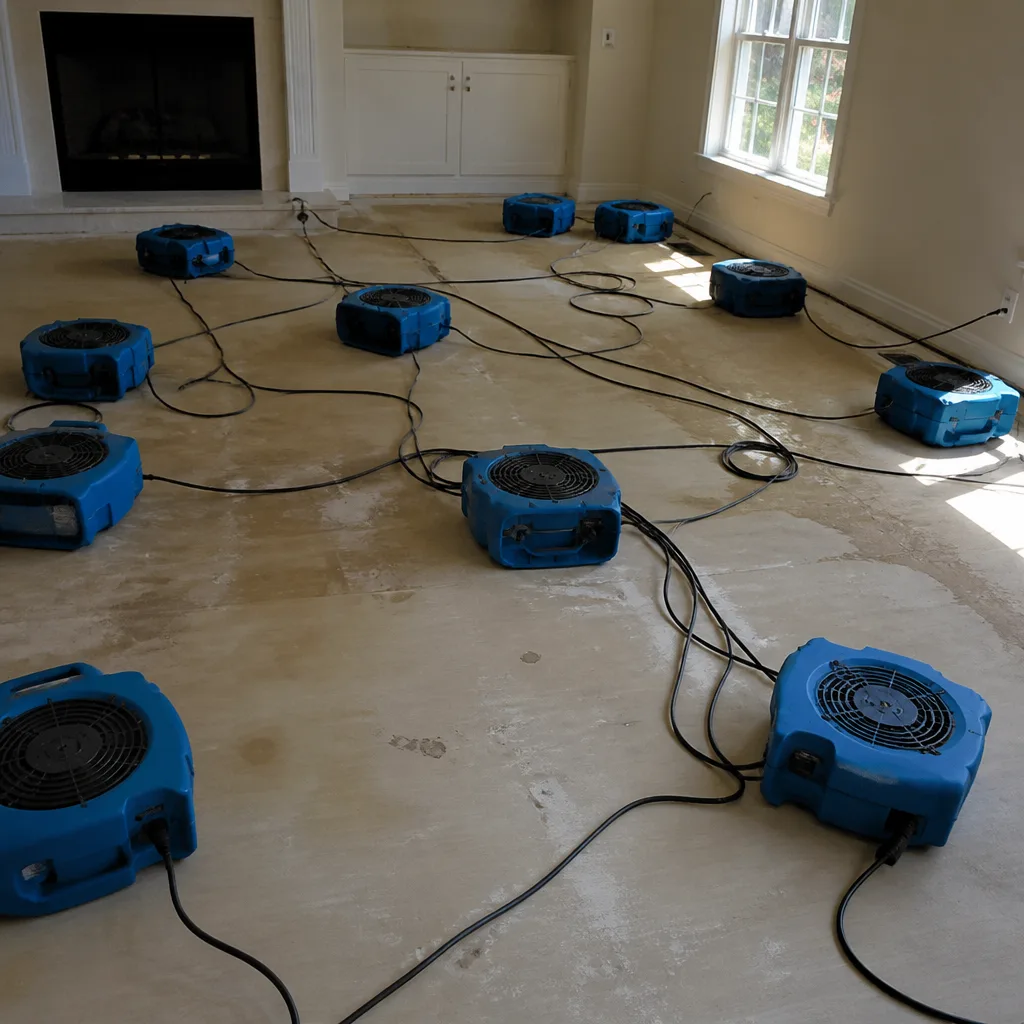
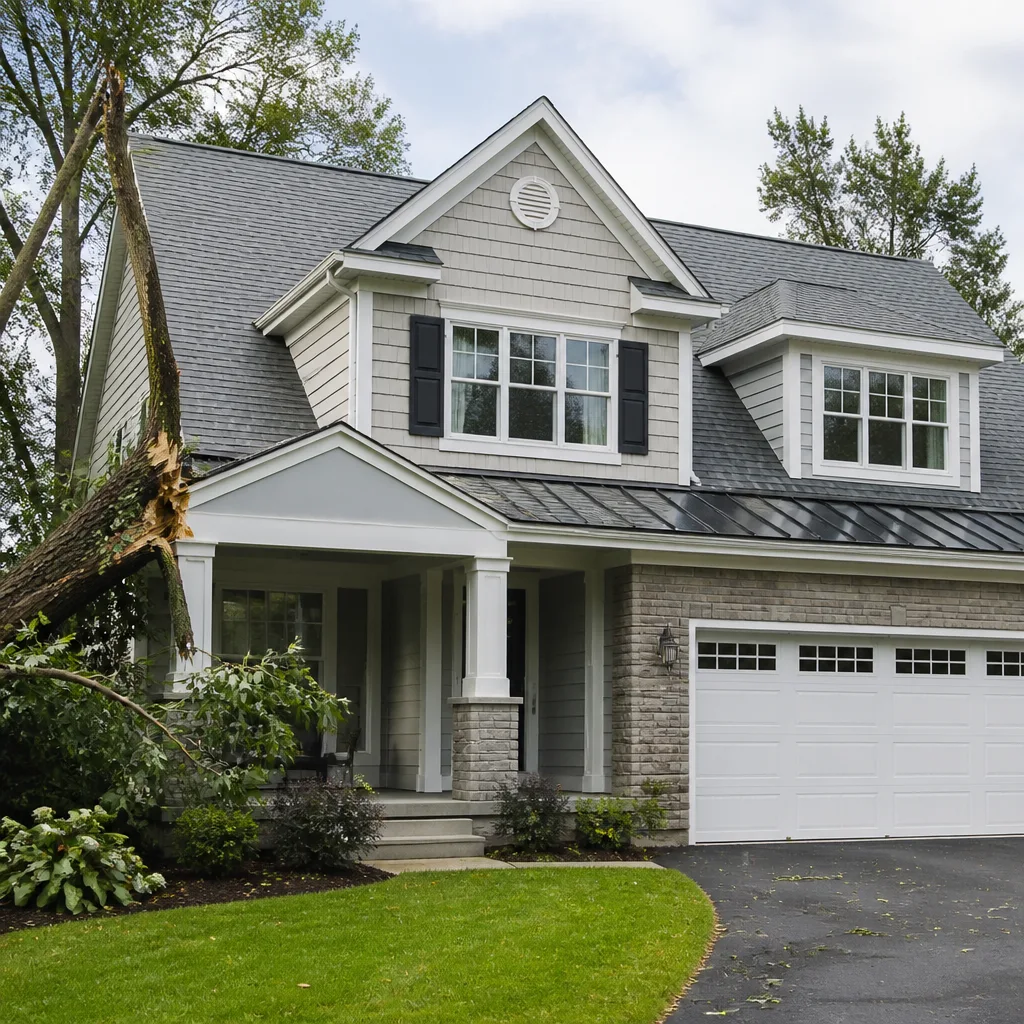
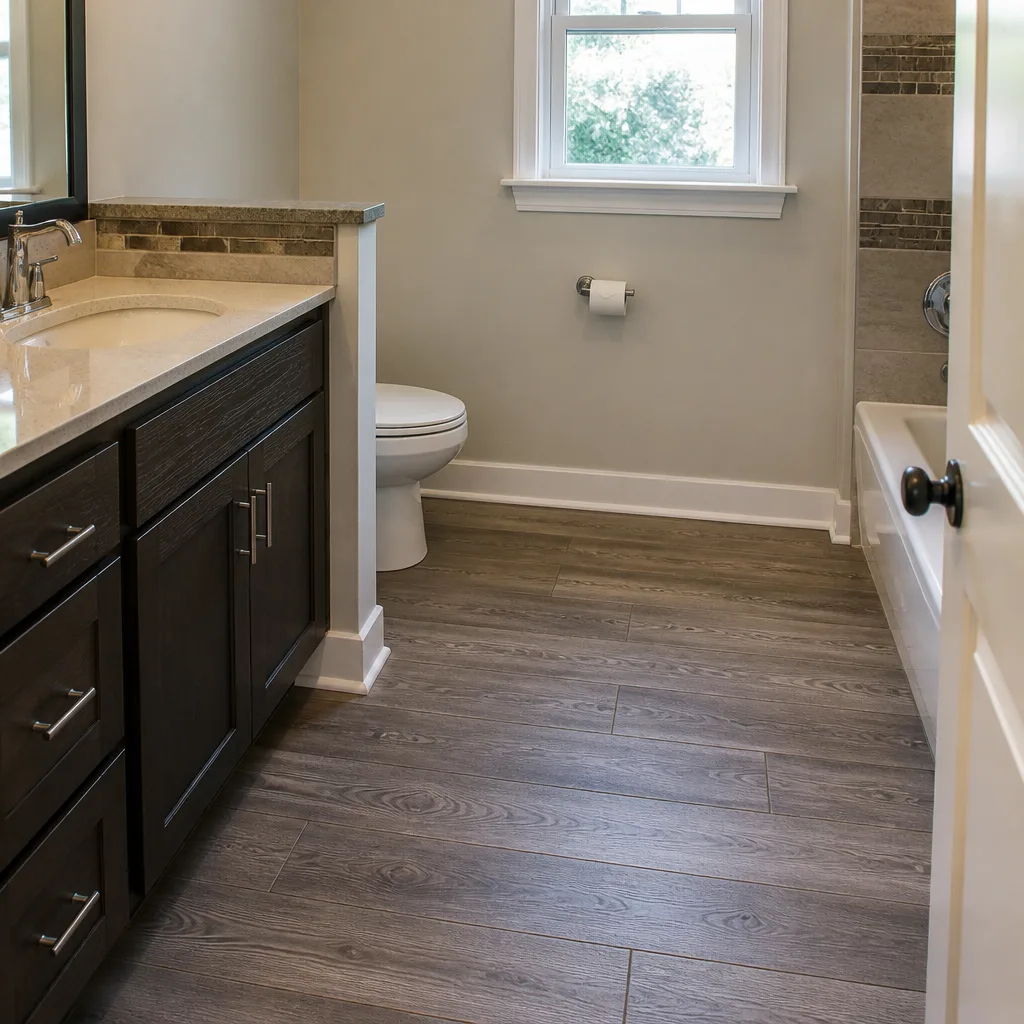
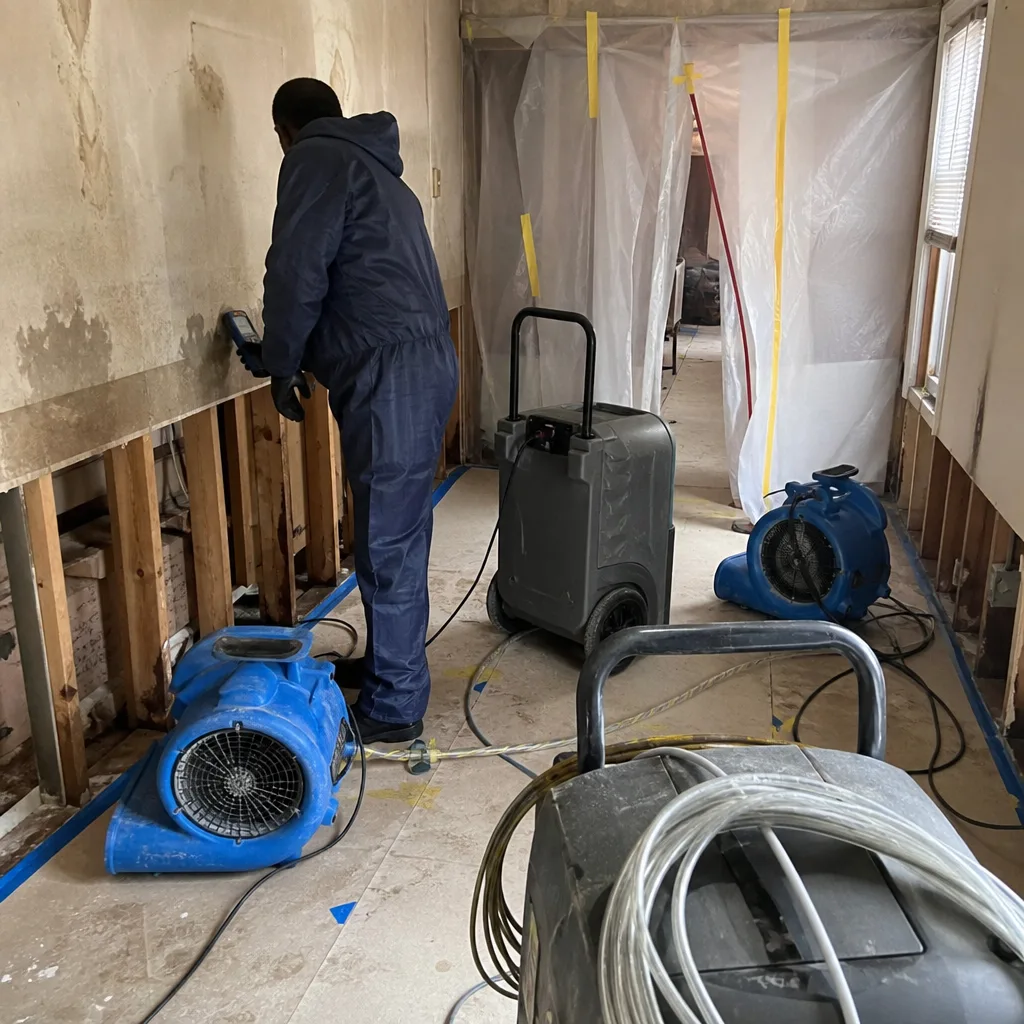 Before
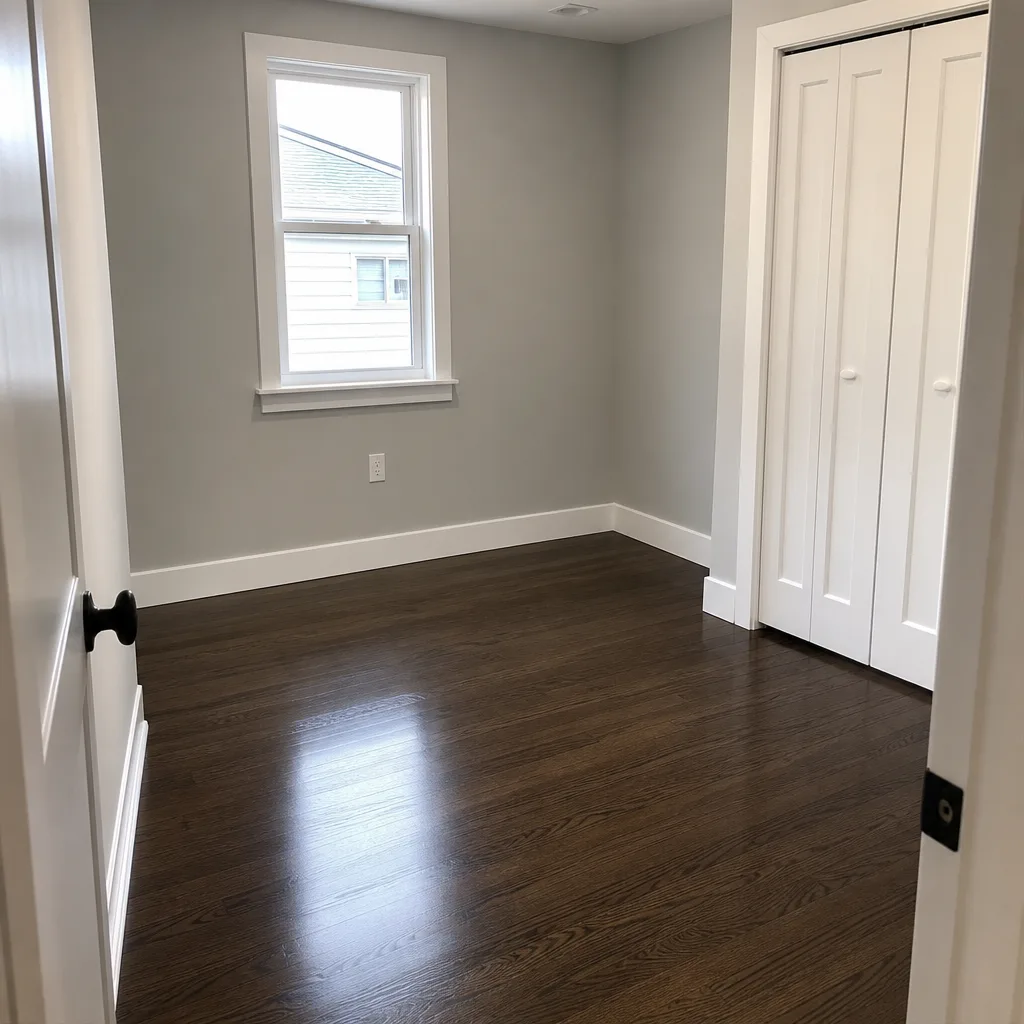 After
After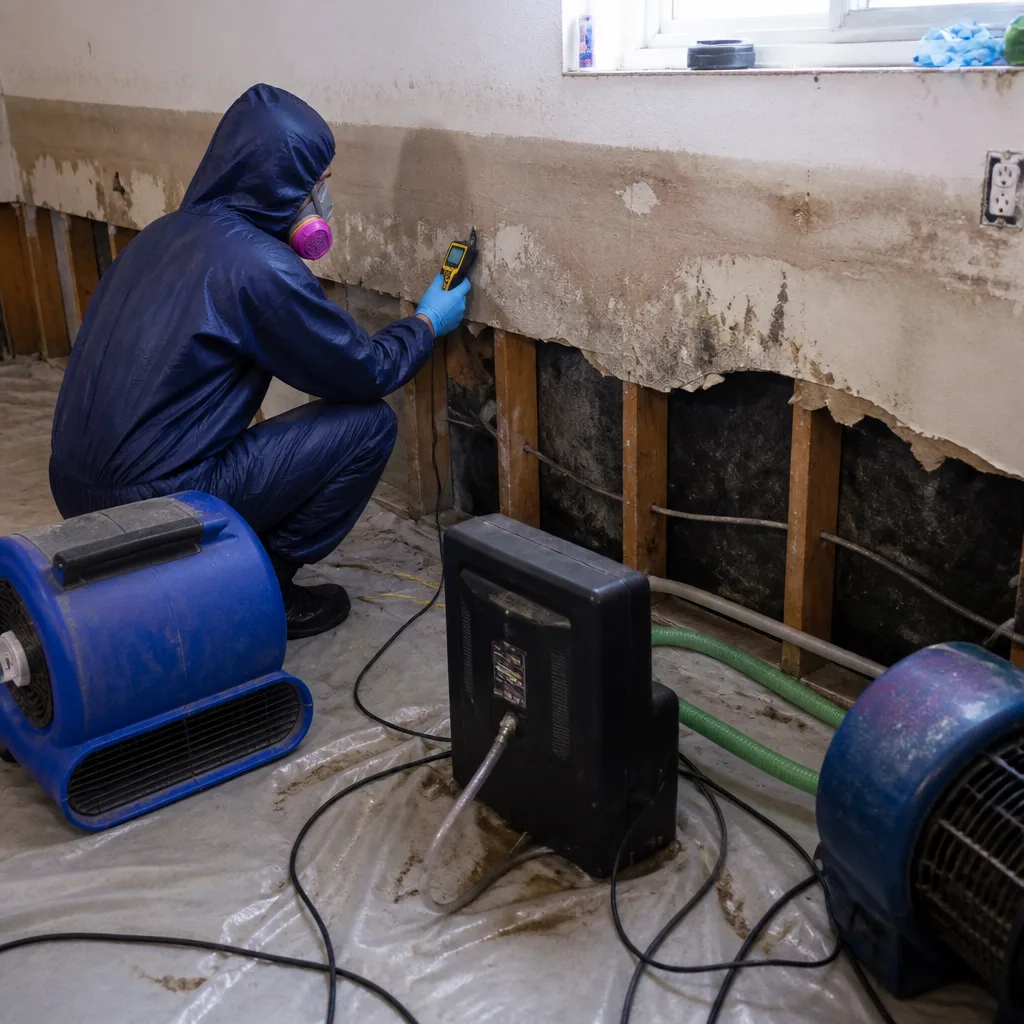 Before
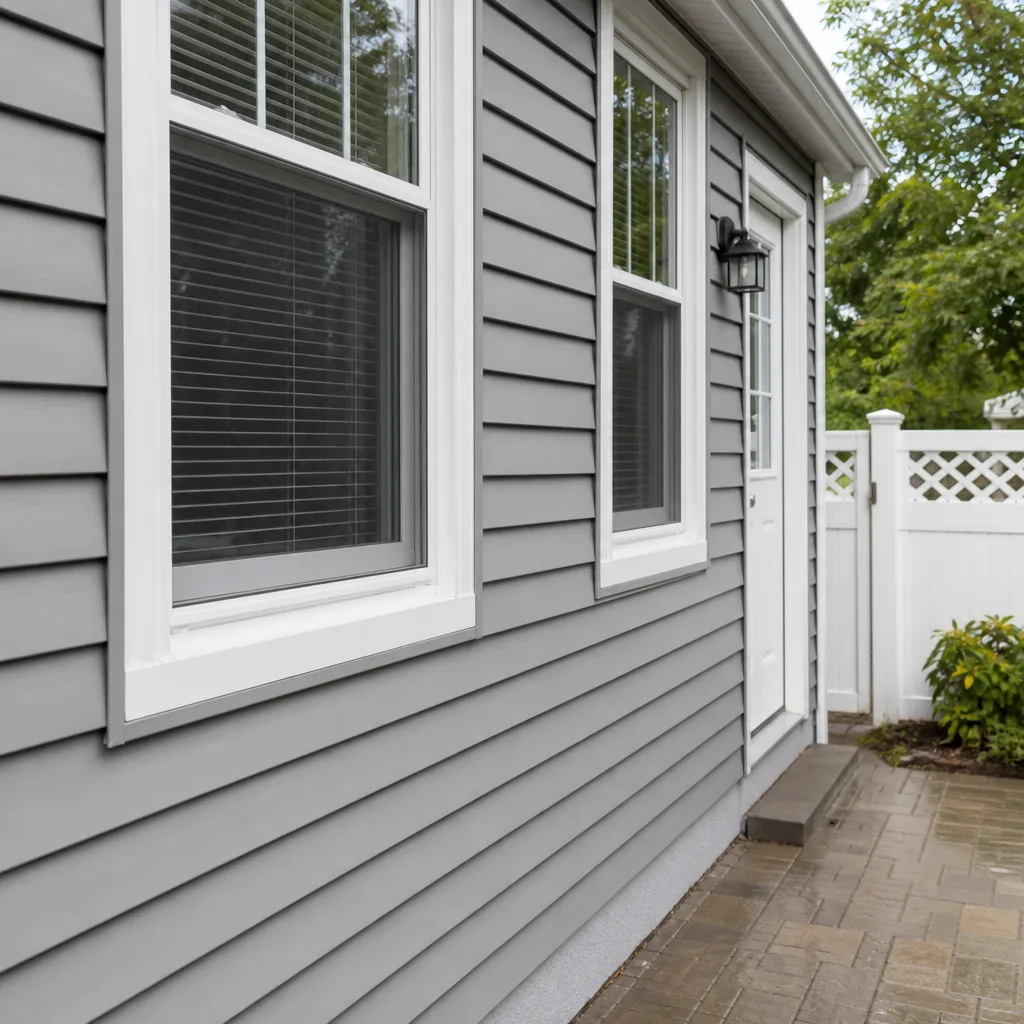 After
After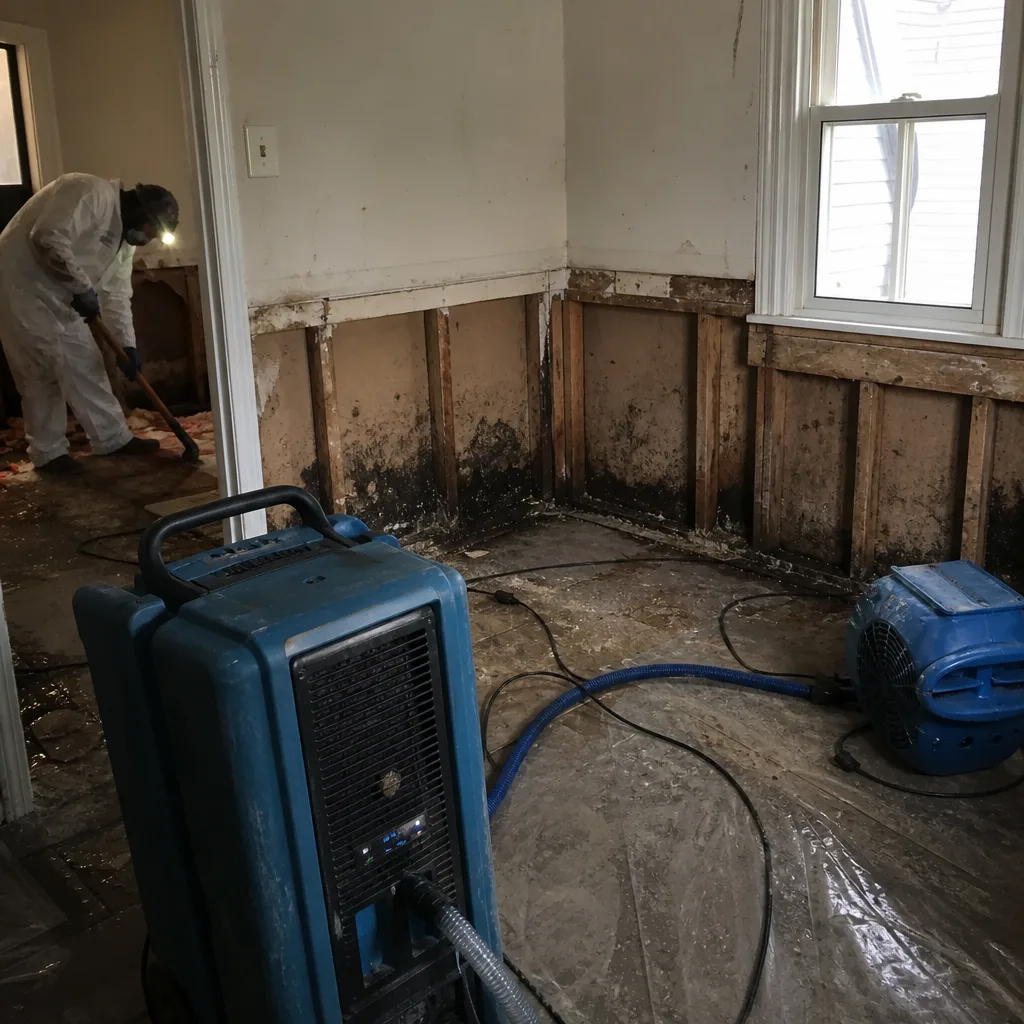 Before
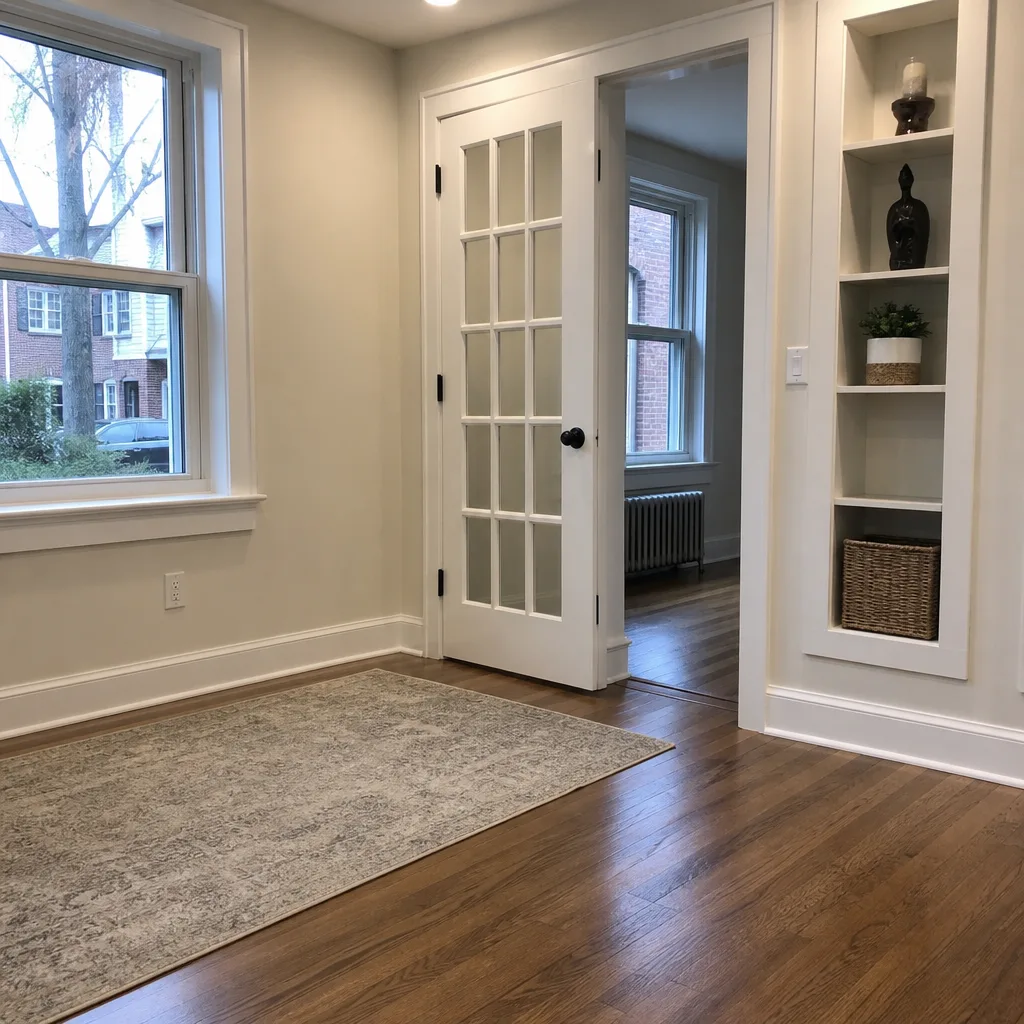 After
AfterDIY vs Professional Damage Restoration: The Flushing Homeowner’s Decision Guide
A Flushing homeowner who rents a shop vac and dries a flooded basement themselves hasn’t saved $3,000 - they’ve produced an undocumented repair that an insurer can use to deny the mold remediation claim six months later on the grounds that the drying was unverified. In our experience across 12,000 homes since 2011, the most expensive water damage call we receive isn’t the initial flood. It’s the secondary damage claim that gets rejected because the first response left no paper trail. This guide will show you exactly which restoration work you can safely handle yourself in Flushing, which jobs require licensed remediation under New York State and New York City codes, and how to document either path so it doesn’t become a liability. For how to hire a damage restoration contractor in Flushing, see our step-by-step companion guide.
Quick Answer
Most Flushing homeowners can safely self-perform Category 1 water damage restoration on Class 1 or 2 losses under 150 square feet, provided they produce a drying log with hourly moisture readings and dated photos. For Category 2 or 3 contamination, any loss touching shared party walls, or mold visible within 48 hours, professional remediation is legally required and DIY documentation will not satisfy insurer or adjuster review.
Table of Contents
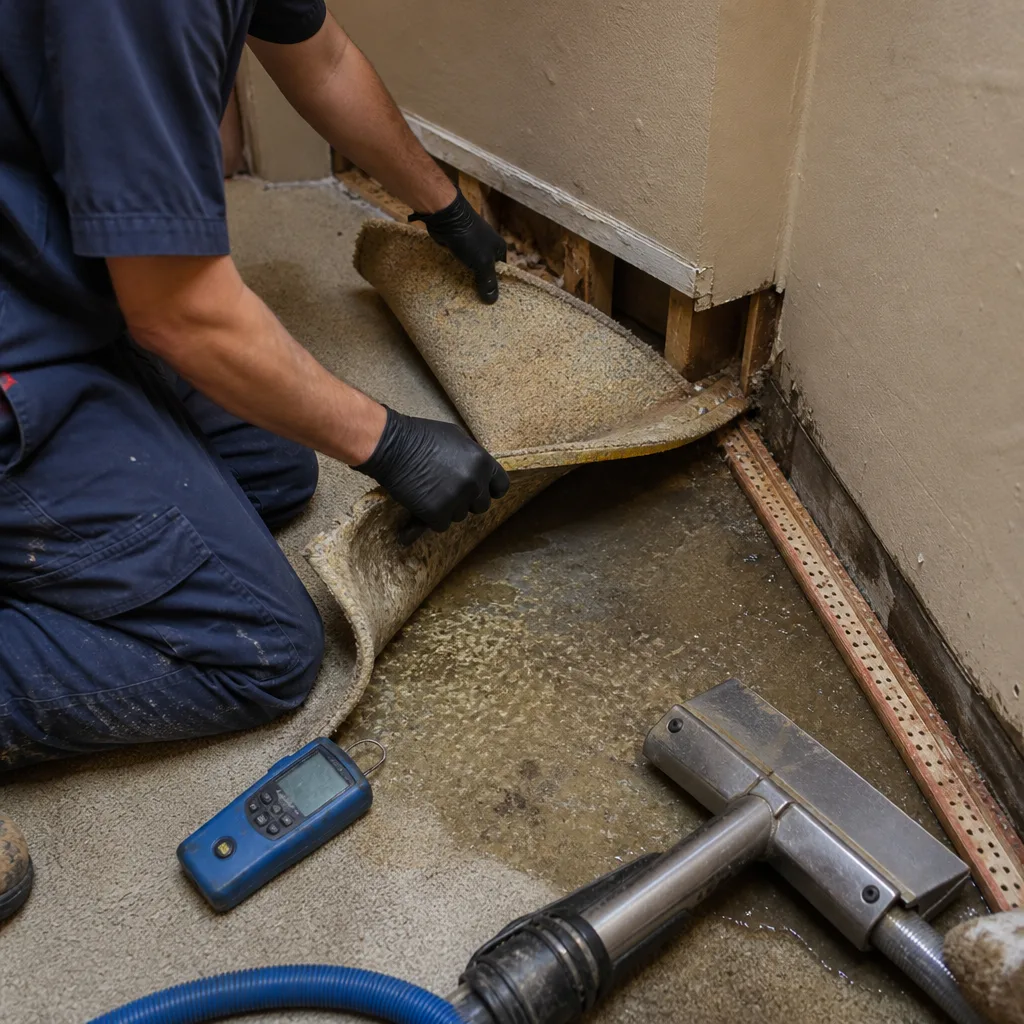
- IICRC Categories and Classes: The Legal Line Between DIY and Professional Work
- What a DIY Drying Log Must Contain to Survive Adjuster Review
- Three Flushing Scenarios Where DIY Is Categorically Inadvisable
- The Real Cost Comparison: DIY vs. (Professional Cost Minus Documented Insurance Reimbursement)
- Equipment Reality: What Rental Dehumidifiers Can and Cannot Achieve
- Permits, Codes, and the NYC Department of Buildings
- The 48-Hour Mold Threshold in Flushing’s Climate
- How to Document a Legitimate DIY Repair Without Creating Future Liability
BeforeAfterIICRC Categories and Classes: The Legal Line Between DIY and Professional Work
The Institute of Inspection, Cleaning and Restoration Certification (IICRC) S500 Standard defines water damage by contamination level and structural complexity. These aren’t suggestions - they’re the criteria insurers, adjusters, and New York courts use to determine whether remediation was performed to accepted standards.
Category 1: Clean Water
Originates from a sanitary source: broken supply line, tub overflow with no contaminants, melting ice. Category 1 water does not pose substantial risk from dermal, ingestion, or inhalation exposure. A homeowner can self-perform Category 1 extraction and drying if the loss meets Class 1 or 2 criteria below. However, Category 1 degrades to Category 2 within 24-48 hours of contact with building materials, and to Category 3 if microbial growth becomes visible. The clock starts when water hits the subfloor.
Category 2: Gray Water
Contains significant contamination and has the potential to cause discomfort or sickness if contacted or consumed. Sources include dishwasher discharge, washing machine overflow, sump pump failures, and hydrostatic pressure seepage. Category 2 requires antimicrobial treatment, specialized PPE, and documented contamination handling per RIA standards. Homeowners should not self-perform Category 2 work - not because the extraction is technically difficult, but because without documented antimicrobial application and air-quality verification, no insurer will cover subsequent health claims.
Category 3: Black Water
Grossly contaminated, including sewage, seawater, rising surface water, and water from rivers or streams. Category 3 is regulated as biohazard under OSHA 29 CFR 1910.1030 and NYC Department of Health requirements. Self-performing Category 3 remediation in Flushing violates multiple codes and voids homeowner’s insurance coverage for any related health incident. This includes basement sewage backups, which we’ll address in the Flushing-specific scenarios section.
Class 1: Minimum Moisture
Least amount of water, absorption, and evaporation. Affects only part of a room or area, with no wet carpet or cushion. Typically under 5% of affected materials. Homeowner-appropriate with proper documentation.
Class 2: Significant Moisture
Large amount of water, absorption, and evaporation. Affects an entire room or multiple rooms, with carpet and cushion present. Water wicks up walls less than 24 inches. Homeowner-appropriate under 150 square feet with professional-grade equipment and a maintained drying log.
Class 3: Greatest Moisture
Water may have come from overhead, with saturation of ceilings, walls, insulation, carpet, cushion, and subfloor. Requires professional structural drying with directed airflow, cavity drying systems like Injectidry, and psychrometric monitoring. Not appropriate for DIY.
Class 4: Specialty Drying Situations
Low-permeance materials like plaster, hardwood, concrete, and crawlspaces. Requires controlled drying with vapor pressure differential management and extended drying timelines. Professional-only.
In Flushing’s housing stock - pre-war brick row houses, mid-century frame homes in Bayside-adjacent neighborhoods, and post-war concrete slab construction near the Van Wyck - Class 3 and 4 losses are more common than owners realize. Plaster lath walls common in 1920s-1940s Flushing construction act as moisture reservoirs; they can read surface-dry while retaining 30%+ moisture content at the lath interface. Without a penetrating moisture meter, a homeowner cannot verify completion.
What a DIY Drying Log Must Contain to Survive Adjuster Review
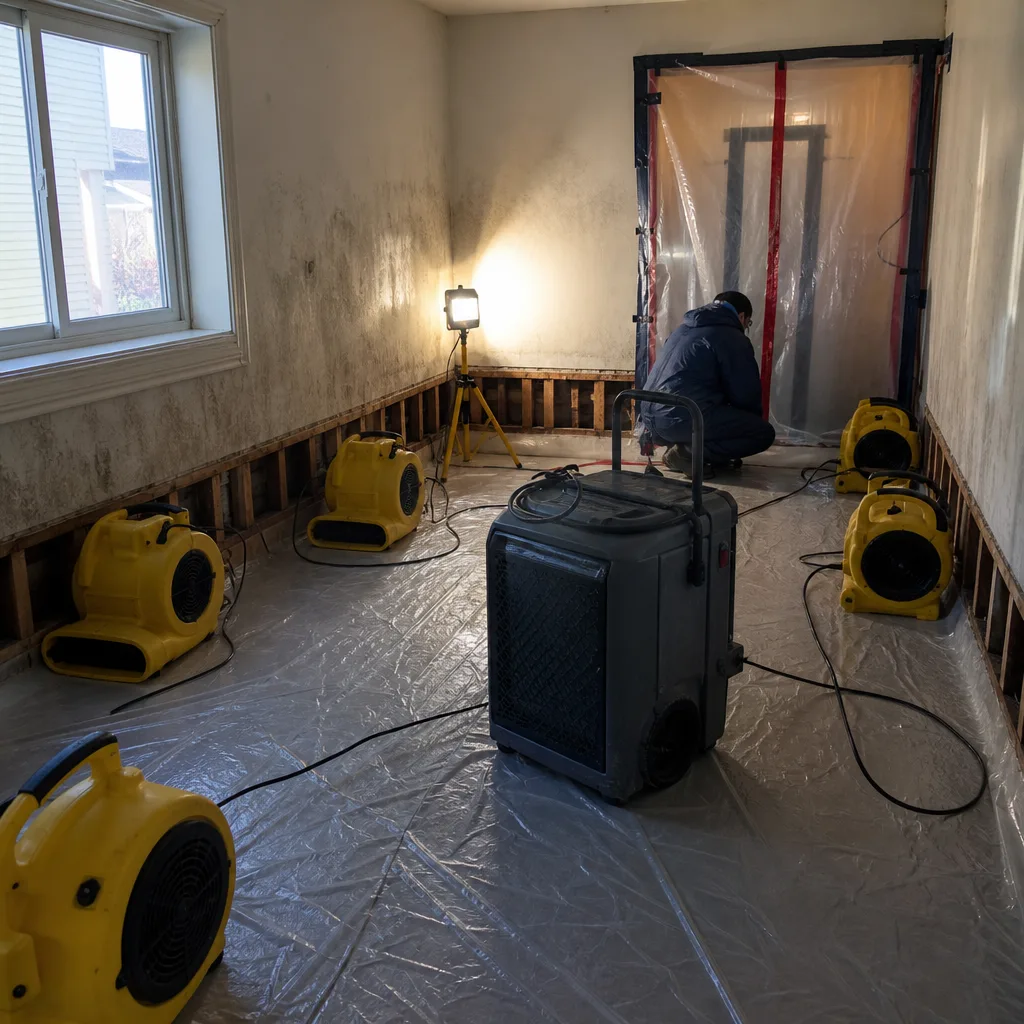
We’ve reviewed hundreds of denied claims where the homeowner performed what they believed was adequate drying, only to have an adjuster reject subsequent mold or structural damage on the basis that the initial response was “unverified.” A drying log that survives review contains specific data points, captured at specific intervals, with equipment specifications documented.
Required Elements of a Defensible DIY Drying Log
- Start conditions: Date and time water loss discovered. Source of water (specific fixture or failure point). Category and Class self-assessment with rationale. Square footage of affected area. Photos of standing water, affected materials, and water line marks on walls before any extraction begins.
- Equipment deployment record: Make, model, and capacity of every dehumidifier, air mover, and specialty equipment. For rental units, photograph the nameplate showing LGR (low-grain refrigerant) or conventional designation, pint-per-day capacity at AHAM conditions (80°F, 60% RH), and serial number. Note: Most rental dehumidifiers from hardware stores are conventional units rated at 30-50 pints per day. Professional LGR units from Dri-Eaz or Phoenix extract 80-130 pints per day at low specific humidity, which is what matters in late-stage drying.
- Hourly moisture readings for first 24 hours: At minimum, record ambient relative humidity and temperature at 3-foot height in the center of the affected area. At wall cavities, record moisture content at baseboard height and 12 inches above the water line using a pin-type moisture meter, not a surface-scanning tool. Wood moisture content should trend from 20%+ toward 12% or below. Drywall above 1% moisture content by weight is not dry.
- Daily readings thereafter until completion: Same locations, same instruments, same time of day. The drying log must show a consistent downward trend. Flatlined readings indicate equipment insufficiency or hidden moisture.
- Psychrometric data: Specific humidity, dew point, and vapor pressure differential between affected and unaffected areas. These readings determine whether the air can still accept moisture from materials. Most homeowners lack the tools to capture this; without it, a professional can argue the drying conditions were never verified as adequate.
- Completion documentation: Final moisture readings at all monitored locations. Photos of dry materials. Date and time equipment removed. Receipts for all equipment rental, materials, and supplies. Written statement that no musty odors, visible mold, or soft materials remain.
Here’s the practical reality: producing this log requires equipment most Flushing homeowners don’t own. A quality pin-type moisture meter costs $250-$400. A thermo-hygrometer with data logging runs $150-$300. Rental dehumidifiers for a week approach $200-$350. The total DIY equipment outlay for a defensible job often exceeds $600 before labor.
Compare this to Water Damage Restoration in Flushing through DryMark Restoration Flushing, where the documentation package - drying log, photo record, equipment specifications, and completion certificate - is standard on every job, with a written price delivered before work begins under Haven Standard, Clause 1.
Three Flushing Scenarios Where DIY Is Categorically Inadvisable
Flushing’s built environment creates specific conditions that override the general Category/Class framework. These three scenarios appear repeatedly in our files, and in each case, the homeowner who attempted DIY remediation created documentation gaps that cost them coverage later. Seasonal damage restoration care for Flushing can help homeowners anticipate these risks before they arise.
Scenario 1: Basement Sewage Backups (Category 3)
Flushing’s combined sewer system, particularly in areas near Kissena Corridor Park and the older sections south of Roosevelt Avenue, experiences hydraulic overload during intense rainfall. Basement sewage backups are Category 3 by definition - grossly contaminated with pathogens including E. coli, Giardia, and enteric viruses. NYC Department of Health Code requires professional remediation with antimicrobial treatment, HEPA air filtration, and post-remediation clearance testing. Self-performing this work violates OSHA bloodborne pathogen standards and creates liability if any occupant or subsequent buyer develops illness. Your homeowner’s policy will not defend you.
Additionally, Flushing basements often contain oil tanks, furnaces, and electrical panels in the same flood zone. A sewage backup with energized electrical components is an electrocution hazard. The correct response is evacuation, utility shutoff by qualified personnel, and professional remediation.
Scenario 2: Any Damage Touching Shared Party Walls
Flushing’s row house and attached townhouse stock, particularly in the blocks between Main Street and Parsons Boulevard, shares structural walls with adjacent units. Water damage touching a party wall implicates your neighbor’s property, their insurance, and potential code violations if mold spreads through wall cavities into their living space. NYC Building Code requires licensed contractors for work affecting structural elements shared by multiple dwelling units. A DIY drying job that fails to address cavity moisture can propagate mold to adjacent units, creating cross-claims that your insurer may deny based on your unlicensed work.
We’ve handled cases where a Flushing homeowner’s self-performed basement drying led to mold in the neighboring unit’s bedroom six months later. The neighbor’s insurer subrogated against the original homeowner, who had no drying log to prove adequate remediation. The claim exceeded $40,000.
Scenario 3: Mold Visible Within 48 Hours
Flushing’s climate amplifies mold risk. Summer humidity regularly exceeds 75% ambient, and the urban heat island effect keeps nighttime temperatures elevated, reducing the diurnal cooling that would otherwise lower relative humidity. In these conditions, mold can colonize on wet drywall in 24-48 hours - sometimes less in enclosed spaces with poor ventilation.
Visible mold triggers NYC Local Law 55 (the Asthma Free Housing Act) if the property is a multiple dwelling, and requires licensed mold remediation under New York State Article 32 regardless of building type. Self-remediation of visible mold is illegal in New York State for areas exceeding 10 square feet. More critically, any DIY mold removal without containment and negative air pressure will disperse spores throughout the HVAC system, contaminating previously unaffected areas. The documentation problem is severe: an insurer can argue that the homeowner’s disturbance of mold made the contamination worse, converting a covered water damage claim into an excluded mold claim.
Mold Remediation in Flushing requires containment protocols, air scrubbing with HEPA filtration, and post-remediation clearance sampling - none of which are achievable with consumer equipment.
The Real Cost Comparison: DIY vs. (Professional Cost Minus Documented Insurance Reimbursement)
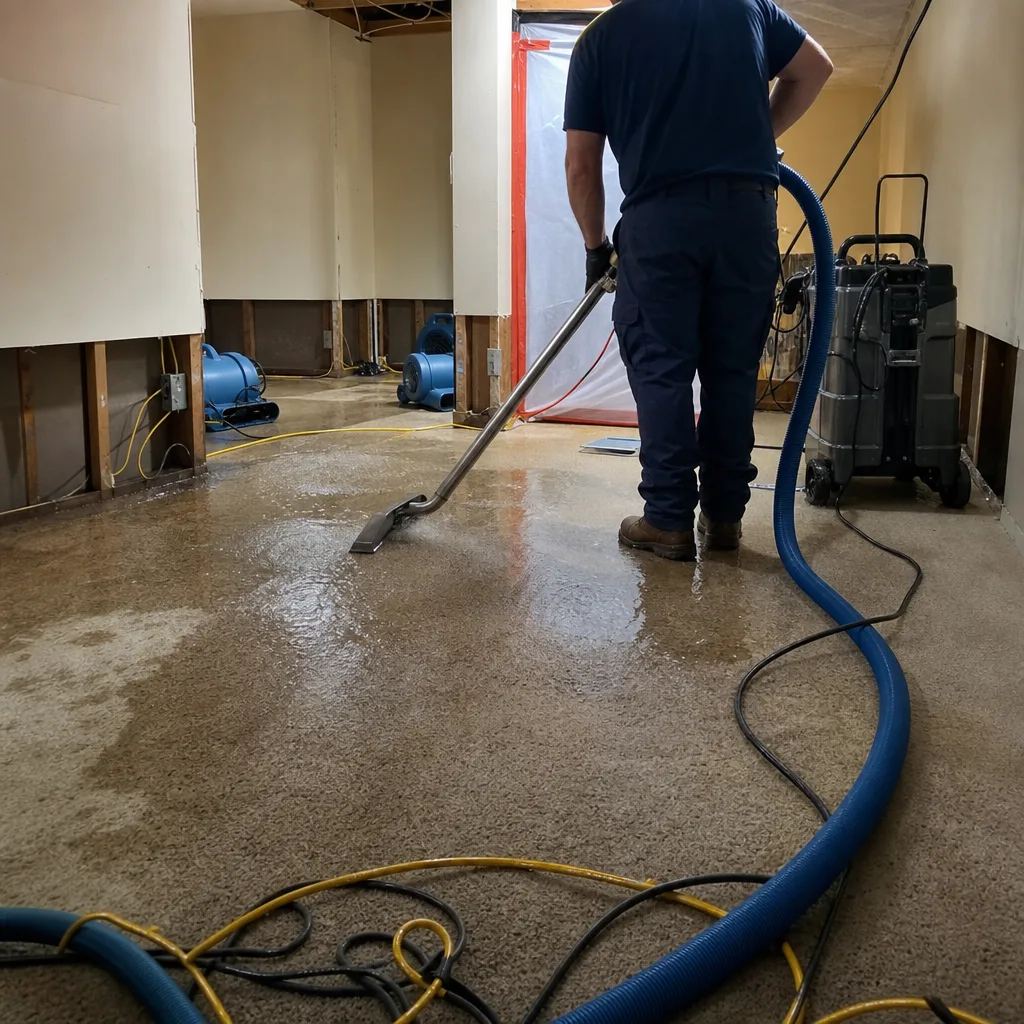
The standard internet comparison - “DIY costs $400, professional costs $3,500” - is wrong in every way that matters to your actual bank account. The relevant number is your out-of-pocket exposure after documented insurance recovery, and that calculation changes dramatically based on whether your response produces admissible documentation.
DIY True Cost for a Defensible Job
- Equipment rental (dehumidifier, air movers, moisture meter): $400-$700
- Materials (antimicrobial, disposable PPE, cleaning supplies): $150-$300
- Time value (monitoring, logging, equipment rotation): 15-25 hours at your effective hourly rate
- Documentation tools (camera with timestamp, data loggers if psychrometric data required): $100-$400 purchase or rental
- Subtotal DIY: $650-$1,400 plus labor
Professional Cost with Documented Insurance Recovery
Professional water damage restoration in Flushing for a Class 2, Category 1 loss of 200-400 square feet typically ranges $2,800-$5,200 depending on affected materials and equipment days required. However, with documented cause of loss, proper Category/Class classification, and a drying log meeting IICRC and RIA standards, insurance recovery rates on covered perils exceed 85% for policyholders with standard HO-3 or HO-5 coverage.
The professional invoice that includes moisture readings, equipment specifications, daily drying logs, and photo documentation is paid by insurers at substantially higher rates than undocumented or poorly documented claims. In our experience, a fully documented professional job recovers 20-40% more from insurance than the same scope with gaps in the file - and undocumented DIY work recovers zero on any subsequent related claim.
The Correct Comparison
| Scenario | Out-of-Pocket Cost | Future Claim Protection |
|---|---|---|
| DIY with no documentation | $400-$800 (minimal equipment) | Zero - subsequent claims denied |
| DIY with defensible drying log | $650-$1,400 plus 15-25 hours | Limited - may survive review if Category 1, no complications |
| Professional, documented, insurance filed | $420-$780 (15% coinsurance on $2,800-$5,200) | Full - drying log establishes baseline for all future claims |
The professional route, properly documented and claimed, often costs less out-of-pocket than the defensible DIY path - while providing complete future protection. This is the math that matters, and it’s why Haven Standard, Clause 1 requires a written price before work begins: so you can make this comparison with actual numbers, not estimates.
Equipment Reality: What Rental Dehumidifiers Can and Cannot Achieve
Specific humidity, measured in grains of moisture per pound of dry air, determines whether your dehumidifier is actually drying or just recirculating damp air. Most rental dehumidifiers from hardware stores are conventional refrigerant units that stop extracting effectively below 55-60 grains. Professional LGR units from Phoenix and Dri-Eaz continue extracting below 40 grains, which is where structural drying must reach to prevent secondary damage.
Grains per Pound at Key Conditions
- Flushing summer ambient, 75% RH at 78°F: approximately 115 grains
- Target for occupied space per IICRC: 55 grains or below
- Target for structural drying completion: 40 grains or below
- Rental conventional dehumidifier effective limit: 55-60 grains
- Professional LGR effective limit: 30-35 grains
The gap between rental and professional equipment isn’t incremental - it’s categorical. A conventional unit running in a Flushing basement in July will plateau around 60 grains, leaving materials damp enough to support mold. An LGR unit with proper air mover placement will drive conditions to 35 grains, achieving true dryness.
Air mover placement matters equally. The IICRC S500 specifies one air mover per 50-60 square feet of affected floor area, plus additional units for each wall offset and corner. Rental stores typically stock limited quantities; we’ve seen Flushing homeowners attempt Class 2 drying with two air movers for 400 square feet. The airflow is insufficient to evaporate moisture from materials at a rate the dehumidifier can then extract. The result is a drying chamber that feels dry to the touch but reads wet at depth.
Injectidry and similar cavity drying systems, which deliver conditioned air into wall cavities through small injection ports, are not available for consumer rental. In Flushing’s plaster-lath construction, cavity drying is often essential - the alternative is removing baseboards and drilling weep holes, then patching and painting, which adds cost and disruption the DIY comparison rarely includes.
Permits, Codes, and the NYC Department of Buildings
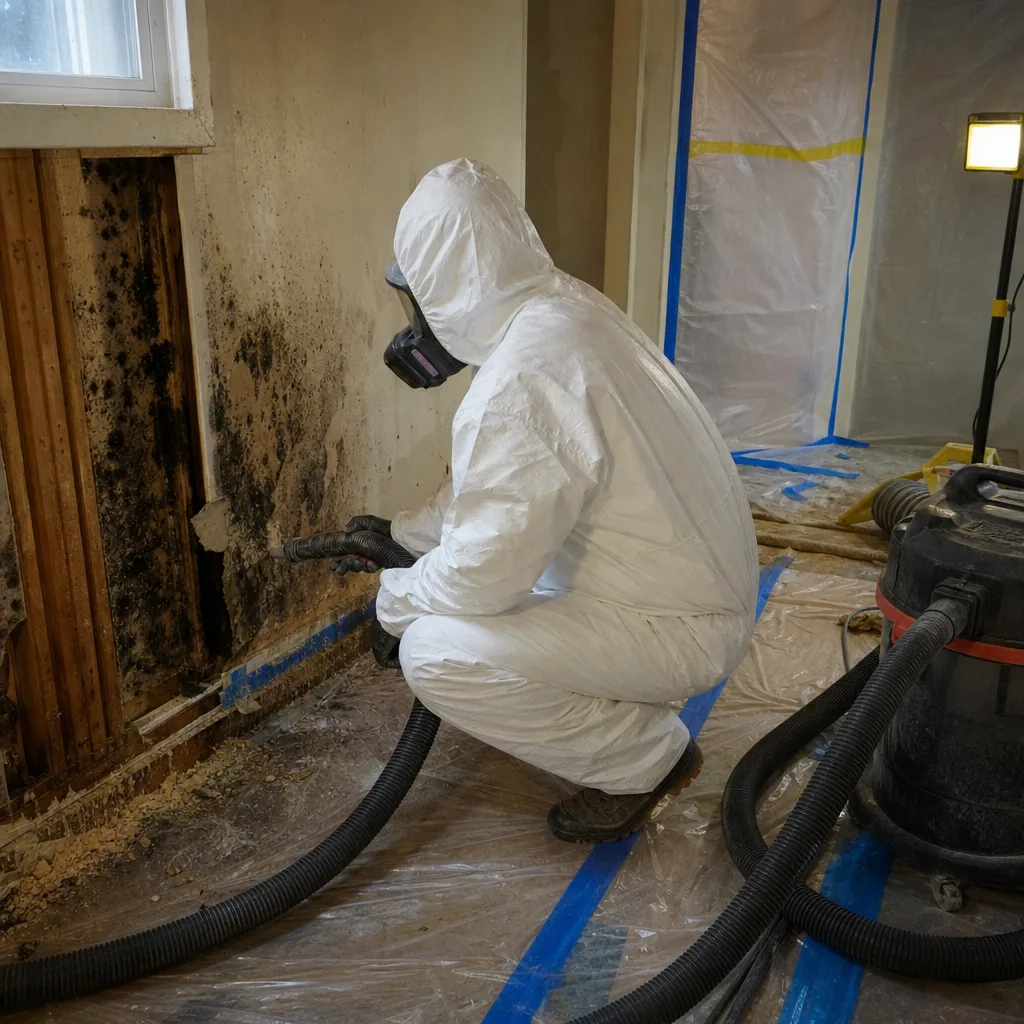
New York City Department of Buildings permitting requirements for water damage restoration depend on the scope of work, not who performs it. Homeowners performing their own work are not exempt from permit requirements - they are merely performing work without the license that would allow them to pull the permit legally.
Permit-Required Work (Licensed Contractor Mandatory)
- Removal or replacement of drywall exceeding one wall in a room
- Any work affecting electrical, plumbing, or HVAC systems
- Structural repairs to joists, studs, or subflooring
- Mold remediation exceeding 10 square feet (NYS Article 32)
- Any work in a multiple dwelling requiring Local Law 55 compliance
No Permit Required (Homeowner May Self-Perform with Documentation)
- Extraction of standing water without material removal
- Placement of drying equipment without demolition
- Surface cleaning and antimicrobial application on non-porous materials in Category 1 losses under 10 square feet
The permit threshold is where many Flushing homeowners create liability. A basement flood that wicks into drywall requires removal of the lower 2-4 feet of wall covering. If that wall contains electrical outlets, the removal requires an electrical permit and licensed electrician. If the wall is load-bearing, structural review is required. The homeowner who performs this work without permits faces stop-work orders, fines, and inability to sell the property until violations are cleared - costs that dwarf any perceived DIY savings.
In our Flushing work, we coordinate permits as standard practice on any job requiring demolition or material replacement. The permit application, inspection scheduling, and sign-off are included in our scope and documented in the job file - another element that supports insurance recovery and future property transfer.
The 48-Hour Mold Threshold in Flushing’s Climate
Mold colonization requires moisture, organic food source, and suitable temperature. Flushing provides all three, aggressively. The urban heat island keeps summer nighttime temperatures above 70°F. Basements and first floors in older construction often lack adequate ventilation. And the building materials - paper-faced drywall, wood framing, cellulose insulation - are ideal substrates.
Time-to-Colonization by Condition
| Condition | Typical Colonization Time |
|---|---|
| Standing water on drywall, 75°F+, stagnant air | 24-36 hours |
| Wet carpet over concrete, summer humidity | 36-48 hours |
| Damp subfloor with air movement, dehumidification running | 72+ hours if drying is effective |
| Plaster lath with cavity moisture, no cavity drying | Indefinite - mold grows in cavity, invisible until advanced |
The 48-hour figure commonly cited is not a guarantee - it’s a rough maximum for favorable conditions. In Flushing’s actual conditions, 24 hours is more realistic for drywall, and hidden cavity moisture can support mold indefinitely without visible surface indication.
This is where DIY documentation becomes critical. If you discover water damage at 10 PM and begin extraction at 8 AM the next day, you’ve already lost 10 hours. If your dehumidifier doesn’t achieve target specific humidity within 24 hours of extraction start, you’ve likely crossed the colonization threshold. Without hourly moisture readings, you cannot prove when drying was achieved - and without that proof, an insurer can argue mold was present before your response or caused by your inadequate drying.
DryMark Restoration Flushing home provides 24-hour live dispatch precisely because the documentation clock starts at discovery, not at contractor arrival. Every hour of delay is evidence that the insurer can use.
How to Document a Legitimate DIY Repair Without Creating Future Liability
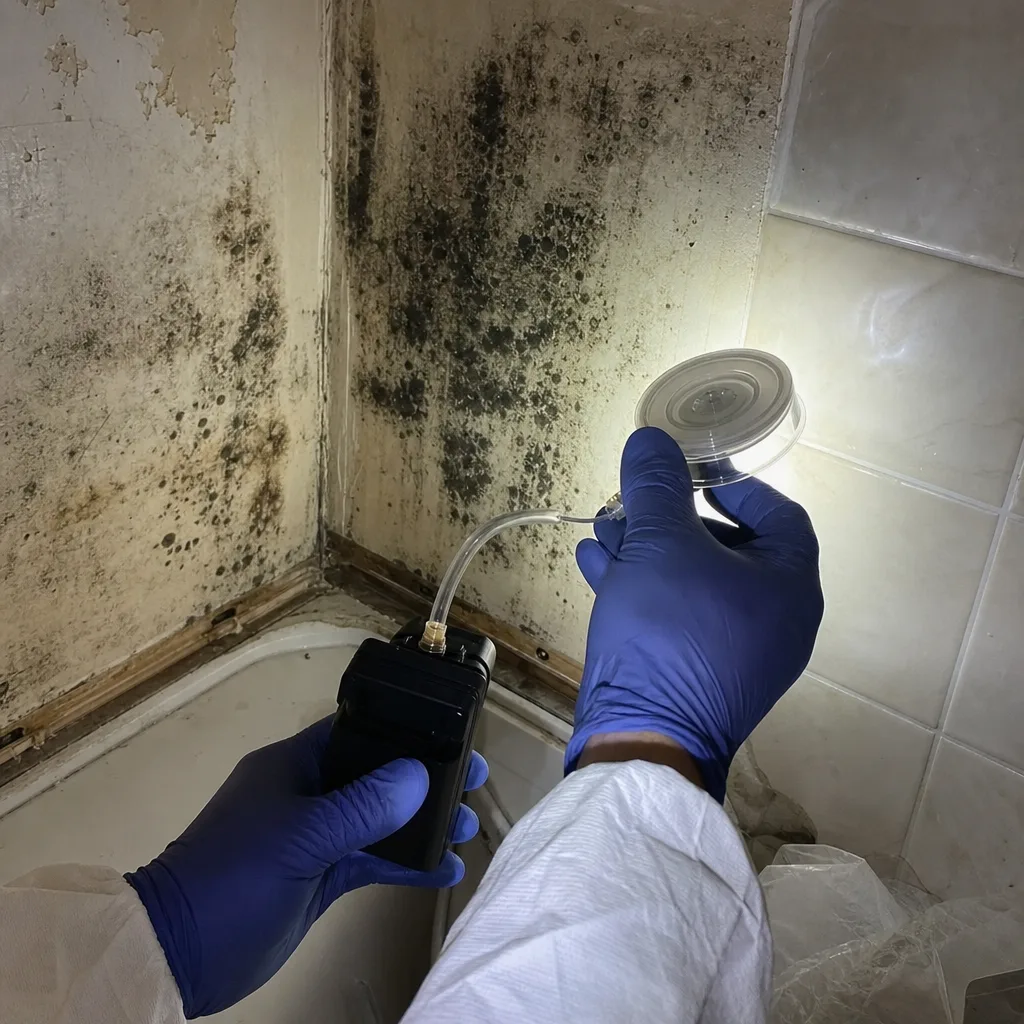
If you choose the DIY path for a qualifying Category 1, Class 1 or 2 loss, documentation is not optional - it’s the entire value of your effort. Our water damage restoration maintenance checklist for Flushing homeowners provides the framework for defensible record-keeping. A poorly documented DIY job is worse than no job at all, because it creates the appearance of adequate response without the evidence to support it.
Step-by-Step Documentation Protocol
- Immediate discovery record: Timestamped photo or video of water source, standing water, and all affected materials. Include a recognizable object for scale. Photograph the water line on walls. If the source was a failed supply line, photograph the failed component before replacement.
- Extraction record: Photo of equipment used, with visible capacity rating. Note gallons extracted if using a wet/dry vac with gallon markings. Time-stamped photo of area post-extraction, while still wet.
- Equipment deployment record: Photo of each dehumidifier and air mover nameplate showing model, capacity, and serial number. Diagram showing placement locations relative to room dimensions. Start time for each unit.
- Moisture monitoring log: Daily (minimum) readings at established points. For a defensible log, use the same meter, same locations, same time of day. Record: wood moisture content percentage, drywall moisture content percentage or relative scale reading, ambient temperature, ambient relative humidity. If possible, record specific humidity in grains per pound.
- Material removal record: If any materials are removed, photo before removal showing extent of wetting, photo of substrate after removal, and receipt for replacement materials. Note: material removal may trigger permit requirements; verify before cutting.
- Completion record: Final moisture readings at all monitoring points, matching or below dry standard for material type. Photo of dry materials. Photo of equipment removed, timestamped. Written statement of no odors, visible mold, or soft materials. Retain all receipts for 7 years minimum - the statute of limitations for construction defect claims in New York.
Critical Warning: The Partial DIY Trap
The most dangerous documentation gap occurs when a homeowner begins DIY, encounters unexpected conditions (mold, Category degradation, structural involvement), and then calls a professional. The professional’s drying log starts mid-process, with no baseline from the initial response. The insurer can argue that the homeowner’s initial actions caused or worsened the damage, and the professional’s documentation cannot disprove this because the initial state was never recorded.
If you begin DIY and encounter any of the following, stop and call a professional immediately: visible mold, sewage odor or discoloration, water from an unidentified source, electrical components in the water path, damage exceeding your initial estimate, or moisture readings that plateau after 24 hours of equipment operation. The cost of professional intervention at this point is substantially less than the cost of a denied claim.
DryMark Restoration Flushing offers a Free Second Opinion on any competitor’s written estimate - including your own documentation package. If you’ve begun DIY and need professional review of your drying log, we will assess it at no charge and provide a written scope if additional work is needed.
Common Mistakes to Avoid
- Using household fans instead of air movers. Ceiling fans and box fans move air but don’t create the high-velocity, directed airflow at the wet surface boundary layer that drives evaporation. They’re also not rated for wet environments and create electrocution risk.
- Ignoring the vapor barrier in concrete slab construction. Many Flushing homes built 1950-1980 have concrete slabs with compromised or absent vapor barriers. Moisture wicks upward continuously; surface drying means nothing if the slab is feeding moisture from below. Only a calcium chloride test or in-situ RH probe can verify slab moisture.
- Assuming drywall is dry because it feels dry to touch. Surface dryness at 1/8 inch depth means nothing if the core at 1/2 inch is still at 15% moisture content. Pin meters with insulated pins are required for accurate depth readings.
- Failing to document the water source. Insurers deny claims for “long-term leakage” that homeowners describe as “sudden.” A photo of the failed supply line, the cracked washing machine hose, or the ice dam is essential to establish covered peril.
- Discarding damaged materials before photo documentation. The adjuster who never sees the wet carpet cannot verify it was present, was wet, and required replacement. Photograph everything before disposal, with timestamps.
- Using bleach on porous materials. Bleach evaporates faster than it penetrates, leaving water behind that feeds mold. It also damages cellulose fibers and is not an EPA-registered antimicrobial for restoration use. This is a telltale sign of amateur work that adjusters note.
- Not verifying HVAC contamination. If water affected or mold grew near return air vents, spores have been drawn into the system. DIY drying that doesn’t include HVAC inspection leaves a contamination pathway active.
When to Call a Professional
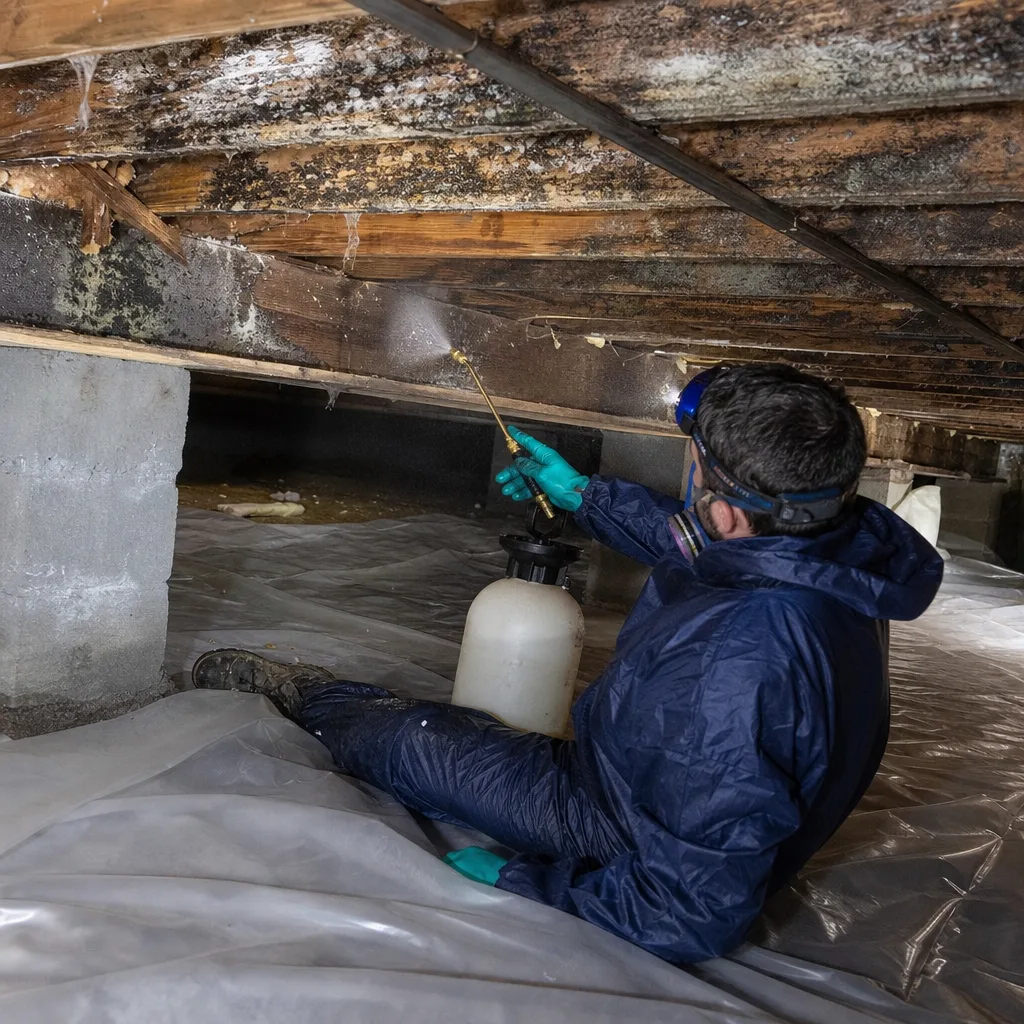
Call a professional immediately for any Category 2 or 3 water loss, any loss exceeding 150 square feet, any loss with visible mold within 48 hours, any loss touching shared walls or structural elements, any loss involving electrical or HVAC systems, and any loss where your moisture readings plateau after 24 hours of equipment operation. These are not judgment calls - they’re the conditions where DIY documentation will not survive adjuster review, and where your out-of-pocket exposure is minimized by professional intervention with insurance coordination. Visit our blog for more guides & resources on protecting your Flushing property.
For qualifying Category 1, Class 1 and 2 losses where you have the equipment, time, and documentation discipline to produce a defensible drying log, DIY is a legitimate option. The key is recognizing the boundary and stopping before you cross it.
DryMark Restoration Flushing offers free estimates in Flushing - call (516) 386-9007. Every estimate includes a written price before work begins under Haven Standard, Clause 1, with no obligation and no pressure. If you’ve received another contractor’s estimate, we’ll review it at no charge through our Free Second Opinion program.
Frequently Asked Questions
Insurance may cover the original water damage if it was a covered peril and you documented the cause and initial conditions, but subsequent mold or structural damage caused by inadequate DIY drying is typically excluded as “faulty maintenance” or “gradual deterioration.” The critical factor is documentation: a drying log with moisture readings, photos, and equipment specifications can establish that your response was reasonable, while undocumented work leaves the insurer free to assign blame.
Call (516) 386-9007 for a free estimate - we can review your documentation and advise on claim strategy before you file.
DryMark Restoration Flushing maintains live phone coverage 24 hours a day, 7 days a week with no voicemail on emergency lines. For active water losses, we dispatch immediately; our typical Flushing response time is under 90 minutes during normal conditions and under 2 hours during major weather events. Speed matters because every hour of delay is moisture migration and potential Category degradation documented in your claim file.
Call (516) 386-9007 - a live person answers every call.
For a true spill under 10 square feet on a non-porous surface with immediate extraction and no material absorption, cleaning is sufficient. For any water that contacted porous materials (drywall, carpet, wood, insulation), that exceeded 10 square feet, or that remained unaddressed for more than a few hours, remediation is required to produce documentation that protects future claims. The cost difference between cleaning and documented remediation is often less than the deductible on a denied future claim.
Call (516) 386-9007 for a written scope and price - estimates are free.
At DryMark Restoration Flushing, we coordinate directly with your adjuster as standard practice. Our documentation package - daily drying logs, photo records, equipment specifications, and completion certificates - is formatted specifically for adjuster review under IICRC, RIA, and IFA standards. We participate in claim conferences, provide supplemental documentation on request, and maintain the file record that turns restoration invoices into payable claims. You are not left to translate technical reports for your adjuster.
Call (516) 386-9007 to discuss your specific claim situation.
A professional drying log contains psychrometric data (specific humidity, dew point, vapor pressure differential) captured with calibrated instruments, not just surface moisture readings. It includes equipment runtime logs showing actual operating hours, not just placement. It documents atmospheric conditions in unaffected areas for comparison baseline. And it’s signed by a technician whose license and insurance are verifiable - creating third-party credibility that homeowner logs lack. The gap is not just data quantity; it’s evidentiary weight.
We provide sample drying log formats during our free estimate process - call (516) 386-9007.
This is the highest-risk approach. If your extraction was incomplete or damaged materials were disturbed, the professional’s baseline documentation starts from a compromised condition. The insurer can argue that your extraction caused the damage the professional is now documenting. If you must begin before professional arrival, document everything - but understand that partial DIY creates a liability gap that full professional engagement from discovery avoids. The safest path is professional response from the start, with documentation that captures the loss in its original condition.
For a fully documented response from discovery to completion, call (516) 386-9007.
The Bottom Line
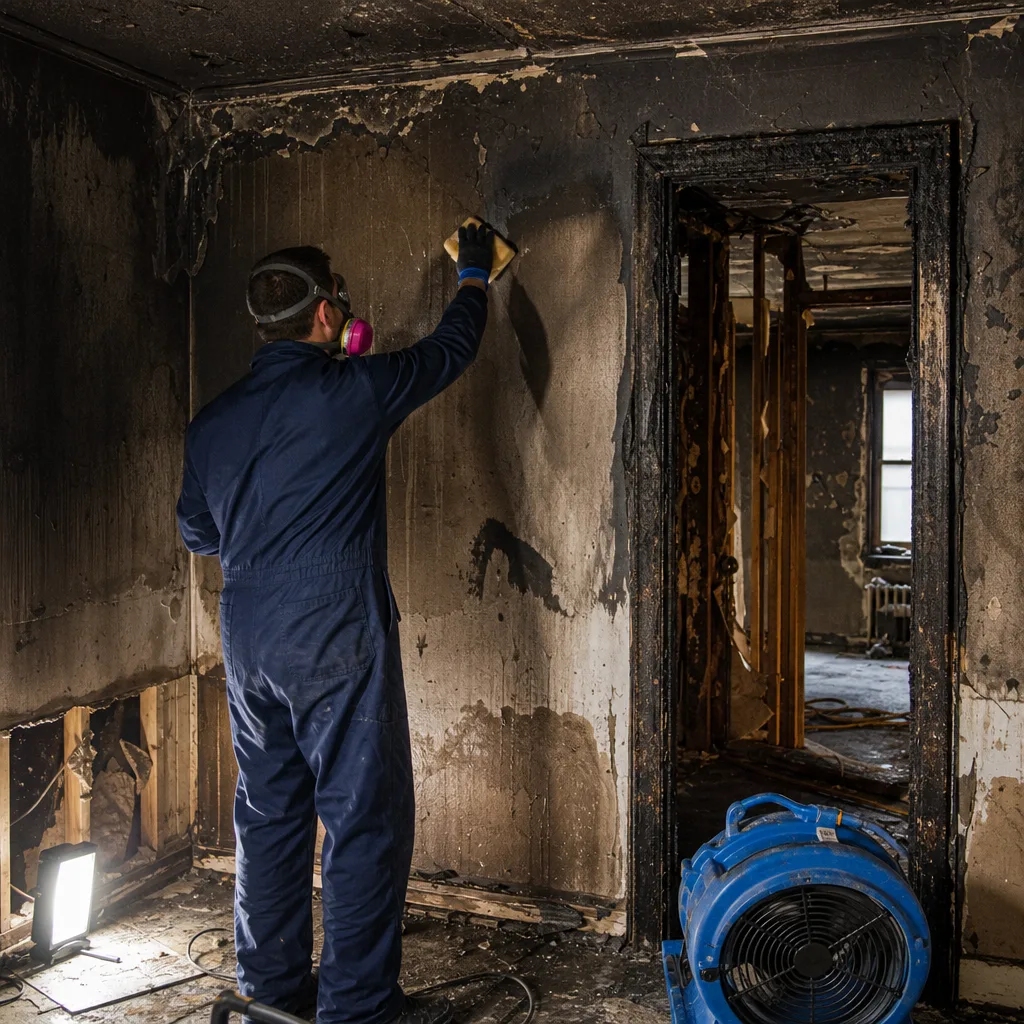
The DIY versus professional decision in Flushing is not primarily about skill or equipment cost. It’s about whether your response produces documentation that survives the review your insurer will apply to every future related claim. A homeowner who self-performs Category 1 drying with a complete moisture log, equipment specifications, and photo record has made a defensible choice. A homeowner who self-performs any work without this documentation - or who attempts DIY on Category 2, 3, or mold-involved losses - has likely increased their total cost beyond what professional remediation would have cost after insurance recovery. The Haven Standard exists because we’ve seen the claims denied: the $400 shop vac rental that became a $12,000 uncovered mold remediation, the undocumented basement drying that voided coverage on the neighbor’s subrogation claim. Documentation is not an extra - it’s the product you’re actually paying for, whether you do the work yourself or hire it done.
Written by Alicia Brennan, Owner at DryMark Restoration Flushing, serving Flushing since 2011.